Národní Přírodní Rezervace Býčí Skála
Národní Přírodní Rezervace Býčí Skála
Attractions and Places To See in Národní Přírodní Rezervace Býčí Skála - Top 5
Best attractions and places to see in Národní Přírodní Rezervace Býčí Skála, located in the Moravian Karst, offer a combination of natural beauty and historical significance. This area is characterized by its remarkable geological formations, including numerous caves and underground rivers. The reserve protects a rich array of ecosystems, featuring diverse flora and fauna within its nearly untouched nature. It is an integral part of one of Central Europe's most significant karst regions.
Best attractions and places to see in…
Last updated: July 5, 2026
Josefov Mines
Highlight • Structure
Translated by Google •
Tip by

Býčí Skála Cave
Highlight • Cave
Translated by Google •
Tip by
Sign up now to discover places like this
Get recommendations on the best single tracks, peaks, & plenty of other exciting outdoor places.
Sign up for free
Jáchymka Cave
Highlight • Cave
Translated by Google •
Tip by
Františka Charcoal Furnace (Stará Huť near Adamov)
Highlight • Monument
Translated by Google •
Tip by
Františčina Huť
Highlight • Historical Site
Cycle route: 5077
More information: technicalmuseum.cz/pamatky/stara-hut-u-adamova
Translated by Google •
Tip by

Start today with a free account
Your next adventure awaits.
Login or Signup
Popular around Národní Přírodní Rezervace Býčí Skála
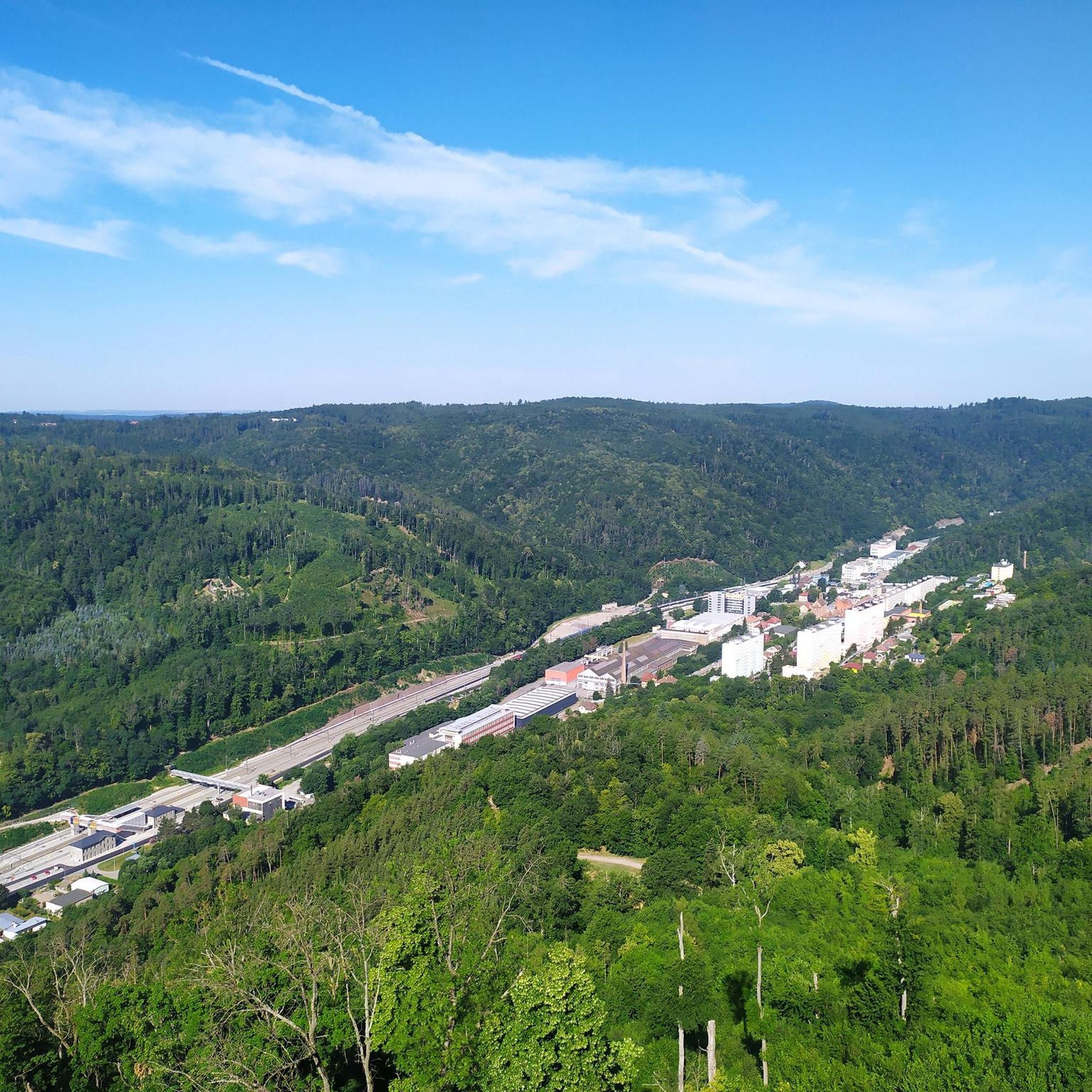
Road Cycling Routes in Národní Přírodní Rezervace Býčí Skála
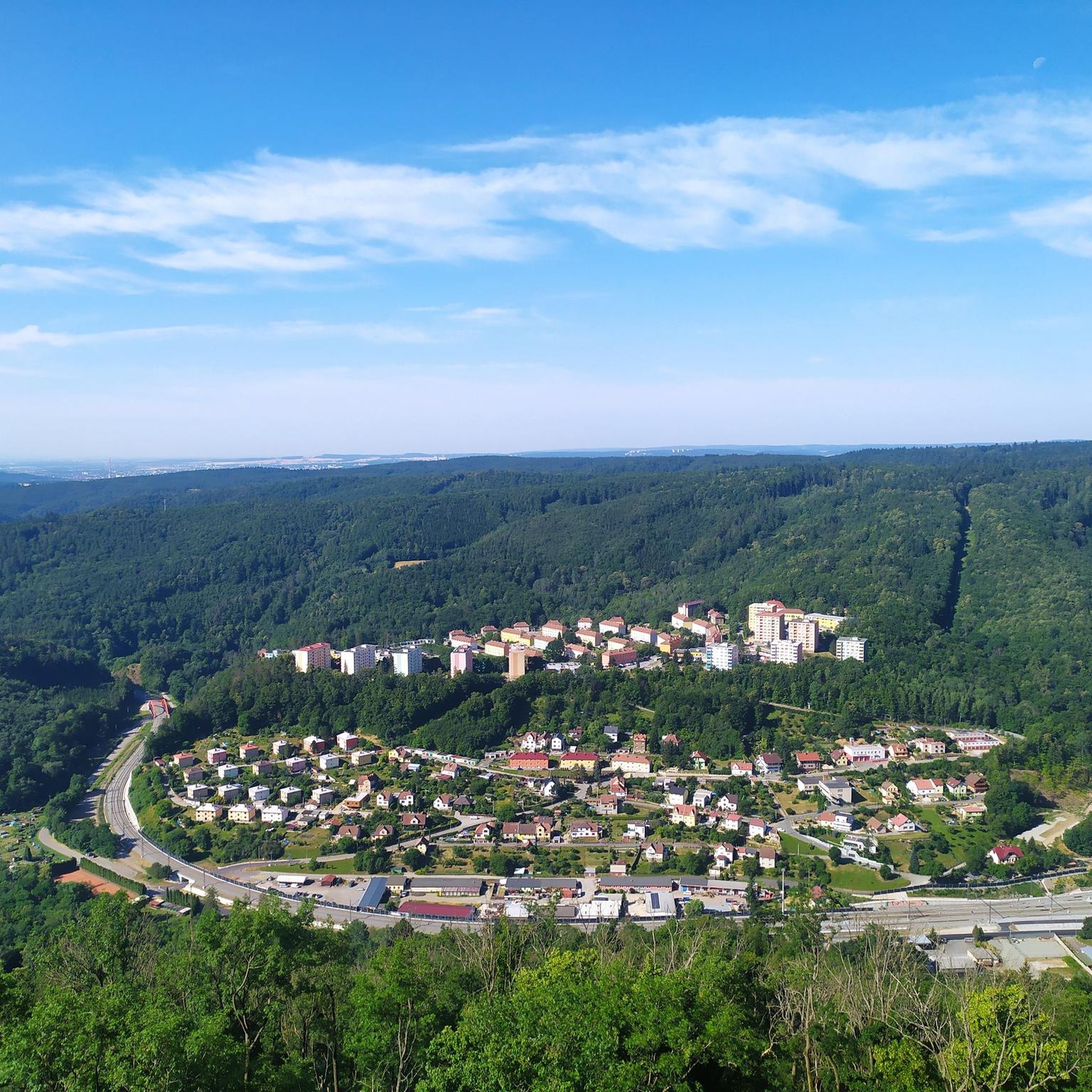
Cycling in Národní Přírodní Rezervace Býčí Skála
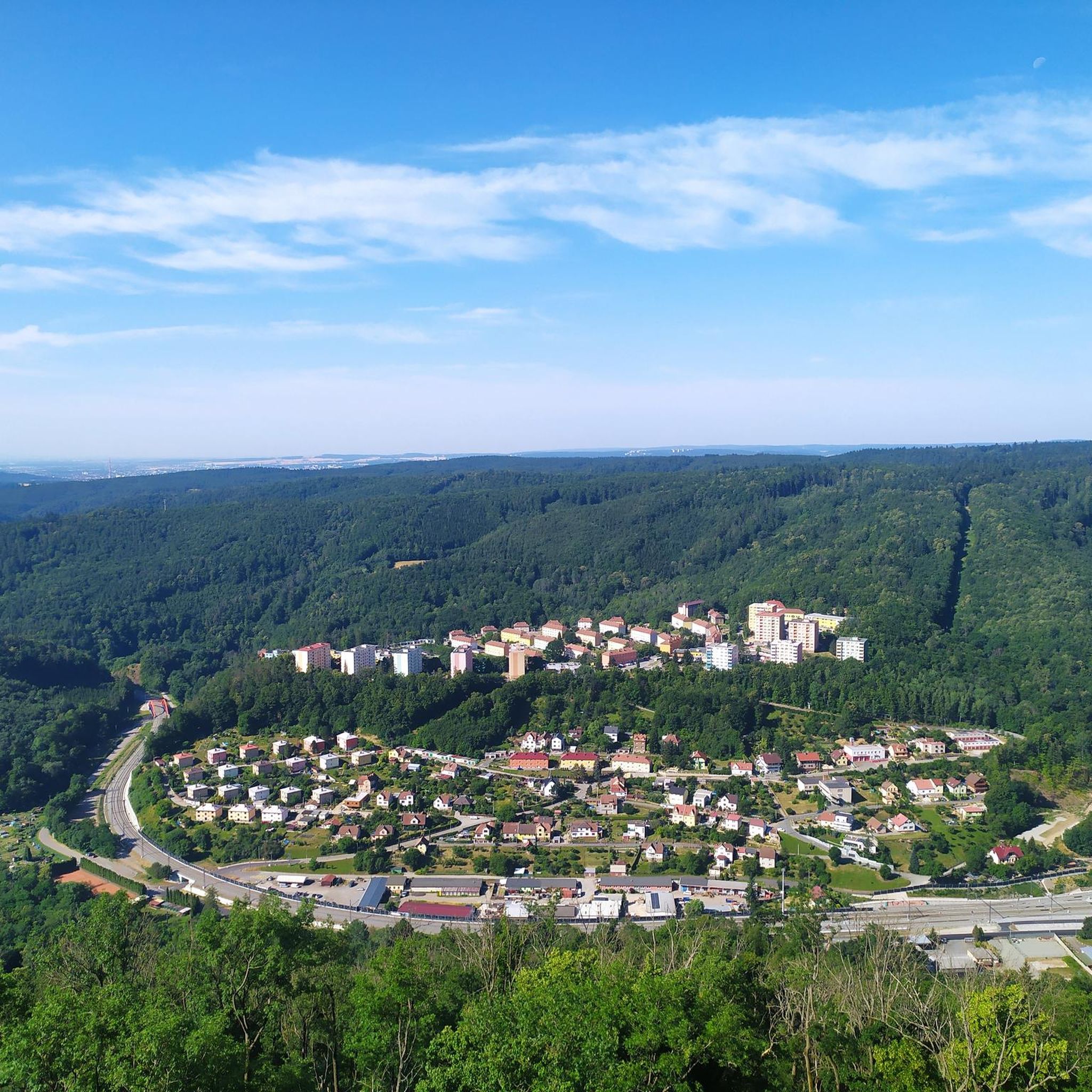
Hiking in Národní Přírodní Rezervace Býčí Skála
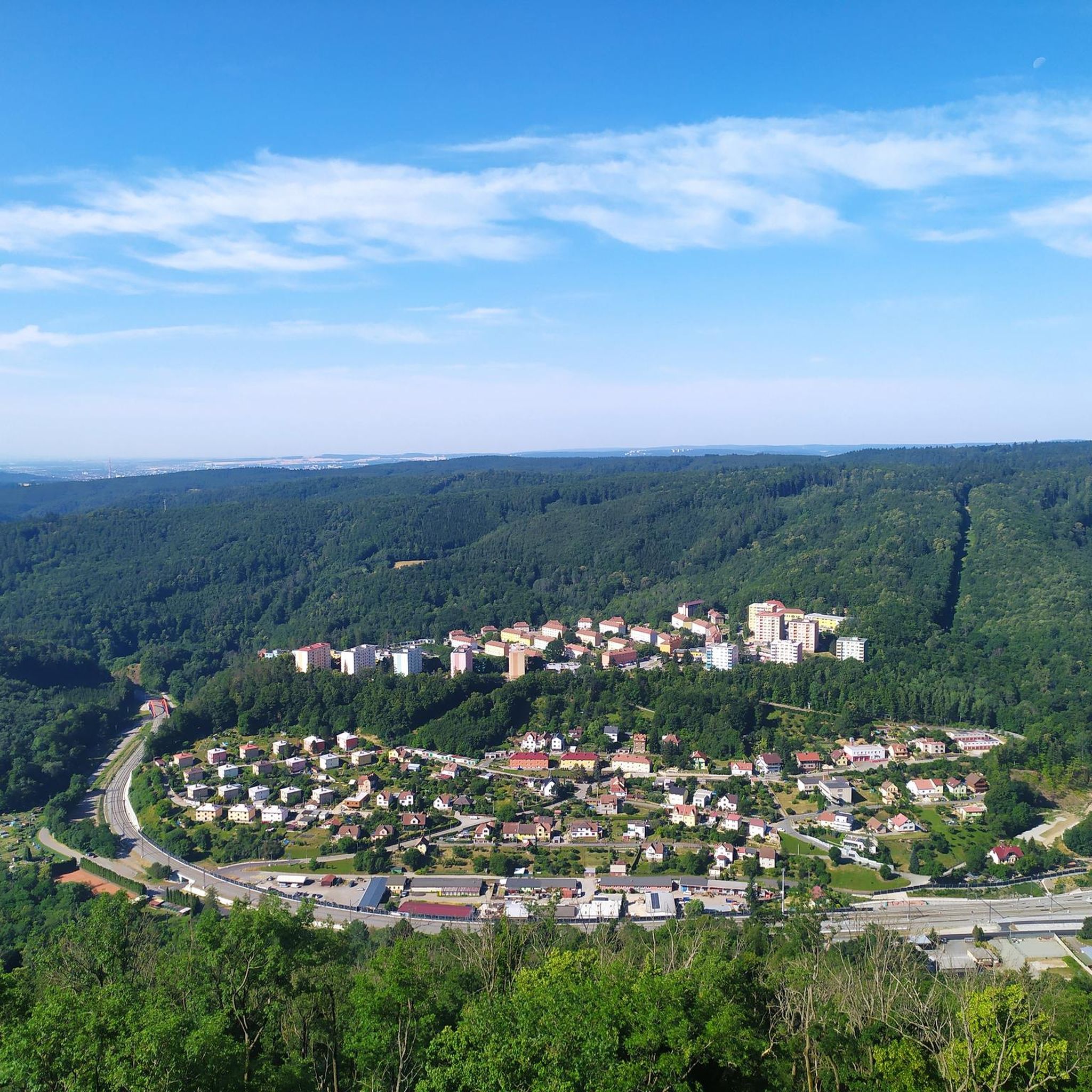
MTB Trails in Národní Přírodní Rezervace Býčí Skála
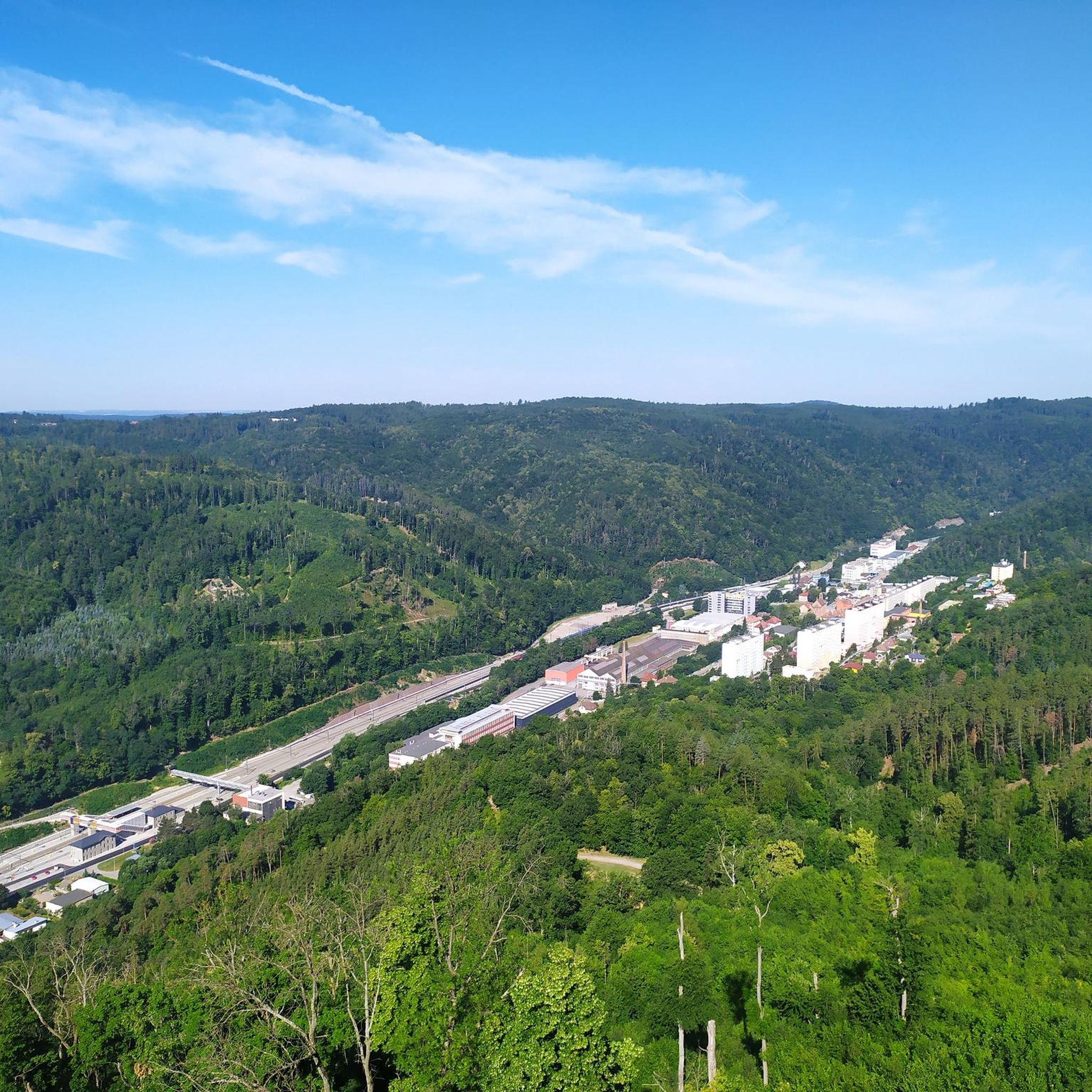
Running Trails in Národní Přírodní Rezervace Býčí Skála
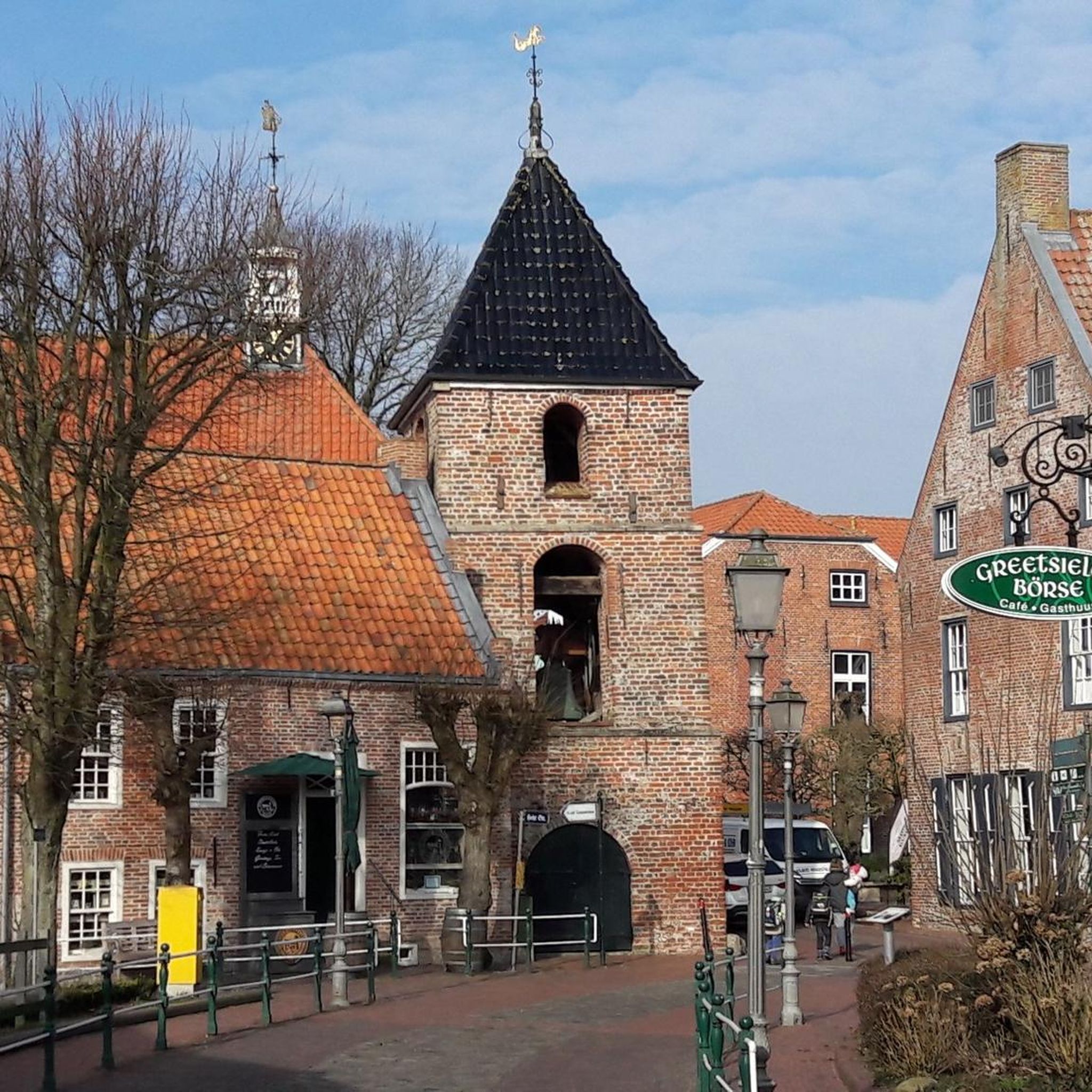
Gravel biking in Národní Přírodní Rezervace Býčí Skála
Tips from the Community

At the beginning of the 1950s during the Cold War, four tunnels were excavated under the Babická plateau in the Křtinské údolí on the left (southern) slope in the area between Švýcárná and the Vaječník groove. Their purpose was to be used for war production in the event of a conflict. It is likely to be linked to arms production in the nearby Adamovské strojírny. After the emigration of the chief engineer and the disclosure of the plans in the Swiss press, it was decided to end the digging of tunnels and to wall up the buildings. Since then, the abandoned tunnels have been crawled by dozens of curious cavers and tourists. In recent years, an expert geological survey was carried out in the tunnels. The tunnels were excavated on the slopes of the Jelenec hill: tunnels I and II on the east and tunnels III and IV on the north. slope. The underground spaces of the tunnels near the entrances are inhabited by a community of invertebrates that are partly adapted to life in the dark and damp. Around tunnels III and IV. Josefovská údolí educational trail leads. Tunnel No. I is located near the Kostelík cave. It is approx. 150 m long and slopes slightly towards the SW. Just before the end of the tunnel, there is a cave-in behind which approximately half of the tunnel is permanently flooded. Also before the cave-in there is water from about halfway up to waist height. Only exceptionally is the bottom dry and it is possible to collapse.
2
0
The old smelter was built at the beginning of the 18th century by Prince Jan Adam of Liechtenstein. The company focused mainly on production for military purposes, at the end of the 18th century the area underwent reconstructions. At the end of the 19th century, production was terminated here due to unprofitability. The dominant feature of this place is a massive high charcoal iron furnace with a base of 12 x 12 meters and a height of about 10 meters. In the area you will also see 2 smaller kilns for burning lime, a ramp, a former model shop called Kameňák and a residential building, in which you will see the exhibition Ironworks of the Central Moravian Karst. Admission: paid
2
0
Býčí skála together with Rudický propadání forms the second longest cave system in the Czech Republic. The total length of the whole system exceeds 15 km. The entrance to the cave is located in the valley of the Křtinský brook. The cave has been used since ancient times. Remains of a settlement from the Paleolithic period were found here. From the Iron Age, many objects were found here, as well as the Hallstatt burial ground with more than 40 skeletons. In 1869, a bronze statuette of a bull was found, after which the cave got its name. Admission: occasional
2
0
The Jáchymka Cave is located on the territory of Adamov in the Josefovské Valley in the central part of the Moravian Karst Protected Landscape Area in the valley of the Křtinský brook, the waters of which were created. People have used the cave since prehistoric times, it got its name from the hermit Joachym, who lived in it in the 19th century. The marked tourist route from Adamov towards Býčí skála, Kostelík and Křtiny passes through it. Wikipedia
2
0

Ironworks Franzenshütte (Stará Huť u Adamova), old ironworks worth seeing, today museum in Josefovské Údolí. Cycle route: 5077 More information: http://www.technicalmuseum.cz/pamatky/stara-hut-u-adamova/
0
0
Frequently Asked Questions
What are the main natural features to explore in Národní Přírodní Rezervace Býčí Skála?
The reserve is a significant part of the Moravian Karst, known for its remarkable geological formations. You can explore extensive cave systems, underground rivers, and various karst phenomena like stalactites and stalagmites. The Býčí Skála Cave itself is part of the second-longest cave system in the Czech Republic, featuring the Jedovnický brook flowing through it.
What historical sites can I visit in the Národní Přírodní Rezervace Býčí Skála area?
The region is rich in history. The Býčí Skála Cave is an important archaeological site with evidence of Paleolithic settlement and a significant Hallstatt burial ground. You can also explore the Josefov Mines, Cold War-era tunnels, and the Františka Charcoal Furnace (Stará Huť near Adamov), an 18th-century ironworks now serving as a museum.
Are there any family-friendly attractions in Národní Přírodní Rezervace Býčí Skála?
Yes, the Františka Charcoal Furnace (Stará Huť near Adamov), which is an old ironworks turned museum, is considered family-friendly. The picturesque Josefovské Valley also offers scenic natural surroundings suitable for family walks and exploration.
Can I go hiking near the attractions in Národní Přírodní Rezervace Býčí Skála?
Absolutely! The reserve offers various hiking opportunities. You can find routes like the 'Josefov Mines – Jáchymka Cave loop' or the 'Foresters' Memorial – Alexandrova Lookout Tower loop'. For more detailed hiking trails and routes, check out the dedicated guide: Hiking in Národní Přírodní Rezervace Býčí Skála.
What is the accessibility like for Býčí Skála Cave?
The Býčí Skála Cave is not accessible to the public year-round. It is occasionally opened for guided tours, typically in late spring or during special events. It's advisable to check local information for specific opening dates.
Are there cycling routes available in the area?
Yes, there are cycling routes that allow you to explore the beautiful landscape around Národní Přírodní Rezervace Býčí Skála. Examples include the 'Horka – Veselý kopeček loop' and the 'Sokolovna Bílovice – Býčí Skála Cave loop'. You can find more cycling options in the guide: Cycling in Národní Přírodní Rezervace Býčí Skála.
What kind of archaeological discoveries were made in Býčí Skála Cave?
The Býčí Skála Cave is famous for significant findings, including a bronze statuette of a bull, which gave the cave its name. A substantial Hallstatt burial site with over 40 individuals was uncovered, along with ceramic and bronze vessels, iron weapons, gold and bronze decorative items, and thousands of glass and amber beads. A Neolithic picture, considered the oldest known cave painting in the Czech Republic, was also found here.
What is the Josefovské Valley and what does it offer?
The Josefovské Valley (Josefovské údolí) is a picturesque valley where the Býčí Skála Cave and Jáchymka Cave are situated. It offers scenic natural surroundings, hiking opportunities, and is home to the Františka Charcoal Furnace and the Josefov Mines.
Are there opportunities for running or trail running in the reserve?
Yes, the diverse terrain of Národní Přírodní Rezervace Býčí Skála is suitable for running. You can find routes such as the 'Zavíravá loop from Adamov' or the 'Running loop from PP Soběšické rybníčky'. Explore more options in the running guide: Running Trails in Národní Přírodní Rezervace Býčí Skála.
What kind of flora and fauna can I expect to see in Národní Přírodní Rezervace Býčí Skála?
The reserve protects a rich array of ecosystems. You can experience nearly untouched nature with diverse flora, including communities of oak and beech trees, and various plant and animal species typical of the Moravian Karst region.
What is the significance of Jáchymka Cave?
The Jáchymka Cave has been used since prehistoric times and is located in the Josefovské Valley. It is named after a 19th-century hermit, Joachym, who lived there. A marked tourist route passes through it, connecting Adamov with Býčí Skála and Křtiny.
Most popular routes in Národní Přírodní Rezervace Býčí Skála

Get inspired with the komoot mobile app


Explore more
Still not found the Highlight you’re looking for? See guides of the top attractions in other regions:
