Attractions and Places To See around Kapsweyer - Top 20
Best attractions and places to see around Kapsweyer include a blend of historical sites, natural beauty, and cultural experiences. This charming border community is nestled between the Haardtrand and the Bienwald forest, making it an excellent starting point for various outdoor activities. Visitors can explore picturesque vineyards, well-developed cycling paths, and significant nature reserves. The region offers a diverse range of attractions easily accessible within Kapsweyer and its surroundings.
Best attractions and places to see around Kapsweyer
- The most popular attractions is Landeck Castle, a castle that offers great views over the Rhine Valley. This well-preserved castle ruin is a popular spot for visitors and hosts events.
- Another must-see spot is German Wine Gate (Deutsches Weintor), an impressive man-made monument. It marks the beginning of the German Wine Route and provides panoramic views.
- Visitors also love Ruins of Guttenberg Castle, a castle ruin with partially preserved structures. It offers historical intrigue and views over the Palatinate Forest.
- Kapsweyer is known for historical sites, natural features, and outdoor activities like hiking and cycling. The region offers a variety of experiences, from exploring ancient castles to traversing scenic vineyards and forests.
- The attractions around Kapsweyer are appreciated by the komoot community, with more than 2400 upvotes and over 2000 photos shared.
Last updated: August 29, 2026
Landeck Castle
Highlight • Castle
Showing Translation
Tip by

Wissembourg
Highlight • Settlement
Wissembourg is beautifully situated on the Lauter and the Lauter Canal, which characterizes the townscape. The town is easily accessible by train. There are direct regional express connections from Mainz and Koblenz on weekends and public holidays. Wissembourg is connected to the tourist cycle path network of Alsace and is therefore ideal as a starting point for numerous cycle tours.
Translated by Google •
Tip by

Sign up now to discover places like this
Get recommendations on the best single tracks, peaks, & plenty of other exciting outdoor places.
Sign up for free
German Wine Gate (Deutsches Weintor)
Highlight • Monument
Showing Translation
Tip by

Wissembourg Old Town and Canals
Highlight • Historical Site
Translated by Google •
Tip by

View of the Lauter
Highlight • Other
Translated by Google •
Tip by

Sign up for free to discover even more attractions around Kapsweyer.
Sign up for free
Already have an account?
Start today with a free account
Your next adventure awaits.
Login or Signup
Tips from the Community

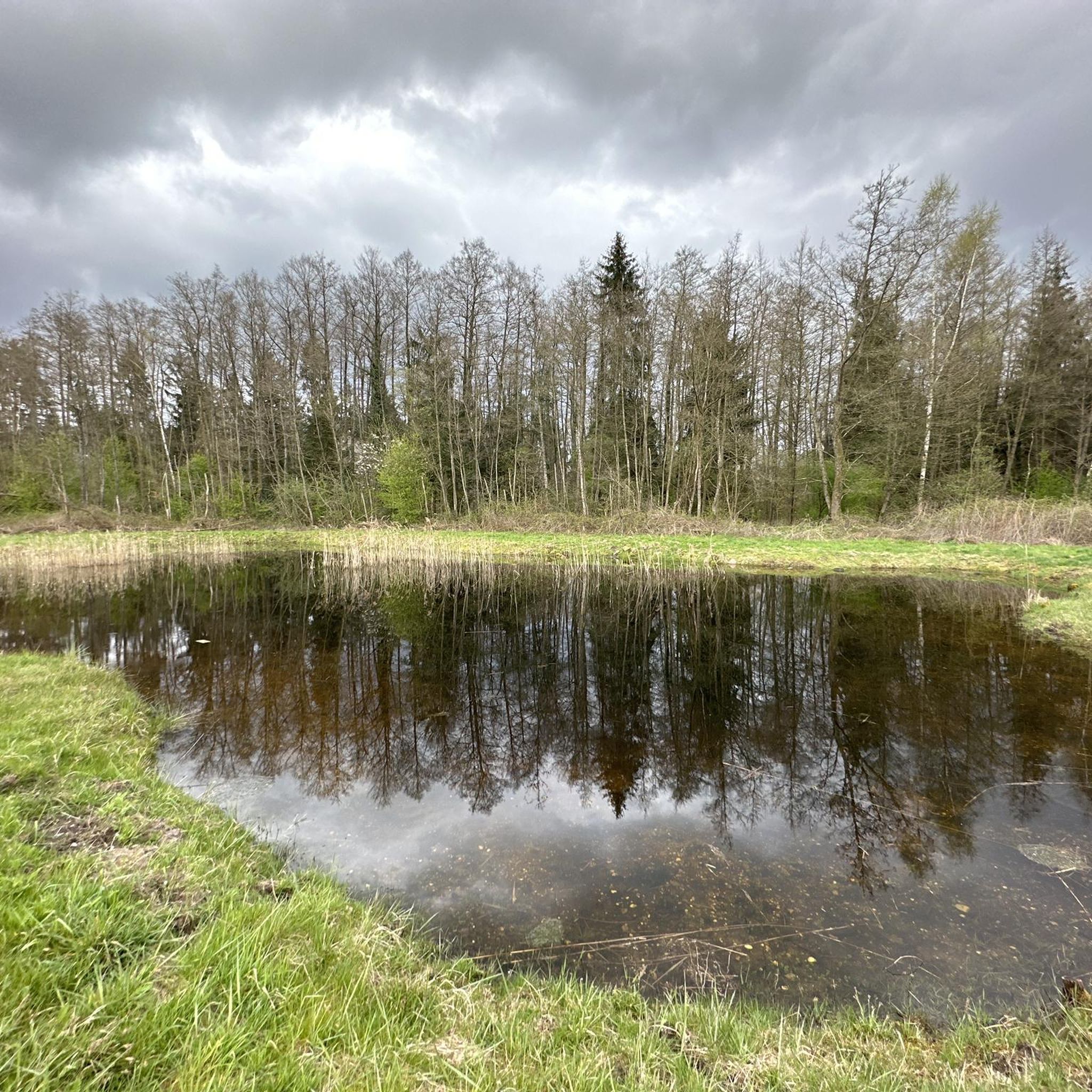
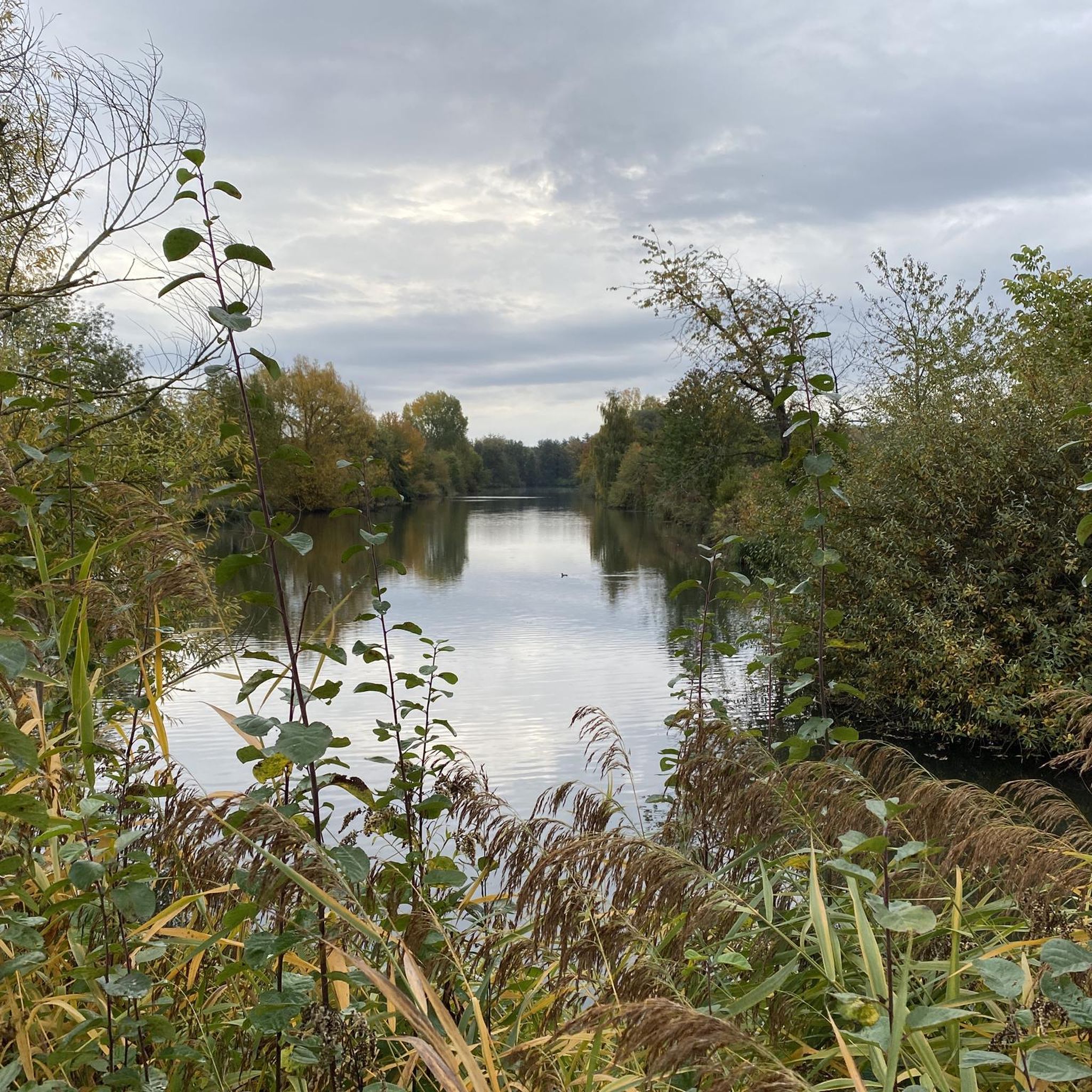
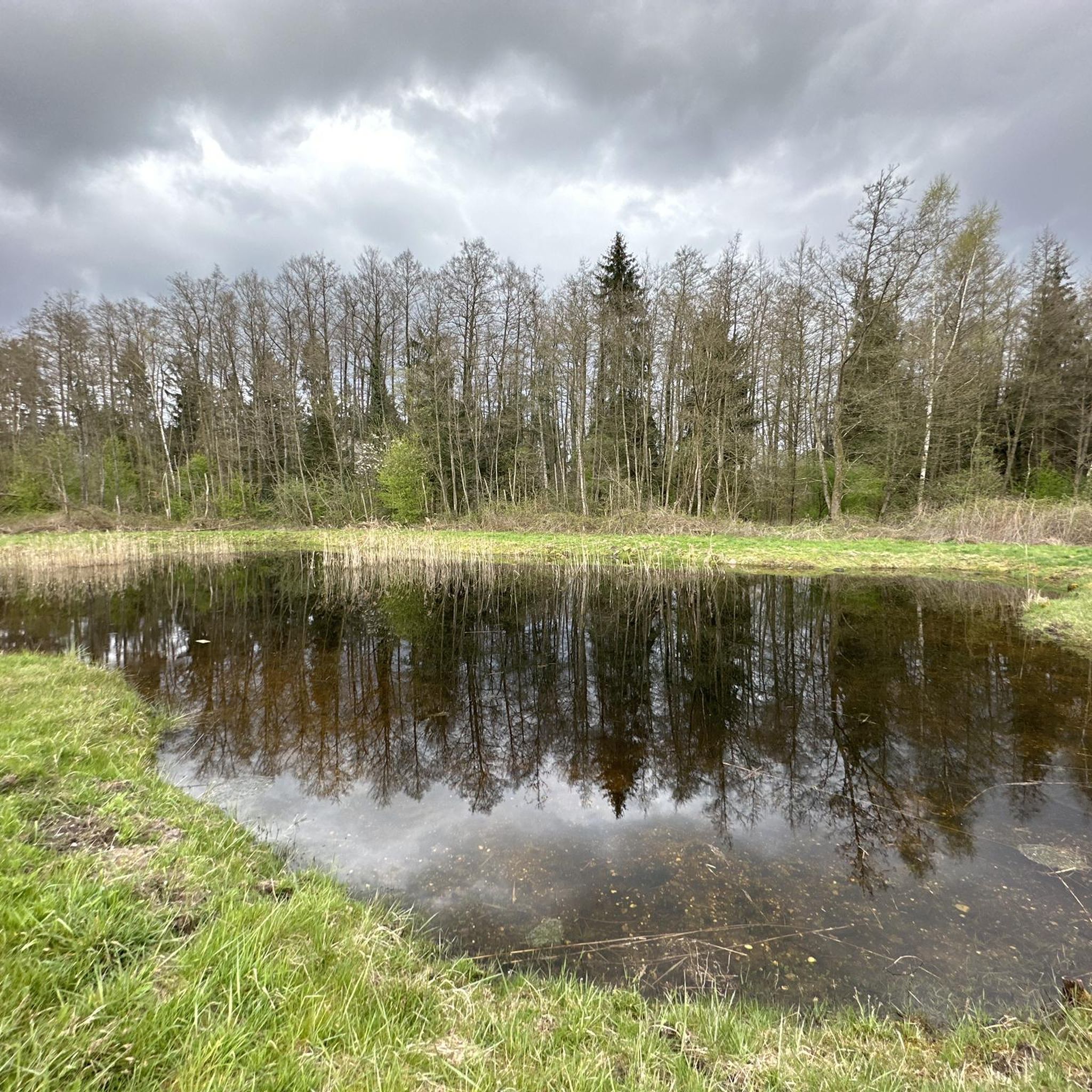
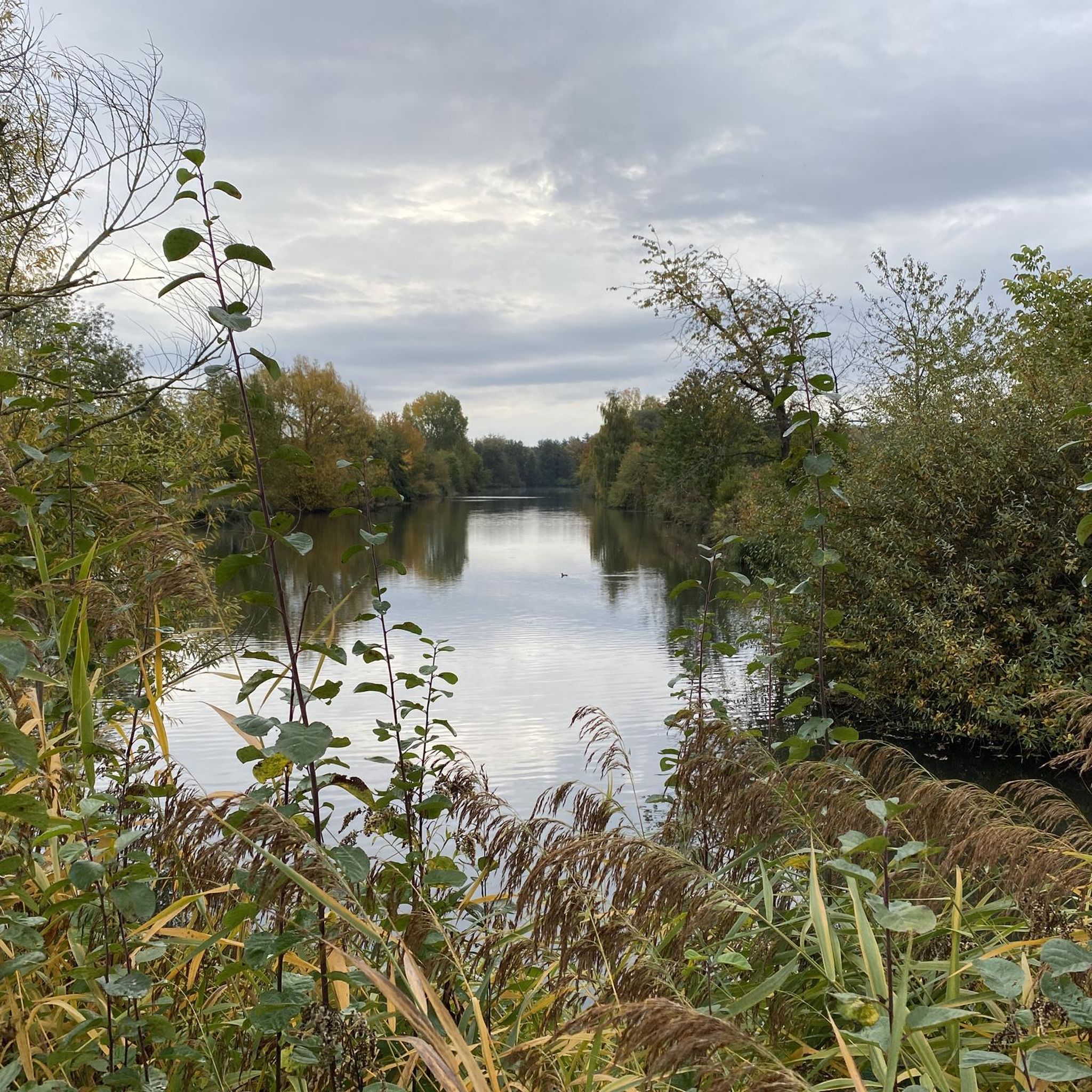
Along the Lauter there are many alleys and paths that repeatedly offer beautiful views of the river and the half-timbered houses of the old town of Wissembourg.
4
0

It's worth taking a look at the Lauter from the many bridges. The perspectives are always different.
10
0

There are many beautiful corners on the Lauter
3
0

Very flowery with beautiful half-timbered houses in the background
4
0

A must-try Patisserie Rebert in Wissembourg
2
1

Wissembourg is definitely worth a visit because of its wonderful old town.
3
1

Hardly anywhere else in France, but here you can find a typically French atmosphere. Cafes, boulangeries and pastry shops. Beautiful old town.
2
1

The German Wine Gate in Silent-Rechenbach is accessible all year round and offers a beautiful all-round view. It is built in the style of a Roman fort. From a historical perspective, you should know that it was created in 1936 during National Socialism at the same time as the Wine Route. When looking at the Weintor from the French side, the former imperial eagle can still be seen; the obligatory swastika was subsequently knocked out. All too understandable. There are some very good winemakers in the surrounding area and it is highly recommended to try one or two wines.
12
0
Frequently Asked Questions
What historical sites can I explore around Kapsweyer?
The region offers several historical attractions. You can visit Landeck Castle, a well-preserved ruin offering great views over the Rhine Valley. Another intriguing site is the Ruins of Guttenberg Castle, which provides historical insights and views over the Palatinate Forest. Within Kapsweyer itself, you'll find the St. Ulrich Church with its notable fresco, and a 16th-century Kapsweyer Castle. Just across the border, the charming French town of Wissembourg boasts an impressive old town with fortifications and historical buildings like the 15th-century salt house.
Are there any significant natural features or viewpoints near Kapsweyer?
Yes, Kapsweyer is nestled between the Haardtrand and the Bienwald forest, offering beautiful natural landscapes. The Landeck Castle provides a great view over the Rhine Valley. The German Wine Gate (Deutsches Weintor) also offers panoramic views. You can also explore the Bienwald forest, which is a significant natural feature, or hike through picturesque vineyards, especially during spring or autumn.
What outdoor activities are popular around Kapsweyer?
Kapsweyer is an excellent starting point for various outdoor activities, particularly hiking and cycling. The region features well-developed cycling paths, including cross-border routes like the 'Wine and Terroir' and 'Bienwald and Lauter' routes. For hiking, popular trails include the Westwallweg and the Viehstrich educational trail in the western Bienwald. You can find numerous routes for hiking, cycling, and running in the area.
Are there family-friendly attractions or activities in the Kapsweyer area?
Many attractions around Kapsweyer are suitable for families. The Landeck Castle and German Wine Gate are both listed as family-friendly. Exploring the charming old town of Wissembourg with its canals and half-timbered houses can also be an enjoyable family outing. Easy hiking and cycling routes are available, such as the 'Minister President’s Viewpoint – Kakteenland Steinfeld loop' for hiking, which is an easy 5.9 km route.
What cultural experiences can I find in Kapsweyer?
Kapsweyer has a lively cultural scene. The village hosts an annual wine festival in August, celebrating the local wine culture, and a traditional Kerwefest in October. You can also admire the distinctive Fountain Sculpture by Jürgen Görtz at the village square and the beautiful half-timbered houses, with the oldest dating back to 1704, contributing to its picturesque atmosphere.
What is the best time of year to visit Kapsweyer for outdoor activities?
The region is beautiful for outdoor activities in spring when the vineyards are in full bloom, and in autumn during the grape harvest season. These seasons offer pleasant weather for hiking and cycling through the vineyards and forests. The annual wine festival in August also makes late summer an attractive time to visit.
Can I find accessible trails or attractions for visitors with mobility needs?
The German Wine Gate (Deutsches Weintor) is noted as wheelchair accessible, offering an impressive landmark and panoramic views. While specific wheelchair-accessible trails are not detailed, many paved cycling paths in the region might offer suitable options for easier movement.
Are there any unique local landmarks or architecture in Kapsweyer?
Yes, Kapsweyer is known for its beautiful half-timbered houses, with the oldest dating back to 1704, which give the village a picturesque atmosphere. The St. Ulrich Church features a notable fresco, and the Fountain Sculpture by Jürgen Görtz at the village square is a distinctive piece of public art.
What are some popular cycling routes near Kapsweyer?
The area around Kapsweyer offers several popular cycling routes. You can explore the 'Lauter Cycle Path – View of the Lauter loop' (36.7 km, moderate) or the 'Bienwaldmühle – Lauter Cycle Path loop' (45.6 km, moderate). For easier rides, consider the 'Samsgasse Half-Timbered Houses – Panorama Route Firstweg loop' (22.4 km, easy). More cycling options can be found on the Cycling around Kapsweyer guide.
What do visitors enjoy most about the attractions around Kapsweyer?
Visitors particularly appreciate the blend of historical sites, natural beauty, and outdoor activities. The great views from Landeck Castle and the historical intrigue of the Ruins of Guttenberg Castle are highly rated. The charming atmosphere of Wissembourg and the impressive German Wine Gate are also popular. The region's well-developed hiking and cycling paths through forests and vineyards are a major draw for nature enthusiasts.
Are there any thermal baths or wellness options nearby?
Yes, for relaxation, the Südpfalz Therme in nearby Bad Bergzabern is a popular option and easily accessible from Kapsweyer.
What kind of hiking trails are available near Kapsweyer?
You'll find a variety of hiking trails, from easy to moderate. Examples include the 'Minister President’s Viewpoint – Kakteenland Steinfeld loop' (5.9 km, easy) and the 'Bison Herd – Rabbit Sculptures Rest Area loop' (6.0 km, easy). The region also features trails like the Westwallweg and the Viehstrich educational trail in the Bienwald. For more options, refer to the Hiking around Kapsweyer guide.
Most popular routes around Kapsweyer
Most popular attractions around Kapsweyer

Get inspired with the komoot mobile app


Explore more
Still not found the Highlight you’re looking for? See guides of the top attractions in other regions:
