The best walks and hikes around Kapsweyer
4.5
(979)
4,655
hikers
24
hikes
Hiking around Kapsweyer offers access to a network of trails primarily characterized by flat to gently rolling terrain within a forested landscape. The region features numerous forest paths, open views, and designated rest areas. Elevation changes are minimal across most routes, making the area suitable for accessible walks. The landscape is predominantly shaped by woodlands and agricultural areas, providing a calm environment for outdoor activities.
Best hiking trails around Kapsweyer
- The most popular hiking route is Minister President’s Viewpoint –…
Last updated: June 20, 2026
5.0
(1)
13
hikers
Easy hike. Great for any fitness level. Easily-accessible paths. Suitable for all skill levels.
3.0
(1)
7
hikers
Easy hike. Great for any fitness level. Easily-accessible paths. Suitable for all skill levels.

Sign up for free
7
hikers
5.06km
01:17
10m
10m
Easy hike. Great for any fitness level. Easily-accessible paths. Suitable for all skill levels.
7
hikers
3.13km
00:50
30m
30m
Easy hike. Great for any fitness level. Easily-accessible paths. Suitable for all skill levels.
5.0
(2)
5
hikers
5.22km
01:19
10m
10m
Easy hike. Great for any fitness level. Easily-accessible paths. Suitable for all skill levels.
Get access to more routes and recommendations from other explorers.
Sign up for free
Already have an account?
Our route recommendations are based on thousands of hikes, rides, and runs completed by other people on komoot.
Start today with a free account
Your next adventure awaits.
Login or Signup
Tips from the Community

The Westwall was a military defense system over 600 km long in World War II. It consisted of several thousand bunkers, tunnels, trenches, minefields, and anti-tank barriers and stretched along the western border of the then German Reich from the Netherlands to Basel. The Westwall was built between 1936 and 1940 in three defensive lines, likely for propaganda reasons. Its French counterpart, the Maginot Line, was built earlier, between 1930 and 1936. In the Palatinate, a 10 km long anti-tank barrier ran from the Palatinate Forest near Oberotterbach, through the Wissembourg Gap to the Bienwald near Steinfeld. The second defensive line led from Göcklingen via Mörzheim, Impflingen, Insheim, in the direction of Herxheim. The anti-tank barrier was built in the form of dragon's teeth lines. Reinforced concrete teeth, placed in several rows and connected by a foundation, were intended to prevent enemy tanks from entering. Today, most of the Westwall has been dismantled, bunkers have been blown up. Relics of the dragon's teeth lines in the Palatinate can still be found near Steinfeld and Niederotterbach, as well as parts of the rear defensive line in Göcklingen and Mörzheim.
2
0

Here you can choose between a shorter or longer tour. The longest tour, the Rhineland-Palatinate Cycle Route, is a good 1000 km long. I speak from experience.
0
0

beautiful area perfect for a break.
2
0

a first address not only for cactus lovers
2
0

There are still dragon teeth everywhere.
0
0
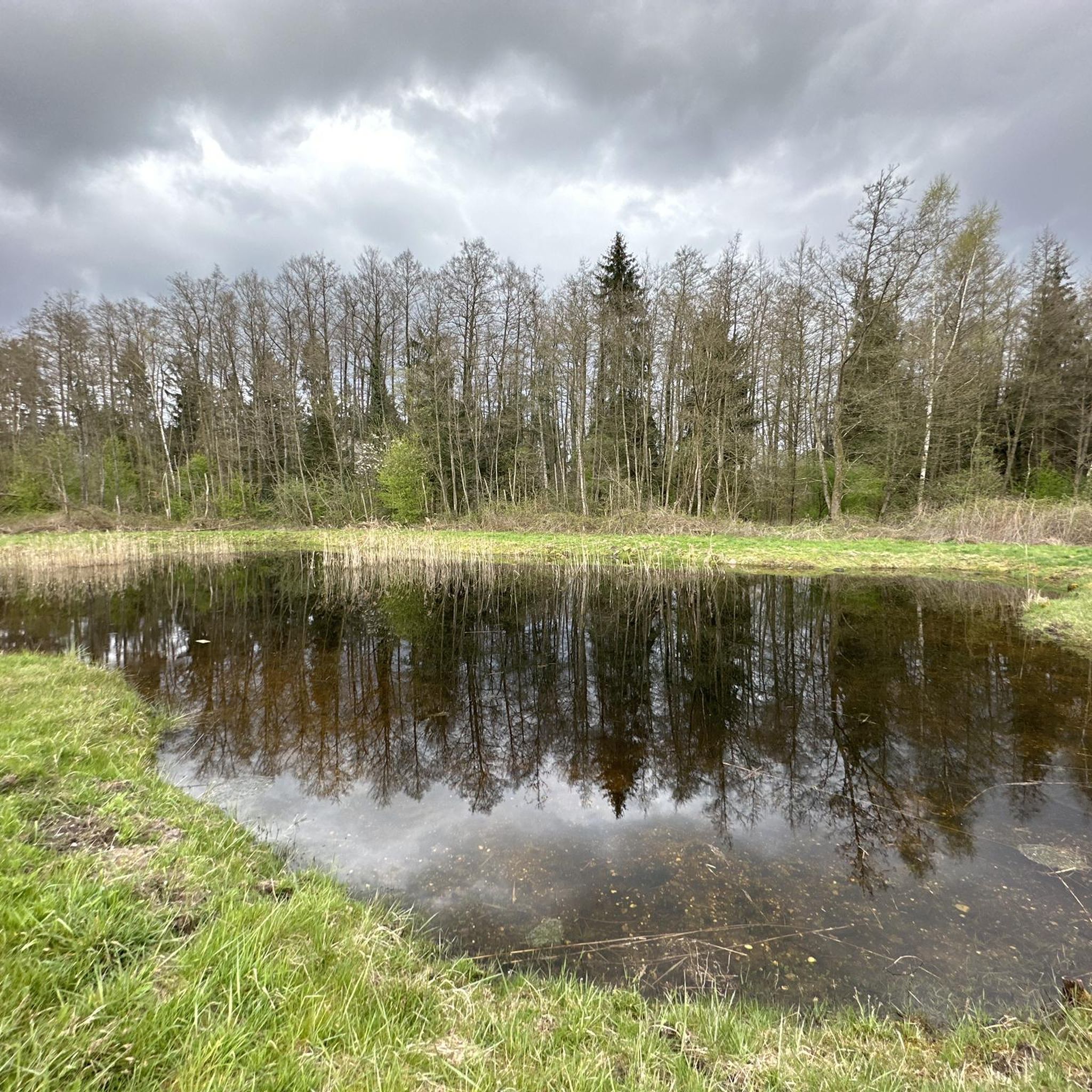
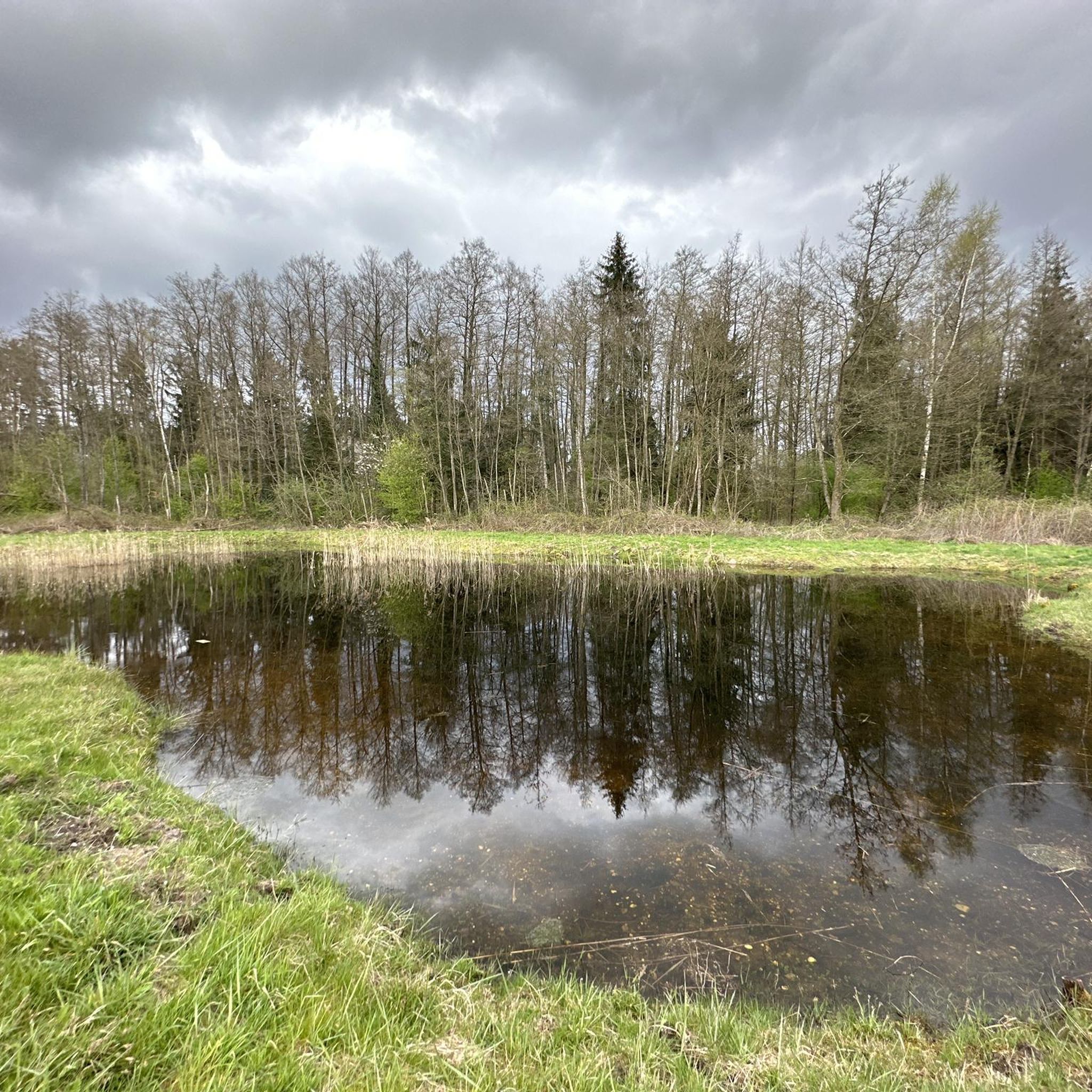
Now a nature reserve. Formerly an anti-tank ditch.
1
0

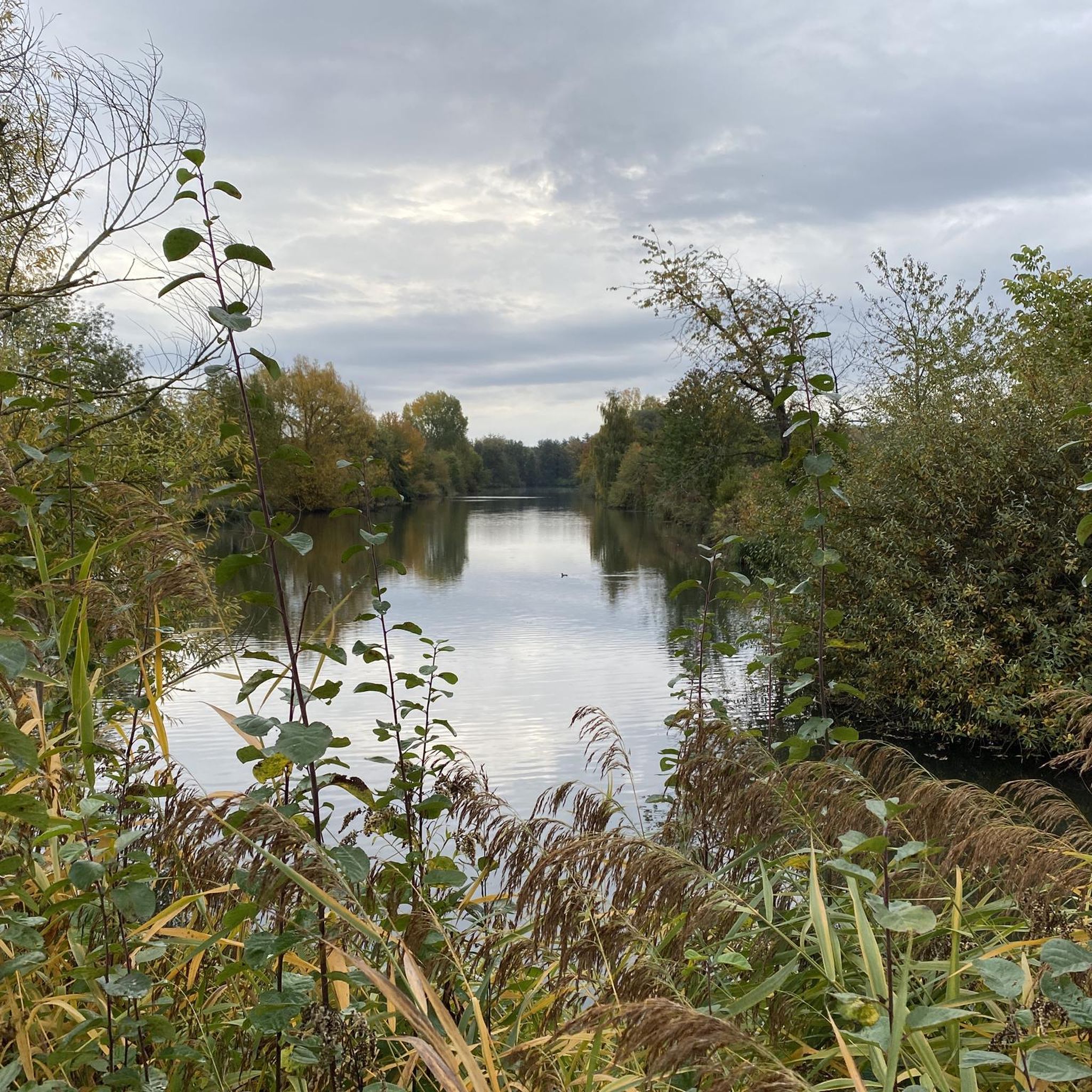
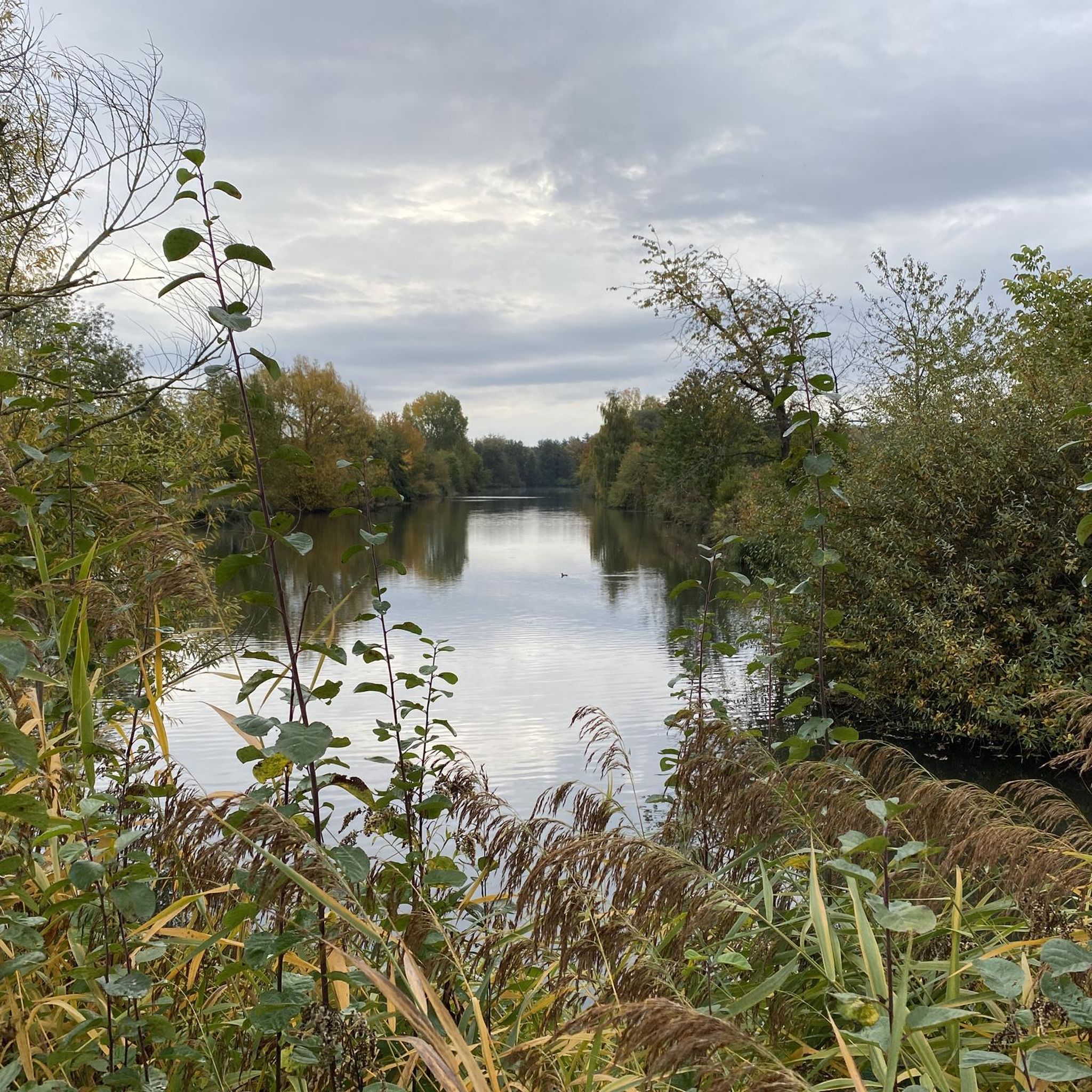
As at the Schweighofen station, there are rabbits, and at the Kapsweyer station there are ducks.
1
2

Tank frontier look is worth it
0
0
Frequently Asked Questions
What is the general difficulty level of hiking in Kapsweyer?
The hiking trails around Kapsweyer are predominantly easy, with 22 out of 24 routes classified as such. There are also 2 moderate trails, but no difficult routes. The terrain is generally flat to gently rolling, making it suitable for a wide range of hikers.
Are there many circular hiking routes available in Kapsweyer?
Yes, Kapsweyer offers numerous circular hiking routes. Many popular trails, such as the Minister President’s Viewpoint – Tank trench near Schaidt loop from Kapsweyer, are designed as loops, allowing you to start and end at the same point without retracing your steps.
Are the hiking trails around Kapsweyer suitable for families with children?
Absolutely. Given the prevalence of easy, flat to gently rolling terrain and minimal elevation changes, most trails in Kapsweyer are very suitable for families. Routes like the Old Schoolhouse – Minister President’s Viewpoint loop from Kapsweyer offer manageable distances and pleasant forest paths.
Can I bring my dog on the hiking trails in Kapsweyer?
Yes, the forest paths and open landscapes around Kapsweyer are generally dog-friendly. Many hikers enjoy exploring the region with their canine companions. Please ensure your dog is kept on a leash where required and that you clean up after them.
Is parking available near the trailheads in Kapsweyer?
While specific parking areas are not detailed for every trailhead, Kapsweyer is a rural area, and it is generally possible to find parking near the start points of popular hiking routes or within the village itself. Look for designated parking signs or suitable roadside spots.
How accessible are Kapsweyer's hiking trails by public transport?
Kapsweyer is a smaller community, so public transport options might be less frequent than in larger towns. It's advisable to check local bus schedules in advance if you plan to rely on public transport to reach the trailheads. Driving to the area often offers more flexibility.
Are there any scenic viewpoints along the hiking routes?
Yes, several routes feature scenic viewpoints. For example, the Minister President’s Viewpoint – Kakteenland Steinfeld loop from Kapsweyer explicitly highlights a viewpoint, offering pleasant vistas over the surrounding landscape.
What kind of nature and wildlife can I expect to see while hiking?
The region is characterized by extensive woodlands, particularly the Bienwald forest, and agricultural areas. You can expect to see typical forest flora and fauna. Keep an eye out for various bird species, small mammals, and the diverse plant life of the Palatinate Forest.
Are there any unique or 'hidden gem' features to discover on the trails?
Yes, some trails offer unique points of interest. The Bison Herd – Rabbit Sculptures Rest Area loop from Kapsweyer, for instance, passes by unique sculptures and designated rest areas, providing a distinctive element to your hike.
What other attractions or points of interest can I visit near Kapsweyer?
Beyond hiking, you can explore various highlights in the vicinity. There are several huts and shelters, such as the Wine Trail Hut or the Silzer Linde Shelter, which can be pleasant stops. For mountain biking enthusiasts, there are also bike parks with trails like the Silzer Linde Singletrail.
What is the best time of year to go hiking in Kapsweyer?
The forested landscape of Kapsweyer makes it enjoyable for hiking throughout much of the year. Spring and autumn offer pleasant temperatures and beautiful scenery with blooming flowers or vibrant fall foliage. Summer provides shaded trails, while winter can offer peaceful, crisp walks, though some paths might be muddy or icy.
Are there options for longer hikes or multi-day tours near Kapsweyer?
While most routes directly around Kapsweyer are shorter, the area is part of the larger Bienwald forest, which connects to extensive trail networks. This allows for the possibility of combining routes or exploring longer sections for those interested in extended day hikes or multi-day adventures within the wider region.
Most popular routes around Kapsweyer
Most popular attractions around Kapsweyer

Get inspired with the komoot mobile app


Explore more
Browse the best Hikes in other regions.
