Attractions and Places To See around Freimersheim (Pfalz) - Top 20
Attractions and places to see around Freimersheim (Pfalz) offer a blend of historical significance and natural beauty within the Palatinate region. The village itself has a documented history dating back to 771 AD, with archaeological findings indicating human settlement for thousands of years. The surrounding area is characterized by vineyards and rolling hills, providing a scenic backdrop for exploration. Visitors can discover historical sites, castles, and picturesque villages, reflecting the region's rich heritage and landscape.
Best attractions and places to…
Last updated: May 9, 2026
St. Martin Historic Village
Highlight • Historical Site
Translated by Google •
Tip by

Rietburg (castle ruins with mountain restaurant)
Highlight • Castle
On a nice weekend you will rarely get a table on the terrace of the restaurant.
Above the restaurant on the ruins but you always have the opportunity to enjoy the view.
Translated by Google •
Tip by

Sign up now to discover places like this
Get recommendations on the best single tracks, peaks, & plenty of other exciting outdoor places.
Sign up for free
Hambach Castle
Highlight • Castle
Translated by Google •
Tip by

Edenkoben Victory and Peace Monument
Highlight • Monument
Once a year it is the perfect location for the event rock-am-friedensdenkmal.de
Translated by Google •
Tip by
Kropsburg
Highlight • Castle
Translated by Google •
Tip by

Sign up for free to discover even more attractions around Freimersheim (Pfalz).
Sign up for free
Already have an account?
Start today with a free account
Your next adventure awaits.
Login or Signup
Popular around Freimersheim (Pfalz)
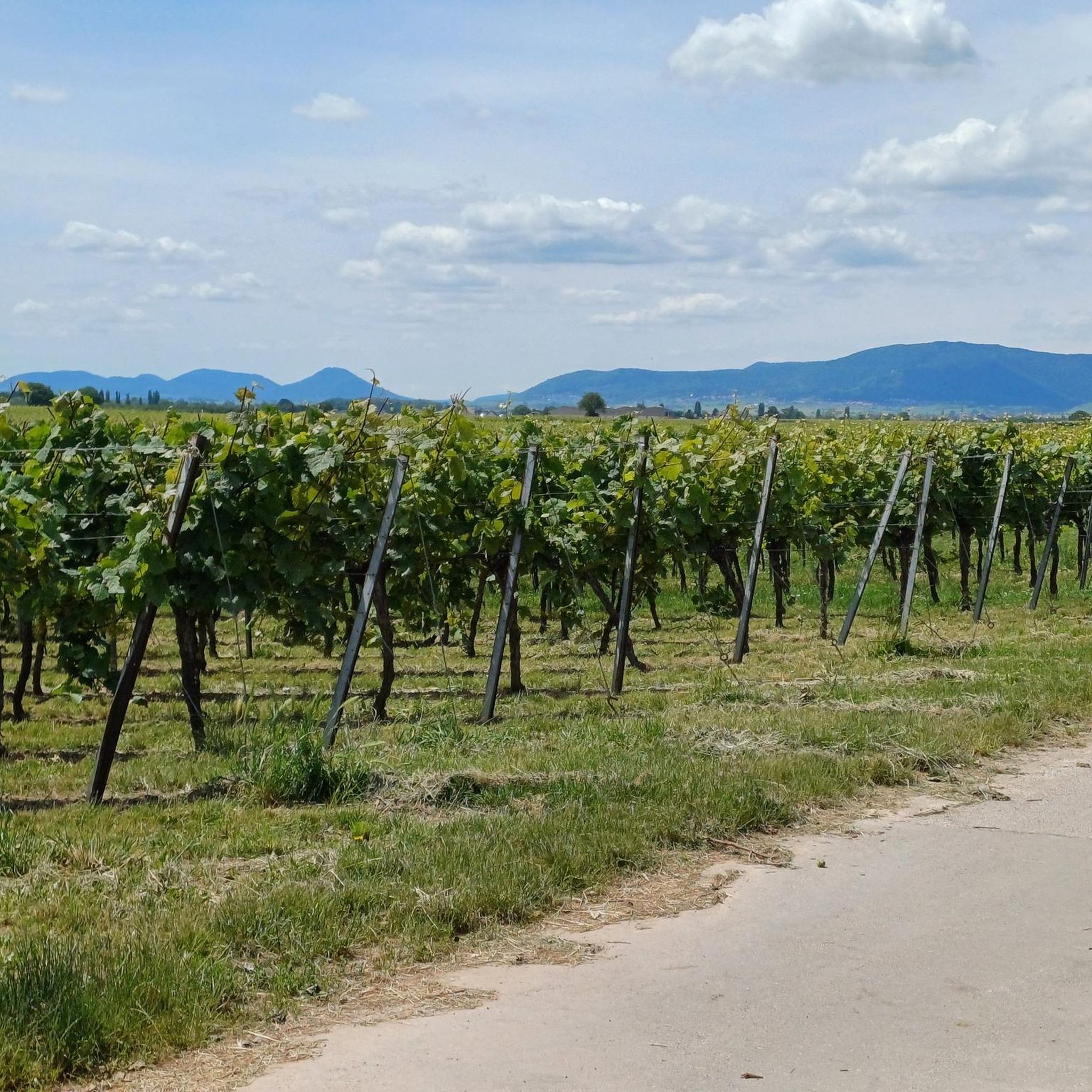
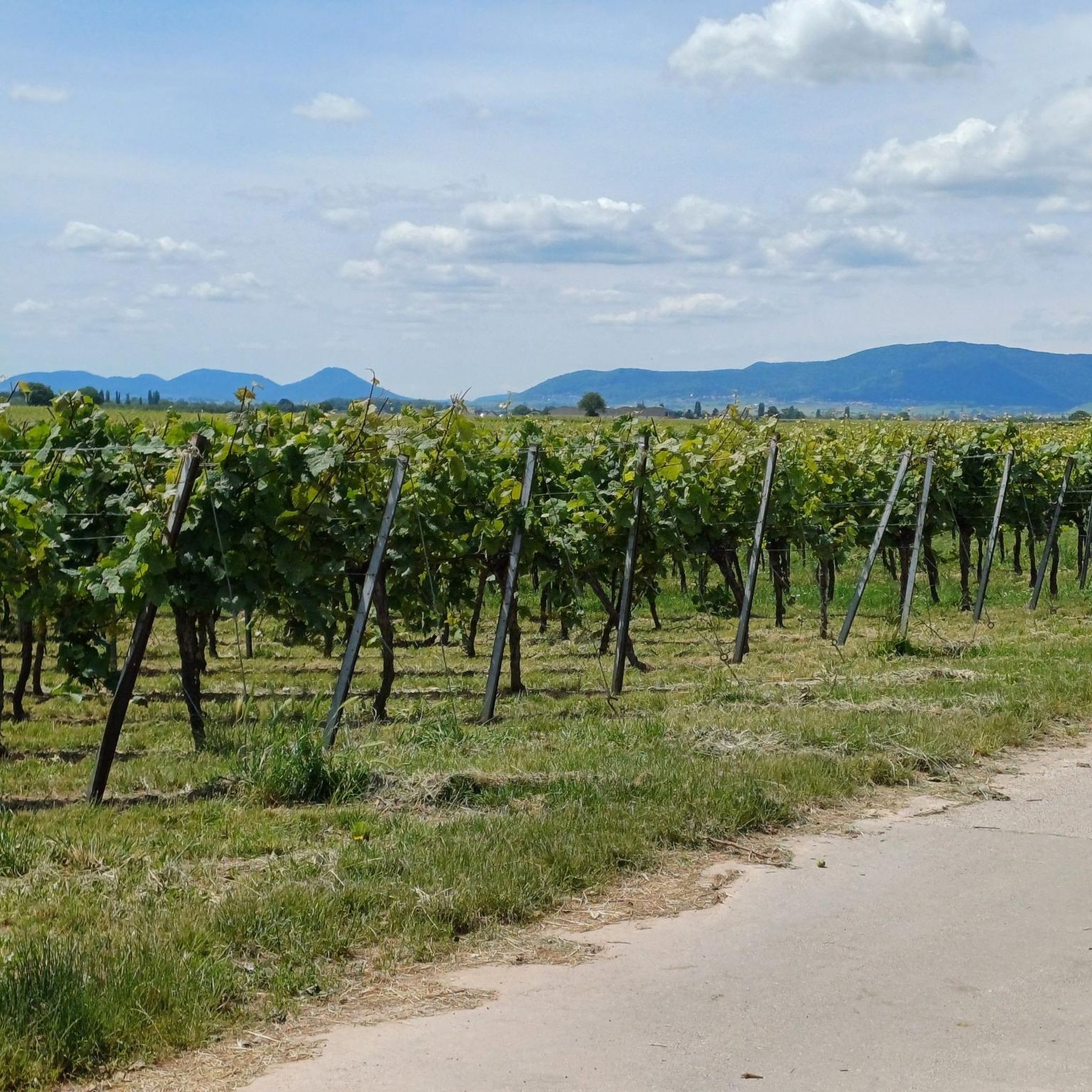
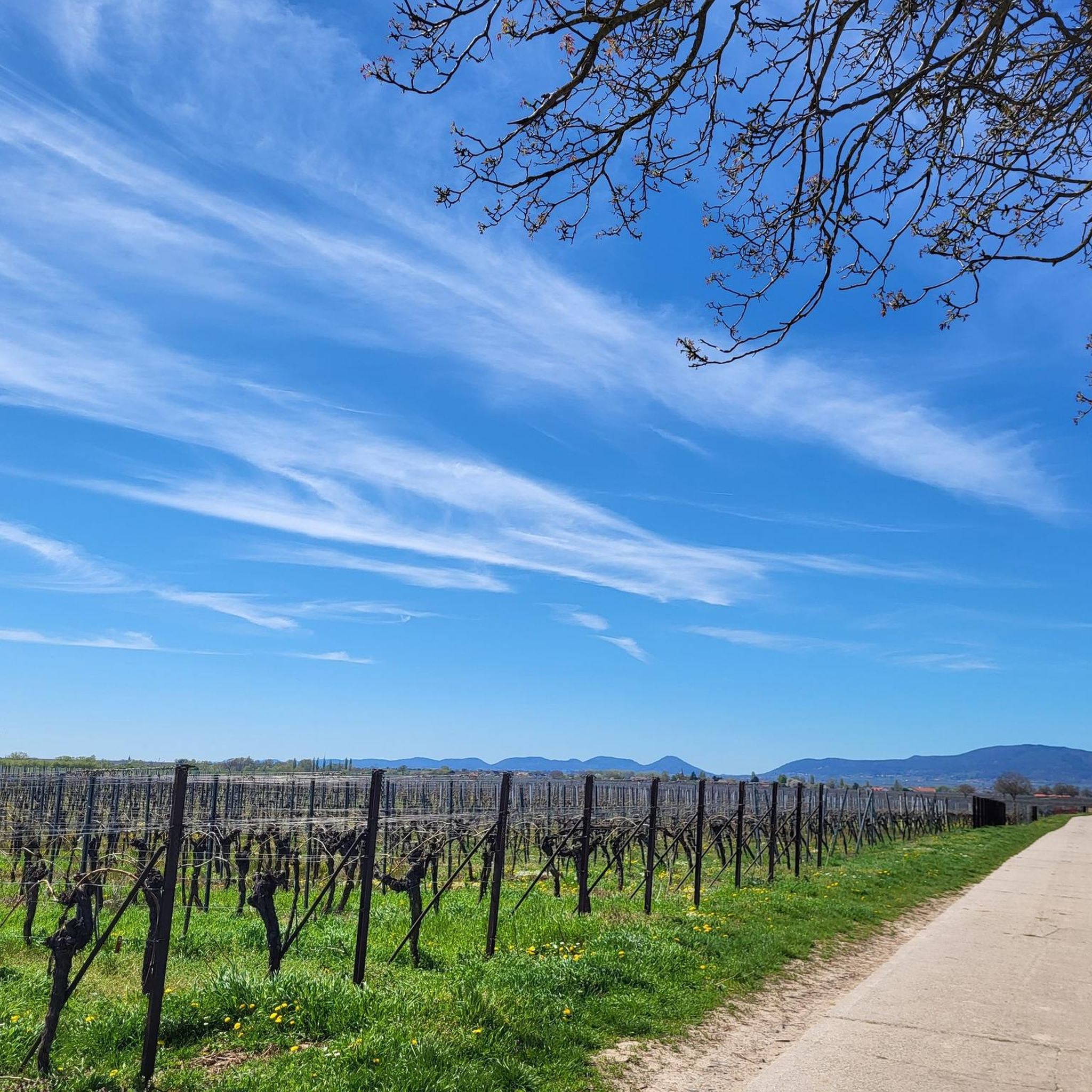
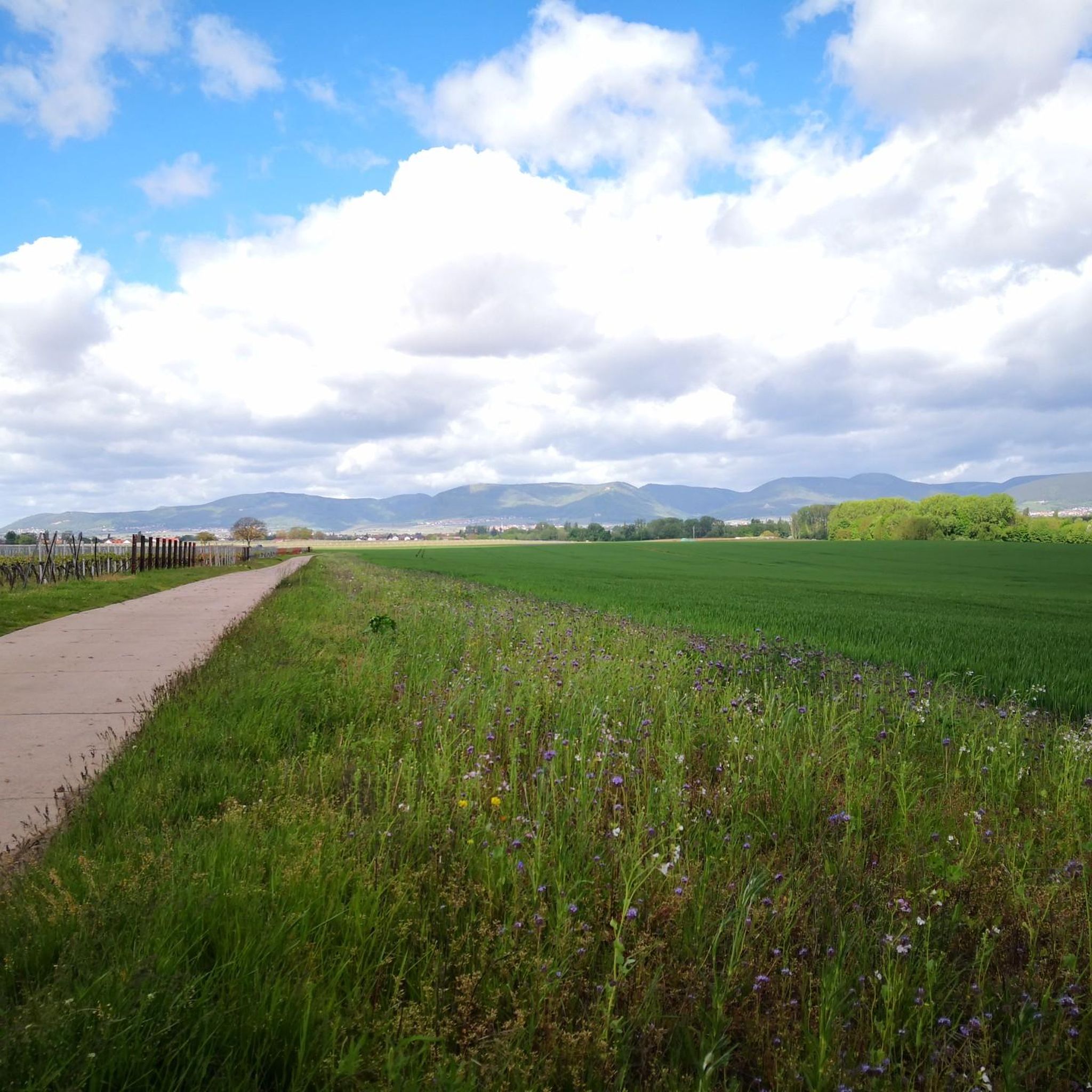
Tips from the Community

A beautiful idyllic wine village with many half-timbered houses. Some places to stop for refreshments available.
10
1

The construction of the Kropsburg goes back to the Staufer and is dated to around 1200; At that time, a whole ring of castles was built to shield the Reichsburg Trifels, which was about 20 km away. Similar to the Hambach Castle to the north and the Rietburg Castle to the south, the Kropsburg offered a wide view of the Rhine plain. Initially, the Kropsburg was the seat of a ministerial. It was later inherited by the descendants of the vassals and thus became the Ganerbenburg with several owners, who expanded it into an upper and a lower castle. A small dominion, which consisted of the towns of Sankt Martin, Maikammer and Winnweiler, belonged to the castle.[2] After the end of the Staufers in the second half of the 13th century, it came into the possession of the Bishopric of Speyer. This enfeoffed various noble houses with the Kropsburg, including those of Kropsberg, von Ochsenstein and von Odenbach. John III Chamberlain von Worms first acquired a house in Kropsburg in 1323 from his son-in-law, Merkel von Kropsburg. In 1345 he then bought his entire 50% share in the castle and associated goods. The descendants of John III. between 1393 and 1439 they also bought the second half of the Kropsburg, so that it now belonged exclusively to the family of the chamberlains from Worms.[3] From 1492 to 1531 Johann XXII was from this family. Chamberlain of Worms Lord of the Kropsburg and in St. Martin, where his magnificent tomb is preserved in the local Martinskirche. In 1522, the castle chapel St. Ägidius is mentioned in a document, for which Georg von Schwalbach, cathedral custodian and general vicar of the Speyer diocese, approved the safekeeping of the holy of holies. The chaplain of St. Martin also receives permission to work there as a pastor.[4] While the Kropsburg survived the turmoil of the Peasants' War and the Thirty Years' War almost unscathed in the 16th and 17th centuries, it was completely and finally destroyed by French troops in 1689 during the Palatinate War of Succession. In 1771 Jakob Amandus von Dalberg built a new stately home on the ruins of the lower castle. After remodeling and modernization, it later operated as a restaurant until it closed. The new restaurant built on the site is known for its panoramic view over the Rhine plain. from Wikipedia
11
0

Idyllic wine village on the edge of the Palatinate Forest with access to great hikes, holiday apartments and of course many wineries and restaurants.
10
1

Beautifully located, small wine-growing town with many lovingly tended red sandstone facades and gardens.
8
0

Apart from the touch of history, the castle offers a wonderful view of the surrounding area. Very nice, definitely worth a detour. Gastronomy is not neglected. You can also enjoy the surroundings with a piece of cake and a cup of coffee on the terrace of the cafeteria.
11
1


A cool wine spritzer on the terrace and enjoy the magnificent view. What more could you want, simply brilliant.
9
0
Frequently Asked Questions
What historical sites can I explore in and around Freimersheim (Pfalz)?
Freimersheim itself offers a glimpse into its past with a 13th-century Catholic church, an Evangelical church with a Stumm organ, a rustic wooden house, and a 19th-century water cistern. For more extensive historical exploration, nearby attractions include Hambach Castle, known as the 'birthplace of German democracy', the picturesque St. Martin Historic Village with its half-timbered houses, and the Edenkoben Victory and Peace Monument.
Are there opportunities for hiking and cycling near Freimersheim (Pfalz)?
Yes, the region around Freimersheim is ideal for outdoor activities. You can find numerous routes through vineyards and meadows. For cycling, explore options like the German-French cycling pleasure route 'Wine and Terroir' or trails into the Kaltenbachbruch nature reserve. Komoot offers various cycling guides, including Cycling around Freimersheim (Pfalz), MTB Trails around Freimersheim (Pfalz), and Road Cycling Routes around Freimersheim (Pfalz).
What natural features and viewpoints can I find in the area?
Freimersheim is nestled in a winegrowing region, offering scenic landscapes of vineyards and rolling hills. Many attractions provide excellent viewpoints, such as Rietburg (castle ruins with mountain restaurant) and Kropsburg, both offering magnificent views over the Rhine plain and surrounding vineyards. The Edenkoben Victory and Peace Monument also provides a great vantage point.
Are there family-friendly attractions around Freimersheim (Pfalz)?
Several attractions in the area are suitable for families. Hambach Castle offers engaging historical exhibitions, while Rietburg provides a fun outing with its mountain restaurant and views. The Edenkoben Victory and Peace Monument is also a good starting point for family hikes.
What is the best time of year to visit Freimersheim (Pfalz) for outdoor activities?
The Palatinate region, including Freimersheim, is particularly appealing during spring, summer, and early autumn. These seasons offer pleasant weather for hiking and cycling through the vineyards and enjoying the scenic views. The autumn also brings wine festivals and the vibrant colors of the changing foliage.
Can I find local wine experiences or culinary delights in the region?
Absolutely. Freimersheim is part of a renowned winegrowing region, known for its wines, especially Riesling. The nearby St. Martin Historic Village is famous for its wine bars and vineyards, offering excellent opportunities for wine tasting and enjoying local cuisine. Many castle ruins, like Rietburg and Kropsburg, also feature restaurants or wine gardens with Palatinate specialties.
What are some lesser-known or unique attractions near Freimersheim (Pfalz)?
Beyond the major castles, consider visiting the Flonheim Trullo, a unique Italian vineyard cottage from 1756 that now serves as a landmark and picnic spot. Westhofen Castle, an 18th-century castle with an impressive baroque garden, also offers a journey through time. The Museum Wormser Tor provides insights into local history and art.
What do visitors enjoy most about the attractions around Freimersheim (Pfalz)?
Visitors frequently highlight the stunning panoramic views from sites like Hambach Castle and Rietburg. The historical significance of places like Hambach Castle and the charming atmosphere of St. Martin Historic Village are also highly appreciated. Many enjoy the combination of cultural exploration with opportunities for refreshment at the various castle restaurants and wine bars.
Is public transport available to reach attractions from Freimersheim (Pfalz)?
While Freimersheim is a tranquil village, public transport options exist to connect to larger towns and some attractions. However, for direct access to all hiking trails and more remote castle ruins, a car might offer more flexibility. It's advisable to check local bus and train schedules for specific routes to destinations like Hambach Castle or St. Martin.
Are there any specific tips for visiting Hambach Castle?
When visiting Hambach Castle, plan to spend ample time. It's not just a viewpoint; the castle houses a very informative museum about its role as the 'birthplace of German democracy'. The staff are often praised for their helpfulness in explaining the historical background. There's also a restaurant on-site, and the views of the Rhine plain are exceptional.
Where can I find accommodation or places to eat in Freimersheim (Pfalz)?
Freimersheim, being a smaller village, offers a tranquil setting. While specific large hotels might be limited, you can often find guesthouses or holiday apartments. For dining, local restaurants and traditional 'Weinstuben' (wine taverns) in Freimersheim and the surrounding villages, particularly in places like St. Martin, offer regional Palatinate specialties and local wines.
Are there dog-friendly trails or attractions in the Freimersheim (Pfalz) area?
The natural landscapes around Freimersheim, including the vineyards and forest trails, are generally dog-friendly for walks and hikes. Many outdoor restaurants and beer gardens in the region also welcome well-behaved dogs. It's always a good idea to keep dogs on a leash, especially in nature reserves or near livestock, and to check specific venue policies if planning to visit indoor attractions.
Most popular routes around Freimersheim (Pfalz)
Most popular attractions around Freimersheim (Pfalz)

Get inspired with the komoot mobile app


Explore more
Still not found the Highlight you’re looking for? See guides of the top attractions in other regions:
