Attractions and Places To See in Noosa National Park - Top 10
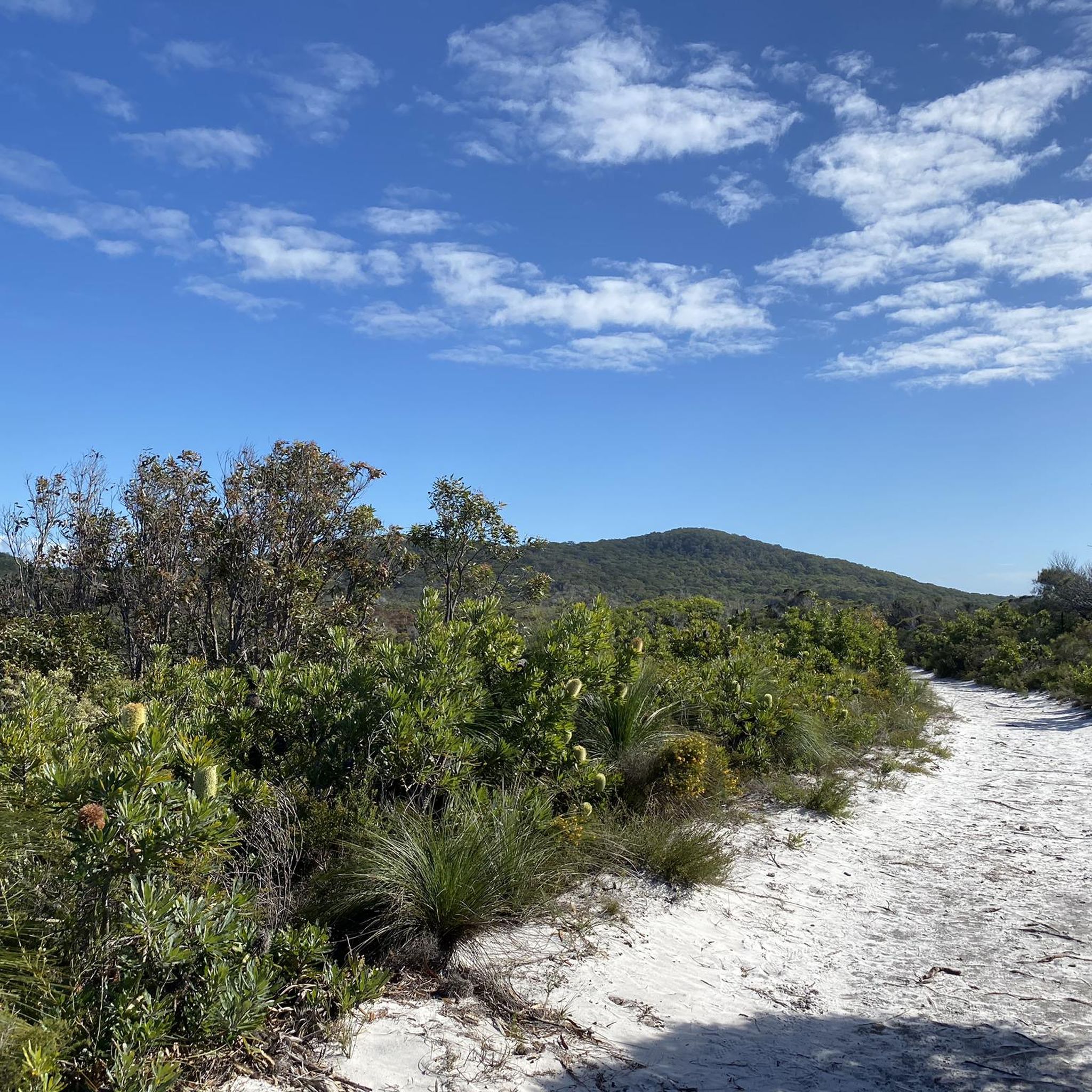
Best attractions and places to see in Noosa National Park include diverse coastal scenery, lush rainforests, and abundant wildlife. This significant wildlife sanctuary on Queensland's Sunshine Coast features various ecosystems, such as eucalypt forests, woodlands, and wallum heathland. The park is home to nearly 3,000 species of plants and animals, many native to Queensland. Visitors can explore areas like Noosa Headland, Emu Mountain, and Peregian, each offering unique natural features.
Best attractions and places to see in Noosa National Park
- The most popular attractions is Hell's Gates, a viewpoint that is an impressive coastal lookout where sheer cliffs drop to the ocean. This exposed, windswept setting is one of the most memorable vantage points on the Noosa coastline.
- Another must-see spot is Sunshine Beach lookout, a viewpoint offering great views. It is a place to pause and appreciate the coastal scenery.
- Visitors also love Granite Bay, a secluded and wide sandy bay on the coastal track. The waters here are often calm, making it accessible from Noosa Head Main Beach.
- Noosa National Park is known for its viewpoints, beaches, and natural monuments. The park offers a variety of attractions to see and explore, from coastal walks to secluded bays.
- The attractions in Noosa National Park are appreciated by the komoot community. The highlights have received 79 upvotes and feature 31 photos, showcasing the park's appeal.
Last updated: July 5, 2026
Hell's Gates
Highlight • Viewpoint
Tip by

Granite Bay
Highlight • Beach
Tip by

Sign up now to discover places like this
Get recommendations on the best single tracks, peaks, & plenty of other exciting outdoor places.
Sign up for free
Alexandria Bay Beach
Highlight • Beach
Tip by

Fairy Pools
Highlight • Natural Monument
Showing Translation
Tip by

Dolphin Point lookout
Highlight • Viewpoint
Tip by
Sign up for free to discover even more attractions in Noosa National Park.
Sign up for free
Already have an account?
Start today with a free account
Your next adventure awaits.
Login or Signup
Tips from the Community

Alexandria Bay Beach is beautiful but with strong permanent rip tides, deep troughs, and no lifeguards on duty, swimming is not recommended. It is an isolated beach, and has historically been as an unofficial, gay-friendly nude beach.
1
0

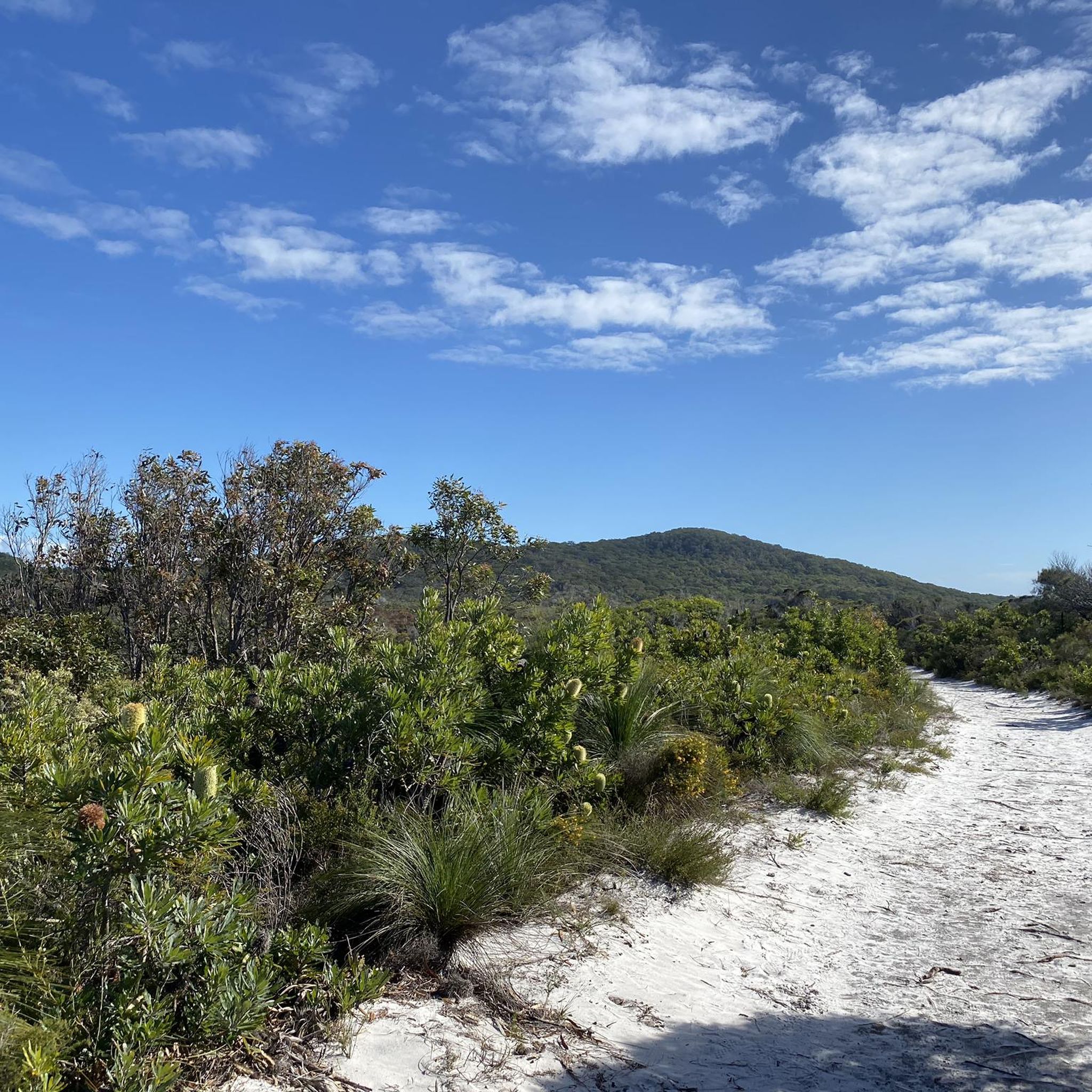
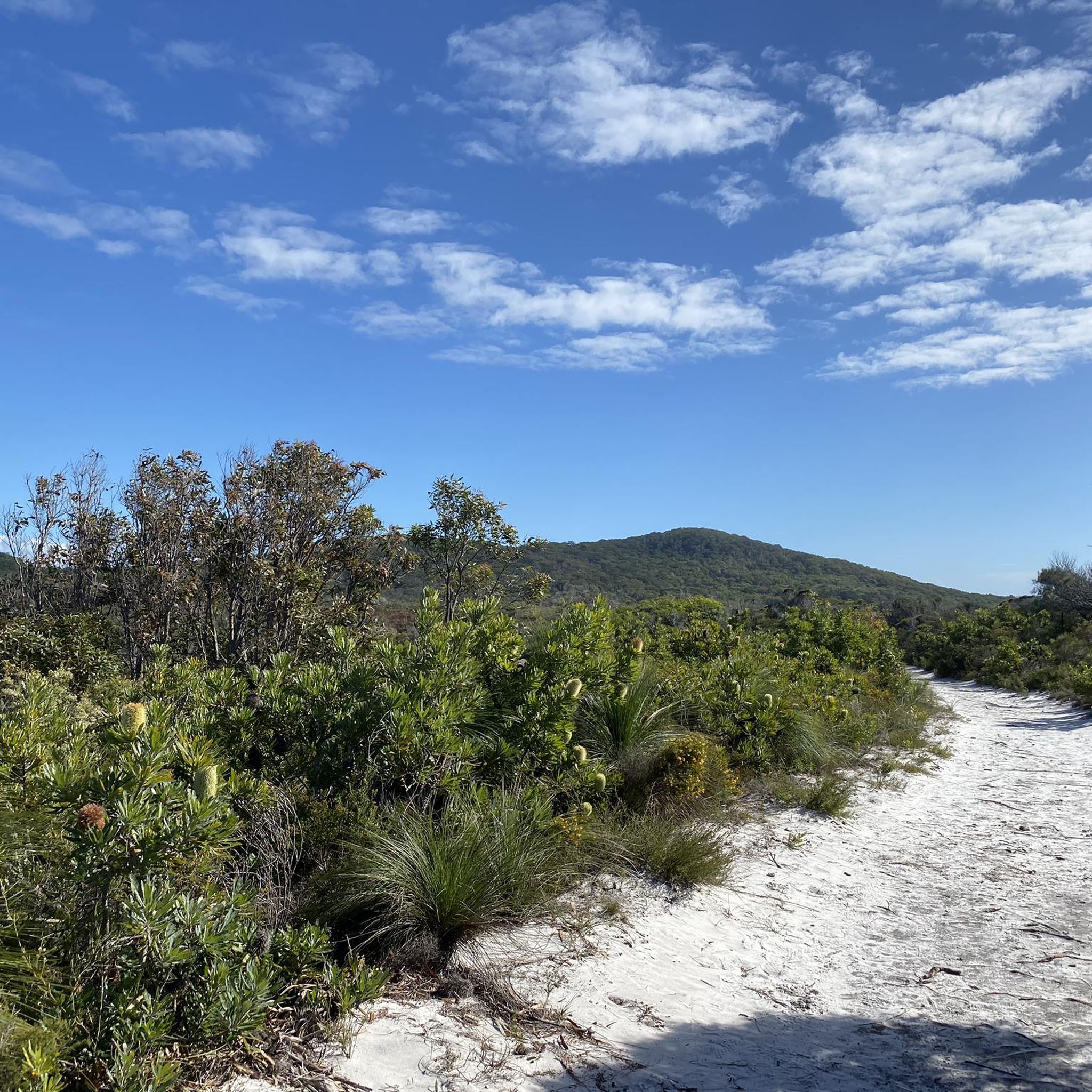
Granite Bay is a striking section of coastline along the Noosa National Park, made up of exposed rock platforms with waves moving in around the edges. It stands out along the route and feels like a bit of a hidden gem compared to the busier beaches nearby. The setting is raw and open, with constant ocean movement and clear views along the coast.
0
0

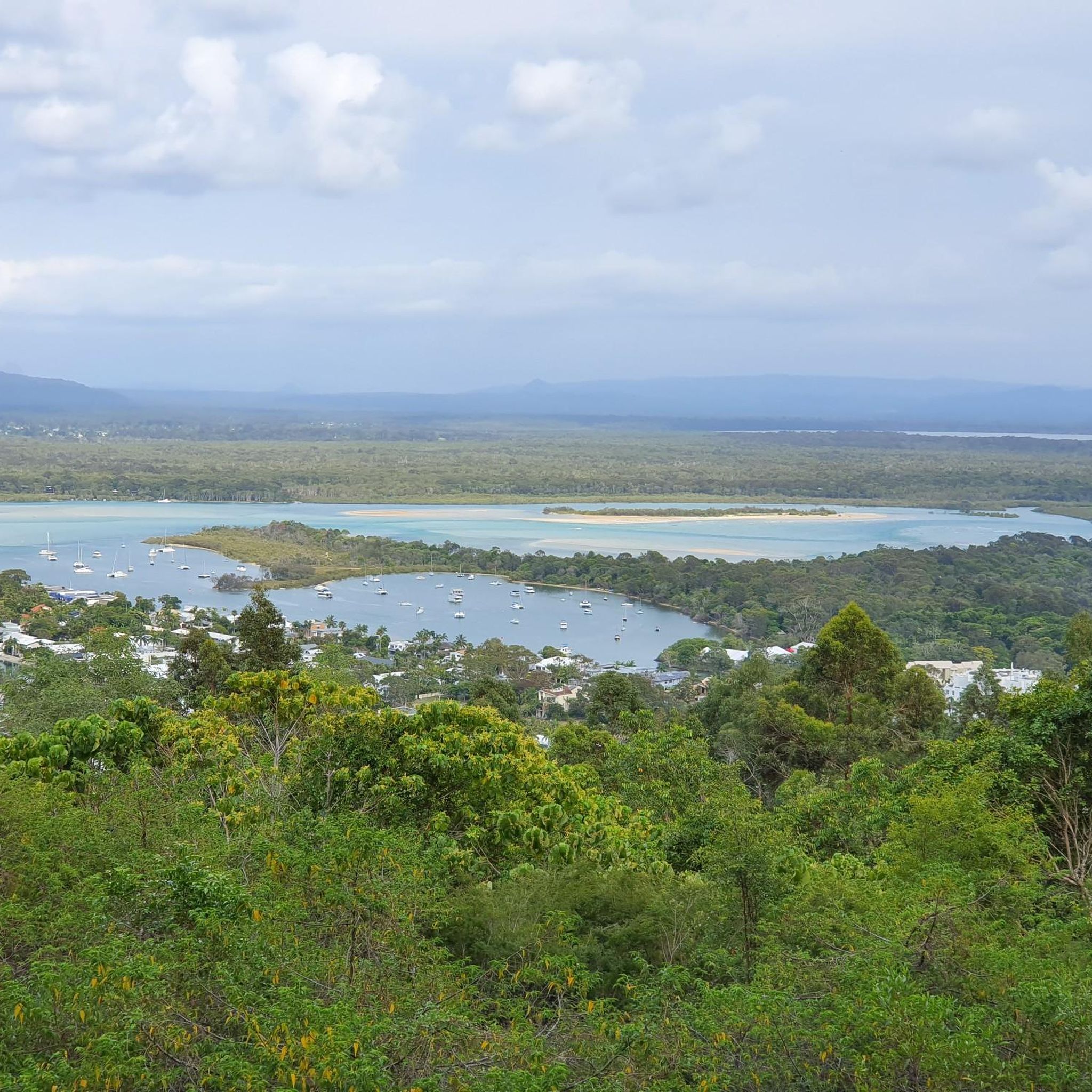
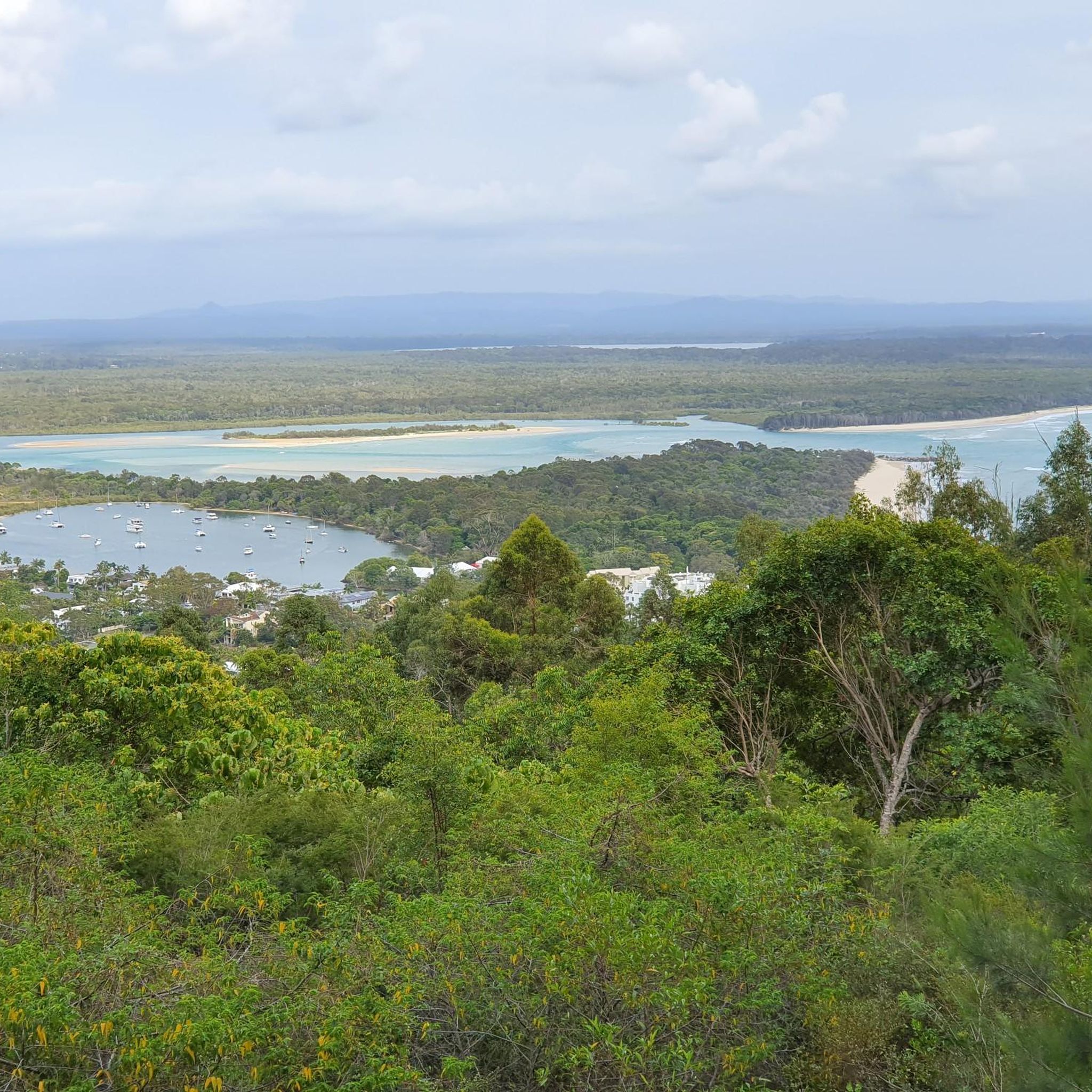
This scenic headland viewpoint is known for frequent dolphin sightings as they cruise the coastline below. There are wide views across Laguna Bay and back toward Noosa Heads, with benches for resting and watching the ocean. The open, elevated vantage point makes it a popular spot for wildlife spotting, especially during whale migration season.
0
0
Hell’s Gates is an impressive coastal lookout where sheer cliffs drop to the ocean and waves surge through a narrow rocky gap. There are sweeping views north toward Alexandria Bay and south back along the rugged headland. The exposed, windswept setting is one of the most memorable vantage points on the Noosa coastline.
0
0

Very worth seeing, you have to see it
0
0
Very worth seeing, you have to see it
0
1
Very worth seeing, you have to see it
0
1
Very worth seeing, you have to see it
0
1
Frequently Asked Questions
What are the most notable natural features and viewpoints in Noosa National Park?
Noosa National Park boasts several impressive natural features and viewpoints. Don't miss Hell's Gates, an iconic coastal lookout with dramatic cliffs and ocean views. Other highlights include Dolphin Point lookout, known for marine life sightings, and Laguna Lookout, offering panoramic views of the coastline and hinterland. The Sunshine Beach lookout also provides a beautiful spot to pause and appreciate the coastal scenery.
What kind of wildlife can I expect to see in Noosa National Park?
Noosa National Park is a haven for diverse wildlife. You might spot koalas in eucalyptus trees, especially near the park entrance and along walking tracks. Keep an eye out for various bird species like black cockatoos, parrots, and sea eagles. From coastal viewpoints such as Dolphin Point lookout, you can often see dolphins, sea turtles, and migrating whales between June and October.
Are there any unique natural swimming spots in Noosa National Park?
Yes, the Fairy Pools are a unique natural attraction. These tidal rock pools, carved into the headland near Granite Bay, offer a distinctive swimming experience, particularly enjoyable at low tide. They require a bit of climbing to access, but visitors often find it worth the effort.
What are the best walking trails in Noosa National Park?
The Coastal Walk is highly popular, offering breathtaking ocean views along its 5.4km stretch (10.8km return). Other notable trails include the Palm Grove walk for a shaded rainforest experience, the Tanglewood Track, and the Alexandria Bay Walk, which connects to Sunshine Beach. For specific hiking routes, you can explore options like the 'Dolphin Point, Hell's Gates and Devils Kitchen via Coastal Walk' or the 'Granite Bay – Hell's Gates loop from Noosa Heads' on the Hiking in Noosa National Park guide.
Are there family-friendly attractions or walks in Noosa National Park?
Many areas of Noosa National Park are suitable for families. The start of the Coastal Walk is easily accessible, and viewpoints like Dolphin Point lookout and Sunshine Beach lookout are family-friendly. Granite Bay is a secluded sandy bay often with calm waters, making it accessible for families. The Palm Grove walk is also a gentle option through rainforest.
What is the best time of year to visit Noosa National Park?
Noosa National Park is enjoyable year-round, but the cooler, drier months from May to October are often preferred for walking. During this period, you also have the best chance to spot migrating whales from coastal viewpoints. Spring (September-November) is particularly beautiful for seeing wildflowers in bloom.
What outdoor activities can I do near the attractions in Noosa National Park?
Beyond walking, Noosa National Park and its surroundings offer various outdoor activities. Surfing is popular, with spots like Tea Tree Bay and Granite Bay. You can also find numerous routes for cycling and gravel biking. For detailed routes, check out the Cycling in Noosa National Park guide or the Gravel biking in Noosa National Park guide.
Where can I find picnic areas and facilities within Noosa National Park?
The Noosa Headland day-use area, located at the end of Park Road, is well-equipped for visitors. It provides picnic tables, electric barbecues, drinking water, and public toilets. This area also offers sweeping views of Laguna Bay, making it an ideal spot for a break.
Are there any secluded beaches in Noosa National Park?
Yes, Alexandria Bay is a secluded, unpatrolled beach located below Hell's Gates. It's popular for those seeking privacy, though caution is advised due to strong currents. Granite Bay is another wide, sandy bay that can feel secluded, especially outside peak times.
What are the difficulty levels of the walking tracks in Noosa National Park?
The park offers a range of difficulty levels. The Coastal Walk is generally considered easy to moderate, with some sections involving stairs or uneven terrain. Shorter walks like the Palm Grove walk are easy. More challenging sections might be encountered when accessing spots like the Fairy Pools, which require some climbing. You can find specific difficulty ratings for various routes in the Hiking in Noosa National Park guide.
Is Noosa National Park accessible by public transport or does it have parking facilities?
Many areas of the park, including the start of the Coastal Walk, are easily accessible from Hastings Street, Noosa's main urban center. Parking is available at the Noosa Headland day-use area at the end of Park Road. For more detailed information on access and facilities, it's advisable to check the official Queensland Parks and Wildlife Service website: parks.qld.gov.au.
What makes Noosa National Park a significant natural area?
Noosa National Park is a significant wildlife sanctuary and part of an internationally recognized UNESCO Biosphere Reserve. It protects a diverse range of ecosystems, including eucalypt forests, woodlands, melaleuca wetlands, wallum heathland, and dense rainforests. This rich biodiversity supports nearly 3,000 species of plants and animals, many native to Queensland, making it a crucial area for conservation.
Most popular routes in Noosa National Park
Most popular attractions in Noosa National Park

Get inspired with the komoot mobile app


Explore more
Still not found the Highlight you’re looking for? See guides of the top attractions in other regions:
