Attractions and Places To See in Blue Mountains National Park - Top 20
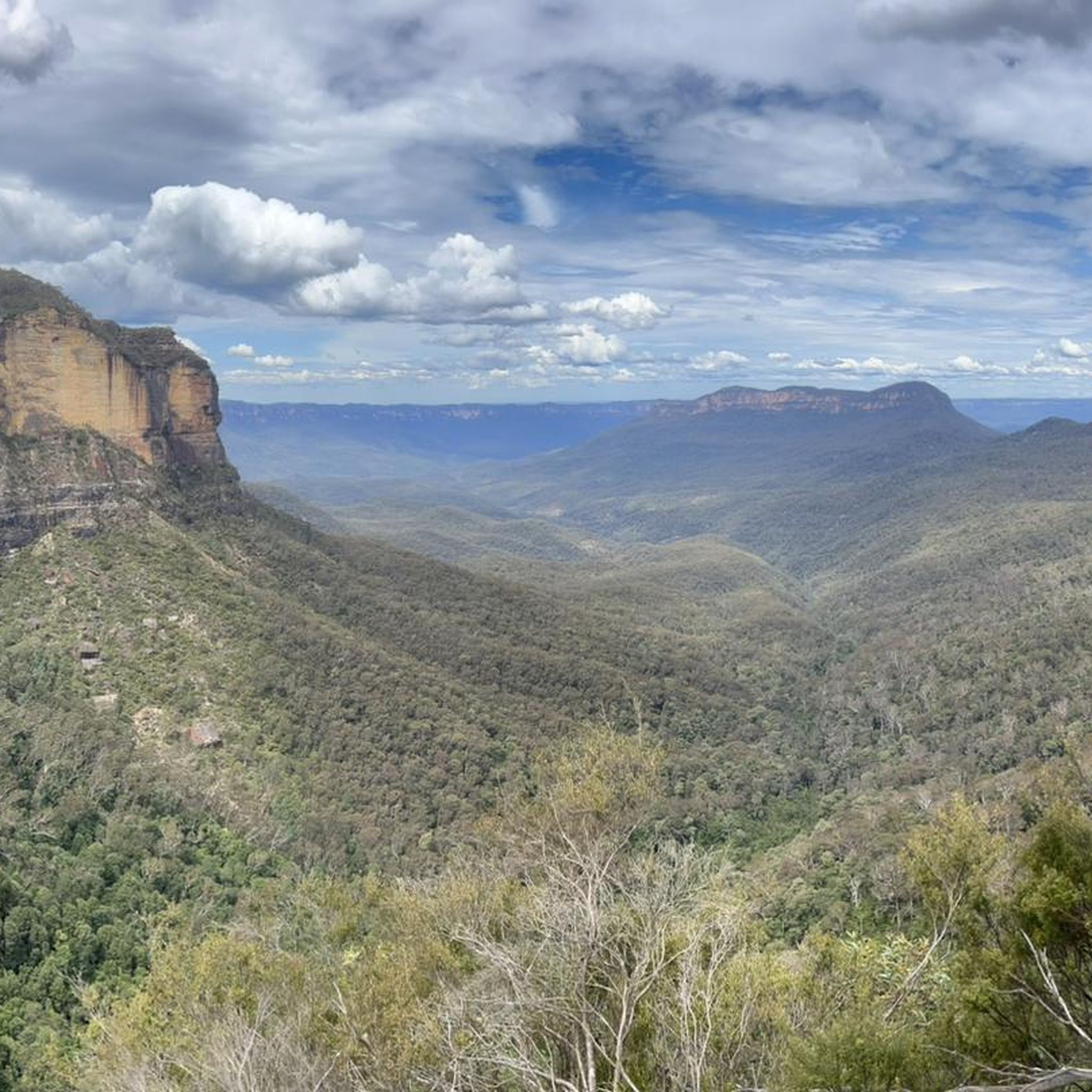
Best attractions and places to see in Blue Mountains National Park include a diverse range of natural features and iconic landmarks. This UNESCO World Heritage Area, located approximately 80 kilometers west of Sydney, is characterized by its vast sandstone cliffs, deep valleys, and eucalyptus forests that create a distinctive blue haze. The region offers numerous opportunities to explore its unique geology and natural landscapes.
Best attractions and places to see in Blue Mountains National Park
- The most popular attractions is…
Last updated: October 21, 2026
Echo Point Lookout
Highlight • Viewpoint
Translated by Google •
Tip by

Katoomba Falls
Highlight • Waterfall
Tip by

Sign up now to discover places like this
Get recommendations on the best single tracks, peaks, & plenty of other exciting outdoor places.
Rocket Point lookout
Highlight • Viewpoint
Tip by

Giant Stairway
Highlight (Segment) • Trail
Tip by

Grand Canyon Track
Highlight (Segment) • Trail
Tip by
Sign up for free to discover even more attractions in Blue Mountains National Park.
Already have an account?
Start today with a free account
Your next adventure awaits.
Popular around Blue Mountains National Park
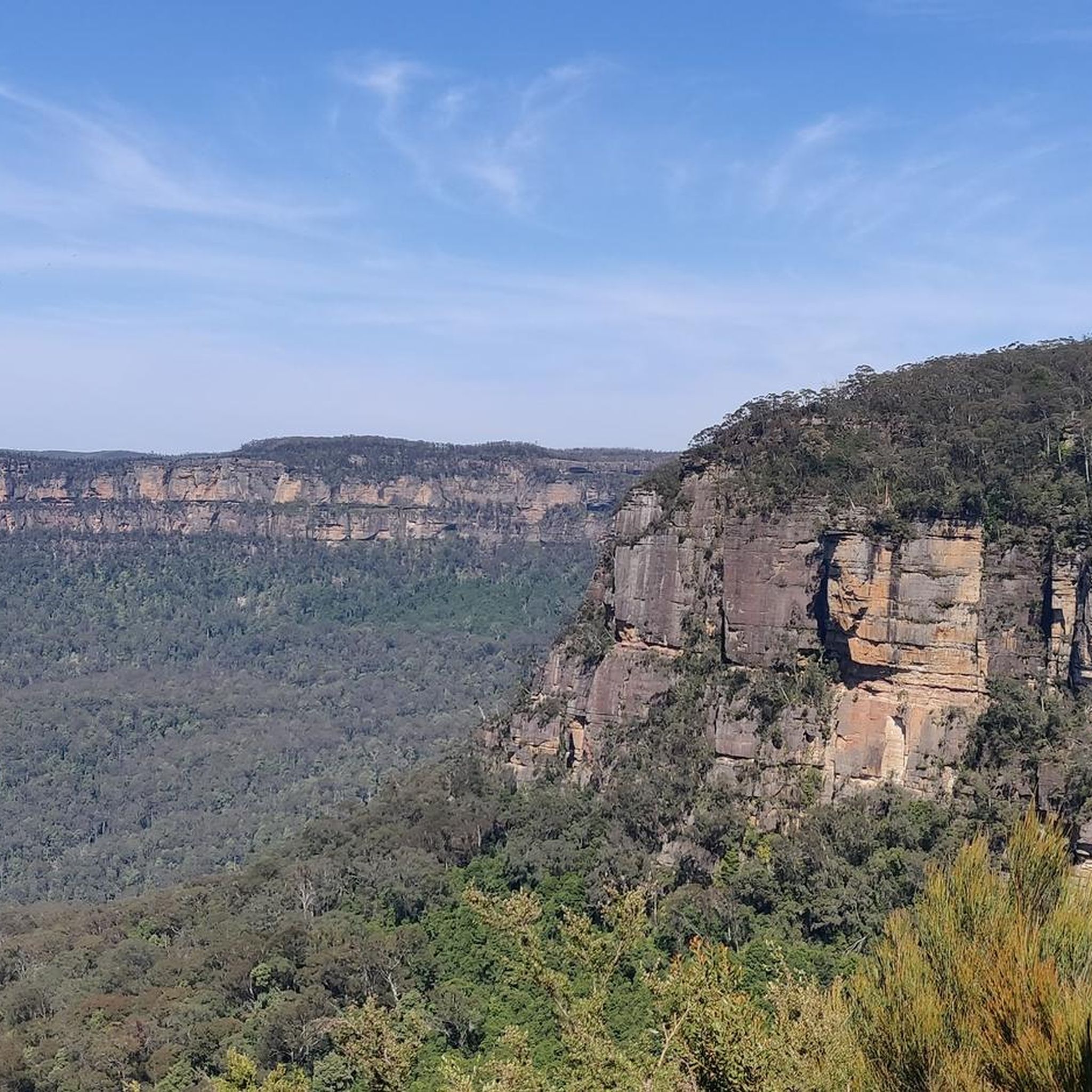
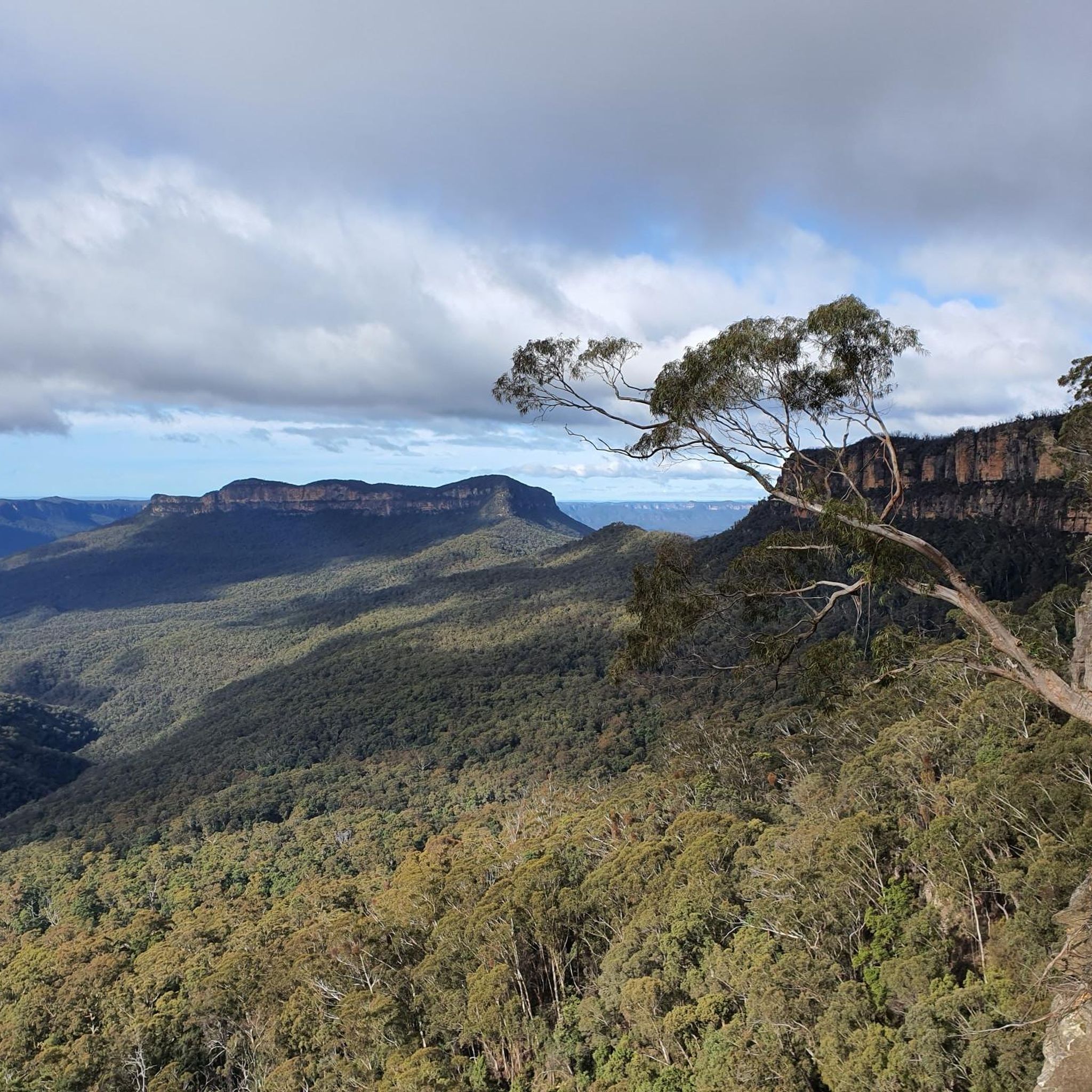
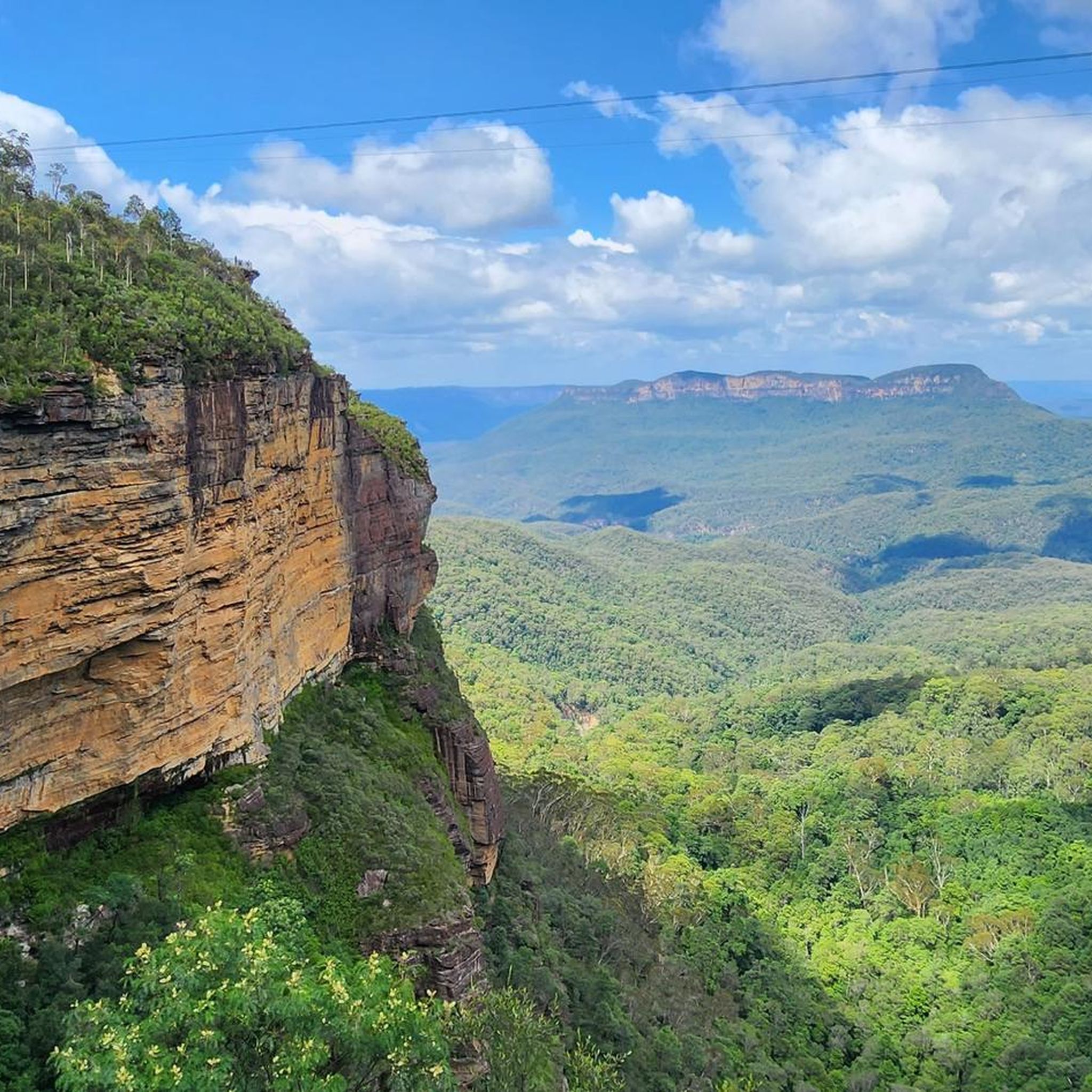
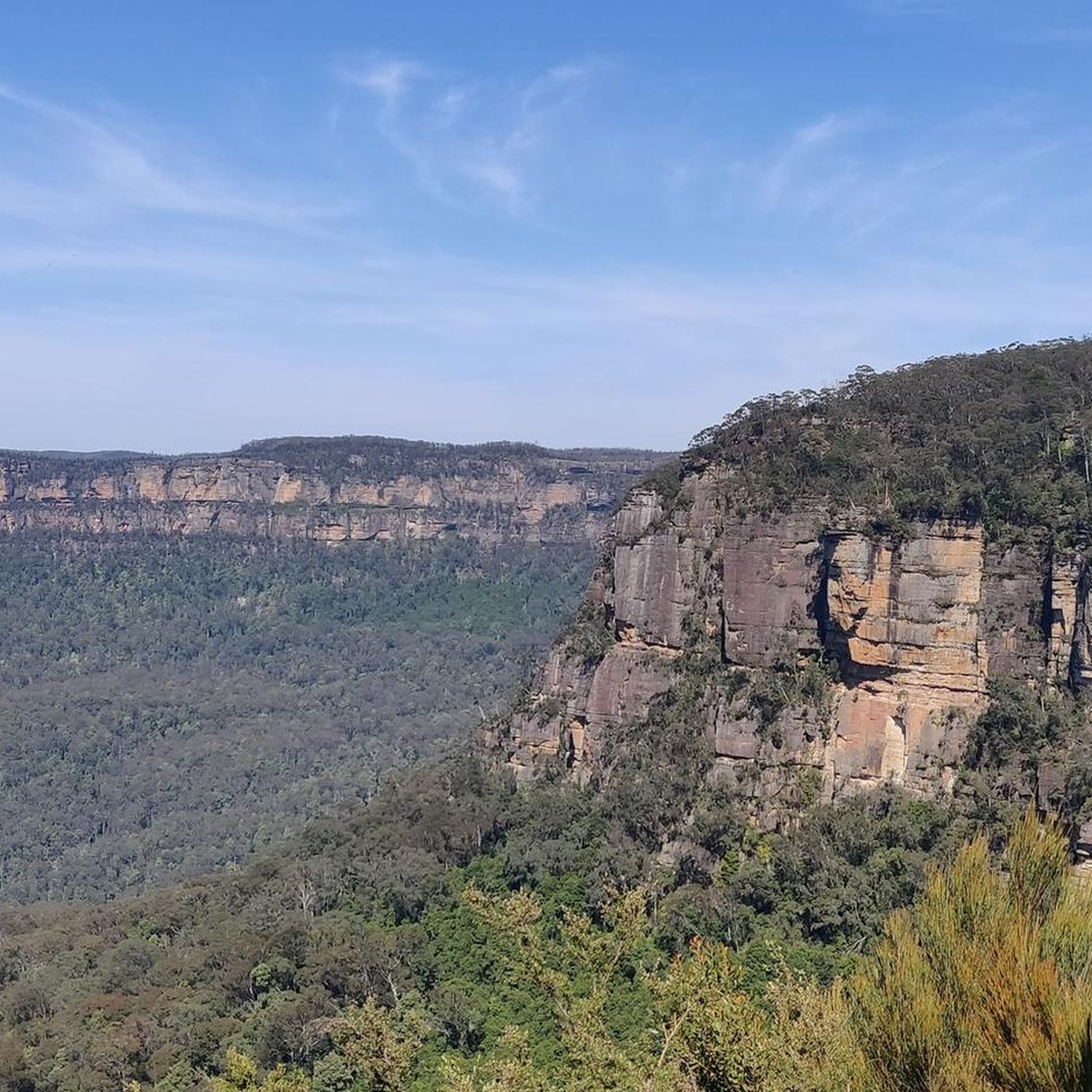
Tips from the Community

The Giant Stairway is a famous, challenging and exhilarating staircase, totalling almost 1000 steps, from the edge of the Blue Mountains National Park cliffside down toward the valley below. The views are hard to beat, and the stairs are carved into the sandstone cliffs, which do become quite slippery after rain. Remember, you must go down before you come up!
1
0

Katoomba Falls is a fantastic multi-tiered waterfall that cascades over sandstone cliffs into the Jamison Valley, and is one of the Blue Mountains’ most recognisable waterfall locations. The falls are surrounded by rugged escarpments, and from here, there are beautiful expansive views across the eucalyptus-covered ridges that stretch through the valley. The combination of plunging water, towering cliffs, and wide valley scenery makes it especially impressive if you're lucky enough to be here after it rains.
0
0

Set along the cliff edge in Blue Mountains National Park, this lookout sits on a narrow, fenced ledge with a direct view of Wentworth Falls as it drops into the valley below. The position brings you close to the escarpment, with steep drop-offs and a more immediate perspective of the waterfall and surrounding rock walls. Space is limited at the lookout, and surfaces can be uneven or slippery, particularly after rain.
0
0

Undercliff Track traces along the cliffsides and passes by a number of amazing viewpoints. If you can time your hike after a rain then you'll see the waterfalls at their full potential.
1
0
Grand Canyon Track is a 6-kilometre loop walk that winds through lush rainforest, past waterfalls you can walk behind, fern‑lined creeks, rugged rock ledges, and impressive sandstone overhangs, offering both up-close canyon scenery and panoramic views from the rim. Rated as a Grade 3 (moderate) walk, it typically takes about 3 to 4 hours to complete. The beautiful scenery, steep staircases and several creek crossings make it one of the region's most iconic, and rewarding hikes in the Blue Mountains.
0
0

From up here you actually have a better view of the waterfalls, and the light is better too. Plus, it's not as slippery as down below.
0
0

Absolutely brilliant, worth seeing view.
2
0
Absolutely brilliant, worth seeing view.
1
0
Frequently Asked Questions
What are some iconic natural landmarks to see in Blue Mountains National Park?
Beyond the well-known Three Sisters, you can explore Wentworth Falls, a stunning 100-meter waterfall with tracks leading to its base. Another impressive sight is Govetts Leap Lookout in Blackheath, offering sweeping views of the Grose Valley and the 180-meter Bridal Veil Falls. Don't miss the unique sandstone formations like Anvil Rock and the Wind Eroded Cave, or the dramatic Pulpit Rock Lookout.
Where can I find the best panoramic views of the Blue Mountains?
For breathtaking panoramic views, consider visiting Echo Point Lookout, which provides iconic vistas of the Three Sisters and Jamison Valley. Evans Lookout offers sweeping views across sandstone cliffs and deep forested gorges, especially beautiful at sunrise or sunset. Other notable viewpoints include Govetts Leap Lookout, Sublime Point Lookout, and Rocket Point Lookout, which offers a direct view of Wentworth Falls.
Are there any unique natural phenomena to explore, like glow worms?
Yes, you can visit the Glow Worm Tunnel, an old railway tunnel located in Wollemi National Park (part of the Greater Blue Mountains Area). This tunnel is home to thousands of bioluminescent glow worms, offering a truly unique and magical experience.
What kind of wildlife can I expect to see in Blue Mountains National Park?
The park is home to a diverse range of Australian wildlife. Visitors often spot kangaroos and a variety of birdlife. While less common, koalas also inhabit the area. Keep an eye out for these creatures, especially during quieter times of the day.
What are some popular hiking trails in Blue Mountains National Park?
The Grand Canyon Track is a highly recommended 6-kilometer loop walk through lush rainforest, past waterfalls, and impressive sandstone overhangs. Other popular options include the Prince Henry Cliff Walk, which links Echo Point to Leura, and the Valley of the Waters Trail, known for its beautiful waterfalls. For more hiking options, you can explore the Hiking in Blue Mountains National Park guide.
Are there options for more adventurous outdoor activities?
Absolutely! The Blue Mountains are a hub for adventure sports. You can find opportunities for abseiling, rock climbing, and canyoning in various locations throughout the park. These activities provide a thrilling way to experience the rugged terrain and deep gorges of the region.
Are there family-friendly walks in the Blue Mountains?
Yes, there are several walks suitable for families. The South Lawson Waterfall Circuit is a peaceful loop featuring five waterfalls, perfect for all ages. Many of the lookouts, such as Echo Point Lookout, are easily accessible and offer short, paved paths with stunning views, making them ideal for families.
Can I learn about the Aboriginal heritage of the Blue Mountains?
Yes, the Blue Mountains region has a rich Aboriginal heritage. You can visit sites like Red Hands Cave in Glenbrook, which contains over forty hand stencils and handprints. Lyrebird Dell near Leura and Walls Cave in Blackheath are other important Aboriginal shelters. The Blue Mountains Heritage Centre also provides valuable information about the park's Aboriginal culture and history.
What is the best time of year to visit Blue Mountains National Park?
The Blue Mountains are beautiful year-round, but spring (September to November) and autumn (March to May) generally offer the most pleasant weather for hiking and exploring, with mild temperatures and vibrant foliage or blooming wildflowers. Summer can be warm, while winter brings cooler temperatures and the possibility of mist, which can add a dramatic atmosphere to the landscapes.
Are there less crowded viewpoints available in the Blue Mountains?
While popular spots like Echo Point can get busy, you can find quieter alternatives. Sublime Point Lookout offers incredible views across the Jamison Valley towards Mount Solitary and is often less crowded. Anvil Rock also provides 360-degree views across the national park and can be a more serene experience.
Are there opportunities for mountain biking or gravel biking in the park?
Yes, the Blue Mountains offer excellent opportunities for mountain biking and gravel biking. Popular trails include the Woodford-Oaks trail and Narrow Neck. For more detailed routes and information, you can check out the Gravel biking in Blue Mountains National Park guide.
How can I access the Blue Mountains National Park using public transport?
The Blue Mountains are well-serviced by public transport. Trains from Sydney's Central Station run regularly to towns like Katoomba, Leura, and Wentworth Falls, which are gateways to many of the park's attractions and walking tracks. Local bus services connect these towns to various lookouts and trailheads.
Where can I find information about the park's history and environment?
The Blue Mountains Heritage Centre, located near Blackheath, is an excellent resource. It provides comprehensive information about the park's natural history, Aboriginal culture, diverse plant and animal life, and details on various walking tracks and activities available within the park.
Most popular routes in Blue Mountains National Park
Most popular attractions in Blue Mountains National Park

Get inspired with the komoot mobile app


Explore more
Still not found the Highlight you’re looking for? See guides of the top attractions in other regions:
