Top 20 Castles around Apelern
Best castles around Apelern, a municipality in Lower Saxony, Germany, offers a rich historical landscape. The area is characterized by its historical estates and architectural styles, particularly those from the Weser Renaissance period. These sites provide insights into the region's past. The surroundings also feature natural landscapes suitable for outdoor activities.
Best castles around Apelern
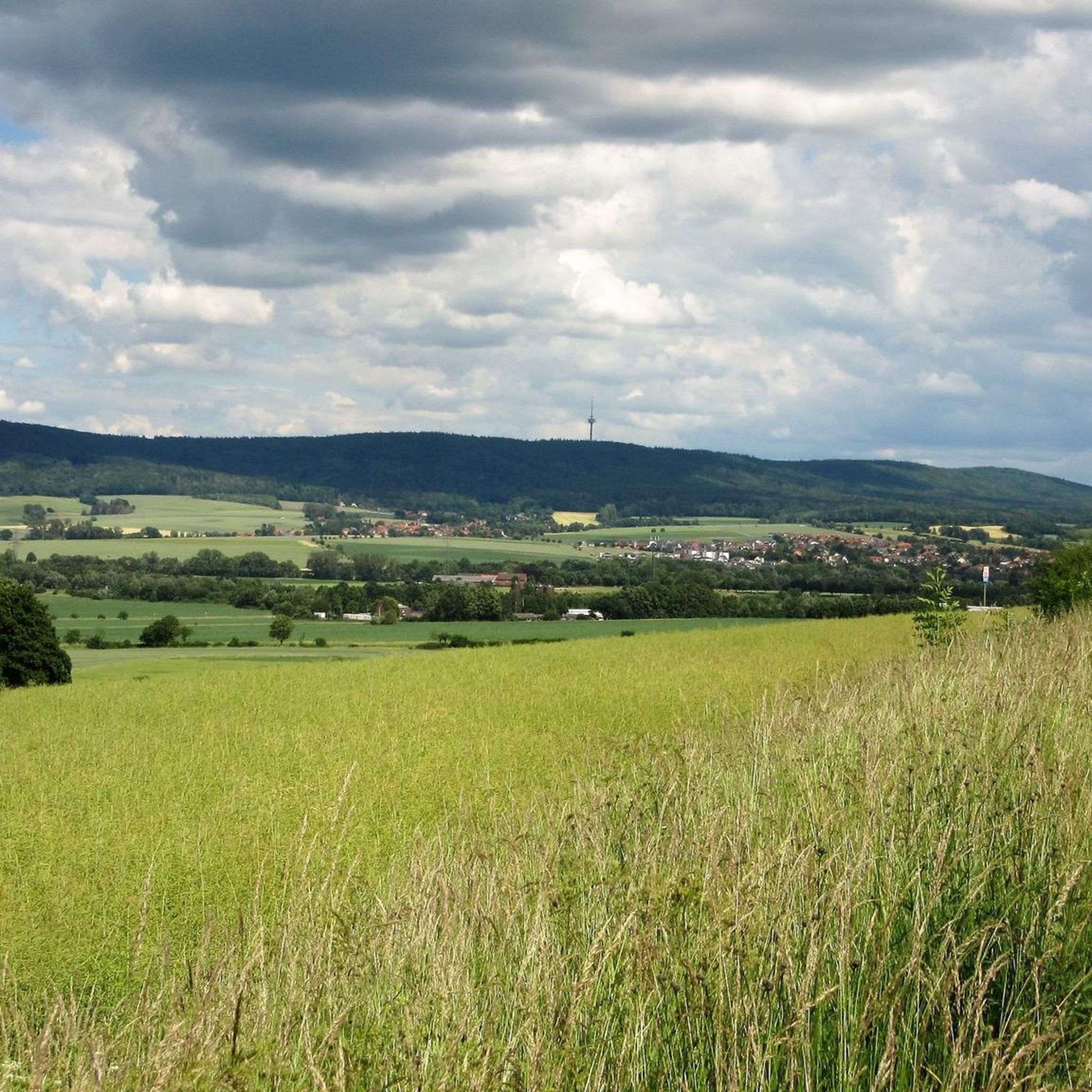
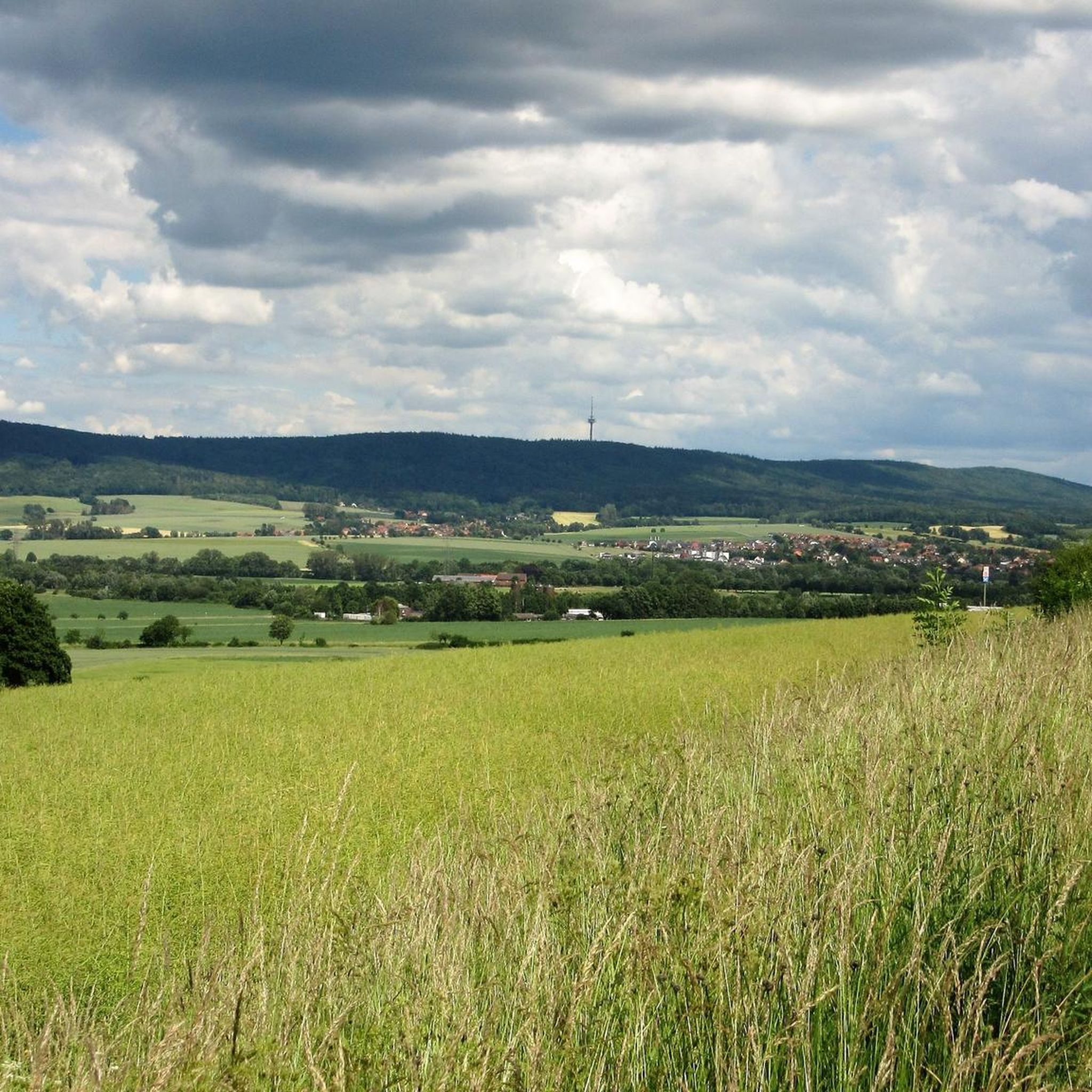
- The most popular castles is Schaumburg, a castle that offers views into the Weser valley. From the George Tower, visitors can see Paschenburg Castle. …
Last updated: October 10, 2026
Schaumburg
Highlight • Castle
Showing Translation
Tip by

Hülsede Water Castle
Highlight • Castle
Translated by Google •
Tip by

Sign up now to discover places like this
Get recommendations on the best single tracks, peaks, & plenty of other exciting outdoor places.
Paschenburg — View of the Weser Valley
Highlight • Viewpoint
Translated by Google •
Tip by
Heisterburg Ruins
Highlight • Historical Site
Translated by Google •
Tip by

Wichtringhausen Manor
Highlight • Historical Site
Translated by Google •
Tip by

Sign up for free to discover even more castles around Apelern.
Already have an account?
Start today with a free account
Your next adventure awaits.
Tips from the Community

The later manor emerged from one or more farms. The two-story manor house is striking, surrounded by a wide moat and accessible via three bridges. The basement and ground floor are made of quarry stone masonry - largely unplastered - while the high upper floor is a half-timbered building with plastered compartments. The building was probably built in the 16th century. As a half-timbered building, it is one of the older manor houses in the Calenberger Land. Beginning of the 17th century. The (first) renovations have been carried out, which is indicated by a bay window on the east side designed in the Renaissance style with "1611" as the year of construction. In 1866, further renovations were carried out in the neo-Gothic style, with parts of the external masonry being massively replaced and the stone stair tower, a gallery, a bay window and a turret being added. The manor includes a spacious park with old trees. The avenue that begins behind the park and leads to the Munzeler Mark forest is remarkable. The manor goes back to property owned by the Counts of Schaumburg, who gave it out as a fiefdom. This was associated with a seat in the knight's curia of the Calenberg state estates (state parliament) and exemption from the sovereign's service obligations. In 1743 Georg Reinhard Langwerth v. Simmern, ancestor of the current owners, the manor. Source: https://www.barsinghausen.de/portal/seiten/wichtringhausen-903000177-20002.html
1
0
The moated castle shell de, near Hanover, located in the valley between Deister and Süntel, was built between 1529 and 1548 as a four-winged complex. It is a typical example of an early Renaissance building in the Weser area. The outstanding art-historical value of the castle lies in the original structure of the 16th century. The moated castle and the courtyard buildings are listed buildings and have been extensively restored over the past thirty years. The entire facility and the associated agriculture have been family-owned for over 400 years. Source: https://schloss-huelsede.de/das-schloss/
4
0

I almost cycled past it. Unforgivable if you overlook such a sight. https://rittergut-wichtringhausen.de/
6
0

The castle is private, but you can visit some parts of the courtyard and take some pictures. At the entrance you will find a nice information table.
4
0

The laying of the foundation stone for the moated castle Hülsede took place in the early 16th century. With its four-leaf structure, it is a typical example of Weser Renaissance palaces. Today, the picturesque castle can be rented for events or weddings. A part of the castle courtyard can be visited independently. More information: https://schloss-huelsede.de/
3
1
The Heisterburg or Hoysburg auf dem Deister is a fortification that was built in the 10th to 11th centuries as a royal court near Feggendorf (district of Lauenau) in Lower Saxony. The Heisterburg on the Deister is one of the Franconian courts, which were initially considered to be Roman castles and only later turned out to be a royal court. The berm (a flat area between ramparts and ditches) was 2-2½ m wider at the Heisterburg than in Roman camps and forts, even if the defense (with ramparts, ditches, towers or gates) is reminiscent of that of a Limes fort. In addition, a rectangular defensive tower was found in the south-west corner of the courtyard, which jumped inward, but was not completely excavated. Source: https://mittelalter.fandom.com/de/wiki/Heisterburg
3
0

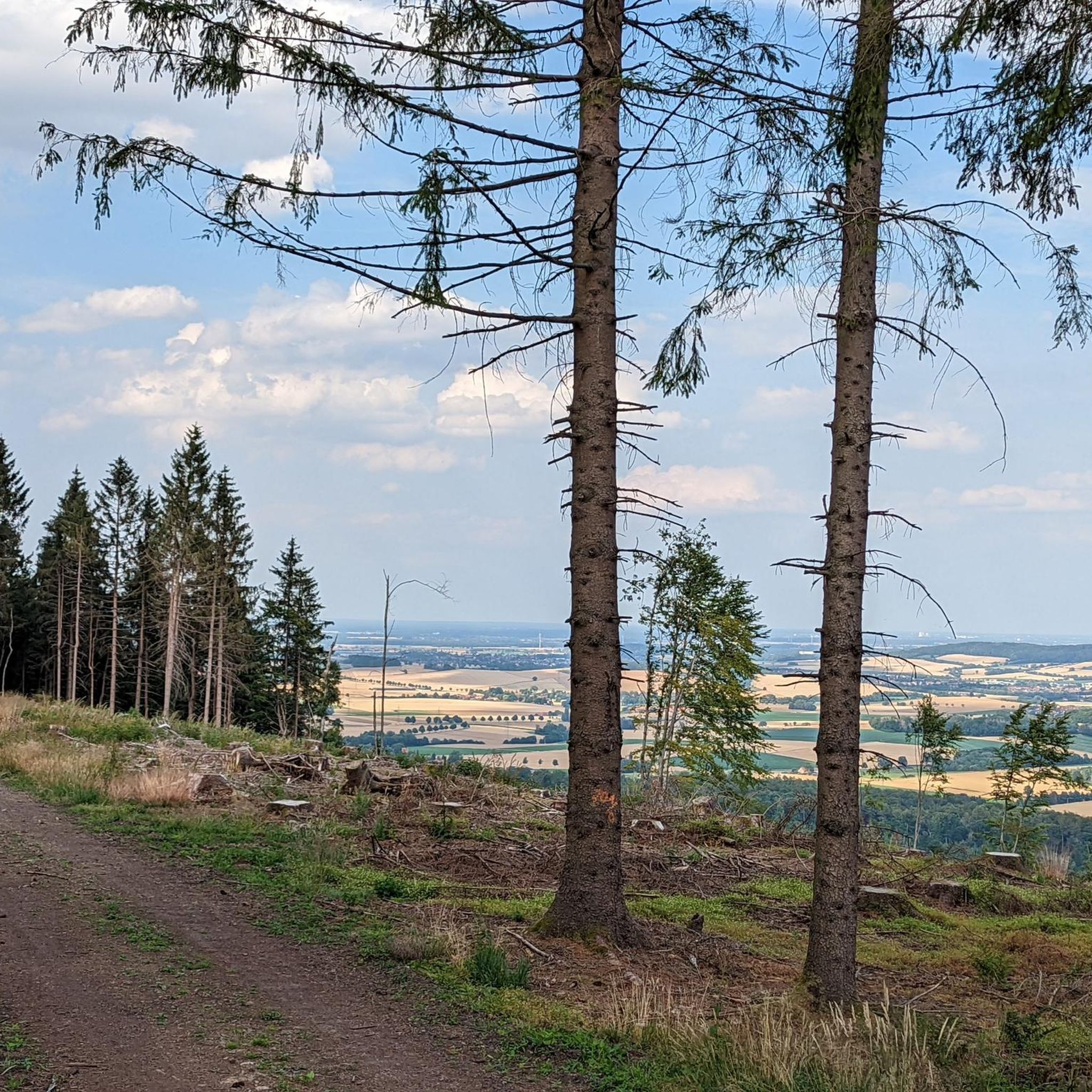
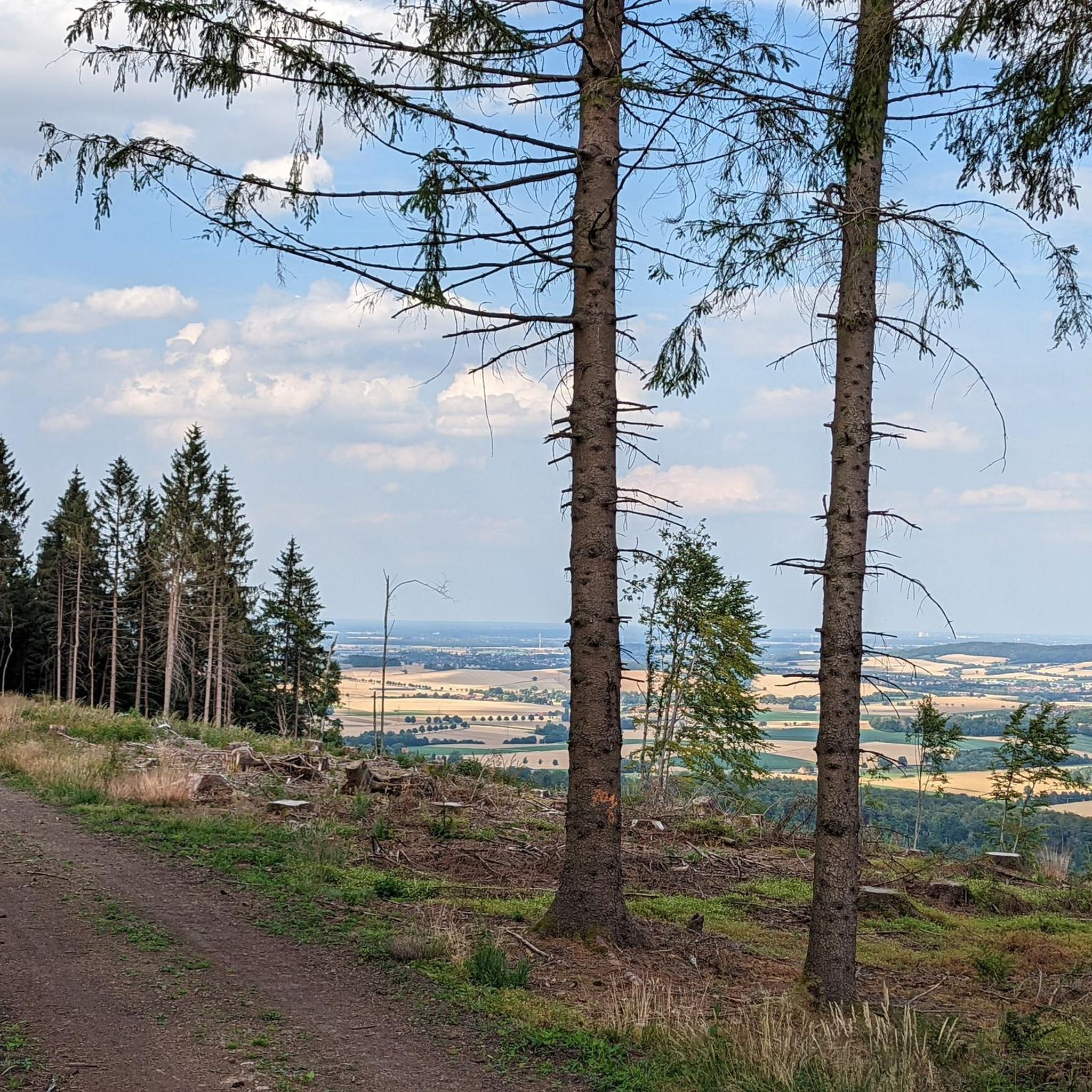
With the explanation on the display board and the illustrations, you can understand the elevations in the area and get an impression of the size of the ramparts. Further information is available at Wikipedia https://de.wikipedia.org/wiki/Heisterburg.
3
0

South entrance to the remains of the Heisterburg
3
1
Frequently Asked Questions
What are the most popular castles to visit around Apelern?
Among the most popular castles in the region are Schaumburg, which offers expansive views into the Weser valley, and Hülsede Water Castle, a well-preserved example of Weser Renaissance architecture. Visitors also frequently explore the Heisterburg Ruins, the remains of a fortified castle from the 10th to 12th century.
Are there any historically significant castles in Apelern itself?
Yes, Apelern is home to two historically significant castles. Schloss Hammerstein, with origins dating back to 1055, features a 1590 structure with Gothic details and a notable historic garden. Also, Schloss Münchhausen, known as Apelern Moated Castle, is a well-preserved manor built in 1560/1561 in the Weser Renaissance style, continuously owned by the Münchhausen family since the 14th century.
What kind of architectural styles can I expect to see among the castles near Apelern?
The castles around Apelern showcase a range of historical architectural styles. You'll find prominent examples of the Weser Renaissance style, particularly at Hülsede Water Castle and Schloss Münchhausen. Other sites, like Schloss Hammerstein, incorporate Gothic details, while the Heisterburg Ruins represent older fortified castle structures.
Are there family-friendly castles or historical sites in the Apelern area?
Many of the castles and historical sites around Apelern are considered family-friendly. Schaumburg and Hülsede Water Castle are both categorized as suitable for families, offering engaging historical experiences. The grounds of Schloss Hammerstein and Schloss Münchhausen also provide pleasant environments for family visits.
What outdoor activities can I do near the castles around Apelern?
The region around Apelern's castles is excellent for outdoor activities. You can find numerous routes for road cycling, gravel biking, and mountain biking. For example, there are road cycling routes like the 'Nienstedter Pass – Curvy Descent to Nienstedt loop' or gravel biking options with views of the Weser Uplands. Mountain bikers can explore MTB trails, including those near the Heisterburg Fortification.
Are there any castles with notable gardens or natural surroundings?
Yes, Schloss Hammerstein is particularly renowned for its historic garden, which was meticulously restored in 2004 following historical plans. It features trees over 200 years old, a 150-meter-long linden avenue, and 5,400 perennials. Schloss Münchhausen is also set within a pleasant landscape park, and the area around it is popular for hiking and cycling.
What do visitors enjoy most about the castles in the Apelern region?
Visitors frequently praise the historical significance and the scenic views offered by the castles. For instance, Schaumburg is loved for its 'super nice view' into the Weser valley. The well-preserved architecture of places like Hülsede Water Castle and the historical intrigue of the Heisterburg Ruins are also highly appreciated.
Can I visit the interior of Hülsede Water Castle?
While Hülsede Water Castle is a significant example of Weser Renaissance architecture, it primarily serves as a venue for events, weddings, and restorations for groups. A part of the castle courtyard can often be visited independently, but full interior access might be limited to specific events or tours. It's advisable to check their official website for current visiting information.
Is there a castle near Apelern that offers panoramic views?
Yes, Schaumburg is highly recommended for its panoramic views. From its George Tower, visitors can enjoy extensive vistas into the Weser valley, and even spot Paschenburg Castle in the distance.
Are there any castle ruins to explore near Apelern?
Yes, the Heisterburg Ruins are a notable site. These are the remains of a fortified castle from the 10th to 12th century, which once served as a refuge for the local population. While not much of the original structure remains, it offers a glimpse into ancient defensive architecture and is set in a natural environment.
What is Wichtringhausen Manor and is it worth visiting?
Wichtringhausen Manor is a historical site near Apelern. It is considered a cultural highlight in the Deister region and is worth a visit for its historical significance and pleasant facility. Some visitors note it for its wine tasting room and sales.
Are there any dining options or cafes near the castles?
While specific cafes directly adjacent to every castle are not detailed, Paschenburg, located near Schaumburg, houses an inn that attracts visitors not only with its food but also with its great views. For other castles, it's often best to check local amenities in nearby towns like Apelern itself.
Most popular routes around Apelern
Most popular attractions around Apelern

Get inspired with the komoot mobile app


Explore more
Looking for the best castles somewhere else? Discover other guides around Apelern:
