Attractions and Places To See in San José - Top 10
Best attractions and places to see in San José include a variety of trails, climbs, and canyons set within a mountainous landscape. This region features diverse terrain, from river routes to challenging ascents through coffee plantations. Visitors can explore areas with significant elevation changes and scenic viewpoints. The natural environment offers opportunities for hiking, cycling, and experiencing the local geography.
Best attractions and places to see in San José
- The most popular attractions is Totuí Canyon and Peralonso, a…
Last updated: July 4, 2026
Peralonso to Alto del Cielo Trail
Highlight (Segment) • Trail
Translated by Google •
Tip by

Totuí Canyon and Peralonso
Highlight • Canyon
Translated by Google •
Tip by
Sign up now to discover places like this
Get recommendations on the best single tracks, peaks, & plenty of other exciting outdoor places.
Sign up for free
Nápoles (Comehombres) Climb
Highlight (Segment) • Climb
Translated by Google •
Tip by
El Alto del Guanábano
Highlight (Segment) • Climb
Showing Translation
Tip by
Entrance to San José
Highlight (Segment) • Settlement
Translated by Google •
Tip by
Sign up for free to discover even more attractions in San José.
Sign up for free
Already have an account?
Start today with a free account
Your next adventure awaits.
Login or Signup
Popular around San José
Tips from the Community

El Alto del Guanábano is a demanding stretch for MTB. In total, it is 9.72 kilometers long, but the real challenge lies in its more than 8 kilometers of constant climb. It is a very tough ascent, with technical ramps and gradients exceeding 20% inclination. It is recommended to climb it during hours of the day when the sun is not so strong, as the heat works against you. In conclusion, it is one of the toughest climbs in the area; a route that will undoubtedly test your legs and your mind.
0
0
This 4.3 km MTB section has an average gradient of 13%. The trail is in very good condition and has beautiful views of the Mapa River and its surroundings. At the end, there are four difficult climbs with gradients exceeding 25%. The advantage is that several sections are paved. If you ask me, I'd say the other man-eater called Cocohondo is much tougher, steeper, more technical, and longer.
0
0
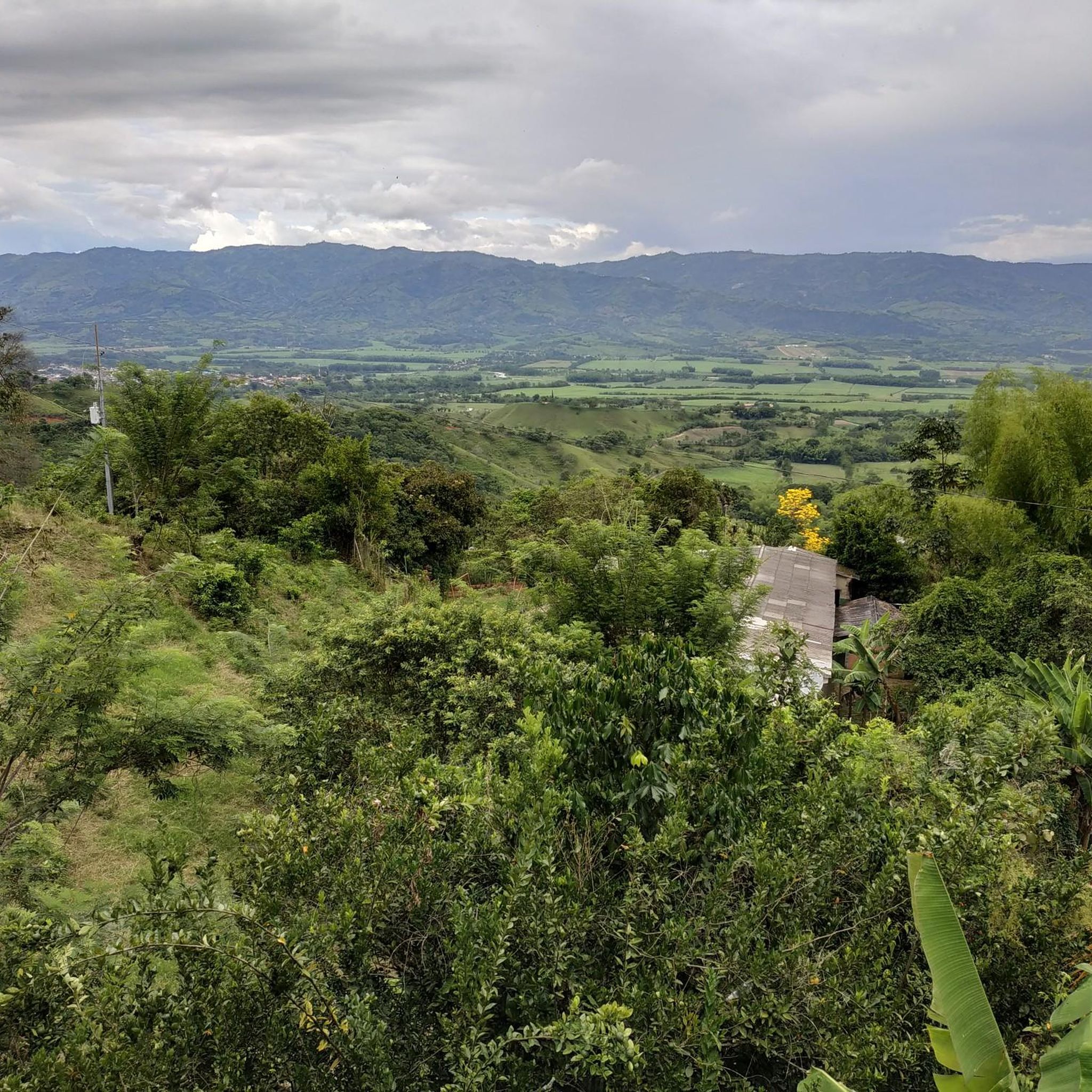
MTB section, Peralonso is the only district of the municipality of Santuario, approximately 100 whitewashed houses on the narrow ridge of a mountain range, in the middle of coffee plantations and a landscape with a lot of green, along this road we can find mountainous terrain, of the central and western Andes mountain range, it was founded in 1907 by Mr. Fernando A. Pérez, in its beginnings it was called La Fonda, this road was of great importance, since it connected Santuario with Portobelo, a port on the Cauca River. About the route it has a good ascent, on this occasion it went up the Alto del Cielo and in a hamlet called La Quiebra take the road to the right from there everything was downhill, on the left side you can see the municipality of Santuario finally you come out in front of a fishing site called Possopolis in what is called La Bretaña
0
0
Entrance to the San José road via pavement, with good demands for road bikes, it is approximately 3 km and some sections have an incline of 10%. You can access this small town in several ways, by going up Asia, or by Belalcázar or Risaralda.
0
0
The initial route is following the river, but as it progresses there is a strong ascent with a good slope leaving the totui canyon, later there is a detour to go down to Peralonso
0
0
The initial route is following the river, but as it progresses there is a strong ascent with a good slope leaving the totui canyon, later on there is a detour to go down to Peralonso
0
0
Frequently Asked Questions
What kind of outdoor activities can I find in San José?
San José offers a variety of outdoor experiences, particularly focused on trails, climbs, and canyons. You can explore challenging routes like the Totuí Canyon and Peralonso, which features a strong ascent after following the river, or tackle the demanding Nápoles (Comehombres) Climb with its steep gradients and views of the Mapa River. The region's mountainous terrain and coffee plantations provide scenic backdrops for these adventures.
Are there any challenging climbs for experienced cyclists or hikers?
Yes, San José is known for its challenging climbs. The Nápoles (Comehombres) Climb is a notable example, featuring an average gradient of 13% over 4.3 km, with some sections exceeding 25%. Another demanding route is the ascent towards Alto del Cielo on the Peralonso to Alto del Cielo Trail, which winds through mountainous terrain and coffee plantations, offering rewarding views.
What are some natural features or parks to visit within or near San José?
Within the city, you can find green spaces like Parque Metropolitano La Sabana, often called 'the lungs of the city,' which is great for sports and relaxation. The Spirogyra Butterfly Garden offers a tranquil setting to observe various butterfly species. For a more extensive natural experience, consider a day trip to the Lankester Botanical Garden, about an hour's drive away, known for its impressive orchid collection and Japanese garden.
What cultural and historical sites should I explore in San José?
San José is rich in culture and history. The National Theater of Costa Rica is an architectural masterpiece from 1891, offering guided tours. You can delve into pre-Columbian history at the Pre-Columbian Gold Museum, located beneath the Plaza de la Cultura, or explore the world's largest collection of American jade at the Jade Museum. The National Museum of Costa Rica, housed in the former Bella Vista Barracks, provides insights into the country's social and natural history.
Are there any family-friendly attractions in San José?
For families, the Museo de los Niños (Children's Museum) offers engaging, hands-on exhibitions focused on science and culture. Additionally, the expansive Parque Metropolitano La Sabana provides ample green space for children to play and enjoy outdoor activities. The Spirogyra Butterfly Garden can also be a delightful and educational experience for all ages.
Where can I experience local life and cuisine in San José?
To experience authentic local life, visit the bustling Central Market (Mercado Central), founded in 1880. It's a labyrinth of stalls selling fresh produce, coffee, handicrafts, and local foods. You can sample traditional Costa Rican cuisine at the market's 'sodas' (small restaurants). The Avenida Central, a main pedestrian artery, is also excellent for people-watching, shopping, and enjoying street performers.
What are some popular day trips from San José?
San José serves as a convenient base for exploring natural wonders. Popular day trips include visits to volcanoes like Poás Volcano and Irazú Volcano, offering opportunities for hiking and observing volcanic landscapes. The La Paz Waterfall Gardens is another excellent option for experiencing diverse wildlife and stunning waterfalls. Additionally, you can take various coffee farm tours to learn about Costa Rica's renowned coffee production.
Are there specific routes for road cycling near San José attractions?
Yes, there are several road cycling routes available. For example, you can find routes like the 'Arauca Mural – Old Road to Palestina loop from El Rancho' or the 'Risaralda Church – Arauca Mural loop from El Rancho'. These routes vary in distance and difficulty, with some being quite challenging. You can find more details and explore these options on the Road Cycling Routes in San José guide.
Where can I find mountain biking trails in the San José area?
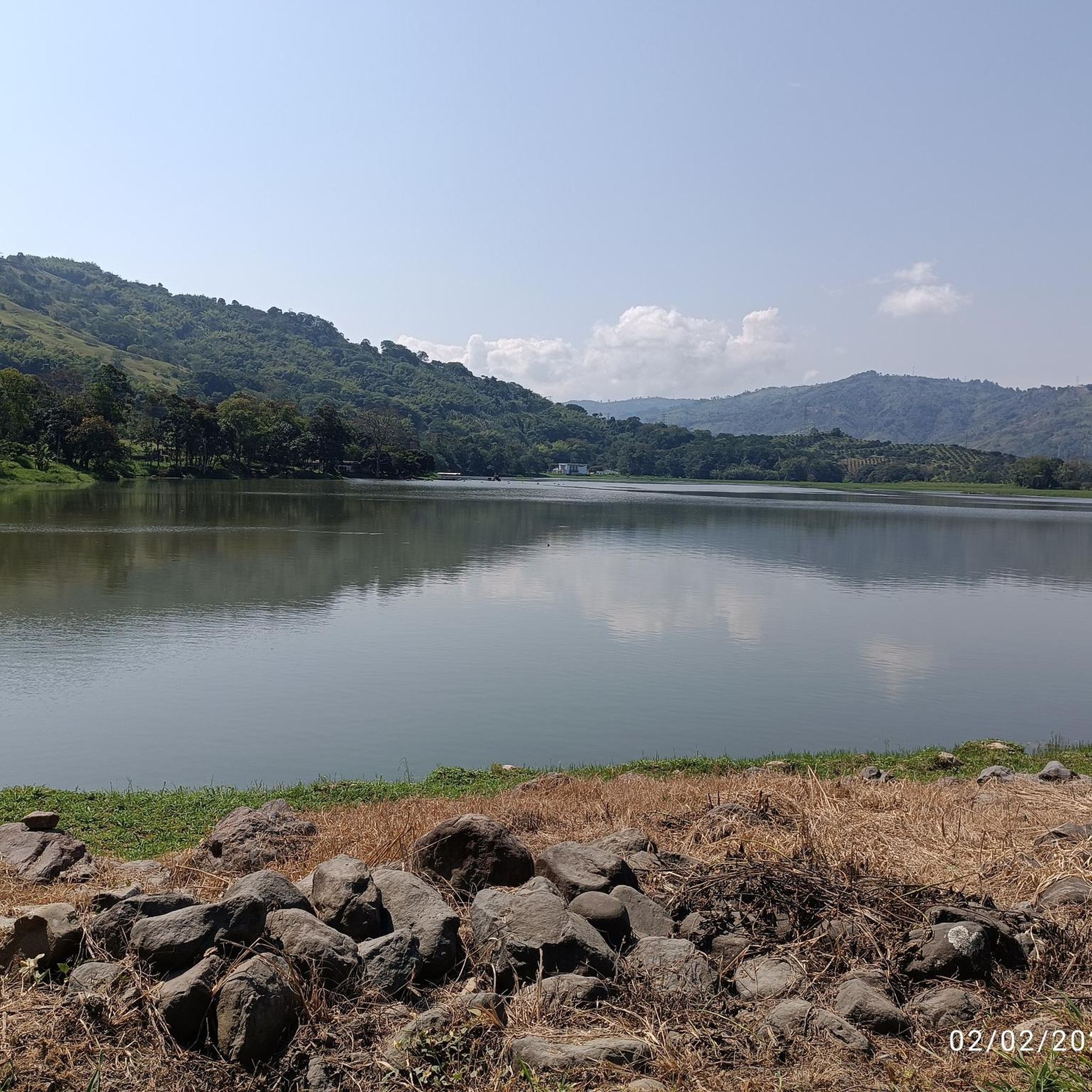
The San José region offers a range of mountain biking trails. Options include routes like the 'La Esmeralda Lake – La Muleta loop from Lago' or the 'Vereda El Trébol – Bella Mirada Viewpoint loop from Lago'. These trails often feature varied terrain and can be quite challenging. For a comprehensive list and details, refer to the MTB Trails in San José guide.
What is the best time to visit San José attractions?
The dry season, generally from December to April, is often considered the best time to visit San José. During these months, you can expect more sunshine and less rain, making it ideal for exploring outdoor attractions, hiking trails, and enjoying day trips to volcanoes and waterfalls. The weather is typically pleasant for walking around the city and visiting cultural sites.
Are there any areas known for their architecture or street art?
Yes, the neighborhoods of Barrio Amón and Barrio Otoya are renowned for their beautiful neoclassical architecture dating back to the early 1900s. These areas also feature vibrant street art, offering a picturesque glimpse into the city's artistic side and providing a pleasant environment for a stroll.
Most popular routes in San José
Most popular attractions in San José

Get inspired with the komoot mobile app


Explore more
Still not found the Highlight you’re looking for? See guides of the top attractions in other regions:
