Top 14 Castles around Lindhorst
Best castles around Lindhorst are found within the Schaumburger Land region, offering a rich historical landscape. The area features various historical sites, from excavated fortress towers to ancient ruins. Lindhorst serves as a starting point for exploring these structures, which reflect different periods of regional history. The surrounding natural environment complements these historical attractions.
Best castles around Lindhorst
- The most popular castles is Wooden bridge at Hagenburg, a bridge that offers a wonderful view of Hagenburg Castle. This area…
Last updated: June 22, 2026
Wooden bridge at Hagenburg
Highlight • Bridge
Translated by Google •
Tip by

Heisterburg Ruins
Highlight • Historical Site
Translated by Google •
Tip by

Sign up now to discover places like this
Get recommendations on the best single tracks, peaks, & plenty of other exciting outdoor places.
Sign up for free
Wichtringhausen Manor
Highlight • Historical Site
Translated by Google •
Tip by

Hagenburg Castle and Park
Highlight • Castle
Translated by Google •
Tip by

Rodenberg Castle and Open-Air Museum
Highlight • Castle
Translated by Google •
Tip by

Sign up for free to discover even more castles around Lindhorst.
Sign up for free
Already have an account?
Start today with a free account
Your next adventure awaits.
Login or Signup
Tips from the Community

A perfect place for a relaxing walk or a restful break in nature.
8
0

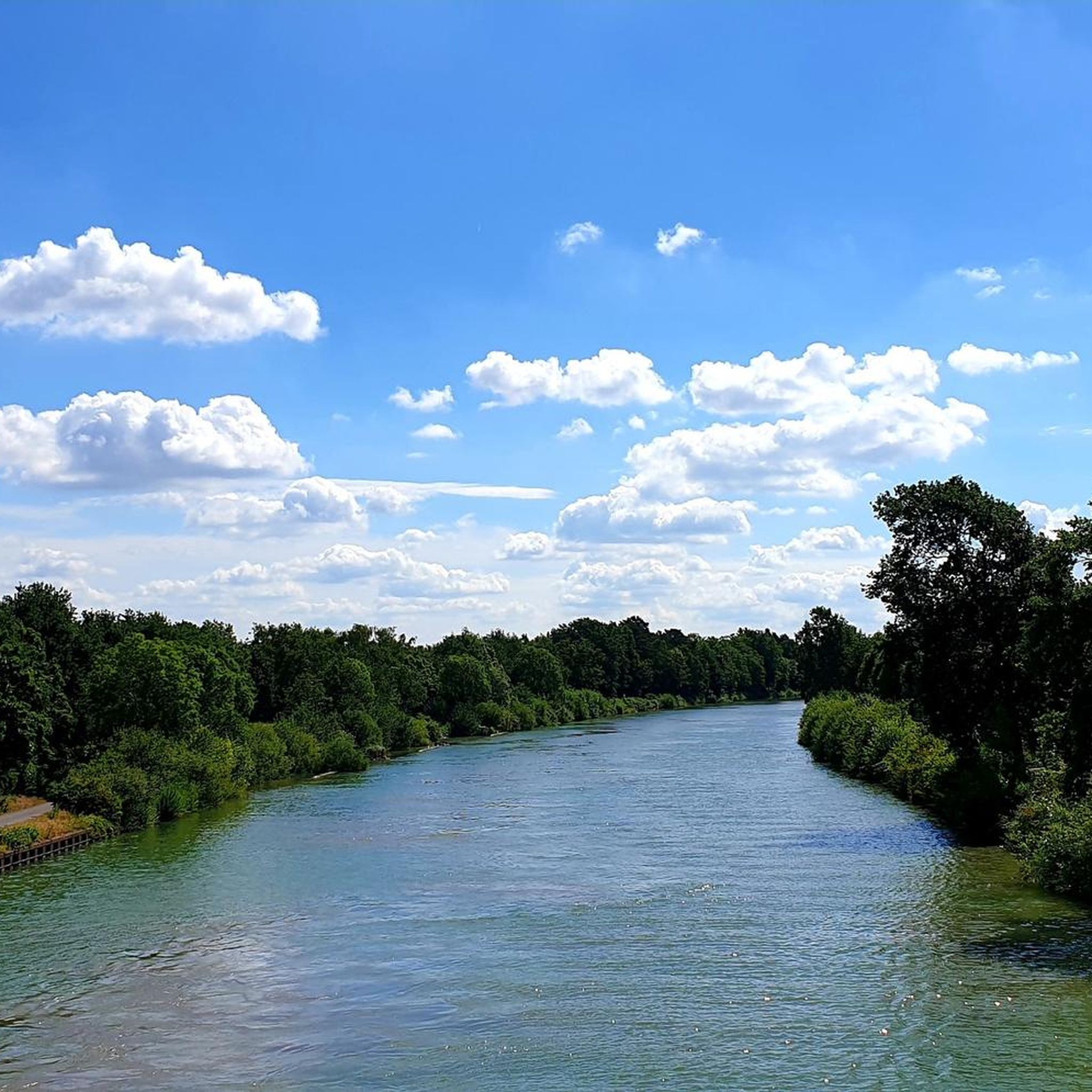
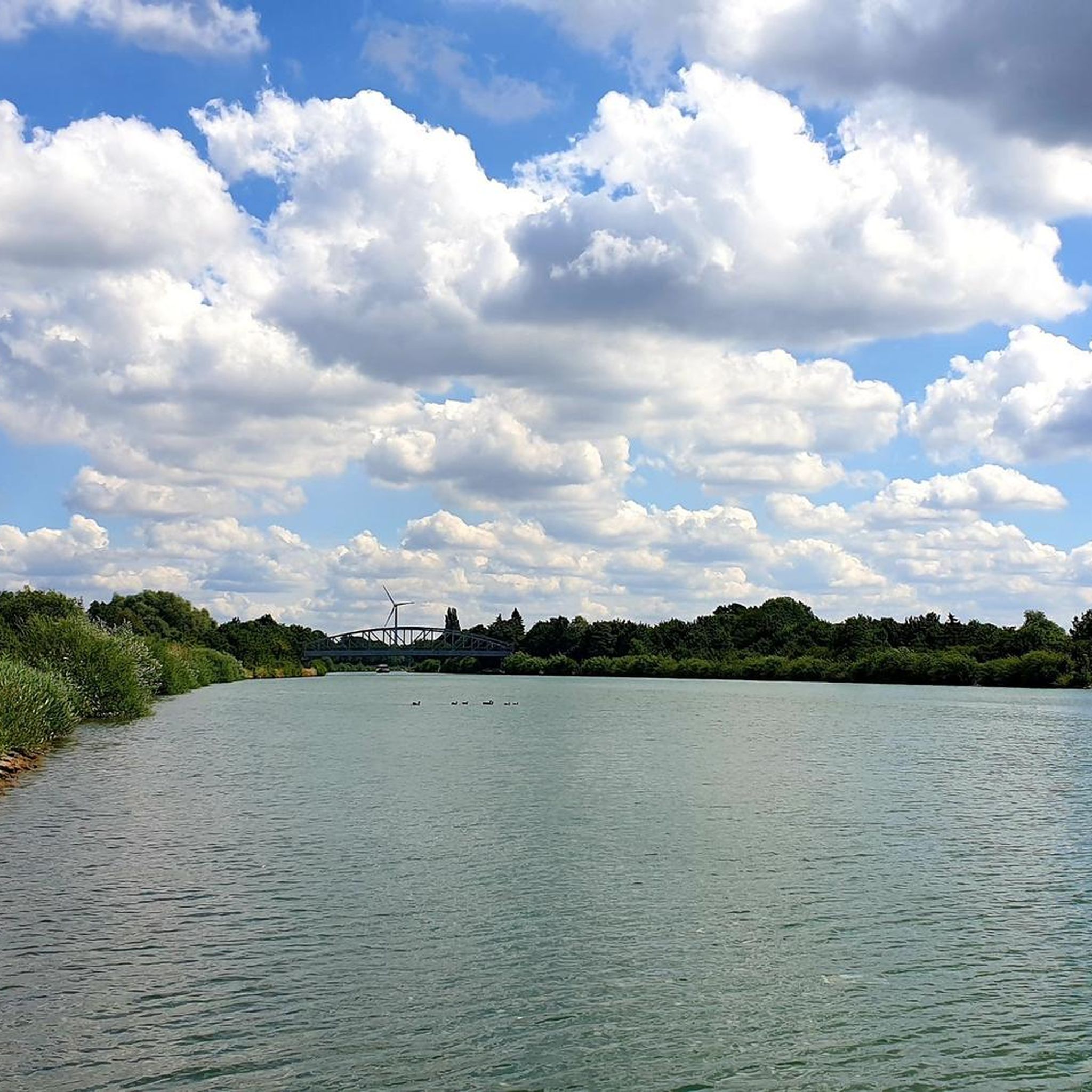
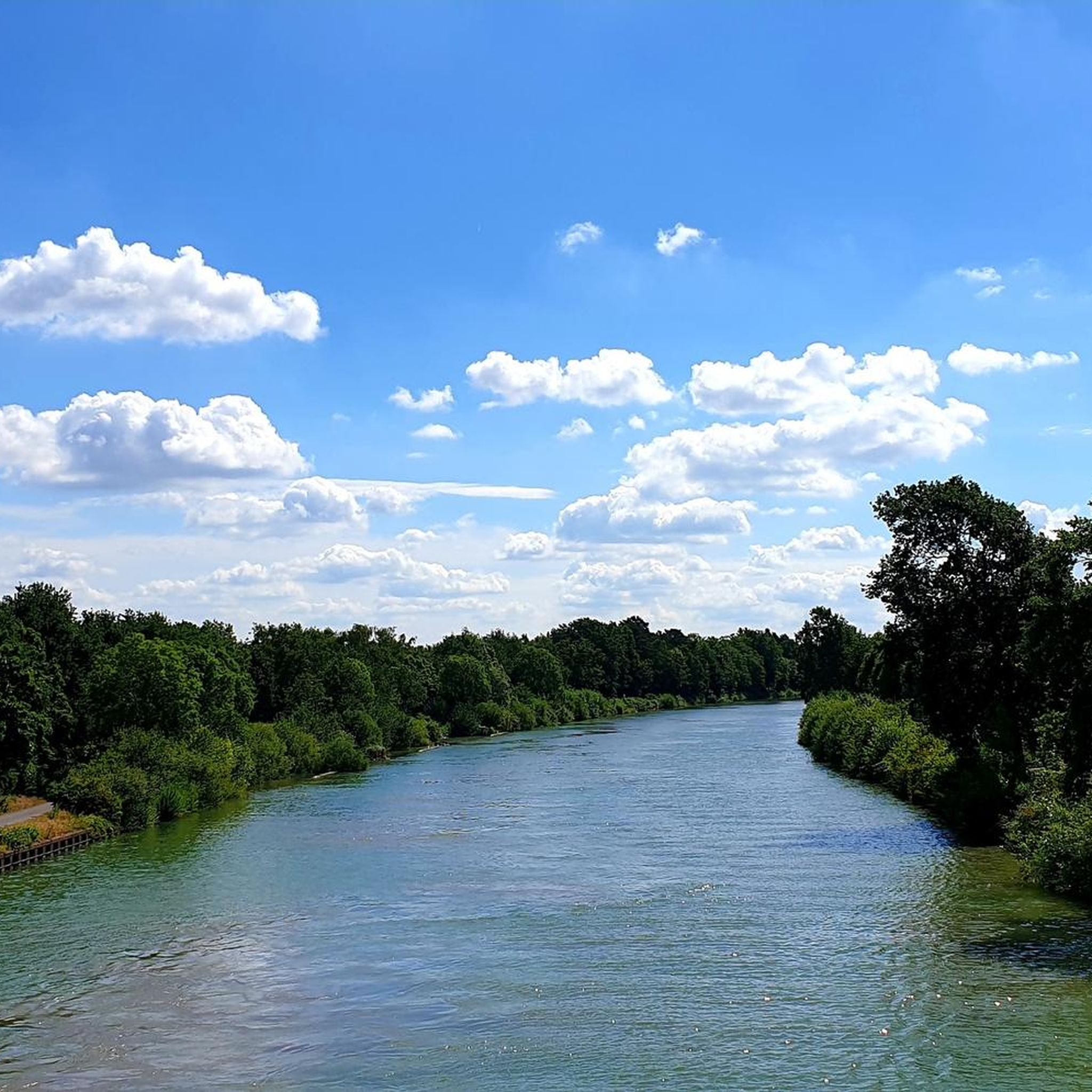
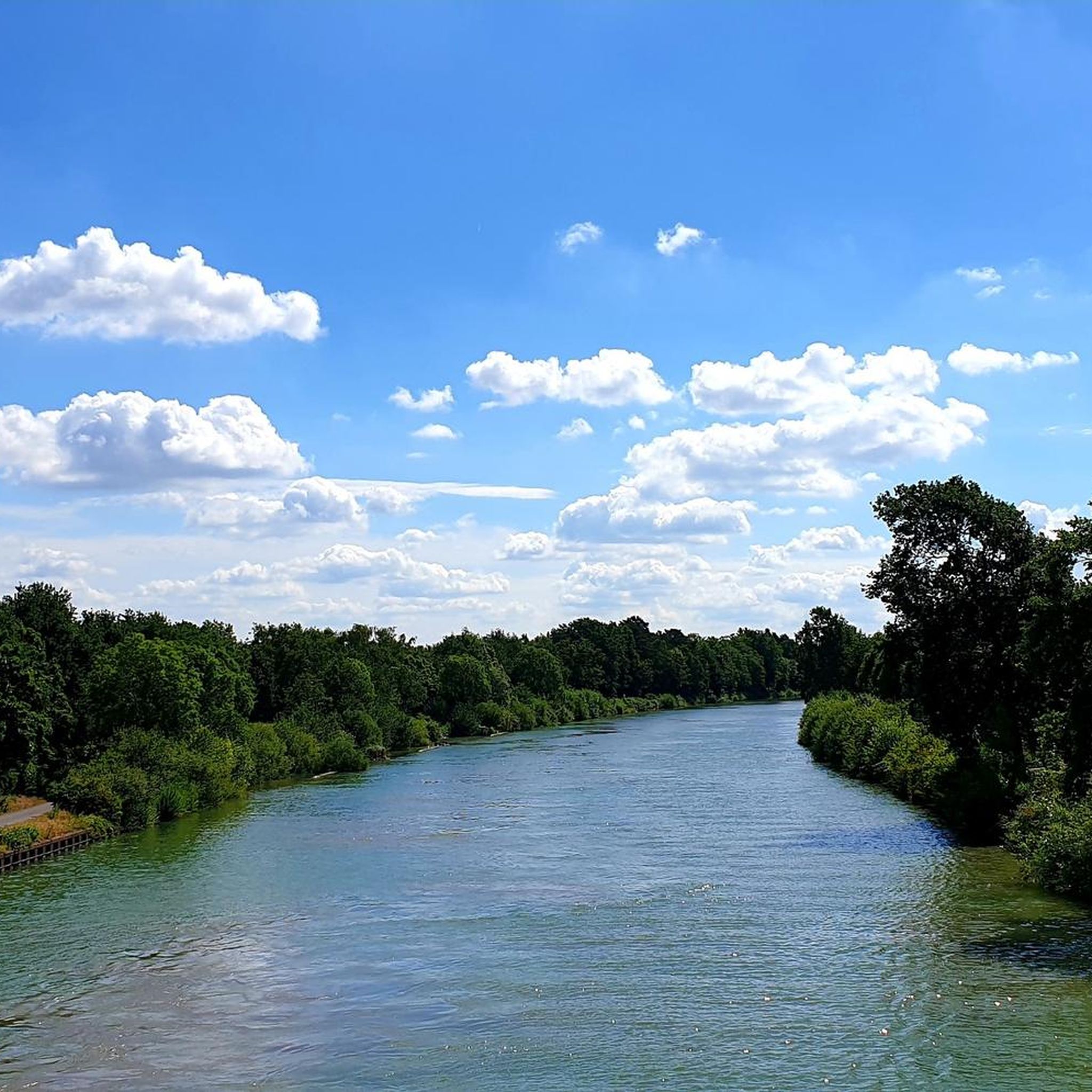
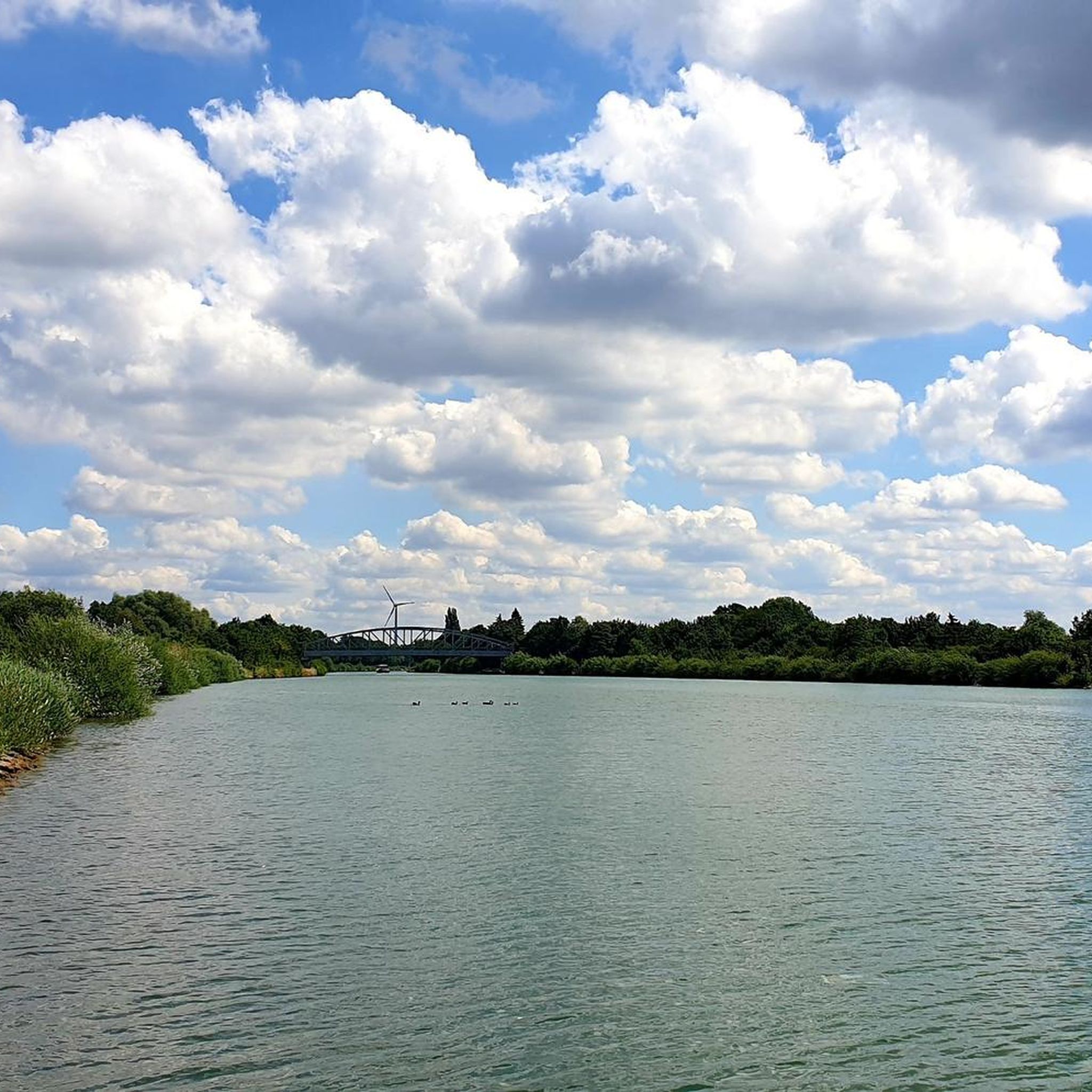
On the round trip around Lake Steinhude you also follow the Hagenburg Canal for a while or even cross it
8
0

The open-air museum is located on the site of the former Rodenberg Castle, which was later converted into a palace. This "museum island" is surrounded by a moat and houses the Ständehaus, the only surviving building of the old palace, which was badly damaged by fire in 1859. In the Ständehaus there is an exciting exhibition to discover that brings the history of the region to life.
1
0

The later manor emerged from one or more farms. The two-story manor house is striking, surrounded by a wide moat and accessible via three bridges. The basement and ground floor are made of quarry stone masonry - largely unplastered - while the high upper floor is a half-timbered building with plastered compartments. The building was probably built in the 16th century. As a half-timbered building, it is one of the older manor houses in the Calenberger Land. Beginning of the 17th century. The (first) renovations have been carried out, which is indicated by a bay window on the east side designed in the Renaissance style with "1611" as the year of construction. In 1866, further renovations were carried out in the neo-Gothic style, with parts of the external masonry being massively replaced and the stone stair tower, a gallery, a bay window and a turret being added. The manor includes a spacious park with old trees. The avenue that begins behind the park and leads to the Munzeler Mark forest is remarkable. The manor goes back to property owned by the Counts of Schaumburg, who gave it out as a fiefdom. This was associated with a seat in the knight's curia of the Calenberg state estates (state parliament) and exemption from the sovereign's service obligations. In 1743 Georg Reinhard Langwerth v. Simmern, ancestor of the current owners, the manor. Source: https://www.barsinghausen.de/portal/seiten/wichtringhausen-903000177-20002.html
1
0

I almost cycled past it. Unforgivable if you overlook such a sight. https://rittergut-wichtringhausen.de/
6
0
Hagenburg Castle, the forerunner of Hagenburg Castle, was first mentioned in a document in 1369 as Hagenborch. It probably goes back to the Counts of Schaumburg, when they set foot on the Steinhuder Meer in the 14th century. The castle was probably used in the early 14th century to secure the settlement of Hagenburg, which was built in the second half of the 13th century. From the 14th century onwards, the castle was often mortgaged and later served as the administrative seat of the Hagenburg district. In 1518 the brothers Anton and Johann zu Holstein-Schaumburg were enfeoffed with the castle by the Hessian landgrave. The lords of Heimburg sat here as their ministerials until 1558, after that Ludolf Klencke was. In 1558 Klencke had a gatehouse built and the castle rebuilt. In the living quarters he installed a spiral staircase. In 1574 his son Ernst Ludolf arranged for some renovations and the construction of a sheepfold. Source: https://de.wikipedia.org/wiki/Schloss_Hagenburg
4
0
In the outdoor area of the open-air museum are the fortress towers around the castle wall, which were only uncovered in 2000. After more than four years, the Rodenberg Castle Association completed the excavation and partial restoration of the two artillery towers and their weirs on the castle wall in autumn 2004. Parts of a castle fortification belonging to the Counts of Holstein and Schaumburg from the largely unexplored transition period between the late Middle Ages and the early modern period were excavated. In 1663, it was dismantled and partly demolished and partly filled in. The monument protection authorities describe the complex as "unique at least for northern Germany and of historical value as well as particularly suitable for illustrating the history and changes in military technology requirements from the late Middle Ages to the early modern period." Source: https://www.museumslandschaft-rodenberg.de/freilichtmuseum/
1
0
The Estates House is the only surviving building of the former castle. It lies on an island surrounded by the water-bearing moat. Originally it was the Palas within the castle complex, which presented itself as an almost closed four-wing complex. In the years 2000 to 2004 the Förderverein Schloss Rodenberg e. V. excavations at the former fortifications of Rodenberg Castle. The remains of the hexagonal bastion and the circular tower as well as two weirs were uncovered. The reconstructed structures of the fortifications are also part of the open-air museum, which opened in 2005, as are the ramparts of the castle, the Estates House as part of the castle ruins and the information boards that have been set up. The park-like facility is freely accessible. The fenced-in remains of the bastion and the circular tower can be visited on Sunday tours during the summer months. Source: https://de.wikipedia.org/wiki/Schloss_Rodenberg
1
0
Frequently Asked Questions
What historical castles and sites can I visit near Lindhorst?
The Schaumburger Land region offers several historical sites. You can explore the excavated fortress towers at Rodenberg Castle and Open-Air Museum, which showcases fortifications from the late Middle Ages. The Heisterburg Ruins provide a glimpse into ancient Germanic defenses. Further afield, you'll find the impressive 16th-century Schloss Wendlinghausen, which houses a museum, and the grand Bückeburg Castle with its Princely Riding School.
Are there any family-friendly castles or historical sites around Lindhorst?
Yes, several sites are suitable for families. Rodenberg Castle and Open-Air Museum is family-friendly, offering an engaging exhibition about regional history within its former moated castle grounds. The area around the Wooden bridge at Hagenburg, with its wonderful view of Hagenburg Castle, is also considered family-friendly and ideal for leisurely walks.
Where can I find picturesque views of castles near Lindhorst?
For picturesque views, visit the Wooden bridge at Hagenburg, which offers a wonderful perspective of Hagenburg Castle. The castle itself, Hagenburg Castle and Park, is set in beautiful surroundings with a park, rhododendron avenue, and pyramidal oaks, providing many scenic spots.
What kind of outdoor activities can I do near these castles?
The region around Lindhorst offers various outdoor activities. You can find numerous routes for hiking, including easy orchard meadow loops. There are also options for gravel biking and running trails, allowing you to combine historical exploration with nature.
Is there parking available at the castles?
Yes, for Hagenburg Castle and Park, parking is available. For other sites like Rodenberg Castle and Open-Air Museum, parking is typically found nearby in the town of Rodenberg.
What is the best time of year to visit the castles around Lindhorst?
While castles can be visited year-round, spring and autumn offer pleasant weather for exploring the outdoor grounds and parks. Autumn provides beautiful foliage, and spring brings blooming rhododendrons, especially around Hagenburg Castle and Park.
Are there any lesser-known or 'hidden gem' historical sites in the Lindhorst region?
The Heisterburg Ruins could be considered a hidden gem. It's described as somewhat hidden, offering a quiet exploration of ancient Germanic defenses. While not a grand castle, it provides a unique historical experience for those interested in distant pasts.
Can I visit Marienburg Castle near Lindhorst?
Marienburg Castle, located about 30 kilometers south of Hanover, is a significant Gothic Revival castle. However, it is currently closed for renovations until 2030. When it reopens, its striking architecture and historical significance will make it a prime destination.
What do visitors enjoy most about the castles and historical sites in this area?
Visitors appreciate the rich history and the opportunity to explore different periods, from ancient ruins to medieval fortifications and later manors. The picturesque settings, like the view from the Wooden bridge at Hagenburg, and the cultural insights offered by museums, such as at Rodenberg Castle, are frequently highlighted.
How long should I plan for a visit to one of these castles?
The duration of your visit depends on the site. For places like the Heisterburg Ruins, a shorter visit of 1-2 hours might suffice for exploration. For Rodenberg Castle and Open-Air Museum or Schloss Wendlinghausen, especially if taking a guided tour or exploring the museum, you might want to allocate 2-3 hours. Larger sites like Bückeburg Castle could easily fill half a day or more.
Are there any manors or estates to visit besides castles?
Yes, Wichtringhausen Manor is another historical site in the region. It's known for its cultural significance and even offers wine tasting and sales, making it a unique stop for those interested in historical estates.
Can I reach these castles using public transport?
While Lindhorst itself has some public transport connections, reaching specific castles often requires a combination of train/bus and then a walk or taxi. For detailed public transport information to specific sites, it's best to check local transport schedules for the Schaumburger Land region, for example, via Schaumburger Land Tourismus.
Most popular routes around Lindhorst
Most popular attractions around Lindhorst

Get inspired with the komoot mobile app


Explore more
Looking for the best castles somewhere else? Discover other guides around Lindhorst:
