Top 6 Castles around Sevenig (Our)
Best castles around Sevenig (Our) are found in the surrounding Our Valley region, particularly in neighboring Luxembourg. Sevenig (Our) serves as a starting point for exploring these historical sites. The area is characterized by its position along the German-Luxembourgish border, offering access to a rich architectural heritage. This region provides a blend of history and culture for visitors.
Best castles around Sevenig (Our)
- The most popular castles is Clervaux Castle, a castle whose origins date back to the 12th…
Last updated: August 16, 2026
Clervaux
Highlight • Settlement
Translated by Google •
Tip by

Clervaux Castle
Highlight • Castle
Translated by Google •
Tip by

Sign up now to discover places like this
Get recommendations on the best single tracks, peaks, & plenty of other exciting outdoor places.
Sign up for free
The Our
Highlight • River
Translated by Google •
Tip by

Ruins of Reuland Castle
Highlight • Castle
Even Charlemagne is said to have been here for a time.
Translated by Google •
Tip by

View of Reuland Castle
Highlight • Viewpoint
Translated by Google •
Tip by

Sign up for free to discover even more castles around Sevenig (Our).
Sign up for free
Already have an account?
Start today with a free account
Your next adventure awaits.
Login or Signup
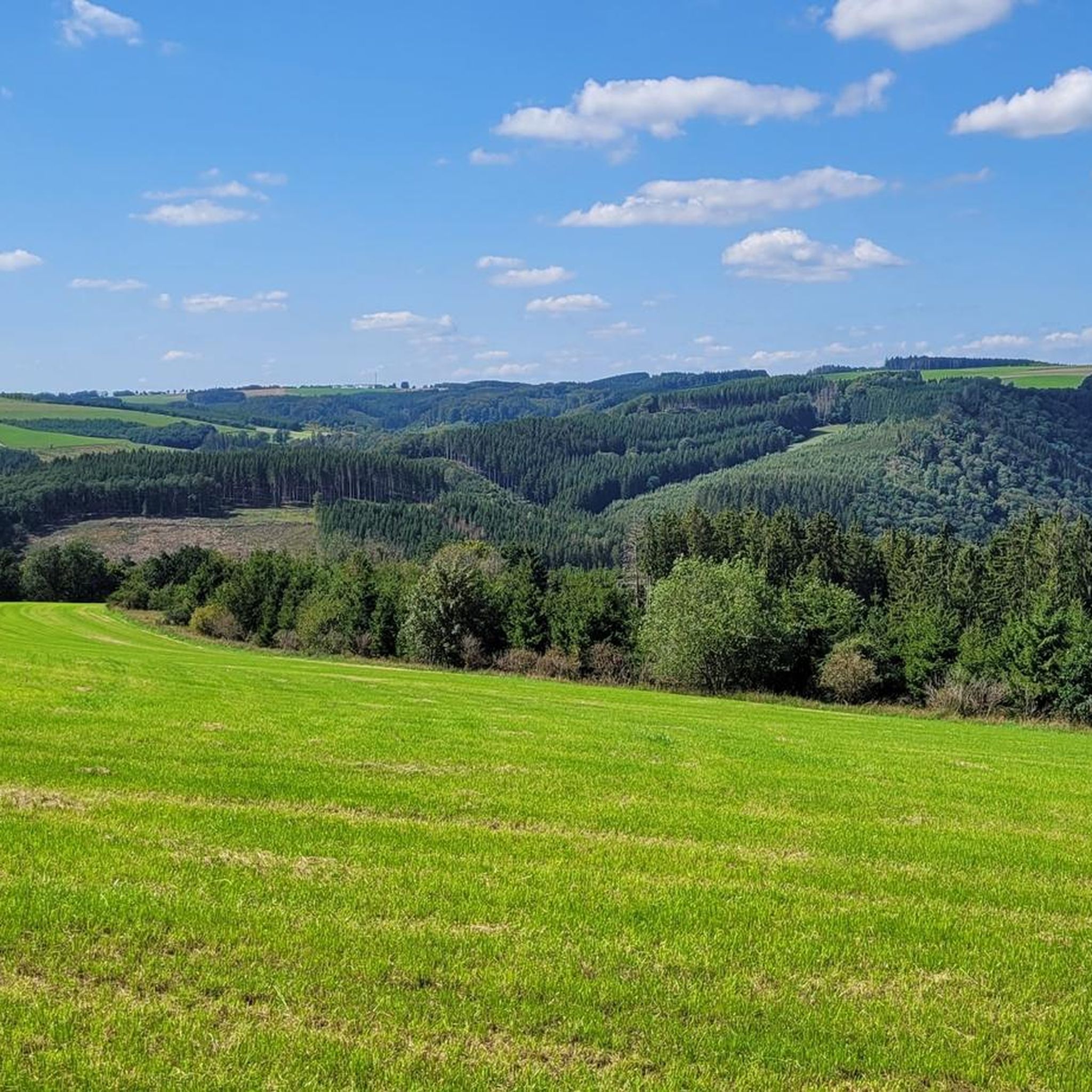
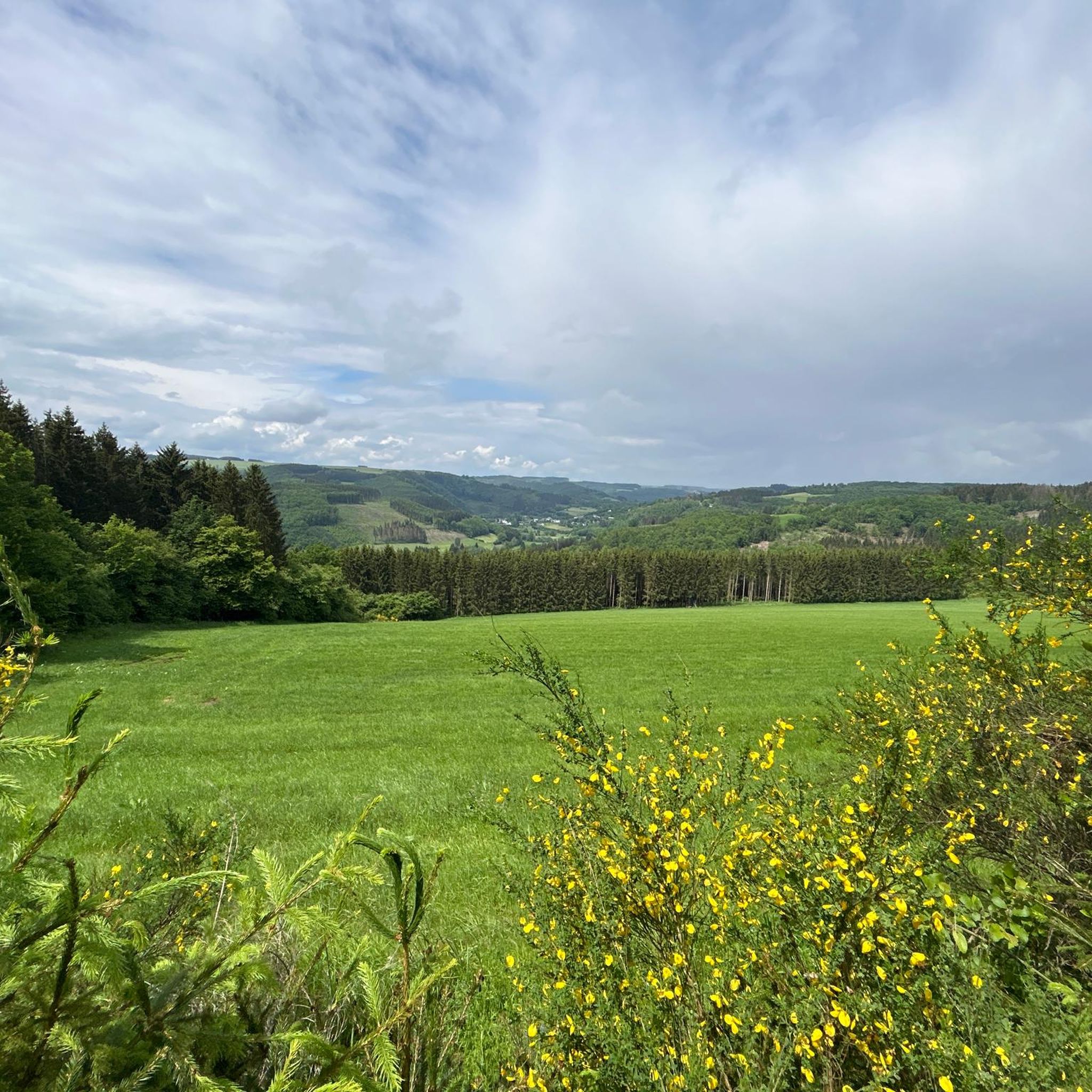
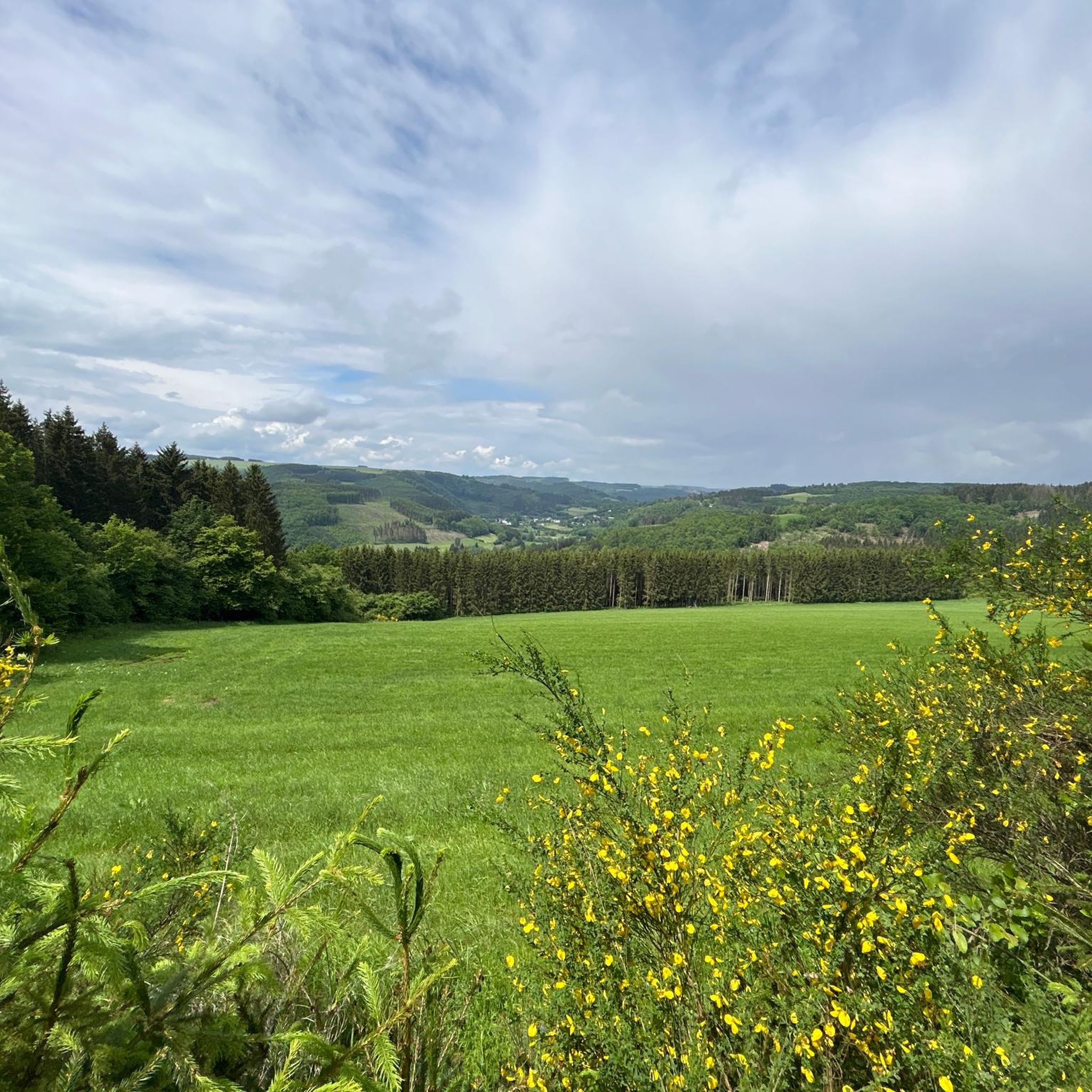
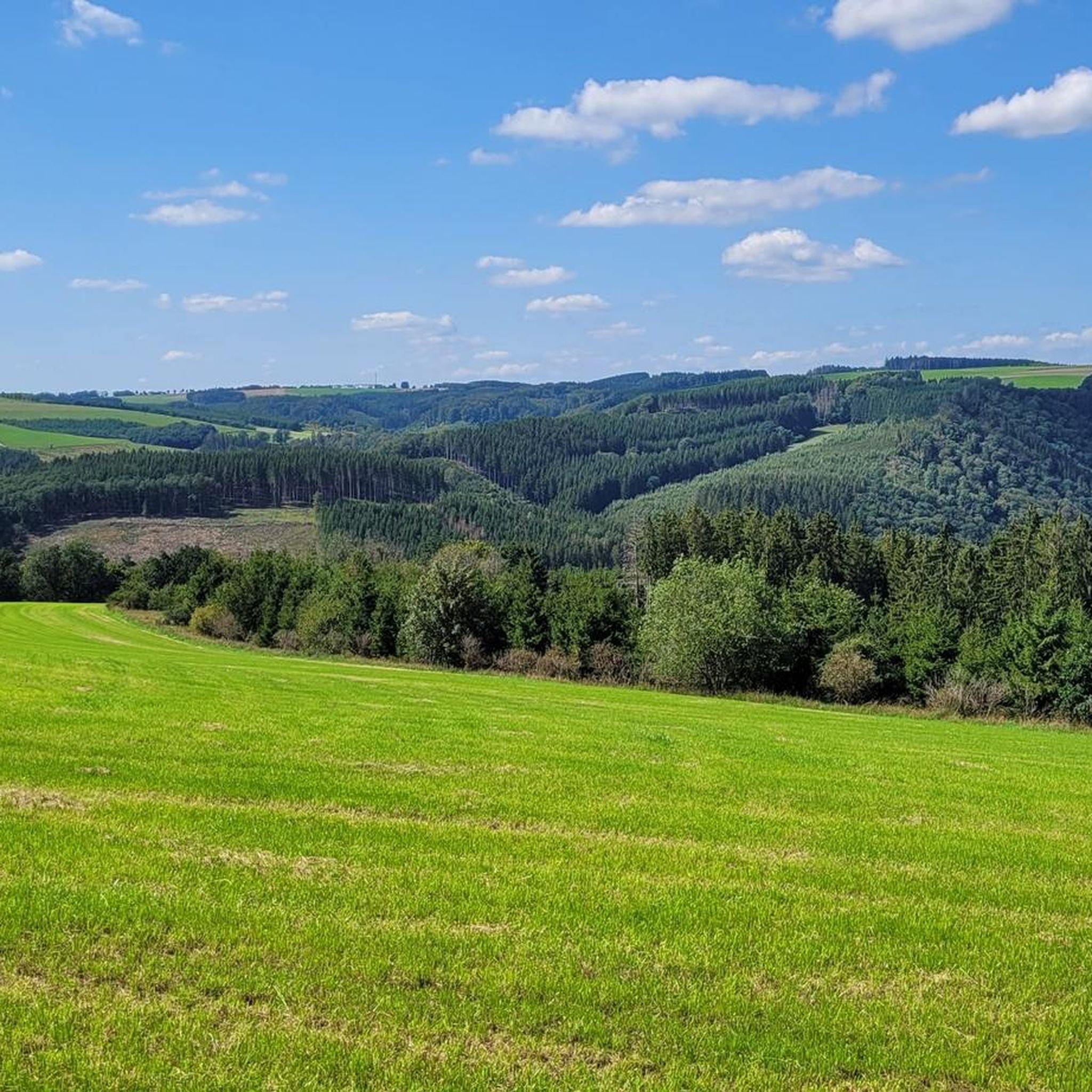

Tips from the Community

Picturesque town dominated by a castle and a church.
0
0


Even from a distance a great view of the town, especially the castle ruins
0
0


The first known lords of the castle were the Sponheimers. The Clerf Castle (French Château de Clervaux), also called Clervaux Castle, is a castle castle in the Luxembourg municipality of Clervaux. https://www.tdcj-inmatesearch.com
1
0


Clervaux is beautifully situated on the river Clerve and offers many highlights such as the castle, the monastery and the Villa Berlaymont. In July and August the Clervaux Castle Summer Music Festival with various concerts always takes place.
4
0
Frequently Asked Questions
Which castles near Sevenig (Our) offer the most historical insights?
For deep historical insights, Clervaux Castle in Luxembourg is an excellent choice. It houses the Museum of the Battle of the Ardennes and showcases its evolution from the 12th century. Vianden Castle, also in Luxembourg, offers extensive historical depth, from Roman origins to its present-day grandeur, making it a significant historical site.
Are there family-friendly castles to visit near Sevenig (Our)?
Yes, both Clervaux Castle and the Ruins of Reuland Castle are considered family-friendly. Clervaux Castle features model exhibitions of Luxembourg's castles, which can be engaging for children, alongside its museums. Reuland Castle, one of the largest ruins in the Eifel, allows visitors to climb a spiral staircase for views, offering an adventurous experience for families.
What cultural attractions can I find at the castles around Sevenig (Our)?
Clervaux Castle is a hub for cultural attractions. It hosts Edward Steichen's renowned "The Family of Man" photo exhibition, a UNESCO Memory of the World Register listed collection, as well as the Museum of the Battle of the Ardennes and model exhibitions of Luxembourg's castles. The medieval town of Clervaux itself is known for its cultural highlights.
Can I find scenic viewpoints at the castles in this region?
Absolutely. The Ruins of Reuland Castle offers fantastic views of the castle grounds and the village from its tower. Vianden Castle, perched dramatically above the town of Vianden and the Our River, provides breathtaking views of the surrounding landscape.
What outdoor activities can I do near these castles?
The region around Sevenig (Our) offers various outdoor activities. You can find numerous hiking trails, with options ranging from easy to moderate, such as the "Georges-Wagner Bridge – Dreiländereck Border Stone loop." For cyclists, there are gravel biking and general cycling routes available. You can explore more options on the Hiking around Sevenig (Our), Gravel biking around Sevenig (Our), and Cycling around Sevenig (Our) guide pages.
Are there specific hiking trails that include castle views or access?
Yes, many hiking routes in the area offer views of the castles or pass nearby. For instance, routes like the "View of Burg Reuland – Vennbahn Rail Trail loop" for cycling, or various hiking paths, will bring you close to these historical sites. Check the Hiking around Sevenig (Our) guide for detailed routes.
What is the best time of year to visit the castles around Sevenig (Our)?
While castles can be visited year-round, spring and autumn generally offer the most pleasant weather for exploring the outdoor grounds and enjoying the scenic views without extreme temperatures. Summer is also popular, though it can be busier. Winter visits can be charming, especially if you enjoy quieter trails and a different atmosphere, but some facilities might have reduced hours.
Are there places to eat or stay near the castles?
Yes, the medieval town of Clervaux, which hosts Clervaux Castle, offers a wide range of restaurants and accommodations. Similarly, Vianden, home to Vianden Castle, is a picturesque town with options for dining and lodging, making it convenient for visitors.
What makes the <a href="https://www.komoot.com/highlight/99100" target="_blank" rel="noopener">Ruins of Reuland Castle</a> unique?
The Ruins of Reuland Castle stands out as one of the largest castle ruins in the Eifel region. Its uniqueness comes from its extensive history, with archaeological findings dating back to the 10th century, and the opportunity to climb a spiral staircase within the ruins for panoramic views of the surrounding area. It also hosts an annual castle festival.
How accessible are the castles by public transport or car, and is parking available?
The castles in Luxembourg, such as Clervaux and Vianden, are generally well-connected and accessible by car, with parking usually available in or near the towns. Public transport options, including buses and trains, also serve these towns, especially from larger hubs in Luxembourg. For specific details on parking and public transport, it's advisable to check local transport schedules and castle websites.
What do visitors enjoy most about the castles around Sevenig (Our)?
Visitors frequently appreciate the rich history and cultural offerings, particularly at Clervaux Castle with its unique museums and exhibitions. The impressive architecture and scenic locations, like Vianden Castle perched above the river, are also highly praised. The opportunity to explore extensive ruins and enjoy panoramic views, as offered by the Ruins of Reuland Castle, is another highlight for many.
Are there any less crowded castle options for a more tranquil visit?
While Clervaux Castle and Vianden Castle are popular, visiting during off-peak seasons (early spring or late autumn) or on weekdays can offer a more tranquil experience. The Ruins of Reuland Castle, while significant, might also offer a slightly less crowded atmosphere compared to the more prominent Luxembourgish castles, especially outside of festival times.
Most popular routes around Sevenig (Our)
Most popular attractions around Sevenig (Our)

Get inspired with the komoot mobile app


Explore more
Looking for the best castles somewhere else? Discover other guides around Sevenig (Our):
