Top 20 Caves around Gräfenberg
Best caves around Gräfenberg are situated in Franconian Switzerland, a region characterized by its unique karst landscape and numerous underground formations. This area offers a diverse range of geological features, from accessible passage caves to extensive dripstone systems. The landscape around Gräfenberg provides opportunities to explore natural rock formations and historical cave sites. Visitors can discover a variety of subterranean environments within a short distance.
Best caves around Gräfenberg
- The most popular caves is Hexentor Rock Arch, a natural…
Last updated: October 9, 2026
Klauskirche Cave
Highlight • Cave
Translated by Google •
Tip by

Wasserstein Gate
Highlight • Natural Monument
Especially when the sun is falling through the gate and the trees
Translated by Google •
Tip by

Sign up now to discover places like this
Get recommendations on the best single tracks, peaks, & plenty of other exciting outdoor places.
Hexentor Rock Arch
Highlight • Natural Monument
Translated by Google •
Tip by
Esper Cave
Highlight • Cave
Translated by Google •
Tip by

Great Wasserstein Rock Shelter
Highlight • Cave
Translated by Google •
Tip by
Sign up for free to discover even more caves around Gräfenberg.
Already have an account?
Start today with a free account
Your next adventure awaits.
Popular around Gräfenberg
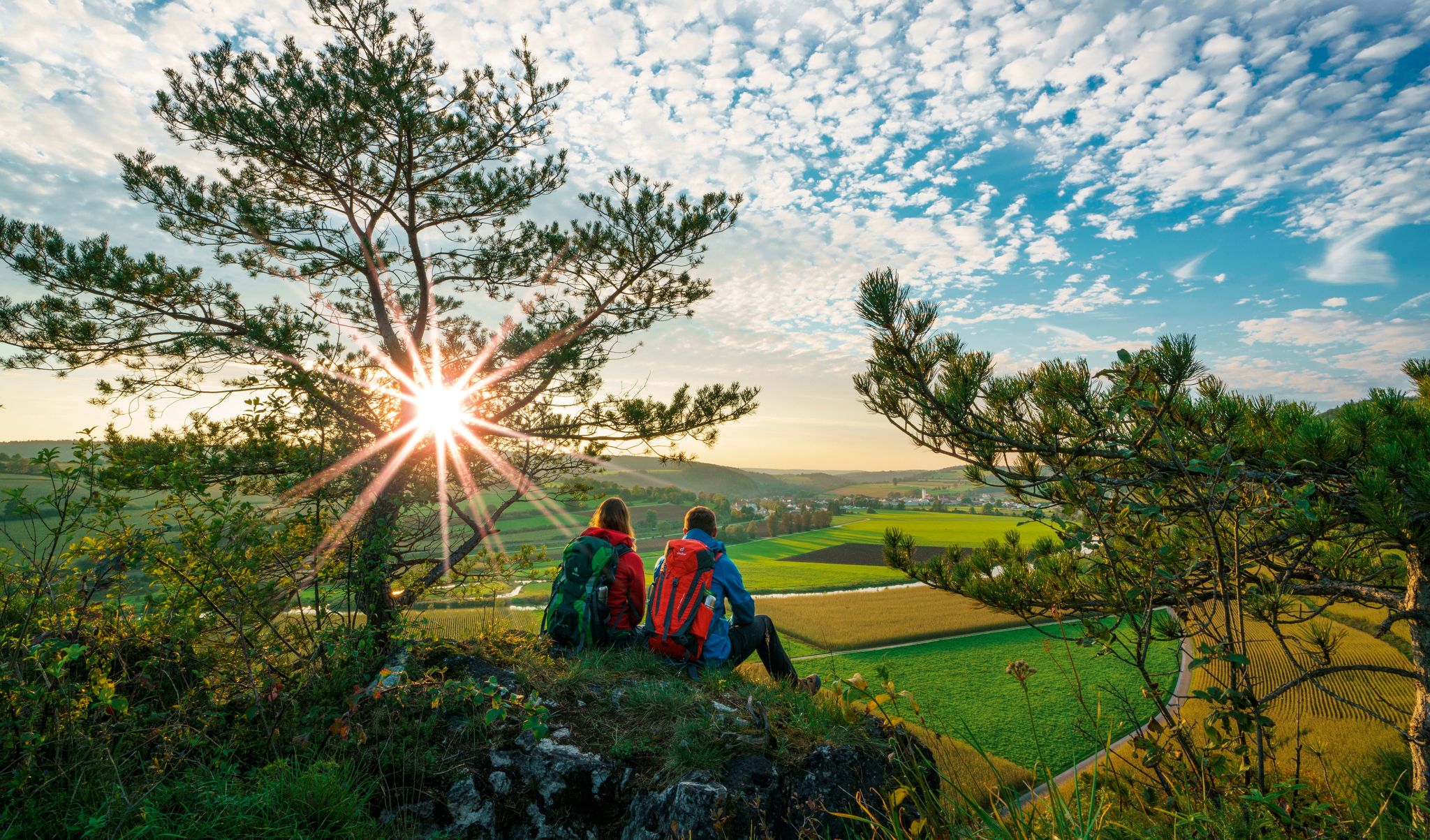
The Franconian Trail – A Diverse Hiking Dream Across 24 Stages
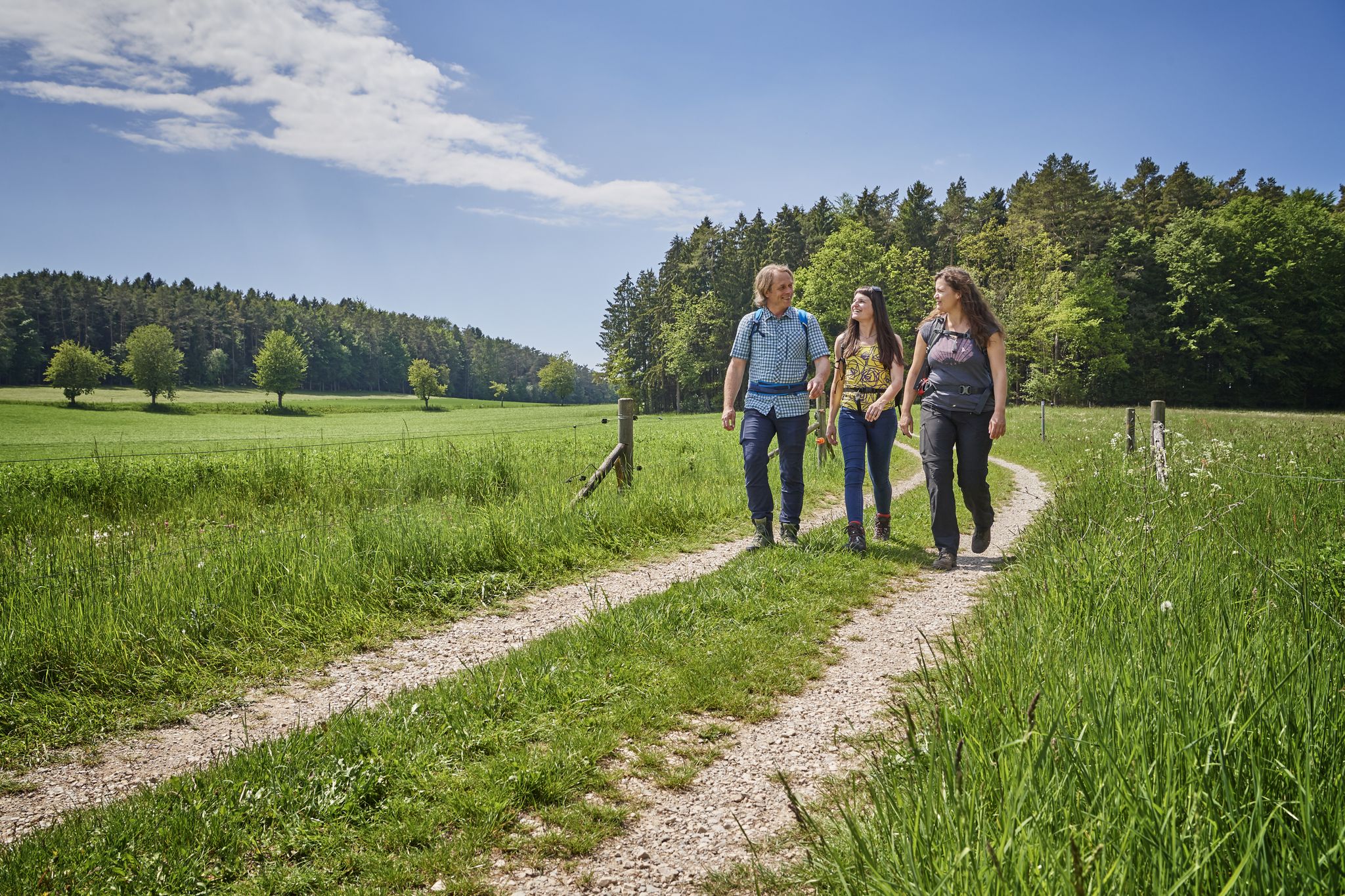
Hops, barley & beer — hiking with VGN leisure tips through Franconia
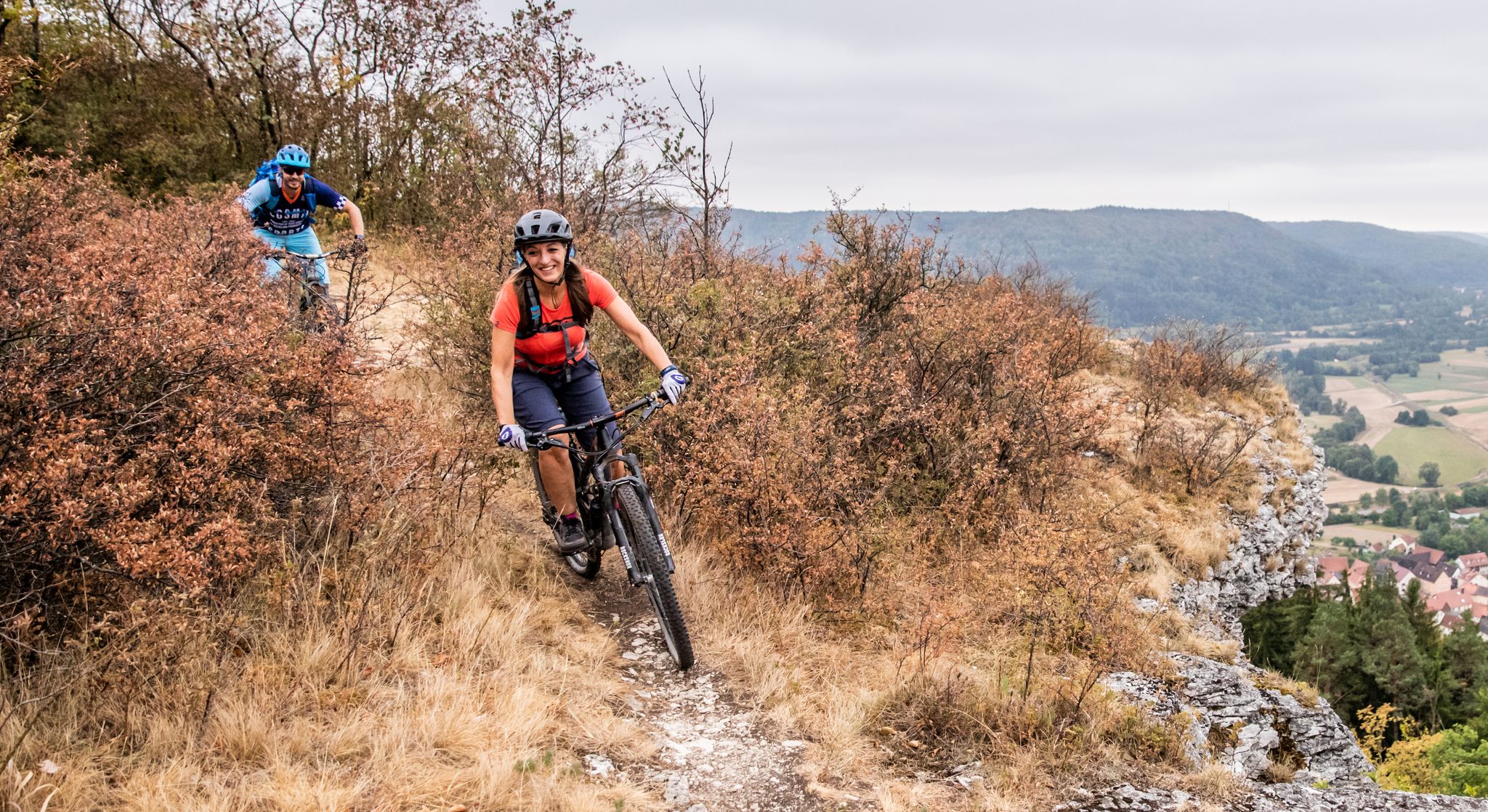
Castles, mountains, beer & trails – bikepacking in Franconian Switzerland
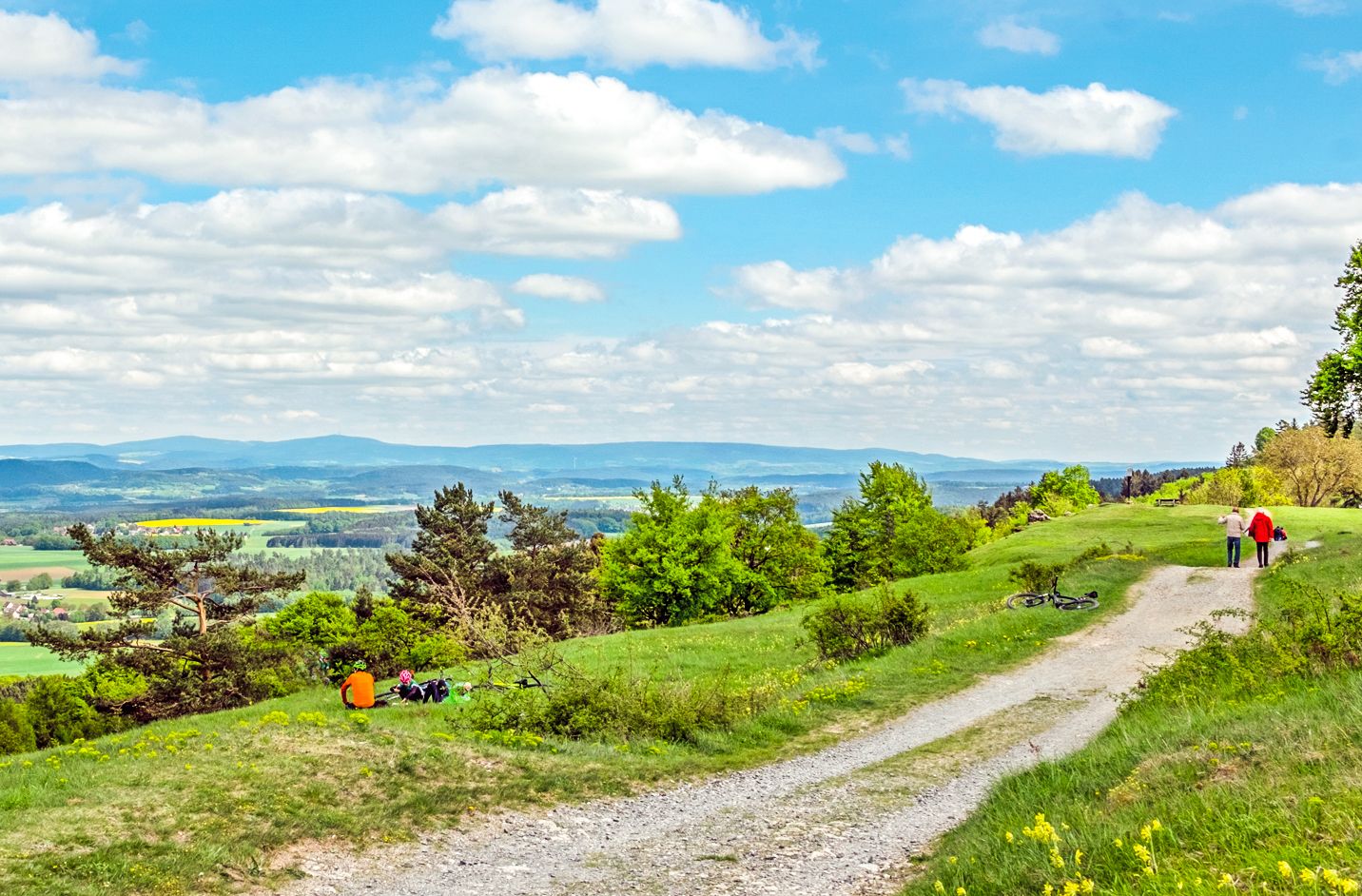
Ponds, woods and hills – the VGN recreational activities
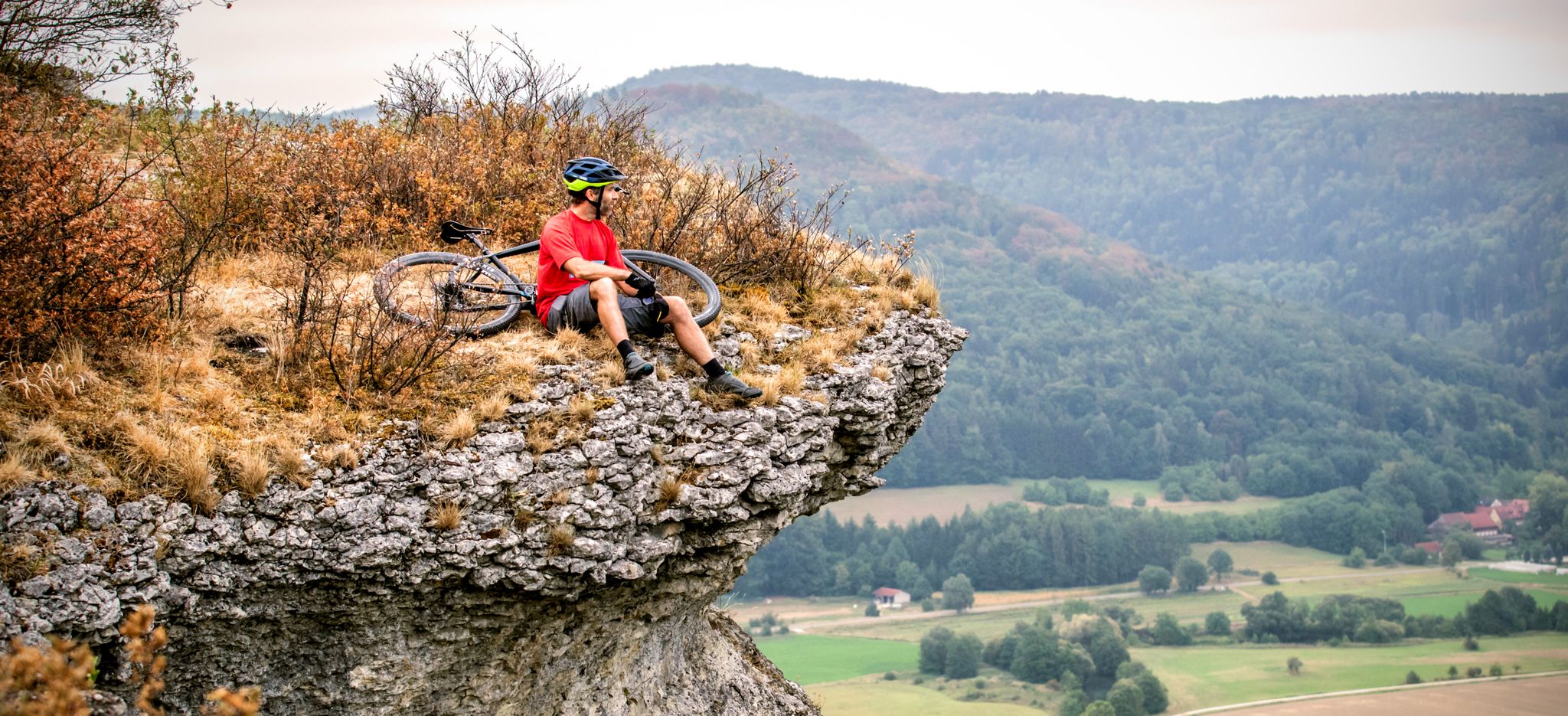
The 10 most beautiful mountain bike Tours in Franconian Switzerland
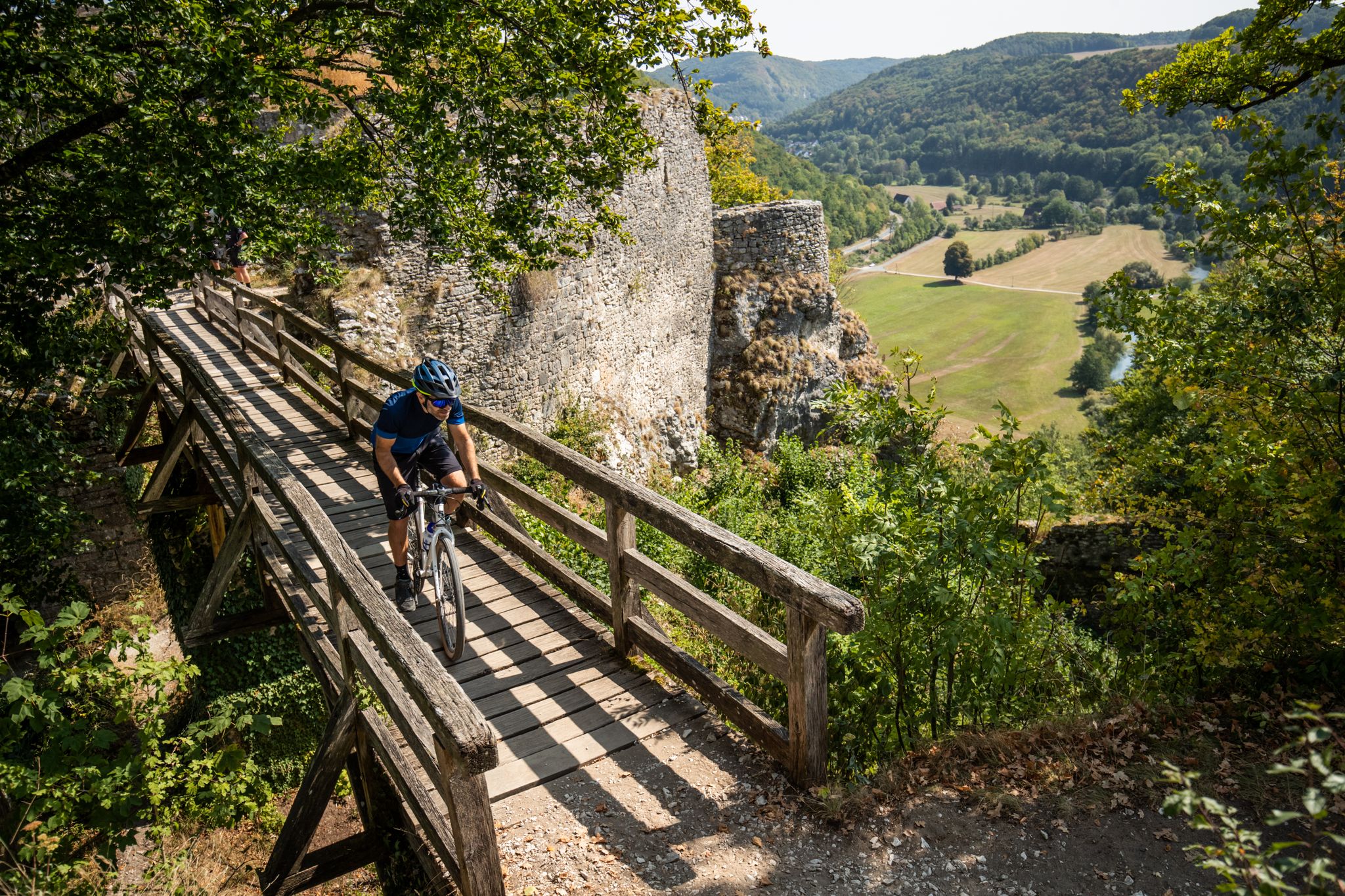
Castles, bikes and beer — a mountain biking paradise in Franconian Switzerland
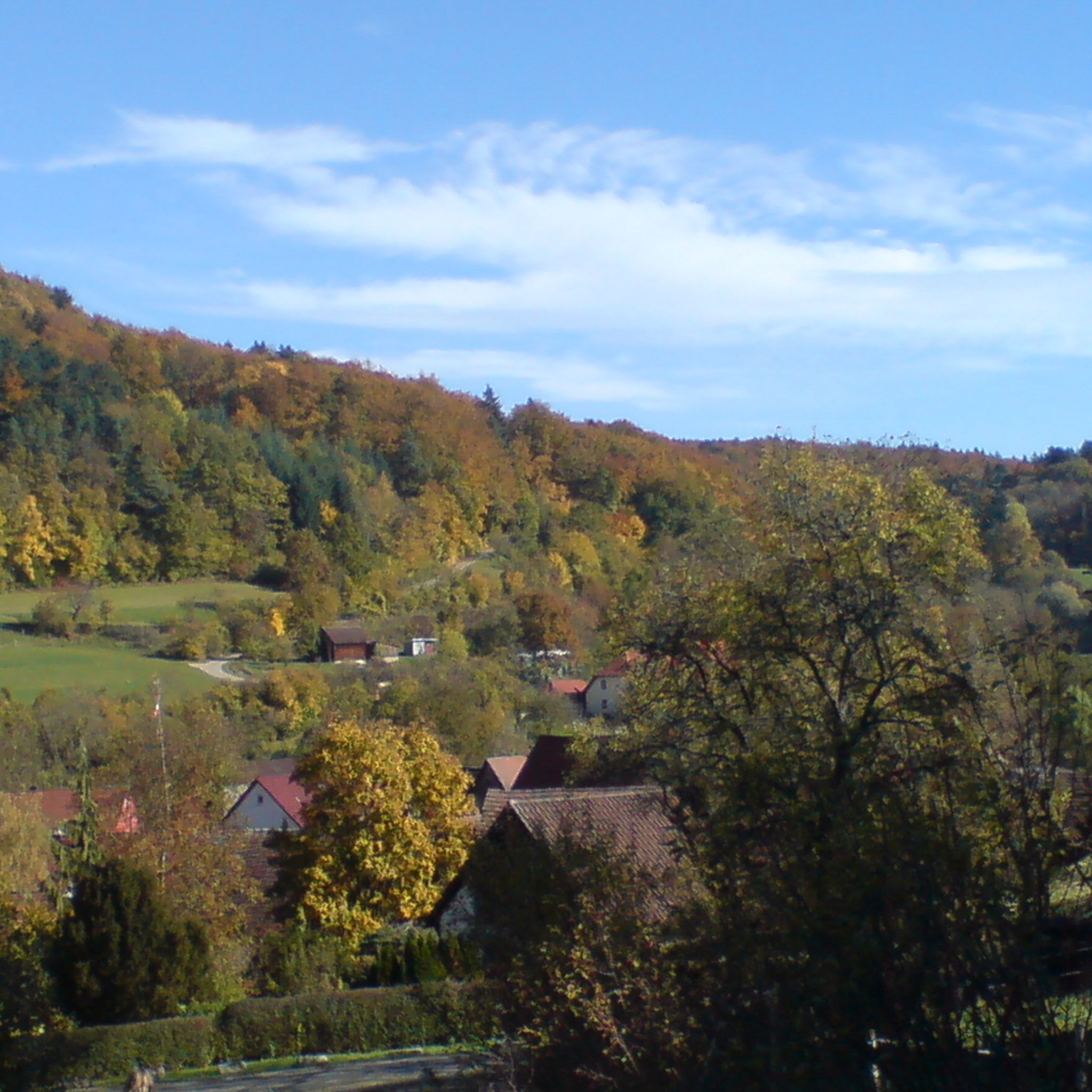
Hiking around Gräfenberg
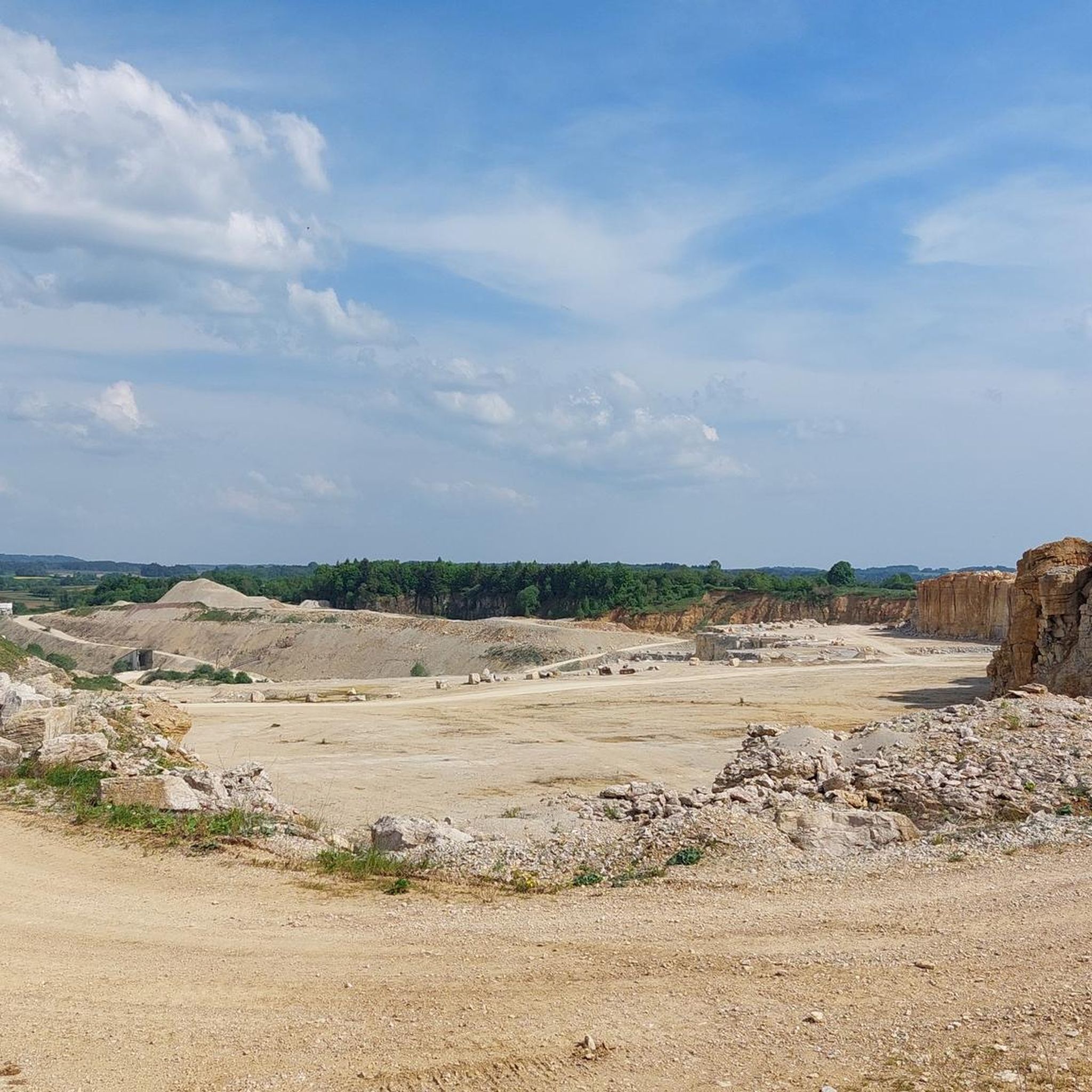
Cycling around Gräfenberg
MTB Trails around Gräfenberg
Road Cycling Routes around Gräfenberg
Other adventures around Gräfenberg


Tips from the Community

A great cave that is a lot of fun to explore. Please remember to wear sturdy shoes and bring your flashlight
2
0

The “Klauskirche” The name “Klauskirche” has become established for the passage cave that dominates the rocky reef of the Klauskirchenberg. Actually, this name refers to the entire hallway. Formerly, scientifically proven but missing, there was a “St. Nicholas Chapel” (see Georg Kolbmann, 1973: Betzensteiner historical images”). It is assumed that this chapel is the namesake of the field name “Klauskirchenberg”. The “Klauskirche” is a 32 meter long passage cave. It is built in the reef dolomite of the Upper Malm. The mighty dolomite reefs formed in the Jurassic Sea around 150 million years ago. The weathering process began as the land mass rose and the sea retreated. During the Quaternary karstification phase (within the last 2.4 million years) the cave was formed by leaching of a vertically dipping fissure. This gap is still clearly visible in the ceiling area of the cave. The cave formation took place in what was then the groundwater area. As a result of the progressive deepening of the valley, the “Klauskirche” is now above the karst water level. Source: information board
6
0

It's a magical place, be sure to go through the passage to the "crater".
2
0

Impressive natural monument! The passage cave is an absolute highlight on a hike in this beautiful area.
4
0
The Hexentor is an almost circular rock breakthrough - great to look at.
7
1

Very impressive, quiet quiet place, Here you can see again how beautiful our nature is
5
0
Very nice place, not to be missed
3
1
Very impressive when you walk through the Klauskirche.. Definitely worth a visit
5
0
Frequently Asked Questions
What are the most impressive dripstone caves near Gräfenberg?
The region around Gräfenberg is home to several spectacular dripstone caves. The Klauskirche Cave in Gräfenberg itself is a notable passage cave. Further afield, you'll find the Teufelshöhle (Devil's Cave) in Pottenstein, known as the largest dripstone cave in Franconian Switzerland with massive stalactite formations. The Binghöhle near Streitberg offers unique formations in layered limestone, while the Sophienhöhle at Burg Rabenstein is celebrated for its breathtaking dripstones and is considered one of Germany's most beautiful.
Are there family-friendly caves to visit near Gräfenberg?
Yes, several caves in the area are suitable for families. The Klauskirche Cave is easily accessible. The Binghöhle near Streitberg offers guided tours lasting about 40 minutes and is well-suited for families. The Teufelshöhle in Pottenstein also provides an engaging experience with its large halls and cave bear skeleton, though it involves around 400 steps.
What historical or archaeological significance do the caves around Gräfenberg hold?
Many caves in the region have historical significance. The Esper Cave is a historical natural monument where archaeological finds from the Late Hallstatt and Early La Tène periods suggest it was a burial or sacrifice site. The Wasserstein Gate, a large rock gate, was likely a refuge for Stone Age hunters, with evidence found within. The Sophienhöhle is famous for exhibiting one of the most complete cave bear skeletons worldwide, reconstructed from thousands of bones discovered there.
What unique geological formations can be seen in the caves?
The caves around Gräfenberg showcase diverse geological features. The Hexentor Rock Arch is an almost circular rock gate, considered a Celtic place of power. The Teufelshöhle features the massive 'Barbarossa' stalagmite and the ethereal 'Fairy Grotto'. The Binghöhle is unique for its translucent sinter plumes, water-filled sinter pools, delicate white candle stalagmites, and eccentriques (stalactites growing in all directions). The Sophienhöhle boasts impressive stalagmites like the 'Millionär' and sinter flags up to three meters long.
What is the best time of year to visit the caves near Gräfenberg?
Caves maintain a relatively constant temperature year-round, making them suitable for visits in any season. The Teufelshöhle, for example, stays around 9°C (48°F), offering a cool escape in summer and a relatively warmer option in winter. The Klauskirche Cave is particularly recommended in winter when it can be filled with icicles, creating a unique spectacle. The Esper Cave is walkable in the summer months.
Are there any caves that are less crowded or offer a more natural experience?
While show caves like Teufelshöhle and Sophienhöhle are popular, the Klauskirche Cave in Gräfenberg offers an accessible and interesting natural experience directly in the area, often with fewer crowds. The Esper Cave is also a natural monument that can be explored in summer, providing a more rugged experience with information boards about its history.
What outdoor activities can I combine with a cave visit near Gräfenberg?
The region around Gräfenberg offers numerous outdoor activities. You can find a variety of MTB trails, gravel biking routes, and road cycling routes. Many of these routes pass by natural landmarks and offer scenic views of the Franconian Switzerland landscape, making it easy to combine a cave exploration with a hike or bike ride.
How long do typical cave tours last?
The duration of cave tours varies. For instance, a guided tour through the Teufelshöhle in Pottenstein typically lasts about 45 minutes, covering approximately 800 meters of accessible pathways. Guided tours at the Binghöhle near Streitberg are also around 40 minutes. For natural, unguided caves like the Klauskirche Cave or Esper Cave, you can explore at your own pace, which might take anywhere from 15 minutes to an hour depending on your interest.
What should I wear when visiting the caves?
Even in summer, caves maintain a cool and moist environment. It is advisable to wear sturdy shoes with good grip, as paths can be damp or uneven. Bringing a light jacket or sweater is recommended to stay comfortable, especially in larger dripstone caves like Teufelshöhle or Sophienhöhle, which are consistently around 9°C.
Are there any rock shelters or overhangs to explore?
Yes, the region features impressive rock shelters. The Great Wasserstein Rock Shelter is a notable dolomite massif with a large overhang or abri, which can be reached via stairs. It's a popular photo motif and has historical significance, with finds like the Ice Age shrew discovered nearby.
Can I find cafes or accommodation near the caves?
The larger show caves like Teufelshöhle, Binghöhle, and Sophienhöhle are typically located near towns or attractions that offer visitor amenities, including cafes, restaurants, and accommodation options. Pottenstein, Streitberg, and Burg Rabenstein are good places to look for these services when visiting their respective caves.
Most popular routes around Gräfenberg
Most popular attractions around Gräfenberg

Get inspired with the komoot mobile app


Explore more
Extend your search for the best caves by checking out these guides of the top ones around Gräfenberg:
