The best running trails around Gräfenberg
4.5
(19)
229
runners
45
runs
Jogging routes around Gräfenberg traverse a varied landscape situated on the edge of Franconian Switzerland and the Swabian Alb. The region is characterized by picturesque valleys, rocky cliffs, and dense forests, offering diverse terrain for runners. Joggers can explore well-developed paths along rivers, through orchards, and across open fields. The area features moderate elevation changes, providing both challenging and accessible running experiences.
Best jogging routes around Gräfenberg
- The most popular jogging route is Gräfenberg station – Community Weißenohe loop from…
Last updated: September 30, 2026
27
runners
16.4km
01:45
130m
130m
Hard run. Very good fitness required. Sure-footedness, sturdy shoes and alpine experience required.
4.1
(8)
21
runners
9.96km
01:03
110m
110m
Moderate run. Good fitness required. Mostly paved surfaces. Suitable for all skill levels.

14
runners
22.2km
02:20
130m
130m
Hard run. Very good fitness required. Sure-footedness, sturdy shoes and alpine experience required.
4.0
(2)
10
runners
Moderate run. Good fitness required. Mostly paved surfaces. Suitable for all skill levels.
6
runners
Moderate run. Good fitness required. Mostly paved surfaces. Suitable for all skill levels.
Get access to more routes and recommendations from other explorers.
Already have an account?
Our route recommendations are based on thousands of hikes, rides, and runs completed by other people on komoot.
Start today with a free account
Your next adventure awaits.
Popular around Gräfenberg
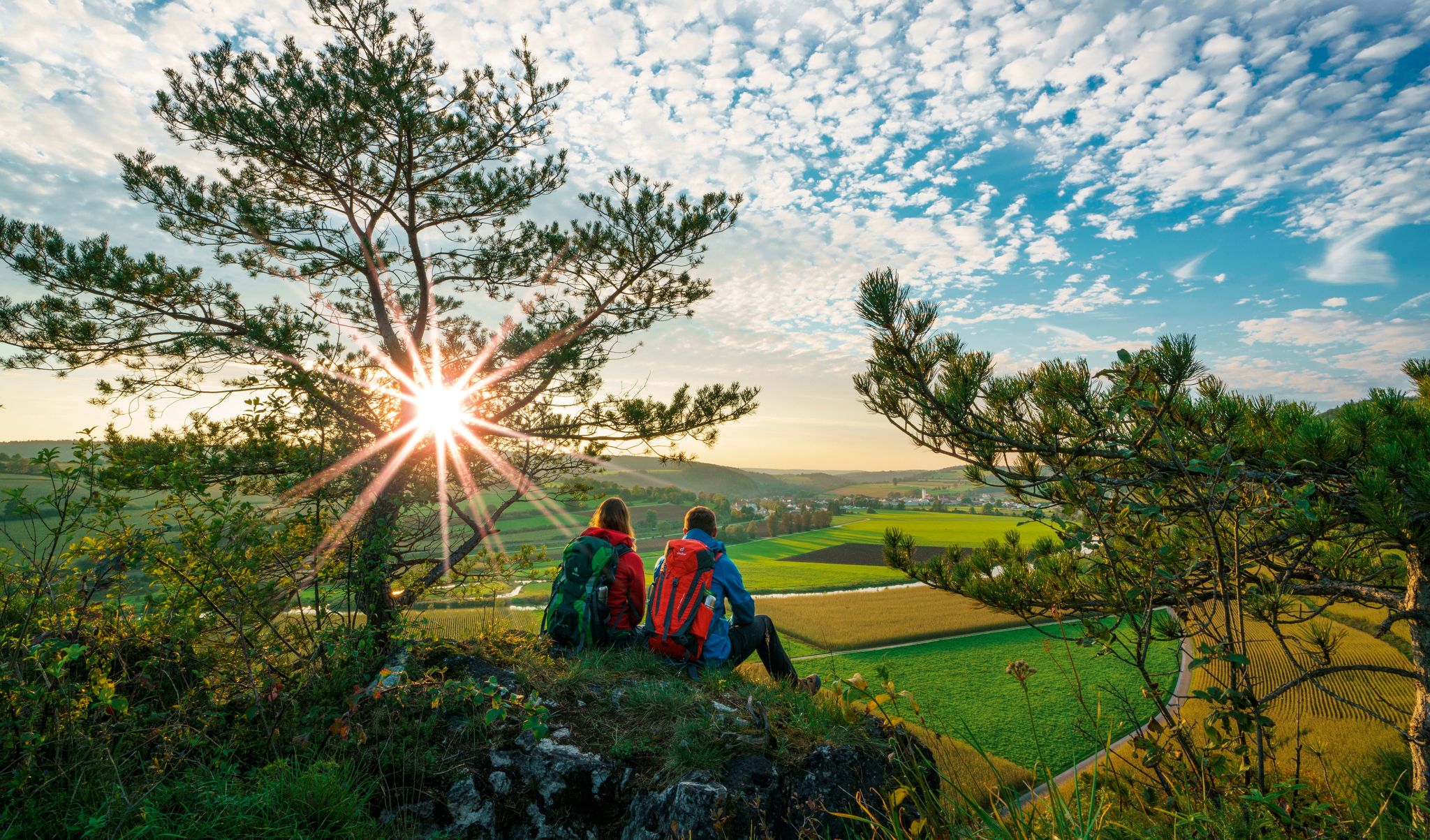
The Franconian Trail – A Diverse Hiking Dream Across 24 Stages
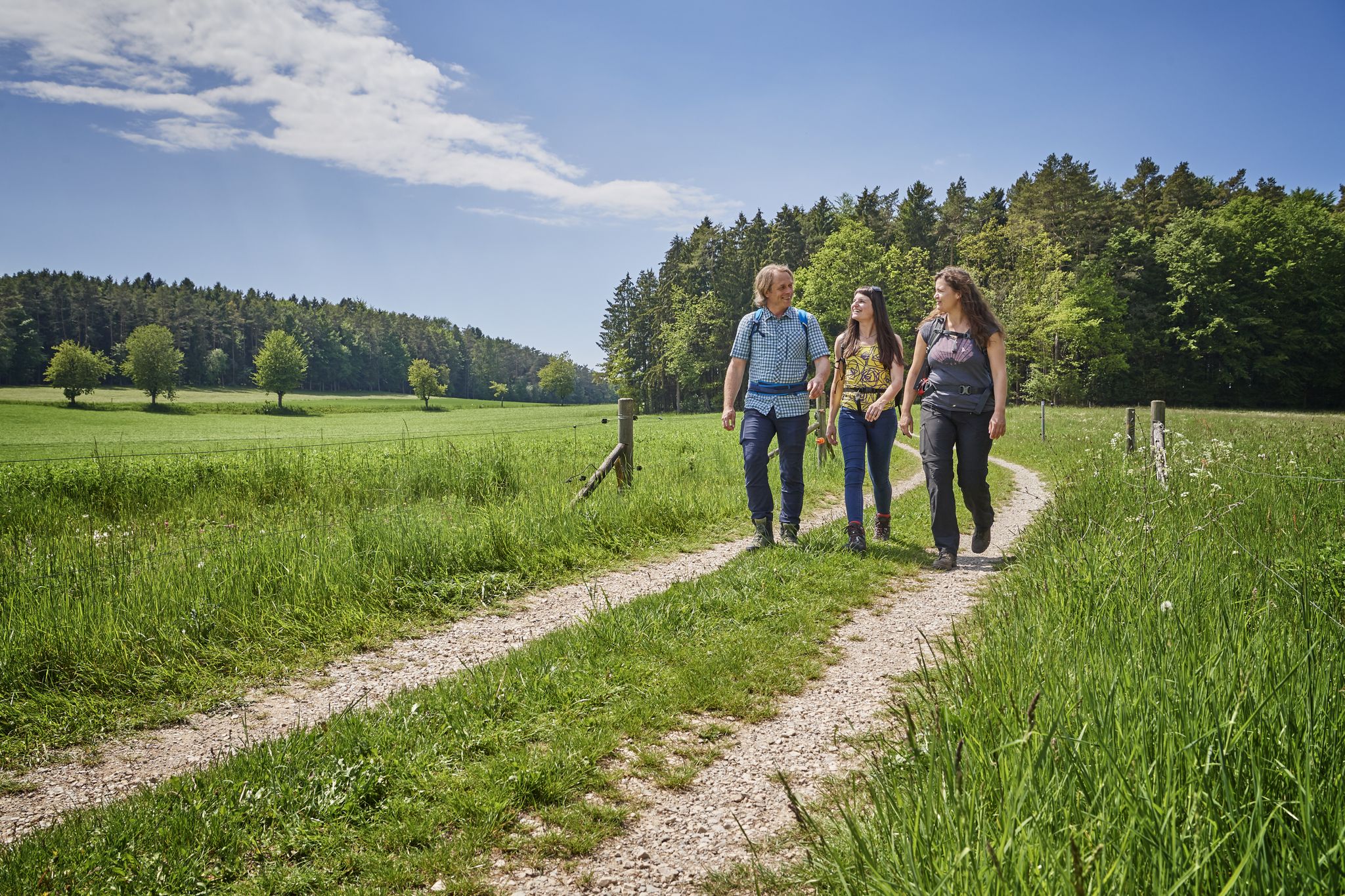
Hops, barley & beer — hiking with VGN leisure tips through Franconia
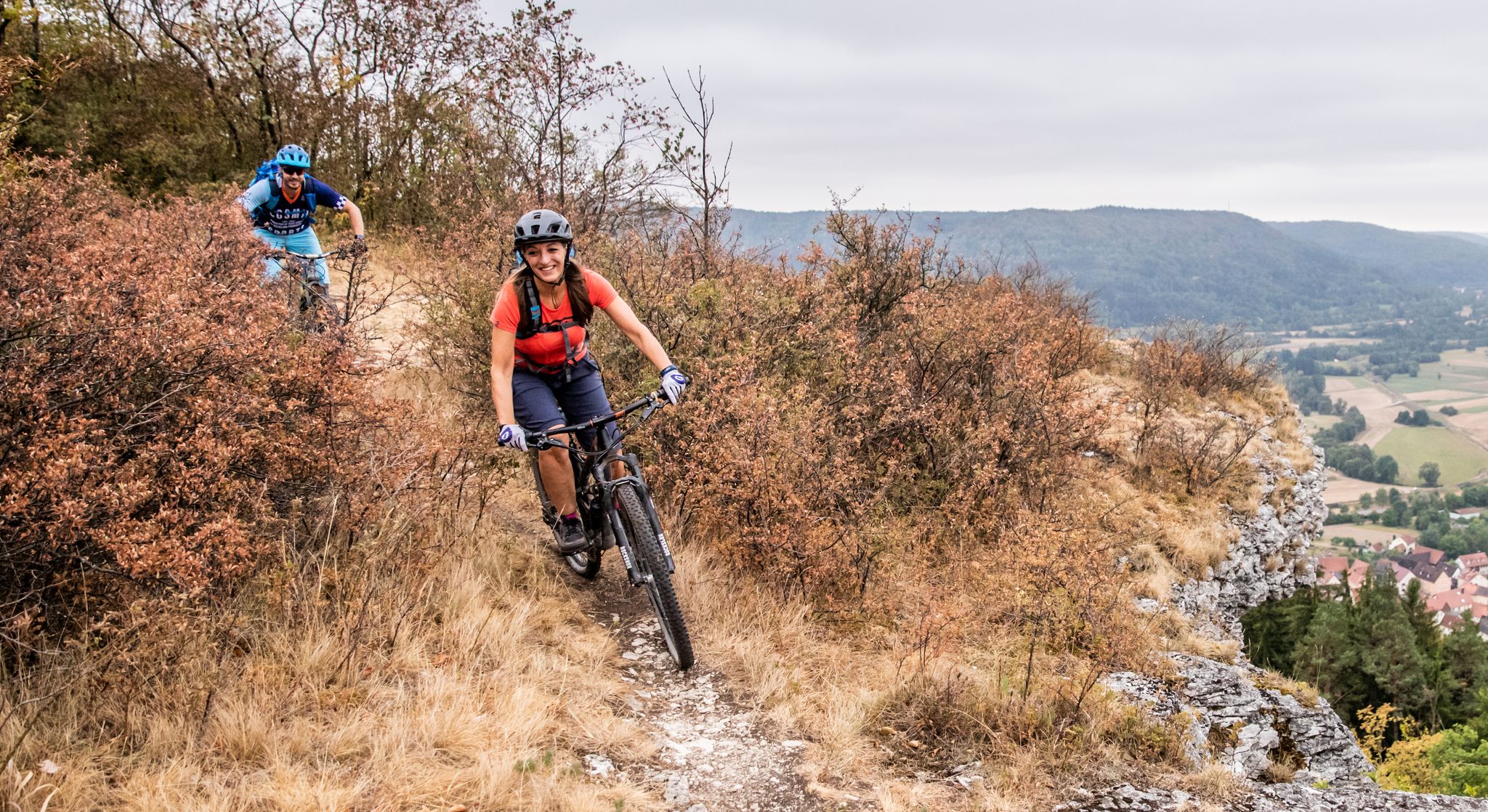
Castles, mountains, beer & trails – bikepacking in Franconian Switzerland
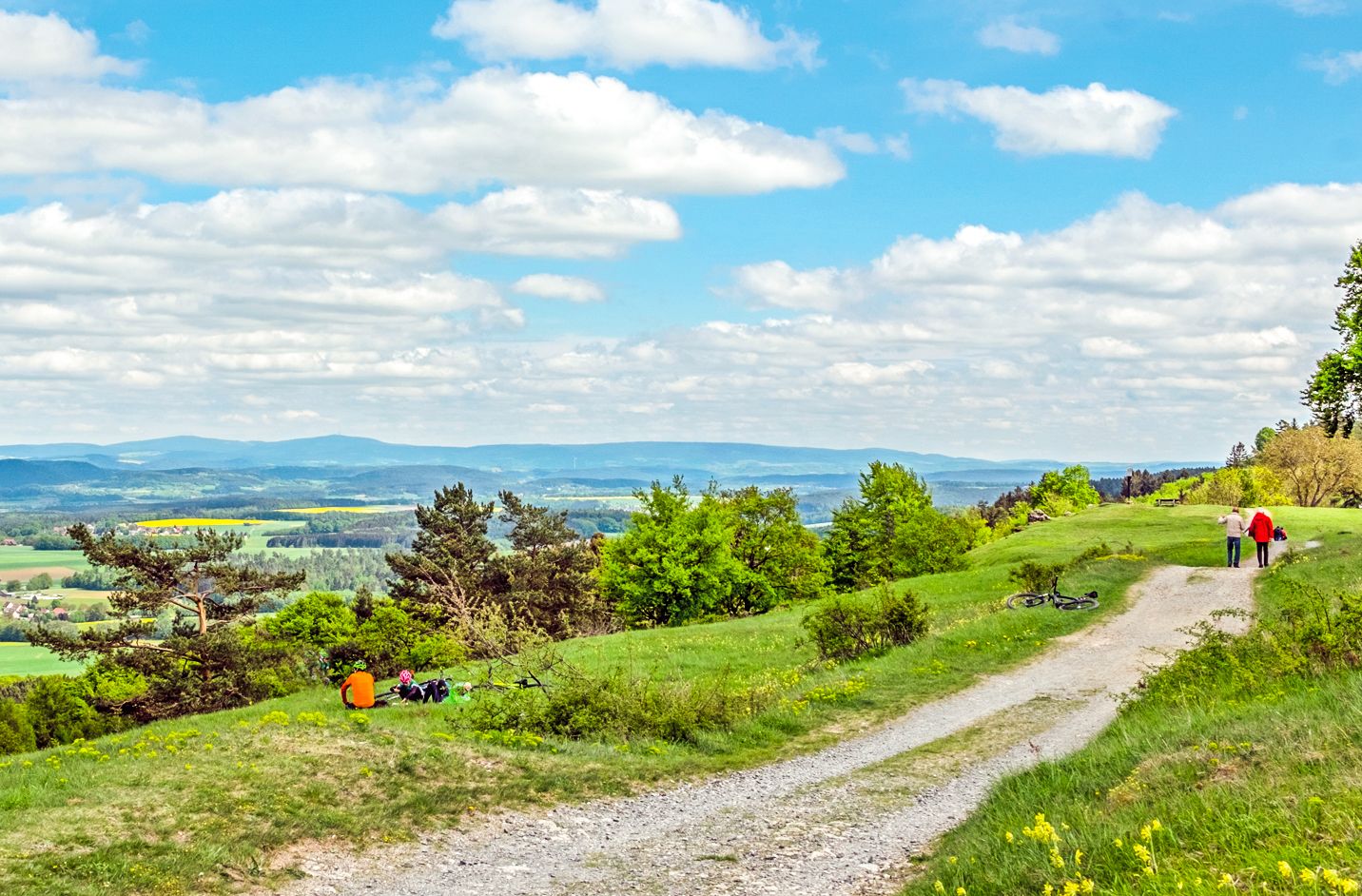
Ponds, woods and hills – the VGN recreational activities
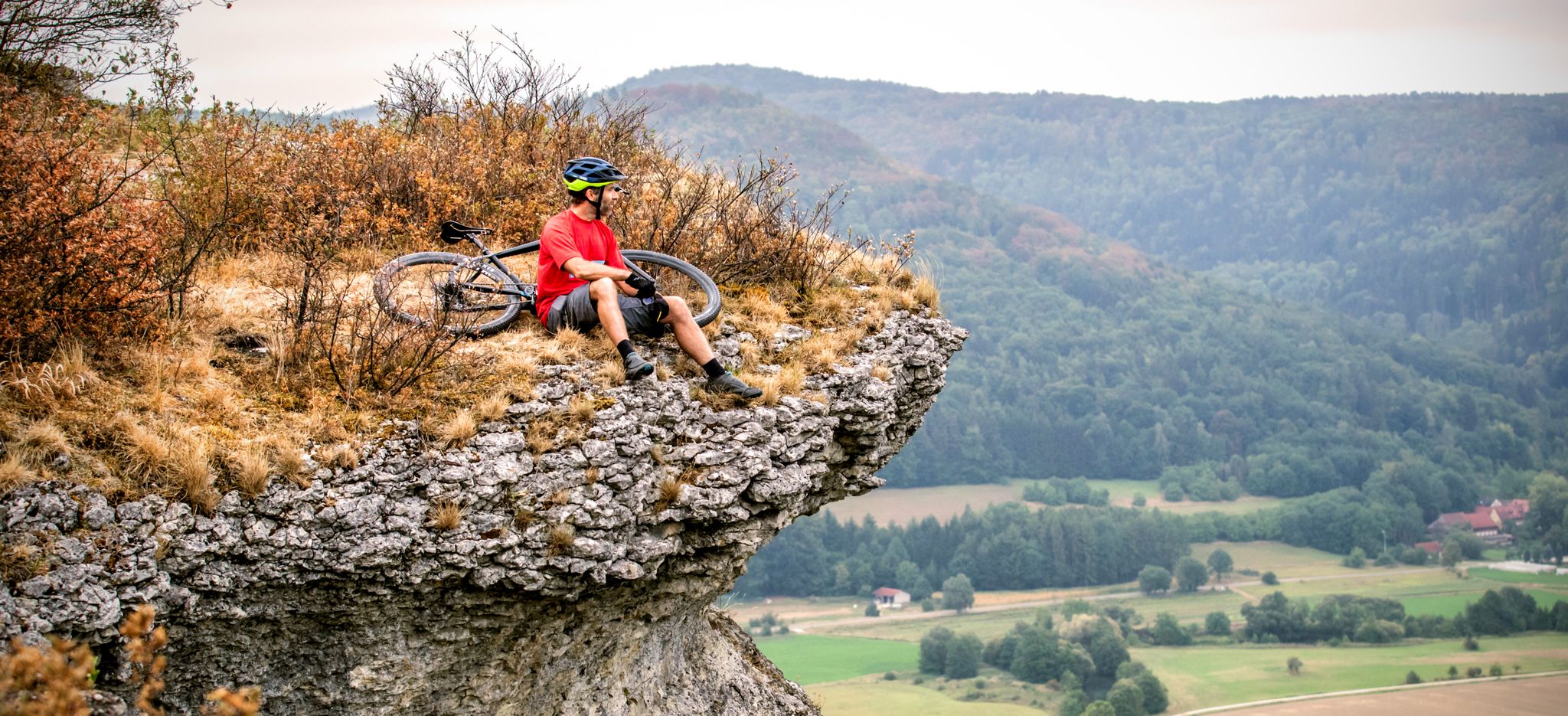
The 10 most beautiful mountain bike Tours in Franconian Switzerland
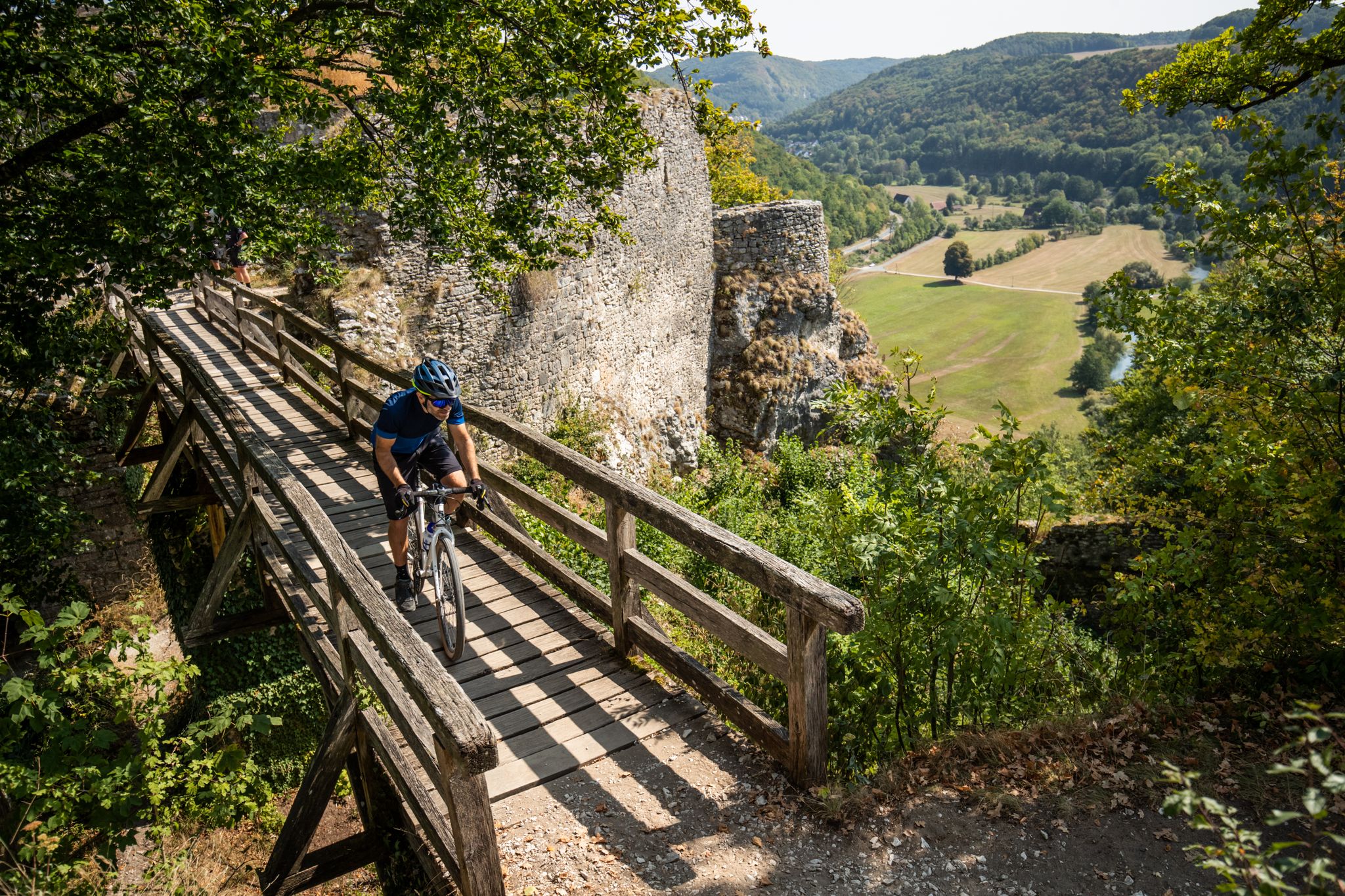
Castles, bikes and beer — a mountain biking paradise in Franconian Switzerland
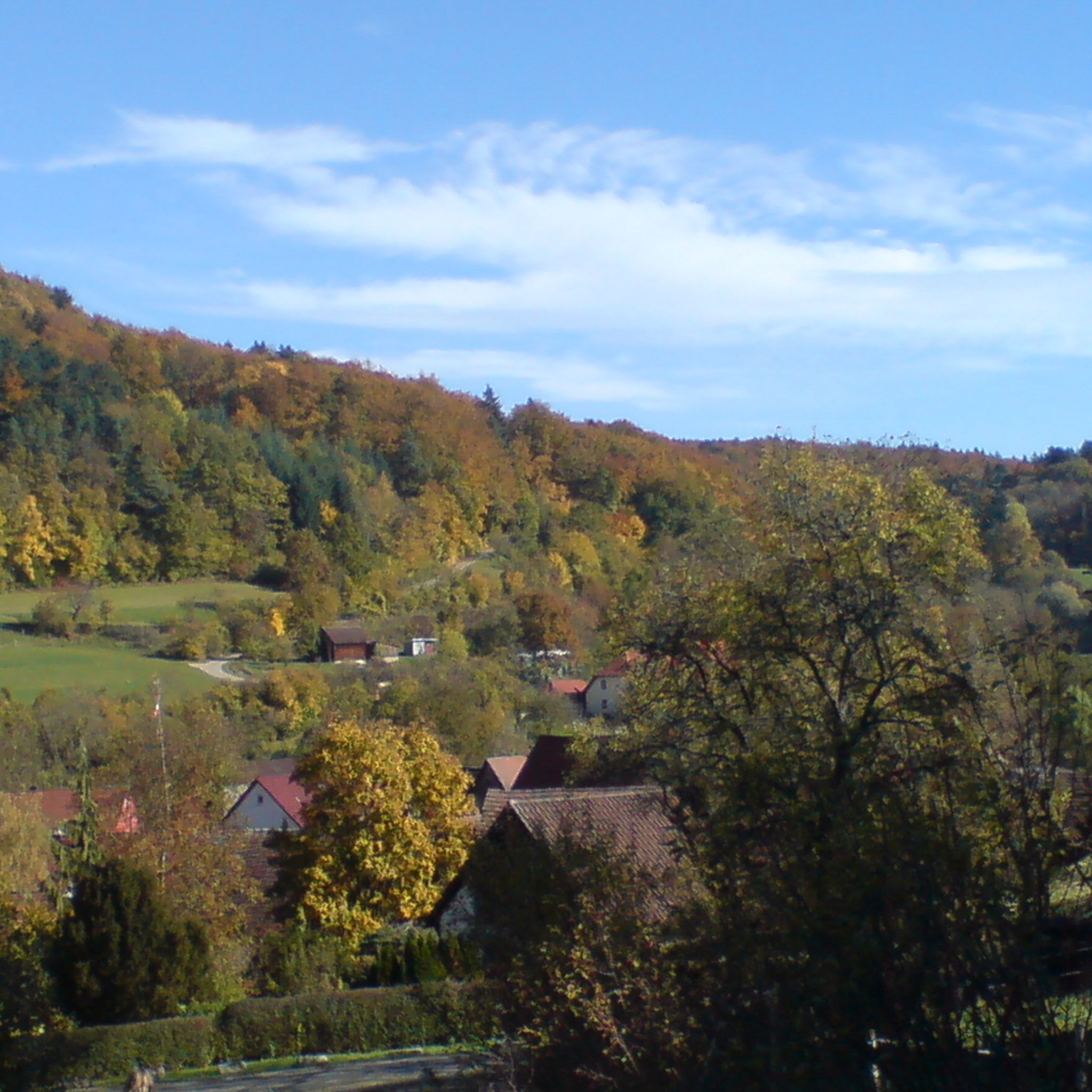
Hiking around Gräfenberg
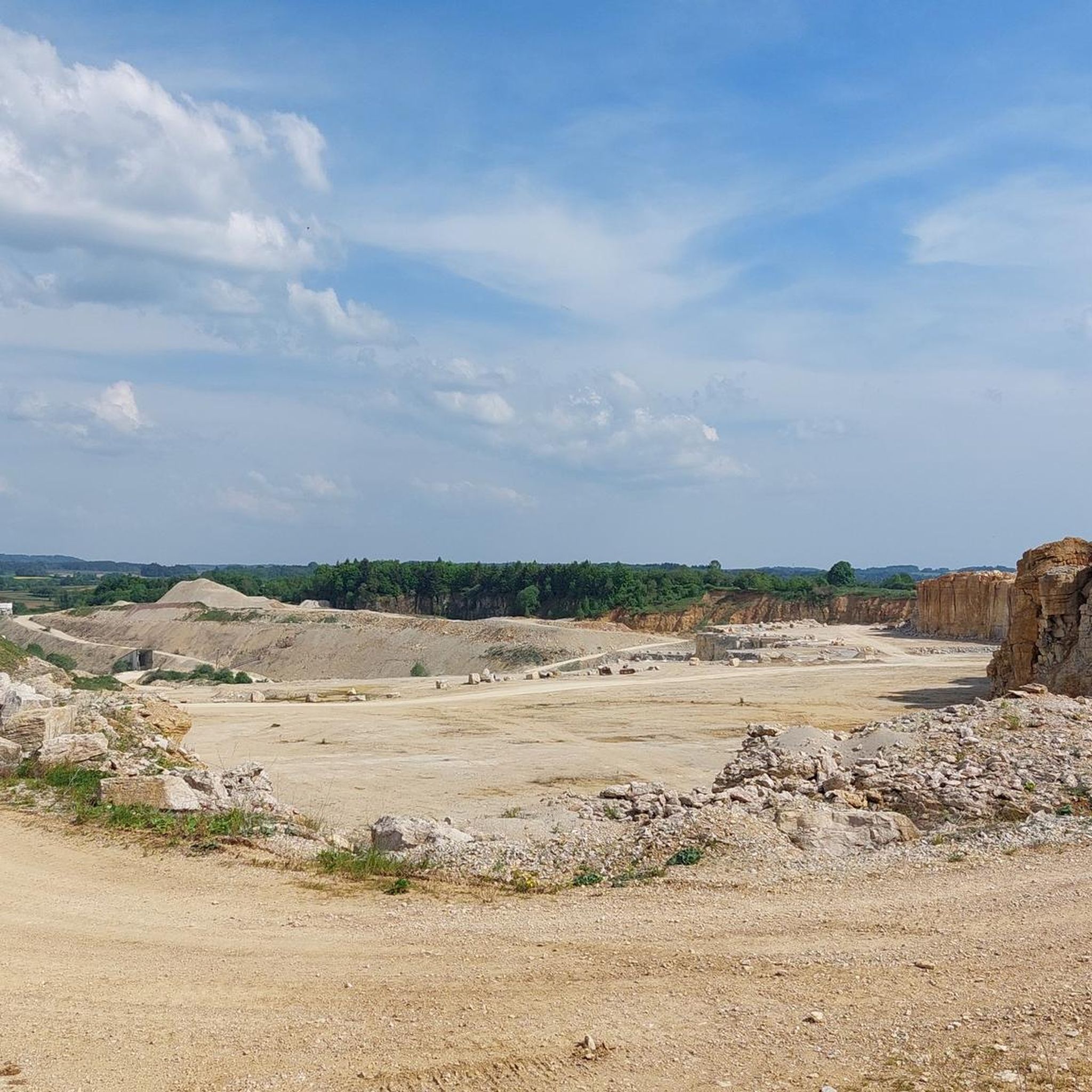
Cycling around Gräfenberg
MTB Trails around Gräfenberg
Road Cycling Routes around Gräfenberg
Other adventures around Gräfenberg


Tips from the Community

Hello. I've created a route with all the planets. https://www.komoot.com/de-de/tour/3209615410 Have fun
2
0


The first church, dedicated to St. Catherine, was built into the rock as a castle chapel below the castle, in what is now the "Old Cemetery." The patronage was transferred to Spalt Abbey by the Nuremberg burgrave in 1300. Until 1431, the church was cared for more or less poorly by the vicar of Gräfenberg. Because the Thuisbrunn residents had been insisting on having their own pastor due to grievances as early as the 15th century, the castle chapel was elevated to a parish church (ecclesia parochialis) with its own pastor in 1460. Even then, this included the villages of Neusles, Höfles, Hohenschwärz, Hammer, and Dörnhof. Haidhof was added at the beginning of the 16th century. Due to extreme humidity and cold, the church fell into disrepair after a long period of time. In 1670/71, complaints were raised that "neither in winter nor in summer could the listeners stay out of the rain and snow," and that "On Laetare Sunday, the pastor could not remain in the pulpit before the trumpet, nor at the altar during the distribution of Holy Communion." Thus, a collection was taken in the Franconian Oberland and Unterland, and the money was used to build a new, larger nave for the church and a new church tower. This tower collapsed a year later. Rebuilt in 1831, the ringing of the bells was prohibited due to dilapidation. In the following years, part of the tower was demolished, and a few years later, the temporary roof was swept away by a storm. Thus, after lengthy negotiations with the state regarding the construction obligation, the foundation stone for a new church building was finally laid in 1855 on the present site on the road to Hohenschwärz. In keeping with the renewed national sentiment of the 19th century, the church was built by master builder Horneber, reminiscent of the great Gothic cathedrals, with its spaciousness and typical pointed arches in the Gothic Revival style. The 1895 altarpiece depicting the Resurrected Christ also reflects the optimism and spirit of optimism of the 19th century, driven by the increasing mastery of nature, inventions, new means of transport, and the pride of the industrial age. The sandstone baptismal font from the early 18th century and the impressive processional cross from 1711 were retained from the previous church. The Moses pulpit also originates from the old church. However, it was initially kept in adjoining rooms and was not erected in its current location until 1930 by Pastor Riedel. Source: https://www.thuisbrunn.com/katharinenkirche/
1
0

St. Boniface is a Baroque church in Weißenohe in Upper Franconia. It was the monastery church of the former Benedictine abbey and is now the parish church of the Catholic parish. The church is located in the center of Weißenohe and towers over the town with its 45-meter-high tower. The church's patron saint is Saint Boniface.
1
0

top, a very nice corner
0
0
top, a very nice corner
0
0

Telephone number 09197555
0
0
Frequently Asked Questions
How many running routes are available around Gräfenberg?
There are over 40 diverse running routes around Gräfenberg listed on komoot. These range from easy paths suitable for beginners to more challenging trails with significant elevation changes, catering to various fitness levels.
What kind of terrain can I expect on the running trails in Gräfenberg?
The running trails in Gräfenberg traverse a varied landscape, situated on the edge of Franconian Switzerland and the Swabian Alb. You can expect picturesque valleys, rocky cliffs, and dense forests. Many routes feature well-developed paths along rivers, through orchards, and across open fields, offering a diverse running experience.
Are there any easy or beginner-friendly running routes in the Gräfenberg area?
Yes, Gräfenberg offers several easy running routes. For instance, the region has 7 routes classified as easy, providing gentle paths suitable for beginners or those looking for a relaxed run. The overall network includes options for different ability levels.
Can I find challenging running paths with significant elevation around Gräfenberg?
Absolutely. Gräfenberg is known for its moderate elevation changes, providing options for more challenging runs. For example, the Gräfenberg station – Community Weißenohe loop from Gräfenberg is a difficult 16.3 km trail with notable elevation gain, perfect for experienced runners seeking a challenge.
Are there any scenic viewpoints or natural features to see while running in Gräfenberg?
Yes, the region is rich in natural beauty. You can explore the Lillach Valley with its unique Tufa Terraces, or aim for the observation tower on Moritzberg for panoramic views. Some routes also visit craters of the Swabian Volcano, offering unique geological points of interest. Consider the Devil's Table on Eberhardsberg – Devil’s Kitchen Rock Formation loop from Gräfenberg for interesting rock formations.
Are there any running routes that pass by waterfalls or other water features?
Yes, the Gräfenberg area features several beautiful water features. You might encounter the Lillach Tufa Terraces, the Sinter terraces and waterfall on the Wasserwiesenbach, or the Moritzbach Waterfall and Tufa Terraces. The Lillach Valley, in particular, offers a scenic path along the river.
What historical landmarks or castles can I see near the running trails?
The region around Gräfenberg is dotted with historical sites. Runners can explore routes near impressive castles and ruins such as Leienfels Castle Ruins, Hohenstein Castle, or Egloffstein — Village and Castle. The Egloffstein — Village and Castle – View of Egloffstein Castle loop from Hohenschwärz is a great option to combine running with castle views.
Are there circular running routes available in Gräfenberg?
Yes, many of the running routes in Gräfenberg are circular, offering convenient starting and ending points. For example, the Hotel Schloßberg loop from Haidhof is a popular moderate 10 km circular path, and the Gräfenberg Plateau – Guttenburg–Gräfenberg Trail loop from Gräfenberg is a shorter 5.8 km loop.
What do other runners enjoy most about jogging in Gräfenberg?
The running routes in Gräfenberg are highly rated by the komoot community, with an average score of 4.3 stars from over 10 reviews. Runners often praise the varied terrain, the picturesque valleys, and the dense forests that provide a refreshing and engaging experience. The options for different ability levels are also frequently highlighted.
Is there public transport access to the running trails around Gräfenberg?
Yes, some routes are accessible via public transport. For instance, the Gräfenberg station – Community Weißenohe loop from Gräfenberg starts directly from Gräfenberg station, making it convenient for those using public transport.
Are there any family-friendly running paths in Gräfenberg?
While specific 'family-friendly' designations aren't always explicit for running, the region offers many easy and moderate routes through varied terrain like orchards, forests, and fields that can be suitable for families. The Outdoor Fitness and Movement Path in Buchwald, a 1.8 km circular route with fitness equipment, is also a great option for active families.
What is the best time of year for running in Gräfenberg?
Gräfenberg offers enjoyable running conditions throughout much of the year. The Lillach Valley is particularly beautiful after rain or in spring when water levels are high. The 'Vineyard route on the Albtrauf' provides scenic trails especially appealing in autumn. The varied landscapes ensure a pleasant experience across seasons, though specific preferences might depend on weather and trail conditions.
Most popular routes around Gräfenberg
Most popular attractions around Gräfenberg

Get inspired with the komoot mobile app


Explore more
Browse the best Running Trails & Routes in other regions.
