Top 20 Natural Monuments around Floß
Natural monuments around Floß showcase a landscape rich in unique geological features and varied terrain. The region is known for its impressive rock formations, river valleys, and forested areas. These natural sites provide opportunities for exploration and offer insights into the area's natural history. The landscape around Floß is shaped by ancient geological processes, creating distinct natural landmarks.
Best natural monuments around Floß
- The most popular natural monuments is Schellenberg Castle Ruins and Observation Tower, a castle and viewpoint…
Last updated: June 26, 2026
Waldnaab Valley
Highlight • Gorge
Translated by Google •
Tip by

Table Rock
Highlight • Natural Monument
Translated by Google •
Tip by

Sign up now to discover places like this
Get recommendations on the best single tracks, peaks, & plenty of other exciting outdoor places.
Sign up for free
Schellenberg Castle Ruins and Observation Tower
Highlight • Castle
Translated by Google •
Tip by

Lerau Valley
Highlight (Segment) • Gorge
Translated by Google •
Tip by

Bread Rock
Highlight • Natural Monument
Translated by Google •
Tip by

Sign up for free to discover even more natural monuments around Floß.
Sign up for free
Already have an account?
Start today with a free account
Your next adventure awaits.
Login or Signup
Popular around Floß
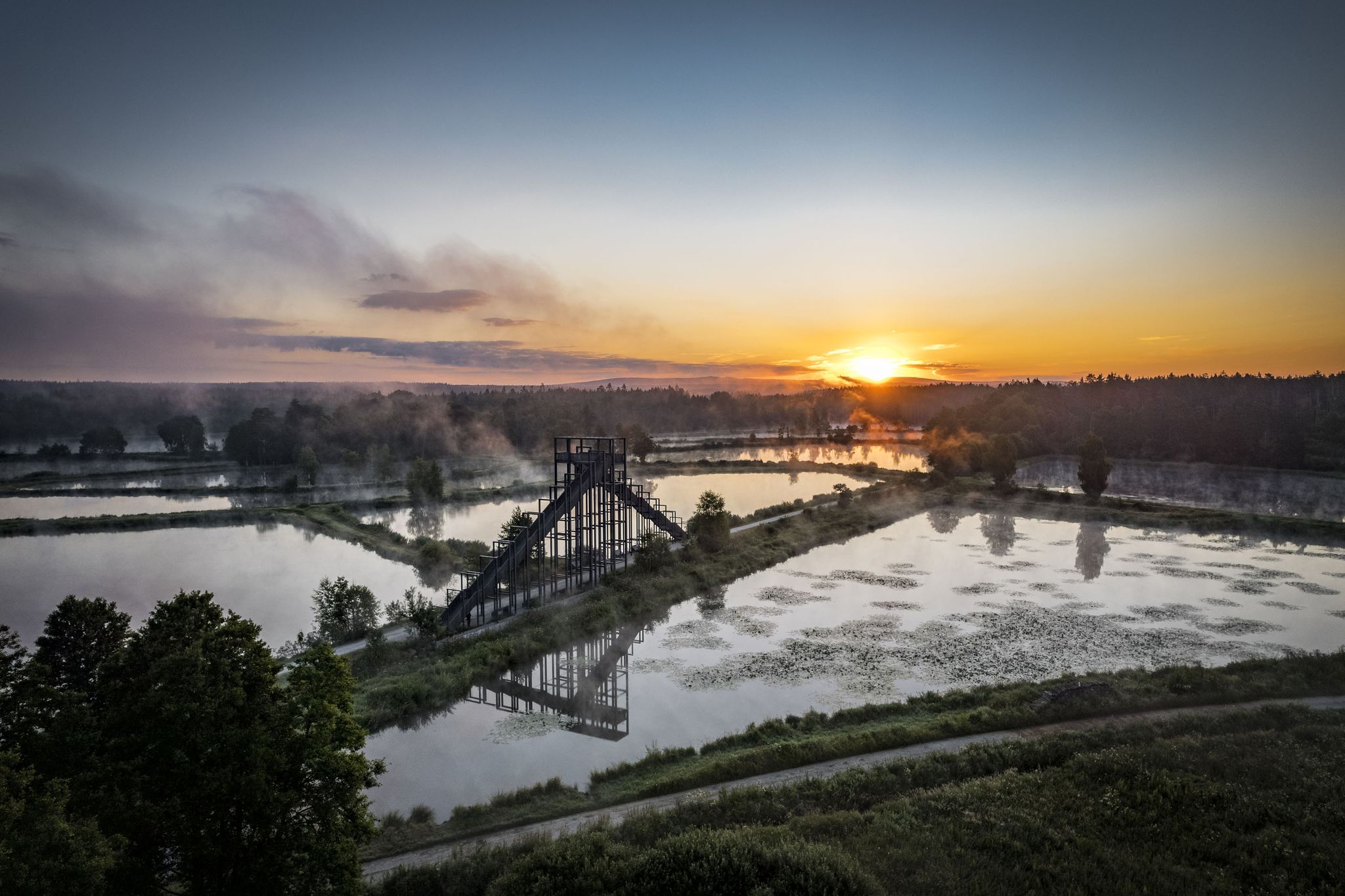
How refreshing! Trails by the water in the Upper Palatinate Forest
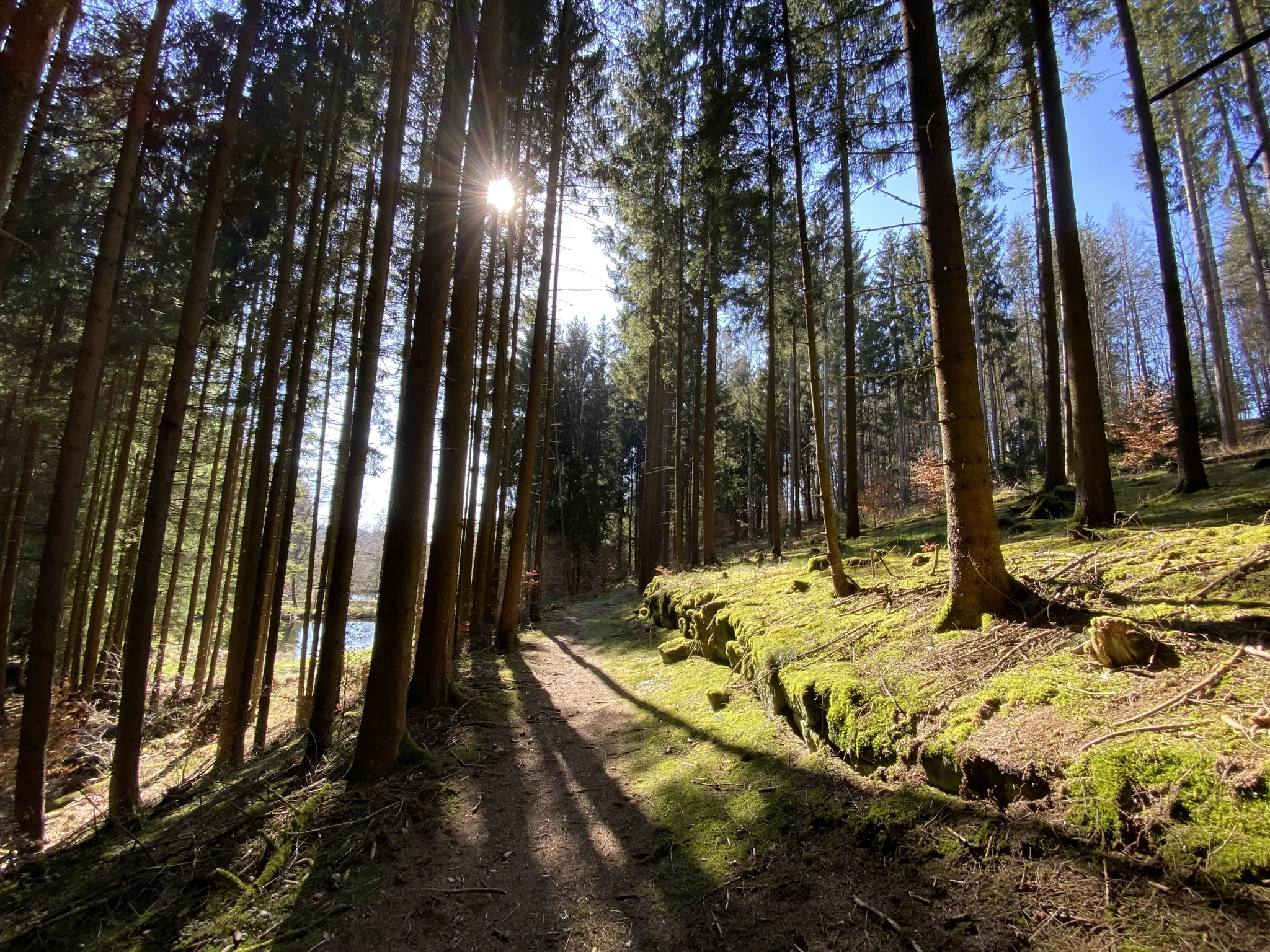
On the 'Kultouren' through the Upper Palatine Forest
Oberpfalz: the hidden MTB paradise in East Bavaria
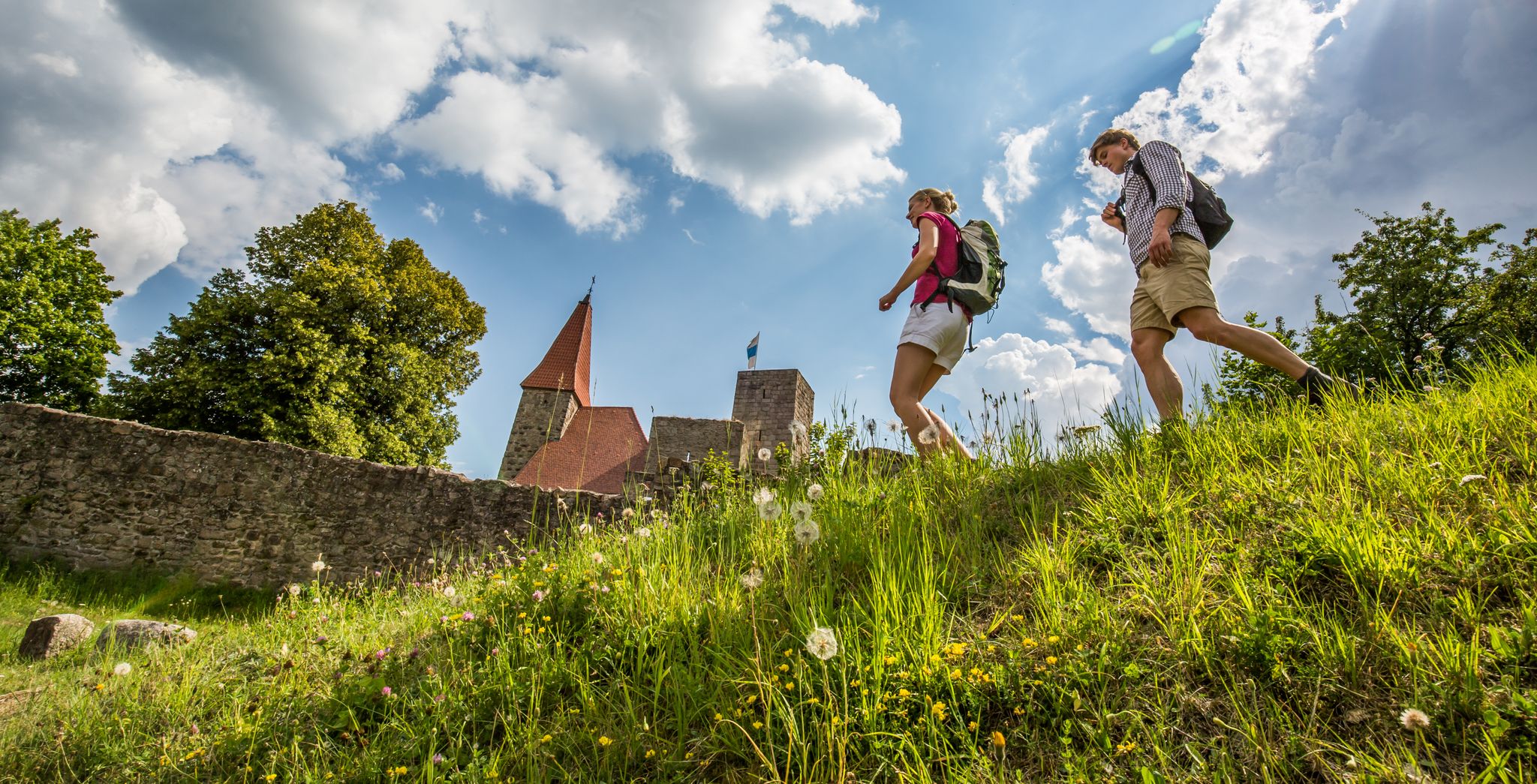
Water, forest and castles — hiking in the Upper Palatinate Forest
Hiking around Floß
Cycling around Floß
Road Cycling Routes around Floß
MTB Trails around Floß
Running Trails around Floß

Gravel biking around Floß
Other adventures around Floß


Tips from the Community

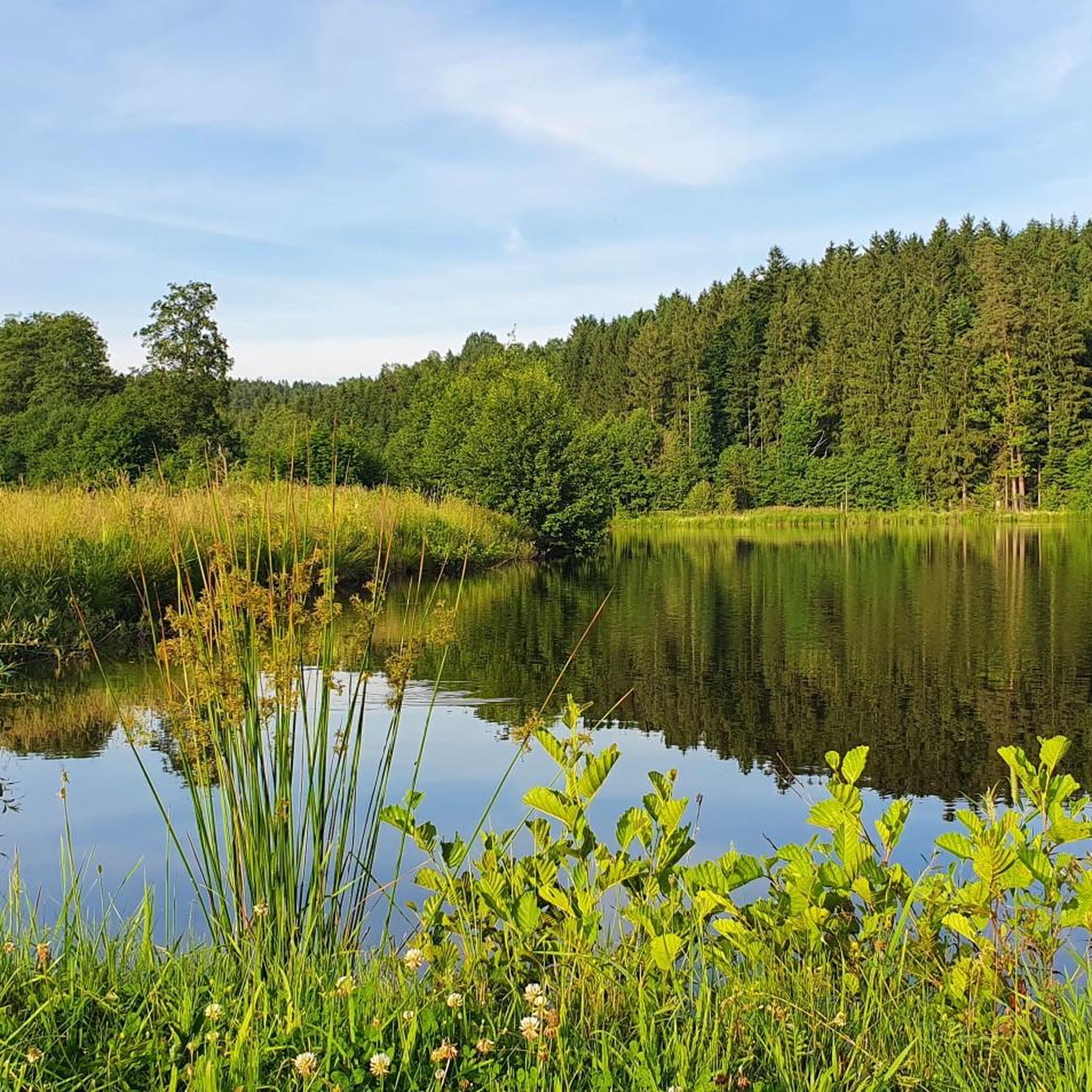
On the west side from the log cabin to the south runs the bank path, which is very rustic and natural. The Goldsteig, a popular long-distance hiking trail, runs from Falkenstein to the Blockhütte on the east side and from the hut on the west side. The surrounding paths are great for walking around.
3
0
The table stone is really impressive. Crossing the Naab is easily possible here due to the many boulders in the water. The bank path leads past the rocks, which is why you can look at the table stone from there. Small plants and moss grow on the table.
5
0

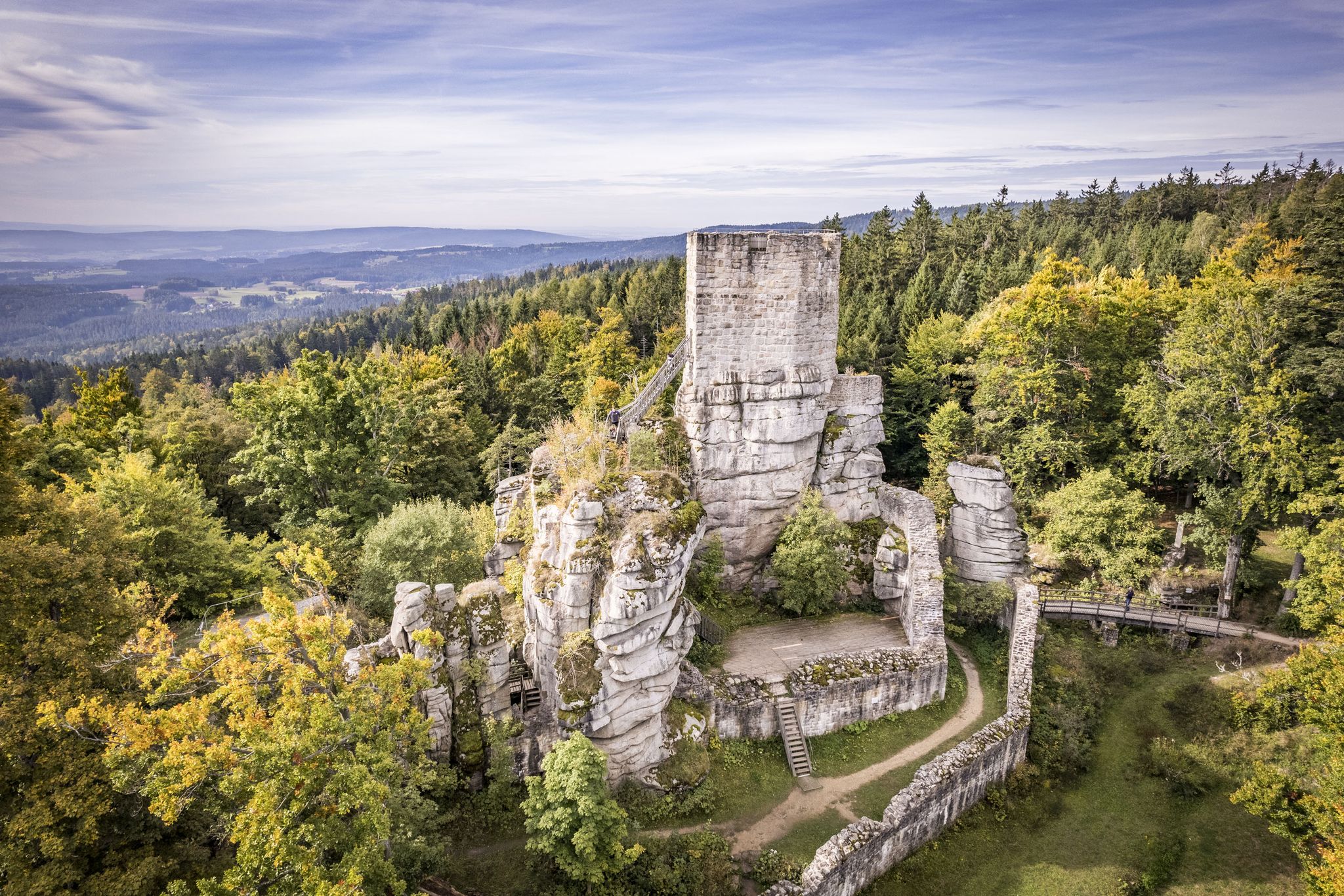
In 1347, Emperor Ludwig the Bavarian had Schellenberg Castle, which was then called "Lug ins Land", built to protect against attacks from Bohemia. On July 12, 1498, the castle was stormed under the leadership of Captain Konrad von Wirsberg, who was in the service of the Margrave of Brandenburg. The castle was partially destroyed. Their owner, Knight Moritz von Guttenberg, was captured. The castle was never rebuilt.
9
0
As if by a giant hand, granite blocks are piled on top of each other, which are actually reminiscent of stacked loaves of bread. A silver cross can be seen on top of the rock.
10
0

Impressive example of a granite rock in wool sack weathering, which can often be found here in the forests. This one resembles a rock sandwich made by giant hands.
8
0


The Waldnaabtal Nature Reserve has a wow factor for me. The mighty rock formations simply leave you in awe, and the paths are well-secured, partly with wooden walkways and metal stairs. There's a very popular log cabin restaurant here with regional cuisine and a beer garden. Since there's a hiking parking lot nearby, it's a good starting point for many hikes.
17
0

Sturdy shoes and sure-footedness are essential on the shore path. On the other side you can easily walk on a forest road, but also close to the river.
4
0
Frequently Asked Questions
What are some of the most impressive geological features to explore around Floß?
The region around Floß is rich in unique geological formations. You can explore the characteristic stones and rock formations along the river in the Waldnaab Valley. Another fascinating site is Table Rock, known for its unique shape. Don't miss Bread Rock, a granite formation that resembles stacked loaves, created by cushion or mattress weathering.
Are there any family-friendly natural monuments suitable for a day out near Floß?
Yes, several natural monuments are great for families. The Waldnaab Valley offers an adventure for all ages with its varied hiking experience. Schellenberg Castle Ruins and Observation Tower is also considered family-friendly, combining historical exploration with great views.
Which natural monuments offer panoramic views of the Floß region?
For breathtaking panoramic views, visit the Schellenberg Castle Ruins and Observation Tower. Located at 826 meters, it is the highest vantage point in the Upper Palatinate. Table Rock and Bread Rock also offer scenic viewpoints.
What kind of hiking experiences can I expect at the natural monuments around Floß?
You can find varied hiking experiences, from wild river valleys to prominent granite structures. The Waldnaab Valley offers a trail along a river with characteristic stones and rock formations. The Lerau Valley provides a wild and romantic natural setting for walks. Many paths are well-secured, sometimes with wooden walkways and metal stairs.
Are there historical sites integrated with the natural monuments in this area?
Absolutely. The Schellenberg Castle Ruins and Observation Tower is a prime example, combining historical significance with striking natural formations. Built in 1347, these ruins offer insights into the region's past while providing stunning views from a natural monument.
What outdoor activities can I do near the natural monuments around Floß?
Beyond exploring the natural monuments themselves, the region offers various outdoor activities. You can find numerous cycling routes, including easy to difficult options, as detailed in the Cycling around Floß guide. There are also gravel biking trails, such as those found in the Gravel biking around Floß guide, and dedicated running trails, which you can explore in the Running Trails around Floß guide.
What do visitors enjoy most about the natural monuments around Floß?
Visitors frequently praise the mighty rock formations and the varied, adventurous hiking routes. Many appreciate the feeling of being in wild nature, with some describing the Waldnaab Valley as a 'real adventure' and the Lerau Valley as 'wild and romantic'. The well-secured paths and the presence of rest areas are also highly valued.
Are there any natural monuments around Floß that are less crowded than others?
While the Waldnaab Valley is very popular, the Lerau Valley is often noted as being less crowded, offering a more tranquil experience in wild nature.
Are there facilities or places to rest near the natural monuments?
Yes, some natural monuments offer facilities. For instance, there are rest areas near Table Rock where you can pause. The Schellenberg Castle Ruins also have a small, shady rest area and an information board. The Waldnaabtal Nature Reserve, which includes some of these sites, has a popular log cabin restaurant with regional cuisine and a beer garden near a hiking parking lot.
What is the typical difficulty level for exploring the natural monuments around Floß?
Many of the trails and routes around the natural monuments are rated as intermediate difficulty. This means they are generally accessible but may involve varied terrain, some ascents, and potentially longer distances. For example, the Waldnaab Valley and Lerau Valley are considered intermediate, offering a good balance of challenge and enjoyment.
Can I bring my dog to the natural monuments around Floß?
While specific dog-friendly policies for each individual natural monument are not detailed, the general nature of hiking trails in the region, especially in areas like the Waldnaab Valley and Lerau Valley, often allows for dogs on leash. It's always advisable to check local signage for any specific restrictions before visiting.
Most popular attractions around Floß

Get inspired with the komoot mobile app


Explore more
Extend your search for the best caves by checking out these guides of the top ones around Floß:
