Top 9 Castles around Gleißenberg
Best castles around Gleißenberg are found in the surrounding region, as the historical Schloss Gleißenberg was demolished in 1853. The original site, approximately 50 meters northeast of the Jakobus Church, is now protected as a ground monument. The broader Bavarian Forest region offers various castle ruins and historical sites for exploration. These sites provide insights into the region's medieval history and offer panoramic views.
Best castles around Gleißenberg
- The most popular castles is Schwarzenburg Castle Ruins, a castle that…
Last updated: October 4, 2026
Schwarzenburg Castle Ruins
Highlight • Castle
Translated by Google •
Tip by

Runding Castle Ruins
Highlight • Castle
Translated by Google •
Tip by

Sign up now to discover places like this
Get recommendations on the best single tracks, peaks, & plenty of other exciting outdoor places.
Buchberg Castle Ruins
Highlight (Segment) • Castle
The first representative of the Puchbergs, who can certainly be referred to this place, was Otto I, first mentioned in 1196. The family originally belonged to the …
Translated by Google •
Tip by

Herzogau Castle and the Voith von Voithenberg Museum
Highlight • Castle
Translated by Google •
Tip by

Waffenbrunn Castle
Highlight • Castle
In 1297, a "Friedericus junior de Bossenbrun" appears as the first representative of this family, which is named after the place; they are documented here until after 1330. …
Translated by Google •
Tip by
Sign up for free to discover even more castles around Gleißenberg.
Already have an account?
Start today with a free account
Your next adventure awaits.
Tips from the Community

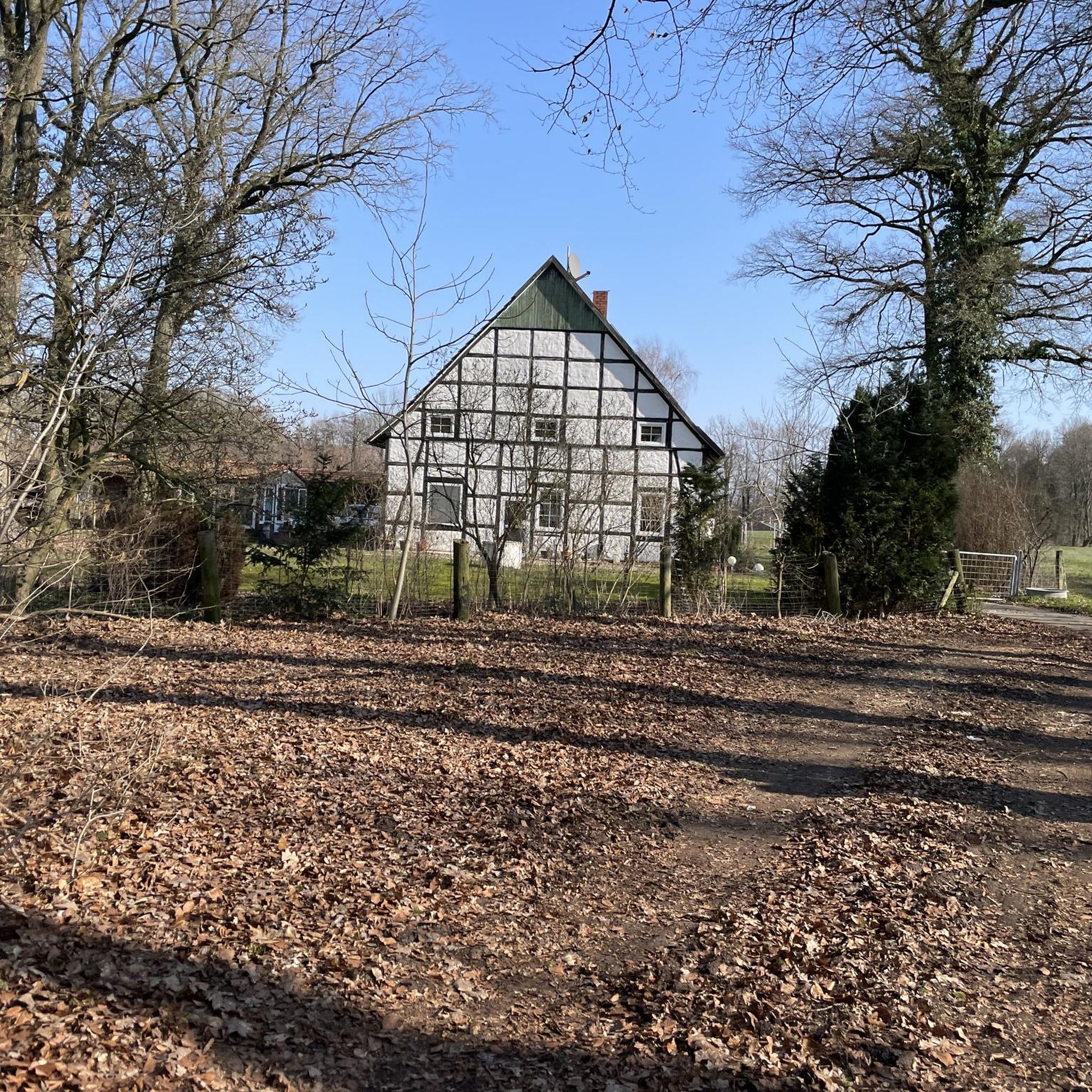
The New Schloss Herzogau in the district of Cham was built at the end of the 19th century by the Voith von Voithenberg family and also served as a brewery for a time. Today, a small private museum in the idyllic mountain village of Herzogau directly recalls the history and heritage of this noble family. The picturesque area around the castle and the adjacent St. Anna church also invites you to relaxed exploration tours in the Bavarian Forest.
1
0

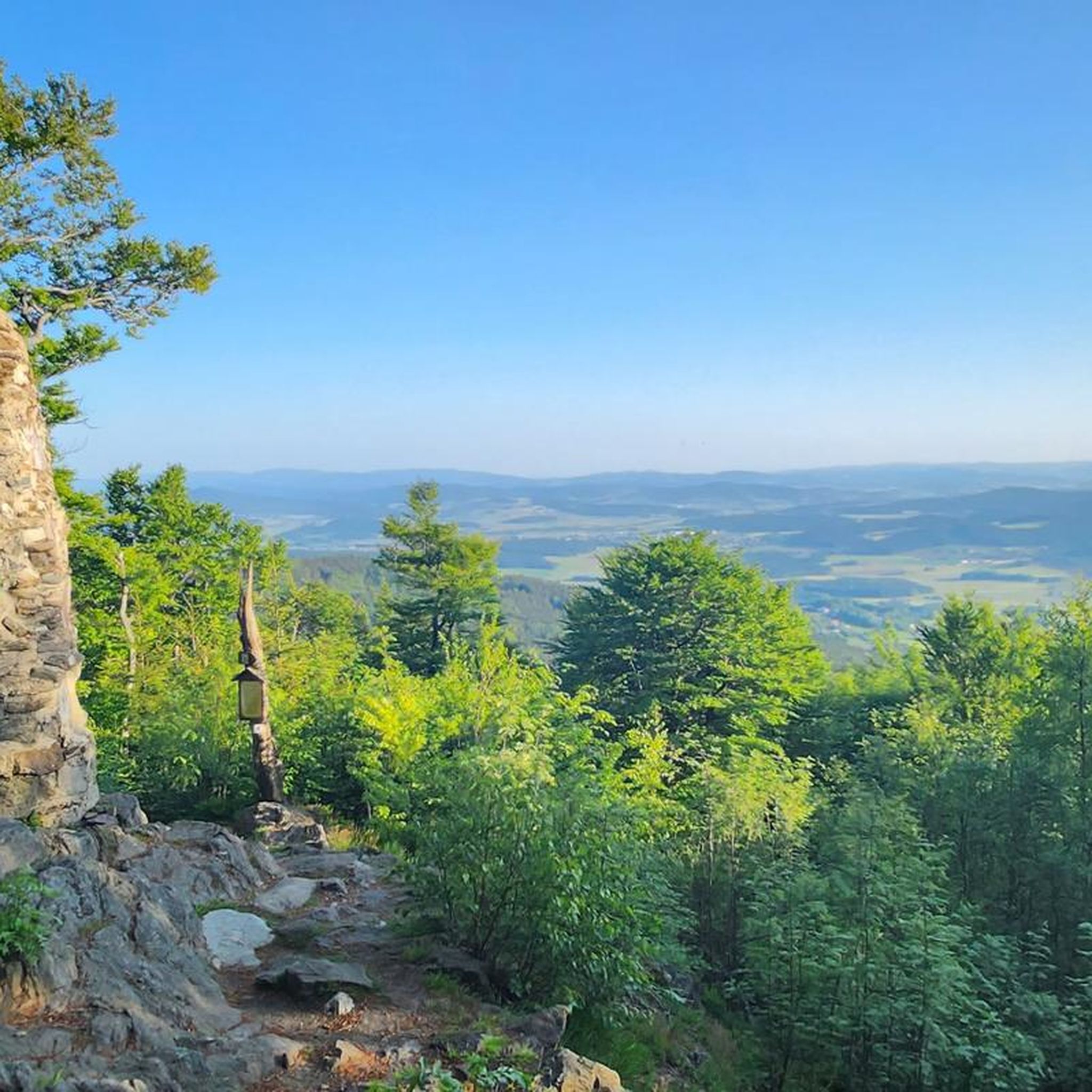
The destination isn't worthwhile. The remains of the ruins are completely overgrown. Therefore, you don't get a complete overview and have no long-distance view.
0
0

Magnificent view from up there. Definitely worth a detour.
1
0
There hasn't been any brewing here for years
1
0

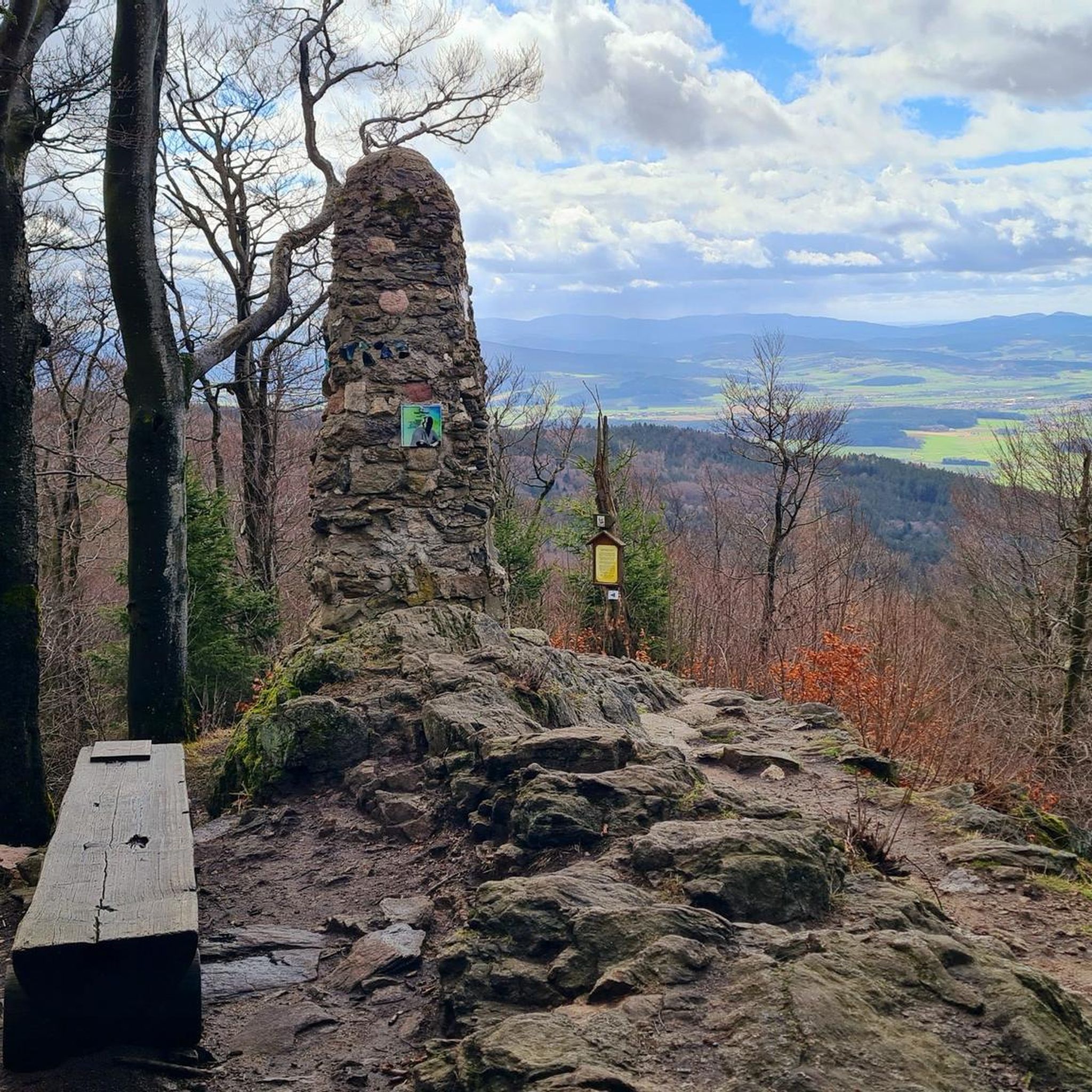
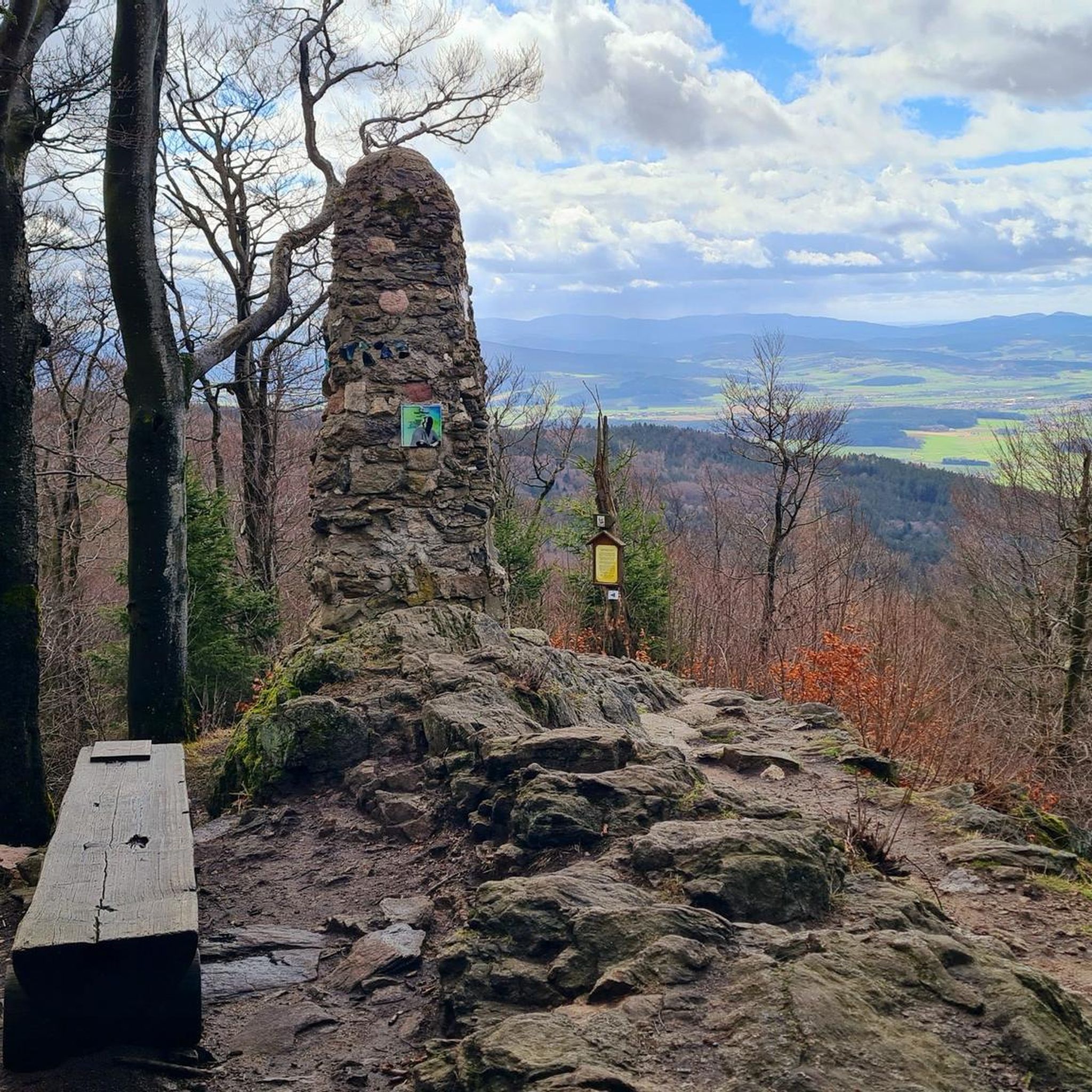
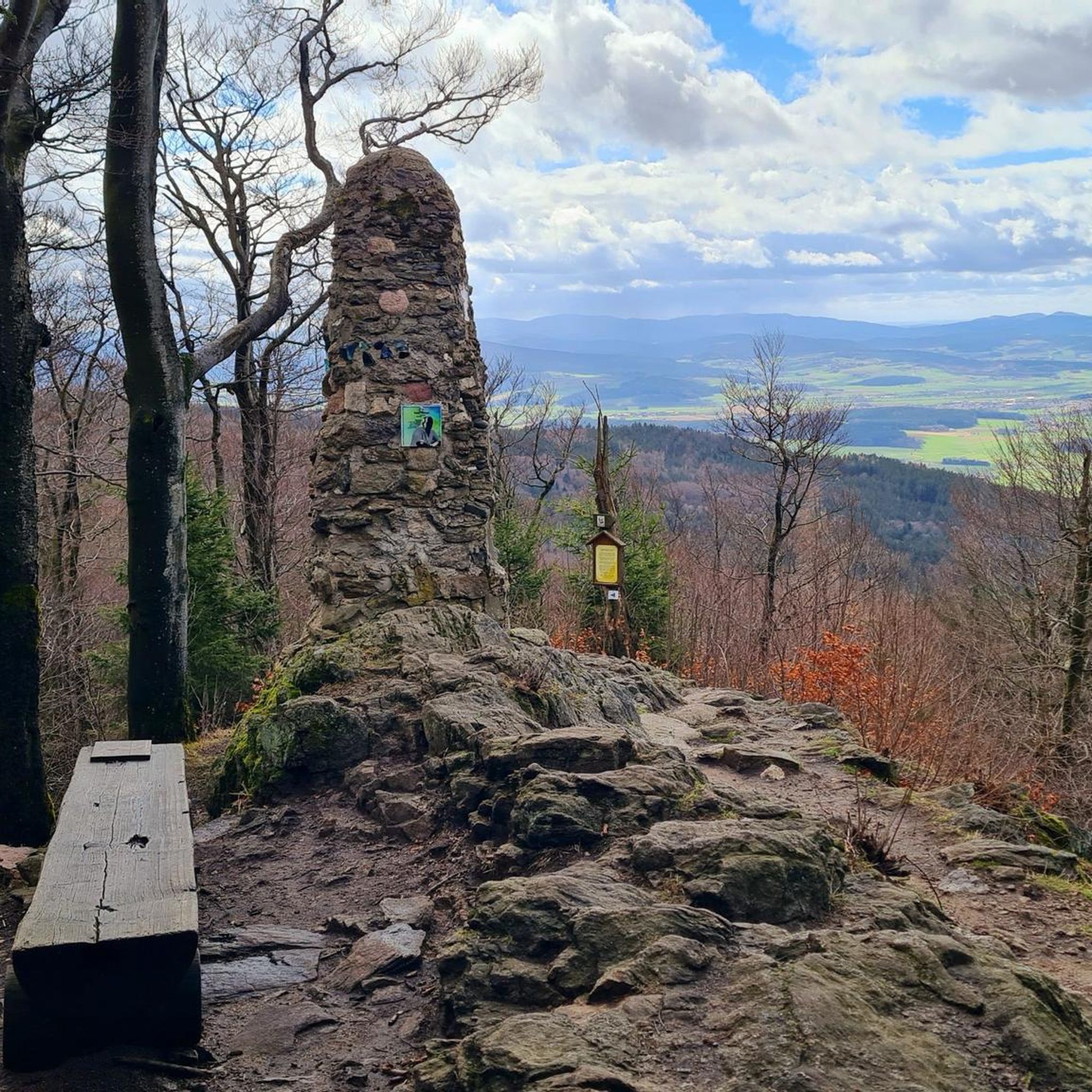
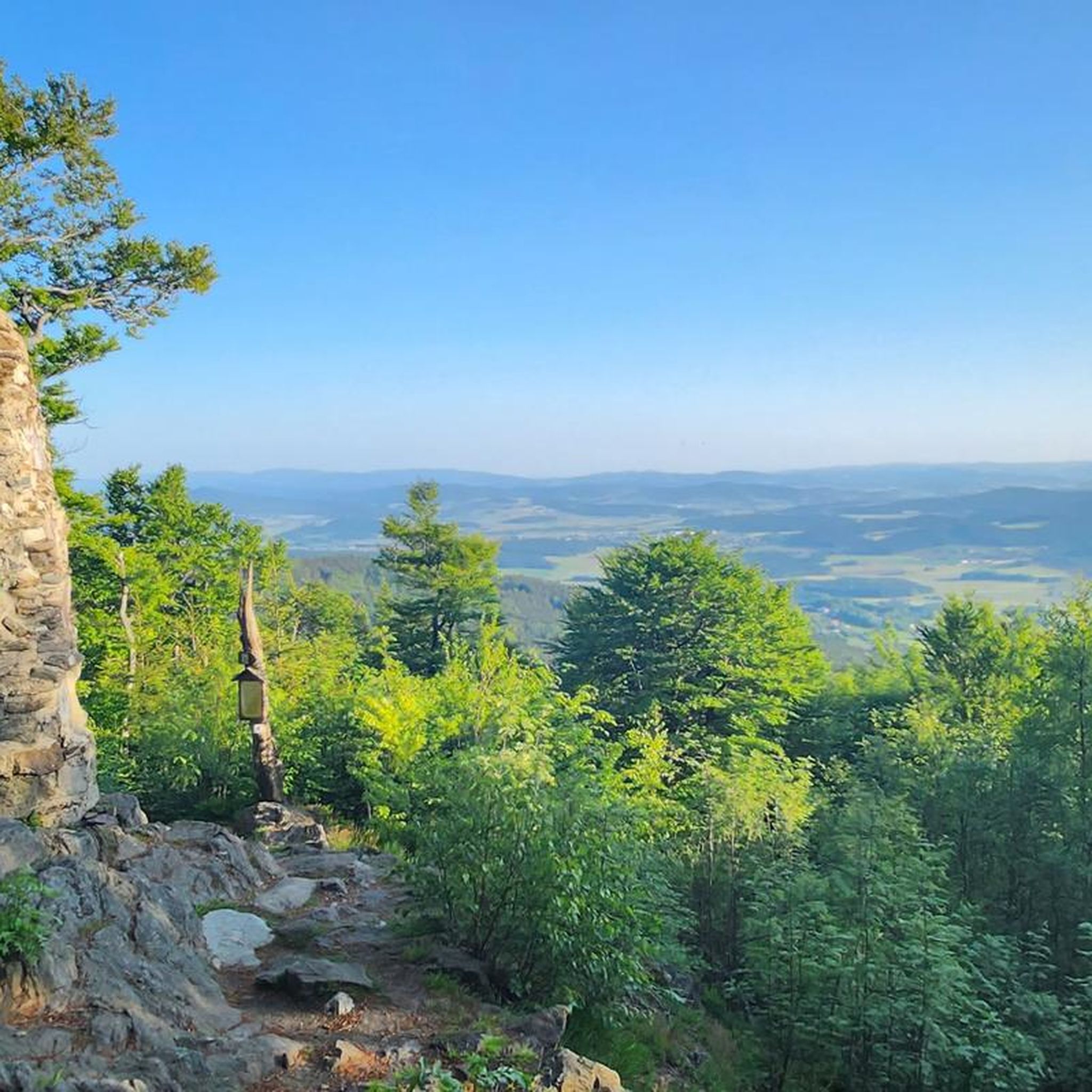
This is a fantastic castle ruin with a great view. The ruin is very impressive and has lots of information boards. There are several hiking trails to this ruin, short or long, anything is possible! In the ruin there are several comfortable places to sit and take a break. There is also a wonderful viewing point with a bench. Access is always possible and free!
1
0

Waffenbrunn Castle In 1297, a "Friedericus junior de Bossenbrun" appears as the first representative of this family, which is named after the place; they are documented here until after 1330. After the middle of the 14th century, the Lords of Darstein followed. In 1488, Waffenbrunn is documented as a manor. Around 1500, the manor must have passed into the possession of Gabriel von Parsberg; he is recorded here in the land register in 1503. Towards the middle of the 16th century, the Nussberg family is recorded as the owners. Through marriage to the heiress of Nussberg, the property came to Lorenz von Sparnberg in 1571, but he had to leave Waffenbrunn as a Protestant. In 1627, Johann Heinrich Nothafft von Wernberg zu Wiesenfelden took possession of the entire Sparnberg inheritance. At this time, Captain de la Haye from Brussels, father-in-law of Hans Heinrich Nothafft, lived. In 1641, Georg Adolf Schätzl von Hörmannsberg acquired the property, which was taken over by the Freinhuber family in 1669. In 1671, Waffenbrunn was sold to the family of Johann Wolfgang von Thürnitz. In 1748, Franz Peter von Paur, Imperial Knight and Court Chamberlain, acquired the Waffenbrunn estate. The residential tower built by the Waffenbrunn family is probably the oldest part of the complex. The Darstein family built the residential building in the middle of the complex and the chapel in the 15th century. The castle was also protected by a moat to the north and several ponds to the south. During the Thirty Years' War, the castle was plundered and damaged in 1633. A second plundering took place in 1641. The buildings were rebuilt by Maximilian Freinhuber, but this was destroyed again by a large fire in 1677. It was only the von Paur family that finally restored the castle, removing the fortifications and expanding it into its current form. The south-western part of Waffenbrunn Castle is now occupied by a horseshoe-shaped three-wing complex of the farmyard, which was newly built in 1926. The steep gable of the rectangular two-storey main building, which stands on a high base, is striking. To the west of it and connected to it by an intermediate building, rises the medieval, four-storey former residential tower with a half-hipped roof. To the north and west there is an enclosed castle garden in the style of a landscape garden from the late 18th and 19th centuries with remains of the castle wall. Source: Excerpts from www.wikipedia.de
3
0
Buchberg Castle Ruins The first representative of the Puchbergs, who can certainly be referred to this place, was Otto I, first mentioned in 1196. The family originally belonged to the Diepoldinger ministeriality, and from 1204 to the Wittelsbacher. Relationships with the Bogeners arose from the widely scattered family property. In 1301, Hildebrand II sold the last remaining share of the castle to Duke Otto III of Lower Bavaria. The focus of the family's possessions now shifted to southern Lower Bavaria. The ancestral castle is said to have been pledged by the dukes to Rudlant Göttlinger in 1320. It was last mentioned in 1331 during the division of Lower Bavaria. It was then possibly used by the Göttlingers as a starting point for raids and destroyed or abandoned by the citizens of Cham. As early as 1347, grazing and usage rights were mentioned on the Buchberg, and in 1470 forests and a former castle. After its abandonment or destruction after 1331, it served as a quarry until recently. The oval complex, with a total length of 150 m and a maximum width of 60 m, is divided into an outer and main castle. The former occupies the highest peak covered with granite blocks at the southern end of the castle hill. To the north-northwest it is secured by a moat up to 12 m wide with an outer rampart, some of which has been preserved. The egg-shaped interior of the main castle measures approx. 50 x 40 m. The lower western part was protected by a ring wall that made clever use of the terrain, a 17 m long section of which has been preserved. The higher part of the castle was surrounded by its own ring wall, some of which can be seen. The southern part of the area was occupied by a large, multi-room building. At the highest point is the base of the keep. To the north-northwest, the main castle is adjoined by a plateau up to 20 m wide. In front of this is a ditch-like structure about 70 m long. It runs into the slope in the east and leaves the access to the main castle free in the west. Overall, the structure of the complex is not easy to understand due to the heavy vegetation. After 1997, the few remaining parts were secured. Source: Extracts from www.ebidat.de
4
0

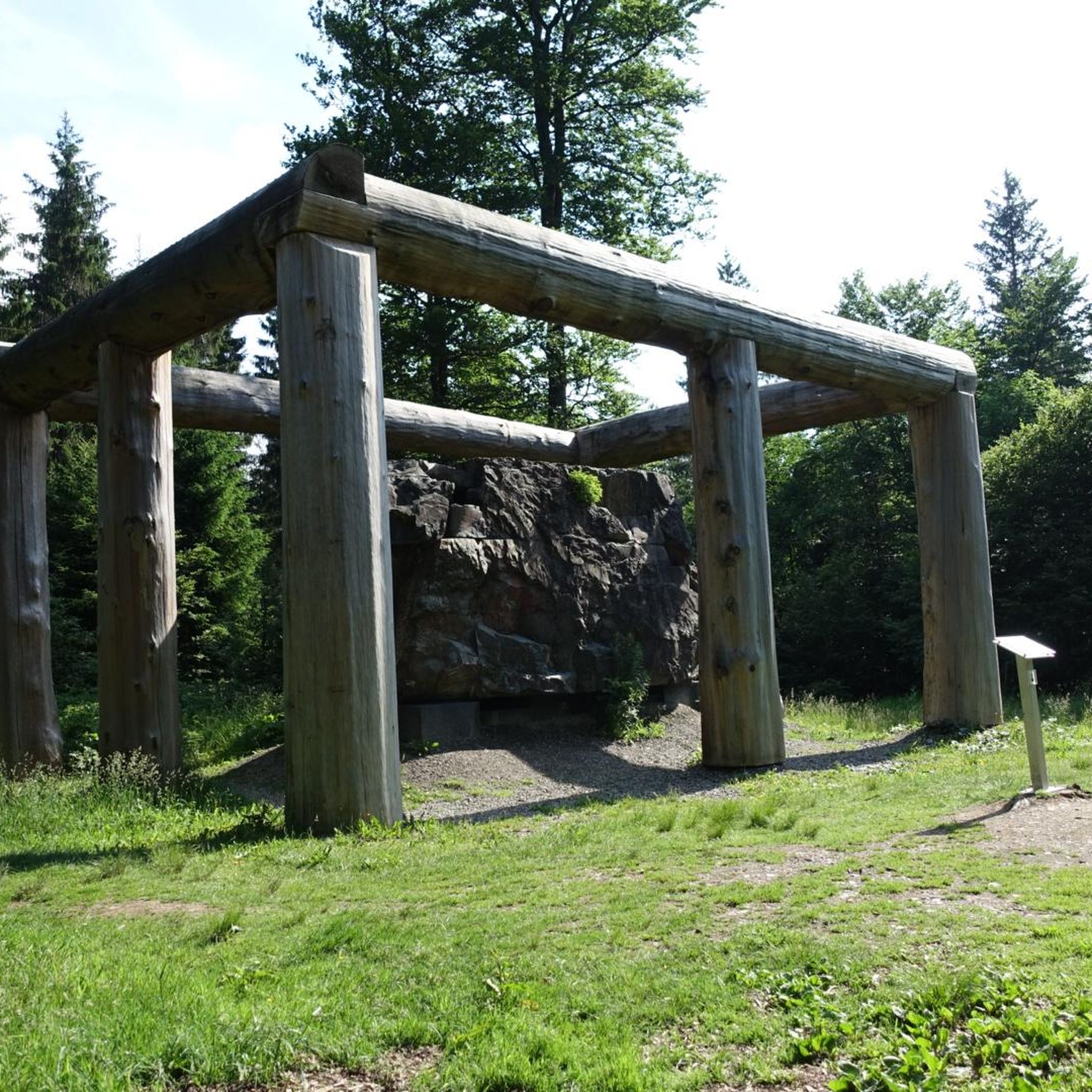
The Buchberg castle ruins, also known as Schlossberg, are located on a 563-meter-high hill on the Buchberg. The Counts of Bogen built the castle in the 12th century and the Lords of Puchberg joined them later. The castle was destroyed in the 14th century and today only the stump of the keep and the remains of the walls remain.
2
0
Frequently Asked Questions
What happened to the original Schloss Gleißenberg?
The historical Schloss Gleißenberg, a former moated castle, was demolished in 1853 due to disrepair, and nothing of the original structure remains. The site where it once stood, approximately 50 meters northeast of the Jakobus Church, is now protected as a ground monument. Historically, it was a significant medieval and early modern structure, rebuilt in 1658/59 after being destroyed during the Thirty Years' War. You can find more historical context on Wikipedia.
Which castles and ruins can I visit near Gleißenberg?
While there are no standing castles directly in Gleißenberg, the surrounding region offers several historical sites. Notable options include the impressive Schwarzenburg Castle Ruins, known for its great views and being one of Bavaria's largest castle ruins. You can also explore Buchberg Castle Ruins, which features remains of a 14th-century structure, and Runding Castle Ruins, the largest castle complex in the Bavarian Forest offering panoramic views. Additionally, Waffenbrunn Castle, though private, has historical significance and a beautiful castle garden.
Are there any family-friendly castles or ruins to explore around Gleißenberg?
Yes, several castle sites in the region are suitable for families. Schwarzenburg Castle Ruins and Runding Castle Ruins are both considered family-friendly, offering space to explore and historical insights. The Schloss Püdensdorf Memorial is also a family-friendly historical site, marking the location of a former castle.
What kind of historical insights can I gain from visiting these castles?
The castles and ruins around Gleißenberg offer a deep dive into medieval and early modern history. For instance, Buchberg Castle Ruins tells the story of the Counts of Bogen and the Lords of Puchberg, with remnants dating back to the 12th century. Waffenbrunn Castle has a rich history of changing ownership and rebuilding after being plundered during the Thirty Years' War. Exploring these sites allows you to visualize past eras and the lives of those who inhabited them.
Can I find good viewpoints at the castles around Gleißenberg?
Absolutely. Both Schwarzenburg Castle Ruins and Runding Castle Ruins are highly praised for their excellent panoramic views. Schwarzenburg is noted for its 'great view' and Runding offers a 'breathtaking panoramic view' over the Bavarian Forest, making them ideal spots for photography and enjoying the landscape.
What outdoor activities can I combine with a castle visit?
The region around Gleißenberg is excellent for outdoor enthusiasts. You can find numerous MTB Trails, Running Trails, and Road Cycling Routes. Many of these routes pass by or are close to historical sites, allowing you to combine physical activity with cultural exploration. For example, some tours start directly from Waffenbrunn Castle.
Are there hiking trails near these castles?
Yes, hiking is a popular activity in the area. Many of the castle ruins, like Schwarzenburg Castle Ruins and Buchberg Castle Ruins, are accessible via hiking paths. You can find various running and hiking routes around Gleißenberg, ranging in difficulty, which often incorporate these historical landmarks into their paths.
What is the best time of year to visit the castles around Gleißenberg?
The castles and ruins are generally open year-round. Spring and autumn offer pleasant temperatures for exploring the outdoor sites and hiking the surrounding trails, with beautiful foliage in autumn. Summer is also popular, though it can be warmer. Winter visits can be atmospheric, especially if there's snow, but some paths might be less accessible. Always check local conditions before your visit.
Is parking available at the castle ruins?
While specific parking details for each ruin can vary, generally, there are parking options available near the more popular sites like Schwarzenburg Castle Ruins and Runding Castle Ruins, often serving as trailheads for hikers. For Waffenbrunn Castle, parking is typically available for visitors to the castle grounds or for those starting tours from there.
What do visitors enjoy most about the castles around Gleißenberg?
Visitors frequently highlight the historical atmosphere and the stunning views. The community appreciates the opportunity to explore medieval structures and enjoy the panoramic vistas, especially from sites like Schwarzenburg Castle Ruins and Runding Castle Ruins. The blend of history and nature, often accessible via pleasant walks, is a major draw.
Are there any lesser-known castle sites worth visiting?
Beyond the more prominent ruins, the Schloss Püdensdorf Memorial offers a unique historical perspective. While the castle itself was demolished, a memorial stone and a replanted pear tree mark the site of what was once a significant lowland castle. It provides a quiet place for reflection on the region's lost heritage.
Can I bring my dog to the castle ruins?
Most outdoor castle ruins and historical sites in the region are dog-friendly, especially if they are part of public hiking trails. It's generally expected that dogs are kept on a leash and that owners clean up after them. Always check for specific signage at each location, but places like Schwarzenburg Castle Ruins are typically welcoming to well-behaved dogs.
Most popular routes around Gleißenberg
Most popular attractions around Gleißenberg

Get inspired with the komoot mobile app


Explore more
Looking for the best castles somewhere else? Discover other guides around Gleißenberg:
