Top 20 Caves around Rosenthal-Bielatal
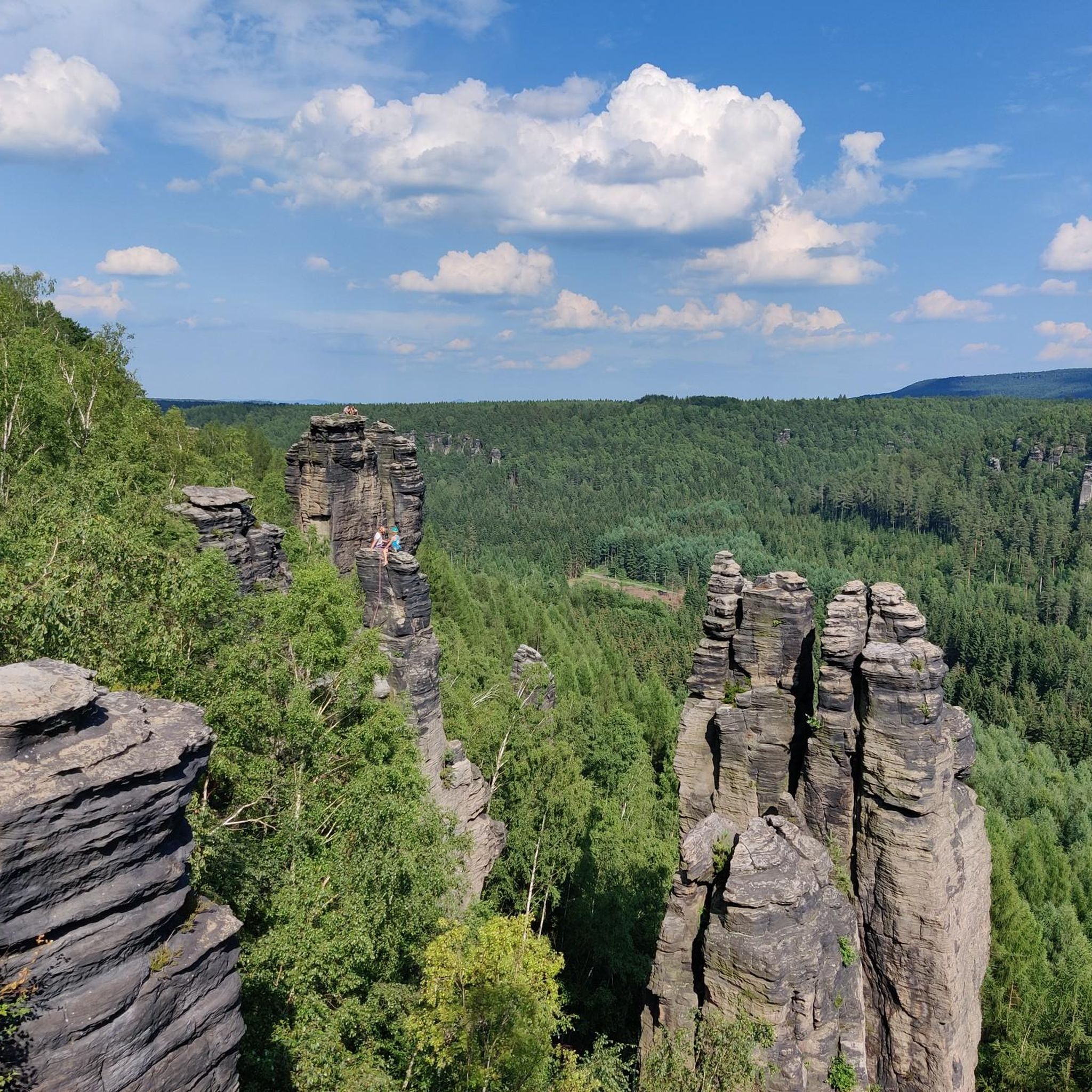
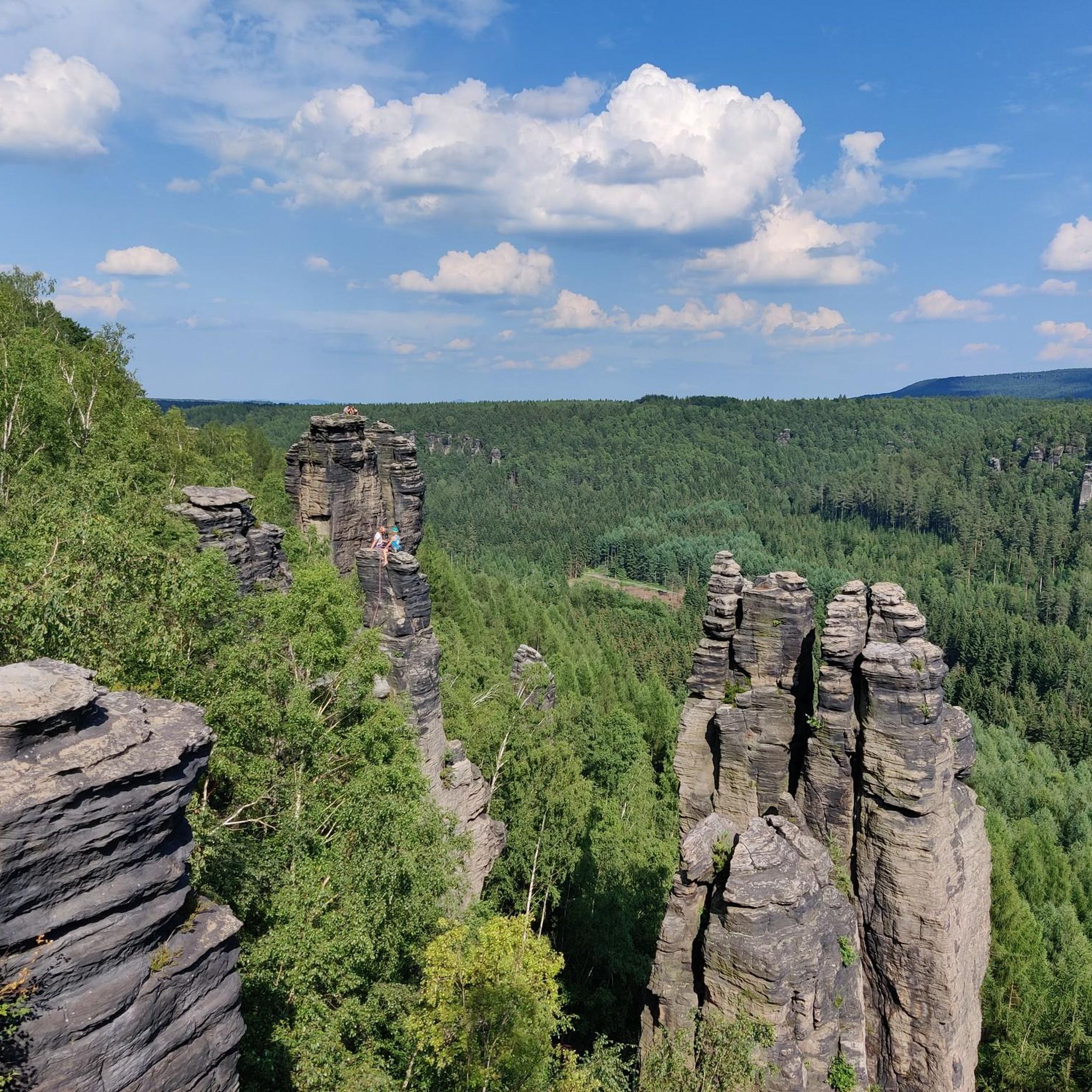
Best caves around Rosenthal-Bielatal are found within a region known for its extensive forests and unique rock formations, offering a diverse subterranean landscape. This area features a craggy rock labyrinth and numerous natural monuments. The geological history of Rosenthal-Bielatal has shaped various caves, providing opportunities for exploration. It is recognized as a destination for outdoor enthusiasts, particularly for hiking and climbing.
Best caves around Rosenthal-Bielatal
- The most popular caves is View of Hohnstein Castle and the Polenz Valley from the Hockstein, a viewpoint that offers a perspective of Hohnstein Castle and the Polenz Valley. This location provides a view of the changing forest landscape and the castle.
- Another must-see spot is Gautsch Grotto, a cave and natural monument. Visitors can expect to encounter a rock formation that conveys the scale of nature.
- Visitors also love Teufelsschlüchte (Devil's Gorges), a gorge with a cave. This location features a narrow valley system with rock gates, offering varied impressions depending on the time of day.
- Rosenthal-Bielatal is known for natural caves, grottoes, and rock shelters. The area offers a variety of caves to see and explore, including those formed by natural processes and others influenced by historical sand extraction.
- The caves around Rosenthal-Bielatal are appreciated by the komoot community, with more than 3300 upvotes and over 1500 photos shared by users.
Last updated: June 22, 2026
View of Hohnstein Castle and the Polenz Valley from the Hockstein
Highlight • Viewpoint
Translated by Google •
Tip by

Teufelskammer Gorge
Highlight (Segment) • Gorge
Translated by Google •
Tip by

Sign up now to discover places like this
Get recommendations on the best single tracks, peaks, & plenty of other exciting outdoor places.
Sign up for free
Gautsch Grotto
Highlight • Cave
Translated by Google •
Tip by

Teufelsschlüchte (Devil's Gorges)
Highlight • Gorge
Translated by Google •
Tip by

Lichter Cave (Kleinhennersdorfer Rock)
Highlight • Cave
Translated by Google •
Tip by

Sign up for free to discover even more caves around Rosenthal-Bielatal.
Sign up for free
Already have an account?
Start today with a free account
Your next adventure awaits.
Login or Signup
Popular around Rosenthal-Bielatal
Forststeig – 7 days in the wild, remote sandstone mountains
National Park Region Saxon Switzerland: Hiking Recommendations 2023
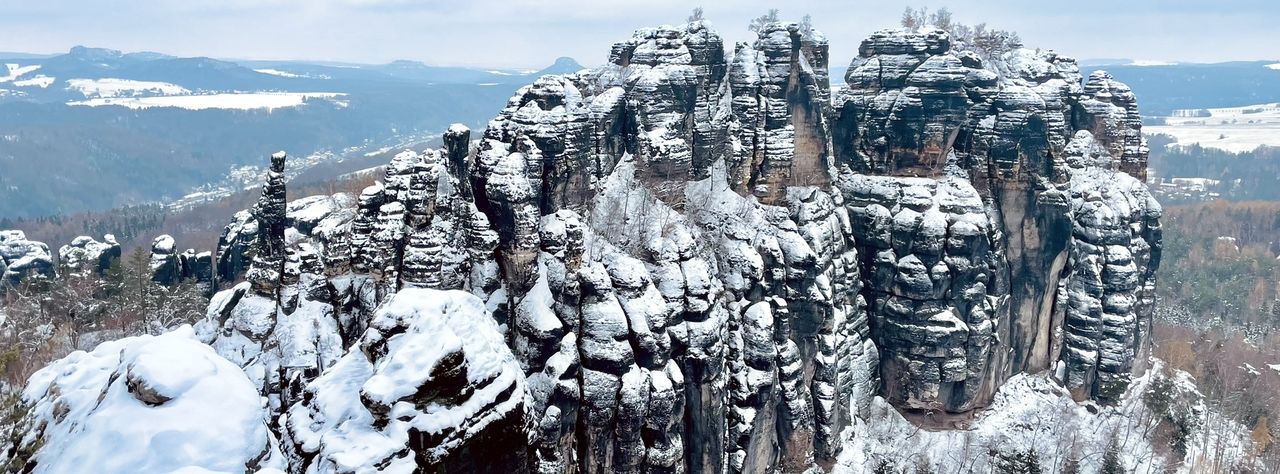
Winterwanderungen in der Sächsischen Schweiz
Wanderempfehlungen Nationalparkregion Sächsische Schweiz
Hiking around Rosenthal-Bielatal
Gravel biking around Rosenthal-Bielatal
Road Cycling Routes around Rosenthal-Bielatal
Cycling around Rosenthal-Bielatal
MTB Trails around Rosenthal-Bielatal
Mountain Hikes around Rosenthal-Bielatal
Other adventures around Rosenthal-Bielatal


Tips from the Community

Awesome view of the valley and Hohenstein. Fantastic.
10
0

The Teufelsgrund with its branching gorges and around 30 native ferns is one of the most species-rich valleys in the German low mountain ranges. Together with the Heringshöhle, this wild and romantic area offers a lot of interesting things to discover.
9
0

Great view of Hohnstein & its fortress.
3
0

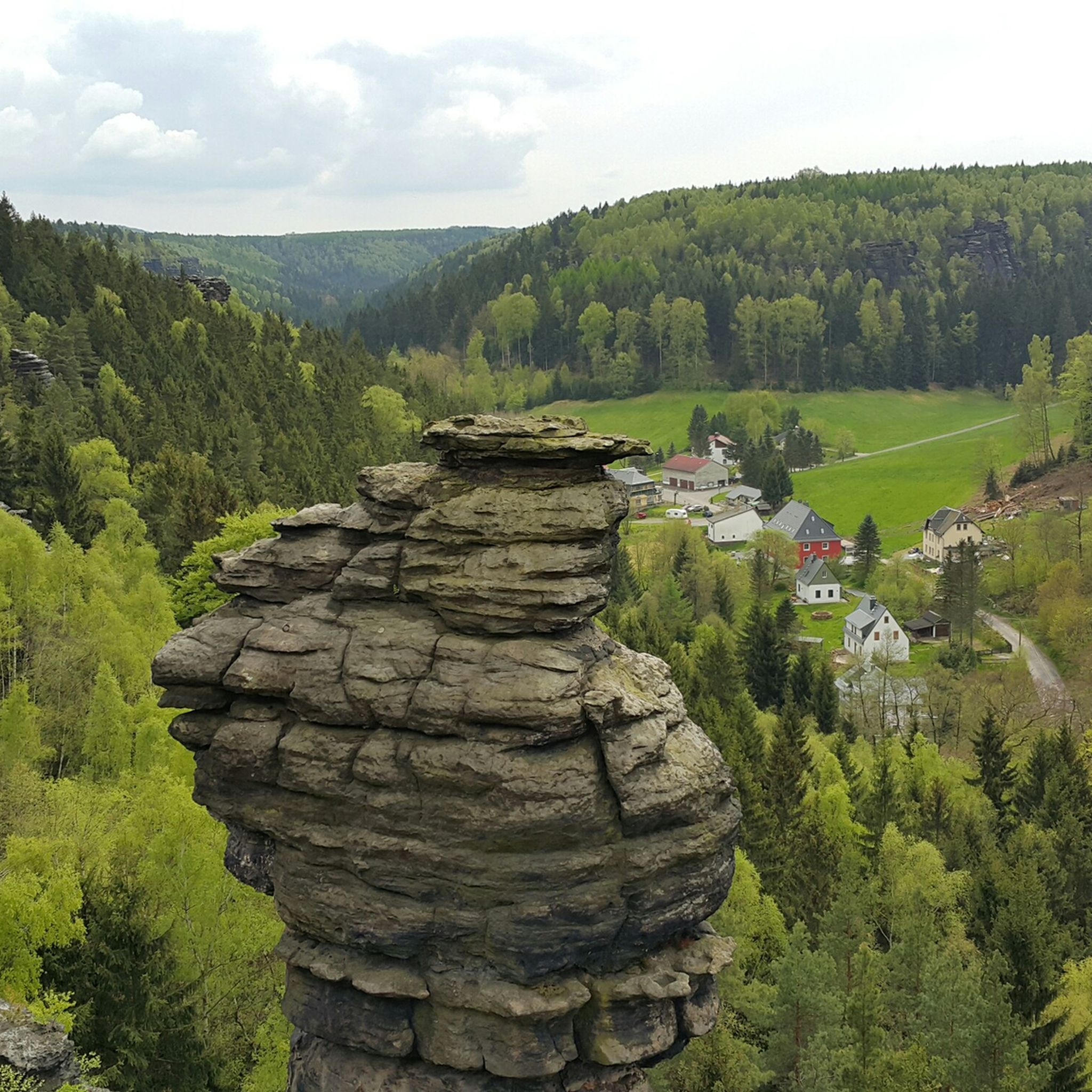
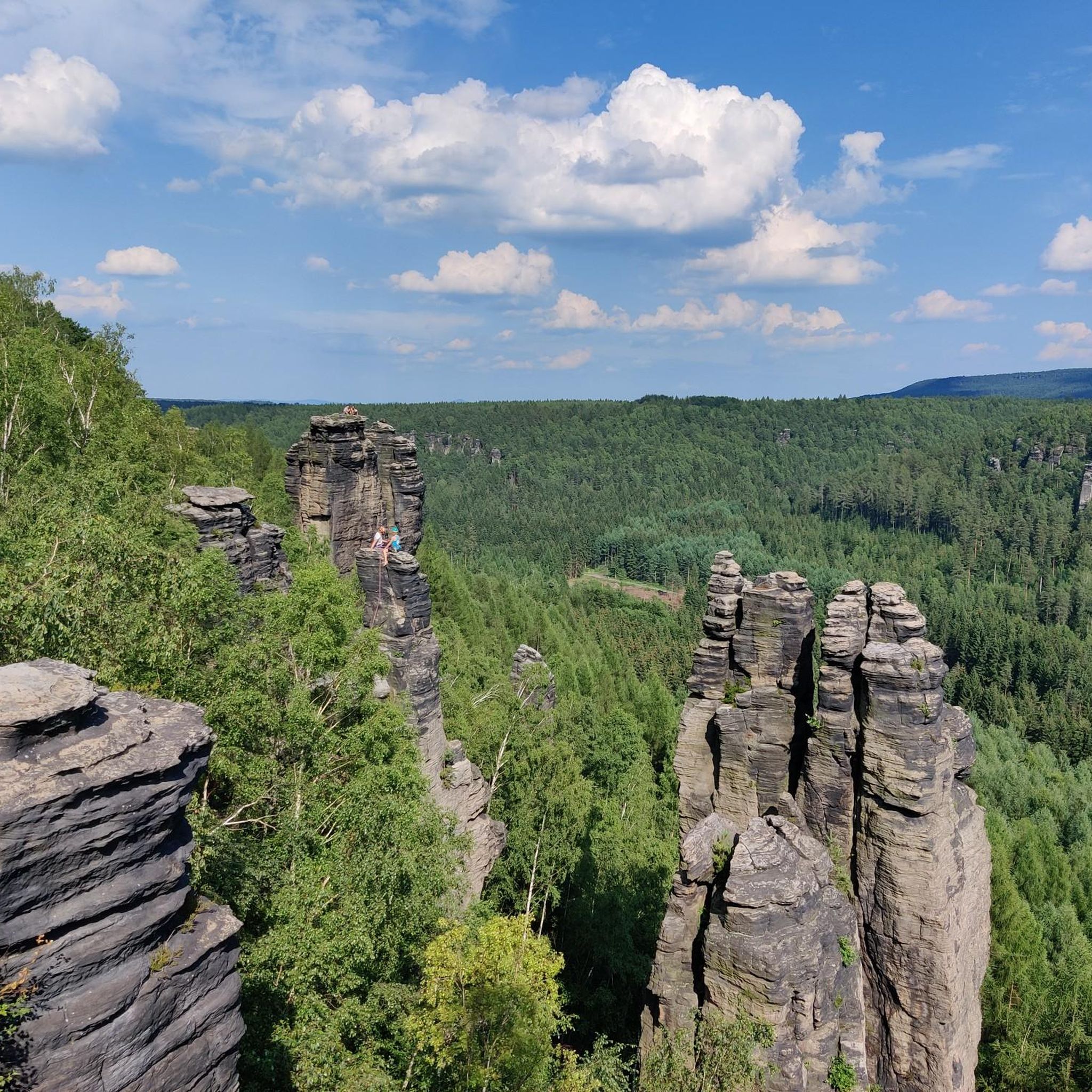
If you stand here and look down into the valley, you will witness the constant change that our forests are going through. Once green and vibrant, many trees now show brown marks, signs of the bark beetle that has wreaked havoc in this area. But even if this scene makes the heart heavy, the view is still impressive. Secured by a railing, the view here is no less impressive in its melancholy - and it is also safe for children to access. The silence that surrounds the valley is broken by the majestic view of Hohnstein with its imposing castle, which stands proudly on a rock opposite. And further back, the picturesque Polenztal valley meanders along. A panorama that, in its beauty and at the same time in its vulnerability, conveys a powerful message: nature is in constant change, and it is in our hands how this story continues.
7
0

Beautiful view of Hohnstein Castle and down in Polenztal
4
0
Even in the Elbe Sandstone Mountains, the forest is dying...
4
1

It is a little small when there are crowds of people here, but it is secured with a railing. What is special is that from this view you can see the two landscape forms, one characterized by granite, the other by sandstone. This is precisely where the granite rock pushed under the sandstone slab. To the north there is a more V-shaped valley with sloping granite slopes, while to the south the vertically terraced walls of the sandstone are visible.
2
0

Beautifully high above the Polenztal, you can already see the Polenzbaude, where you can eat delicious.
2
0
Frequently Asked Questions
What are some of the most notable caves and rock formations in the Rosenthal-Bielatal region?
The Rosenthal-Bielatal region is home to several significant natural formations. Among them are the Gautsch Grotto, a natural monument, and the Teufelsschlüchte (Devil's Gorges), a narrow valley system with rock gates. Other notable caves in the area include Bennohöhle, Eisloch, and Schwedenloch, which is known for its 19-meter depth.
Are there family-friendly caves or rock formations to explore in Rosenthal-Bielatal?
Yes, the region offers options suitable for families. The Lichter Cave (Kleinhennersdorfer Rock) is considered family-friendly and offers opportunities for exploration. The broader Bielatal area is also described as a 'craggy rock labyrinth' that appeals to younger visitors, suggesting an adventurous and exploratory experience.
What kind of geological features can I expect to see in the caves and gorges of Rosenthal-Bielatal?
You can expect to encounter impressive sandstone formations, grottoes, and rock shelters. The region's geological history has created unique weathered forms, such as the Sachsenstein and Herkulessäulen. Caves like the Lichter Cave, one of the largest sandstone caves in Saxon Switzerland, showcase the powerful natural forces that shaped the landscape.
What are the difficulty levels for exploring caves in Rosenthal-Bielatal?
The difficulty varies. Some locations, like the Teufelsschlüchte (Devil's Gorges), can be challenging, requiring 'duck walking' under small rock gates. Others, such as Hering's Cave, involve easy climbing and can be pitch dark, making a flashlight recommended. Many caves offer an intermediate level of exploration.
Are there historical aspects associated with any of the caves in the region?
Yes, some caves have historical significance. The Lichter Cave (Kleinhennersdorfer Rock), for instance, did not develop naturally to its current size; sand was extracted here in the past, leading to fears of collapse and remnants of a wall. Hering's Cave is named after its discoverer, not the fish, adding a historical anecdote.
What outdoor activities can I combine with a visit to the caves?
The Rosenthal-Bielatal region is a prime destination for outdoor enthusiasts. You can combine cave exploration with extensive hiking and climbing. There are numerous hiking routes, such as 'From the Hercules Columns to the Moor Pond' or 'Tour to the ponds in the Saxon Switzerland landscape conservation area'. For more options, explore the hiking guide for Rosenthal-Bielatal.
Are there cycling routes near the caves in Rosenthal-Bielatal?
Yes, the area offers various cycling opportunities. You can find routes like the 'Swiss Mill – Brausenstein Blast Furnace loop' or the 'Schneeberg Viewpoint – Ascent to Děčínský Sněžník loop'. For a comprehensive overview of cycling trails, refer to the cycling guide for Rosenthal-Bielatal.
What do visitors particularly enjoy about the caves and rock formations in Rosenthal-Bielatal?
Visitors appreciate the unique natural beauty and the sense of adventure. Many enjoy the impressive views, such as from the View of Hohnstein Castle and the Polenz Valley from the Hockstein. The awe-inspiring scale of nature found in places like Gautsch Grotto and the fun of exploring caves like Lichter Cave are frequently highlighted.
Are there any caves in the region known for unique natural phenomena, like ice?
Yes, the Schwedenloch cave is particularly noteworthy for its depth and features an ice pit behind the Ottomühle. Its name, Eisloch (meaning 'ice hole'), for another prominent cave in the region, also suggests it might maintain cooler temperatures, possibly even holding ice.
What should I bring when exploring caves in Rosenthal-Bielatal?
For caves that are dark, such as Hering's Cave or Lichter Cave, bringing a pocket or headlamp is highly recommended, as it can be pitch dark inside. Comfortable clothing and sturdy shoes suitable for hiking and potentially some scrambling are also advisable.
Are there other less-known caves in the Rosenthal-Bielatal area worth mentioning?
Beyond the more prominent ones, the Rosenthal-Bielatal region also includes caves such as Tiefe Höhle, Geburtstagshöhle, Wohlrabhöhle, and Winkelklufthöhle. These contribute to the area's rich subterranean landscape and offer additional opportunities for exploration.
Most popular routes around Rosenthal-Bielatal
Most popular attractions around Rosenthal-Bielatal

Get inspired with the komoot mobile app


Explore more
Extend your search for the best caves by checking out these guides of the top ones around Rosenthal-Bielatal:
