The best cycling routes around Maescar
4.4
(86)
1,818
riders
60
rides
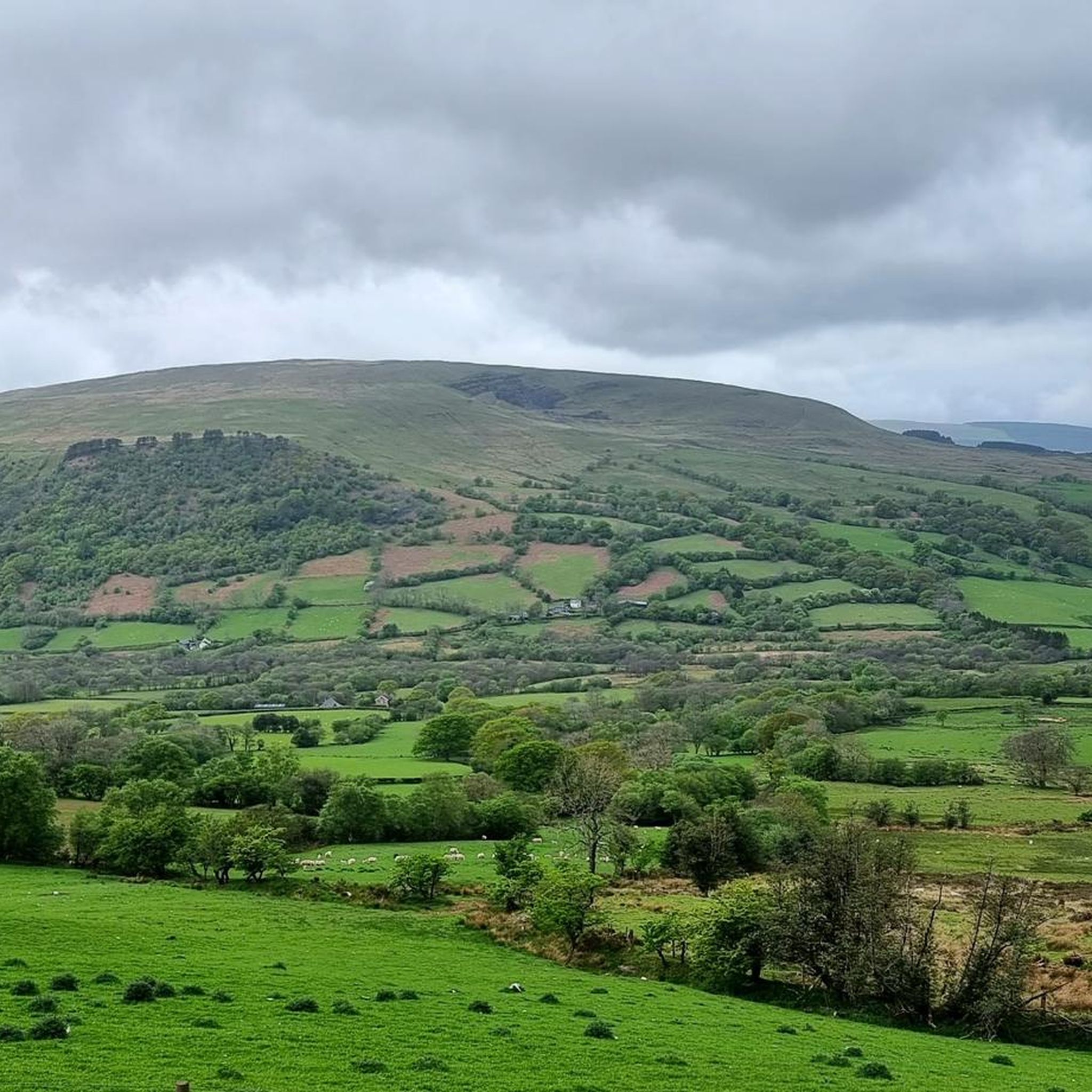
Touring cycling routes around Maescar offer access to the diverse landscapes of the Bannau Brycheiniog National Park (Brecon Beacons). The region features a compelling mix of natural beauty, from rolling hills and rugged terrain to serene valleys. Cyclists can navigate varied surfaces, including smooth roads, gravel sections, and some steeper, unpaved tracks. This area is characterized by significant natural features such as the Usk Valley, numerous reservoirs, and extensive woodlands.
Best touring cycling routes around Maescar
- The most popular touring…
Last updated: June 22, 2026
7
riders
Hard bike ride. Very good fitness required. Mostly paved surfaces. Suitable for all skill levels.
Hard bike ride. Very good fitness required. Mostly paved surfaces. Suitable for all skill levels.

Sign up for free
5.0
(1)
12
riders
83.7km
05:33
1,200m
1,200m
Hard bike ride. Very good fitness required. Mostly paved surfaces. Suitable for all skill levels.
3.0
(1)
11
riders
28.9km
02:26
480m
480m
Hard bike ride. Very good fitness required. Mostly paved surfaces. Suitable for all skill levels.
4
riders
Moderate bike ride. Good fitness required. Mostly paved surfaces. Suitable for all skill levels.
Get access to more routes and recommendations from other explorers.
Sign up for free
Already have an account?
Our route recommendations are based on thousands of hikes, rides, and runs completed by other people on komoot.
Start today with a free account
Your next adventure awaits.
Login or Signup
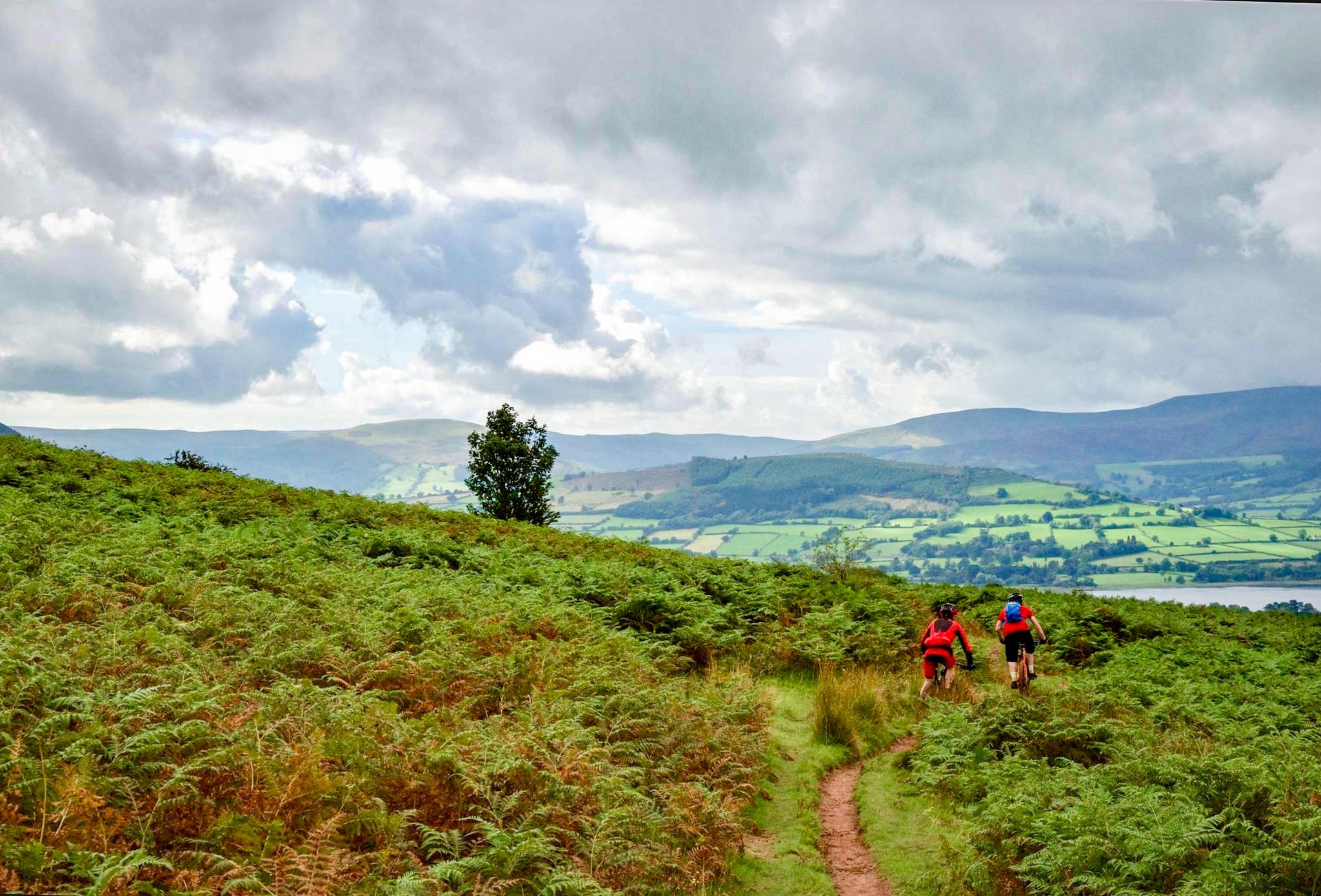
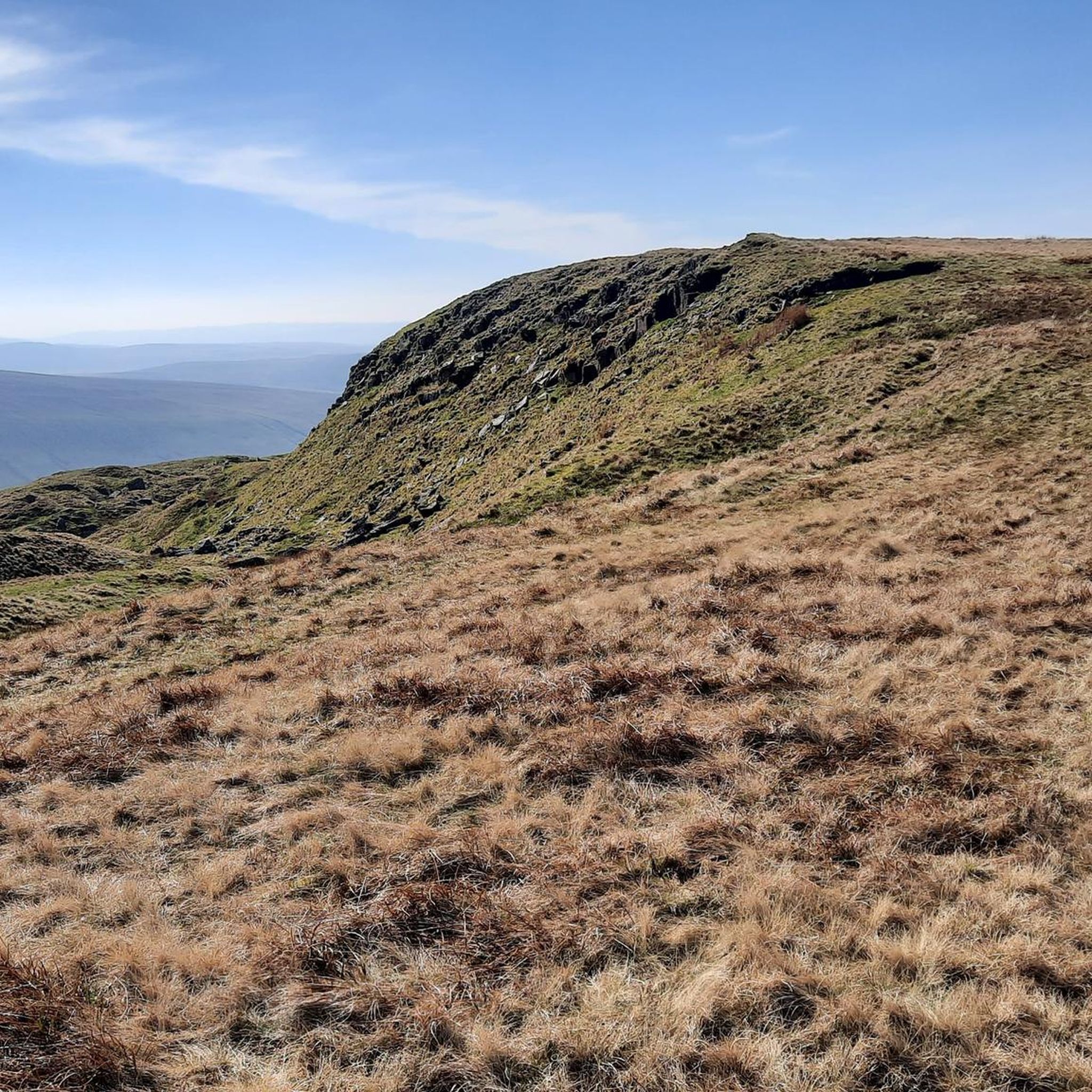

Other adventures around Maescar

Tips from the Community

Brecon Castle, located in the town of Brecon in Wales, is a historic site with a rich heritage that dates back to the 11th century. Originally built as a wooden fort by the Normans after their invasion of Wales, it was later rebuilt in stone. Here are some key points about Brecon Castle: Historical Significance: Norman Foundation: The castle was originally constructed around 1093 by Bernard de Neufmarché as part of the Norman conquest of Wales. It served as a strategic military stronghold. Fortifications: Over the centuries, the castle underwent various modifications and expansions, with the addition of stone walls and towers to enhance its defensive capabilities. Role in Conflicts: Brecon Castle played a significant role in various conflicts, including the Welsh Wars and later during the English Civil War, when it was captured and fortified by Royalist forces. Ownership: The castle was granted to different noble families over the years and was used for both military and administrative purposes. Architectural Features: Stone Structure**: The castle features impressive stone walls, towers, and a gatehouse, reflecting medieval military architecture. Ruins**: While parts of the castle are in ruins today, the remaining structures give visitors a glimpse into its historical significance and architectural style. Modern Usage: Tourism**: Brecon Castle is a popular tourist attraction, drawing visitors interested in history and architecture. The site offers guided tours and information about its storied past. Hotel**: The castle has also been repurposed as a hotel, allowing guests to experience staying in a historic setting. Location: Brecon Castle is situated near the Brecon Beacons National Park, making it a convenient stop for visitors exploring the natural beauty of the area. Brecon Castle serves as a reminder of Wales' turbulent history and is an important heritage site that continues to attract interest for its historical and architectural value.
0
0

ideal for cycling, road bike would do it although gravel/mtb would be more comfortable. very popular with walkers so be aware
0
0

This structure is one of the largest canal aqueducts ever built in South Wales. Its four stone arches carry the Brecknock and Abergavenny Canal (later the Monmouthshire & Brecon Canal) across the Usk to enable boats to reach Brecon, on the north side of the river Brynich aqueduct was one of the last sections of the canal to be completed to take the canal into Brecon in 1801. The structure was designed by Thomas Dadford Junior and built by local contractors. The aqueduct is at right angles to the river, reducing its length to the minimum possible. This means that the canal, running parallel to the river, has to turn sharply on both approaches.
0
0
This lock was the first on the Monmouthshire & Brecon Canal to be restored after the canal fell into dereliction. The lock was created when the canal was built c.1800. The section of canal which crosses the river Usk on the nearby Brynich aqueduct is lower than the final stretch of water into Brecon. The bridge over the canal here is joined to the lock walls. The road continues across the river Usk on a five-arch stone bridge constructed in the late 18th century.
0
0

A cobbled climb, most of it being mud free even though its a farm track. Probably wouldn't bring my road bike. Good long section of basically flat tarmac beforehand.
0
0

Moderate trail depending on the distance, plenty to explore
0
2

Lovely steep dual carriageway with minimum traffic from the valley up to the sennybridge military training area. Only on Welsh mountain roads would you find this
0
0

Brecon Castle is a very unique place. It is a castle that is now within the grounds of a private hotel. Though most of the original castle is long gone, there are still the imposing remains of the tower left, and this is visible from many areas of the town. There is a particularly good view of it from the town bridge. Strategically sighted, overlooking the confluence of the Afon Honddu and the River Usk, it dominates this part of the town and is a reminder of the powers of the Normans when they started to build it in 1093. Originally, the castle would have had two entrances as well as a postern gate. There would have been a drawbridge over the River Usk and another over the Afon Honddu. At the time, it was built as the administrative and military headquarters of the Lordship of Brecon and as a reminder to all that they lived among one of the most powerful families of the day.
3
0
Frequently Asked Questions
How many touring cycling routes are available around Maescar?
There are over 60 touring cycling routes around Maescar, offering a wide range of options for different abilities. This includes 4 easy routes, 33 moderate routes, and 31 difficult routes, ensuring there's something for every cyclist.
Are there any family-friendly touring cycling routes near Maescar?
Yes, the region offers several family-friendly options. The Monmouthshire and Brecon Canal Towpath and the Usk Reservoir Circular are both mentioned as easy, traffic-free routes ideal for families. While specific komoot routes are not explicitly marked as 'family-friendly', routes with lower difficulty grades, such as the 4 easy routes available, would generally be suitable.
Can I find circular touring cycling routes in the Maescar area?
Yes, many touring cycling routes around Maescar are designed as loops. For example, the Taff Trail, Penderyn & Cwm Cadlan loop from Pont ar Daf and the Fforest Fawr, Glyn-neath & Penderyn loop from Ystradfellte are popular circular options that allow you to start and finish in the same location.
What kind of terrain can I expect on touring cycling routes around Maescar?
The terrain around Maescar is diverse, reflecting the varied landscapes of the Bannau Brycheiniog National Park. You can expect a mix of smooth roads, gravel sections, and some steeper, unpaved tracks. The region features rolling hills, the scenic Usk Valley, and routes that traverse woodlands and past reservoirs.
Are there any challenging touring cycling routes for experienced cyclists?
Absolutely. Maescar is known for its challenging ascents. The region offers notorious climbs such as Gospel Pass, the highest paved road in Wales, and The Tumble, a legendary 6km ascent with a challenging 10% gradient. There are 31 difficult routes listed, including the Pennau Hill Summit – Brecon Castle loop from Halfway, which features significant elevation gain.
What natural attractions can I see along the touring cycling routes?
The routes often pass through stunning natural landscapes. You can encounter prominent features like Pen y Fan, the highest point in southern Britain, and other summits like Corn Du summit. The area also boasts picturesque reservoirs such as the Usk, Pontsticill, and Talybont Reservoirs, and scenic woodlands like Glasfynydd Forest and Talybont Forest. You might also spot waterfalls, particularly in the southern parts of the park.
Are there any historical sites or landmarks to explore while cycling?
Yes, the region is rich in history. Cyclists exploring routes like the Gospel Pass can encounter historical sites such as Llanthony Priory. The historic town of Brecon itself is a cultural hub within the National Park. Additionally, Maescar encompasses villages like Defynnog and Sennybridge and features ancient round cairns and standing stones dating back to the Iron Age.
What do other touring cyclists enjoy most about cycling in Maescar?
The touring cycling routes in Maescar are highly rated by the komoot community, with an average score of 4.4 stars from over 80 reviews. Cyclists often praise the diverse landscapes, from rolling hills and rugged terrain to serene valleys, and the variety of routes suitable for different abilities.
Is public transport available to access cycling routes near Maescar?
While specific public transport links directly to trailheads are not detailed, the Brecon Beacons National Park is generally accessible by public transport to its main towns. From these towns, you may be able to connect to areas closer to the cycling routes. It's advisable to check local bus services or train connections to towns like Brecon for the most up-to-date information.
Are there any specific permits required for cycling in the Brecon Beacons National Park?
Generally, no specific permits are required for touring cycling on public roads and designated cycle paths within the Brecon Beacons National Park. However, if you plan to cycle on private land or specific mountain bike trails, it's always best to check with the landowner or the National Park Authority for any specific regulations or permits that might apply.
What is the best time of year to go touring cycling around Maescar?
The Brecon Beacons offer beautiful cycling conditions throughout much of the year. Summer provides longer daylight hours and generally warmer weather, making it ideal for exploring. However, spring and autumn also offer pleasant temperatures and stunning scenery with fewer crowds. Always check the local weather forecast before heading out, as conditions in the mountains can change rapidly.
Where can I find cafes, pubs, or accommodation near the cycling routes?
The towns and villages within and around the Brecon Beacons National Park, such as Brecon, Defynnog, and Sennybridge, offer various amenities including cafes, pubs, and accommodation options. Many routes pass through or near these settlements, providing opportunities for refreshments and overnight stays. It's a good idea to plan your route and check for facilities along the way.
Is the <a href="https://www.komoot.com/smarttour/27054691" target="_blank" rel="noopener">Brynich Aqueduct – Monmouthshire and Brecon Canal loop from Bannau Brycheiniog National Park</a> a good option for a moderate ride?
Yes, the Brynich Aqueduct – Monmouthshire and Brecon Canal loop from Bannau Brycheiniog National Park is classified as a moderate route. It covers a distance of approximately 36.4 km (22.6 miles) with an elevation gain of around 396 meters, making it a suitable option for cyclists looking for a balanced challenge without extreme difficulty.
Most popular attractions around Maescar

Get inspired with the komoot mobile app


Explore more
Browse the best Cycling routes in other regions.
