Attractions and Places To See around Highcliffe And Walkford - Top 20
Best attractions and places to see around Highcliffe And Walkford include a diverse range of historical landmarks, natural features, and cultural sites. Situated on the Dorset coastline, the area is characterized by its dramatic cliffs, sandy beaches, and significant natural reserves. Visitors can explore a Grade I listed castle, extensive nature reserves, and coastal paths offering views of the Isle of Wight. The region provides opportunities for outdoor activities and discovering local heritage.
Best attractions and places to see around Highcliffe And Walkford
- The most popular attractions is Whitten Pond, an other natural area that is in the middle of open heathland south of Burley. This spot is popular for relaxing on the shoreline, picnics, and observing wildlife like ponies and birds.
- Another must-see spot is Castleman's Corkscrew Trailway, a forest and cycle way. This former railway line is an excellent flat gravel track, forming a section of National Cycle Network 2.
- Visitors also love Hurst Spit, a beach and natural monument. This narrow shingle bank stretches out into the sea, offering scenic views and marking the entrance to the Solent.
- Highcliffe And Walkford is known for its natural reserves, coastal paths, and historical landmarks. The area offers a variety of attractions to see and explore, from woodlands and wetlands to beaches and a Grade I listed castle.
- The attractions around Highcliffe And Walkford are appreciated by the komoot community, with over 270 upvotes and 41 photos shared by visitors.
Last updated: July 3, 2026
Castleman's Corkscrew Trailway
Highlight (Segment) • Forest
Tip by

Castleman’s Corkscrew Railway Path
Highlight • Cycleway
Tip by

Sign up now to discover places like this
Get recommendations on the best single tracks, peaks, & plenty of other exciting outdoor places.
Sign up for free
Whitten Pond
Highlight • Natural
Tip by

Lymington and Keyhaven Marshes
Highlight (Segment) • Natural
There's a footpath that hugs the shoreline, taking you through the marshes and providing outstanding views. The Solent Way and final stretch of the Bournemouth Coast Path also use this path.
Tip by

Hurst Spit
Highlight • Beach
Henry VIII had a fort built at the end of the spit, which still stands today and is called Hurst Castle. On the eastern side of the spit at the Keyhaven Saltmarshes, an important habitat for birds, plants and invertebrates. You can hike along the spit or catch a little ferry to the end from Keyhaven.
Tip by
Sign up for free to discover even more attractions around Highcliffe And Walkford.
Sign up for free
Already have an account?
Start today with a free account
Your next adventure awaits.
Login or Signup
Popular around Highcliffe And Walkford
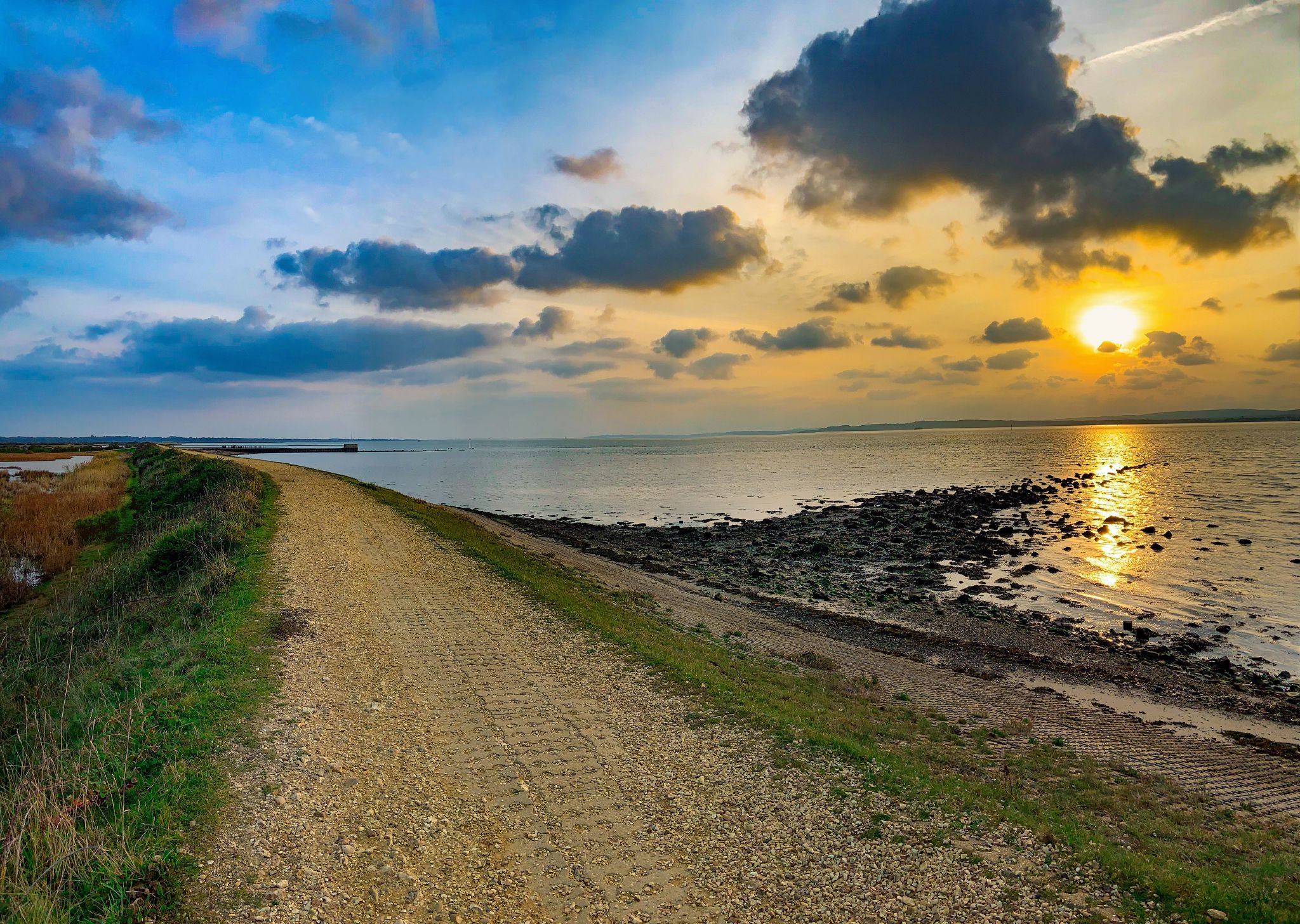
Sandbanks, sea stacks and salt marshes — Bournemouth Coast Path
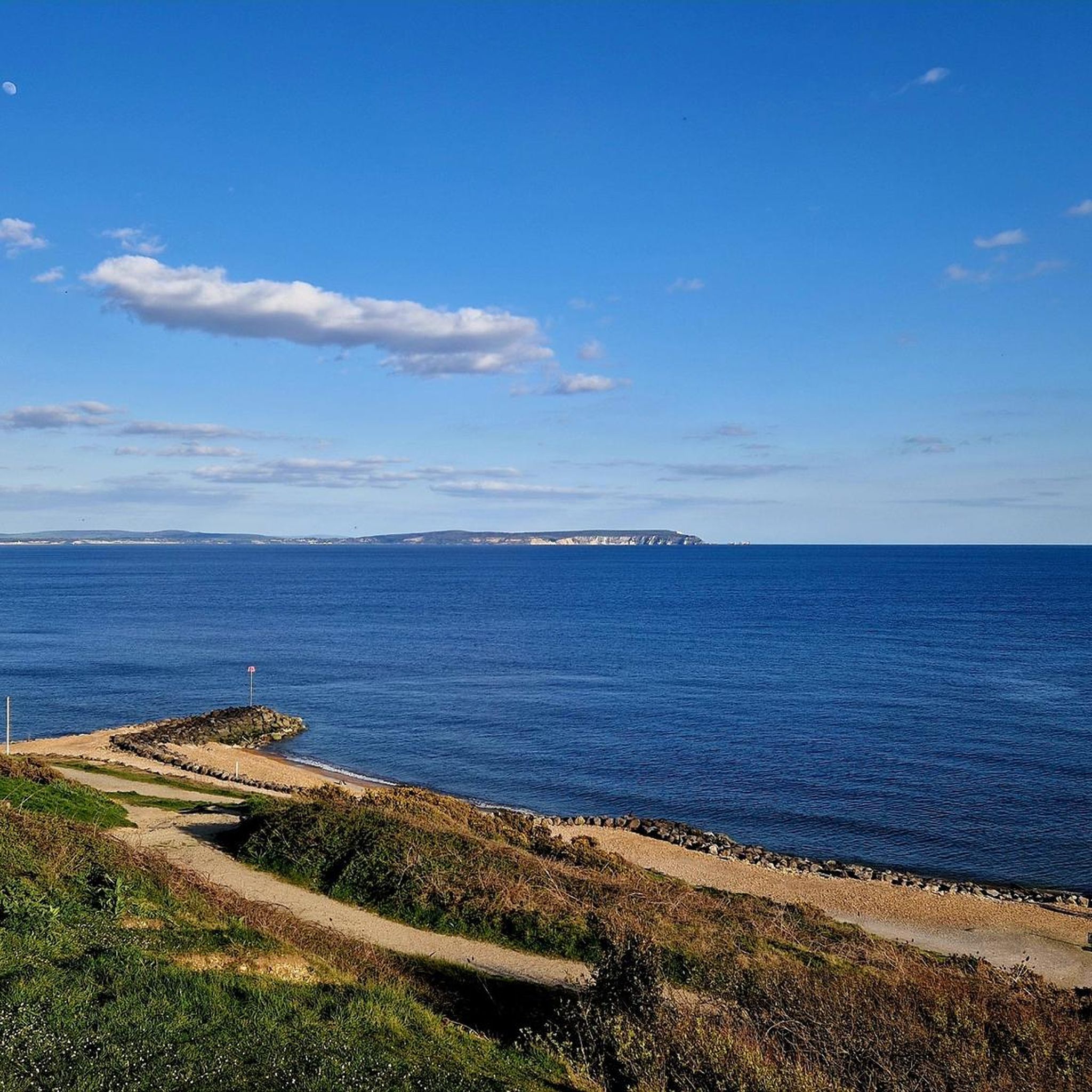
Road Cycling Routes around Highcliffe And Walkford
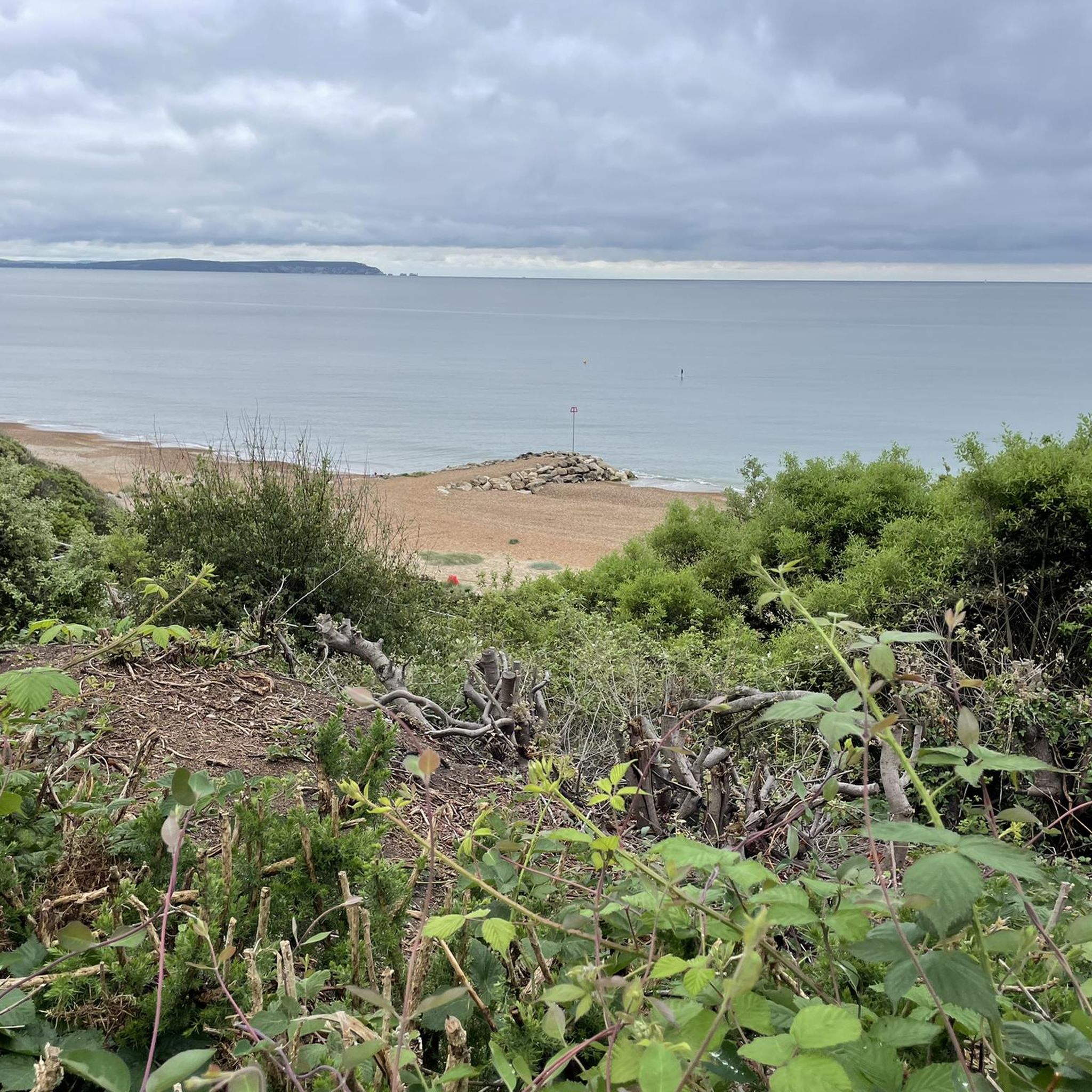
Cycling around Highcliffe And Walkford
Hiking around Highcliffe And Walkford
Running Trails around Highcliffe And Walkford

Gravel biking around Highcliffe And Walkford
MTB Trails around Highcliffe And Walkford
Other adventures around Highcliffe And Walkford

Tips from the Community

As others have said, the area around this pond is crucially important for endangered birds from April to August and should be avoided during these months to give the wildlife the time and space it needs to safely raise their babies.
0
0

If you're walking with a dog that has a tendency to find mud, I recommend keeping it on a lead on the sea wall if the sea is any distance at all from the wall. Smelly, gloopy mud is present just about anywhere between Lymington and Milford-on-Sea!
0
0
Walked to this pond early April. Ground comparatively dry due to very low rainfall in March. No signage seen for nesting birds.
0
0

Just to note that this small section of trailway has some looser stones which will be unsuitable for slimmer (road bike) tyres but the further you travel West towards Ringwood, the surface becomes more forest like and therefore more pleasant to ride on.
0
0

Also known as Hurst spit, is a hook-shaped shingle spit which extends for 1.4 miles (2.25 km) from the Hampshire shore into the Solent towards the Isle of Wight. The spit forms a barrier which shelters a Site of Special Scientific Interest known as Hurst Castle And Lymington River Estuary. The spit shelters an area of saltmarsh and mudflats known as Keyhaven and Pennington marshes. At the end of the spit is Hurst Castle, an artillery fortress originally built on the orders of King Henry VIII ( not a very nice man at all ), and much enlarged in the 19th century. Hurst Point Lighthouse was built on the end of Hurst Spit in the 1860s.
0
0
Great gravel track section, my Maxxis tyres just love this type of terrain
0
0
Known as the ‘Castleman’s Corkscrew’ due to the shape it cut across the forest and Charles Castleman who promoted it The now disused railway line was first proposed in 1844 and ran from Southampton to Dorchester. The line was only disassembled in the 1960’s with over a hundred years of use and today forms part of the National Cycle Network. The route begins in Brockenhurst, a charming village in the centre of the New Forest. Brockenhurst has great links by rail to explore the Forest car free. A place to unwind and spend time enjoying the outdoors. Brockenhurst has plenty of amenities, refreshments, places to stay and more.
0
0
Lymington and Keyhaven Marshes is a beautiful area of coastline. The internationally important coastal marshes and mudflats are teeming with fish and, as a result, thousands of sea birds and waders flock here. The Trust leases the offshore coastal marsh and mudflats to help protect this unique and historical coastal habitat. Covering nearly 740 hectares between the mouth of the Lymington River and the village of Keyhaven, this coastal reserve offers fantastic views across the Solent to Hurst Castle and the Isle of Wight. Although this is our largest nature reserve, it is not one for exploring but for admiring the stunning vistas. Visit in the spring to see arriving migrant birds such as wheatear, swallow and tern. Vast numbers of black-headed gull can be found nesting on the islands among the mudflats and open water. Out at sea, cormorant dive for fish beneath the waves. Listen to the distinctive high-pitched sounds of redshank and oystercatcher as they wade through the marshes, looking for crustaceans, fish and molluscs to feed on. In summer, discover specialist, salt-tolerant plants among the shingle banks on Hurst Spit. Yellow horned-poppy, sea campion and sea aster flourish here, surviving the salt spray carried on the breeze.
0
0
Frequently Asked Questions
What historical landmarks can I explore in Highcliffe And Walkford?
The most prominent historical landmark is Highcliffe Castle, a magnificent Grade I listed building with intricate French Gothic architecture. It has a rich history, once home to Lord Stuart de Rothesay and later rented by Harry Gordon Selfridge. The castle grounds offer direct access to the beach. You can also find the simple grave of Harry Gordon Selfridge in St Mark's Churchyard.
Are there any natural reserves or scenic viewpoints to visit?
Yes, the area boasts several natural reserves. Steamer Point Nature Reserve offers diverse woodlands, ponds, and wetlands with coastal views. Chewton Bunny is a nature reserve with ancient woodlands and a miniature gorge. Nea Meadows provides woodlands and waterways within walking distance of Highcliffe village. For a unique natural monument, visit Hurst Spit, a narrow shingle bank stretching into the sea with scenic views towards the Isle of Wight.
What are the best beaches for families or watersports?
Highcliffe Beach is a dramatic stretch of coastline with wheelchair-friendly access, suitable for watersports like windsurfing and kayaking. Friars Cliff and Avon Beaches are popular, sandy, and known for clean seawaters and colorful beach huts, making them family favorites with soft sand and safe waters. Mudeford Sandspit offers a beautiful sandy beach with unspoiled scenery, accessible by ferry from Mudeford Quay.
Are there family-friendly activities or attractions in the area?
Many of the beaches, like Friars Cliff and Avon, are ideal for families. For outdoor adventures, the Castleman's Corkscrew Trailway is a former railway line that's now an excellent flat gravel track, perfect for cycling or walking with children. The nearby New Forest National Park also offers vast open spaces for family exploration.
What kind of walking and cycling routes are available?
Highcliffe And Walkford offers a variety of routes. The Christchurch Coastal Path extends from Highcliffe cliff top to Highcliffe Castle and through Steamer Point Nature Reserve to Mudeford Quay. For cycling, the Castleman's Corkscrew Trailway forms a section of National Cycle Network 2. You can find more detailed hiking routes, including an 8.9 km loop from Highcliffe Castle to Mudeford Quay, and various road cycling and gravel biking options on the hiking guide and cycling guides for the area.
Where can I enjoy wildlife spotting or birdwatching?
Lymington and Keyhaven Marshes are internationally important coastal marshes and mudflats, teeming with fish and thousands of sea birds and waders. You can spot Brent geese, grey plovers, and various terns. Whitten Pond, located in open heathland south of Burley, is popular for observing wildlife like ponies and birds, especially in summer.
Are there any accessible attractions for visitors with mobility needs?
Highcliffe Beach offers wheelchair-friendly access, allowing visitors to enjoy the dramatic coastline. While specific details for all attractions are not available, the flat gravel track of the Castleman's Corkscrew Trailway may also be suitable for some mobility aids.
What is there to do on a rainy day in Highcliffe And Walkford?
On a rainy day, you can explore the interior of Highcliffe Castle, which hosts various events and offers a glimpse into its rich history and architecture. The town of Highcliffe itself features boutique shops where you can browse for unique finds.
What do visitors enjoy most about the attractions in Highcliffe And Walkford?
Visitors particularly appreciate the natural beauty and tranquility of the area. For instance, Whitten Pond is loved for its relaxing shoreline, picnic spots, and wildlife. The Castleman's Corkscrew Trailway is praised as an excellent flat gravel track for cycling and walking. The scenic views from places like Hurst Spit are also highly rated.
Are there any unique local spots or 'hidden gems' worth discovering?
Mudeford Quay is a traditional fishing quay at the mouth of Christchurch Harbour, popular for crabbing and offering ferry services to Mudeford Sandspit. Chewton Bunny, a nature reserve with ancient woodlands and a miniature gorge, historically served as a landing place for smugglers, offering a unique blend of nature and local history.
What is the best time of year to visit Highcliffe And Walkford?
The coastline and beaches are particularly enjoyable during the warmer months for watersports and relaxing. However, the natural reserves like Steamer Point and Chewton Bunny offer peaceful strolls and wildlife spotting year-round. Whitten Pond is especially popular in summer, though some areas around it are restricted for ground-nesting birds from February to July.
Most popular routes around Highcliffe And Walkford
Most popular attractions around Highcliffe And Walkford

Get inspired with the komoot mobile app


Explore more
Still not found the Highlight you’re looking for? See guides of the top attractions in other regions:
