The best walks and hikes around Highcliffe And Walkford
4.6
(1447)
18,496
hikers
32
hikes
Hikes around Highcliffe and Walkford explore a landscape of coastal paths, sandy beaches, and wooded nature reserves on the Dorset coast. The area is characterized by its generally flat terrain, with some gentle inclines along the clifftops, making it accessible for various fitness levels. Many routes offer views of the Isle of Wight and pass notable landmarks such as Highcliffe Castle and the Chewton Bunny nature reserve.
Best hiking trails around Highcliffe And Walkford
- The most popular hiking route is Highcliffe Castle – Mudeford Quay loop from Highcliffe-on-Sea, a 5.5 mile (8.9 km) trail that takes about 2 hours 20 minutes to complete. This route follows the coastline, passing Highcliffe Castle and offering views towards Mudeford Quay.
- Another top favourite among local hiking enthusiasts is Cliffside Steps to the Beach – Highcliffe Castle loop from Highcliffe-on-Sea, an easy 2.4 mile (3.9 km) path. The trail combines a walk along the beach with a path along the clifftop near the castle grounds.
- Local hiking enthusiasts also love the Mudeford Quay – The Norman House loop from Mudeford, a 7.8 mile (12.6 km) trail leading through the area's coastal and urban landscapes, often completed in about 3 hours 10 minutes.
- Hiking around Highcliffe and Walkford is defined by coastal paths, clifftop trails, and walks through nature reserves like Chewton Bunny. The network of routes provides options for both short, easy walks and more moderate hikes.
- The routes in Highcliffe and Walkford are highly rated by the komoot community with an average score of 4.6 stars from over 550 reviews. More than 9,000 hikers have used komoot to explore Highcliffe and Walkford's varied terrain.
Last updated: October 12, 2026
4.7
(20)
444
hikers
8.98km
02:21
70m
70m
Moderate hike. Good fitness required. Easily-accessible paths. Suitable for all skill levels.
5.0
(1)
117
hikers
Easy hike. Great for any fitness level. Easily-accessible paths. Suitable for all skill levels.

4.0
(1)
40
hikers
13.0km
03:17
30m
30m
Moderate hike. Good fitness required. Easily-accessible paths. Suitable for all skill levels.
3.0
(1)
40
hikers
5.85km
01:33
50m
50m
Easy hike. Great for any fitness level. Easily-accessible paths. Suitable for all skill levels.
4.6
(5)
252
hikers
5.25km
01:20
10m
10m
Easy hike. Great for any fitness level. Easily-accessible paths. Suitable for all skill levels.
Get access to more routes and recommendations from other explorers.
Already have an account?
Our route recommendations are based on thousands of hikes, rides, and runs completed by other people on komoot.
Start today with a free account
Your next adventure awaits.
Popular around Highcliffe And Walkford
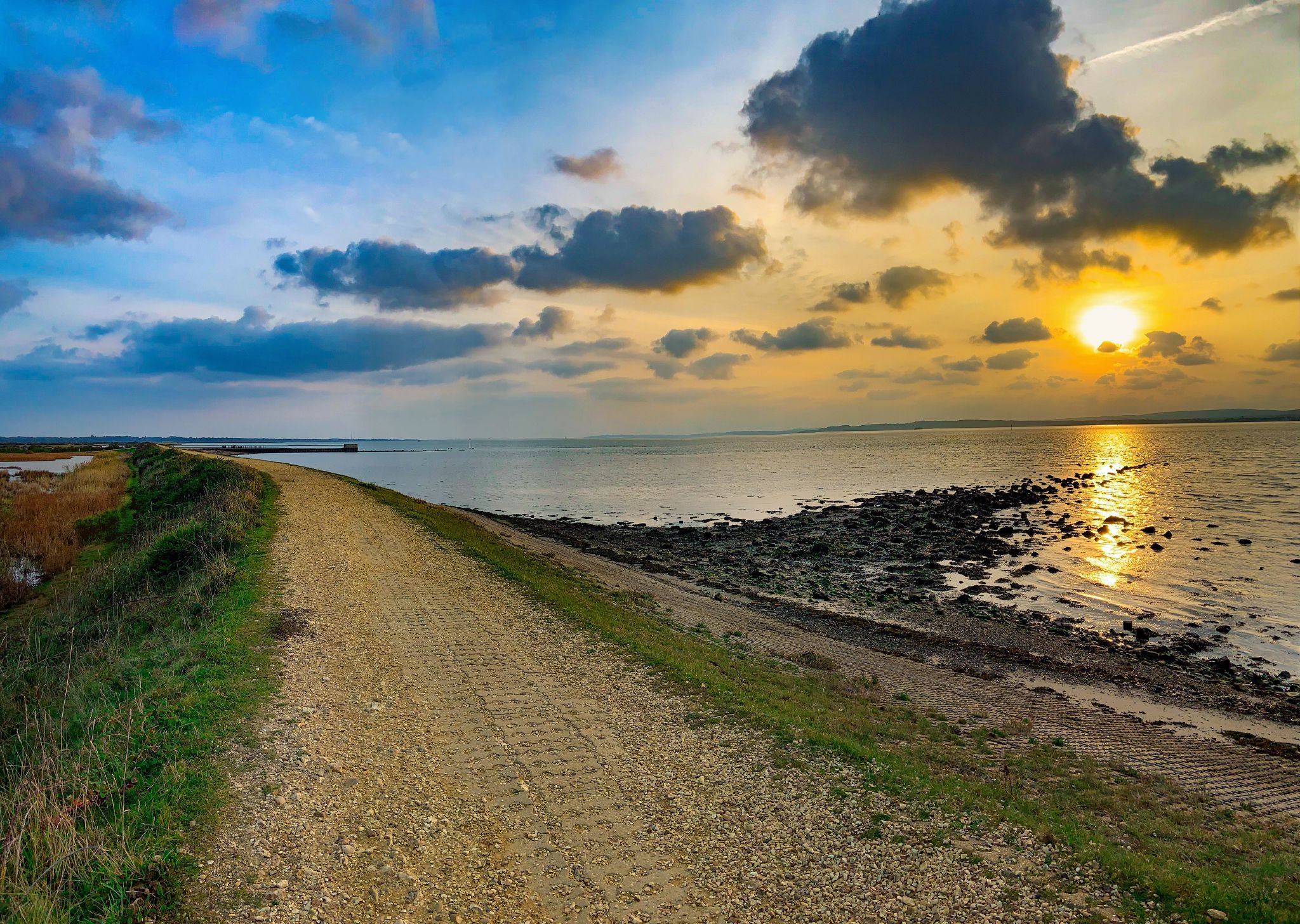
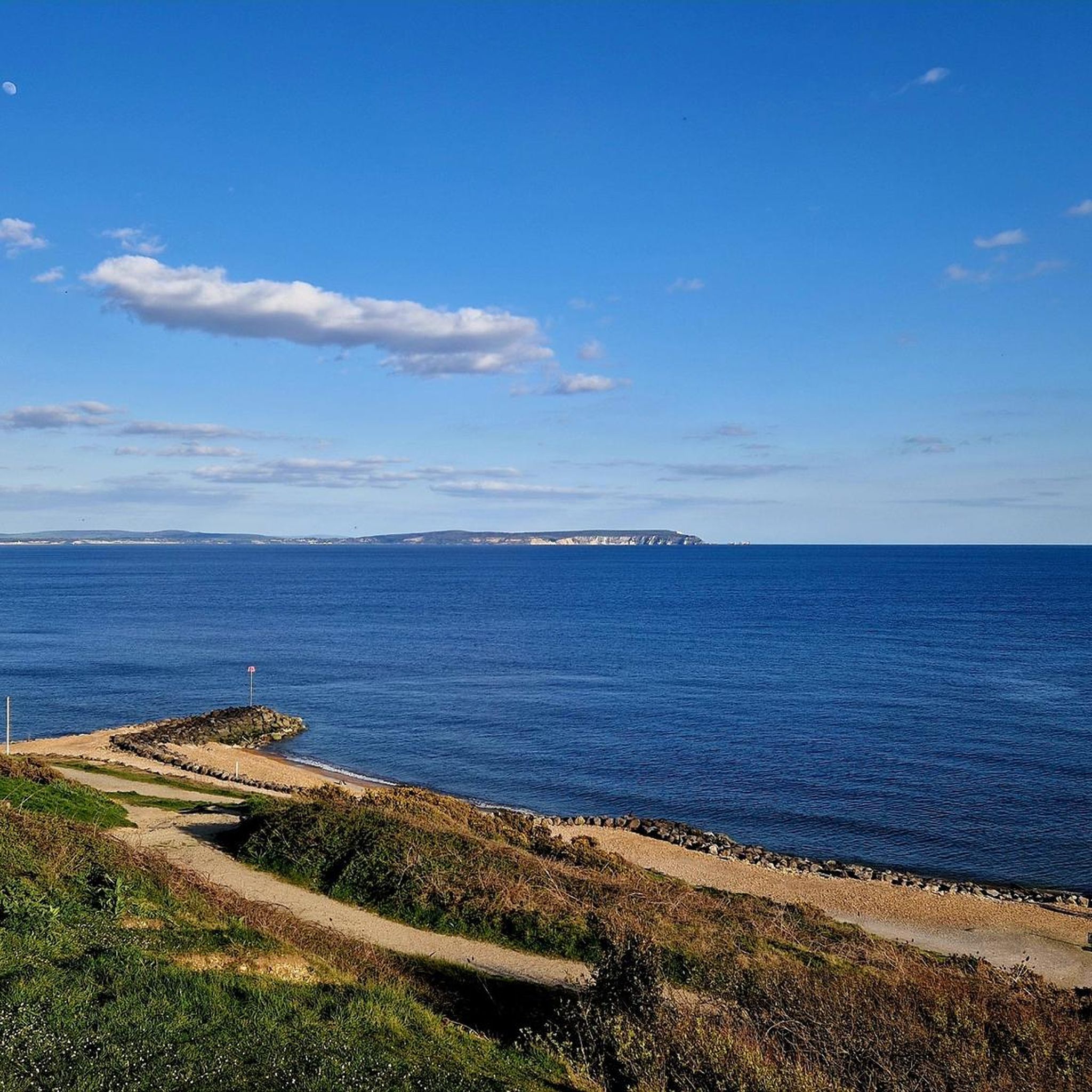
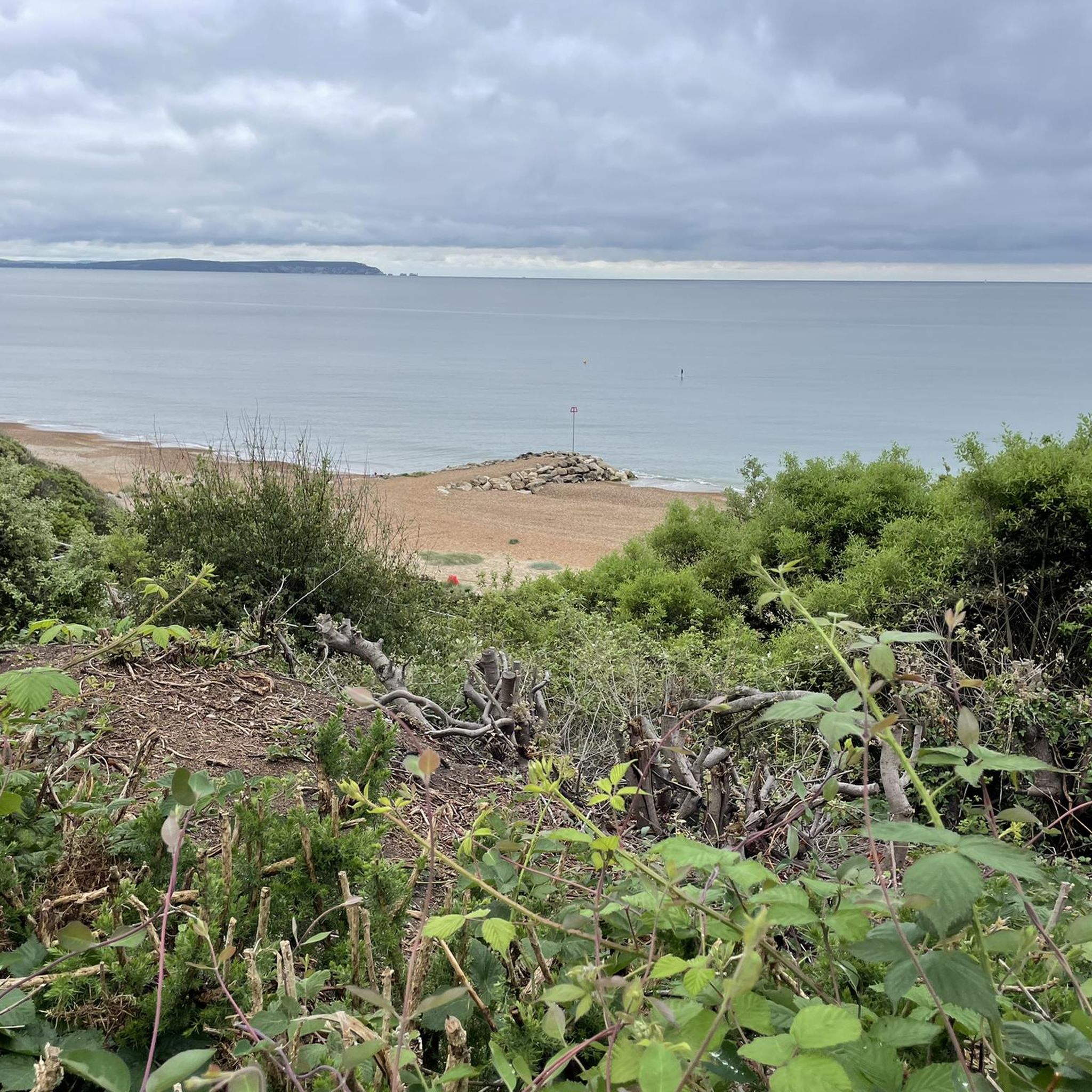
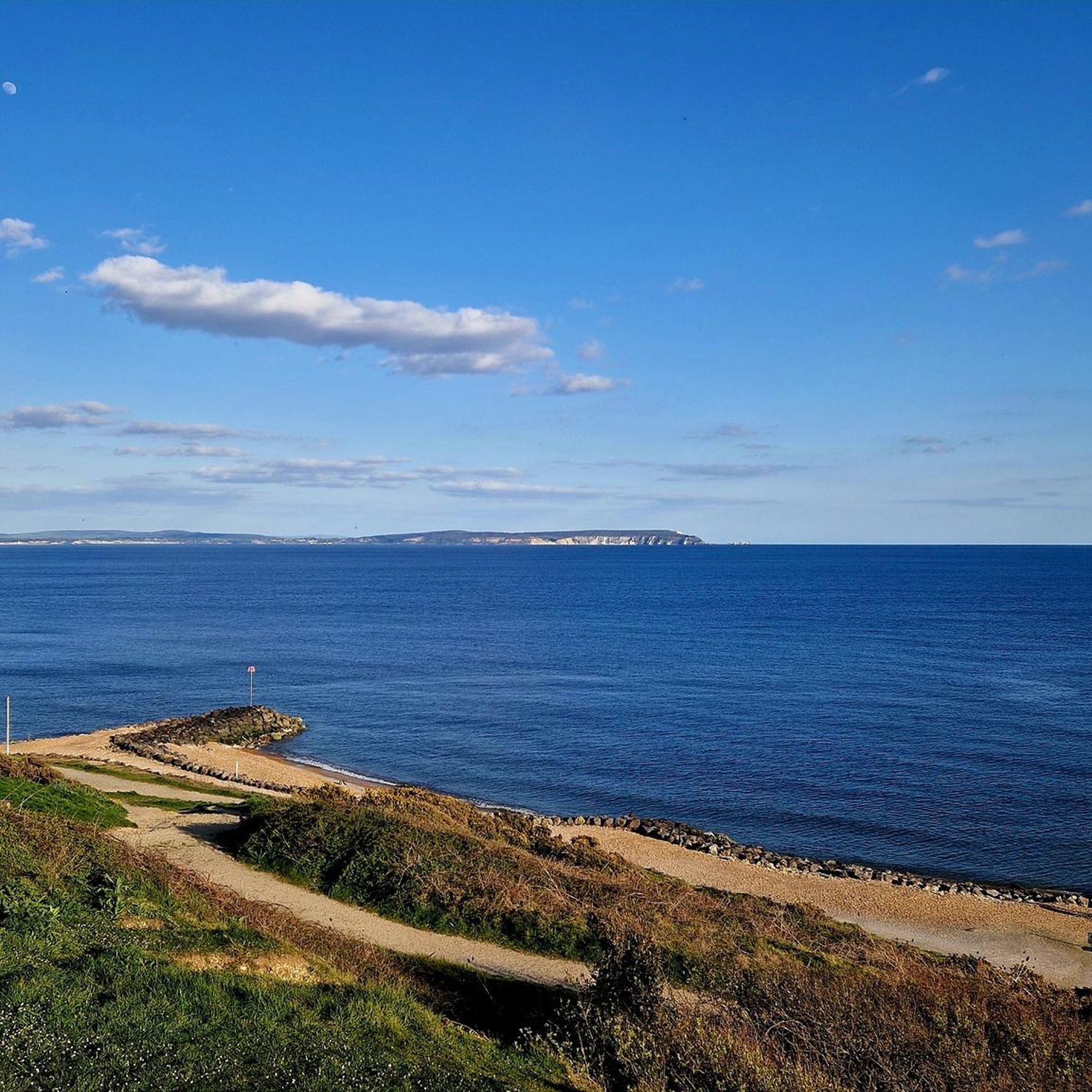

Other adventures around Highcliffe And Walkford

Tips from the Community

If you’re hanging out in Christchurch, you’ve hit the jackpot for a "two-for-one" history fix. The Priory and the Castle Ruins are practically neighbors, separated only by a lovely little stretch of grass and some very photogenic streams. It’s the kind of place where you can spend an hour wandering through ruins and then step into one of the most massive, peaceful churches in England. This is the "rugged" part of the tour. Built in the late 11th century to keep an eye on the harbor, the castle isn't a massive fortress anymore, but what’s left is pretty evocative. The Constable’s House: This is actually the hidden star of the show. It’s a rare example of a Norman domestic house. Look for the old stone chimney—it’s one of the oldest in the country. It sits right on the edge of the Mill Stream, and it’s a great spot to watch the local ducks while imagining life in the 1100s. The Keep: You can still see the remains of the Great Tower sitting atop its "motte" (the big grassy mound). If you’re feeling energetic, you can walk up the path for a better view of the town, though the tower itself is mostly a "shell" these days. The Vibe: It’s totally free to wander through. On a sunny day, you’ll see people sitting on the grass nearby with ice creams. It’s history without the velvet ropes.
0
0


To explain the patronage of this place of worship, which is dedicated not to one person, but to the "Holy Trinity" – that is, God the Father, God the Son, and Holy Spirit; ONE God in THREE Persons – from the publisher's information for the book "GOD, YOU THREE" by Father Reinhard Körner: "For Father Reinhard Körner, the Trinity is... a living, tangible certainty. He takes the reader on a journey of discovery through his personal faith story: toward the one God in three Persons – toward God who is community. He finds this... Christian view of God in spiritual literature from the past and present, in art, and in theology. Living with the triune God can change one's own faith, one's way of praying, and one's coexistence with other people in the church, and ultimately in society as well. For a God who is in himself community, relationship, and love means hope for all people. A mystery worth rediscovering." (Source: https://www.borromedien.de/produkt-1994/gott_ihr_drei/11241557)
0
0


There’s a hidden flight of steps down the cliff side at this location.
0
0
At the Quay you will find several places to eat and drink as well as areas to enjoy a picnic. It is a great place to take a gentle stroll next to the waters edge and watch all the busy activities taking place. For children and families, crabbing is very popular from the quayside. You can buy nets, buckets and bait from the shop at the end of the Quay if you don't have your own. There is also a children's play area to let the little ones burn off some energy. The Quay is a popular sailing and windsurfing destination throughout the year and holds a number of dinghy championships. Many other events are also held here including seafood festivals, fun days, arts festivals and the annual Lifeboat Week.
0
0
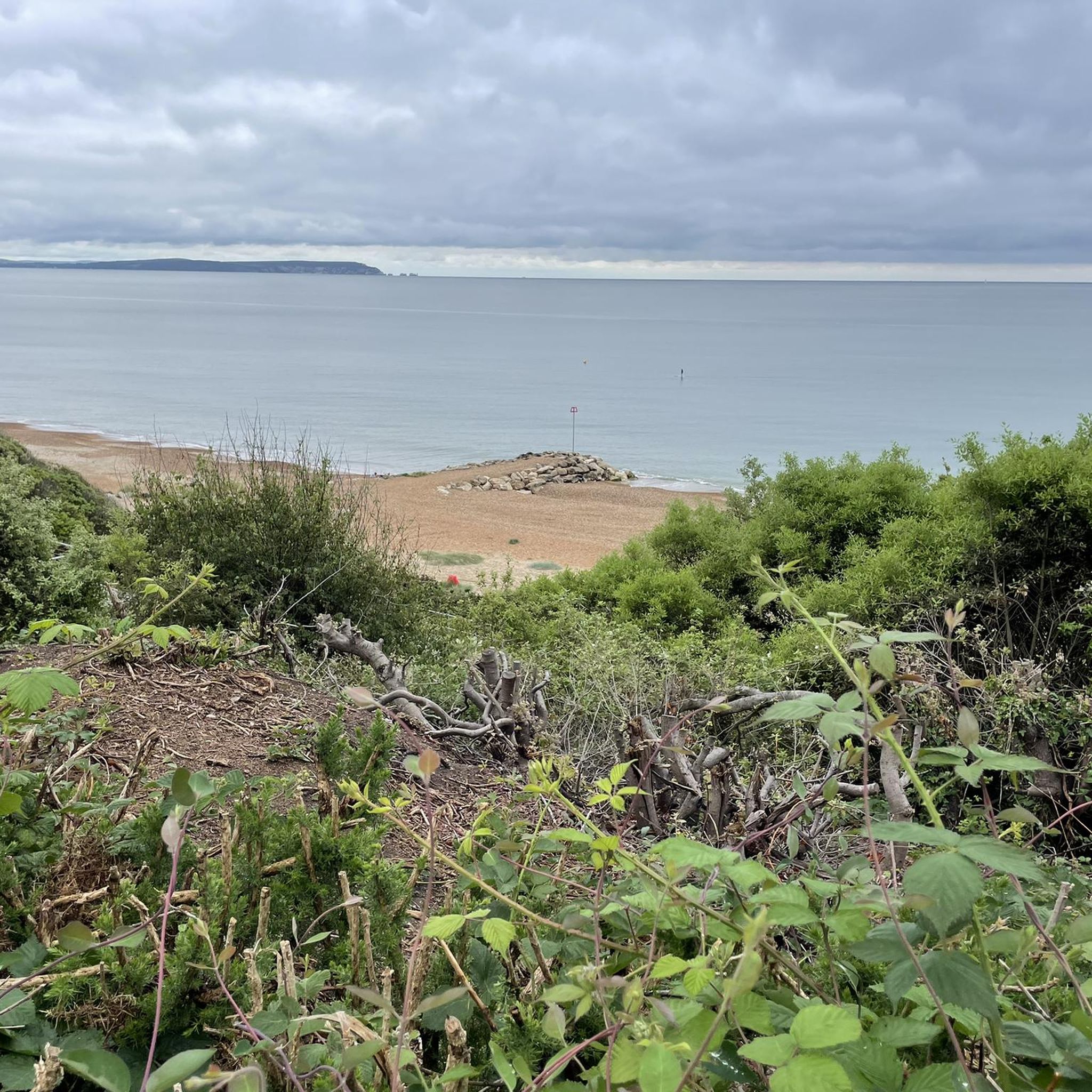
The sand and shingle beach below the cliffs is generally fairly quiet and remains largely undeveloped. At low tide a good expanse of sand is exposed. The beach can be accessed either from Highcliffe Castle or by taking the mile-long path from Friar’s Cliff Beach. For much of the length of the beach a raised promenade runs along the base of the cliffs. Dogs are allowed on beach, but best on a lead, also a car park is nearby with room for 200 vehicles.
1
0
Christchurch Castle is a Norman motte and bailey castle in Christchurch, Dorset, England. The earliest stonework has been dated to 1160. The castle's site is inside the old Saxon burh dominating the River Avon's lowest crossing.The castle is believed to stand on the site of an earlier wooden fort built in 924 following the capture of the town ramparts in 901 by King Æthelwold of Wessex, and subsequently fortified with a motte by King Edward the Elder.[2] After the Norman Conquest of 1066 the castle's defences were strengthened by the addition of a ditch and bailey surrounded by a wooden palisade. The wooden fort was eventually replaced with a stone keep. The Norman castle was a strategic defensive structure controlled by the King's constable until King Henry I granted it as the caput of a feudal barony to his cousin Richard de Redvers, feudal baron of Plympton, Devon. While the Saxon defences had been against outside threats such as Viking raiders, the Norman fortress was more concerned with subduing the local populace. It was also a useful base for enforcing the New Forest Laws. The castle controlled the harbour and inland access via the Rivers Avon and Stour. The earliest masonry has been dated to c. 1160, and there is documentary evidence of the castle existing in c. 1130. Richard de Redvers is often named as the castle's first builder, although there is little documentary evidence of this, and this castle may well have been on the site of the earlier Saxon castle. The castle was rebuilt by Baldwin de Redvers to resist King Stephen during the civil war with the Empress Matilda in 1147. A great tower was built probably around 1300. The castle again saw action during the Civil War of 1642–1651. The Parliamentarians were allowed to take control of the castle in 1644. The Royalists laid siege to it for 3 days, demolishing houses on the corner of Church Street and Castle Street in order to site their cannons. The Royalists were unable to take the castle and Oliver Cromwell, fearing such a powerful stronghold, ordered it to be slighted in 1652. The castle is now in ruins; a couple of the keep walls remain and the remains of a rectangular moat.
0
0
Frequently Asked Questions
Are there any easy, family-friendly walks around Highcliffe?
Yes, the area is great for families. Many of the coastal paths are flat and well-maintained. For a shorter, accessible walk, consider the Cliffside Steps to the Beach – Highcliffe Castle loop from Highcliffe-on-Sea. It's under 4 km and combines a stroll along the beach with lovely clifftop views near the castle grounds.
What are the best circular walks in the area?
Highcliffe offers several excellent circular routes that bring you back to your starting point. For a straightforward loop with coastal scenery, the Highcliffe Castle loop from Mudeford is a popular choice that takes you along the cliffs and past the historic castle.
Are dogs allowed on the walking trails near Walkford and Highcliffe?
Many trails in the area are dog-friendly. For a walk that dogs particularly enjoy, head slightly inland to St Catherine's Hill. It's a highly-regarded spot with a mixture of woods and open heathland, offering plenty of space for dogs to explore. Note that seasonal restrictions may apply on some beaches, so it's always best to check local signage.
Where can I find walks with good views?
For stunning sea views, any walk along the clifftop path between Highcliffe and Mudeford will deliver, with clear days offering views of the Isle of Wight and The Needles. The grounds of Highcliffe Castle and the nearby Steamer Point Nature Reserve are particularly good vantage points. For panoramic views over the entire region, St. Catherine’s Hill is a local favorite.
Are there any woodland or inland walks away from the coast?
Yes, if you're looking for a change from the coast, the Chewton Bunny Nature Reserve offers a lovely sheltered walk through a wooded valley with a stream running to the sea. For a more extensive network of forest trails, the New Forest National Park is just a short drive away, with countless paths through ancient woodlands.
What is the terrain like on the hikes around Highcliffe?
The terrain is generally gentle, consisting of flat coastal paths, sandy and pebbly beaches, and well-maintained clifftop trails. You'll encounter some small hills and slopes, especially on paths leading down to the beach like the Highcliffe Castle Zig Zag Path, but most routes are not overly strenuous. The area has 20 easy and 11 moderate routes, with very few rated as difficult.
Where is the best place to park for a coastal walk?
There are several car parks along the coast. The Highcliffe Castle car park is a convenient starting point for many walks, including those exploring the castle grounds and Chewton Bunny. Alternatively, there are car parks at Steamer Point and Mudeford Quay, which are ideal starting points for walks heading east or west along the coastline.
Can I get to the walking trails using public transport?
Yes, Highcliffe and the surrounding areas are accessible by public transport. Local bus services connect Highcliffe-on-Sea with Christchurch, Mudeford, and other nearby towns, with stops often located close to the start of popular coastal and inland trails. Hinton Admiral is the nearest train station, which is a walk or short bus ride from the main coastal paths.
What do other hikers enjoy about the trails in Highcliffe and Walkford?
The area is highly rated by the komoot community, with an average score of 4.6 stars. Hikers often praise the stunning coastal views, particularly of the Isle of Wight, and the variety of walks available, from beach strolls to woodland trails. The well-maintained paths and the dramatic backdrop of Highcliffe Castle are also frequently mentioned highlights.
Are there any pubs or cafes on the walking routes?
Yes, you can easily combine a walk with a stop for refreshments. The area around Mudeford Quay has several popular pubs and cafes, making it a perfect end-point for a coastal walk. You'll also find options in Highcliffe village centre, just a short detour from the main cliff path.
What is Chewton Bunny?
Chewton Bunny is a beautiful nature reserve located in a wooded coastal valley, or 'chine', in Highcliffe. It features a tranquil walking trail that follows a stream down to the sea. It's a great spot for a quieter walk away from the open clifftops and is known for its rich wildlife and history as a former smugglers' landing place.
How long is the walk from Highcliffe to Mudeford Quay?
The walk from Highcliffe to Mudeford Quay is a key part of many local routes. For a dedicated walk between the two, the Steamer Point Beach Huts – Mudeford Quay loop from Mudeford is a great option. This easy 5.3 km walk takes you along the coast and can typically be completed in about 1 hour and 20 minutes.
Most popular routes around Highcliffe And Walkford
Most popular attractions around Highcliffe And Walkford

Get inspired with the komoot mobile app


Explore more
Browse the best Hikes in other regions.
