Attractions and Places To See around Highley - Top 20
Best attractions and places to see around Highley include a diverse range of natural beauty, historical landmarks, and cultural insights. Situated in Shropshire, England, Highley lies on a ridge between the broad Severn Valley and the heavily-wooded Borle Brook valley, offering varied scenery and habitats. The area is known for its rich mining heritage, which is reflected in several local sites, alongside its connection to the River Severn and surrounding woodlands. Highley provides numerous opportunities for exploring both its past…
Last updated: October 18, 2026
Kinver Edge
Highlight • Historical Site
Tip by

Bewdley Bridge
Highlight • Cafe
Tip by

Sign up now to discover places like this
Get recommendations on the best single tracks, peaks, & plenty of other exciting outdoor places.
Victoria Bridge on the River Severn
Highlight • Monument
Tip by

Knowles Mill
Highlight • Historical Site
Tip by
Burlish Top Nature Reserve
Highlight • Natural
Tip by

Sign up for free to discover even more attractions around Highley.
Already have an account?
Start today with a free account
Your next adventure awaits.
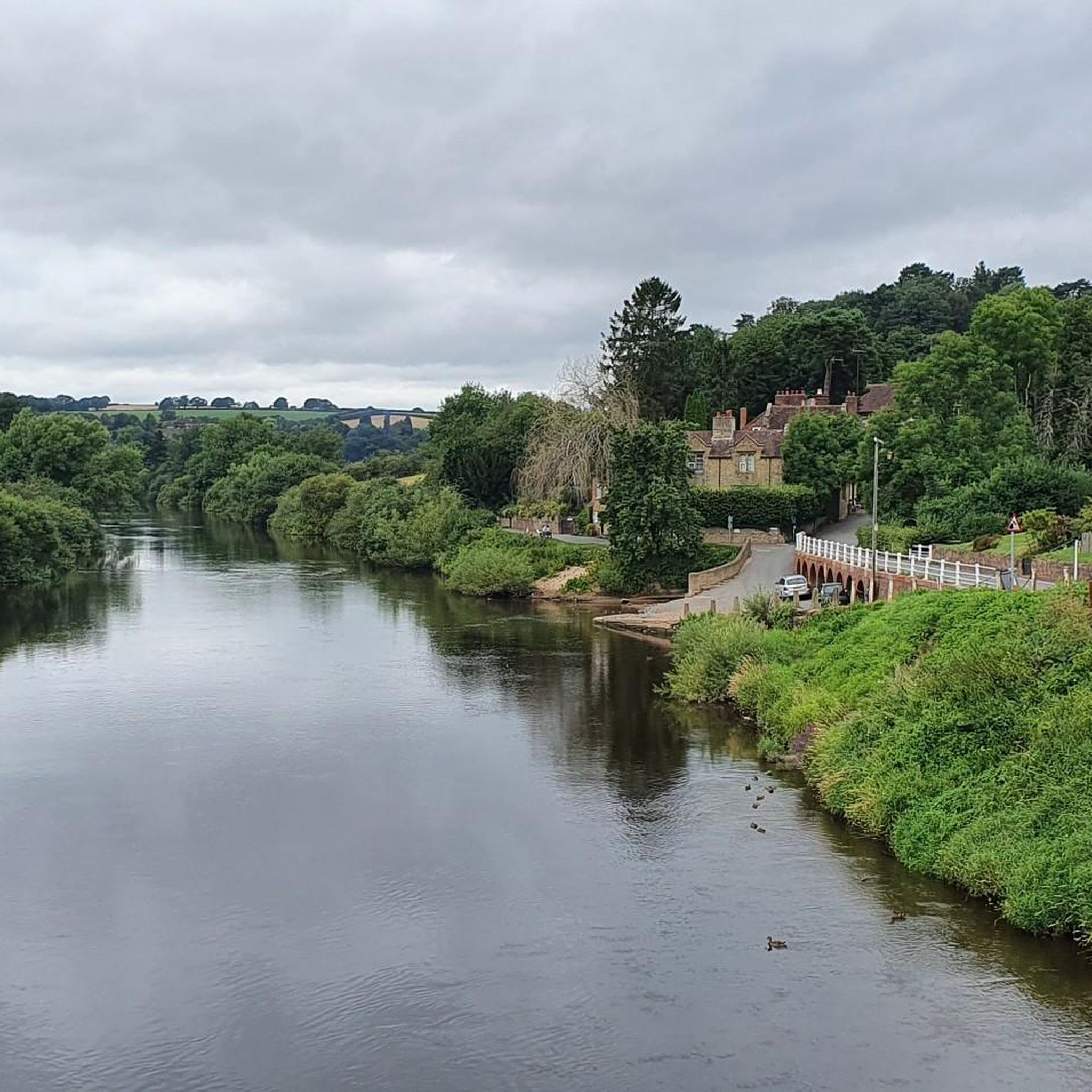

Tips from the Community

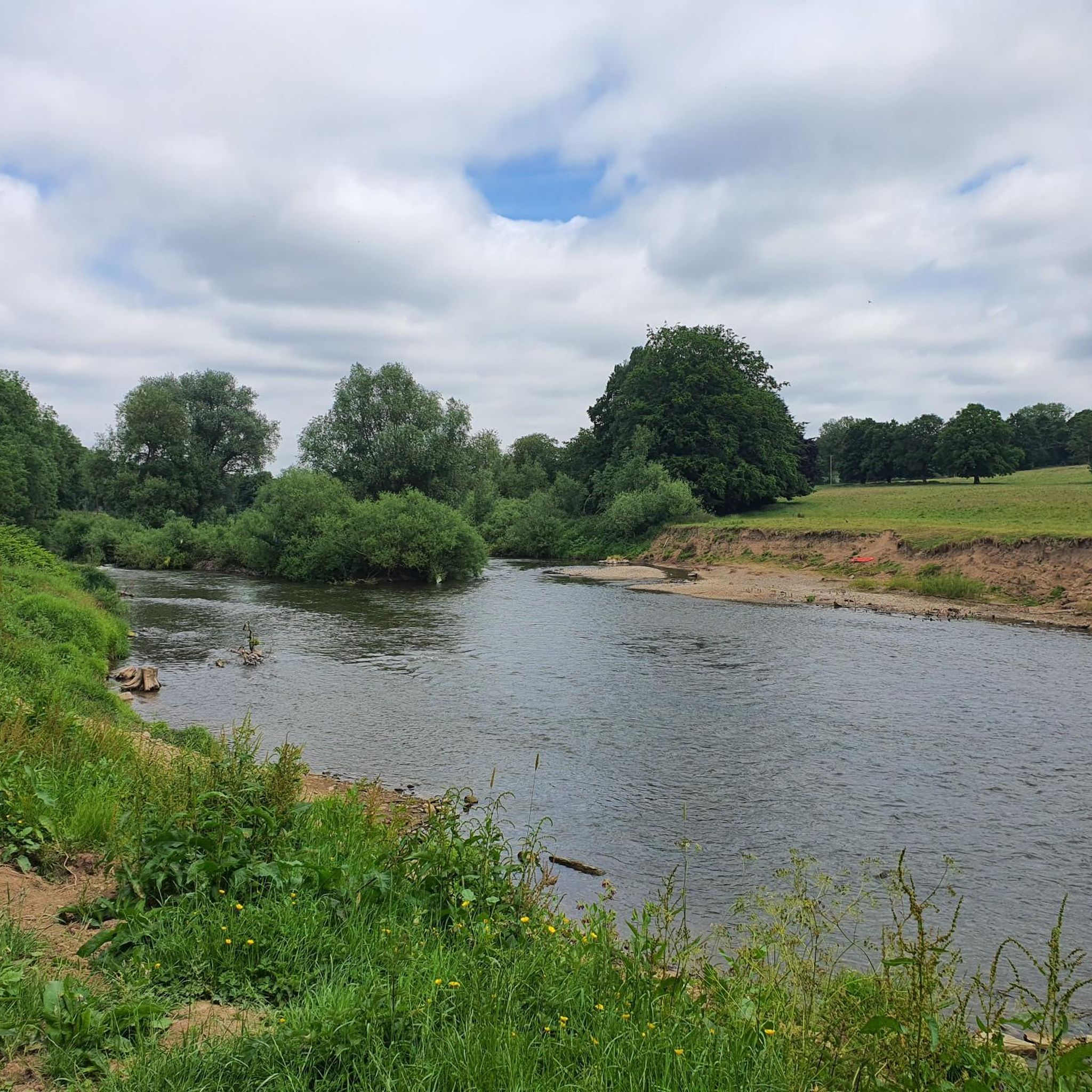
One of the highlights of this part of the Geopark Way, rather better than walking through Stourport.
0
0
Great place to watch the steam trains of the Severn Valley Railway.
0
0
This spot gives one of the best views of the steam trains on the Severn Valley Railway. I went here specifically to watch the Flying Scotsman make a guest appearance to re-open the line after a winter landslide closed it.
0
0


Knowles Mill is the remains of an eighteenth-century water-powered grain mill, located in the Wyre Forest in Worcestershire, England. The mill has been owned by the National Trust since 1938. The mill and its surroundings feature extant machinery, as well as notable populations of adders and wood cranesbill. One of nine possible mills that historically worked on Dowles Brook, Knowles Mill was built in the eighteenth-century, and was later modified in the nineteenth-century. The surviving building is two storeys high and the site also preserves an overshot mill wheel made of iron and a great spur wheel, alongside other remnant machinery. The first record of a mill on the site dates to 1757 when it was listed as for sale in a local newspaper. However there is documentary evidence preceding 1757 that lists owners of the land that the mill was built on. These owners include Arthur Palmer, c.1661, Edward Wheeler, c.1693, Roger Hunt, c.1704, Antony Betts, c.1717, Edward Faulkner, c.1722 and Daniel Crun, c.1735. The first owner of the mill was William Crun, in 1757. It passed through a number of owners, including William and Mary Herbert, William Nicholls and Arthur Nott. The mill takes its name from the Knowles family who worked there from 1803 to the 1870s; earlier names included Coventry Mill and Upper Town Mill. The first member of the family to be listed as owner was James Knowles. The mill continued in use until 1891, when it became no longer financially viable. It was donated to the National Trust by Paul Cadbury in 1938, along with four acres of orchards. The property was visited by the historian James Lees-Milne during his work as a curator for the Trust. Source: Wikipedia
0
0
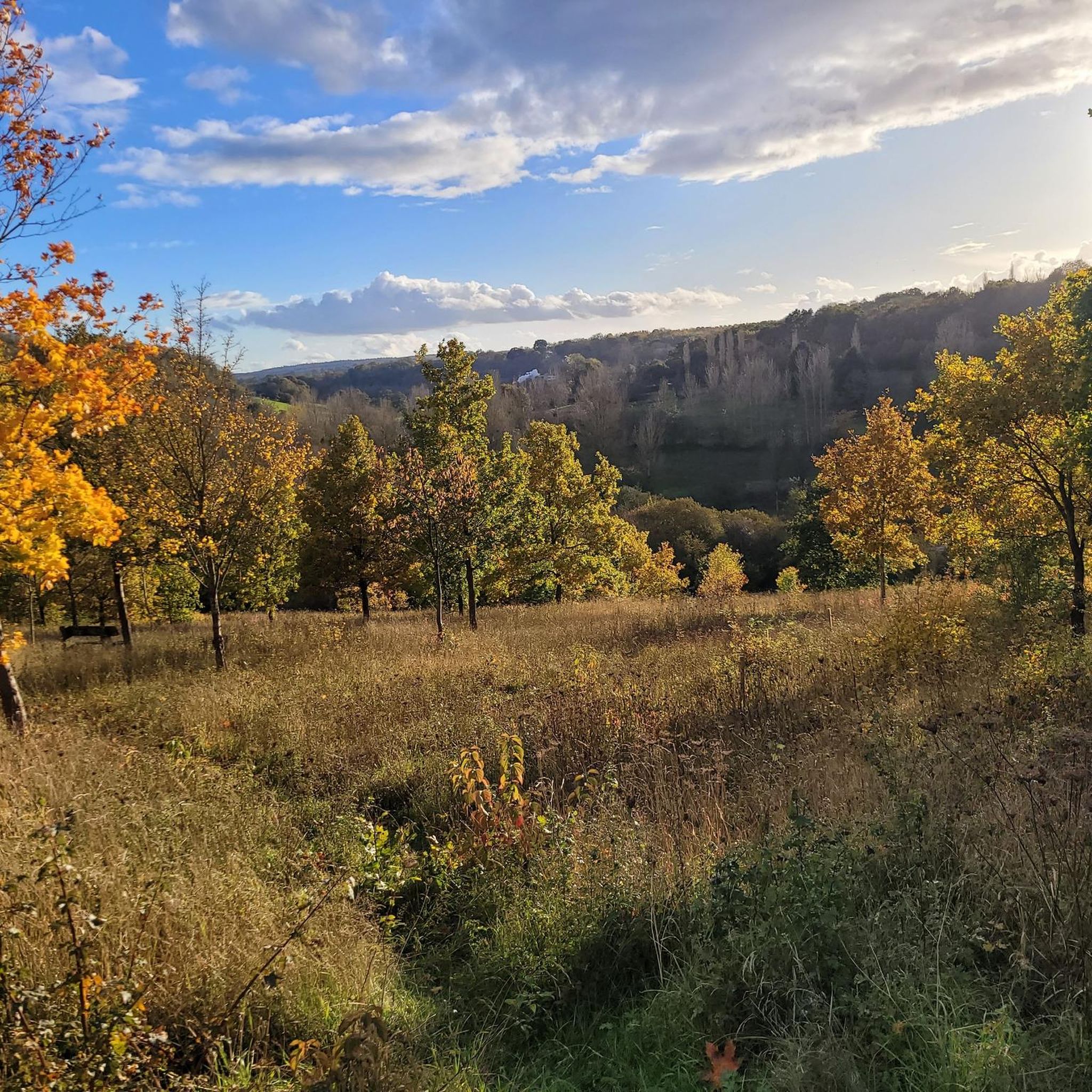
The nature reserve is approximately 35 hectares (86 acres) in size. The dominant habitat is heath and acid grassland, surrounded by oak and birch scrub. The acid grassland has been surveyed by many professional bodies, and Natural England rated it as the best quality acid grassland in the county. Wildlife on the site is typical for what you would expect on a heathland site, while reptiles are scarce due to the levels of disturbance from the public; however common lizard, grass snake and slow worm have been seen. There are many notable species of solitary bee and wasp which make use of the bare sandy soil, as do unusual heathland specialists, the green tiger beetle. The open areas are also utilised by a variety of ground feeding birds such as green woodpecker and as nesting sites for rarities like woodlark. There are a few small pools on site; one in particular supports a good breeding population of smooth newt, common frog, various dragonflies, damselflies and great diving beetle. Although traditionally a heath, this has given way in the main to gorse and broom scrub. There has been an increase in the density of rare grey hair grass after scrub clearance carried out in previous years. The area has an interesting history, with the site being used as a World War II American Army training and hospital camp. All that remains from those days are concrete paths, and some foundations from the original buildings. Much of this has been highlighted along a way marked ‘History’ trail. The website 'Burlish Camp' has more on the history of the site. In addition to the history trail, there are 3 other trails around the site, including 2 easy going routes, which take advantage of the sites historical concrete tracks, and a heathland circular, which also incorporates much of the Rifle Range SSSI. Source: Wyre Forest District Council
0
0
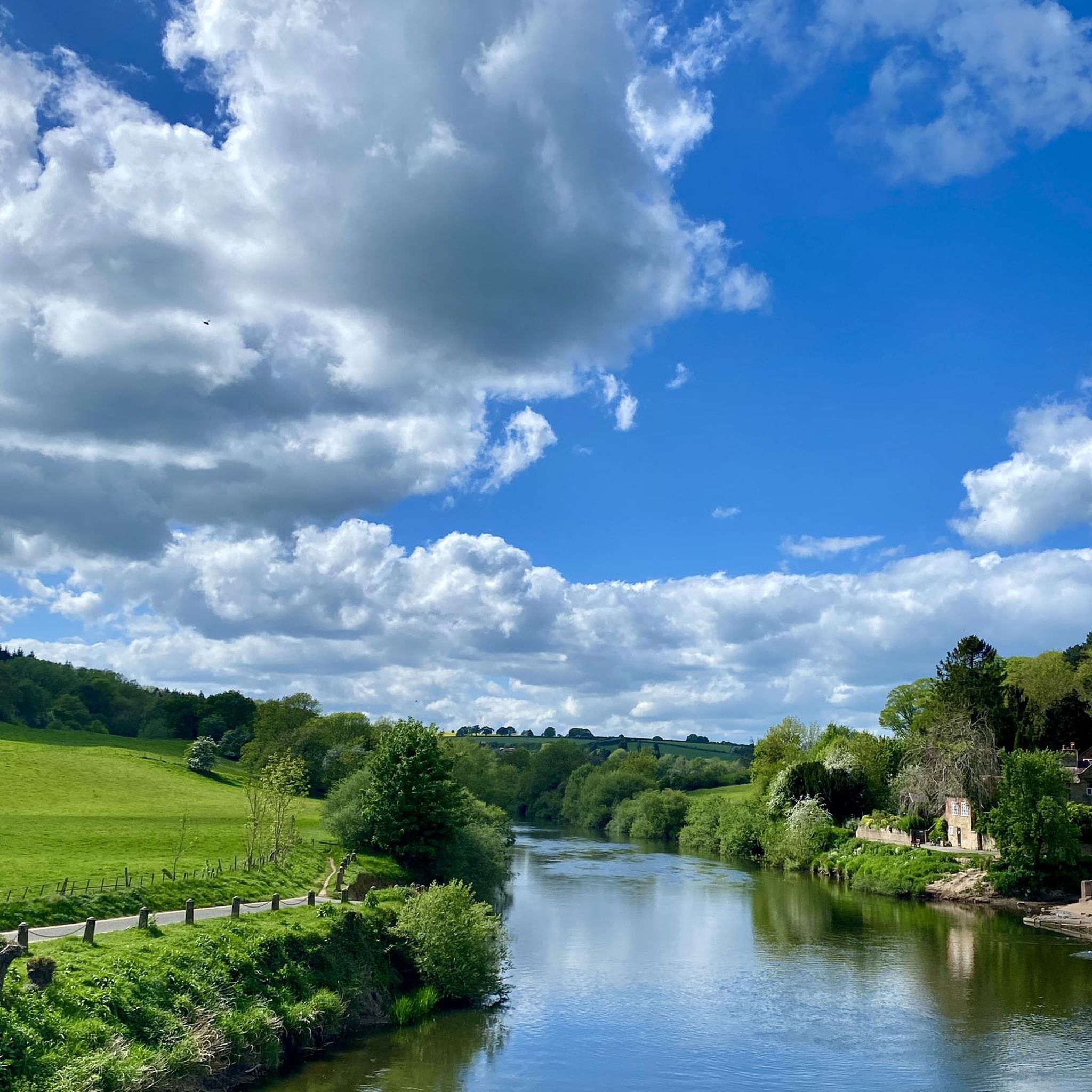
Bewdley was once an important inland port, connecting Shrewsbury with the Midlands and the seaports of Gloucester and Bristol. Originally the quays were shorter and had slipways between them. In time, as more landing space was needed, the quayside walls were joined into one continuous length. The larger boats, known as Severn Trows, carried local goods such as rope and charcoal, metal goods from Birmingham and Staffordshire pottery to the south. They returned laden with woollen cloth, wine, spirits, tobacco, sugar, spices, citrus fruit and dried fish to be sold in market towns across the West Midlands and Welsh borders. This civic space was developed when the Environment Agency built the Town's new flood defences, and incorporates work by artist Elizabeth-Jane Grose. On the lower quayside you can find flowing words relating to the river and the vessels that worked on it. On the upper quayside have a look for the 'cargo-plates' recording forty of the common and less common exports and imports to the Port of Bewdley. Source: Environment Agency
0
0
Frequently Asked Questions
What historical sites can I explore in Highley?
Highley and its surroundings offer a rich history. You can visit the beautifully restored Highley Station, part of the Severn Valley Railway, which also features displays on local history. Explore the village's historic Edwardian centre, including the ancient parish church with parts dating back to Norman times. The Discovery Trail from Highley Station into the village features bronze plaques detailing Highley's history. Further afield, you can find the impressive Victoria Bridge on the River Severn, a Grade II-listed cast iron bridge, and the remains of Knowles Mill, an eighteenth-century water-powered grain mill.
Are there good walking or hiking trails around Highley?
Yes, Highley is a popular destination for walkers. The village is traversed by the long-distance Severn Way and the Jack Mytton Way bridleway. You can also find numerous circular walks starting from Highley Station, ranging from short strolls to over 10 miles. The Severn Valley Country Park, a reclaimed 180-acre former coal mine site, offers four distinct trails: Woodland, Riverside, History, and Easy Access. For more challenging routes, Kinver Edge provides dramatic views and varied terrain.
What natural attractions are there in Highley?
Highley is nestled between the broad Severn Valley and the heavily-wooded Borle Brook valley, offering diverse scenery. The Severn Valley Country Park is a significant natural attraction, with fine views of the River Severn and various trails. Highley is also on the edge of the vast Wyre Forest, providing extensive woodland for exploration. Additionally, Burlish Top Nature Reserve is an 86-acre area of lowland heath and acid grassland, vital for insects, reptiles, and rare plants.
What outdoor activities can I do near Highley?
Beyond walking and hiking, the area around Highley is excellent for cycling, running, and mountain biking. You can find various routes for these activities, such as the 'Astbury Falls – National Cycle Route 45 loop' for cycling, 'Settling Pond – Trimpley Reservoir loop' for running, and 'Dudmaston Comer Woods and Lake – Comer Woods Forest Path loop' for mountain biking. For more details on routes, explore the cycling, running, and MTB guides around Highley.
Are there family-friendly attractions around Highley?
Absolutely! Families can enjoy the Severn Valley Country Park with its easy access trails and Visitor Centre. The Severn Valley Railway, with its restored Highley Station, offers a fun experience for all ages. Nearby, Burlish Top Nature Reserve is family-friendly, offering space to ramble. For a unique experience, Rays Farm Country Matters, a short distance away, features over 50 owls, various deer breeds, and a woodland sculpture trail.
What are some unique historical landmarks in the Highley area?
Beyond the well-known sites, Highley boasts several unique historical landmarks. These include the Donkey Bridge, an attractive early 18th-century twin-arched packhorse bridge, and Brooksmouth Bridge, a towpath bridge constructed from cast iron in 1828 by the Coalbrookdale Company. The planned mining community of Garden Village, developed before World War I, is also a good example of an early industrial garden village, offering a glimpse into the region's past.
Where can I find good views in Highley?
Highley's location on a ridge provides excellent viewpoints. The Severn Valley Country Park offers fine views of the River Severn. For more expansive vistas, a ramble along Kinver Edge rewards you with dramatic views that include the Clent Hills, Shropshire Hills, Wenlock Edge, and the Malvern Hills.
What is the best time to visit Highley for outdoor activities?
The region around Highley is enjoyable year-round, but spring and autumn offer particularly pleasant conditions for outdoor activities with milder temperatures and beautiful scenery. Summer is ideal for enjoying the heated lido at The Severn Centre. Always check local weather forecasts before heading out, especially for longer walks or cycling routes.
Are there any places to eat or drink near the attractions?
Yes, the village centre of Highley has local amenities. For riverside options, Bewdley Bridge is a lovely small town nearby where you can find pubs, cafes, and places to eat by the river. The Severn Valley Country Park also has a Visitor Centre with refreshments.
What is the significance of the Severn Valley Railway in Highley?
The Severn Valley Railway is a significant heritage railway, and Highley Station is a key stop. The beautifully restored station provides regular train services through the picturesque Severn Valley, connecting visitors to the region's railway history. It's a major attraction that highlights the area's industrial heritage and offers a unique way to experience the landscape.
Can I learn about Highley's mining heritage?
Yes, Highley has a strong mining heritage. The Discovery Trail features plaques that interpret Highley's history, including its mining past. The Miners' Memorial, located in the Severn Valley Country Park, is a piece of public art commemorating the village's mining history. The planned community of Garden Village also stands as a testament to the workers of Billingsley Colliery.
Are there any unique wildlife spotting opportunities?
The natural areas around Highley offer chances for wildlife spotting. Burlish Top Nature Reserve provides a vital habitat for insects, reptiles, and rare plants. On Kinver Edge, you might spot adders, common lizards, skylarks, buzzards, and great spotted woodpeckers in the heathland and woodland.
Most popular attractions around Highley

Get inspired with the komoot mobile app


Explore more
Still not found the Highlight you’re looking for? See guides of the top attractions in other regions:
