The best walks and hikes around Highley
4.6
(855)
5,926
hikers
233
hikes
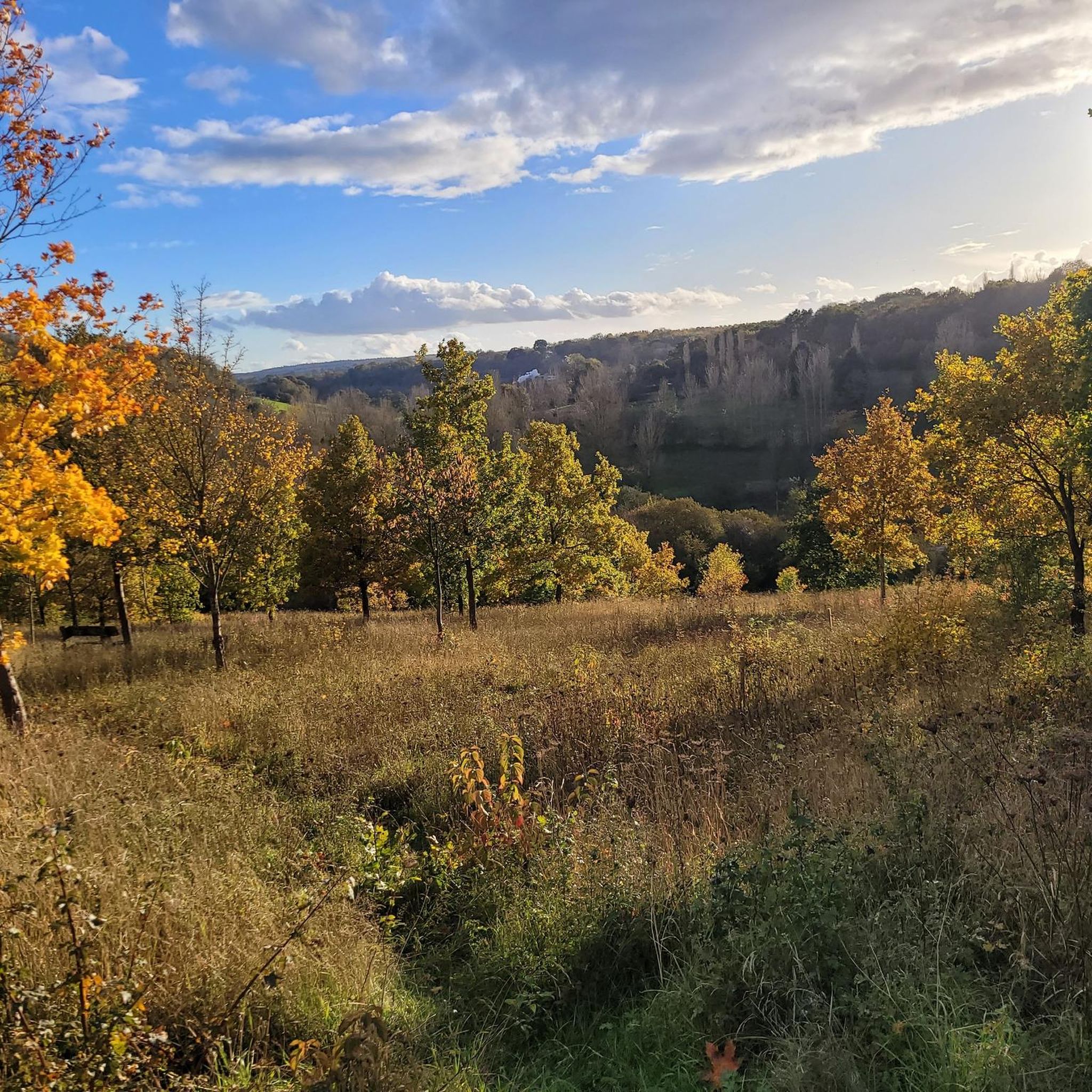
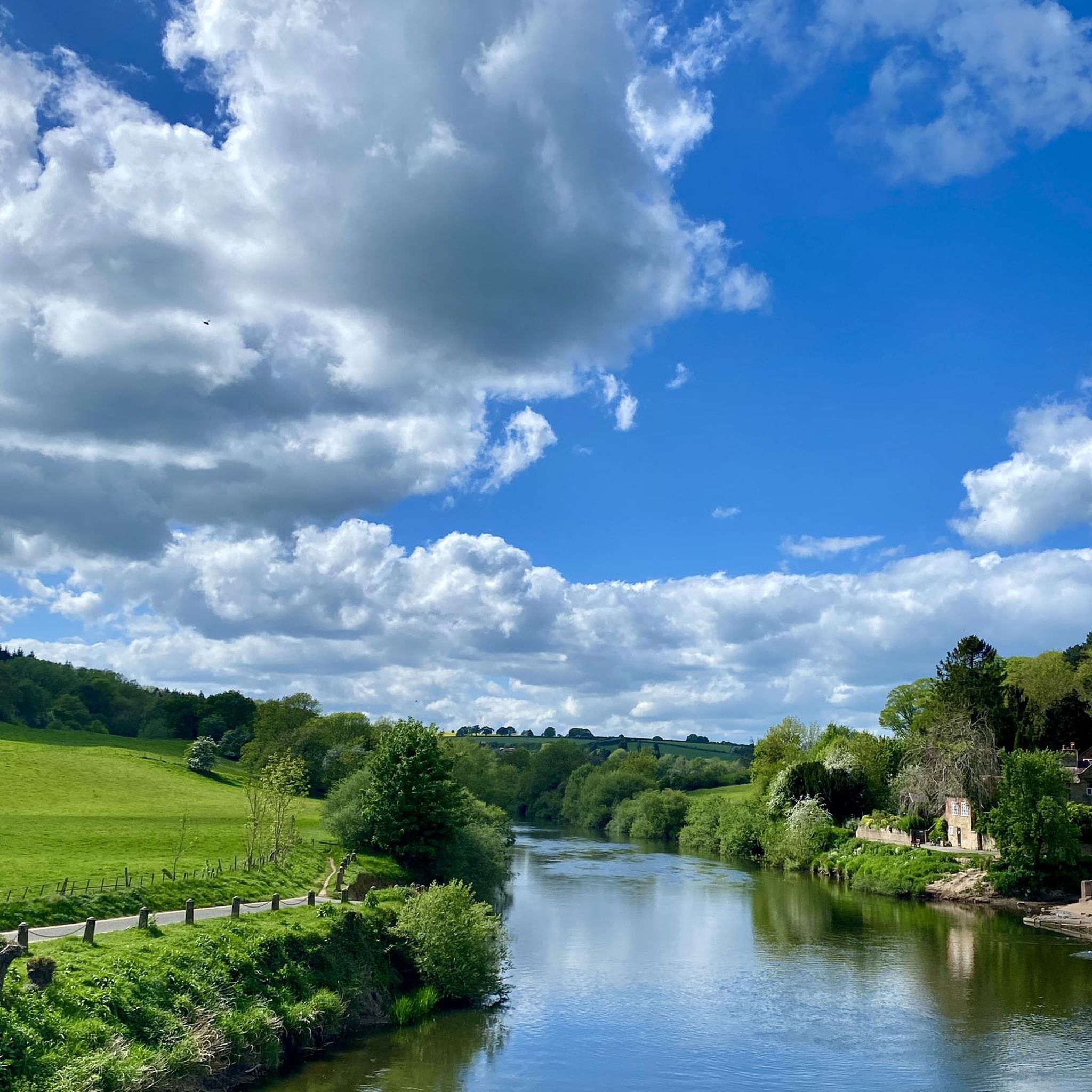
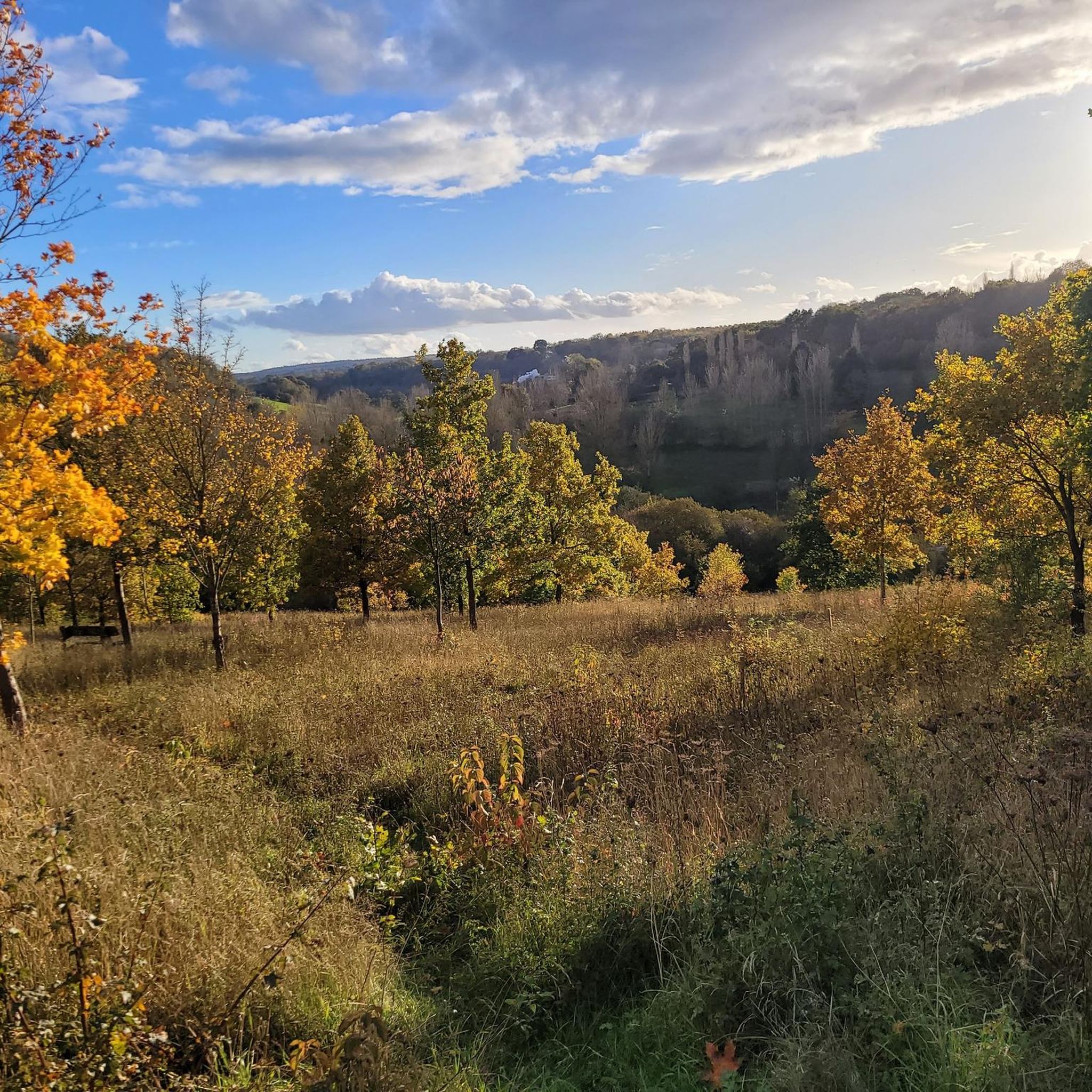
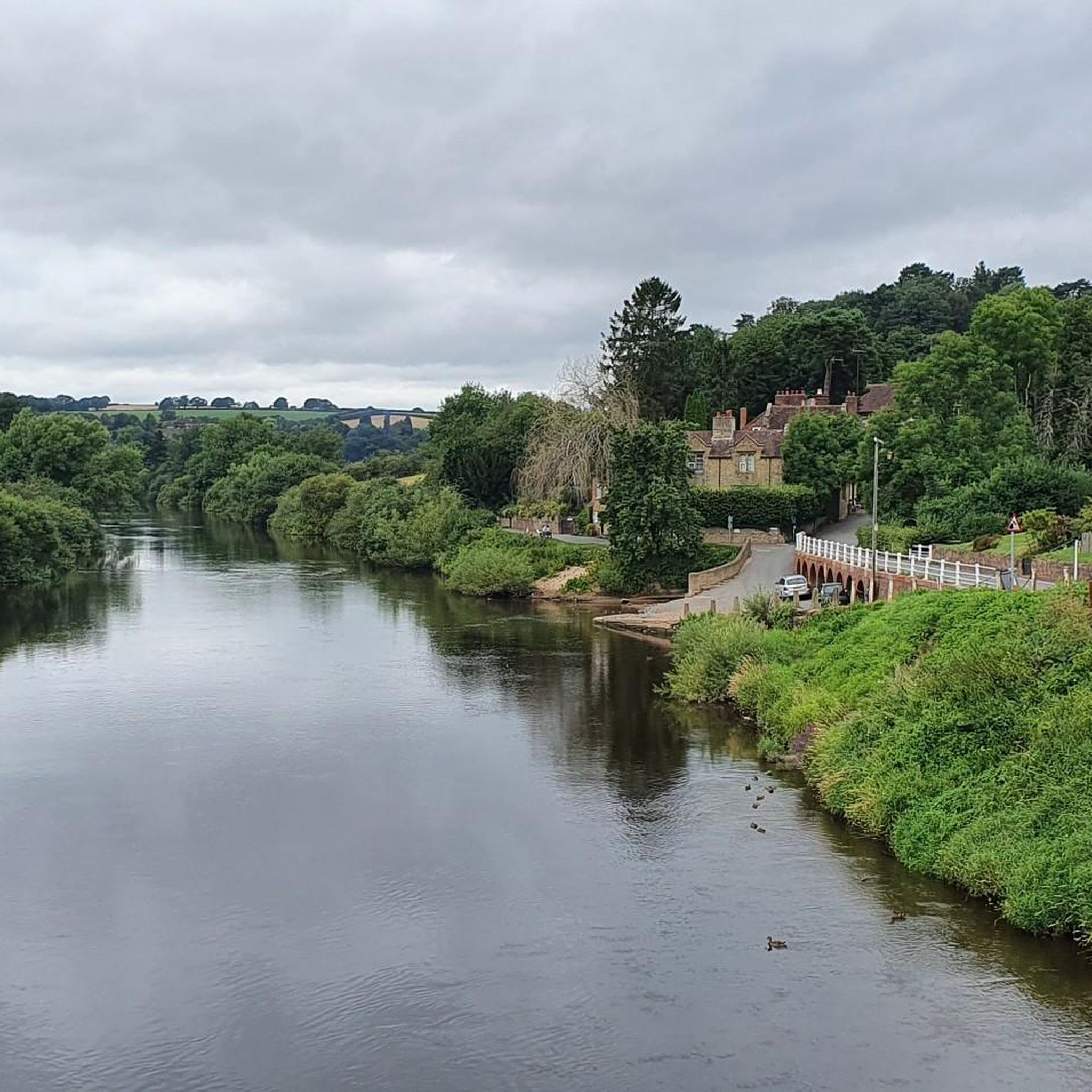
Hiking around Highley offers diverse landscapes characterized by the meandering River Severn and the expansive Wyre Forest. The region features varied woodland paths and hilly terrain, providing views across the Severn Valley. Many routes are found within the Severn Valley Country Park, which includes woodlands, ponds, and meadows along the riverbanks. The area's topography provides a mix of scenery and habitats for outdoor exploration.
Best hiking trails around Highley
- The most popular hiking route is Highley Railway Station – Highley and Alveley Footbridge loop from Highley, a 7.4 miles (11.9 km) trail that takes 3 hours 9 minutes to complete. This moderate route connects the railway station with the scenic Highley and Alveley Footbridge, offering views of the River Severn.
- Another top favourite among local hikers is Severn Valley Country Park – Highley and Alveley Footbridge loop from Highley, a moderate 5.2 miles (8.4 km) path. This trail explores the diverse landscapes of Severn Valley Country Park and crosses the notable footbridge.
- Local hikers also love the Highley Railway Station – Severn Valley Country Park loop from Highley, a 2.6 miles (4.3 km) trail leading through the local landscape, often completed in about 1 hour 9 minutes. This easy route connects two key local points.
- Hiking around Highley is defined by riverside paths along the River Severn, woodland trails through Wyre Forest, and routes within Severn Valley Country Park. The network offers options for different ability levels, from easy strolls to moderate climbs.
- The routes in Highley are highly rated by the komoot community with an average score of 4.6 stars from over 700 reviews. More than 5000 hikers have used komoot to explore Highley's varied terrain.
Last updated: October 9, 2026
4.6
(7)
54
hikers
Moderate hike. Good fitness required. Easily-accessible paths. Suitable for all skill levels.
3.7
(3)
15
hikers
Moderate hike. Good fitness required. Easily-accessible paths. Suitable for all skill levels.

5.0
(1)
20
hikers
Easy hike. Great for any fitness level. Easily-accessible paths. Suitable for all skill levels.
5.0
(1)
14
hikers
Easy hike. Great for any fitness level. Easily-accessible paths. Suitable for all skill levels.
5.0
(1)
19
hikers
Easy hike. Great for any fitness level. Easily-accessible paths. Suitable for all skill levels.
Get access to more routes and recommendations from other explorers.
Already have an account?
Our route recommendations are based on thousands of hikes, rides, and runs completed by other people on komoot.
Start today with a free account
Your next adventure awaits.

Tips from the Community

Nice place for a mid stop for tea and cake. Currently closed for a refit, (19 March 2024) hopefully open at Easter 2024.
0
1

A range of four-foot high posts carved with natural history subjects. They include a wast, a woodpecker and an acorn.
0
0
Sculpture of miner standing in colliery lift cage under a clock tower in the former colliery. Sculpture created by David Howorth 1999.
0
0
The cutting is through beds of Highley Sandstone. They were deposited in the river channels on swampy deltas 310 million years ago. Their characteristic grey-green tinge indicates deposition in oxygen-poor conditions of a humid swamp. This is in contrast to the red Alveley Sandstone, seen earlier, formed in the oxygen-rich environment of a semi-arid desert. The pronounced 'bedding planes' running almost horizontally across the rock face, represent breaks in deposition. 'Cross-bedded' or 'current-bedded' layers are inclined at angles to each other. This cross cutting relationship is a result of changing directions in the river current that deposited the sediments, in the same way as changes in wind direction caused the dune-bedding seen in the Bridgnorth Sandstone
0
0
This sculpture forms part of the Highley Sculpture Trail, commissioned by the Highley Initiative. THE TWO BOOKENDS' represent duality - Top' and 'Bottom' ends of the village which joined to form Highley as it exists now; two mines (Alveley and Highley), two sides of a team game and two types of sandstone (red and grey) quarried in Medieval Highley. A chase cuts through the panel linking the two ends like a tunnel through a mine or a bridge between communities. THE PANEL OF CERAMIC TILES depicts designs done by children and young people of Highley and how the village 'seems' to them, a memory map in poems and drawings. The selected images were arranged into the composition by the Artist and faithfully reproduced into hand-made tiles by local ceramic artist Elaine Gregory. The smaller tiles are Elaine's own designs depicting the local flora which inspires her. 'HOW IT SEEMS, HOW IT SEAMS' is the song, or mantra, of the steam trains I heard in a dream. A mantra is a cyclical phrase which, when repeated in meditation, transcends the mind from the mundane to the philosophical and spiritual level. SEVEN RECTANGLES cut out from the ceramic panel allude to the 'Seven Sisters' a row of 400 year old trees located by the Old Vicarage and shaped into giant candelabras. Only four now remain. The poem 'The Old Tree' by Carly Reynolds featured on one of the tiles is a poignant reminder of loss. These rectangular voids are also represented in the seven pavement trail bronze plaques that meander up through the village- the 'seam'. THE STEEL GIRDERS represent failway tracks. ARTIST & DESIGNER SARANJIT BIRDI
0
0
Highley railway station is a station on the Severn Valley Railway heritage line in Shropshire, near the west bank of the River Severn and just under a mile south-east of the village of Highley. Highley is the only staffed single-platform station on the line. Other stops with one platform are unstaffed halts. The only station on the Severn Valley Railway with only one platform! Beautifully restored in traditional GWR style, the station is just a short walk from The Engine House! Highley station opened to the public on 1 February 1862 and closed on 9 September 1963, before the Beeching axe closures. Highley station was important as the transport hub of a colliery district, with four nearby coal mines linked to the Severn Valley line by standard and narrow gauge lines, cable inclines and aerial ropeways . There were extensive sidings along the line, and wagon repair works at Kinlet, half-a-mile south. The station was inconveniently far from Highley so the arrival of a bus service seriously affected use of the station. The signal box opposite the platform remained in use until 1969 when Alveley colliery closed and freight traffic ceased. The station site was disused until preservation.
0
0
The old Alveley Colliery bridge was given a temporary reprieve back in September, when engineers decided that it was too risky to work on its replacement over the winter. Thus it seems likely that it will survive until this August. There is perhaps some irony in the fact that back in 1936/7 it was built in under a year and work continued all winter with no serious mishaps. The key to this was the way in which it was built, as a “balanced cantilever”. Essentially, this means that it was designed as a see-saw. The bridge has three arches; a large one in the middle over the river and two smaller ones either side to connect with the access roads. These are the “land arches”. The bridge was designed so that all the weight rests on the two piers that are either side of the river. The land arches run from these to walls that support the access roads and hold back the approach embankments; the abutment walls. However, these were designed so that they did not carry any of the weight of the bridge, they simply supported the approach roads. The key part of the structure was the two parallel reinforced concrete beams that ran continuously over the piers from Highley to Alveley and which supported the deck (the surface of the bridge over which people walked). As long as the reinforcing held, the bridge was safe. The bridge led an uneventful life until the 1960’s. However, the Severn Valley is a notoriously difficult area for buildings. The ground is unstable, frequently slipping towards the river. This had started to take its toll on the bridge; the pressure of the ground was forcing the piers into the river. In addition, the abutment walls had cracks and the deck of the bridge was worn and needed replacing. Thus in 1967 the Coal Board decided it needed major repairs. The main work was to stabilise the base of the piers. Coffer dams were constructed and the ground was built up to help the piers resist the thrust from the side of the banks. This part of the work passed without incident. The abutment walls were demolished and work started on rebuilding them. Again, this went smoothly, although the bridge apparently flexed visibly when heavy machinery was working on it whilst the abutment walls were missing. The deck was removed with pneumatic picks. Unfortunately, over the Highley land arch, the picks went in too deep and exposed a joint between the reinforcing rods in the beams that supported the deck. The joints failed spectacularly, the concrete cracked and the beams fell several feet at their landward ends until they came to rest on the partially rebuilt abutment wall. It is believed this incident caused a certain amount of panic at Coal Board Area HQ. Ladders were rigged up to allow men to pass over the dropped beams; without this, an entire shift would have been trapped on the Alveley side of the river. The beams were lifted back into more or less their correct place by jacks and the abutment was hastily rebuilt to support them. There was still a difference of a few inches between the top of the beam and the level of the approach road from Highley but this was made up by increasing the deck thickness with concrete from 6" to around 9". The repaired crack was carefully monitored but there is no suggestion that it has moved. The excitement with the deck replacement meant that the repairs were not finished until October 1968. They meant that the bridge was no longer a balanced cantilever. By the time they were complete, the colliery was in its death-throes, closing in January 1969. Thus ended one of the less cost-effective jobs undertaken by the Coal Board in the West Midlands. It may however be suspected that the Area Engineer’s office was pleased to be rid of the bridge with its now unorthodox structure.
0
0
The Highley and Alveley footbridge is a replacement bridge crossing over the River Severn between Highley and Alveley in Shropshire. Arup designed the bridge for Mowlem Construction Ltd with Ivor King Piling Ltd installing the piles. The bridge is a three span continuous reinforced concrete footbridge and was completed in 2006. The main central span is approximately 48m with side spans each of 19.5m, skewed at 30° and full height abutments. Piers and abutments are located on the banks of the river. The stratigraphy generally comprised Made Ground (mainly colliery spoil) overlying alluvial sands, silts and clays overlying a thin layer of River Terrace Deposits of clayey sandy gravel. Bedrock comprised interbedded mudstones and siltstones of the Upper Coal Measures. Both piers and the Alveley bank abutment (shown above) are founded on steel piles. However, the Highley abutment is founded on landslipped material which may potentially move, so in order not to attract loads from this material, it was founded at shallow depth.
0
0
Frequently Asked Questions
How many hiking trails are available in Highley?
Highley offers a wide variety of hiking experiences, with over 240 routes available. This includes 118 easy trails, 122 moderate trails, and 4 more challenging options, ensuring there's something for every skill level.
Are there easy hiking options suitable for beginners or families in Highley?
Yes, Highley is an excellent destination for easy hikes, with 118 routes classified as easy. Many of these are found within the Severn Valley Country Park, offering gentle gradients and well-maintained paths. The park itself has dedicated Easy Access trails, perfect for families or those seeking a relaxed stroll.
What kind of terrain can I expect on Highley's hiking trails?
The terrain around Highley is quite diverse. You'll find picturesque riverside walks along the River Severn, varied woodland paths within the expansive Wyre Forest, and some hilly sections that provide rewarding views across the Severn Valley. Many trails, especially in Severn Valley Country Park, are well-maintained and accessible.
Are there any circular hiking routes in Highley?
Yes, many of the popular routes in Highley are circular, allowing you to start and end at the same point. For example, the Severn Valley Country Park – Highley and Alveley Footbridge loop is a moderate 8.4 km circular trail, and the Highley and Alveley Footbridge – Severn Valley Country Park loop offers an easier 4.8 km option.
What natural features or landmarks can I see while hiking in Highley?
Highley's trails offer a rich blend of natural beauty and historical interest. You can explore the meandering River Severn, the ancient woodlands of Wyre Forest, and the diverse landscapes of Severn Valley Country Park. Key landmarks include the Kinver Edge Toposcope and Viewpoint, and the Holly Austin Rock Houses. The Highley Railway Station – Highley and Alveley Footbridge loop also takes you past the iconic Highley and Alveley Footbridge.
Are there any trails that combine hiking with historical attractions?
Absolutely. Highley has a rich coal mining past and is home to the Severn Valley Railway. Routes like the Severn Valley Country Park – Highley Railway Station loop allow you to combine natural exploration with glimpses of the historic railway and the Miners' Memorial within the Country Park.
What do other hikers enjoy the most about hiking in Highley?
The area is highly rated by the komoot community, with an average score of 4.6 stars. Reviewers often praise the well-maintained paths, the scenic views of the River Severn, and the peaceful atmosphere of the woodlands. The variety of trails, from easy riverside strolls to more challenging forest paths, is also frequently highlighted.
Are Highley's hiking trails dog-friendly?
Many trails in Highley are suitable for dogs, especially those in the Severn Valley Country Park and along the River Severn. It's generally recommended to keep dogs on a lead, particularly in areas with livestock or wildlife, and to always clean up after your pet. Specific rules may apply in certain protected areas, so always check local signage.
Where can I park when visiting Highley for a hike?
Parking is available at key access points for many trails. The Severn Valley Country Park has a dedicated visitor centre with parking facilities, which serves as a convenient starting point for several routes. Highley village itself also offers parking options, particularly near the railway station, allowing easy access to trails like the Highley Railway Station – Severn Valley Country Park loop.
Can I reach Highley's hiking trails using public transport?
Yes, Highley Railway Station is a significant transport hub, making it possible to access hiking routes via public transport, particularly the Severn Valley Railway. This allows for unique hiking experiences that can incorporate a heritage train journey. Local bus services may also connect to Highley from nearby towns.
Are there any places to eat or drink near the hiking trails in Highley?
Highley village offers several options for refreshments, including pubs and cafes where you can refuel after your hike. The Severn Valley Country Park also has a Visitor Centre with refreshments available, providing a convenient stop during or after your exploration of the park's trails.
Most popular attractions around Highley

Get inspired with the komoot mobile app


Explore more
Browse the best Hikes in other regions.
