Attractions and Places To See around Whittingham - Top 20
Best attractions and places to see around Whittingham include a variety of historic landmarks, ancient sites, and natural features within Northumberland. The village is situated near the Northumberland National Park and the Cheviot Hills, offering diverse landscapes. Visitors can explore significant historical structures and ancient rock art, alongside areas of natural beauty. This region provides a blend of cultural experiences and outdoor exploration opportunities.
Best attractions and places to see around Whittingham
- The most popular attractions is Lion Bridge, Alnwick, a bridge that allows travelers to effortlessly cross the River Aln. This historic bridge, constructed in 1775, is guarded by an elegantly crafted stone lion and holds a Grade 1 Listing.
- Another must-see spot is Rothbury Village Centre, a peaceful settlement in the heart of Northumberland. It serves as an ideal base for explorations, offering a choice of accommodation, places to eat and drink, and shops.
- Visitors also love Lordenshaw Cup and Ring Marked Rock, an ancient historical site featuring an Iron Age hillfort with Bronze Age burial mounds. The site is notable for its Cup and Ring marked rock, which contains carvings created by Neolithic and Early Bronze Age ancestors between 6,000 and 3,800 years ago.
- Whittingham is known for its historic landmarks, ancient sites, and natural beauty. The area offers a variety of attractions to see and explore, from fortified towers to significant natural monuments.
- The attractions around Whittingham are appreciated by the komoot community, with 86 upvotes and 20 photos shared by visitors.
Last updated: October 7, 2026
Rothbury Village Centre
Highlight • Settlement
Tip by

Lion Bridge, Alnwick
Highlight • Bridge
Tip by

Sign up now to discover places like this
Get recommendations on the best single tracks, peaks, & plenty of other exciting outdoor places.
Lordenshaw Cup and Ring Marked Rock
Highlight • Historical Site
Tip by
Cochrane Pike
Highlight • Natural
Tip by
Statue of Harry Hotspur, Alnwick
Highlight • Historical Site
Tip by
Sign up for free to discover even more attractions around Whittingham.
Already have an account?
Start today with a free account
Your next adventure awaits.

Tips from the Community

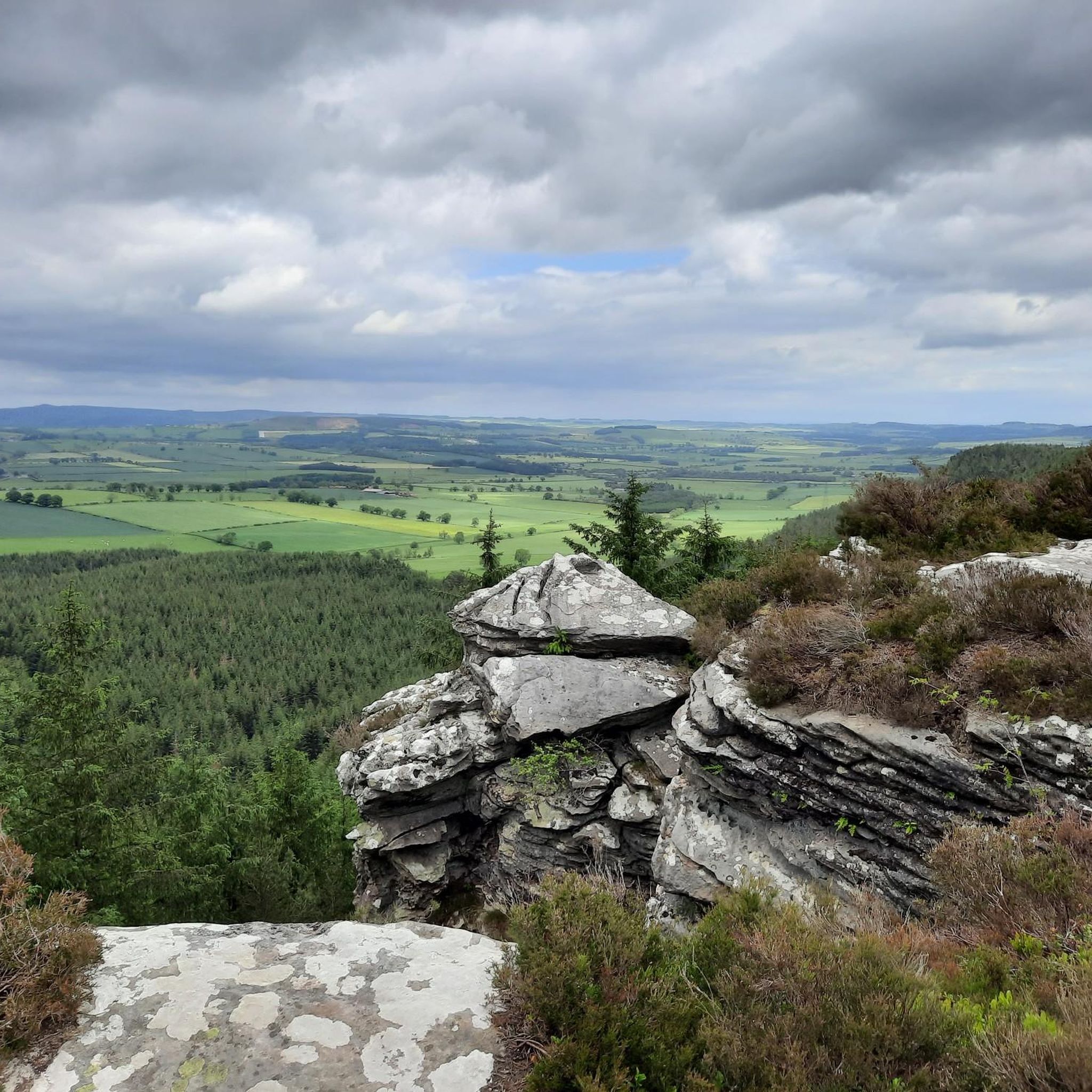
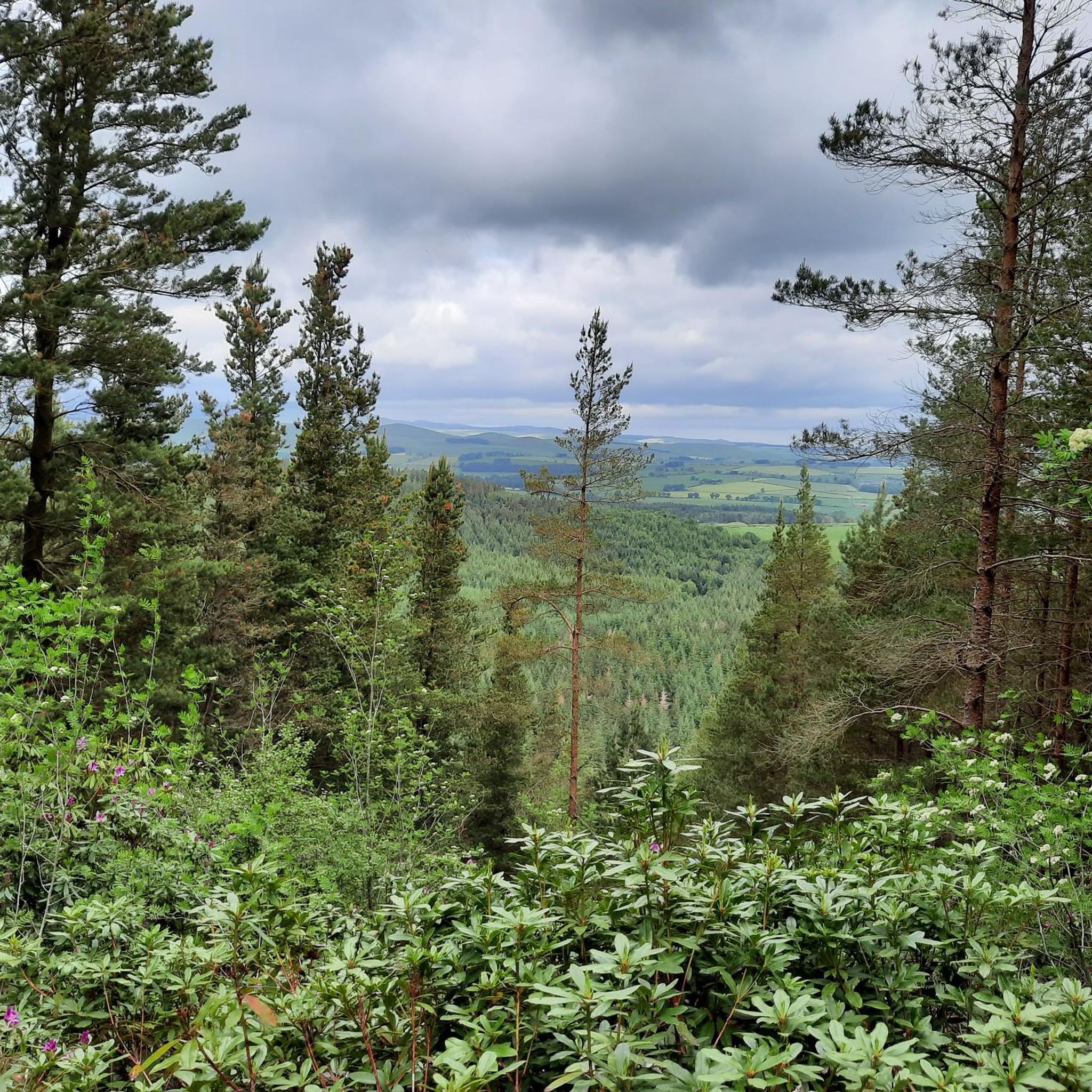
Cochrane Pike 335m P41 (1099ft) (DoBIH Hill ID: 15977) [JNSA 12082] Northumberland National Park Definitive List summit. County of Northumberland Definitive List summit.
0
0

For several centuries, the bridge at this point has allowed travelers to effortlessly cross the River Aln. Although the distance from source to mouth is only about 40 kilometers, the river lends its name to both the town of Alnwick and the castle perched on a hill. Symbolically, the bridge structure is guarded by an elegantly crafted stone lion, which also serves as the heraldic animal of the local noble Percy family.
2
0

Climbing Cochrane Pike with a height of 335mtrs might not be the biggest climb around, however, it can be physical and needs determination. Towards the summit is exposed land where wind conditions tend to be harsher. Low level cloud can restrict distant visibility. The surface does have sections of peat / bogland but it is easy to pick a better, firmer ride line around the edges of worse spots. Once at the top the following downhill section is great to ride on. Fast flowing, but on some slightly rocky double tracks, your speed picks up and then vision diminishes due to excessive vibration. Keep the brakes on if you chose as picking a decent ride line and seeing potential parts of the track that you need to avoid, can be difficult on this high speed downhill section.
0
0
The Harry Hotspur statue is located within the Alnwick conservation area on the grassed area with seating. Not far from the entrance to Alnwick Castle. This area has a large amount of historical content
0
0

Evidence of prehistoric settlements suggests Rothburys importance stretches back millennia. During the medieval period, it became a vital part of the Barony of Warkworth, changing hands between various noble families like the FitzRogers, Claverings, Percys, and Ogles. A key turning point came in 1291 when King Edward I granted Rothbury a market charter. This solidified its position as a commercial hub for the surrounding agricultural region, particularly for cattle and wool. The town's newfound prosperity, however, attracted unwanted attention. The 15th and 16th centuries saw a period of unrest as Rothbury became a target for Border Reivers. These Scottish raiders were notorious for plundering towns along the Anglo-Scottish border, and Rothbury, situated at a crucial crossroads with a ford over the River Coquet, bore the brunt of their attacks. Despite facing these challenges, Rothbury persevered. Today, the town's historic core reflects its layered past. Buildings showcase diverse architectural styles, each whispering a tale from a different era. The impressive All Saints Parish Church stands as a prominent example. This church, with its Saxon cross nestled beneath the font and Victorian restorations, embodies the town's enduring legacy.
0
0
Constructed in 1775 by John Adam, the Lion Bridge gracefully spans the River Aln in Alnwick. This stone bridge boasts four elegant arches, with a commanding focal point - the intricately crafted Percy Lion - gracing its center on the eastern side. The bridge's design is a castle-like aesthetic, harmonizing seamlessly with the presence of Alnwick Castle that stands sentinel nearby. Once a vital artery, the bridge bore the weight of the old Great North Road as it traversed the river Aln. This historic bridge has rightfully earned its Grade 1 Listing.
1
0
The Hotspur that Tottenham Hotspur F.C. is named for.
1
0

Frequently Asked Questions
What historical sites can I visit near Whittingham?
The area around Whittingham is rich in history. You can explore ancient sites like the Lordenshaw Cup and Ring Marked Rock, which features an Iron Age hillfort and Bronze Age burial mounds, along with Neolithic and Early Bronze Age rock carvings. Other notable historical landmarks include Whittingham Tower, Callaly Castle, and Edlingham Castle. The Lion Bridge, Alnwick, built in 1775, is also a significant historical structure.
Are there family-friendly attractions around Whittingham?
Yes, several attractions cater to families. The Lordenshaw Cup and Ring Marked Rock offers an engaging historical experience for all ages. The Lion Bridge, Alnwick is an interesting landmark to visit. For more interactive fun, Lilidorei at The Alnwick Garden provides both indoor and outdoor activities, and the Wicked Wizard of Alnwick Treasure Trail offers an adventurous way to explore Alnwick.
What natural features or viewpoints are there to explore?
Whittingham is close to areas of significant natural beauty. You can find stunning views from Cochrane Pike, offering panoramic vistas over the moorland. The region is also part of the Northumberland National Park and features the Cheviot Hills, providing diverse landscapes for exploration. The Northumberland Coast Area of Outstanding Natural Beauty (AONB) is also within reach for scenic coastal views.
What outdoor activities, like hiking or cycling, can I do near Whittingham?
The area offers numerous opportunities for outdoor activities. For hiking, you can find routes like the Coe Crag and Long Crag Circular Trail, or explore trails with views of Thrunton Wood. Cyclists can enjoy routes such as the 'View of the Cheviot Hills – Branton Lakes Nature Reserve loop from Whittingham'. Mountain biking enthusiasts have options like the 'Thrunton Whittingham Trail – Forest Gravel Path loop from Wandy Bridge'. You can find more details on these and other routes in the hiking, cycling, and MTB guides for the area.
Are there any cultural attractions or museums nearby?
Yes, for cultural insights, consider visiting the Bailiffgate Museum in Alnwick. A unique cultural experience is offered by the Ad Gefrin Anglo-Saxon Museum & Whisky Distillery, which combines Anglo-Saxon history with a working distillery. You can find more information about the Ad Gefrin Anglo-Saxon Museum & Whisky Distillery at Visit Northumberland.
What is Rothbury Village Centre like, and what does it offer?
Rothbury Village Centre is a peaceful settlement in the heart of Northumberland, serving as an excellent base for exploring the surrounding hills and the Northumberland Coast AONB. It provides a good selection of accommodation, places to eat and drink, and local shops. It's also close to Cragside House, Gardens and Estate, a historic site known for being the first house in the world lit by hydroelectricity.
Are there any accessible attractions for wheelchair users?
The Rothbury War Memorial is noted as being wheelchair accessible. When planning visits to other sites, it's advisable to check their specific accessibility information, as terrain can vary, especially at historical and natural sites.
What are some lesser-known or 'hidden gems' near Whittingham?
Beyond the main attractions, the area holds several hidden gems. The historic churches near Whittingham, such as St. John the Baptist Church in Edlingham and St. Michael & All Angels Church in Ingram, offer quiet beauty and historical significance. Exploring the smaller villages and their local charm can also reveal unique experiences.
Can I find places to eat and stay near the attractions?
Yes, Rothbury Village Centre is an excellent hub for finding accommodation, restaurants, and pubs. Alnwick, a larger town nearby, also offers a wide range of dining and lodging options to suit various preferences.
What do visitors enjoy most about the attractions around Whittingham?
Visitors frequently appreciate the blend of historical significance and natural beauty. The ancient rock carvings at Lordenshaw Cup and Ring Marked Rock are often highlighted as a fascinating glimpse into the past. The tranquil atmosphere and the opportunity for exploration in places like Rothbury Village Centre, combined with the stunning views from spots like Cochrane Pike, are also highly valued by the komoot community.
Are there any castles or fortified structures to visit?
Yes, the region is home to several impressive castles and fortified structures. While Whittingham Tower is a private dwelling, you can visit nearby Callaly Castle, which incorporates a 15th-century pele tower. Alnwick Castle is a major attraction, and Edlingham Castle also offers historical insights into the area's past.
What kind of terrain can I expect on walking trails near Whittingham?
Walking terrain around Whittingham varies. You can find easy forest gravel paths, such as those in Thrunton Wood, suitable for moderate walks. More challenging routes, like those leading to Cochrane Pike, involve moorland and can be boggy in places, offering more strenuous climbs and rewarding views.
Most popular routes around Whittingham
Most popular attractions around Whittingham

Get inspired with the komoot mobile app


Explore more
Still not found the Highlight you’re looking for? See guides of the top attractions in other regions:
