Attractions and Places To See around Hutton-Le-Hole - Top 20
Best attractions and places to see around Hutton-Le-Hole include a blend of natural landscapes and historical sites within the North York Moors National Park. The village is known for its traditional stone cottages, a winding village green with a stream, and its position as a base for exploring the surrounding moorland. Cultural heritage is present through sites like the Ryedale Folk Museum and various historical monuments.
Best attractions and places to see around Hutton-Le-Hole
- The most popular attractions is Bank Top Iron Kilns, a historical site that showcases the remains of Victorian-era ironstone processing. These crumbling kilns and chimneys offer insight into a bygone industry and provide expansive views over the landscape.
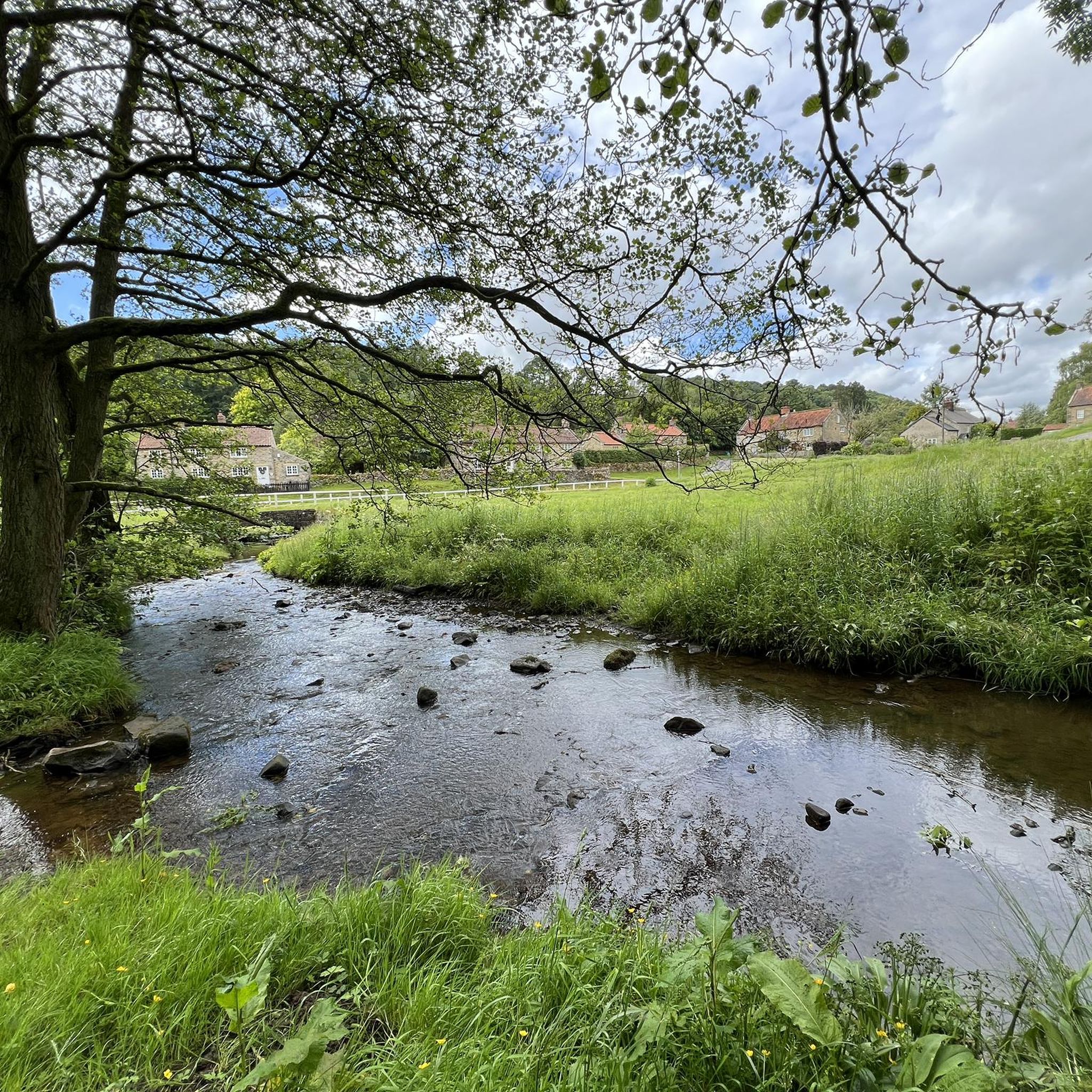
- Another must-see spot is Hutton-le-Hole Village Green and Stream, a settlement feature. Visitors can expect a picturesque village green with Hutton Beck flowing through it, often grazed by sheep, and a setting considered one of the prettiest in the North York Moors.
- Visitors also love Ana Cross, a man-made monument marking a prehistoric burial mound. This site is special for its historical significance as a funerary monument and its modern replacement of a medieval wayside cross, offering views over the moors.
- Hutton-Le-Hole is known for historical sites, natural features, and cultural attractions. There are 6 attractions to see and explore, ranging from ancient monuments to picturesque village settings.
- The attractions around Hutton-Le-Hole are appreciated by the komoot community, with 51 upvotes and 46 photos shared by visitors.
Last updated: October 7, 2026
Bank Top Iron Kilns
Highlight • Historical Site
Bank Top was where all the ironstone came for processing and transport. There would have been a railway, processing works, houses, plus more at this spot in the mid-19th century. Today, the crumbling kilns, chimneys and other ruins here are testament to a bygone industry. You get some breathtaking views at Bank Top, too.
Tip by

Hutton-le-Hole Village Green and Stream
Highlight • Settlement
The tree in the rather unusual green in the middle of the village (with a stream running through it!) has a bench under it, and it's a lovely place to sit if you're taking a break here.
Tip by

Sign up now to discover places like this
Get recommendations on the best single tracks, peaks, & plenty of other exciting outdoor places.
Ana Cross
Highlight • Monument
Tip by
The Lion Inn, Blakey Ridge
Highlight • Pub
Tip by

Sheriff's Pit
Highlight • Structure
After the mine closed in 1911 nature began to reclaim the site. Birds like ring ouzel have a long association with the mine and rowan trees have been planted nearby to provide them with berries to eat before their long journey back to South Africa.
Tip by
Sign up for free to discover even more attractions around Hutton-Le-Hole.
Already have an account?
Start today with a free account
Your next adventure awaits.
Popular around Hutton-Le-Hole
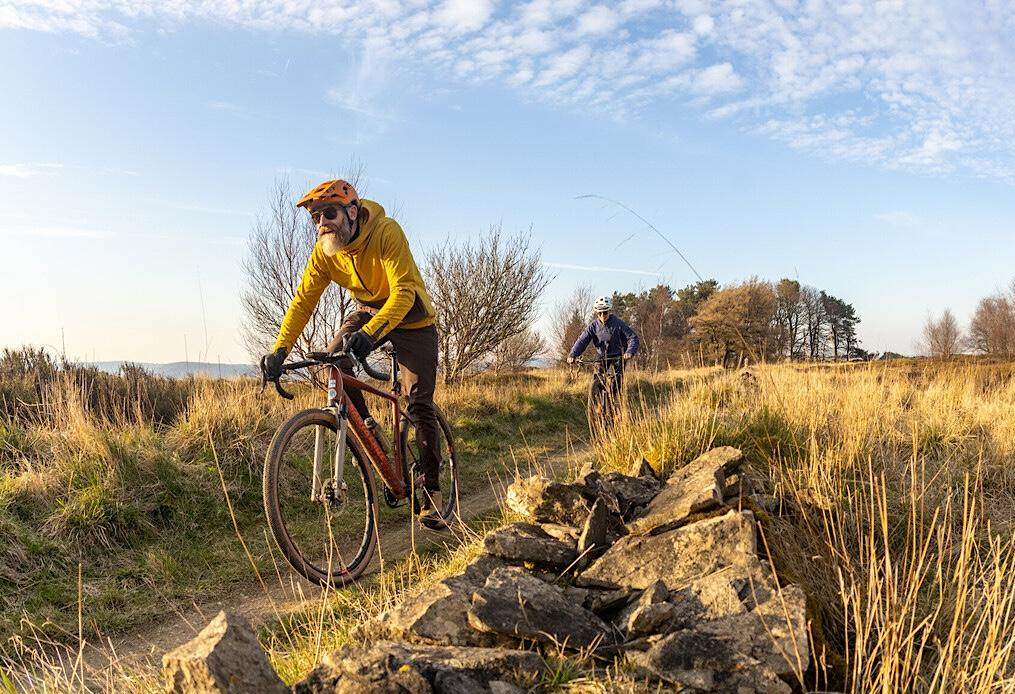
North York Moors Gravel and Explorer Routes
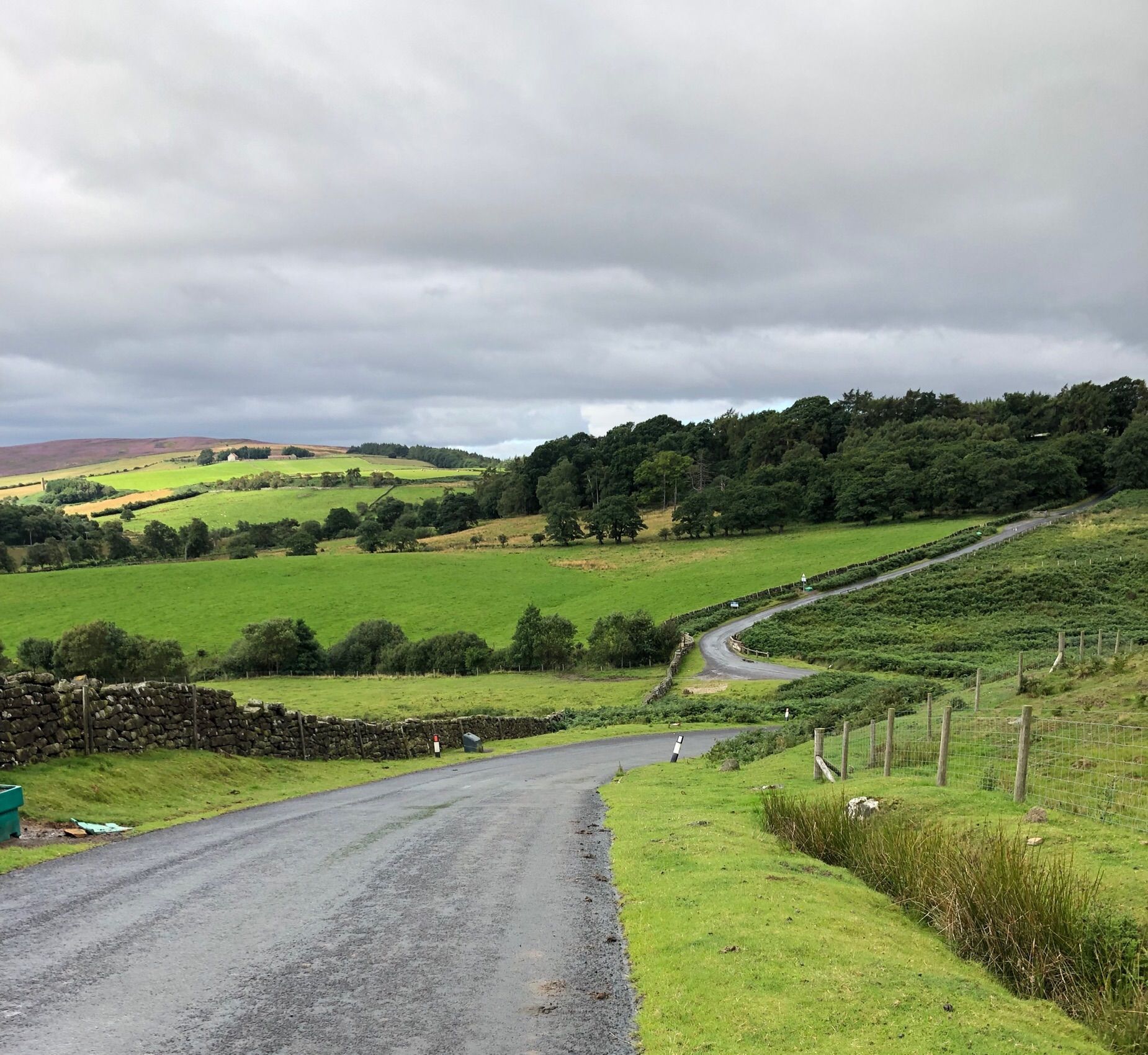
Road Cycling in North York Moors National Park
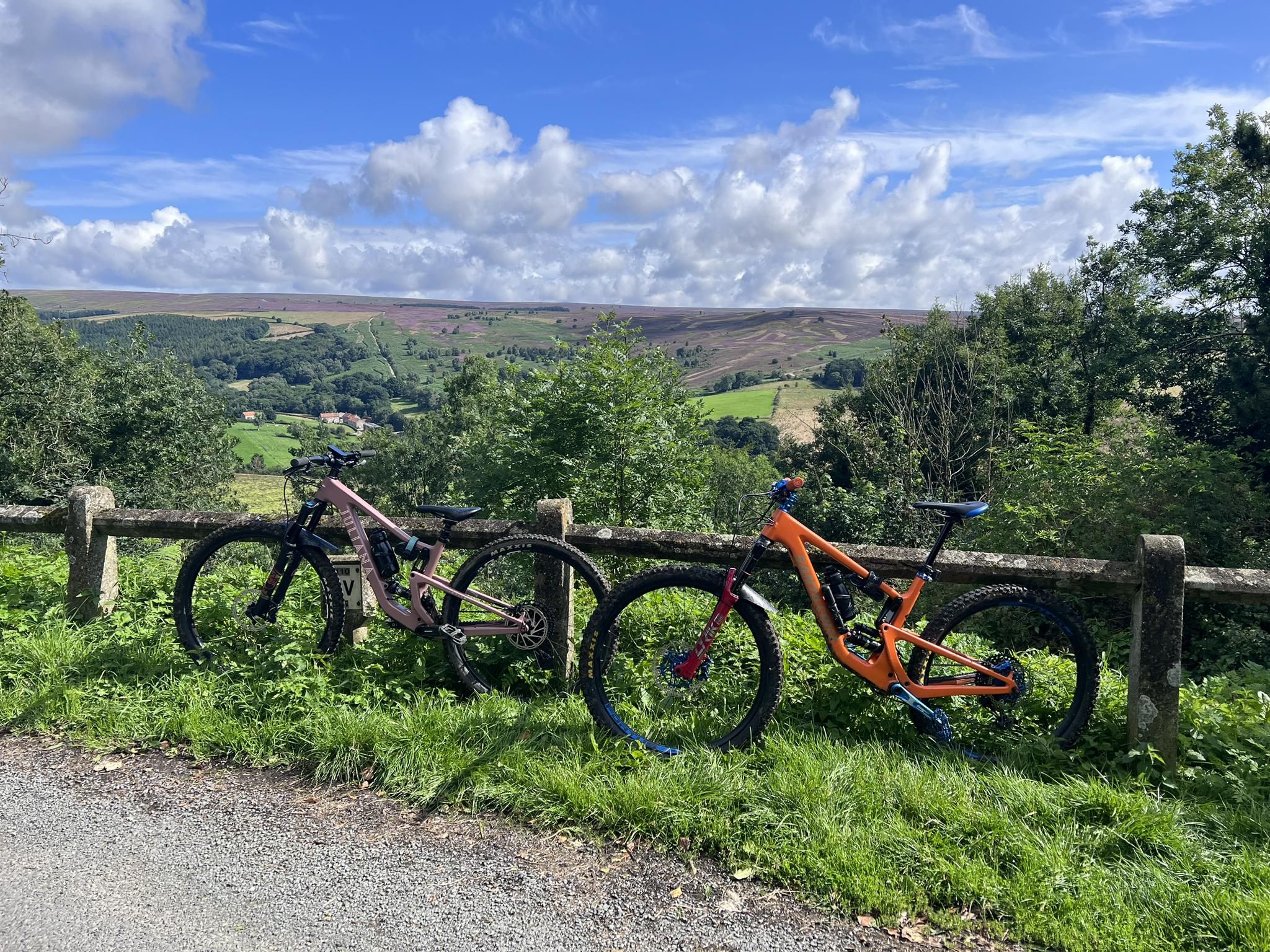
MTB Trails in the North York Moors National Park
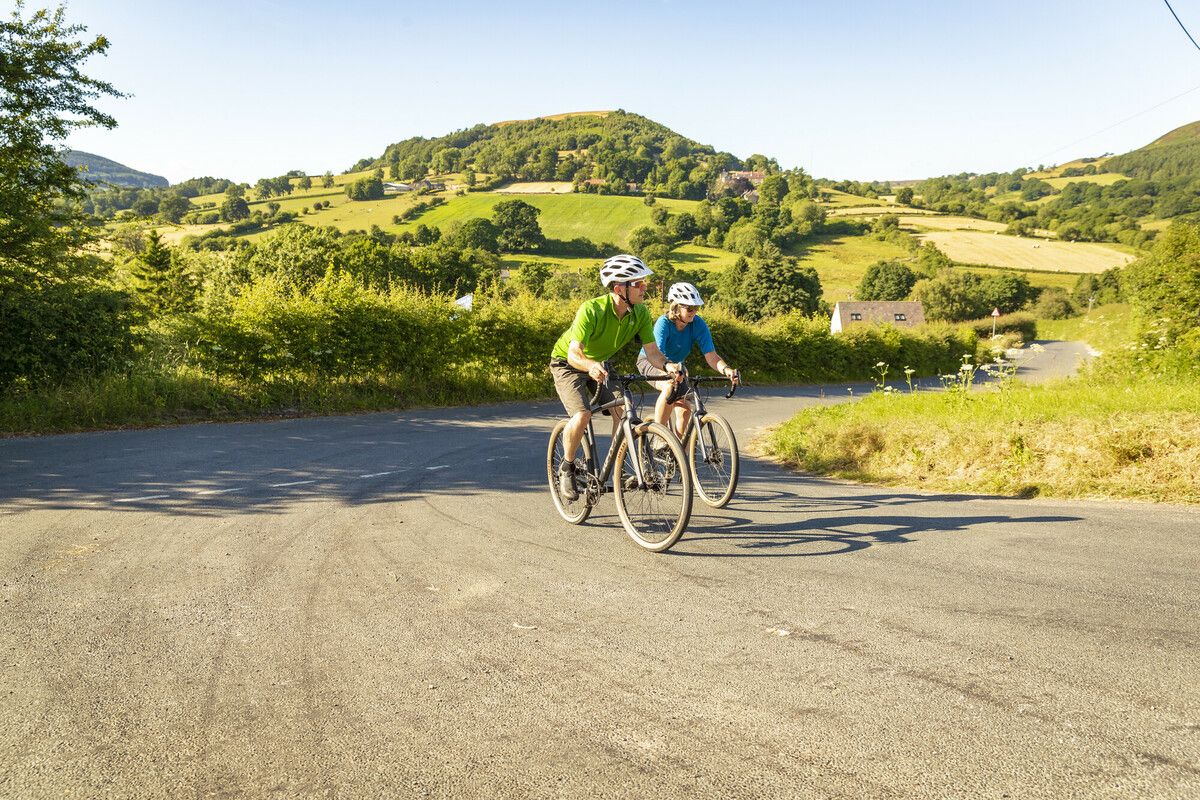
North York Moors National Park Cycle Routes
North York Moors Cycleway
MTB Trails around Hutton-Le-Hole
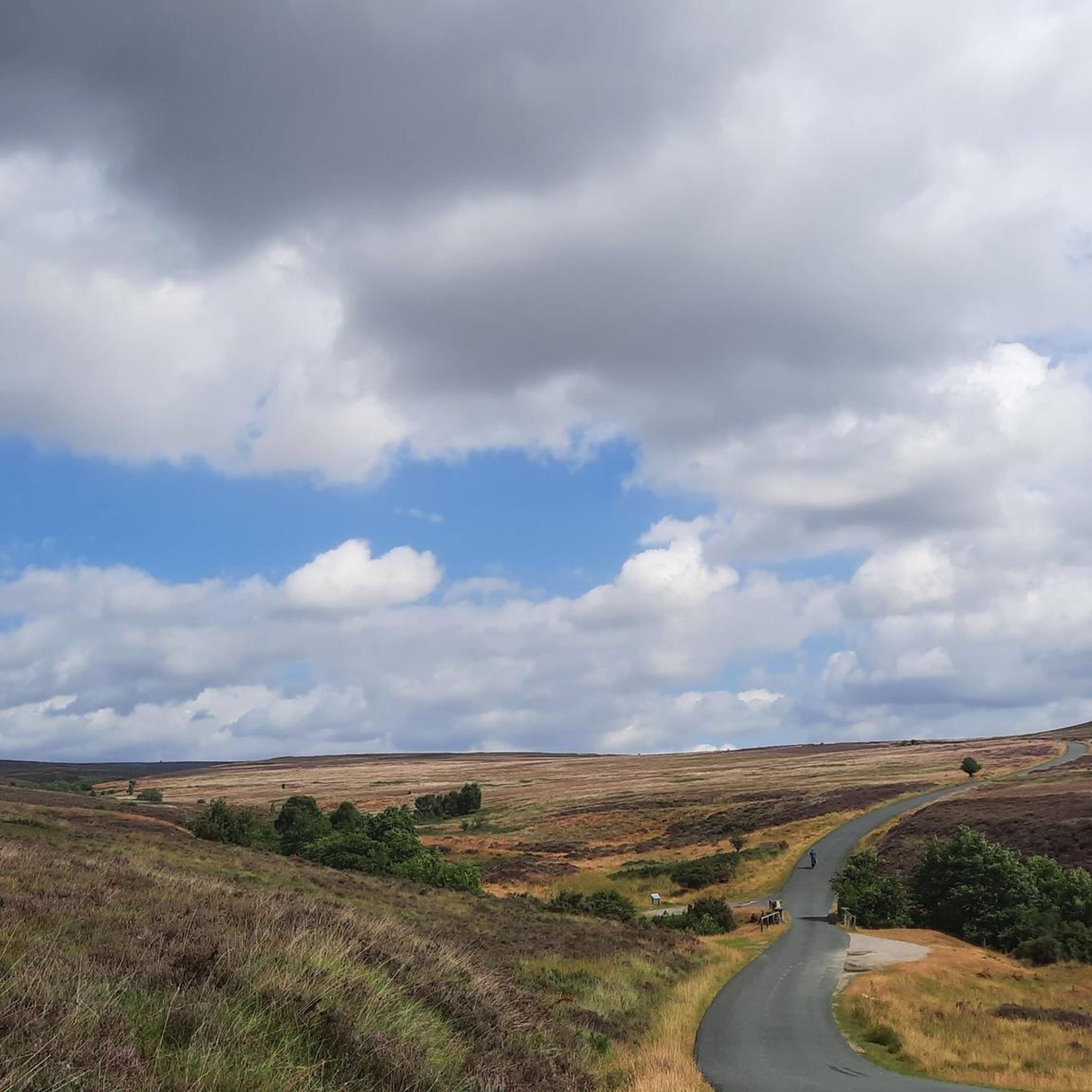
Hiking around Hutton-Le-Hole
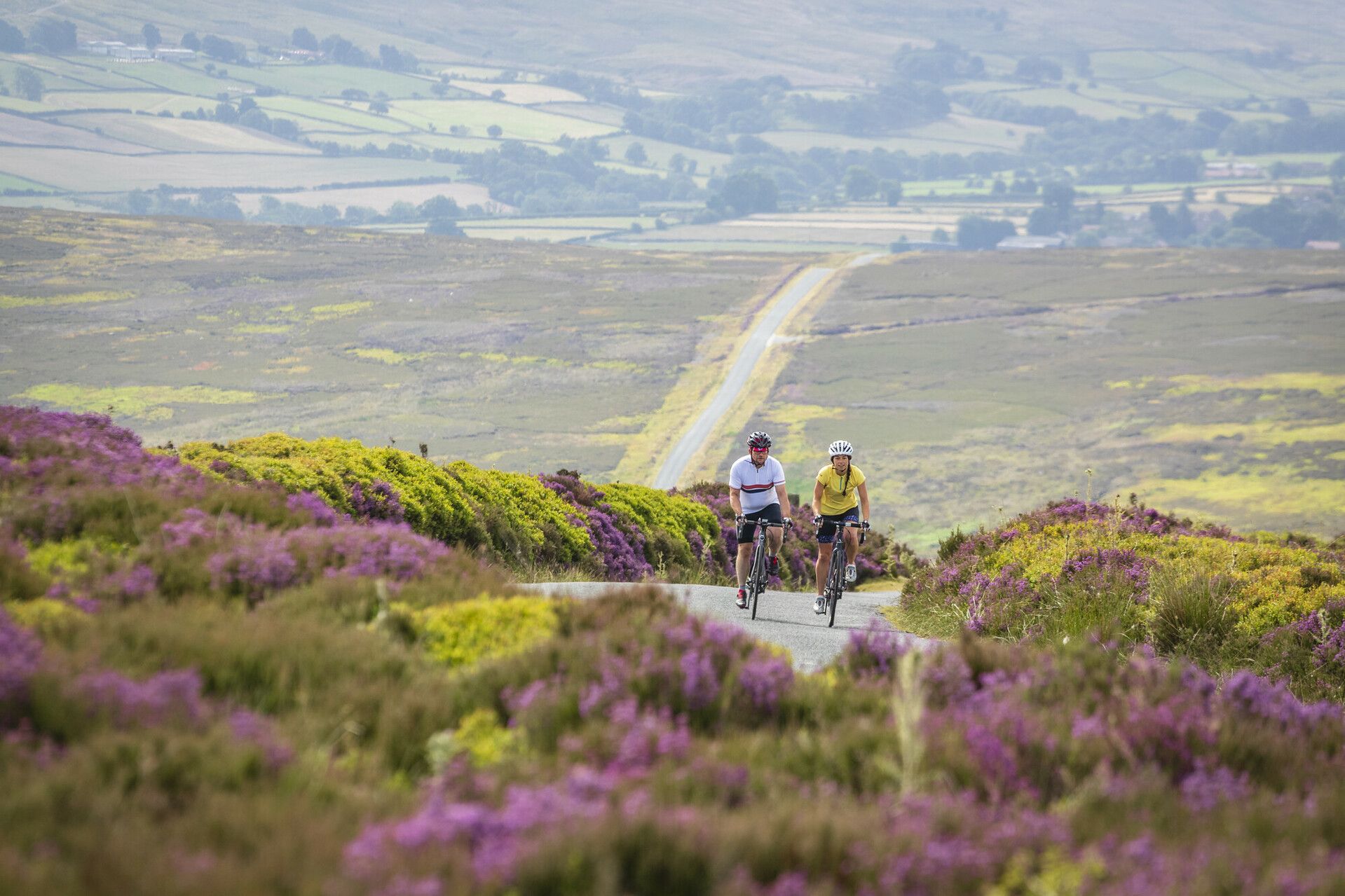
Road Cycling Routes around Hutton-Le-Hole
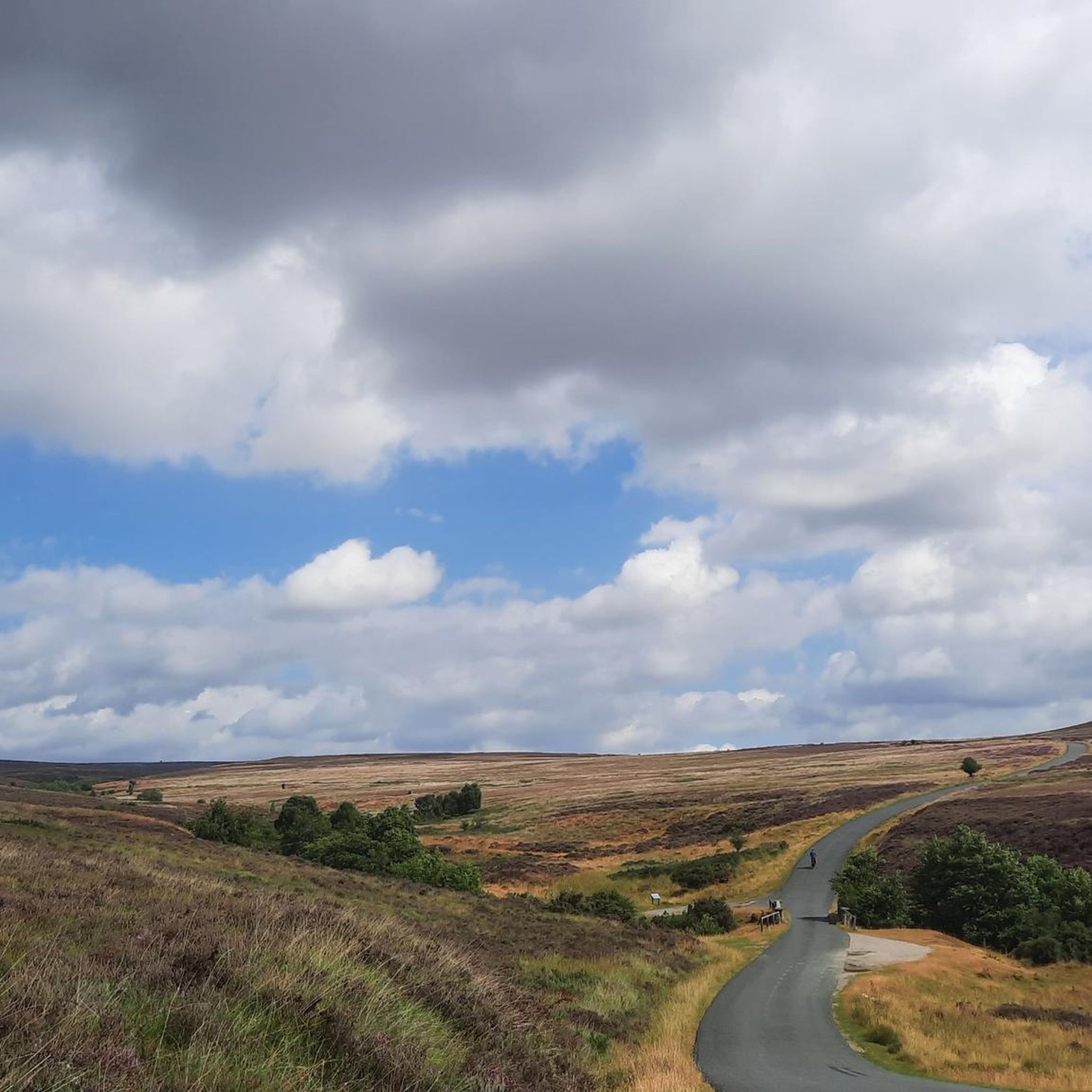
Cycling around Hutton-Le-Hole
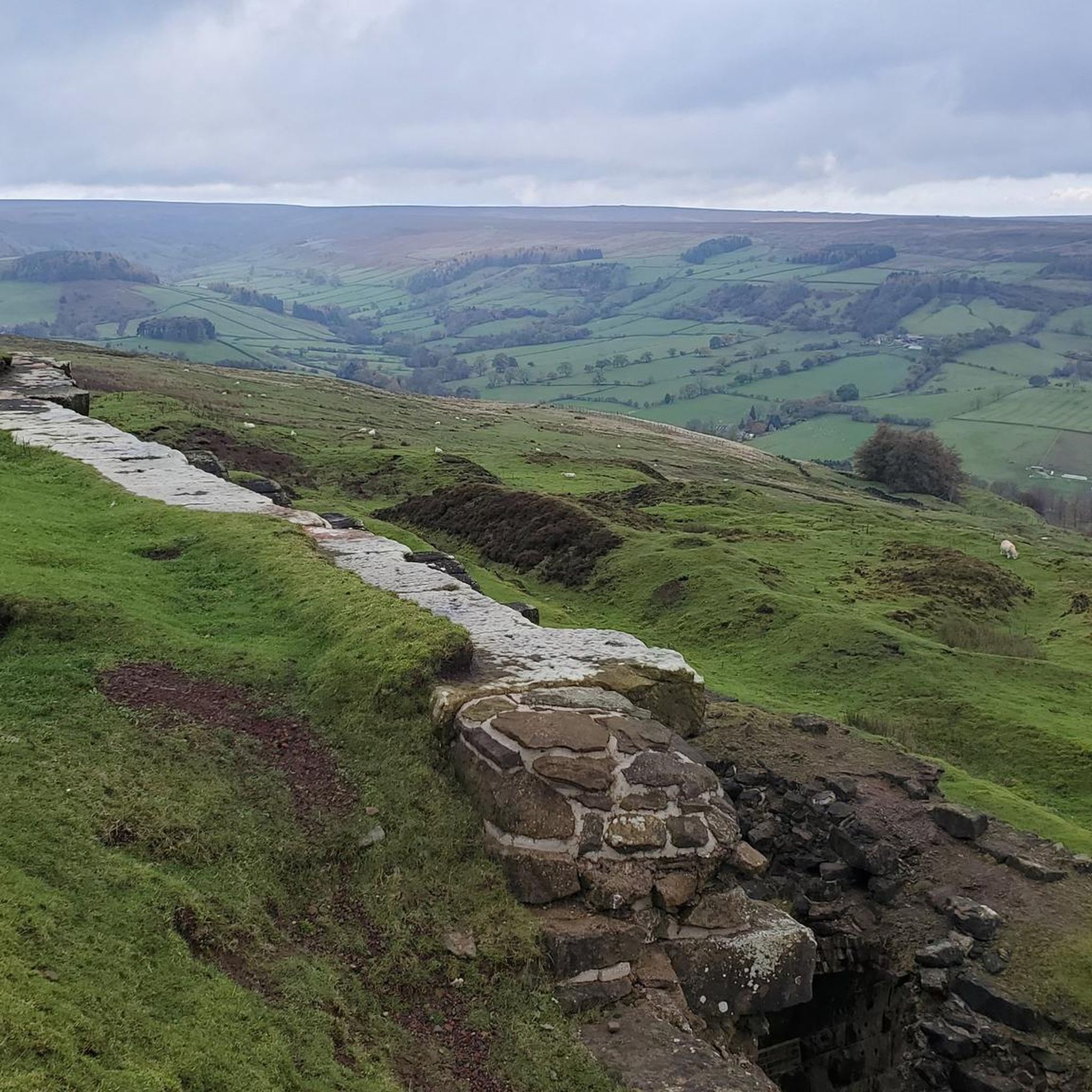
Running Trails around Hutton-Le-Hole
Other adventures around Hutton-Le-Hole

Tips from the Community

"Each of these crosses can tell its own story and what motivated people to erect "their" cross at this spot. (...) These wayside crosses were erected as visible signs and attract the attention of many people. The cross is a symbol of life. It stands as a sign of our Christian hope and aims to direct our gaze to Jesus Christ, who has overcome death (...). The cross is a part of our lives, just as it was a part of the life of Jesus. So I hope that many people... will seek out the wayside crosses, whether as places of silence and respite before God, or as places of community gathering, prayer, and praise." (Source: Dean Rainald M. Ollig in: "Wayside Crosses... Small Sacred Monuments as Signs of Popular Piety")
0
0

Apparently regarded by the Victorians as "ill-planned and untidy", but now quite possibly one the most picturesque Moors villages, Hutton-le-Hole is a very popular starting point for hikes. Fairly sizeable car park just on the eastern side of the village off the road to Lastingham. Lots more info available at https://en.wikipedia.org/wiki/Hutton-le-Hole, https://www.yorkshire.com/hutton-le-hole/?srsltid=AfmBOoqlQxZoMrKrxFTMhz3S7ZTijB3NKHNKMKO3WYru-vDGGmjNYk2Q, https://www.northyorkmoors.org.uk/places-to-go/hutton-le-hole-lastingham-appleton-le-moors
0
0
Photographer @Jessica Mather had the misfortune of not being able to enjoy the view offered by the ANA CROSS site during her run here due to the weather conditions. However, more than two dozen photos of the small sacred monument and the panorama offered by the prominent location can be seen on the hiking highlight of the same name =>> https://www.komoot.com/de-de/highlight/2252418
0
0

Highest cross on the moors, great views across Spaunton Moor when the weather allows.
0
0

The Lion Inn on remote Blakey Ridge is a 16th Century family owned, Freehouse. Located at the highest point of the North York Moors National Park, it stands at an elevation of 1,325 feet offering breathtaking views over the valleys of Rosedale and Farndale. Steeped in history, open fires burn in the ancient stone fireplaces. The original low beamed ceilings and stone walls add to the friendly, timeless atmosphere of the Inn. Food served daily from 12 - 9pm.
0
0

Sheriffs Pit is the location of an old iron mine. The views here are mint, you can see for miles through the valleys at the side of the double track
0
0
From Landofiron.org.uk: This landscape was utterly transformed during Rosedale’s Victorian ‘iron rush’ when Bank Top was a centre for the processing and transport of ironstone. Mining began in 1856, with ironstone hewn from nearby Hollins Mines and hauled by a steam winding engine up an inclined tramway to Bank Top. Vast quantities of ore – over 300,000 tonnes a year – were then processed in giant kilns, before being carried by moorland railway to blast furnaces in County Durham and Teesside. The Bank Top site also included coal depots, railway workers’ cottages and an engine shed. Production at Hollins peaked quickly and in 1885 the mines were abandoned, having largely exhausted their iron reserves in just 29 years.
1
0
See the Landofiron.org.uk website for more engaging details on the Sheriff's Pit and other surviving elements of the Rosedale Mines and Railway.
0
0
Frequently Asked Questions
What historical and cultural sites can I explore in Hutton-le-Hole?
Hutton-le-Hole is rich in history and culture. A must-visit is the Ryedale Folk Museum, an open-air museum showcasing rural Yorkshire life with over 20 historic buildings. The village itself is a landmark, featuring numerous traditional stone cottages and 29 Grade II listed buildings. You can also find St Chad's Church, the historic 'Pound' for lost sheep, and the early 18th-century Hangman Stone.
Are there any ancient or historical monuments to see around Hutton-le-Hole?
Yes, several historical monuments dot the landscape. You can visit Bank Top Iron Kilns, the remains of Victorian-era ironstone processing, offering insights into a bygone industry. Another significant site is Ana Cross, which marks a prehistoric burial mound and offers lovely views over the moors. Further historical remnants include Sheriff's Pit, an old ironstone mine, and the Millennium Cross, Heygate Bank, a modern cross continuing an ancient tradition.
What natural features make Hutton-le-Hole unique?
Hutton-le-Hole is nestled within the stunning North York Moors National Park. The village is particularly famous for its long, winding Village Green, through which Hutton Beck gently flows, often graced by freely grazing sheep. This picturesque setting, with its footbridges and serene atmosphere, is considered one of the prettiest in the North York Moors.
Where can I find scenic viewpoints around Hutton-le-Hole?
For expansive views, head to Bank Top Iron Kilns, where you can see for miles across the landscape. Ana Cross also provides lovely vistas over the moors, especially when the heather blooms purple in summer. The site of Sheriff's Pit offers mint views through the valleys, and the Millennium Cross, Heygate Bank allows you to look down to Rosedale Abbey and across to Chimney Bank.
Are there popular walking trails starting from Hutton-le-Hole?
Yes, Hutton-le-Hole serves as an excellent base for exploring the surrounding countryside. A popular option is a 4-mile (2.5-hour) circuit to the nearby village of Lastingham, known for St Mary's Church and its eleventh-century crypt. The Daffodil Walk, a 3.5-mile circular path along the River Dove, is particularly scenic in March or April. You can find more walking and running routes in the Running Trails around Hutton-Le-Hole guide.
What kind of outdoor activities can I do near Hutton-le-Hole's attractions?
Beyond walking, the area offers excellent opportunities for cycling. You can explore various routes for road cycling, touring, and mountain biking. For specific routes, check out the Road Cycling Routes around Hutton-Le-Hole and Cycling around Hutton-Le-Hole guides. Many routes pass by or start near the village's attractions.
Are there family-friendly attractions in Hutton-le-Hole?
Absolutely! The Hutton-le-Hole Village Green and Stream is a delightful spot for families, where children can enjoy the open space and watch the sheep. The Ryedale Folk Museum is also very family-friendly, offering an engaging look at history with its reconstructed buildings and various exhibits. Many of the walking trails are suitable for families, with options for different difficulty levels.
Can I find dog-friendly walking trails near Hutton-le-Hole?
Yes, Hutton-le-Hole is a great place for dog owners. The Ryedale Folk Museum is dog-friendly, and many of the numerous walking trails that start from the village are suitable for dogs. The open moorland and countryside provide ample space for walks. Always remember to keep dogs under control, especially around livestock.
What is the best time to visit Hutton-le-Hole for outdoor activities?
The North York Moors are beautiful year-round, but for walking and cycling, late spring (April-May) and summer (June-August) offer the most pleasant weather. The Daffodil Walk is particularly scenic in March or April. Visiting in late summer (August-September) allows you to see the heather blooming purple across the moors, which is especially photogenic.
Are there places to eat and drink in Hutton-le-Hole?
Yes, the village offers traditional hospitality. You can find the Crown Inn and the Red Lion Pub, both offering a taste of local fare. Additionally, there are charming traditional tearooms where visitors can enjoy homemade treats and local shops offering bakery goods.
What do visitors particularly enjoy about Hutton-le-Hole?
Visitors consistently praise Hutton-le-Hole for its idyllic charm and serene atmosphere, often calling it one of Yorkshire's most picturesque villages. The unique Village Green with its stream and grazing sheep is a highlight. The blend of natural beauty within the North York Moors National Park and the rich cultural heritage, particularly the Ryedale Folk Museum, makes it a beloved destination.
Most popular routes around Hutton-Le-Hole
Most popular attractions around Hutton-Le-Hole

Get inspired with the komoot mobile app


Explore more
Still not found the Highlight you’re looking for? See guides of the top attractions in other regions:
