The best walks and hikes around Stanwick St. John
4.5
(275)
2,823
hikers
82
hikes
Hiking around Stanwick St. John offers a blend of historical landscapes and rural charm within North Yorkshire. The region is characterized by ancient earthworks, notably the Stanwick Iron Age Fortifications, which encircle the village with extensive ditches and ramparts. Beyond these historical features, the surrounding countryside provides a tranquil setting for exploring the traditional English landscape. This area features gentle elevations and paths that traverse both open fields and riverside sections.
Best hiking trails around Stanwick St. John
- The most…
Last updated: April 26, 2026
4.3
(7)
47
hikers
Moderate hike. Good fitness required. Easily-accessible paths. Suitable for all skill levels.
5.0
(1)
22
hikers
Moderate hike. Good fitness required. Easily-accessible paths. Suitable for all skill levels.

Sign up for free
5.0
(1)
17
hikers
Moderate hike. Good fitness required. Easily-accessible paths. Suitable for all skill levels.
5.0
(1)
9
hikers
21.3km
05:32
130m
130m
Hard hike. Very good fitness required. Easily-accessible paths. Suitable for all skill levels.
3.0
(3)
9
hikers
Moderate hike. Good fitness required. Easily-accessible paths. Suitable for all skill levels.
Get access to more routes and recommendations from other explorers.
Sign up for free
Already have an account?
Our route recommendations are based on thousands of hikes, rides, and runs completed by other people on komoot.
Start today with a free account
Your next adventure awaits.
Login or Signup

Tips from the Community

The Roman fort at Piercebridge is a good place to visit and rest a while it is kept in good condition and looks great.
0
0

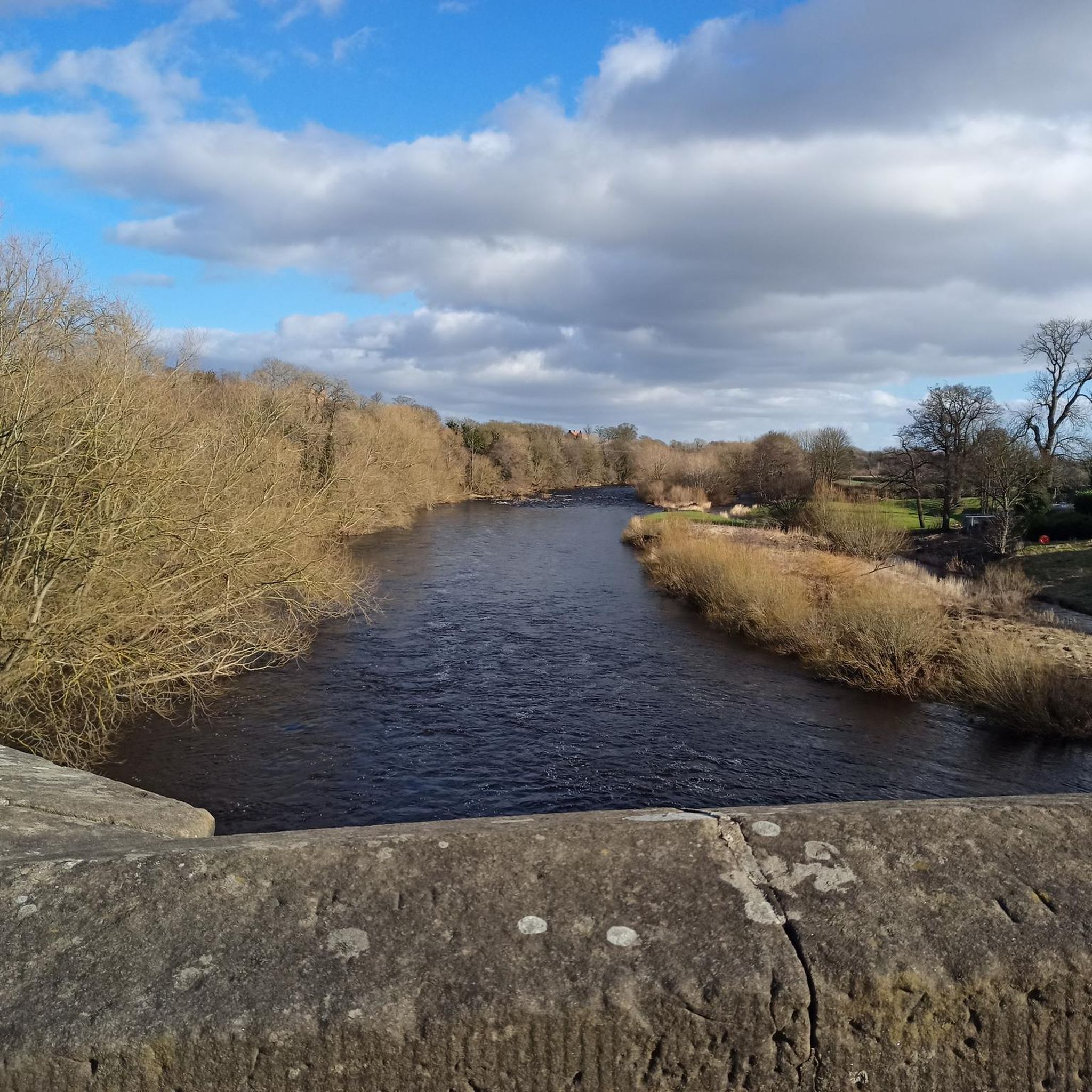
With Whorlton bridge still out of action, this makes for the best crossing of the Tees if you want to avoid traffic
0
0


River Tees downstream from High Coniscliffe
0
0
The bridge over the River Tees near Winston in County Durham was built in 1762-1763, designed by Sir Thomas Robinson.
0
0
This is a stone bridge soaring high over the River Tees. Designed by Sir Thomas Robinson of nearby Rokeby, and erected in 1762-3, it has one arch of 111 ft (34 metres) span, once the longest single span in England.
0
0
Frequently Asked Questions
What makes hiking in Stanwick St. John unique?
Hiking in Stanwick St. John offers a distinctive blend of historical exploration and tranquil rural landscapes. The area is dominated by the vast Stanwick Iron Age Fortifications, a significant system of earthworks that encircles the village. Walking here allows you to traverse ancient ramparts and ditches, immersing yourself in a rich piece of British history while enjoying the picturesque North Yorkshire countryside.
How many hiking trails are available around Stanwick St. John?
There are over 80 hiking routes available around Stanwick St. John, catering to various preferences. This includes 34 easy routes, 44 moderate routes, and 4 more challenging trails, ensuring options for all ability levels.
What are the general difficulty levels of hikes in the area?
The hiking trails around Stanwick St. John offer a range of difficulties. You'll find a good selection of easy and moderate paths, perfect for a relaxed stroll or a longer day out. There are also a few more difficult routes for those seeking a greater challenge, often involving longer distances.
Are there any circular walks around Stanwick St. John?
Yes, many of the hiking routes around Stanwick St. John are circular, allowing you to start and end your journey in the same location. For example, the moderate River Tees at Teesdale Way – Piercebridge Village Green loop from Gainford is a popular circular option that follows the River Tees.
What can I see along the hiking trails in Stanwick St. John?
Beyond the impressive Iron Age Fortifications, you can explore historical sites and natural beauty. Notable attractions include the St John the Baptist Church, a 13th-century church nestled within the ancient earthworks. Further afield, you might encounter the Ruins of Easby Abbey or the historic Richmond Market Town and Castle.
Are there family-friendly hiking options in Stanwick St. John?
Yes, Stanwick St. John offers several family-friendly hiking options, particularly among its 34 easy routes. These trails often feature gentle terrain and shorter distances, making them suitable for families with children. The historical context of the Iron Age fortifications can also be an engaging element for younger explorers.
Are there dog-friendly walks in Stanwick St. John?
Many of the rural paths and public footpaths around Stanwick St. John are suitable for dog walking. It's always recommended to keep dogs under control, especially when passing through farmland with livestock, and to follow the Countryside Code. The open countryside and riverside paths provide ample space for dogs to enjoy the outdoors.
What is the best time of year to hike in Stanwick St. John?
The best time to hike in Stanwick St. John is generally from spring through autumn (April to October) when the weather is milder and the days are longer. The paths are typically drier, and the countryside is in full bloom or displaying autumn colours. Winter hiking is possible, but paths can be muddy, and daylight hours are shorter.
Are there options for parking near the hiking trails?
While specific large car parks are not detailed, parking is generally available within Stanwick St. John village, often near local amenities like The Stanwick Arms pub, which is known to be popular with walkers. For specific trailheads, local roadside parking or small village car parks may be available. Always check local signage for restrictions.
How can I get to Stanwick St. John using public transport?
Stanwick St. John is a rural village, and public transport options may be limited. It's advisable to check local bus schedules for services connecting to larger towns in North Yorkshire, such as Richmond or Darlington, from which you might then need to arrange a taxi or a further local bus connection. Planning ahead is recommended.
Are there any pubs or cafes along the hiking routes?
Yes, The Stanwick Arms pub in the village is a well-known spot for walkers, offering refreshments and a place to rest. While specific cafes directly on trails are less common in this rural area, you'll find options for food and drink within Stanwick St. John and nearby villages, particularly if your route passes through them.
What do other hikers enjoy the most about hiking in Stanwick St. John?
The area is highly rated by the komoot community, with an average score of 4.5 stars from over 270 reviews. Reviewers often praise the unique historical aspect of the Iron Age Fortifications, the tranquil riverside paths, and the overall peacefulness of the North Yorkshire countryside. Many appreciate the variety of routes, from easy strolls to more challenging treks.
Can I find longer, more challenging hikes in the area?
Yes, for those seeking a greater challenge, Stanwick St. John offers several longer and more difficult routes. An example is the challenging River Tees at Teesdale Way – Winston Bridge loop from Gainford, which covers over 13 miles (21 km) and involves more significant elevation changes, providing a rewarding experience for experienced hikers.
Most popular attractions around Stanwick St. John

Get inspired with the komoot mobile app


Explore more
Browse the best Hikes in other regions.
