Attractions and Places To See around Great Ayton - Top 20
Best attractions and places to see around Great Ayton include a variety of historical landmarks and natural features. The village, situated in North Yorkshire, is recognized as the boyhood home of explorer Captain James Cook. Its landscape features prominent hills, a river, and moorland, providing a setting for outdoor activities. The area offers a blend of cultural significance and natural beauty for visitors to explore.
Best attractions and places to see around Great Ayton
- The most popular attractions is Roseberry Topping Summit, a summit that is often called the "Yorkshire Matterhorn" due to its distinctive shape. It offers panoramic views and is a relatively challenging, but manageable, hike to the top.
- Another must-see spot is Captain Cook's Monument on Easby Moor, a historical site. This monument pays tribute to Captain James Cook and offers views of the surrounding countryside from its 1,063-foot peak.
- Visitors also love The Wainstones, a distinctive rocky outcrop on Hasty Banks. This natural monument offers views towards Middlesbrough and the Tees, and features ancient prehistoric carvings.
- Great Ayton is known for its historical landmarks, natural features, and cultural sites. Visitors can explore museums, prominent hills, and scenic riverbanks.
- The attractions around Great Ayton are appreciated by the komoot community, with over 380 upvotes and more than 220 photos shared by users.
Last updated: October 7, 2026
Roseberry Topping Summit
Highlight • Summit
Roseberry Topping is known locally as the ‘Yorkshire Matterhorn’ because its shape reminds people of the pyramidal peak that straddles the Swiss and Italian border. There are a few different route options to the top, of varying difficulties.
Tip by

Carlton Bank Summit Trig Point
Highlight • Natural Monument
To the northeast, you can see the distinctively shaped Roseberry Topping. To the east and south, the stunning undulations of the North York Moors rise and fall. To the west, the hills drop away into the Tees Valley and you might just be able to see the shadowy form of the Pennines on the horizon.
Tip by
Sign up now to discover places like this
Get recommendations on the best single tracks, peaks, & plenty of other exciting outdoor places.
Captain Cook's Monument on Easby Moor
Highlight • Historical Site
Tip by
The Wainstones
Highlight • Climb
The rocks are situated on a hill called 'Hasty Banks', and there are fantastic views across to Middlesbrough and the Tees from here.
On the lower ground surrounding the Wainstones, there's a small collection of rocks with prehistoric carvings on them. Due to the area’s exposed location and consequent erosion, the carvings can be difficult to see, however.
Tip by
Tees Barrage
Highlight • Structure
Bear in mind that the path is shared with pedestrians so watch your speed and look out for dog walkers!
Tip by

Sign up for free to discover even more attractions around Great Ayton.
Already have an account?
Start today with a free account
Your next adventure awaits.
Popular around Great Ayton
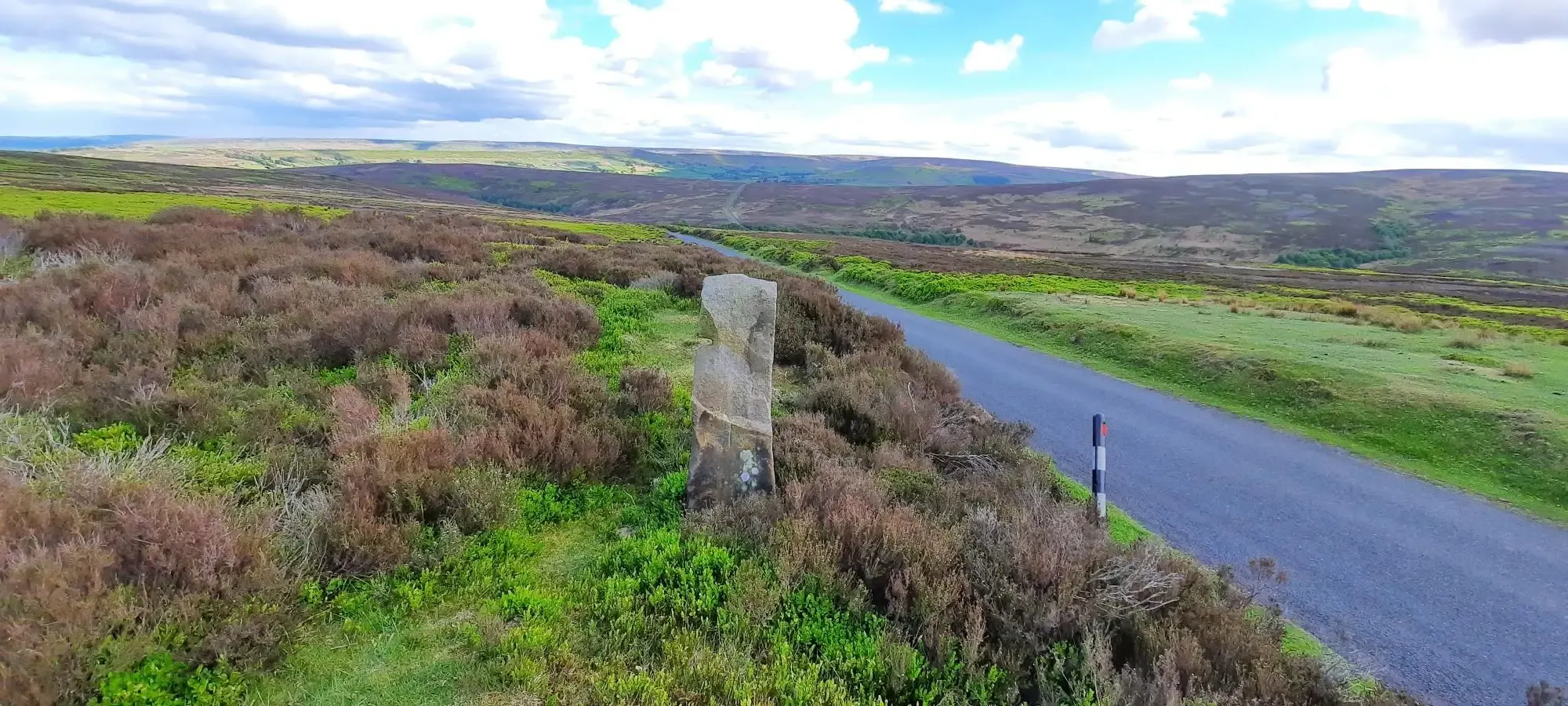
Road to Rail – Cycling in the North York Moors

Explore the North York Moors on foot – beautiful hikes by train

North York Moors Gravel and Explorer Routes
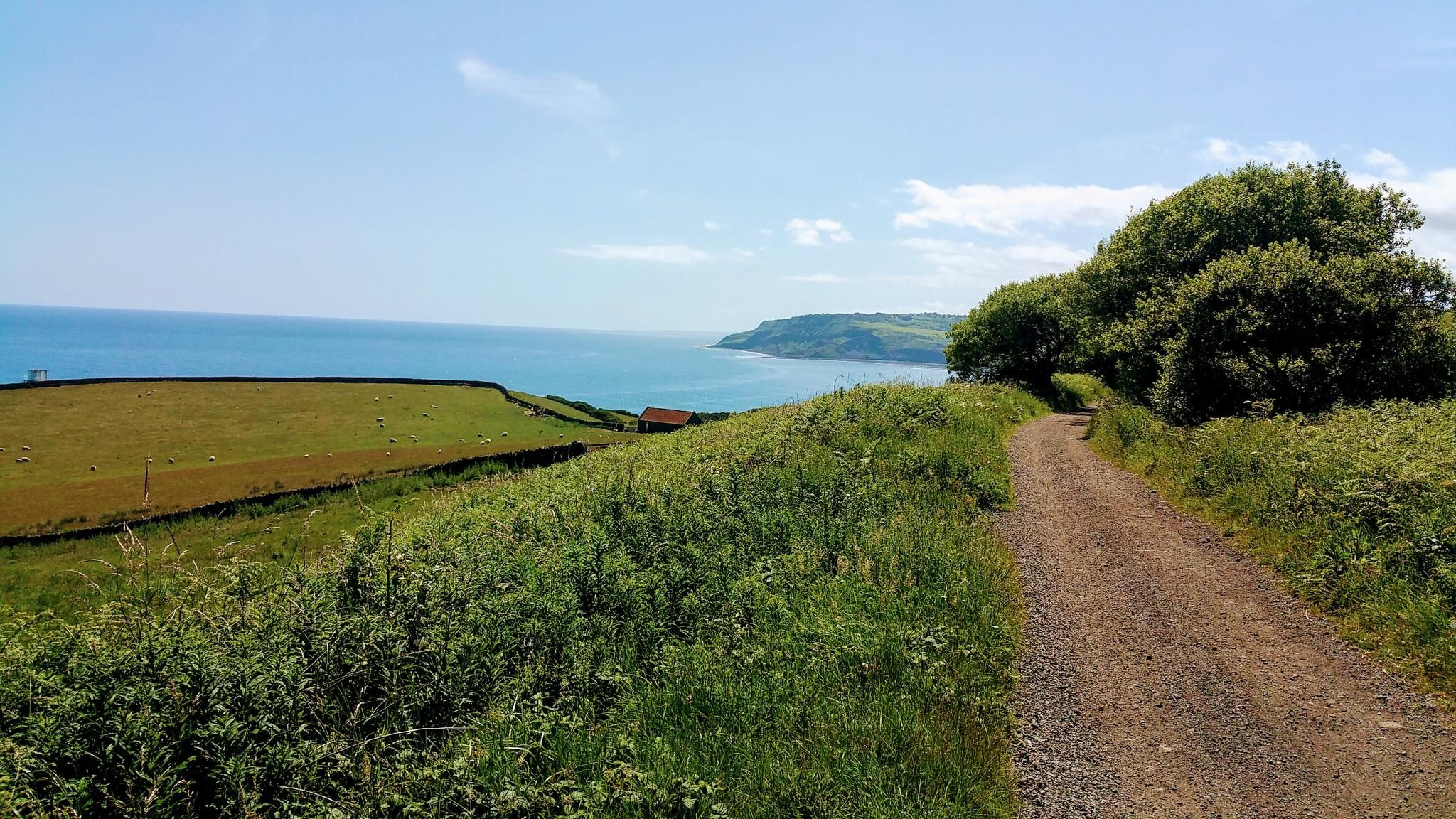
Gravel Cycling in North York Moors National Park

North York Moors National Park Cycle Routes

Moor to Sea – exploring the North York Moors National Park
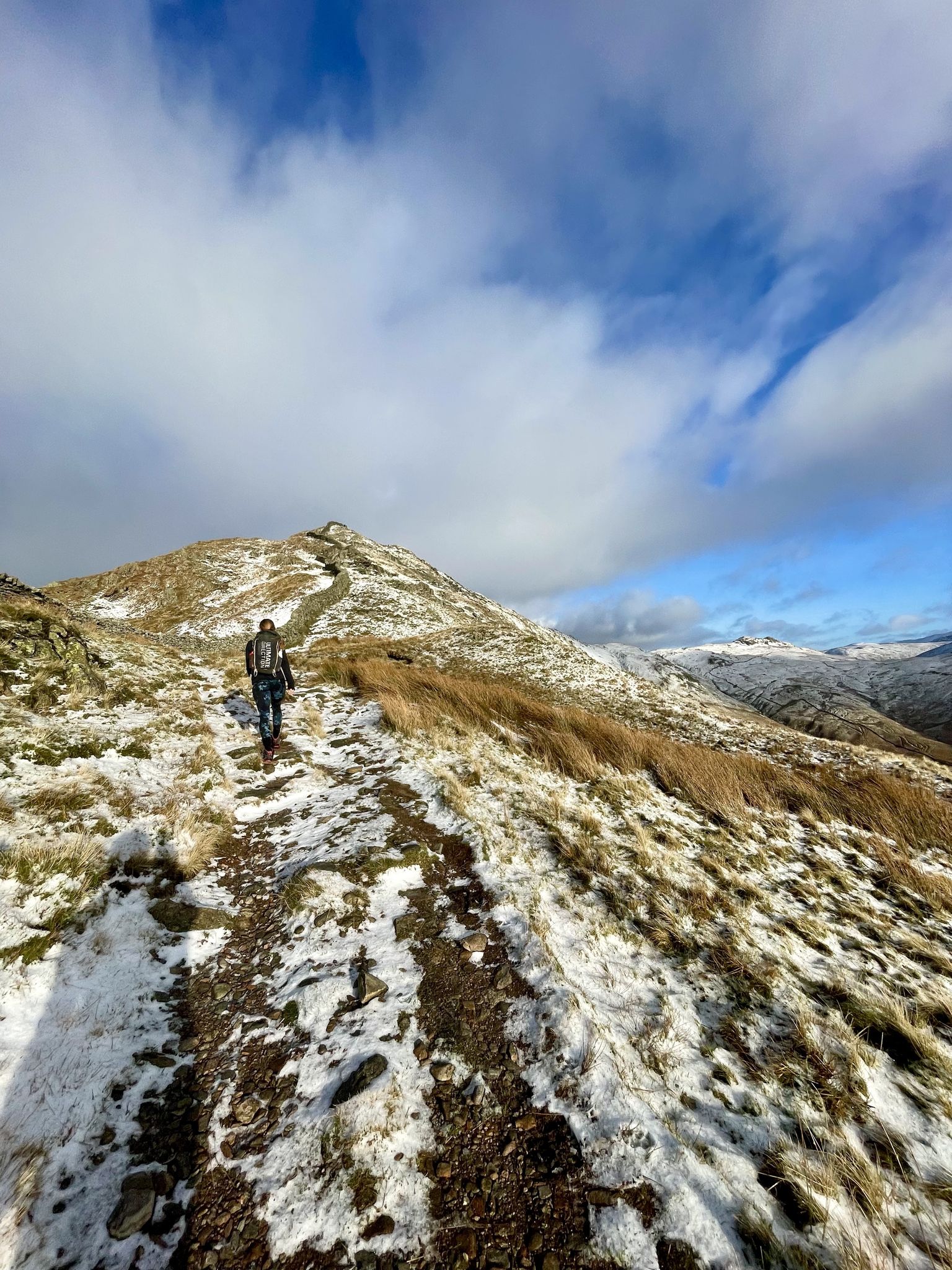
Walk Britain – 90 car-free adventures in England, Wales and Scotland

First Ascents – Magnificent UK Hill Walks for Beginners
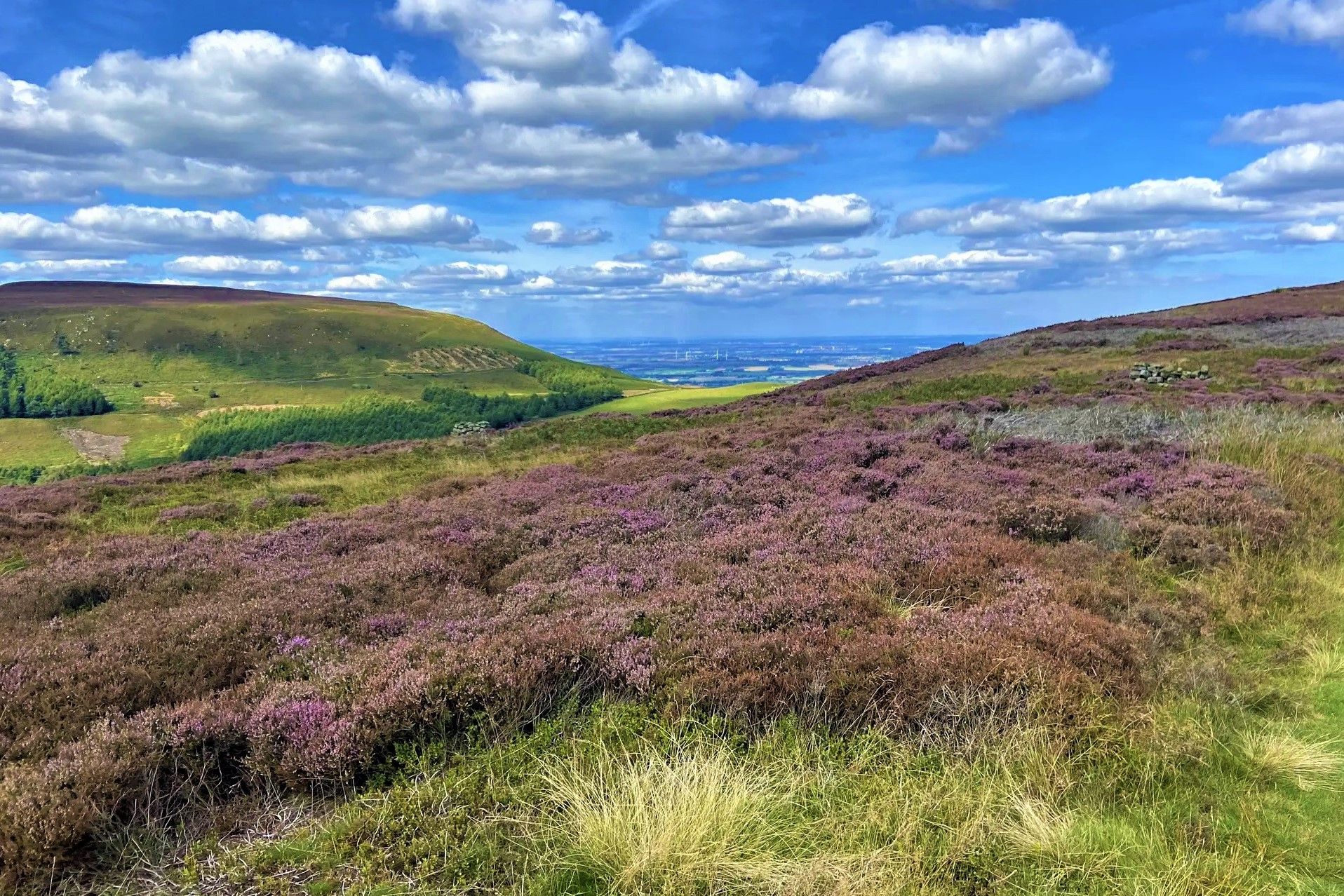
Purple heather, golden sand and classic hiking – North York Moors
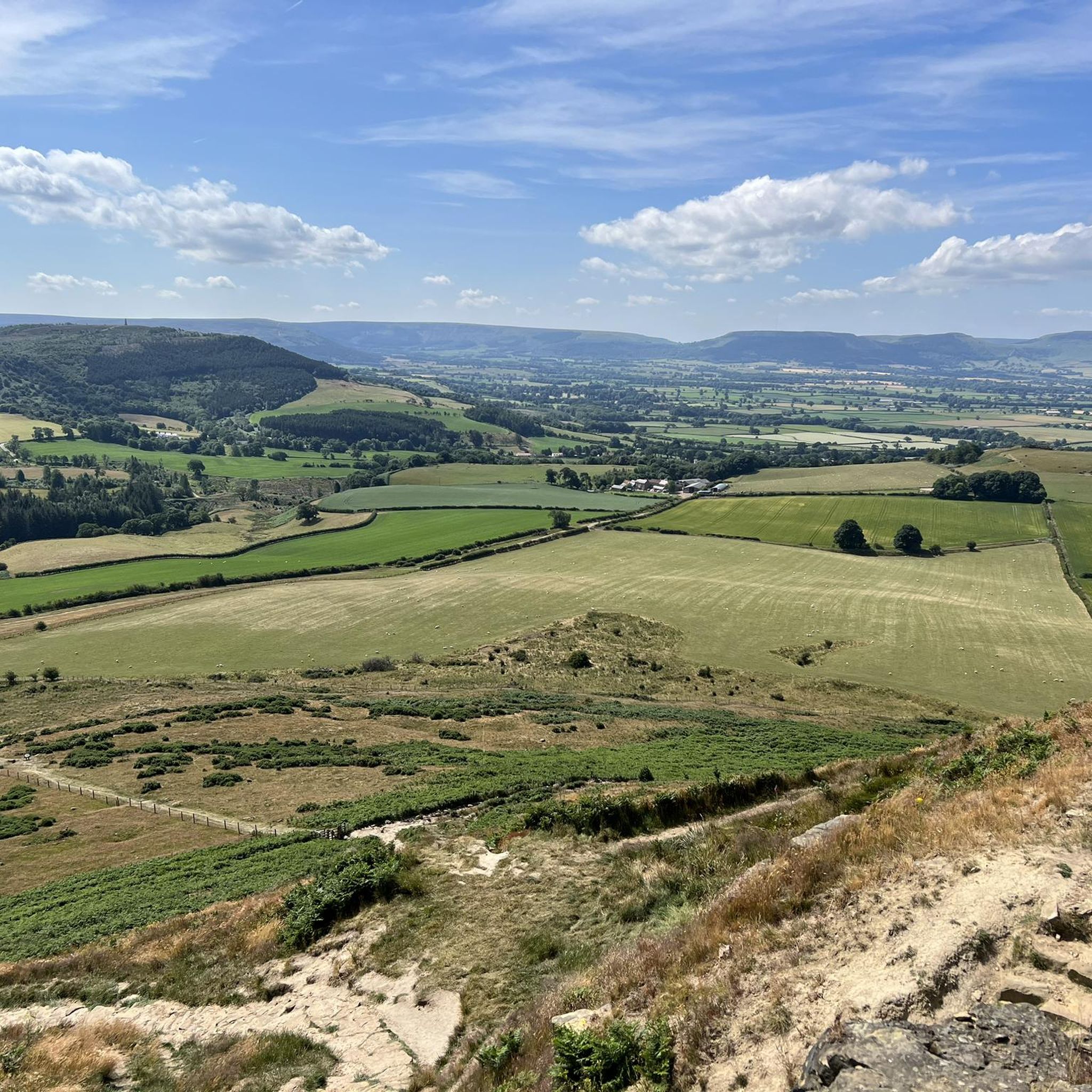
Hiking around Great Ayton
Other adventures around Great Ayton


Tips from the Community

Until 1912, Roseberry Topping had a smooth, sugarloaf‑like peak. A geological fault combined with underground mining caused a massive collapse, giving the summit its modern jagged profile. The climb up from the car park is steep and can be very busy, even before sunrise in winter where you can see a small procession of torches slowly ascending.
1
0
Great views and early on a Sunday morning is best to beat the crowds. The obelisk is hollow and originally had a doorway you could walk through, before it was sealed during a 19th‑century restoration. A lightning strike in 1960 almost split the monument down the middle after the lightning conductor installed in 1895 rusted away. Earlier lightning strikes in the 19th century had already blown off the original doorway and obliterated the cast‑iron plaques. Fun fact - allegedly - the monument contains a hidden time capsule. When the foundation stone was laid in 1827, commemorative items were placed inside, including a portrait of Captain Cook and a glass plate etched with details of the event.
1
0

This is where I realised wearing new boots for a hike this long was a BAD idea!
0
0
Directly in front of the monument, take a stroll about 30-50 paces and you will have some very decent views of the area!
0
0
Lots of view points, people rock climbing and the up and downs test you as they are short, but a touch punchy for their short elevation!
0
0

Judging from the number of recommendations, photos and tips, this is a hugely popular spot. If you can, get up there nice and early (I started 5.30am in May) to catch the rising sun and see the stones in a mix of sunlight and shadow, both from afar and close up. Spectacular rock formations and views all round.
3
0
More spectacular views. The approach from the west is easier with a more gentle incline than the approach from the east, which involves a series of twisting turning steep steps, good safe footing but hard going both up and down.
1
0
Frequently Asked Questions
What historical sites related to Captain Cook can I visit in Great Ayton?
Great Ayton is rich in Captain Cook's history. You can explore the Captain Cook Schoolroom Museum, housed in the former charity school where he received his early education. A Captain Cook Statue stands on the High Green, depicting him as a youth. The original site of his family cottage is marked by the Cook Family Cottage Obelisk on Bridge Street. Additionally, you can hike to Captain Cook's Monument on Easby Moor, which offers breathtaking views and pays tribute to the celebrated explorer.
Where can I find panoramic views of the surrounding countryside near Great Ayton?
For spectacular panoramic views, consider hiking to the summit of Roseberry Topping, often called the 'Yorkshire Matterhorn' due to its distinctive shape. Another excellent viewpoint is Carlton Bank Summit Trig Point, offering extensive views of Teesside and the North York Moors. Captain Cook's Monument on Easby Moor also provides far-reaching vistas.
Are there any distinctive natural rock formations to explore around Great Ayton?
Yes, The Wainstones are a distinctive rocky outcrop on Hasty Banks, popular with hikers. They offer fantastic views towards Middlesbrough and the Tees, and even feature ancient prehistoric carvings, though these can be difficult to spot due to erosion.
What family-friendly attractions are available in Great Ayton?
Families can enjoy the Great Ayton Discovery Centre, which features interactive exhibits about local wildlife, geology, and history. The Waterfall Park, located opposite Suggitts Ices, is a hidden spot perfect for picnics. The River Leven banks are also popular for leisurely walks. A bit further afield, the Tees Barrage offers a cycle path along the river where you can watch kayakers and rafters.
Can I go hiking or walking near Great Ayton?
Great Ayton is an excellent base for walking. The 110-mile Cleveland Way National Trail is accessible from the village. For easier walks, you can explore routes like the 'Stone Path to Cook's Monument' or 'Gribdale Gate Car Park loop'. You can find more details and routes in the Easy hikes around Great Ayton guide.
Are there cycling routes suitable for different skill levels around Great Ayton?
Absolutely. Great Ayton offers a variety of cycling routes. You can find easy road cycling routes like the 'Carlton in Cleveland Village – Hutton Rudby Village loop', or more challenging ones such as the 'Hall Lane Climb – Cod Beck Reservoir loop'. For touring, there's the 'Moor to Sea Cycle Network: 6a Great Ayton to Danby'. Explore more options in the Road Cycling Routes around Great Ayton and Cycling around Great Ayton guides.
What is the significance of the River Leven in Great Ayton?
The River Leven is a tributary of the River Tees that flows directly through Great Ayton, linking its two main centers, High Green and Low Green. Its banks are a popular spot for leisurely walks, picnics, and enjoying the village's natural beauty.
Where can I learn more about the local wildlife and geology of the area?
The Great Ayton Discovery Centre is the ideal place to learn about the local wildlife, geology, and history through interactive exhibits. It also serves as the village library and a community hub.
What are some easy walking routes around Great Ayton?
For easy walks, consider exploring the paths along the River Leven or visiting Waterfall Park. The nearby Gribdale Gate area, part of the North York Moors National Park, also offers accessible trails. Specific easy routes include the 'Stone Path to Cook's Monument – Gribdale Gate Car Park loop' and the 'Newton Road Gate Entrance – Great Ayton Village Centre loop'. More details can be found in the Easy hikes around Great Ayton guide.
Is there a good spot for a picnic with a view in Great Ayton?
Yes, Waterfall Park, located opposite Suggitts Ices, is a hidden gem perfect for picnics, offering views of a small waterfall and fields. Additionally, Low Green, one of the village's central greens, is a popular picnic spot right beside the River Leven.
What is the best time of year to visit Great Ayton for outdoor activities?
The spring and summer months (April to September) are generally ideal for outdoor activities in Great Ayton, offering milder weather for hiking, cycling, and exploring the natural features. However, the area's beauty can be enjoyed year-round, with autumn providing vibrant foliage and winter offering crisp, scenic walks, especially in the North York Moors.
What are the main village greens and what do they offer?
Great Ayton features two significant village greens: High Green and Low Green. High Green is home to the Captain Cook Statue and a unique sundial. Low Green, situated beside the River Leven, is a popular spot for picnics and relaxation. Both greens serve as central points for community events and offer pleasant spaces to unwind.
Are there any unique local food experiences in Great Ayton?
A notable local institution is Suggitts Ices, which has been serving its famous vanilla ice cream since 1921. It's a must-try for visitors and a beloved part of the village's charm.
What makes Roseberry Topping unique compared to other hills in the area?
Roseberry Topping is unique due to its distinctive, almost conical shape, which has earned it the nickname 'Yorkshire Matterhorn'. This unusual profile is a result of a geological fault and historical mining activities. Its prominence makes it visible for miles around, and the views from its summit are truly spectacular.
Most popular routes around Great Ayton
Most popular attractions around Great Ayton

Get inspired with the komoot mobile app


Explore more
Still not found the Highlight you’re looking for? See guides of the top attractions in other regions:
