The best walks and hikes around Askerton
4.4
(627)
2,375
hikers
71
hikes
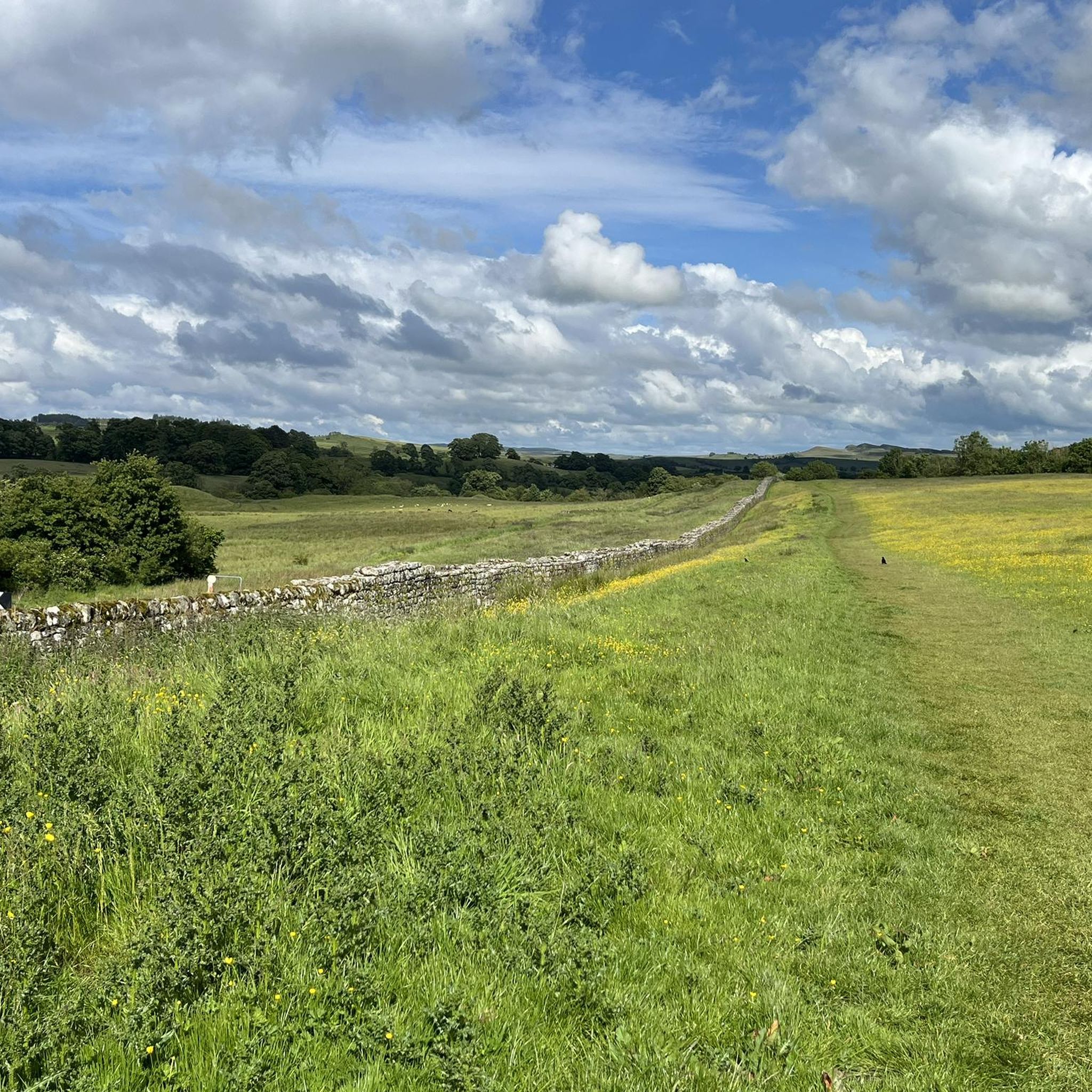
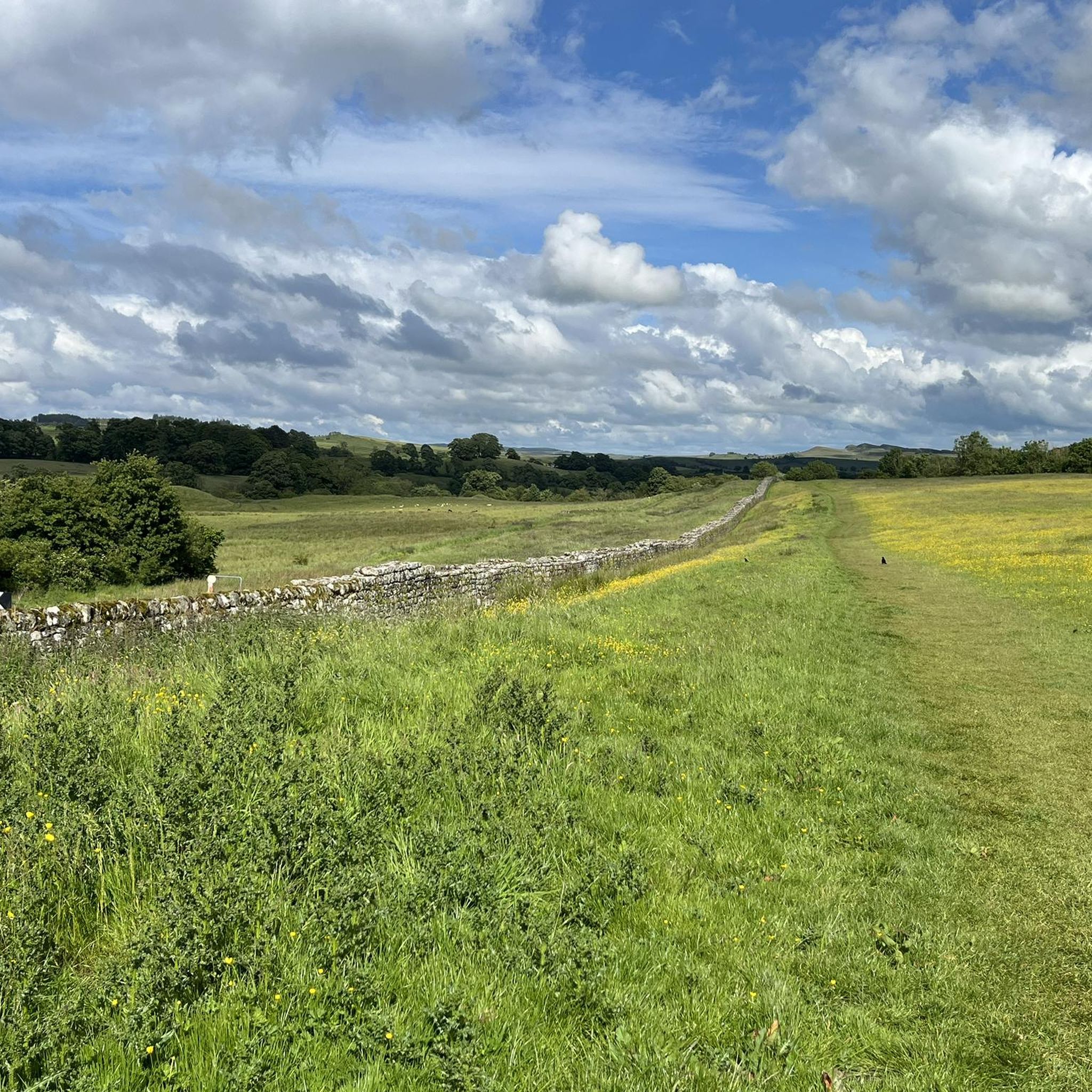
Hikes near Askerton explore a landscape rich with history and natural features. The region is characterized by rolling hills, open moorland, and sections of the Hadrian's Wall Path, a UNESCO World Heritage Site. Many walking trails near Askerton follow public footpaths that connect historical sites like Roman forts and priories with the surrounding countryside of Cumbria.
Best hiking trails around Askerton
- The most popular hiking route is Hadrian's Wall & Lanercost Priory loop from Lanercost, a 4.5 mile (7.2…
Last updated: June 26, 2026
4.5
(24)
60
hikers
7.21km
01:57
100m
100m
Easy hike. Great for any fitness level. Easily-accessible paths. Suitable for all skill levels.
5.0
(3)
27
hikers
13.8km
03:39
130m
130m
Moderate hike. Good fitness required. Easily-accessible paths. Suitable for all skill levels.

Sign up for free
4.5
(4)
18
hikers
7.12km
01:58
120m
120m
Easy hike. Great for any fitness level. Easily-accessible paths. Suitable for all skill levels.
5.0
(1)
31
hikers
Moderate hike. Good fitness required. Easily-accessible paths. Suitable for all skill levels.
4.8
(8)
58
hikers
16.1km
04:19
190m
190m
Moderate hike. Good fitness required. Easily-accessible paths. Suitable for all skill levels.
Get access to more routes and recommendations from other explorers.
Sign up for free
Already have an account?
Our route recommendations are based on thousands of hikes, rides, and runs completed by other people on komoot.
Start today with a free account
Your next adventure awaits.
Login or Signup
Tips from the Community

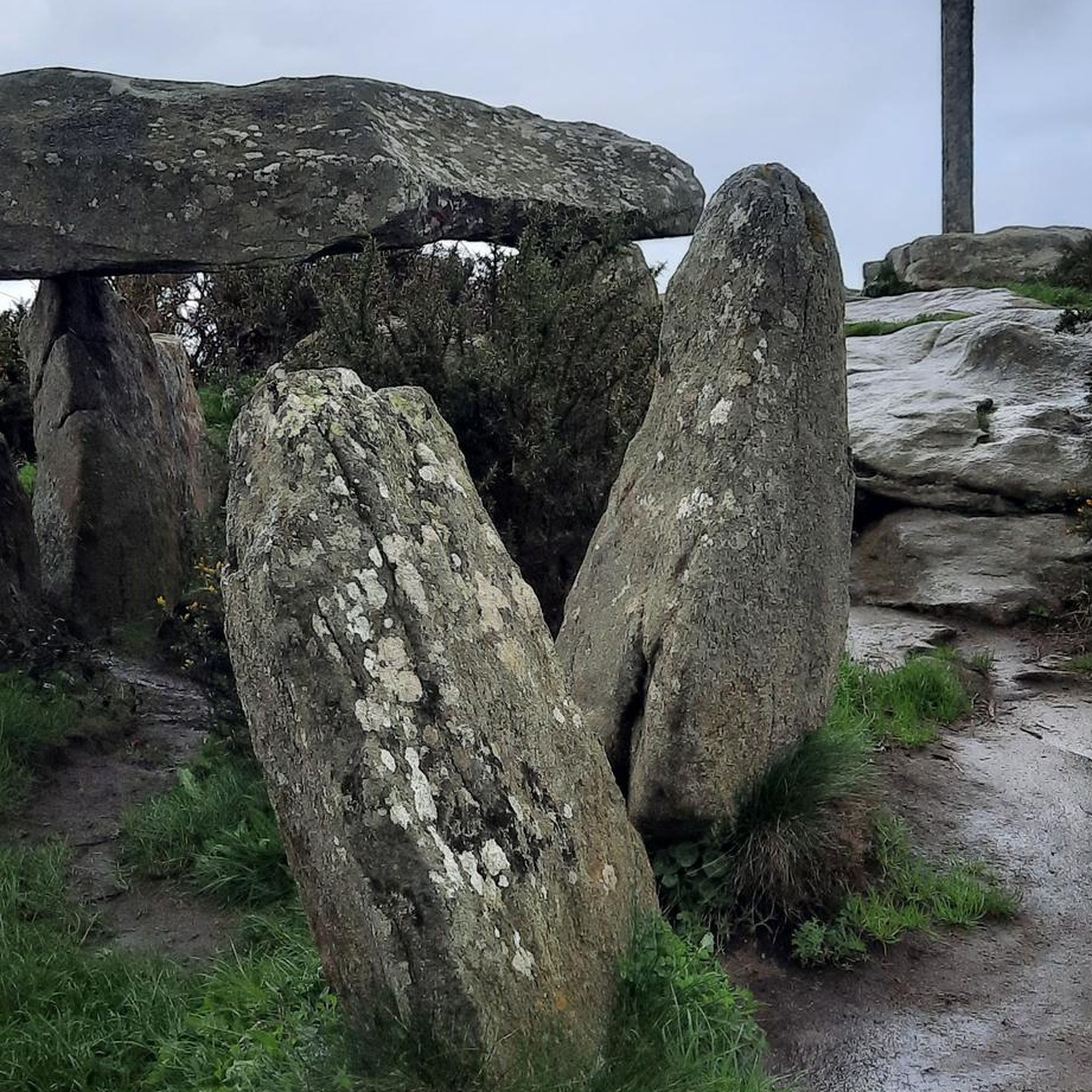
Please feel free to donate a book, take a book, swap a book or even write a book!
0
0

With its well-preserved sections of wall and nearby banks, turrets and a lime kiln, Hare Hill offers great insights into the Roman past. Along with the River Irthing crossing, this area must have been a veritable hive of Roman activity.
0
0
Everyday communications along Hadrian’s Wall would have been conveyed in a number of ways. Normally, detailed messages would have been by horseback. However, with the commanding views offered by Pike Signal Tower, it could also communicate with adjoining turrets either by smoke or by lit beacons using simple, predetermined codes. There is evidence that they also used a system of beams to transmit messages using a semaphore messaging system. It is a shame that very little is known of how the latter worked.
1
0
Well, we got here nearly at the end of our Hadrian's Wall hike for the day and had a bit of bad luck. Fancy turning up at one of the best Roman forts on Hadrian's Wall to be told it was closed because the wind was too strong and it might blow us off the wall. A place to come back to.
0
0

magnificent history tour - cafe for refreshments and shop for souvenirs
0
0

Along Lanercost Road near Banks in Cumbria, you'll find the well-preserved remains of Leahill Turret (51B), a Roman watchtower built around 122 AD as part of Hadrian's Wall. The tower was fully excavated and consolidated in 1958 and is still visible today to a height of approximately one meter. Leahill Turret served as a staging post between Milecastles 51 and 52, providing Roman soldiers with a strategic vantage point over the northern border region. Inside, traces of a raised platform against the north wall and a later shelter structure against the south wall are visible, suggesting reuse in the 4th century.
11
0
A short climb away lies the remains of the Pike Hill Signal Tower, a 2nd-century Roman watchtower strategically located along Stanegate—the military road that preceded the construction of Hadrian's Wall. The tower was part of a network of signaling posts that allowed Roman troops to quickly communicate between forts and watchtowers. From this vantage point, you have a commanding view of the surrounding landscape. The tower's position, diagonally positioned relative to the Wall, demonstrates the ingenious design of Roman engineers, focused on maximum visibility and military coordination. During the construction of Hadrian's Wall, the tower was integrated between two turrets: 51B and 52A, near the fort of Banna (Birdoswald).
11
0
Banks East Turret, also known as Turret 52A, is one of the best-preserved watchtowers along the western section of Hadrian's Wall. Built around 122 AD on the orders of Emperor Hadrian, this tower was part of an ingenious network: two turrets stood between each milecastle, manned by a handful of soldiers who guarded the boundary. The tower is built of stone, even though the wall here was originally turf—a rare example of early Roman engineering. You'll find an impressive section of wall reaching 1.75 meters high at the tower itself. The site offers panoramic views of the southern landscape, while the northern terrain is higher—a strategic yet surprising choice.
11
0
Frequently Asked Questions
What is the hiking terrain like around Askerton?
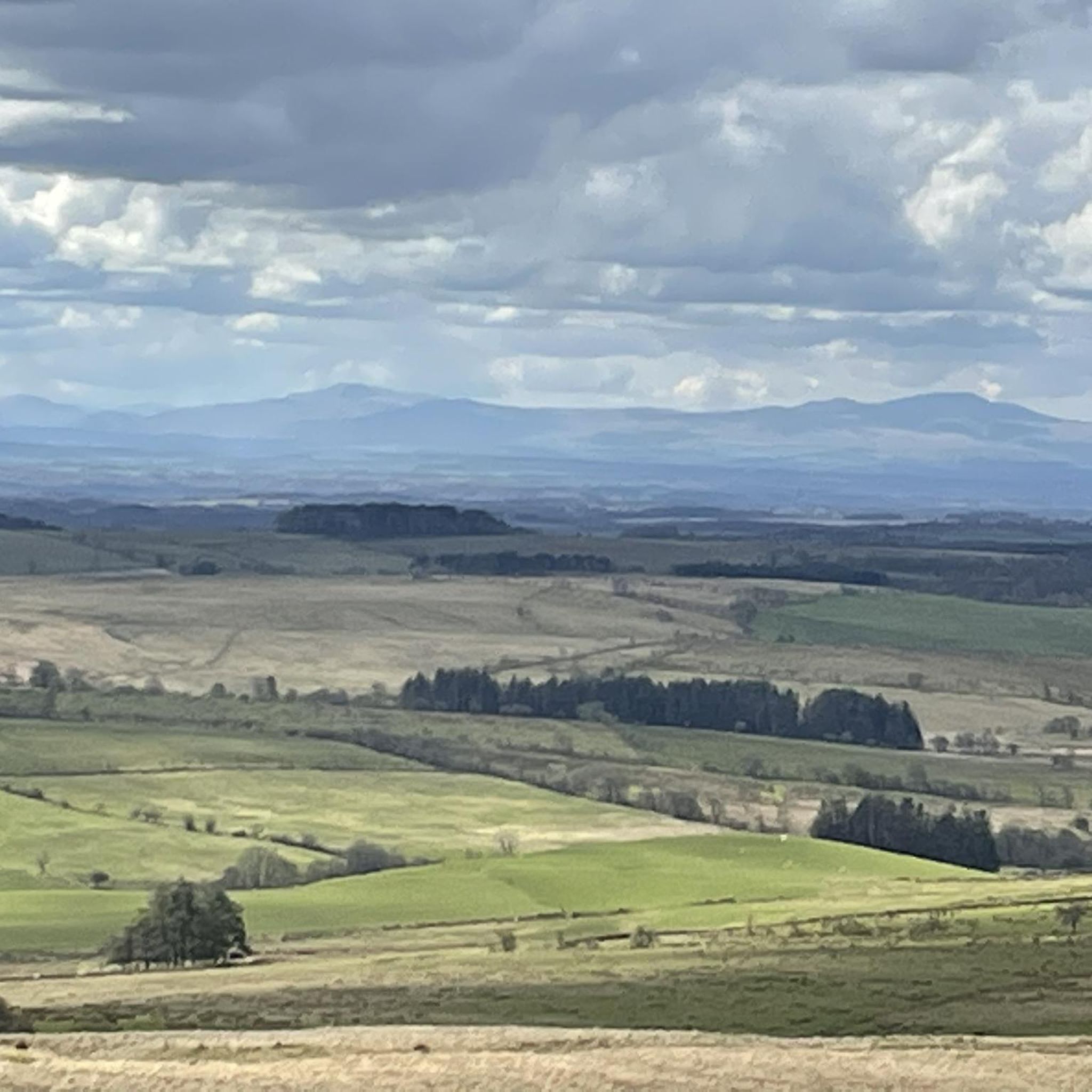
The landscape around Askerton is a mix of rolling hills, open heather moorland typical of the North Pennines, and dramatic crags along Hadrian's Wall. You'll find many trails following public footpaths through farmland, alongside rivers, and connecting historic Roman sites.
Are there many hiking trails to choose from near Askerton?
Yes, there's a wide variety. You can explore over 75 different routes in the area, with a fairly even split between easy and moderate trails. This means you can find everything from a short, historical stroll to a more challenging countryside hike.
What do other hikers think of the trails in this region?
The trails around Askerton are well-regarded by the komoot community. Hikers often praise the unique blend of stunning scenery and rich history, particularly the sections that follow the iconic Hadrian's Wall.
Can I see parts of Hadrian's Wall on a hike?
Absolutely. Many walks in the area incorporate sections of the Hadrian's Wall Path. For a substantial walk that includes a well-preserved fort, consider the Hadrian's Wall – Birdoswald Roman Fort loop from Low Row, which offers a great combination of history and scenic views.
Are there any good circular walks?
Yes, circular routes are very common here. A great option that combines two major historical sites is the Hadrian's Wall & Lanercost Priory loop from Lanercost. It's a relatively easy walk that brings you back to your starting point.
Are the trails suitable for family outings?
Many trails are family-friendly. Look for shorter, easier routes with minimal elevation gain. The area around Talkin Tarn Country Park is excellent for families, offering gentle paths around a lake. For a route with historical interest, the Lanercost Priory – Lanercost Bridge loop from Low Row is a moderate but manageable option.
Can I bring my dog on the trails?
Dogs are generally welcome on public footpaths, but be prepared to keep them on a lead, especially when crossing farmland with livestock. The open moorlands of the North Pennines and woodland paths offer great spaces for walking with a dog, provided you follow the Countryside Code.
What historical sites can I see while hiking?
The region is steeped in Roman history. Besides Hadrian's Wall itself, you can visit sites like Birdoswald Roman Fort and various milecastles and turrets. A route like the Banks Turret – Hadrian's Wall – Birdoswald Roman Fort loop from Low Row is packed with historical points of interest.
Where is a good place to park for a hike?
Parking is available at key starting points. Many popular routes begin near dedicated car parks for attractions like Birdoswald Roman Fort, Lanercost Priory, or in the nearby town of Brampton. It's always best to check the details for your chosen route in advance, as some smaller trailheads have limited space.
Is it possible to reach the trails using public transport?
Yes, the nearby market town of Brampton has a train station and bus services. The Hadrian's Wall bus service (AD122) is particularly useful for hikers, as it stops at several key points along the wall, allowing for linear walks. From Brampton, you can access local footpaths or connect to the bus route.
Are there any challenging, long-distance hikes?
The most famous long-distance path in the area is the Pennine Way National Trail, which passes through the North Pennines. You can tackle sections of it for a challenging day hike. Additionally, the Hadrian's Wall Path is an 84-mile National Trail that offers a multi-day trekking adventure.
What are the trail conditions like?
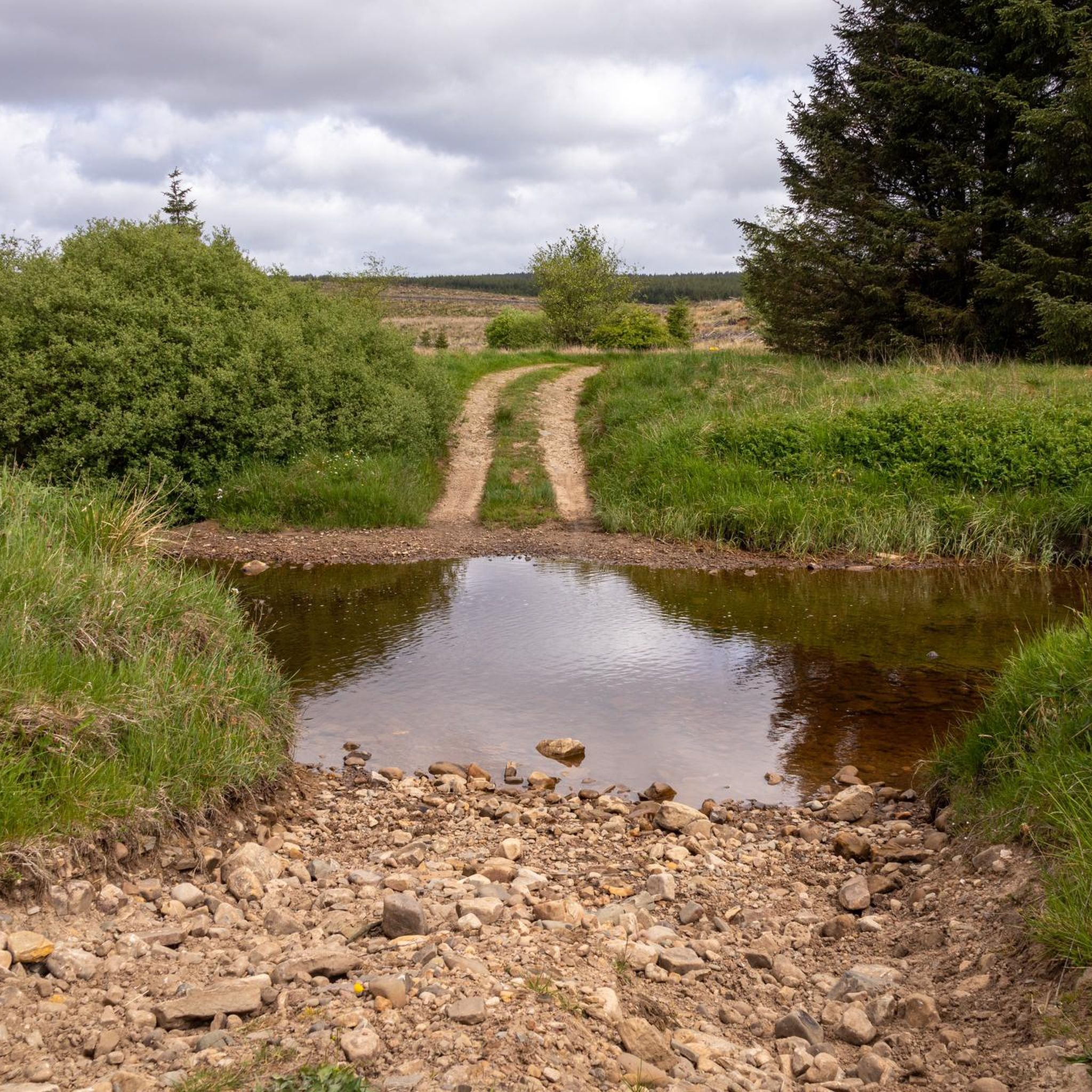
Trail conditions can be variable. Paths along Hadrian's Wall and through popular sites are generally well-maintained. However, routes across open moorland can be boggy and exposed, especially after rain. Sturdy, waterproof hiking boots are recommended for most trails in the region.
Most popular attractions around Askerton

Get inspired with the komoot mobile app


Explore more
Browse the best Hikes in other regions.
