Attractions and Places To See around Aikton - Top 20
Best attractions and places to see around Aikton, a village in Cumbria, England, offers a blend of historical landmarks and natural features. The area provides insights into local history, including ancient churches and medieval sites. Situated in a rural setting, Aikton also offers views of the distant Lake District and access to nearby nature reserves. The surrounding landscape is characterized by farmland, providing a tranquil environment for exploration.
Best attractions and places to see around Aikton
- The most popular attractions is River Eden Bridge, a viewpoint that spans the River Eden. This footbridge in Rickerby Park, Carlisle, was built in 1922 as a memorial for the fallen of the First World War.
- Another must-see spot is Carlisle Cathedral, a historical site and religious building. Founded as an Augustinian priory in 1122, it features medieval choir stalls, old stone carvings, and stained glass windows.
- Visitors also love Carlisle Castle, a historical castle. Founded in 1092, it served as a key fortress on England’s northwestern border and has withstood numerous sieges throughout its history.
- Aikton and its vicinity are known for historical sites, religious buildings, and natural attractions. Visitors can explore ancient structures, significant churches, and scenic river views.
- The attractions around Aikton are appreciated by the komoot community, with 77 upvotes and 44 photos shared by visitors.
Last updated: October 5, 2026
St Michael's Church, Burgh by Sands
Highlight • Historical Site
It is one of only three surviving fortified churches in Cumbria and has two towers:
The west tower has wrought-iron gates, arrow slits, and a crenellated roof—originally built as a shelter during border conflicts.
The east tower was later lowered and served as a schoolroom in the 18th century.
The architecture is a mix of Norman and Gothic. A decorated entrance features beakhead motifs (a rare Romanesque detail). Stained glass windows depict northern saints and King Edward I. A Roman corbel is set into the wall.
Translated by Google •
Tip by

Carlisle Cathedral
Highlight • Historical Site
Tip by

Sign up now to discover places like this
Get recommendations on the best single tracks, peaks, & plenty of other exciting outdoor places.
Carlisle Castle
Highlight • Historical Site
Tip by
Burgh Marsh
Highlight • Cycleway
Translated by Google •
Tip by
Statue of Edward I
Highlight • Monument
The statue was unveiled by the Duke of Kent in 2007 and stands proud in the village by the roadside and the playing fields.
Tip by

Sign up for free to discover even more attractions around Aikton.
Already have an account?
Start today with a free account
Your next adventure awaits.
Tips from the Community

This is the place where one of the most formidable English monarchs died when he developed fever during a campaign against the Scots in 1307. This is where Edward the First died, and being an iconic historical figure, this small, quaint monument was erected in his honour in 2007.
0
0
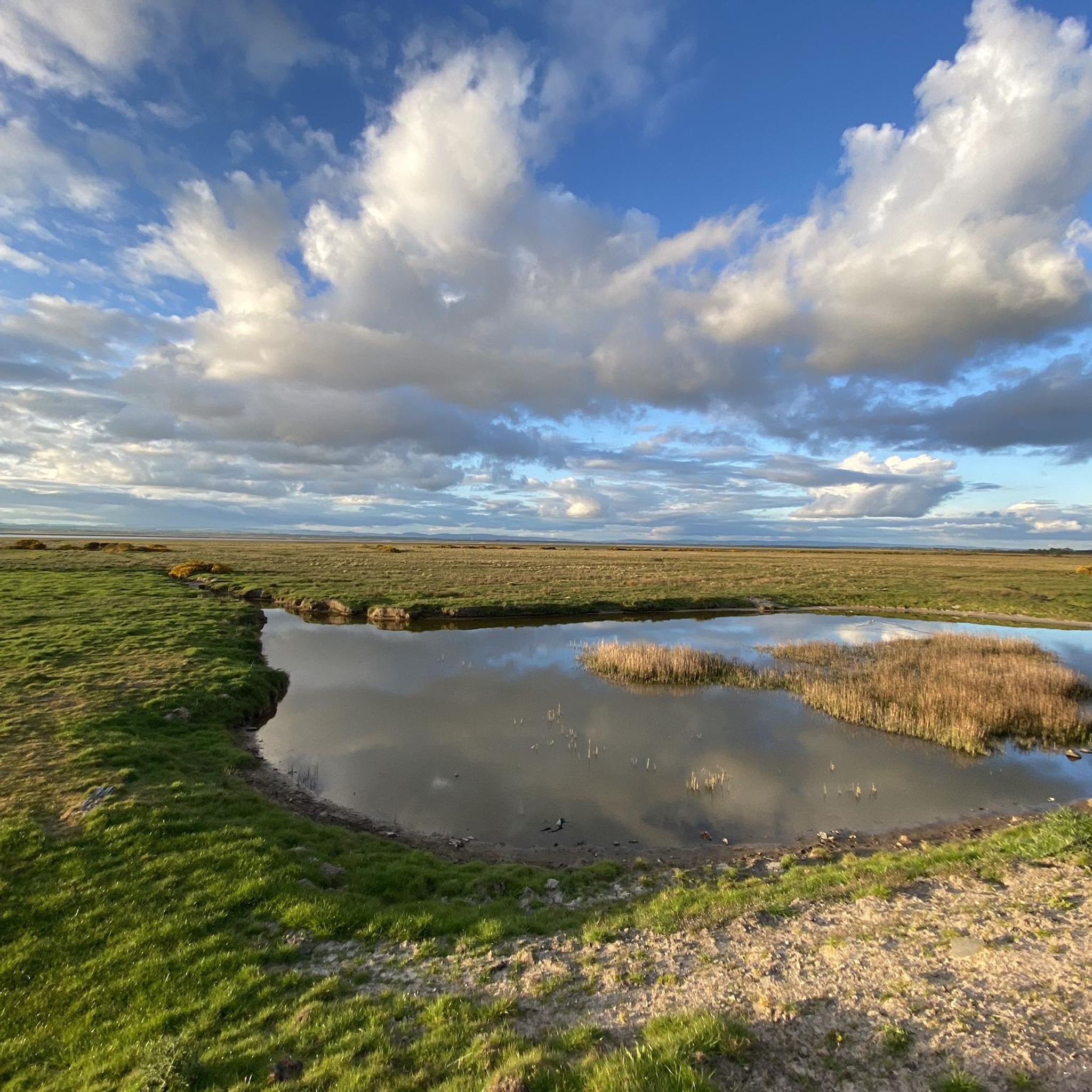
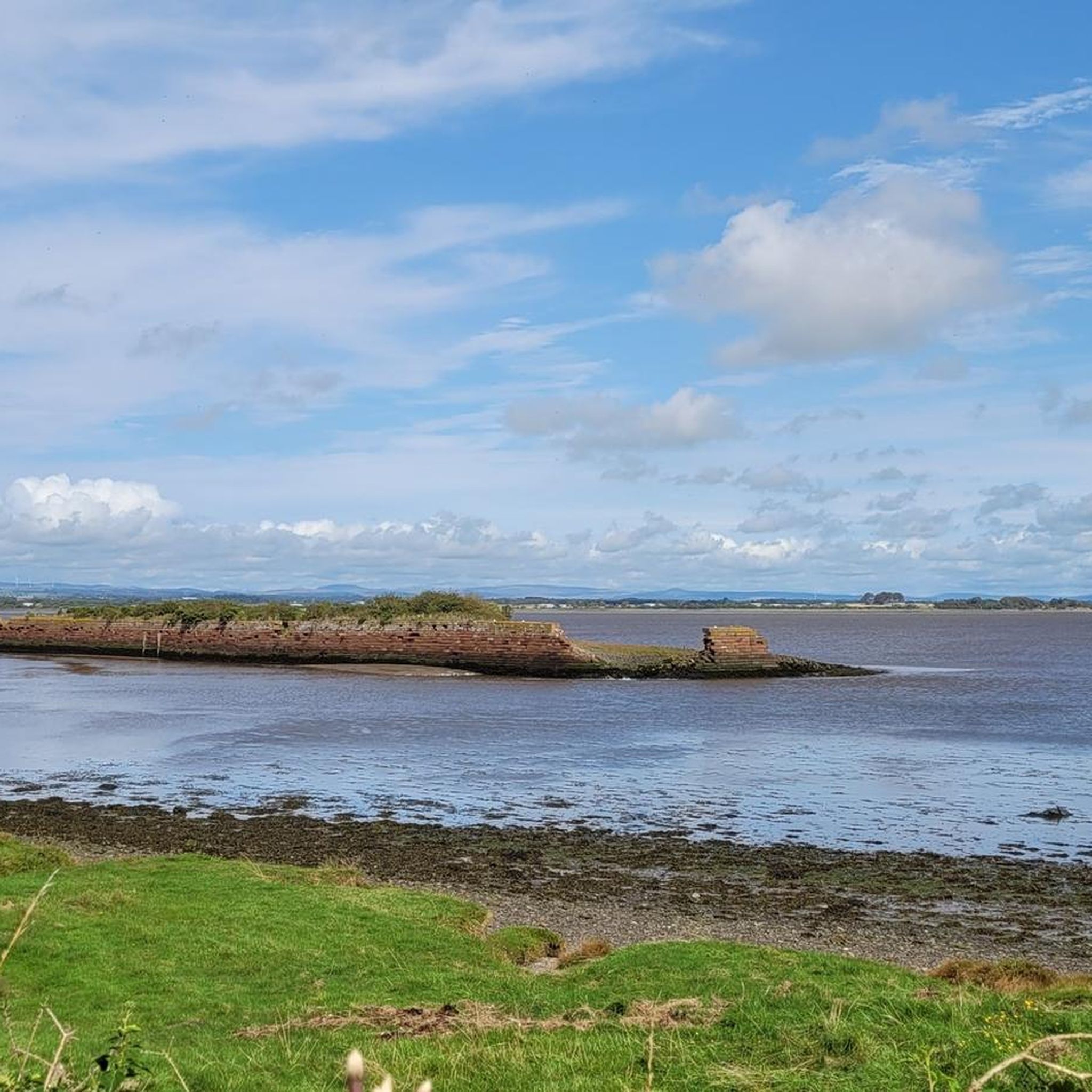
A noteworthy fact about Burgh Marsh is that it was the place where Edward the First, one of the most formidable English monarchs, died when he developed fever during a campaign against the Scots. Where he is supposed to have died on the Marsh is marked by a rarely visited monument that is well worth a visit. It is a tranquil and peaceful place.
1
0

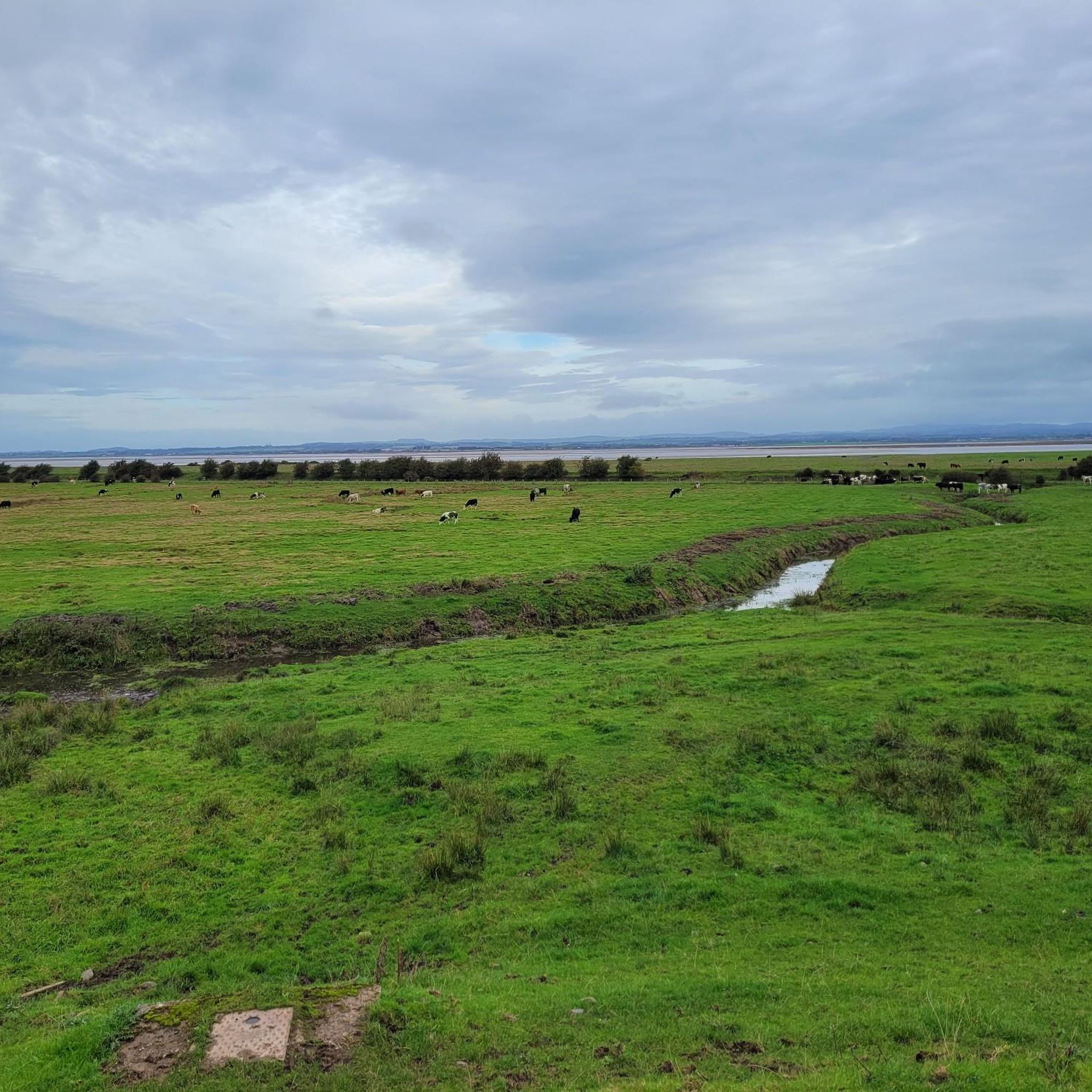
Burgh Marsh is a vast salt marsh on the Solway Firth, where nature, history, and mystery converge. Located near Burgh by Sands, the area forms a key part of the Solway Coast Area of Outstanding Natural Beauty. King Edward I died here in 1307 during his campaign against Scotland, an event marked by a monument in the middle of the marsh. Bordering the western section of Hadrian's Wall, Burgh Marsh also bears traces of the Roman presence. Today, Burgh Marsh stands as a silent witness to centuries of frontier history, with a landscape that invites reflection and exploration.
10
0
Carlisle Castle, built in 1092 by William II, is an imposing medieval fortress on the edge of Carlisle city center, near Hadrian's Wall. The castle played a key role in the Anglo-Scottish conflict, withstanding at least seven sieges between 1174 and 1461. In 1568, Mary Queen of Scots was imprisoned here, and during the Jacobite Rising of 1745, it was the last English fortress to be besieged. Visitors can explore the 12th-century gatehouse, the Tudor gun platform, and the keep with its 15th-century carvings. Also within its walls is Cumbria's Museum of Military Life, which chronicles 300 years of military history.
6
0
Originally built in the 12th century on the remains and with stones from the Roman fort of Aballava, part of Hadrian's Wall, King Edward I died near this site in 1307. His body lay in state here before being transferred to Westminster Abbey. It is one of only three surviving fortified churches in Cumbria and has two towers: The west tower has wrought-iron gates, arrow slits, and a crenellated roof—originally built as a shelter during border conflicts. The east tower was later lowered and served as a schoolroom in the 18th century. The architecture is a mix of Norman and Gothic. A decorated entrance features beakhead motifs (a rare Romanesque detail). Stained glass windows depict northern saints and King Edward I. A Roman corbel is set into the wall.
12
0
The statue of King Edward I is located in Burgh by Sands—the place where he died in 1307 during a military campaign against Scotland. Created in 2007 by artist Christopher Kelly, the statue depicts Edward I, also known as Longshanks, in a stately pose wearing medieval armor.
11
0

As well as this modern statue there is also a monument for Edward I north of the village.
2
0
The church dates from the late 12th century. Edward I died in Burgh by Sands in 1307and then lay in state in the church.
2
0
Frequently Asked Questions
What historical landmarks can I explore in and around Aikton?
Aikton and its vicinity offer several historical landmarks. You can visit the ancient Carlisle Castle, founded in 1092, which has withstood numerous sieges. Another significant site is St Michael's Church, Burgh by Sands, built with stones from Hadrian's Wall, where King Edward I lay in state. Within Aikton itself, St. Andrew's Church, over 900 years old, features Norman and Early English architecture and incorporates Roman stones.
Are there any ancient religious sites worth visiting near Aikton?
Yes, the area is rich in religious history. Carlisle Cathedral, founded as an Augustinian priory in 1122, boasts medieval choir stalls and stained glass windows. St Michael's Church, Burgh by Sands is a fortified church with a history dating back to the 12th century, built partly from Hadrian's Wall stones. In Aikton village, St. Andrew's Church is over 900 years old and open between Easter and the end of September.
What natural attractions are there to see near Aikton?
Near Aikton, you can enjoy the outdoors at Watchtree Nature Reserve, located approximately 2.5 km from the village. Many areas in Aikton also offer scenic views of the distant Lake District, and the surrounding landscape is characterized by farmland. The River Eden Bridge provides a pleasant viewpoint over the River Eden.
Can I find family-friendly attractions around Aikton?
Yes, several attractions around Aikton are suitable for families. The River Eden Bridge is a great spot for a family stroll. Historical sites like Carlisle Cathedral and Carlisle Castle are also tagged as family-friendly, offering engaging historical exploration. The Hadrian's Wall Path Pavilion and Stamping Station is another family-friendly option, especially for those interested in the famous Roman wall.
What outdoor activities, like hiking or cycling, are available near Aikton?
The area around Aikton offers various outdoor activities. For hiking, you can explore routes like the 'Molly's Path – Bowness-on-Solway loop' or trails within Watchtree Nature Reserve. You can find more hiking options in the Hiking around Aikton guide. For running, there are routes like the 'Bird Feeding Station – Watchtree Nature Reserve loop'. Mountain biking enthusiasts can find trails such as the 'Carlisle & River Caldew loop'. More details are available in the MTB Trails around Aikton guide.
Where can I find a good viewpoint to appreciate the local scenery?
The River Eden Bridge is a popular viewpoint spanning the River Eden in Rickerby Park, offering scenic river views. Additionally, many houses in Aikton itself boast views of the distant Lake District, and the surrounding farmland provides a tranquil rural landscape to enjoy.
Are there any medieval sites or ruins to visit in the Aikton area?
Yes, the Down Hall Moated Site, located southeast of Aikton village, is a medieval moated site. It consists of the earthwork remains of what is believed to have been a medieval castle, likely destroyed in the early 14th century. Although stone walls are no longer visible, the earthwork remains of the moat are recognized as a Scheduled Monument.
What is the significance of St. Michael's Church in Burgh by Sands?
St Michael's Church, Burgh by Sands is highly significant due to its history and architecture. Originally built in the 12th century using stones from the Roman fort of Aballava (part of Hadrian's Wall), it is one of only three surviving fortified churches in Cumbria. King Edward I died near this site in 1307, and his body lay in state here. The church features Norman and Gothic architecture, including a decorated entrance with rare beakhead motifs.
What is the best time of year to visit Aikton for outdoor exploration?
While specific seasonal recommendations for Aikton are not detailed, St. Andrew's Church is typically open between Easter and the end of September, suggesting that spring through early autumn offers favorable conditions for exploring local sites and enjoying the natural features like Watchtree Nature Reserve and walking trails.
Are there any local pubs or places to stay with historical character in Aikton?
Yes, The Aikton Arms is an 18th-century village pub that also functions as a bed and breakfast. It provides a historical and social point of interest within Aikton, offering a glimpse into local life and a place to stay.
What makes Carlisle Castle a significant historical site near Aikton?
Carlisle Castle is a major historical site, founded in 1092 by William II. It served as a crucial fortress on England’s northwestern border with Scotland and has endured more sieges than any other place in the British Isles. Its history includes imprisoning Mary Queen of Scots in the 16th century and playing a role in the Jacobite Rising of 1745, making it a fascinating place to explore.
Is there a place to learn about Hadrian's Wall near Aikton?
Yes, the Hadrian's Wall Path Pavilion and Stamping Station is a great place to start or finish your Hadrian's Wall trail experience. It's also worth noting that St Michael's Church, Burgh by Sands was built with stones from the Roman fort of Aballava, which was part of Hadrian's Wall, offering a direct connection to the ancient frontier.
What do visitors generally appreciate about the attractions around Aikton?
Visitors appreciate the blend of historical depth and natural beauty around Aikton. The area's ancient structures, significant churches, and scenic river views are highly regarded. The komoot community has shared 44 photos and given 77 upvotes to the attractions, highlighting their appeal for those interested in history, nature, and tranquil exploration.
Most popular attractions around Aikton

Get inspired with the komoot mobile app


Explore more
Still not found the Highlight you’re looking for? See guides of the top attractions in other regions:
