Attractions and Places To See around Clydebank East - Top 20
Best attractions and places to see around Clydebank East include a blend of historical sites, natural features, and cultural points of interest. The area is characterized by its rich industrial past, including shipbuilding and the Singer sewing machine factory, alongside significant natural elements. Visitors can explore the Forth and Clyde Canal and the nearby Kilpatrick Hills, offering opportunities for outdoor activities. This region provides a diverse range of experiences, from historical landmarks to green spaces.
Best attractions and places to…
Last updated: October 18, 2026
Craigallian Loch
Highlight • Historical Site
Tip by

George Square
Highlight • Monument
Tip by

Sign up now to discover places like this
Get recommendations on the best single tracks, peaks, & plenty of other exciting outdoor places.
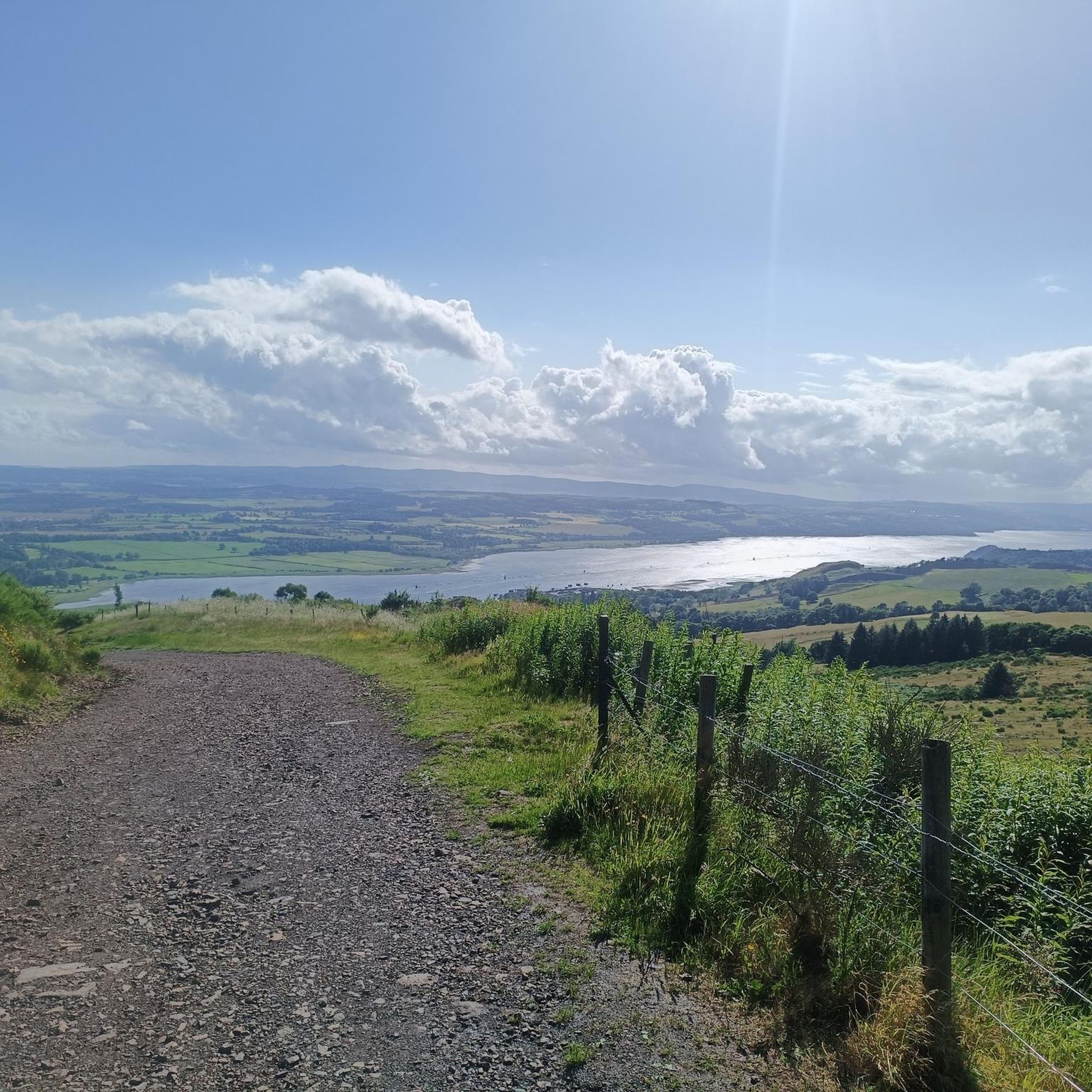
Duncolm Summit
Highlight • Viewpoint
Tip by

West Highland Way Starting Obelisk (Milngavie)
Highlight • Monument
Tip by

Duke of Wellington Statue, Glasgow
Highlight • Historical Site
Translated by Google •
Tip by

Sign up for free to discover even more attractions around Clydebank East.
Already have an account?
Start today with a free account
Your next adventure awaits.

Tips from the Community

Craigallian Loch lies idyllically between green hills at the start of the West Highland Way. The small lake is surrounded by moorland and pasture landscape and already offers a taste of the Scottish scenery.
5
0

Glasgow Art Museum, which was added to the highest category of the Scottish heritage list in 1966.
3
0

The start of the West Highland Way is very urban, and the first section will feel more like a country park. Good paths and signs will lead you out of the town towards Loch Lomond.
4
1

Nice to see in the video: https://youtu.be/FTvrh28-ojY
3
0

What else do you need to know. Insanely beautiful
2
0

The first major lake on the West Highland Way is very atmospheric.
8
0
A nice starting point for the West Highland Way. There is a lot to look at and to read. A photo with the obelisk is probably a must. 😊
9
1

Frequently Asked Questions
What historical sites can I visit in Clydebank East?
Clydebank East and its surroundings offer several significant historical sites. You can explore the rich industrial past at the Clydebank Museum and Art Gallery, which details the town's shipbuilding legacy and the impact of the Clydebank Blitz. The iconic Titan Crane, a relic of the shipbuilding era, also offers historical exhibits and panoramic views. Other notable sites include the historic Clydebank Co-operative Building and the solemn Clydebank Blitz Memorial. Further afield, Mugdock Castle provides a glimpse into medieval history.
Where can I learn about Clydebank's industrial past?
To delve into Clydebank's industrial heritage, visit the Clydebank Museum and Art Gallery, located in the refurbished Town Hall. It showcases the town's significant shipbuilding history, the impact of the Clydebank Blitz, and the story of the Singer sewing machine factory. Additionally, the Titan Crane, a towering structure from the shipbuilding era, offers exhibits on its role in constructing some of the world's largest liners.
What is the significance of Craigallian Loch?
Craigallian Loch is a historical site notable for a commemorative plaque marking the 'Craigallian Fire.' This legendary spot influenced local climbing communities in the 1930s, serving as a beacon of companionship and hope for young, unemployed people seeking adventure in Scotland's wild places. It played a role in opening up the Scottish countryside for all to roam.
Are there opportunities for walking or cycling along the Forth and Clyde Canal?
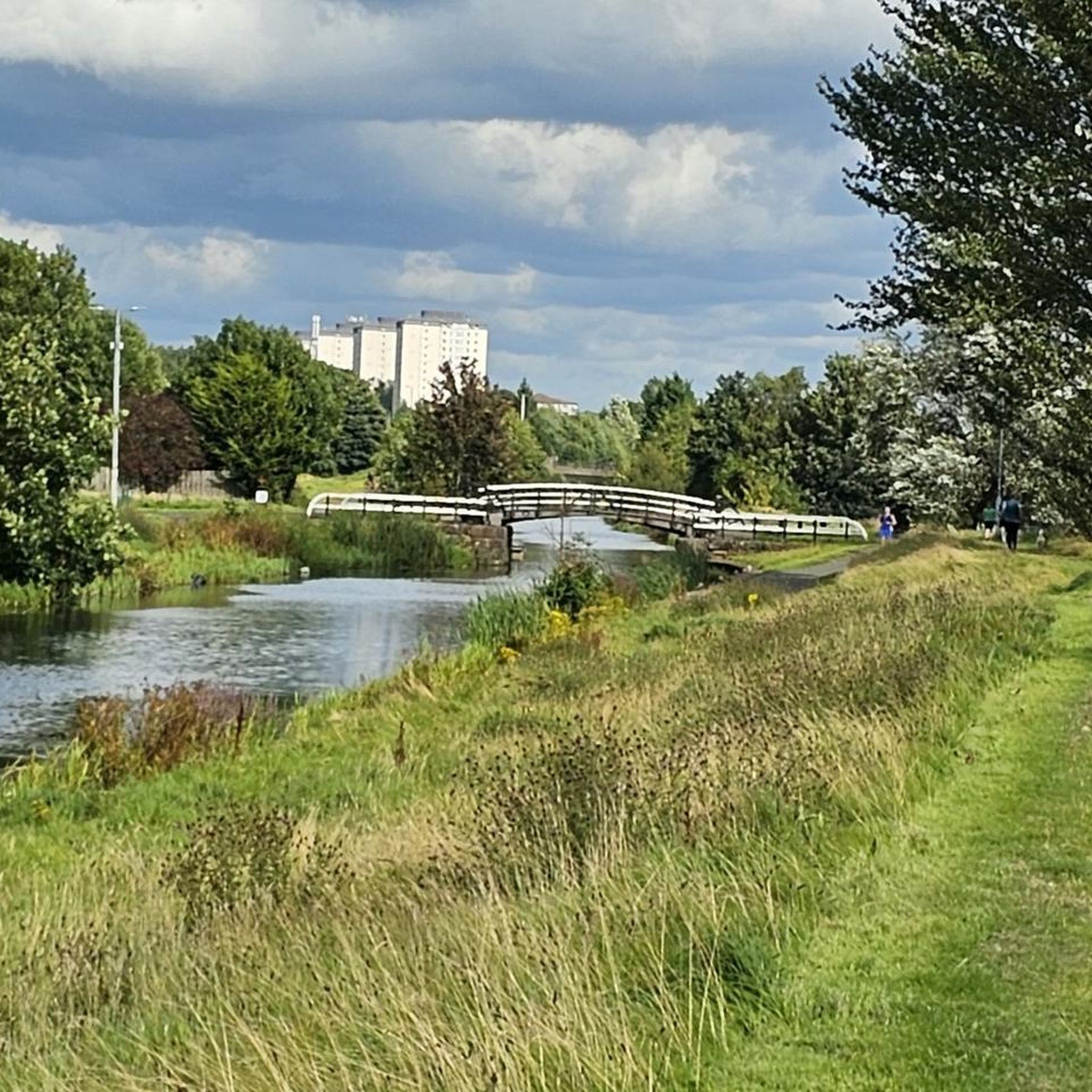
Yes, the Forth and Clyde Canal runs through Clydebank, offering peaceful towpaths ideal for walking, cycling, or even boating. These paths connect to a wider canal network, providing scenic routes and access to other attractions. For cycling, you can find routes like the 'Forth and Clyde Canal Towpath – Stockingfield Junction Bridge loop' which is a moderate ride. You can find more cycling options on the Cycling around Clydebank East guide.
Where can I go hiking with scenic views near Clydebank East?
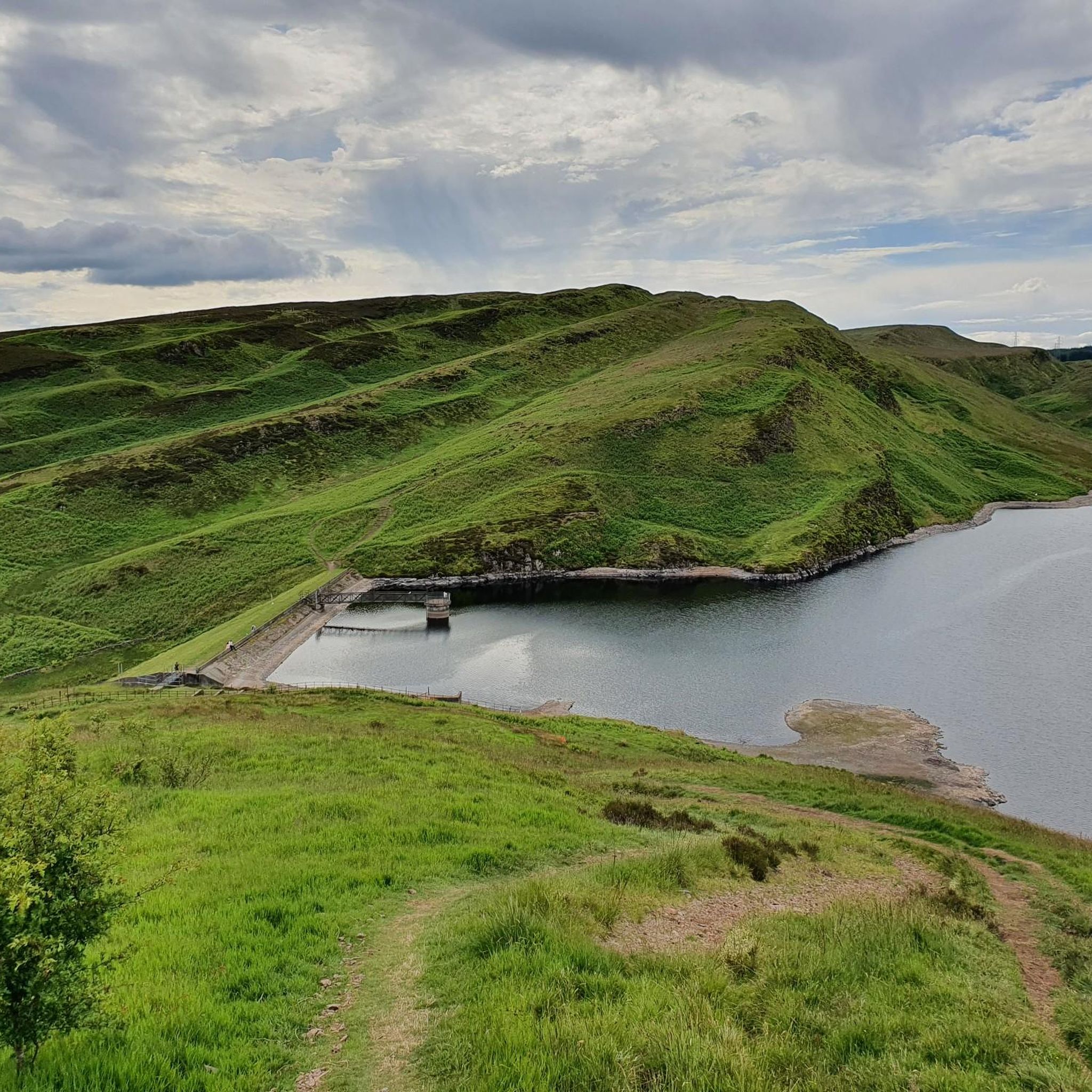
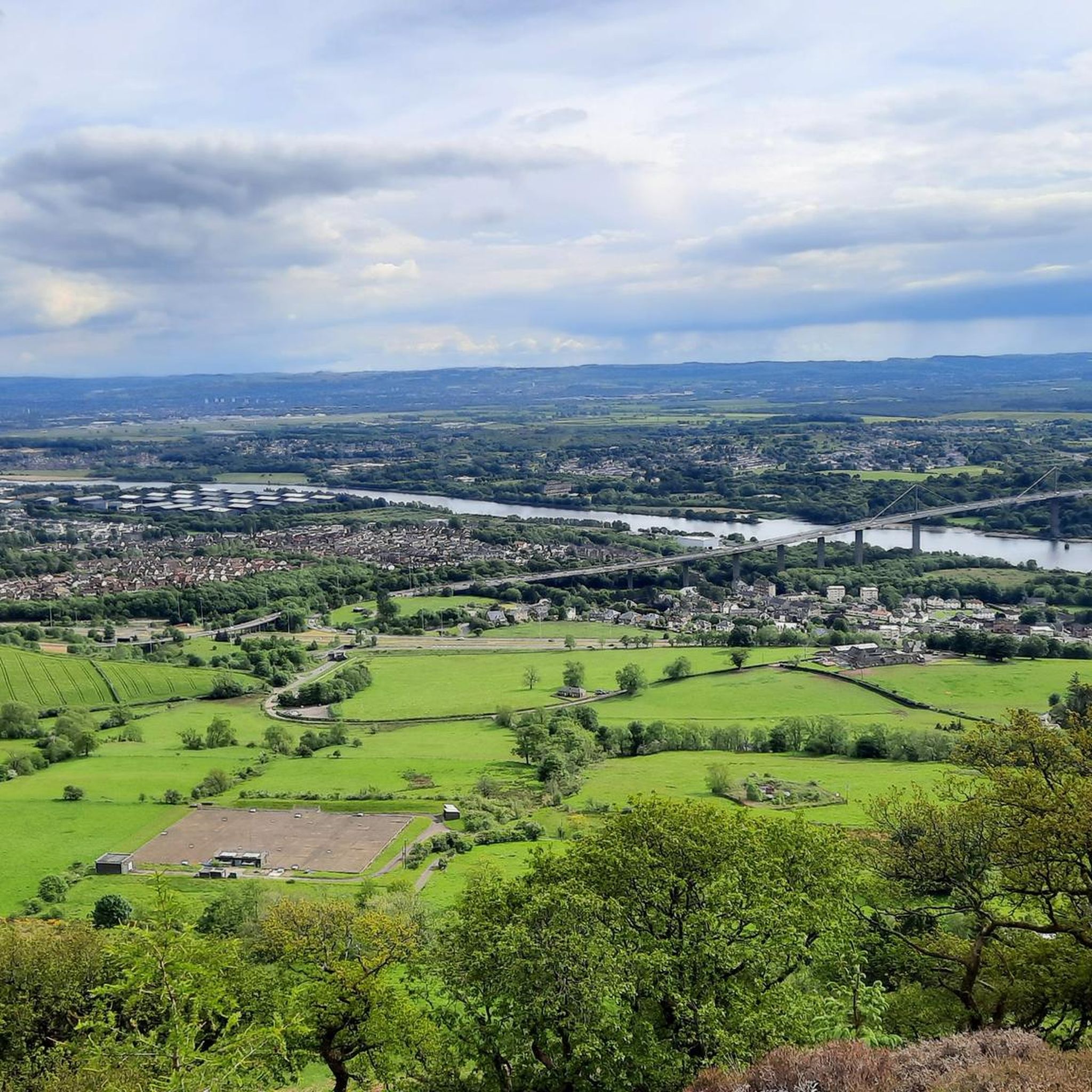
The Kilpatrick Hills, a short drive or cycle from Clydebank, offer excellent hiking opportunities with expansive views over the River Clyde and Loch Lomond. Duncolm Summit, the highest point of the Kilpatrick Hills, provides amazing 360-degree views. For easy hikes, consider routes like the 'Jaw Reservoir loop' or 'View from Cochno Hill loop'. Discover more hiking options on the Easy hikes around Clydebank East guide.
Are there any easy hiking trails suitable for beginners around Clydebank East?
Yes, several easy hiking trails are available. The Easy hikes around Clydebank East guide lists routes such as the 'Jaw Reservoir loop from Duntocher' (5.1 km) and the 'View from Cochno Hill loop from Duntocher' (5.9 km), both rated as easy. These provide accessible options for those new to hiking or looking for a relaxed walk.
What cycling routes are available around Clydebank East?
Clydebank East offers a variety of cycling routes. For touring bicycles, options range from easy rides like the 'Lock 27 Bar loop' (11.9 km) to more challenging ones such as the 'Balloch Castle loop' (56.4 km). Road cyclists can enjoy routes like 'Clydebank to Balloch loop' (62 km). You can find detailed information and more routes on the Cycling around Clydebank East and Road Cycling Routes around Clydebank East guides.
Are there family-friendly attractions in Clydebank East?
Absolutely. Mugdock Castle and its surrounding country park are free to enter and offer a great day out for families. Dalmuir Park is another excellent choice, featuring formal gardens, a pond, and children's play areas, perfect for picnics and family outings. The towpaths along the Forth and Clyde Canal also provide safe and enjoyable walking and cycling opportunities for all ages.
Are there any wheelchair-accessible attractions in Clydebank East?
While specific accessibility details vary, George Square in Glasgow, a principal civic square with important buildings and statues, is noted as wheelchair accessible. The Duke of Wellington Statue is also listed as wheelchair accessible. For other attractions, it's advisable to check their individual accessibility information directly.
What are some unique natural features to explore near Clydebank East?
Beyond the urban landscape, Clydebank East is close to several unique natural features. The Forth and Clyde Canal offers tranquil waterside paths. The Kilpatrick Hills, including Duncolm Summit, provide stunning views and hiking. Craigallian Loch holds historical significance for local climbing communities. Dalmuir Park offers a beautiful green space, and the Whitecrook area is part of a significant tree planting initiative, enhancing urban green spaces.
Is there a good place for a picnic or a relaxed day out in a park?
Yes, Dalmuir Park is an excellent choice for a picnic or a relaxed day out. It's a beautiful green space featuring formal gardens, a pond, and children's play areas. Its proximity to the Forth and Clyde Canal and walking paths into the Kilpatrick Hills also makes it a convenient starting point for further exploration.
When is the best time to visit Clydebank East attractions?
The best time to visit Clydebank East attractions largely depends on your preferred activities. Spring and summer (April to September) generally offer milder weather, ideal for outdoor activities like hiking in the Kilpatrick Hills or cycling along the Forth and Clyde Canal. Autumn brings beautiful foliage, while winter can be picturesque, though some outdoor paths might be less accessible. Indoor attractions like the Clydebank Museum are enjoyable year-round.
Are there any castles to visit near Clydebank East?
Yes, Mugdock Castle is a notable castle located near Clydebank East. It stands on a rocky promontory and offered natural defenses due to its surrounding loch. The castle and its country park are free to enter and provide a fascinating historical experience.
Most popular attractions around Clydebank East

Get inspired with the komoot mobile app


Explore more
Still not found the Highlight you’re looking for? See guides of the top attractions in other regions:
