Attractions and Places To See around Maryhill And Summerston - Top 20
Attractions and places to see around Maryhill And Summerston, located in Glasgow, Scotland, offer a blend of historical landmarks, cultural sites, and natural features. This area is characterized by its connection to the Forth and Clyde Canal and the River Kelvin, which have shaped its development and landscape. Visitors can explore sites with Roman history and Victorian-era architecture. The region provides diverse points of interest for those seeking to discover its heritage and outdoor spaces.
Best attractions and places to…
Last updated: October 19, 2026
Craigallian Loch
Highlight • Historical Site
Tip by

George Square
Highlight • Monument
Tip by

Sign up now to discover places like this
Get recommendations on the best single tracks, peaks, & plenty of other exciting outdoor places.
Forth and Clyde Canal Towpath
Highlight • Cycleway
Tip by

West Highland Way Starting Obelisk (Milngavie)
Highlight • Monument
Tip by

Duke of Wellington Statue, Glasgow
Highlight • Historical Site
Translated by Google •
Tip by

Sign up for free to discover even more attractions around Maryhill And Summerston.
Already have an account?
Start today with a free account
Your next adventure awaits.
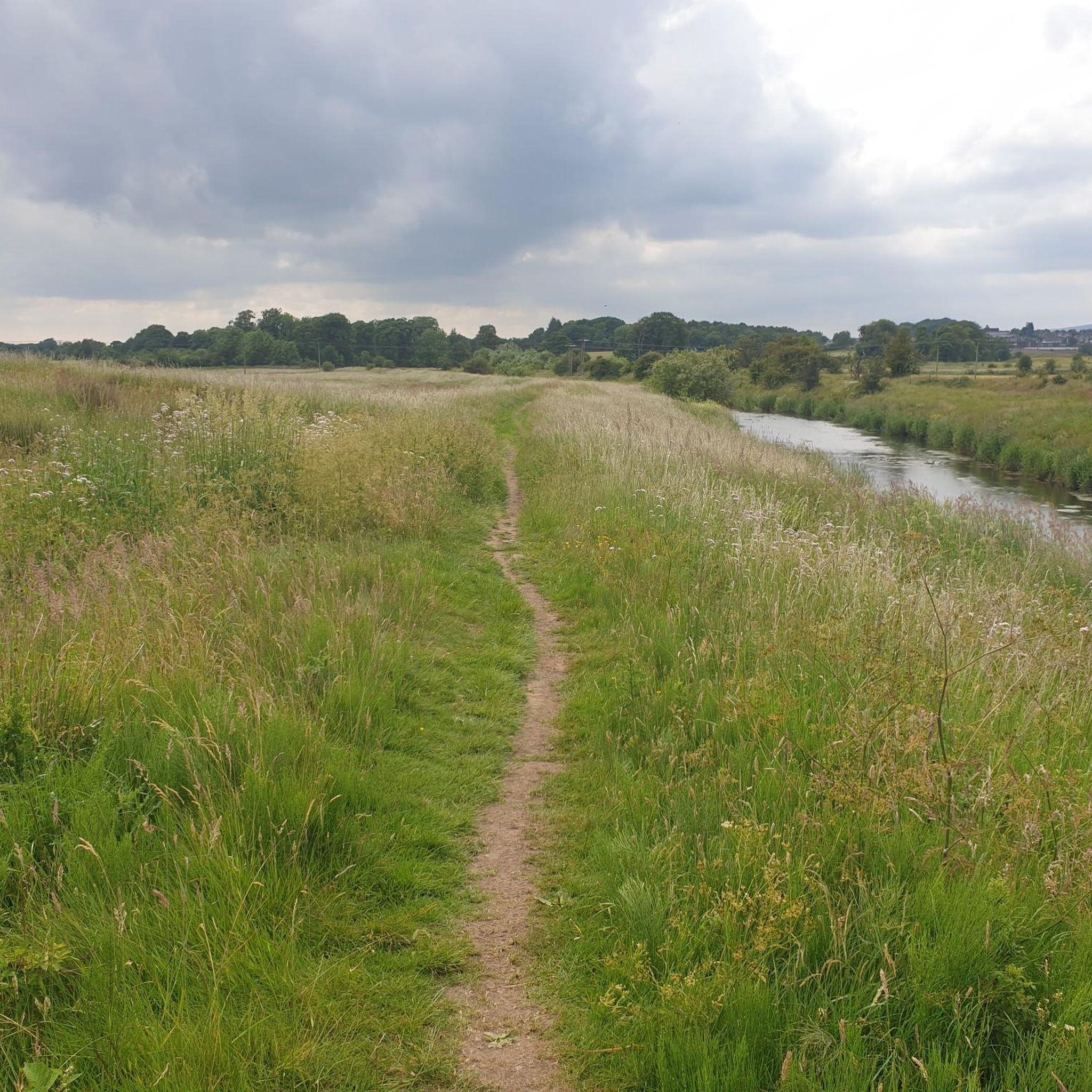
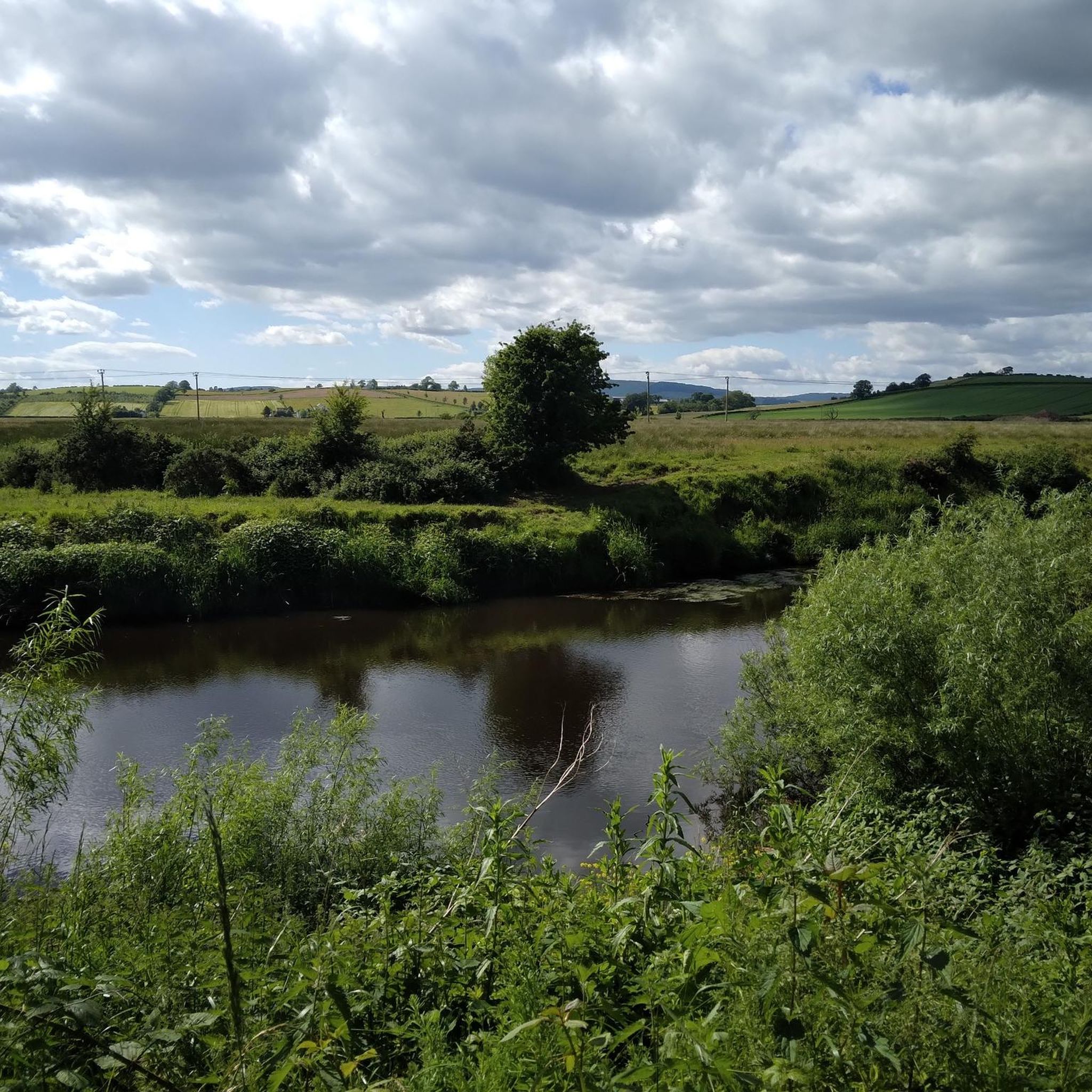

Tips from the Community

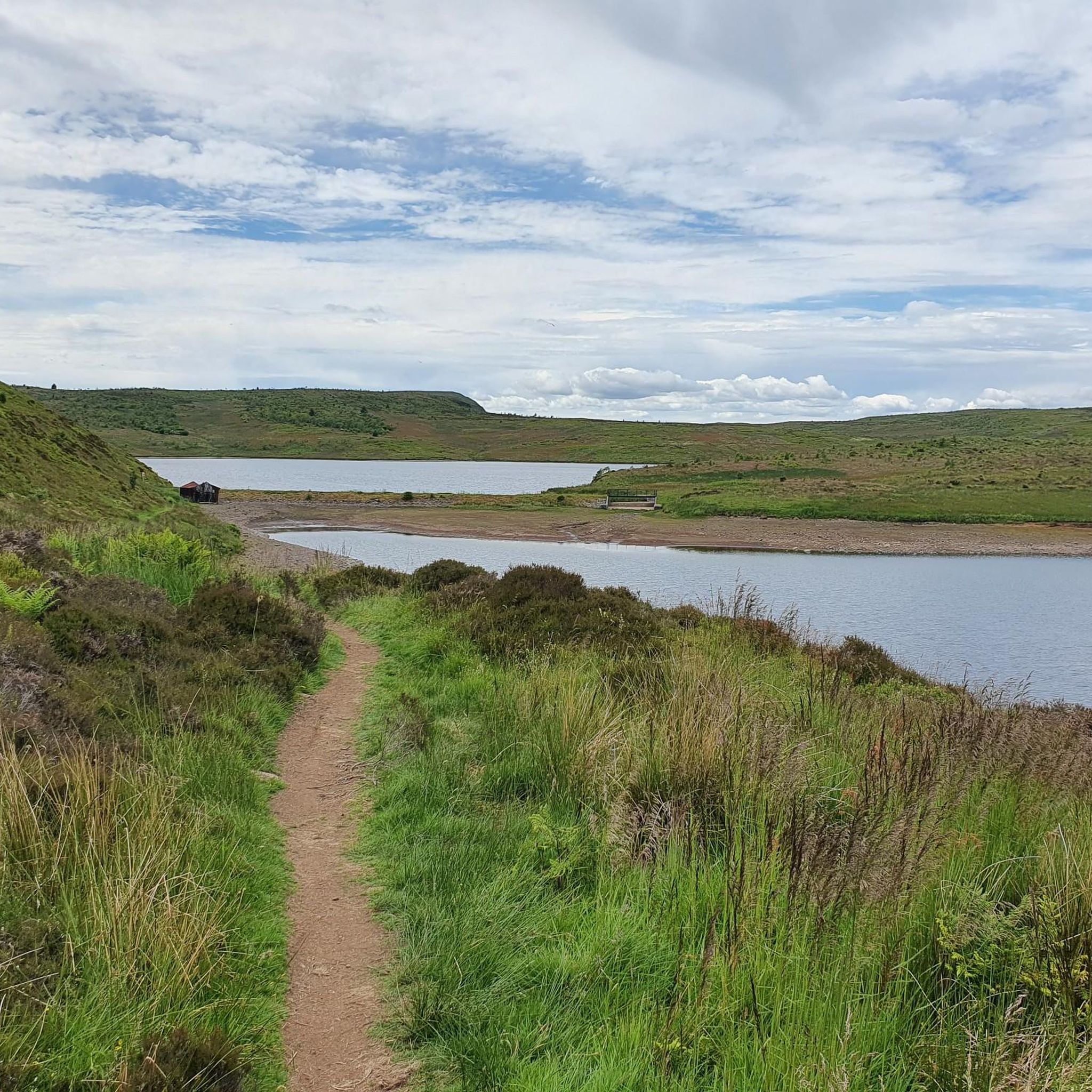
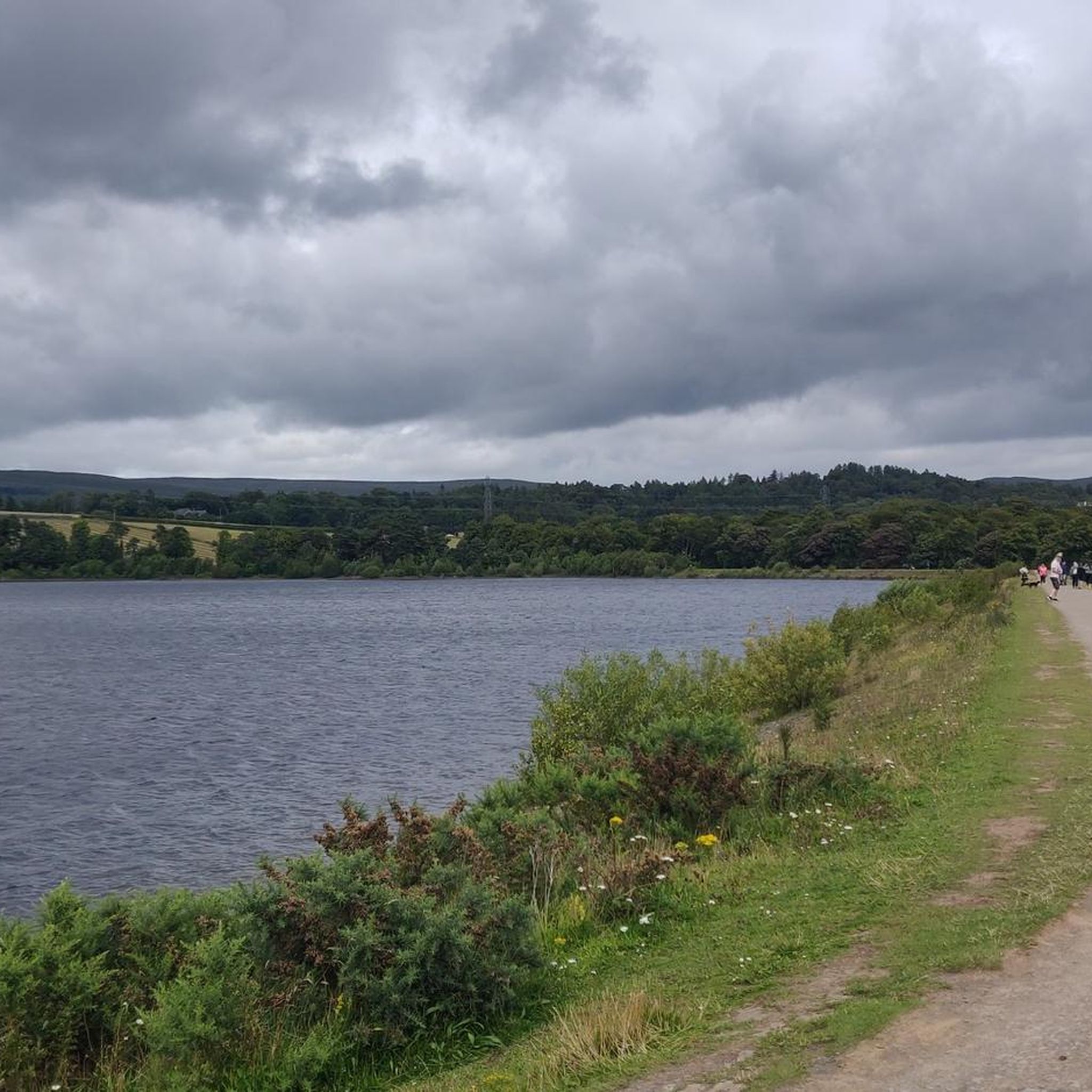
Craigallian Loch lies idyllically between green hills at the start of the West Highland Way. The small lake is surrounded by moorland and pasture landscape and already offers a taste of the Scottish scenery.
5
0

Glasgow Art Museum, which was added to the highest category of the Scottish heritage list in 1966.
3
0

The start of the West Highland Way is very urban, and the first section will feel more like a country park. Good paths and signs will lead you out of the town towards Loch Lomond.
4
1

Nice to see in the video: https://youtu.be/FTvrh28-ojY
3
0

What else do you need to know. Insanely beautiful
2
0

The first major lake on the West Highland Way is very atmospheric.
8
0
A nice starting point for the West Highland Way. There is a lot to look at and to read. A photo with the obelisk is probably a must. 😊
9
1

Frequently Asked Questions
What historical sites can I explore in Maryhill and Summerston?
Maryhill and Summerston are rich in history. You can visit the Mugdock Castle, a historic castle standing on a rocky promontory. The area also features the Maryhill Burgh Halls, a Victorian-era building with a museum and stained glass, and sections of the ancient Roman Antonine Wall, where a Roman fort and bath-house once stood in Maryhill Park. Evidence of Roman history, including a fortlet and a distance slab, has also been found in Summerston.
Are there any family-friendly attractions in the area?
Yes, several attractions are suitable for families. The Forth and Clyde Canal Towpath is excellent for walks and cycling, offering scenic views. Mugdock Castle and its surrounding country park are free to enter and offer historical exploration. Craigallian Loch is another family-friendly spot, known for its atmospheric setting and historical significance related to early Scottish mountaineering.
What outdoor activities can I do near Maryhill and Summerston?
The area offers various outdoor activities, particularly along its waterways. You can enjoy walking or cycling along the Forth and Clyde Canal Towpath. The River Kelvin also provides scenic routes. For more structured outdoor adventures, you can explore nearby cycling and mountain biking routes. Find detailed routes for road cycling, general cycling, and MTB trails around Maryhill and Summerston.
Where can I find scenic walking routes?
The Forth and Clyde Canal Towpath offers excellent scenic walking routes, known for its good straights and class scenery. The River Kelvin also provides pleasant walking opportunities. Maryhill Park, which incorporates parts of the Antonine Wall, is another green space for leisurely strolls.
Are there any attractions related to Glasgow's city center near Maryhill and Summerston?
While Maryhill and Summerston offer local attractions, you're also close to central Glasgow. George Square, Glasgow's principal civic square, is a notable man-made monument featuring important buildings and statues. The iconic Duke of Wellington Statue, famous for its traffic cone adornment, is also located in the city center near the Gallery of Modern Art.
What is the significance of the Forth and Clyde Canal in Maryhill?
The Forth and Clyde Canal played a crucial role in Maryhill's development, spurring trade and industry from 1790. It features impressive locks and the Kelvin Aqueduct, earning Maryhill the local moniker 'Venice of the North.' The canal's towpath is now a popular route for walking and cycling.
Can I find any Roman history in Maryhill and Summerston?
Yes, the area has significant Roman connections. Part of the ancient Roman Antonine Wall runs through Maryhill Park, where the site of a Roman fort and bath-house can still be seen. In Summerston, there's evidence of a Roman bridge over the River Kelvin and discoveries of a Roman fortlet and temporary marching camp. A notable Roman distance slab found in Summerston Farm is now housed in the Hunterian Museum in Glasgow.
What is <a href="https://www.komoot.com/highlight/722823" target="_blank" rel="noopener">Craigallian Loch</a> known for?
Craigallian Loch is known for its historical significance, particularly the 'Craigallian Fire.' During the Great Depression of the 1930s, it served as a beacon of companionship and hope for young, unemployed people from Glasgow and Clydebank who sought adventure in Scotland's wild places, contributing to the founding of local mountaineering clubs.
Are there any cultural or community hubs in Maryhill?
Maryhill Burgh Halls, constructed in 1878, served as the administrative and community hub for the former burgh. They house a museum dedicated to Maryhill's history and feature historic and modern stained glass panels, often offering free tours. Maryhill also boasts one of Glasgow's original Carnegie libraries.
What are the conditions like on the <a href="https://www.komoot.com/highlight/424715" target="_blank" rel="noopener">Forth and Clyde Canal Towpath</a> for cycling?
The Forth and Clyde Canal Towpath offers good straights and scenic views for cycling. However, be aware that roots at certain sections can grow under the tarmac, potentially making for a slightly uneven ride. It's a popular route, and you can find places to stop for food along the way, such as MacMonagles boat, fish chips and pizzeria in Clydebank.
Is there a riding school in Summerston?
Yes, Summerston is home to a riding school that is run by the UK charity Riding for the Disabled, offering equestrian activities within the community.
What is the best way to get around Maryhill and Summerston attractions?
Many attractions in Maryhill and Summerston are accessible by walking or cycling, especially along the canal and river paths. Public transport options are available to connect different parts of the area and to central Glasgow. For specific routes and accessibility information, it's advisable to check local transport schedules.
What makes <a href="https://www.komoot.com/highlight/129115" target="_blank" rel="noopener">George Square</a> a significant landmark?
George Square is Glasgow's principal civic square, laid out in 1781 and named after King George III. It is surrounded by important buildings like the Municipal Chambers and features numerous statues dedicated to prominent figures such as Robert Burns, James Watt, and Sir Walter Scott, making it a central point for history and culture in the city.
Most popular routes around Maryhill And Summerston
Most popular attractions around Maryhill And Summerston

Get inspired with the komoot mobile app


Explore more
Still not found the Highlight you’re looking for? See guides of the top attractions in other regions:
