The best cycling routes in Molinatico
4.7
(55)
934
riders
72
rides
Touring cycling in Molinatico offers diverse landscapes at the crossroads of Italy's Tuscany and Emilia-Romagna regions, within the Ligurian Apennines. The area features varied terrain, from gentle slopes to steeper ascents, suitable for different fitness levels. Cyclists can experience dense beech forests, serene mountain lakes, and panoramic views from higher elevations. This region provides a mix of natural attractions and well-suited routes for touring cyclists.
Best touring cycling routes in Molinatico
- The most popular touring cycling route is Tarodine loop…
Last updated: June 30, 2026
4.0
(2)
23
riders
20.9km
01:28
340m
340m
Moderate bike ride. Good fitness required. Mostly paved surfaces. Suitable for all skill levels.
4.3
(3)
68
riders
92.5km
06:36
1,750m
1,750m
Hard bike ride. Very good fitness required. Mostly paved surfaces. Suitable for all skill levels.

Sign up for free
5.0
(8)
56
riders
Hard bike ride. Very good fitness required. Mostly paved surfaces. Suitable for all skill levels.
4.7
(3)
53
riders
76.2km
05:06
1,030m
1,030m
Hard bike ride. Very good fitness required. Mostly paved surfaces. Suitable for all skill levels.
5.0
(4)
32
riders
Hard bike ride. Very good fitness required. Mostly paved surfaces. Suitable for all skill levels.
Get access to more routes and recommendations from other explorers.
Sign up for free
Already have an account?
Our route recommendations are based on thousands of hikes, rides, and runs completed by other people on komoot.
Start today with a free account
Your next adventure awaits.
Login or Signup
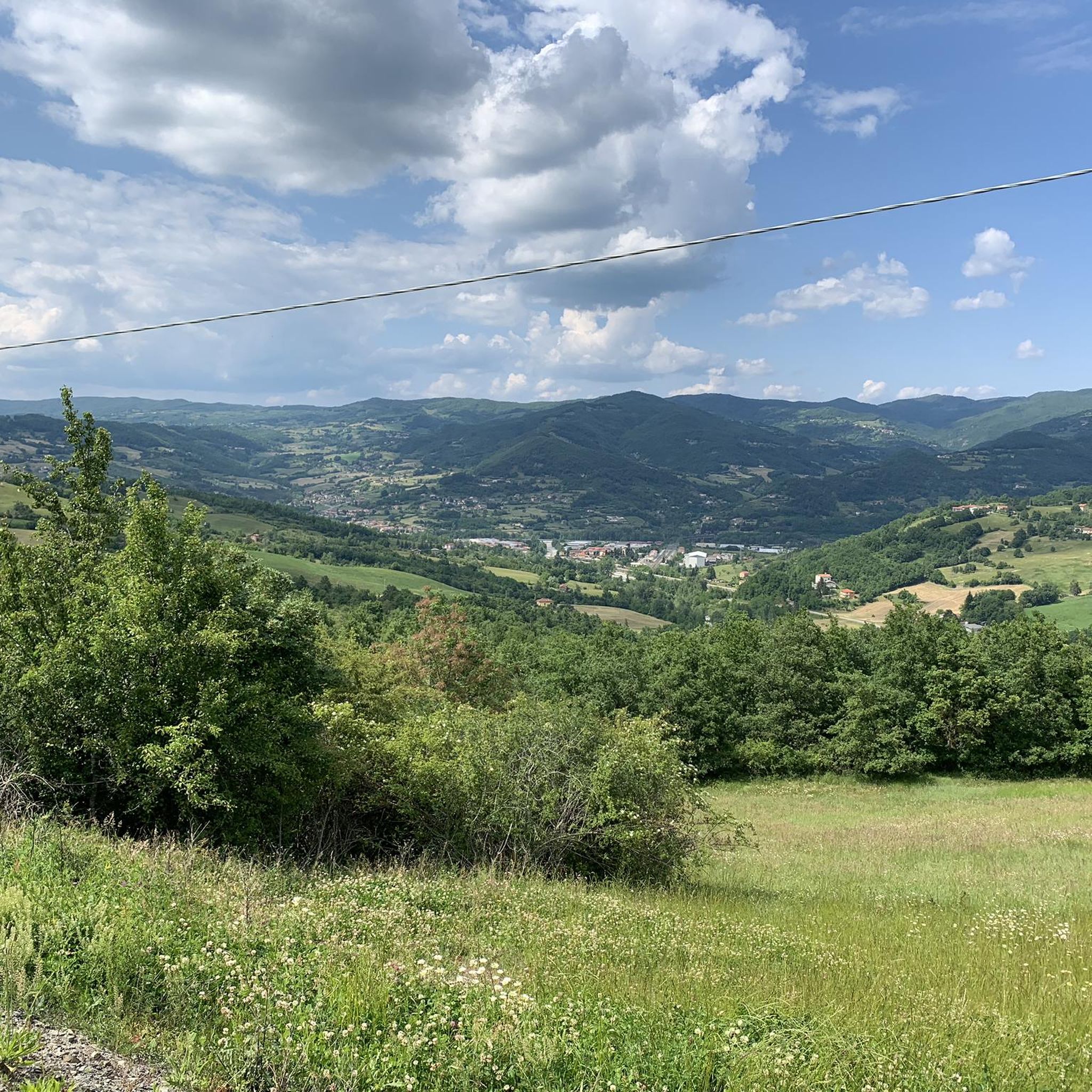
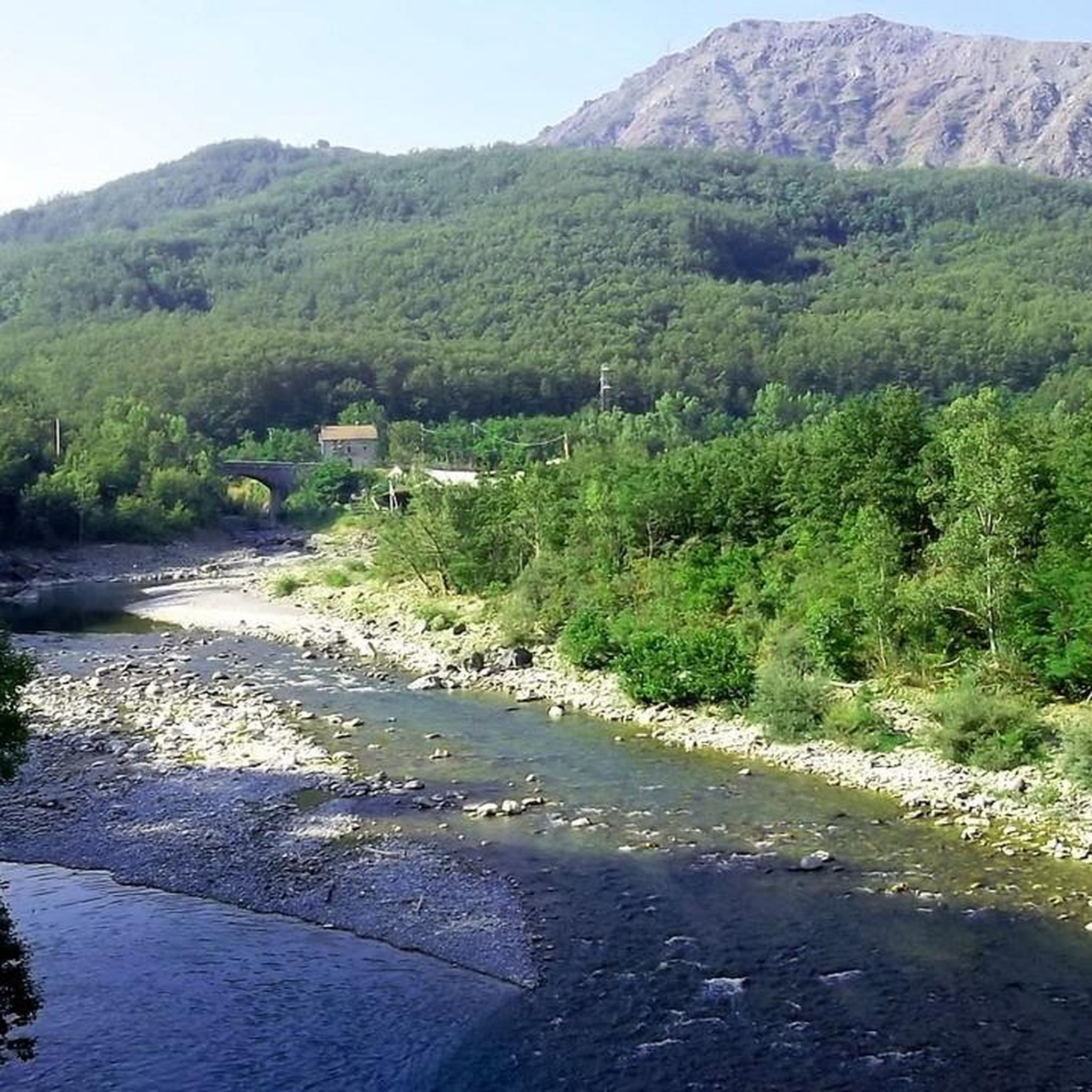
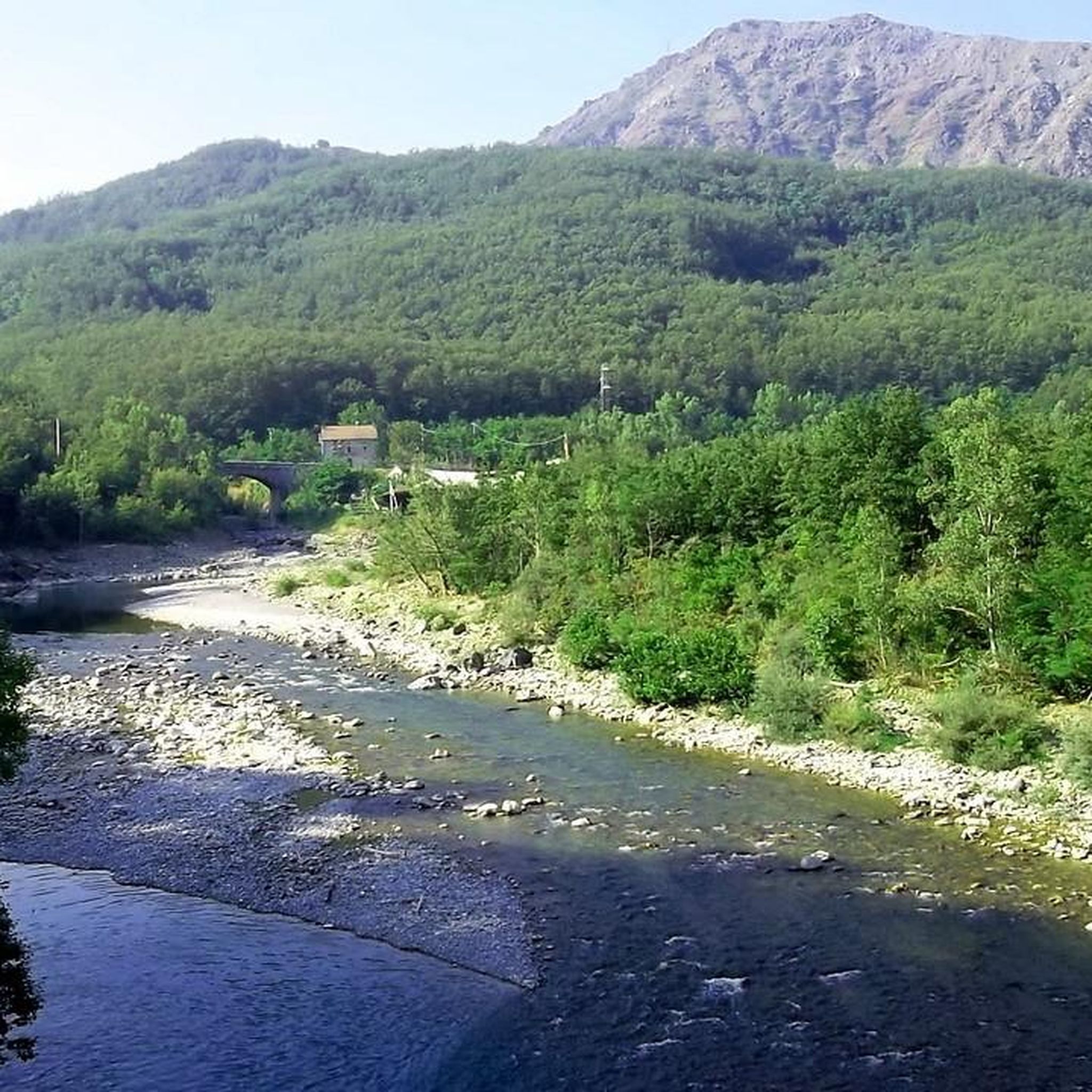
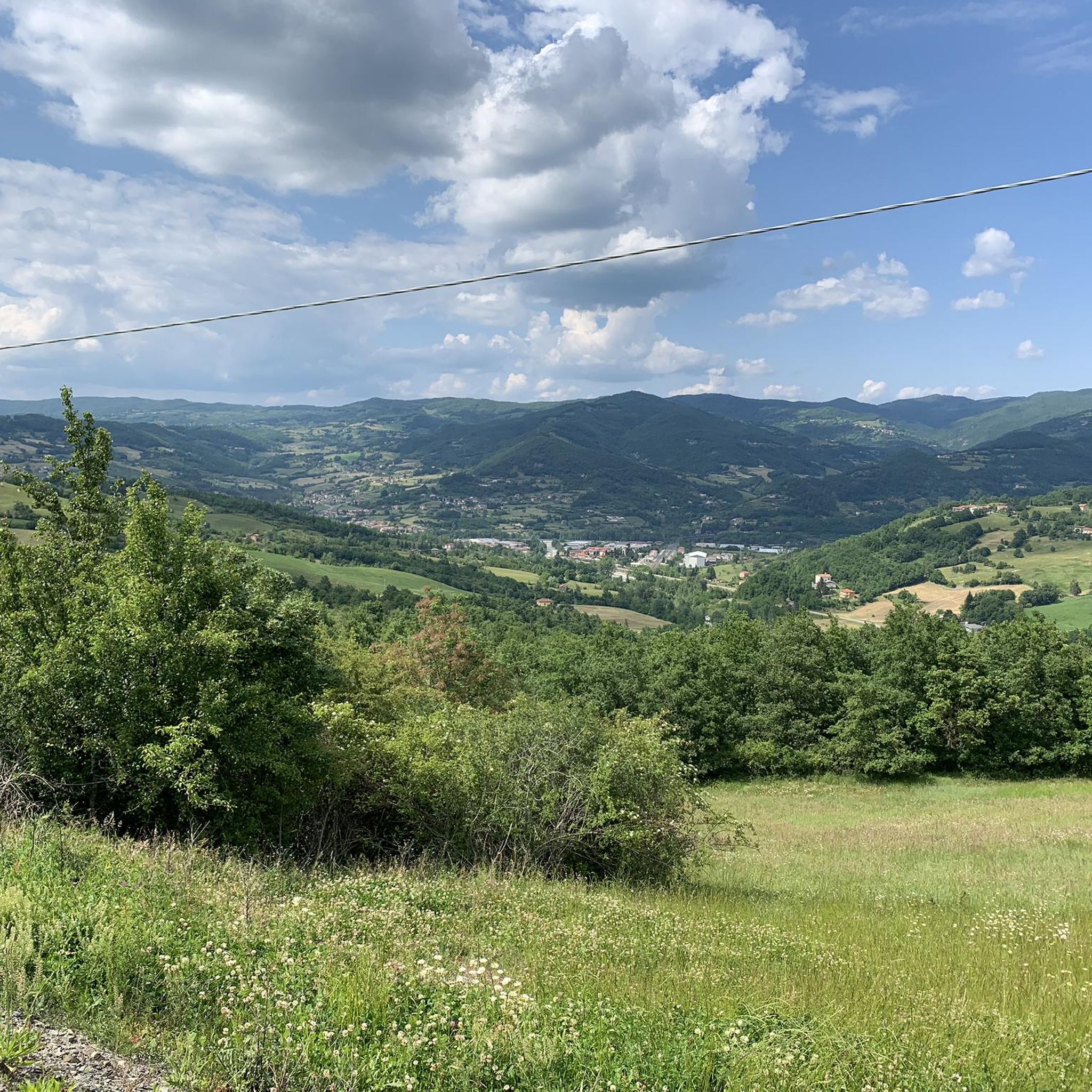
Tips from the Community

The Passo della Cappelletta (1,085 m a.s.l.) is a charming Apennine pass located on the border between Emilia-Romagna (province of Parma/Piacenza) and Liguria. It is famous for its imposing wind turbines and its proximity to Monte Gottero.
0
0

Situated at 717 meters above sea level, Santa Maria del Taro is a hamlet in the municipality of Tornolo (province of Parma), nestled in the heart of the Northern Apennines, near the border between Emilia and Liguria. Since the early Middle Ages, its strategic position along the ancient ridge road connecting the sea to the Po Valley has made it a transit and trade center, as well as a military and commercial control point. The name itself recalls the religious devotion that has permeated the town for centuries: the church-sanctuary dedicated to the Nativity of Mary, rebuilt in neoclassical style between 1807 and 1834, stands on an older structure and has been the spiritual center of the upper Taro Valley for centuries. The building, with its broad façade and stone bell tower, preserves a deep devotional tradition that is still alive. A short walk from the center is the Ponte dei Priori, a medieval humpbacked stone structure that once served as the only permanent access to the valley and symbolically marked the passage between the lands of the Malaspina and Fieschi families, two powerful feudal families of the Apennines. Over the centuries, Santa Maria del Taro has maintained an identity suspended between Emilian and Ligurian culture, evident in the features of its rural architecture, local dialects, and popular customs.
0
0
Situated at 956 meters between the Vara and Aveto Valleys, the Bocco Pass is one of the historic passes of the Ligurian Apennines, used since ancient times as a connection between the Tyrrhenian coast and the Po Valley hinterland. Already in Roman times, it was part of a secondary transit network, but it was especially in the Middle Ages and modern times that the pass assumed a central role in local traffic: a route for merchants, shepherds, and pilgrims, it connected Chiavari and the Riviera with Varese Ligure and the Emilian plains. Traces of the ancient paving are still visible today in the surrounding woods. During the Second World War, the area served as a refuge for partisan groups, thanks to its secluded location and dense forest cover. Today, the pass is a destination for cyclists and hikers, immersed in an unspoiled mountain landscape of beech and fir forests and highland meadows, at the gateway to the Aveto Regional Natural Park.
0
0

possible excursions both on foot and by bike
0
0
beautiful excursions, simple and suitable for all levels, good opportunities to taste local products
0
0
The historic center of Varese Ligure is truly surprising in its urban structure, to the point of deserving the nickname Borgo Rotondo. The medieval building plan, which is due to the Fieschi, had a defensive purpose. In the center is the castle, with its high and sturdy walls. Around it, the houses are arranged in rows following the round curvature of the square, with porticos on the ground floor that allowed access to the shops and warehouses (some of which have now been transformed into public places). Also very interesting are the recently restored eighteenth-nineteenth century buildings with polychrome facades, which recall the pictorial decorations of the past. Furthermore, Varese Ligure is at the center of the Val di Vara biodistrict.
1
0

The descent from the pass towards Varese Ligure is brand new and tarred - it works! The other side of the pass is not quite as scenic and the asphalt looks a bit like cobblestones.
2
0

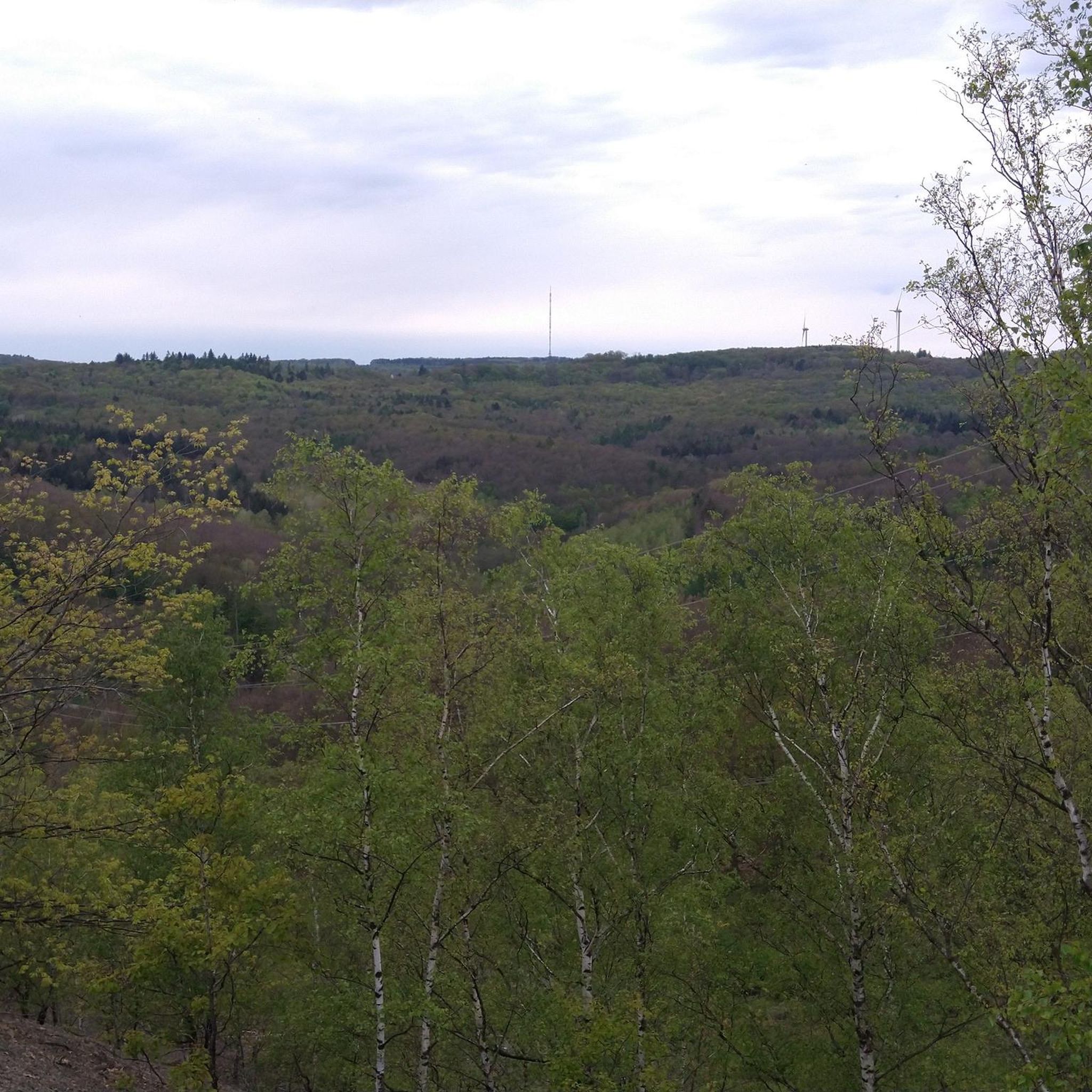
Interesting route through beech woods, typically windy. Beautiful panorama from Monte Zuccone.
0
0
Frequently Asked Questions
How many touring cycling routes are available in Molinatico?
Molinatico offers a wide selection of touring cycling routes, with over 70 options available on komoot. These routes cater to various skill levels, from moderate loops to challenging long-distance journeys through the Ligurian Apennines.
What kind of terrain can I expect when cycling in Molinatico?
Cyclists in Molinatico will encounter diverse terrain, ranging from gentle slopes to steeper, forested ascents. The region is characterized by dense beech forests, serene mountain lakes, and varied landscapes that provide both challenging climbs and scenic descents. You can expect significant elevation changes on many routes.
Are there any easy or moderate touring cycling routes in Molinatico?
Yes, while many routes are challenging, Molinatico does offer options for less experienced cyclists. There are 13 moderate routes and 1 easy route available. For example, the Tarodine loop from Baselica is a moderate 20.8 km trail that provides a balanced experience through the local landscape.
What are some notable natural features or viewpoints along the cycling routes?
Molinatico boasts several natural attractions and viewpoints. Cyclists can enjoy expansive panoramic views from the summit of Monte Molinatico (1,549 meters), overlooking the Ligurian Apennines and the provinces of Massa-Carrara and Parma. The region also features serene mountain lakes like Lake Martino, ancient beech forests, and unique rock formations such as the 'Marmitte dei Giganti' (Giant's Kettles).
Are there any circular touring cycling routes in Molinatico?
Yes, Molinatico offers several excellent circular touring cycling routes. Popular options include the Tarodine loop from Baselica, which is a moderate 20.8 km ride. For more challenging circular tours, consider the Bocco Pass – Cento Croci Pass loop from Borgo Val di Taro, an extensive 139.8 km route with significant elevation changes.
Where can I find parking for touring cycling routes in Molinatico?
Many routes in Molinatico are accessible from areas like Borgo Val di Taro. Chalet Molinatico is a common starting point for several routes and typically offers parking facilities, making it a convenient base for your cycling adventures.
What do other touring cyclists say about Molinatico?
The touring cycling routes in Molinatico are highly regarded by the komoot community, holding an average rating of 4.5 stars from over 80 reviews. Cyclists often praise the diverse landscapes, the challenging yet rewarding terrain, and the scenic beauty of the beech forests and mountain views.
Are there any long-distance touring cycling routes in the Molinatico area?
Yes, for experienced touring cyclists seeking a challenge, Molinatico offers several long-distance routes. The Bocco Pass – Cento Croci Pass loop from Borgo Val di Taro is a difficult 139.8 km path, while the Bocco Pass – Passo di Cento Croci (1,055 m) loop from Borgo Val di Taro covers 92.5 km through mountainous terrain.
Can I find routes that pass through dense forests in Molinatico?
Absolutely. Molinatico is renowned for its dense beech forests, with some areas featuring ancient trees. Many touring cycling routes wind through these shaded and picturesque woods, offering a refreshing experience amidst nature. You'll find these forests are a defining characteristic of the region's cycling landscape.
Is Molinatico suitable for touring cyclists looking for challenging climbs?
Molinatico is an excellent destination for touring cyclists who enjoy challenging climbs. The region's varied terrain includes numerous steep ascents, particularly on routes that traverse the Ligurian Apennines. Over 50 of the routes available are graded as difficult, providing ample opportunities for significant elevation gain.
Are there any routes that offer views of mountain passes?
Yes, several routes in Molinatico incorporate mountain passes, offering both challenging climbs and rewarding views. For instance, the Cento Croci Pass – Passo di Cento Croci (1,055 m) loop from Borgo Val di Taro includes the notable Passo di Cento Croci, providing a classic mountain cycling experience.
What is the best starting point for exploring Molinatico's cycling routes?
Borgo Val di Taro is a common and convenient starting point for many touring cycling routes in Molinatico, especially for those heading towards the Bocco Pass or Cento Croci Pass. Chalet Molinatico also serves as a popular base, often with parking available, for routes exploring the immediate Molinatico area.
Most popular routes in Molinatico

Get inspired with the komoot mobile app


Explore more
Browse the best Cycling routes in other regions.
