Attractions and Places To See in Glasebach - Top 20
Best attractions and places to see in Glasebach are primarily centered around its historical mining heritage and outdoor art installations. Located in the Glasebach Valley within the Lower Harz region, the area is known for the Glasebach Pit Mining Museum, which offers insights into centuries of ore extraction. Glasebach also features several unique sculptures and viewpoints along the ARS Natura art trail. These landmarks, viewpoints, and natural features combine cultural heritage with the natural landscapes of the Harz/Saxony-Anhalt Nature Park.
…Last updated: July 2, 2026
Back to the Bench (ARS Natura)
Highlight • Structure
Translated by Google •
Tip by

ARS Natura artwork "Basic Instincts" by Dieter Utermöhlen
Highlight • Monument
Translated by Google •
Tip by

Sign up now to discover places like this
Get recommendations on the best single tracks, peaks, & plenty of other exciting outdoor places.
Sign up for free
Durchsichten sculpture by Peter Paul Medzech
Highlight • Monument
Translated by Google •
Tip by

2 Lives - ARS NATURA
Highlight • Monument
Translated by Google •
Tip by
“Krodil – Gradil – Gradit – Granite” (ARS NATURA)
Highlight • Monument
»Krodil – Gradil – Gradit - Granite«
On the one hand, the title indicates a “metamorphic connection”. Lizards and rocks are united in a geological context. While …
Translated by Google •
Tip by

Sign up for free to discover even more attractions in Glasebach.
Sign up for free
Already have an account?
Start today with a free account
Your next adventure awaits.
Login or Signup
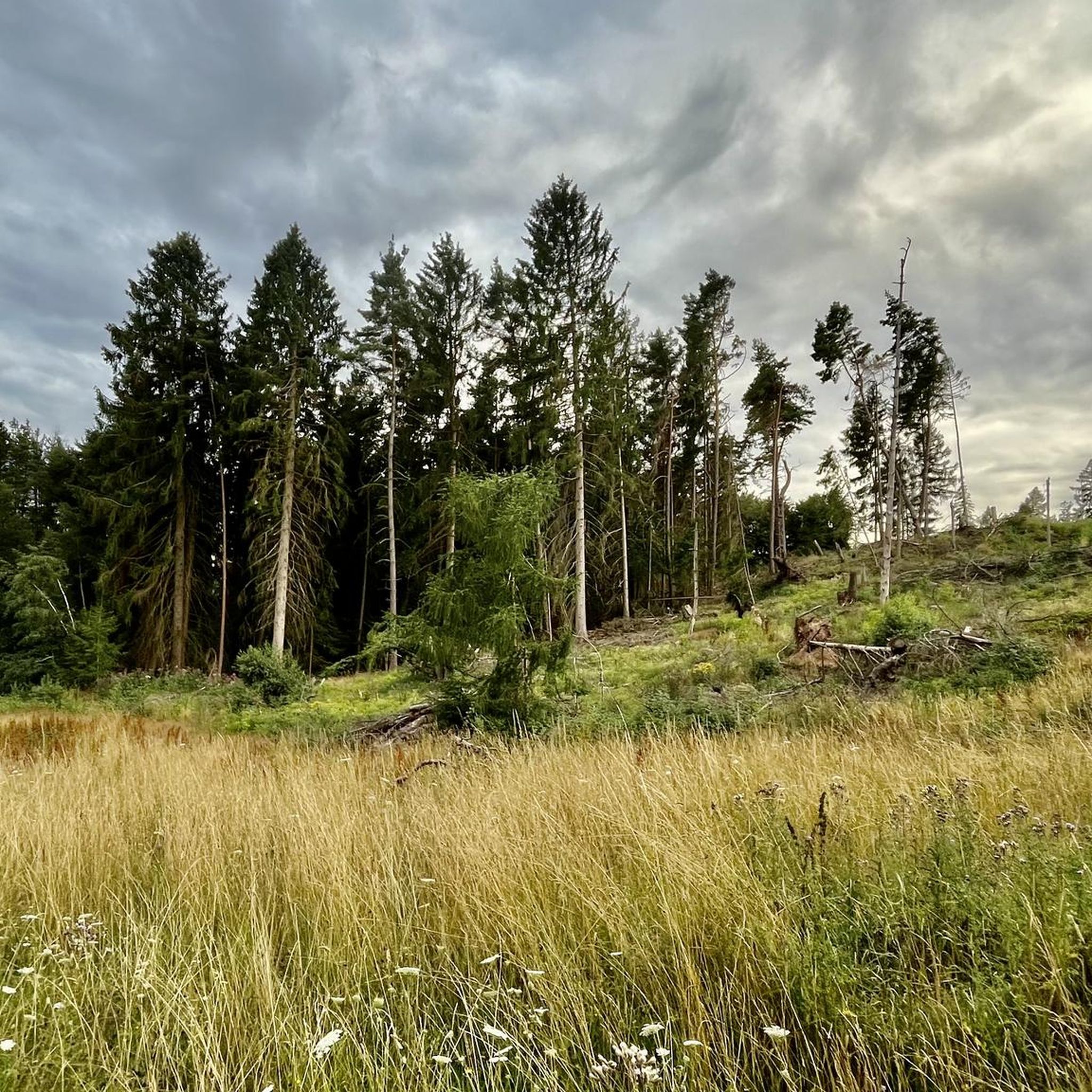
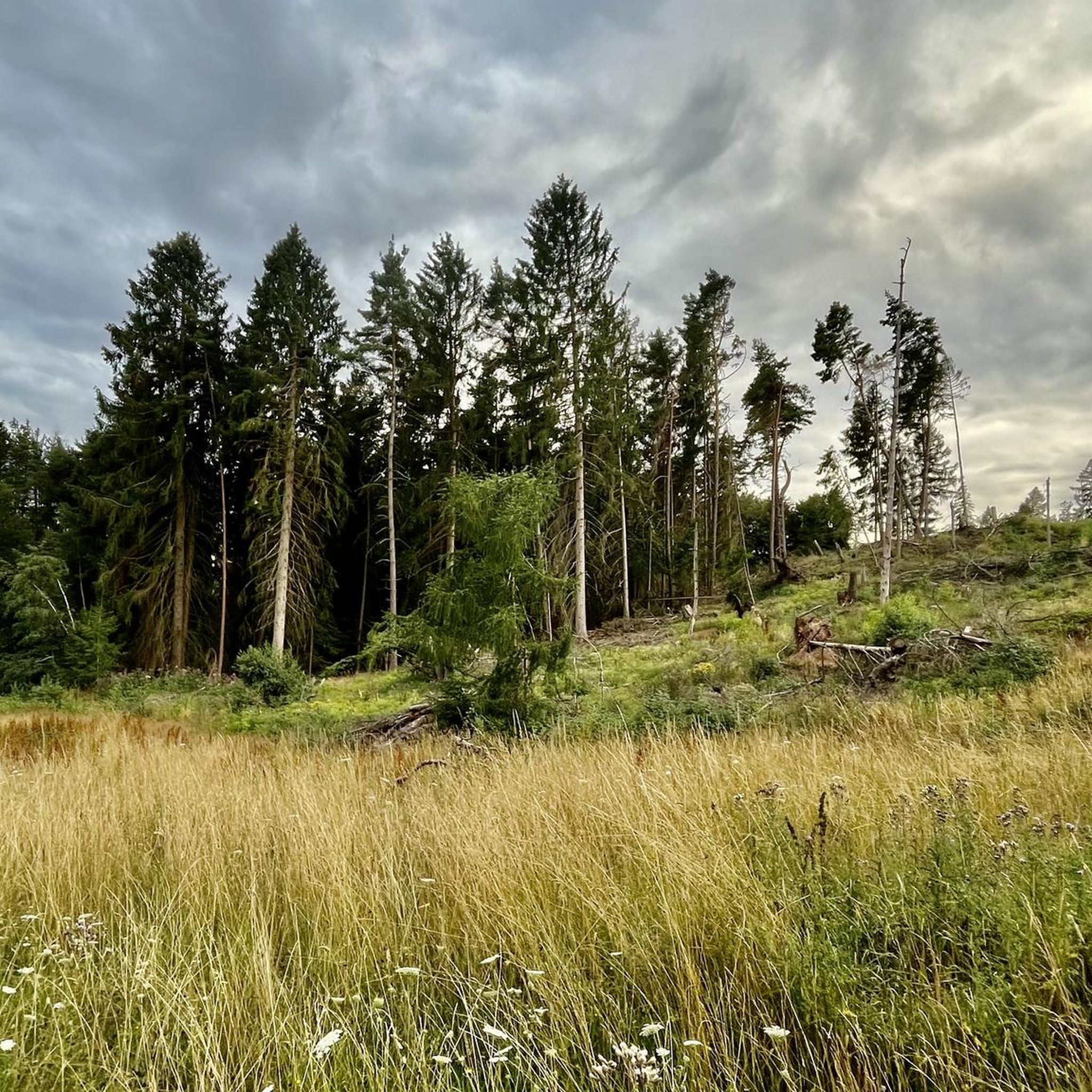
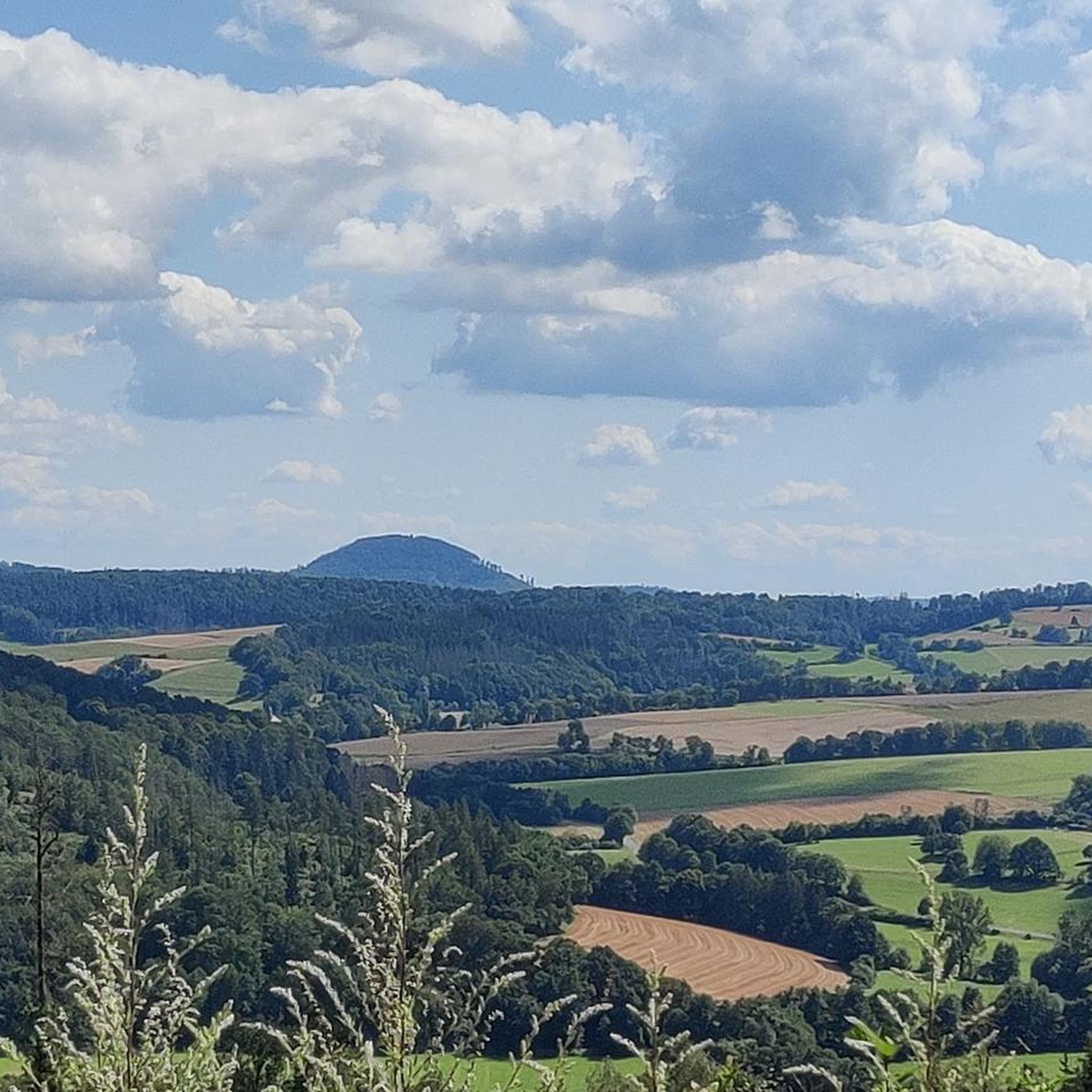
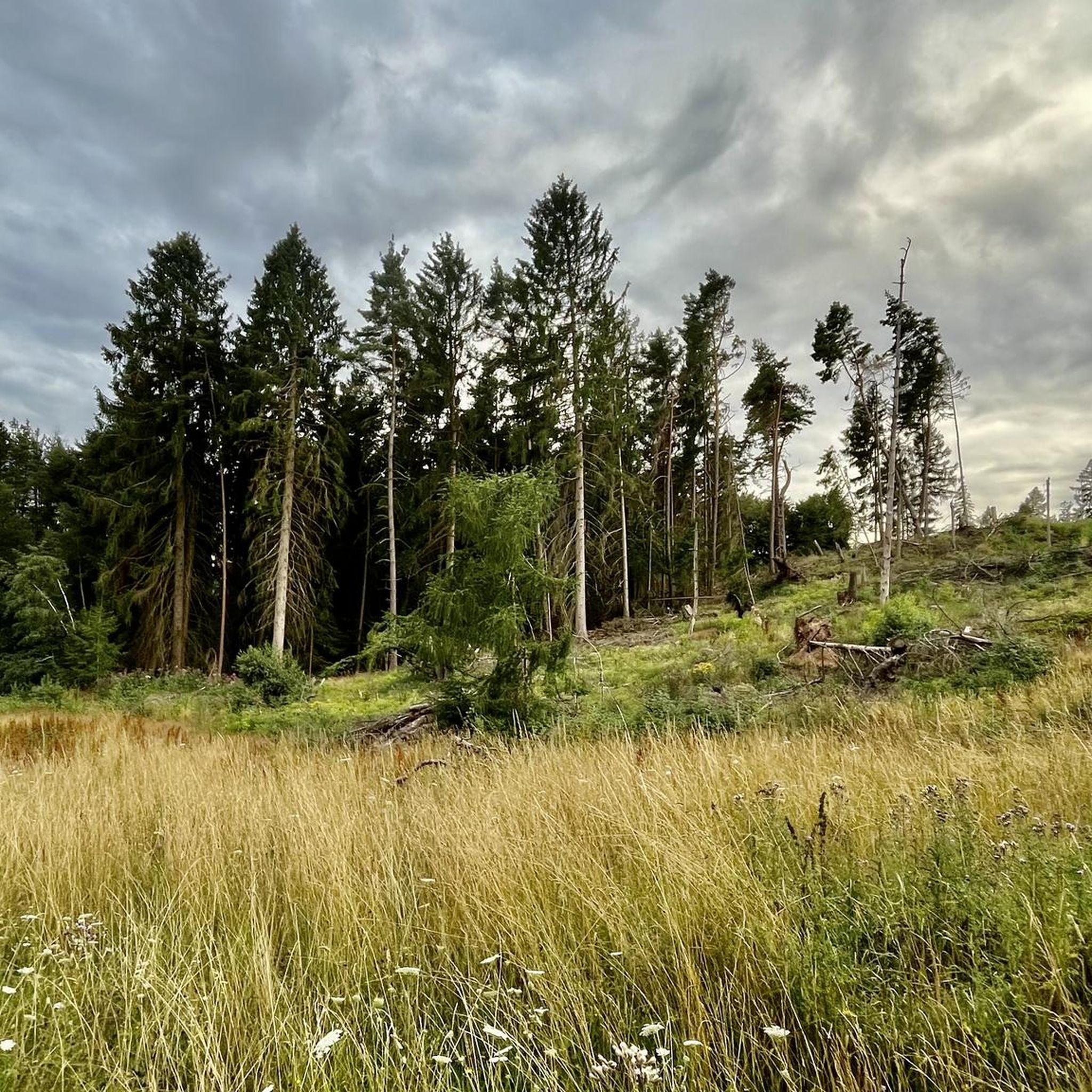

Tips from the Community

http://www.ars-natura-stiftung.de Art in public spaces
0
0

Peter Paul Medzech, Minden »2 lives« The steel, manufactured by humans using an industrial process, supports the sculpture made from the natural material stone. The reverse variant is much more common in sculpture and in today's society in general: a stone base supports a metal sculpture, nature serves the technology. The work embodies two lives or ways of life: on the one hand, the originality of the animal world, symbolized in the abstract form, which depending on the view and the incidence of light can be a whale, bird, fish, snail... and on the other hand, the mechanized, industrialized society, whose linearity is expressed in the steel rail. It is also important to the artist that life in the form of mosses soon forms on the limestone placed high up. Life in different forms.
2
0
Janosch Nowak, Kassel »Designer bench "back to the bench"« Not far from the Hasenkuppe, the long, partially covered designer bench "back to the bench" by Janosch Nowak, also created as part of "Idee und Form", invites you to take a special kind of rest. The sky arches far over the landscape here; if you're lucky, a red kite or buzzard will circle in the air and make the feeling of weightlessness and freedom tangible.
2
0
Peter Paul Medzech, Minden "Perspectives" This abstract stone sculpture was created during the 700th anniversary celebrations on the market square in Spangenberg. It was made from local red sandstone from the Volpriehausen Formation. The artist carved three openings into the stone, creating views in different directions. Here in their final location, they lead the eye to the village of Vockerode, to Norbert Jäger's boulder on the other side of the Vocketal valley, thus allowing the viewer to become a medium of communication between the two stones, and finally to the nearby Vockeröder Heide.
3
1

Always keep your eyes open at the ARS Natura because many objects are not immediately visible or overgrown
2
0

Ewald Rumpf, Remsfeld »Krodil – Gradil – Gradit - Granite« On the one hand, the title indicates a “metamorphic connection”. Lizards and rocks are united in a geological context. While granites, which were formed in the Archean era (approx. 2.8 billion years), can be viewed as primary rock, crocodiles are the survival artists among the animals in Earth's history. Sarcosuchus Imperator, the ancient crocodile, has the same ancestors as the dinosaurs, but was able to adapt better than them to the changing living conditions in the Tertiary period around 65 million years ago and today populates the tropical waters in numerous species, although often not many specimens . On the other hand, the four artificial words specifically describe the path of the two crocodiles to the centuries-old stone trough, which probably served as a cattle trough and has not yet dried out. Standing between the two crocodiles, the hiker may feel the concentrated primal power of these exotic animals. The naturalistic design method supports fantasies that arise in view of the discrepancy between the landscape and the different animal creatures - images of a tropical world that is inhospitable to humans and from crocodiles, which in turn find no suitable habitat in the temperate cool zone, feelings of danger and strangeness arise. Source: http://www.ars-natura-stiftung.de/index.php/de/kunstwerk/54?c=34&ts=3
0
0

The extraordinary, pretty and comfortable bench was designed by Janosch Nowak. The then architecture student at the University of Kassel won second place in the Idea and Form creative competition. His idea became reality. The bench was manufactured locally, in Spangenberg. The bench is titled “...back to the bench”. Its construction is intended to be reminiscent of a lying tree trunk, which is often used as a seat in nature. The bench is divided into three sections: One area offers shade and protection from the rain, two others, one short and one long, are available for sun lovers and as a seating and lying area.
3
0
The extraordinary, pretty and comfortable bench was designed by Janosch Nowak. The then architecture student at the University of Kassel won second place in the Idea and Form creative competition. His idea became reality. The bench was manufactured locally, in Spangenberg. The bench is titled “...back to the bench”. Its construction is intended to be reminiscent of a lying tree trunk, which is often used as a seat in nature. The bench is divided into three sections: One area offers shade and protection from the rain, two others, one short and one long, are available for sun lovers and as a seating and lying area.
4
1
Frequently Asked Questions
What historical attractions can I explore in Glasebach?
Glasebach is primarily known for the Glasebach Pit Mining Museum (Grube Glasebach). This site offers a deep dive into the region's rich mining history, allowing visitors to explore two original mine levels from the 17th and 18th centuries. You can see historical mining techniques, tools, and an impressive reconstructed waterwheel. The museum also features above-ground facilities from the GDR era, including an old smithy and winding engine house. The mine was first documented in 1689 and operated for over 300 years.
Are there family-friendly activities in Glasebach?
Yes, several attractions in Glasebach are suitable for families. The Glasebach Pit Mining Museum offers an educational and engaging experience for all ages with its underground tours and historical exhibits. Additionally, many of the ARS Natura art installations, such as the Durchsichten sculpture by Peter Paul Medzech and “Krodil – Gradil – Gradit – Granite”, are designed to be interactive and thought-provoking for visitors of all ages.
What kind of outdoor art can I see in Glasebach?
Glasebach is home to several unique sculptures along the ARS Natura art trail. You can discover pieces like the Durchsichten sculpture by Peter Paul Medzech, made from local red sandstone with peepholes offering specific views. Another notable work is 2 Lives - ARS NATURA, an abstract sculpture that can be interpreted as various animals depending on the light. You can also find Back to the Bench (ARS Natura), a charming forest bench, and “Basic Instincts” by Dieter Utermöhlen.
Where can I find scenic viewpoints in Glasebach?
Many of Glasebach's attractions double as scenic viewpoints. The Durchsichten sculpture by Peter Paul Medzech is specifically designed with three peepholes directing views towards the village of Vockerode, a boulder in the Vocketal, and the nearby Vockeröder Heide. The Back to the Bench (ARS Natura) also offers a peaceful spot to relax and enjoy the forest surroundings.
What hiking opportunities are available near Glasebach's attractions?
Glasebach offers various hiking opportunities, with trails ranging from easy to more challenging. You can find several easy hikes, such as the "Liebenbach Spring – View of Spangenberg Castle loop" or the "Jagdhaus Vockerode loop." The Glasebach Pit Mining Museum itself is a checkpoint (175) in the Harzer Wandernadel hiking system, making it a popular destination for hikers. For more details on routes, explore the easy hikes in Glasebach guide.
Are there options for cycling or mountain biking in Glasebach?
Yes, Glasebach provides options for both mountain biking and touring cycling. Mountain bikers can explore routes like the "Pavilion at the Dicke Eiche – Carl Braun Hut loop" or the "Back to the Bench (ARS Natura) – ARS-Nature loop." For touring cyclists, there are routes such as the "Ars Natura Animal Sculptures – Jewish Cemetery at Schlossberg loop." You can find more information in the MTB Trails in Glasebach guide and the Cycling in Glasebach guide.
What do visitors particularly enjoy about Glasebach?
Visitors to Glasebach frequently appreciate the unique combination of historical mining insights and outdoor art. The authentic underground tours at the Glasebach Pit Mining Museum are a highlight, offering a tangible connection to the past. The ARS Natura sculptures are also highly regarded for their artistic merit and how they integrate with the natural landscape, providing unexpected discoveries along forest paths. The peaceful forest settings and scenic views are also often mentioned.
How long should I plan for a visit to the Glasebach Pit Mining Museum?
Underground tours at the Glasebach Pit Mining Museum can last up to two hours, providing a comprehensive experience of the mine levels. Including time for exploring the above-ground facilities and exhibitions, a visit could easily take 2-3 hours to fully appreciate the site's history and artifacts.
Are there any unique or 'hidden gem' attractions in Glasebach?
Beyond the main mining museum, the various ARS Natura art installations scattered throughout the landscape can be considered hidden gems. These sculptures, like 2 Lives - ARS NATURA or “Basic Instincts”, offer surprising artistic encounters amidst nature, often requiring a keen eye to spot them. They provide a unique blend of art and outdoor exploration.
What is the best time of year to visit Glasebach?
The best time to visit Glasebach largely depends on your interests. For outdoor activities like hiking and exploring the ARS Natura trail, spring, summer, and early autumn offer pleasant weather. The Glasebach Pit Mining Museum is an indoor attraction, making it suitable for visits year-round, including during colder months when outdoor activities might be less appealing. Check their official website for specific seasonal opening hours.
Are there places to eat or drink near Glasebach's attractions?
While specific cafes or pubs directly adjacent to every attraction in Glasebach are not detailed, the region is part of the Harz mountains, which typically offers various dining options in nearby towns and villages. It is advisable to check local listings for restaurants and cafes in the immediate vicinity of Glasebach or in larger nearby communities before your visit.
Can I bring my dog to attractions or on trails in Glasebach?
While many outdoor trails in the Harz region are dog-friendly, it's important to check specific regulations for individual attractions. For instance, dogs are generally not permitted inside the underground sections of the Glasebach Pit Mining Museum due to safety and preservation concerns. However, exploring the ARS Natura art trail and many of the hiking routes in the surrounding natural areas are often suitable for dogs, usually on a leash. Always look for signage or check with local visitor information centers.
Most popular routes in Glasebach
Most popular attractions in Glasebach

Get inspired with the komoot mobile app


Explore more
Still not found the Highlight you’re looking for? See guides of the top attractions in other regions:
