Attractions and Places To See in Forêt Domaniale De Saint-Michel-En-Thiérache - Top 6
Best attractions and places to see in Forêt Domaniale De Saint-Michel-En-Thiérache is a natural and historical area located on the Franco-Belgian border in Aisne. This forest features diverse tree species and is traversed by the Gland and Artoise rivers, with the Artoise designated as a "Wild River." The region also contains historical landmarks such as the Abbaye de Saint-Michel-en-Thiérache and numerous World War II blockhouses from the Maginot Line. Visitors can explore a mosaic of natural environments and sites of…
Last updated: July 15, 2026
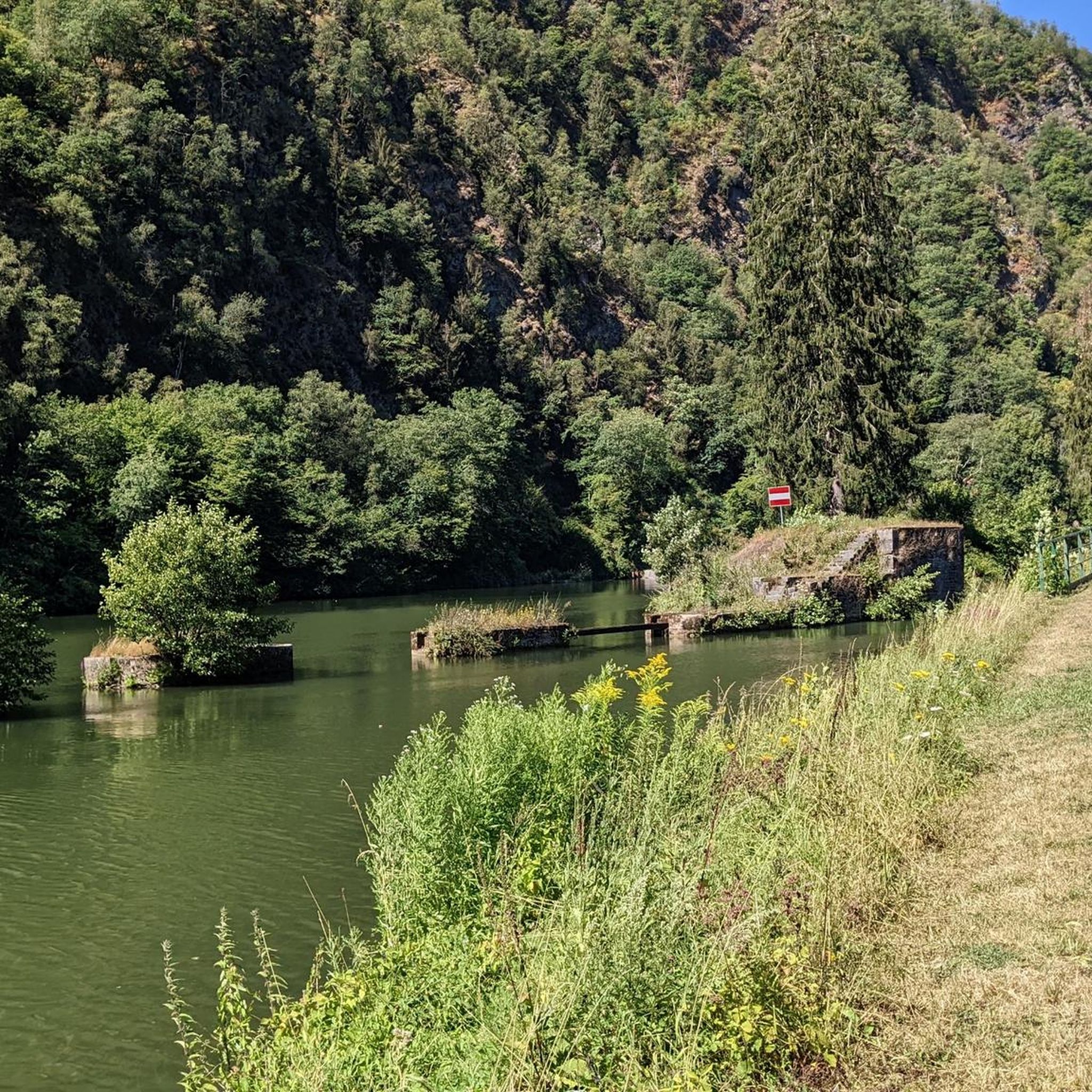
Bloc de la Limite No. 551 (Maginot Line)
Highlight • Historical Site
Historical explanation: The purpose of the line was to protect France against a surprise attack such as that which had occurred in the Franco-Prussian …
Translated by Google •
Tip by

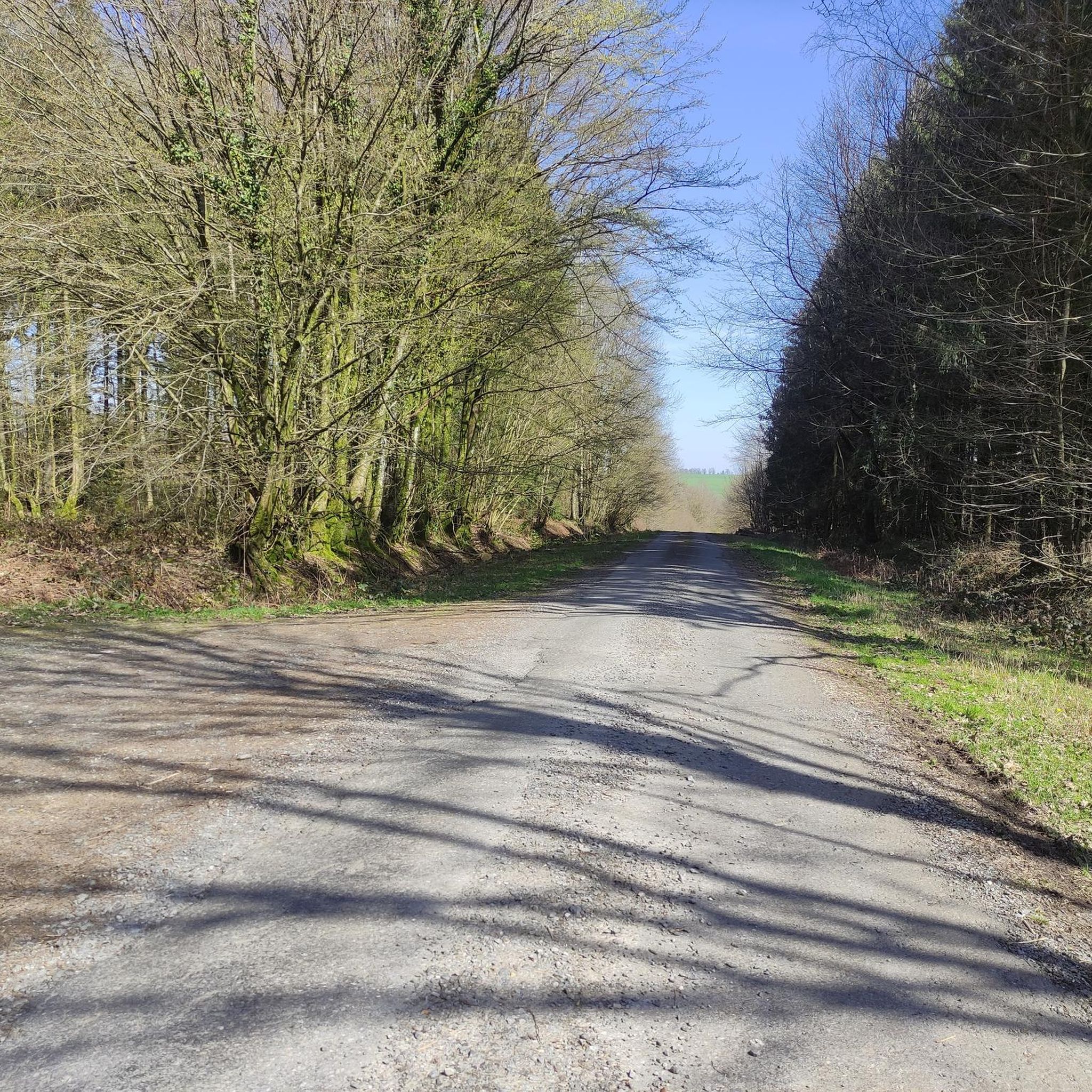
Route forestière de Cendron
Highlight (Segment) • Trail
The path is not optimal for narrow road bike tires, but it is still good to ride with caution.
Translated by Google •
Tip by

Sign up now to discover places like this
Get recommendations on the best single tracks, peaks, & plenty of other exciting outdoor places.
Sign up for free
Border Markers
Highlight • Monument
Translated by Google •
Tip by
Single des Mal Assises
Highlight (Segment) • Trail
Translated by Google •
Tip by

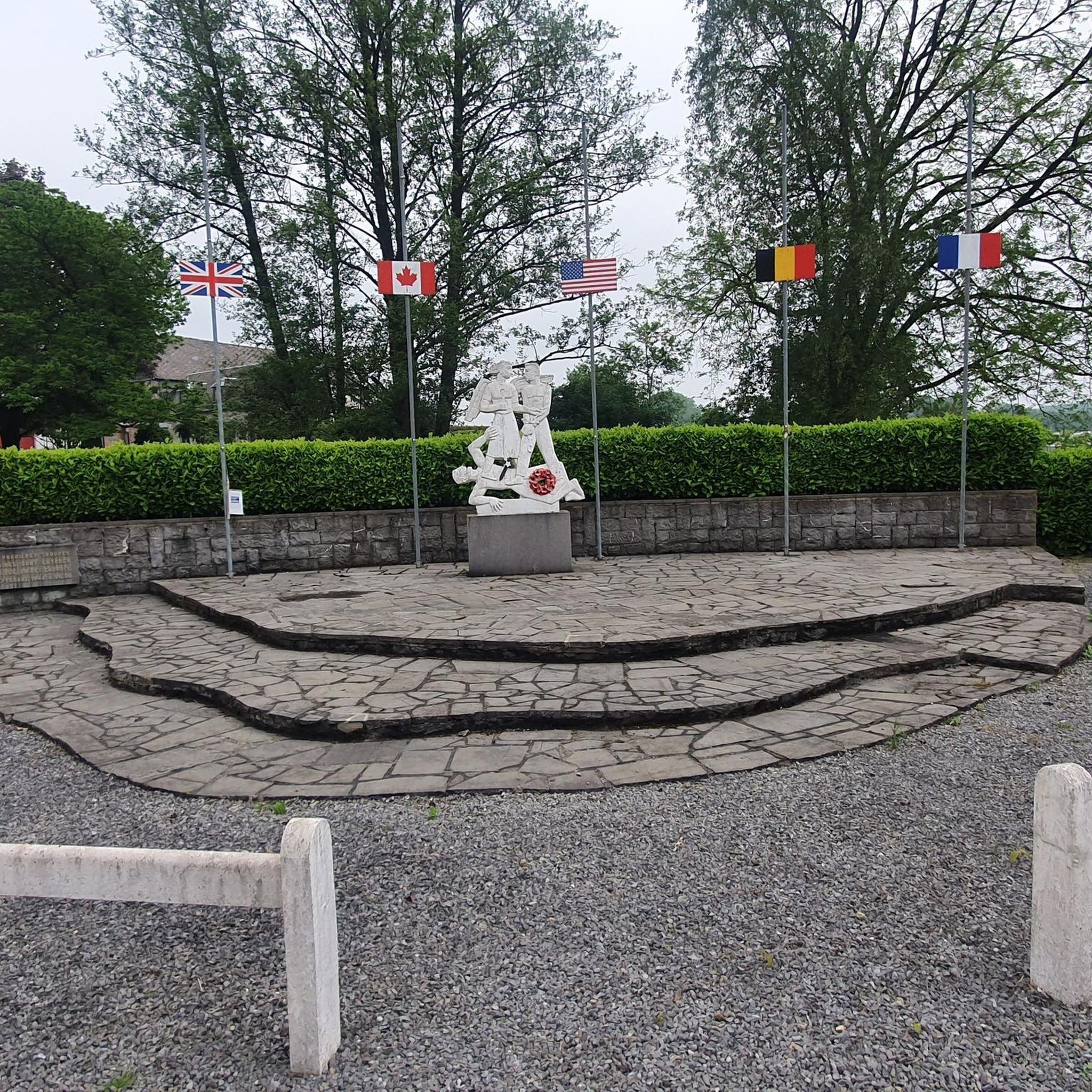
Entry point of the Allied troops in 1944
Highlight • Monument
Translated by Google •
Tip by

Sign up for free to discover even more attractions in Forêt Domaniale De Saint-Michel-En-Thiérache.
Sign up for free
Already have an account?
Start today with a free account
Your next adventure awaits.
Login or Signup
Popular around Forêt Domaniale De Saint-Michel-En-Thiérache

Tips from the Community

Having the c... between two countries 🤣
0
0

The bunker is called " Bloc de limite No. 551
4
0
This is the point where Allied troops crossed the border from France into Belgium in 1944 and liberated Belgium. Today there is a memorial here.
5
0

It is always good that the border becomes visible through the markings at this point.
2
1

The Mal Assises single borders the Saint-Michel Thiérache national forest. Located at the crossroads of two countries and three departments, the Saint-Michel forest stands out for its past steeped in history.
0
0


The bike is only on the way for decoration, there was nothing nearby to lean on. The path is not optimal for narrow road bike tires, but it is still good to ride with caution.
4
0
Silent witness to the Maginot Line. Historical explanation: The purpose of the line was to protect France against a surprise attack such as that which had occurred in the Franco-Prussian War of 1870, in which France had lost Alsace and part of Lorraine to Germany. When Alsace and Lorraine came fully back to France after the First World War, the old defenses were not only outdated, but also located too far from the new border. Moreover, France had lost so many soldiers in the First World War that the borders could not be adequately defended without additional measures. The French Minister of War Paul Painlevé was the driving force behind the line, but eventually his successor and war veteran André Maginot submitted the plan for construction to the French Parliament in 1930. His project costing 2.9 billion francs (today: 1.5 billion euros) took a heavy toll on the French economy, precisely at a time of economic crisis. However, defense against Germany was considered vital, especially when Adolf Hitler came to power. In addition, it provided 20,000 jobs and electrified the border areas. Source: https://nl.wikipedia.org/wiki/Maginotlinie
5
0
Frequently Asked Questions
What historical sites can I explore in the Forêt Domaniale De Saint-Michel-En-Thiérache?
The forest is rich in history. You can visit the remarkable Abbaye de Saint-Michel-en-Thiérache, dating from the 12th to 18th centuries, which also hosts sacred music concerts in summer. The region also features remnants from World War II, including approximately 40 blockhouses (bunkers) from the Maginot Line. A notable example is Bloc de la Limite No. 551 (Maginot Line). You can also find the Entry point of the Allied troops in 1944, marked by a memorial.
Are there opportunities for nature observation or wildlife spotting in the forest?
Yes, the Forêt Domaniale De Saint-Michel-En-Thiérache is known for its rich biodiversity. It's part of the "Forêts de Thiérache: Hirson et Saint-Michel" Natura 2000 site, important for various bird species like the Dipper, Hazel Grouse, Black Stork, and Middle Spotted Woodpecker. The Integral Biological Reserve of the Artoise (RBI de l'Artoise) also preserves forest ecosystems, offering a chance to observe nature in its free evolution.
What kind of outdoor activities are available in the Forêt Domaniale De Saint-Michel-En-Thiérache?
The forest offers a variety of outdoor activities. You can enjoy numerous hiking and walking trails, mountain biking, and equestrian trails. The Artoise River, designated a "Wild River," also allows for regulated "no-kill" fishing. For specific routes, you can explore options like those found in the Hiking in Forêt Domaniale De Saint-Michel-En-Thiérache guide.
Are there family-friendly attractions or activities in the area?
Many of the forest's trails and natural areas are suitable for families. The historical sites, such as the Entry point of the Allied troops in 1944, can be educational for older children. Picnic areas are also available for family outings. The Hiking guide includes easy routes like the "Border Markers – Cows in the Pasture loop" which can be enjoyed by families.
Can I find hiking trails suitable for different skill levels?
Yes, the Forêt Domaniale De Saint-Michel-En-Thiérache offers trails for various skill levels. You can find easy loops like the "Blangy Viaduct – Étang de Blangy loop" in the Waterfall hikes guide, as well as moderate routes such as the "Bunker – Moss-Covered Bunker loop." The Route forestière de Cendron is a car-free road offering a pleasant path through the forest.
What cultural experiences does the region offer?
Beyond the Abbaye de Saint-Michel-en-Thiérache, you can visit the Musée de la Vie Rurale et Forestière, located adjacent to the abbey. This museum showcases extensive ethnographic collections illustrating traditional life in the region, including crafts like woodturning, dairy production, farming, clog making, and fine Thiérache basketry.
Is the Forêt Domaniale De Saint-Michel-En-Thiérache suitable for cycling or mountain biking?
Absolutely. The forest provides opportunities for both mountain biking and road cycling. The Route forestière de Cendron is a car-free road popular with cyclists. For more cycling options, refer to the Road Cycling Routes in Forêt Domaniale De Saint-Michel-En-Thiérache guide, which includes routes like the "Roadbike loop from Saint-Michel."
What is the best time of year to visit Forêt Domaniale De Saint-Michel-En-Thiérache?
The forest offers beauty throughout the year. Summer is ideal for enjoying sacred music concerts at the Abbaye and exploring the trails in pleasant weather. Spring and autumn provide vibrant foliage and cooler temperatures, perfect for hiking and cycling. The diverse tree species ensure a colorful experience during these seasons.
Are there any unique natural features to discover in the forest?
The forest is home to diverse tree species like oak, beech, maple, and Douglas fir. A significant natural feature is the Artoise River, which has been labeled a "Wild River" since 2016 due to its pure water and diverse aquatic fauna. A large portion of the forest, 83 hectares, is also designated as the Integral Biological Reserve of the Artoise (RBI de l'Artoise).
Can I bring my dog to the trails in the forest?
While specific dog-friendly trail regulations are not detailed, generally, forests in France allow dogs on leash. It's always recommended to keep your dog under control to protect wildlife and ensure a pleasant experience for all visitors. Many of the hiking and walking trails are suitable for walks with leashed dogs.
Where can I find parking or trailheads for hiking?
The region offers various entry points and parking areas for accessing the forest trails. While specific parking locations are not listed in detail, many popular routes, such as those mentioned in the Hiking in Forêt Domaniale De Saint-Michel-En-Thiérache guide, typically have designated starting points or nearby parking. Look for signs indicating forest access or trailheads.
What do visitors particularly enjoy about the attractions here?
Visitors appreciate the blend of natural beauty and historical significance. The Border Markers are popular for their unique representation of the Franco-Belgian boundary. The quiet, car-free paths like Route forestière de Cendron are loved for their serene atmosphere, with one visitor describing it as "simply a mystical place!" The historical bunkers also offer a compelling glimpse into the past.
Are there accommodations or amenities nearby for an extended stay?
Yes, for those looking to extend their visit, there are gîtes (holiday cottages) and a campsite available nearby in Hirson. These options provide convenient bases for exploring the Forêt Domaniale De Saint-Michel-En-Thiérache and its surroundings.
Most popular routes in Forêt Domaniale De Saint-Michel-En-Thiérache

Get inspired with the komoot mobile app


Explore more
Still not found the Highlight you’re looking for? See guides of the top attractions in other regions:
