Attractions and Places To See around Breitenbrunn/Erzgebirge - Top 20
Attractions and places to see around Breitenbrunn/Erzgebirge are found within the Ore Mountains, offering a landscape characterized by forests, brook valleys, moors, and mountain pastures. The region is known for its diverse natural features, including prominent summits like Fichtelberg and Auersberg. Breitenbrunn/Erzgebirge also features cultural sites reflecting its rich mining history, which is part of the UNESCO World Heritage Erzgebirge/Krušnohoří Mining Region. This area provides a range of historical landmarks and natural points of interest for visitors.
Best attractions and…
Last updated: October 11, 2026
Fichtelberghaus Restaurant & Hotel
Highlight • Restaurant
Translated by Google •
Tip by

Fichtelberg Peace Bell
Highlight • Monument
Translated by Google •
Tip by

Sign up now to discover places like this
Get recommendations on the best single tracks, peaks, & plenty of other exciting outdoor places.
Auersberg Summit and Observation Tower
Highlight • Summit
Translated by Google •
Tip by

Rabenberg Trail Center
Highlight • MTB Park
Translated by Google •
Tip by

Old Bockau railroad tunnel
Highlight (Segment) • Structure
Translated by Google •
Tip by

Sign up for free to discover even more attractions around Breitenbrunn/Erzgebirge.
Already have an account?
Start today with a free account
Your next adventure awaits.
Popular around Breitenbrunn/Erzgebirge
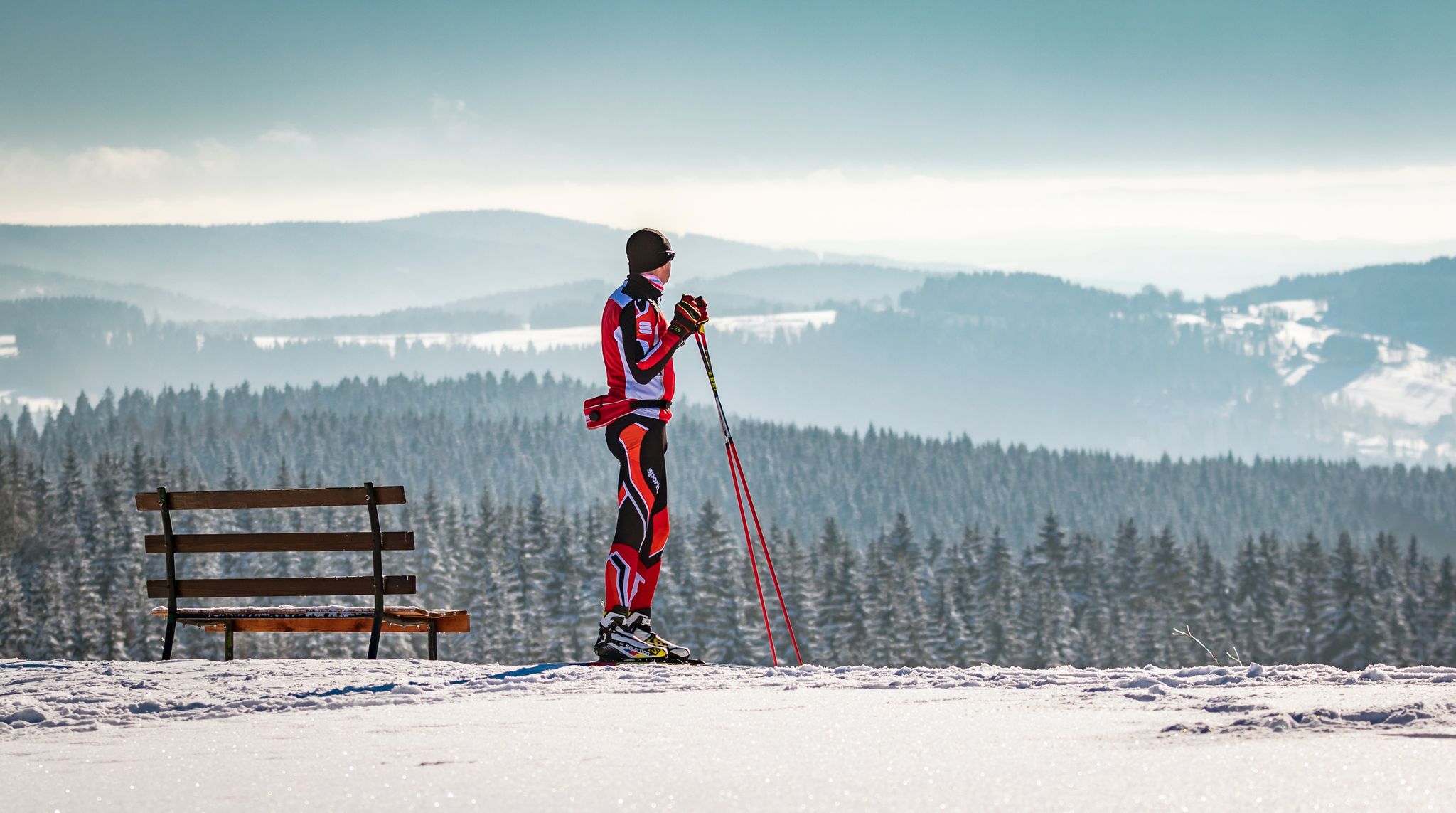
Let it flow! Cross-country skiing in the Ore Mountains

Kammweg Erzgebirge – Border adventure along the Ridgeway

The Stoneman Trail in the Ore Mountains
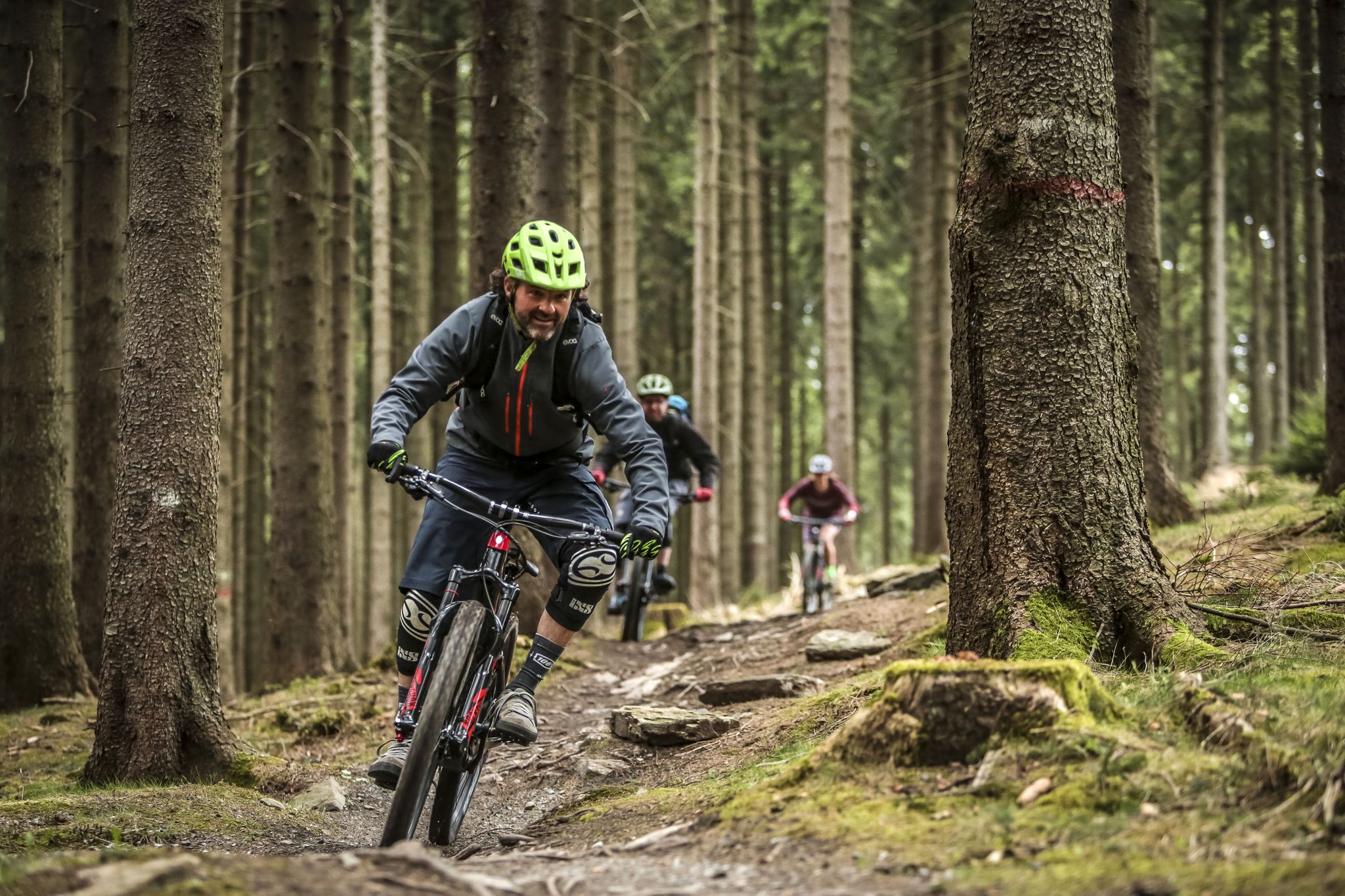
MTB adventures in Saxony
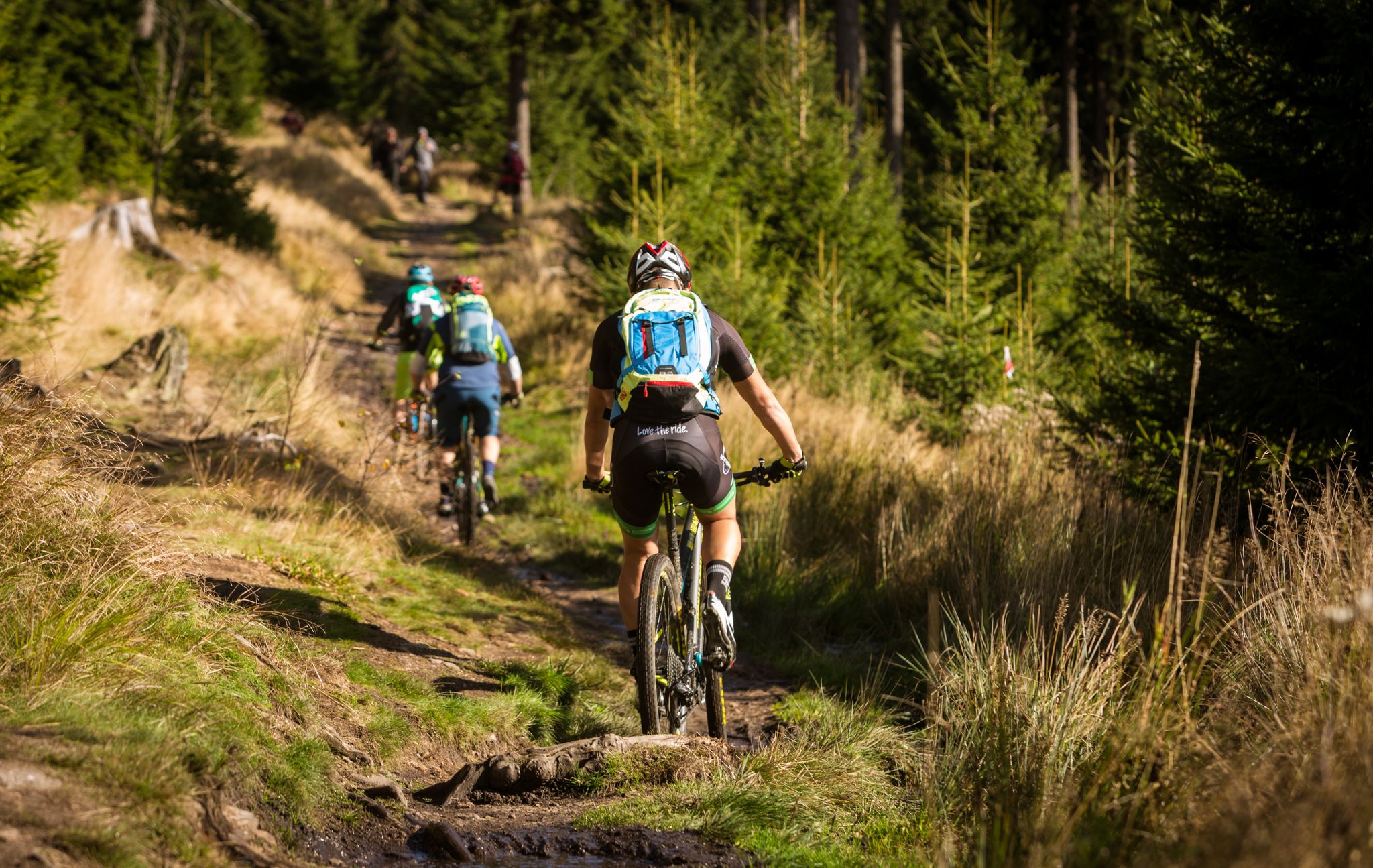
Stoneman Miriquidi MTB Gesamtstrecke (2 Tage -Silber)
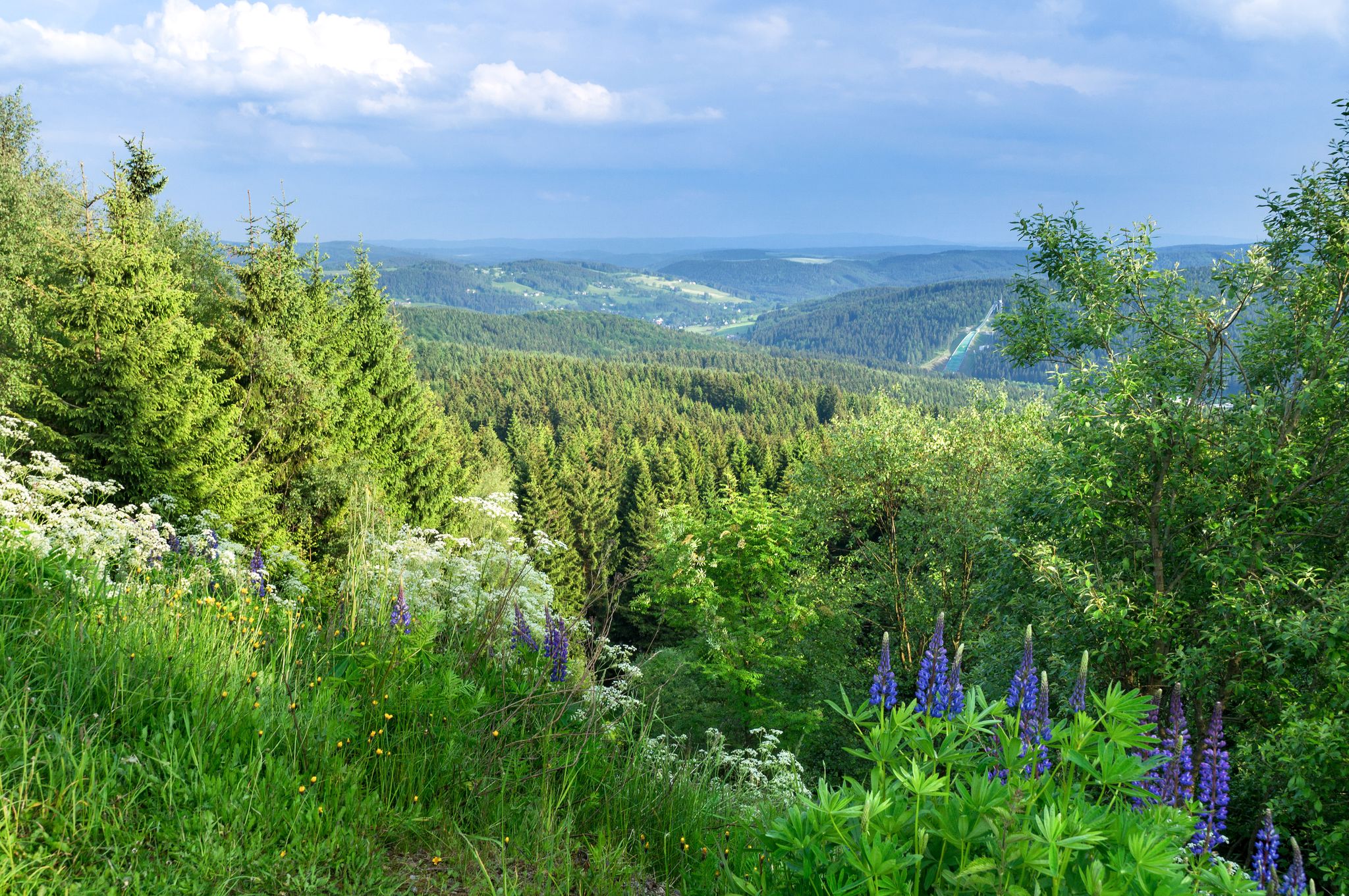
History meets nature – Erzgebirge-Vogtland Ridge Trail
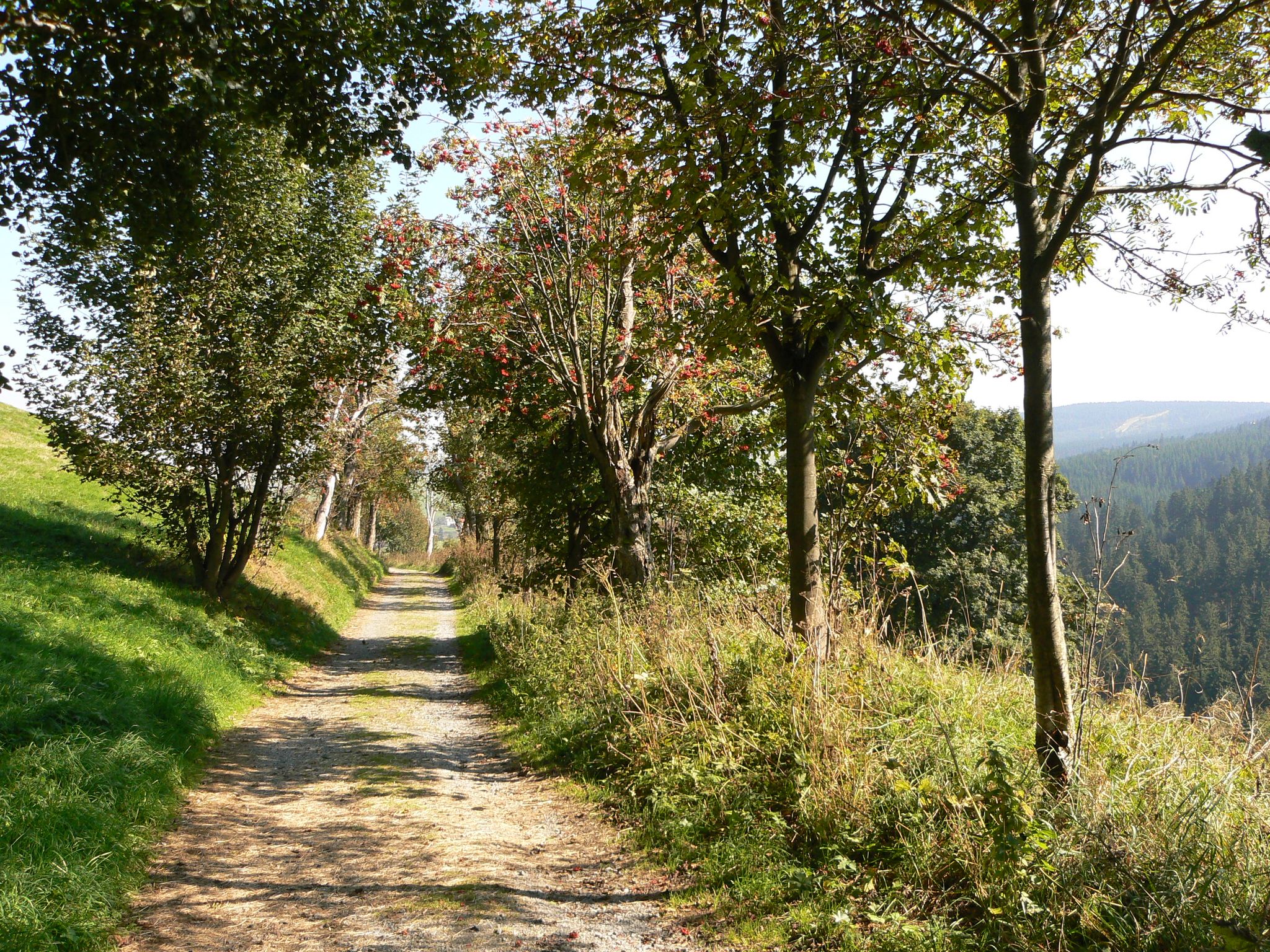
The Anton-Günther-Trail — a long weekend in the Ore Mountains

Bike parks in the heart of Germany
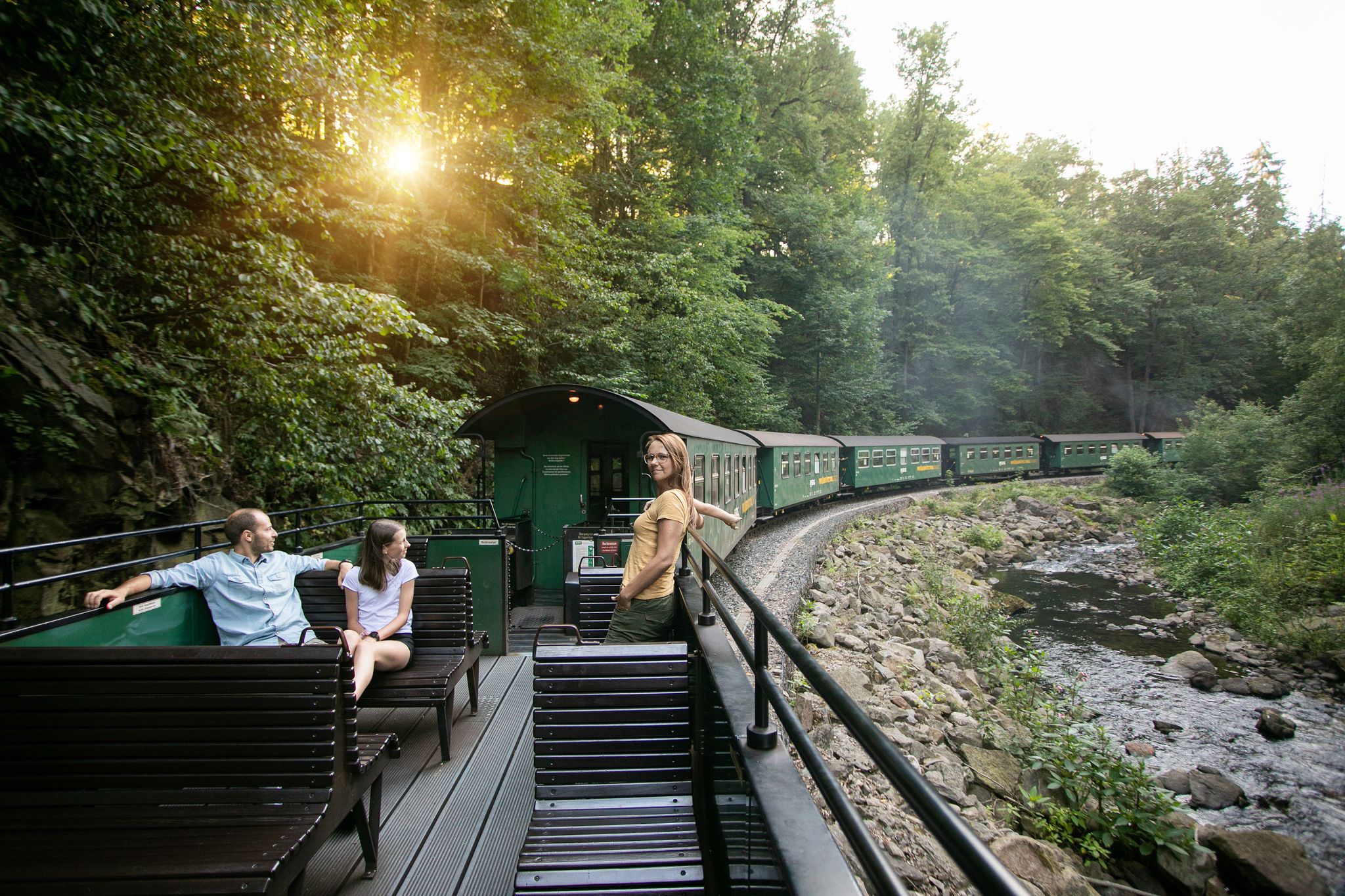
Wandertouren - Eisenbahn & Wanderstock
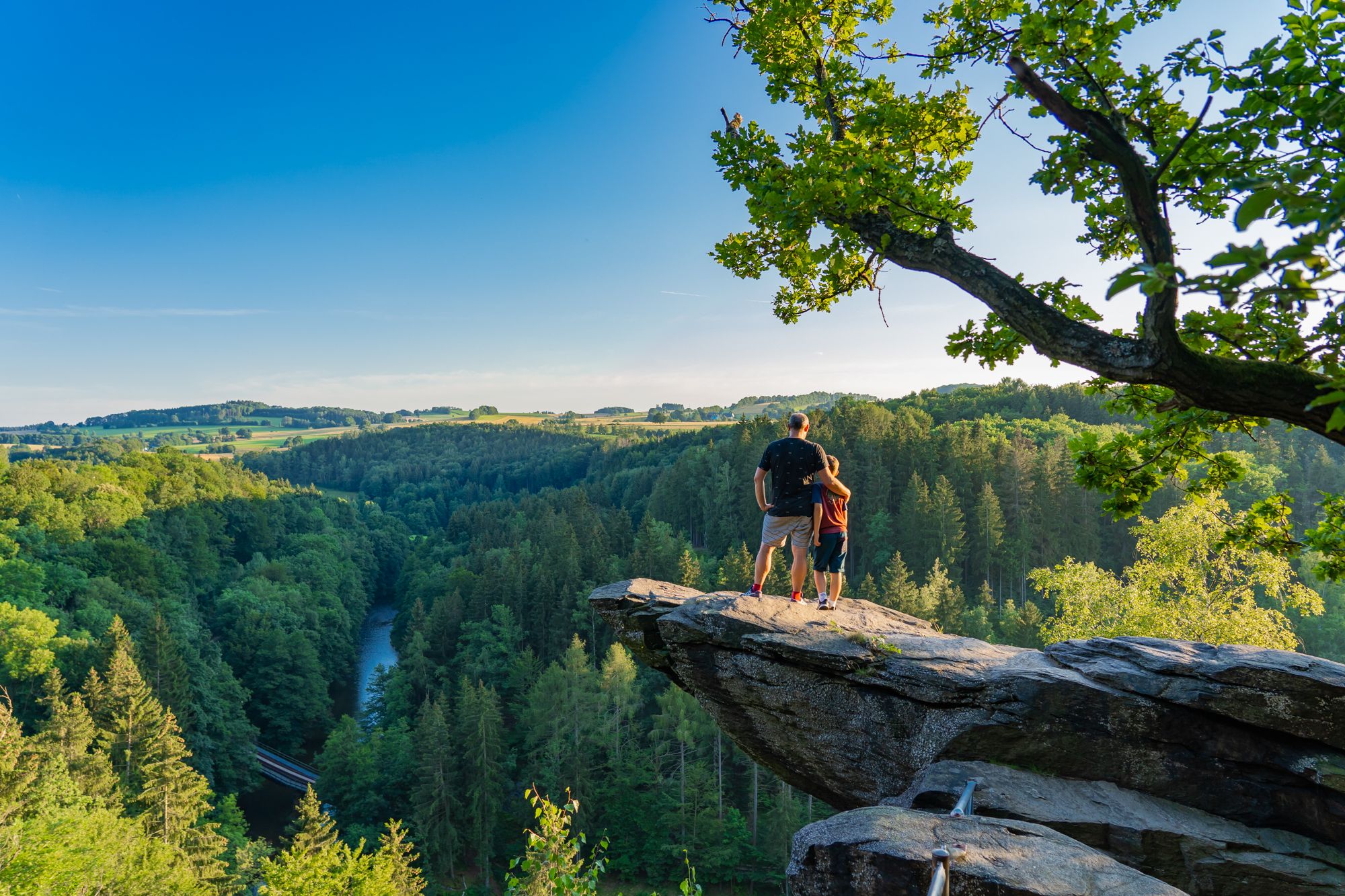
Wandertouren - Gipfelglück
Other adventures around Breitenbrunn/Erzgebirge


Tips from the Community

The large peace bell on the Fichtelberg had to remain silent for six months in 2024. Stone throwing in May 2022 had so badly damaged the bell that its sound suffered. It was decided to stop ringing it and replace it with a new one. The old bell rang for the last time on Easter Monday 2024. Just in time for the mountain service on German Unity Day on October 3, the new bell was officially rung for the first time in the fall of 2024. The idea of using a peace bell to commemorate the peaceful revolution of 1989 in the GDR and German reunification in 1990 came from watchman Gerd Schlesinger and night watchman Jörg Eller from the Ore Mountains town of Schwarzenberg. The bell was also intended to be heard in neighboring Czechia and thus ring for a united Europe. The cast steel bell, already ninety years old at the time, was rung for the first time in 2010. The new bell was cast in Innsbruck by the Grassmayr company. At 2,700 kilograms, it is about 1,100 kilograms heavier than the old bell.
17
1

On October 3, 2024, about 11 months after its consecration, a new bell rang for the first time and has since replaced the previous bell from 2010. This had been damaged by vandalism. The new bell was cast in Innsbruck. It is made of bronze and weighs about 2700 kg. The bell is rung on Sundays and public holidays.
6
0

Former railway tunnel, very wide and somehow great.
9
0

☆ The oldest stone observation tower in the Ore Mountains. More information can be found at the tower.
10
0

In many cities there are monuments in the shape of a bell that are intended to serve as a memorial for peace. Examples of this are: - the Chorweiler peace bell, - the Peace Bell (Bad Neustadt an der Saale) - the Peace Bell (Dessau) in Dessau-Roßlau - the Peace Bell (Frankfurt (Oder)) m - the peace bell on the Fichtelberg in the Ore Mountains and many more. In 2009, Gerd Schlesinger, tower keeper of the city of Schwarzenberg, suggested setting up a ringable church bell on the Fichtelberg, which would be considered a monument to the unity of Germany. Its bells should be heard as far away as the neighboring Czech Republic and thus also ring for a united Europe. Many private individuals and companies were active in the project or contributed donations.
9
0

The tower is a good vantage point but everything is well marketed.
16
0

The bell was erected as a memorial on the summit of the Fichtelberg to mark 20 years of German unity. It weighs 1.6 t, is 1.35 m high and has a diameter of almost 1.6 m.
5
0

In 2009, Gerd Schlesinger, tower warden of the town of Schwarzenberg, suggested setting up a ringable bell on the Fichtelberg, which should serve as a monument to German unity and could ring for peace, unity, justice and love.
8
0
Frequently Asked Questions
What natural features and viewpoints can I explore in the Breitenbrunn/Erzgebirge area?
The region is rich in natural beauty and offers several stunning viewpoints. You can visit the Fichtelberghaus at 1,215 meters on Fichtelberg, the highest mountain in the new federal states, for panoramic views across the Ore Mountains into the Bohemian Basin. Another excellent vantage point is the Auersberg Summit and Observation Tower, offering views towards the Eibenstock and Sosa dams. Other notable natural features include the Rabenberg and Sauberg mountains, the Preißhausbuche, the Himmelswiese near Halbemeile, and the Teufelssteine (Devil's Stones) near Erlabrunn. The Talsperre Sosa (Sosa Dam) and Kleiner Kranichsee are also significant natural attractions.
What historical sites or cultural attractions are there in Breitenbrunn/Erzgebirge?
Breitenbrunn/Erzgebirge has a deep mining history and several cultural sites. You can explore the Fichtelberg Peace Bell, a monument to German unity. The Visitors' Mine St. Christoph in Antonsthal provides insights into the region's mining heritage, as does the Museum und Pochwerk Silberwäsche Antonsthal. The wider Erzgebirge/Krušnohoří Mining Region is a UNESCO World Heritage site, reflecting 800 years of mining history. Historical structures include the ruins of the former electoral hunting lodge (Schlossruine) and the Christophoruskirche. The Old Bockau railroad tunnel is another interesting historical site, now part of a bike path.
Are there family-friendly attractions or activities available in the area?
Yes, Breitenbrunn/Erzgebirge offers several family-friendly options. The Auersberg Summit and Observation Tower features a small playground and seating areas, making it suitable for families. The Rabenberg Trail Center is a modern sports park with various trails for mountain bikers of all skill levels, along with facilities for soccer and beach volleyball. Outdoor swimming pools in Breitenbrunn and Antonsthal also provide family entertainment. Many of the natural viewpoints and historical sites are accessible for families to explore together.
What kind of outdoor activities can I do near these attractions?
The region is ideal for various outdoor activities. You can enjoy gravel biking with routes like the 'Himmelswiese – St. John of Nepomuk Chapel loop' or 'Rabenberg Sports Park – Himmelswiese loop'. For road cycling, consider the 'Fichtelberghaus – Fichtelberg Ascent loop' or 'Teufelssteine Rock Formation – Boží Dar Church loop'. Hiking is also very popular, with trails such as the 'Hiking loop from Moor am Pfahlberg' and 'View of Teufelsteine – Devil's Stones loop'. You can find more details on these and other routes in the respective guides: Gravel biking around Breitenbrunn/Erzgebirge, Road Cycling Routes around Breitenbrunn/Erzgebirge, and Hiking around Breitenbrunn/Erzgebirge.
Where can I go mountain biking in Breitenbrunn/Erzgebirge?
The Rabenberg Trail Center is a premier destination for mountain biking in the area. It offers around 50 kilometers of bike routes with a high proportion of single trails, catering to beginners, intermediates, and pros. The center provides a completely signposted, compact route network with loops of different lengths and varying levels of difficulty, ensuring an enjoyable experience for all skill levels.
What is the significance of the Fichtelberg Peace Bell?
The Fichtelberg Peace Bell serves as a monument to the unity of Germany, ringing for peace, unity, justice, and love. Its chimes can be heard as far as the neighboring Czech Republic, symbolizing a united Europe. The bell rings every Sunday at 4 p.m., with additional dates during Advent, Christmas, New Year's Eve, New Year's Day, and Epiphany.
Can I learn about the region's mining history?
Absolutely. The Breitenbrunn/Erzgebirge region is deeply rooted in mining history. You can visit the Visitors' Mine St. Christoph in Antonsthal or the Museum und Pochwerk Silberwäsche Antonsthal to explore historical mining techniques and artifacts. The entire Erzgebirge/Krušnohoří Mining Region is recognized as a UNESCO World Heritage site, showcasing 800 years of mining that shaped the local culture, traditions, and even the distinctive wooden arts and crafts. More information can be found at visitsaxony.com.
What do visitors particularly enjoy about the attractions in Breitenbrunn/Erzgebirge?
Visitors frequently praise the stunning panoramic views from summits like Fichtelberg and Auersberg. The well-maintained trails and diverse options for mountain biking at the Rabenberg Trail Center are also highly appreciated. Many enjoy the historical insights offered by sites related to the region's mining heritage and the peaceful atmosphere of natural areas. The presence of amenities like restaurants and playgrounds at key attractions also contributes to a positive visitor experience.
What is the best time of year to visit Breitenbrunn/Erzgebirge?
The Ore Mountains offer attractions year-round. Summer and autumn are ideal for hiking, cycling, and enjoying the lush landscapes and clear views. The Fichtelberghaus and Auersberg Summit are particularly rewarding during these seasons. Winter transforms the region into a snowy wonderland, suitable for winter hiking and other snow sports, with the Fichtelberg area being a popular destination.
Are there any unique historical monuments in the area?
Beyond the mining sites, you can find unique historical monuments such as the Fichtelberg Peace Bell, which commemorates German unity. The Pestpfarrer-Denkmal (Plague Pastor Monument) is another historical point of interest. The Old Bockau railroad tunnel, now repurposed for cycling, also stands as a testament to past infrastructure.
What kind of landscape characterizes the Breitenbrunn/Erzgebirge region?
The Breitenbrunn/Erzgebirge region is nestled within the Erzgebirge/Vogtland Nature Park, characterized by a diverse landscape of forests, picturesque brook valleys, unique moors, and expansive mountain pastures. This varied terrain supports a rich flora and fauna, making it an attractive destination for nature lovers and outdoor enthusiasts.
Most popular routes around Breitenbrunn/Erzgebirge
Most popular attractions around Breitenbrunn/Erzgebirge

Get inspired with the komoot mobile app


Explore more
Still not found the Highlight you’re looking for? See guides of the top attractions in other regions:
