Top 8 Castles around Schwarzenberg/Erzgebirge
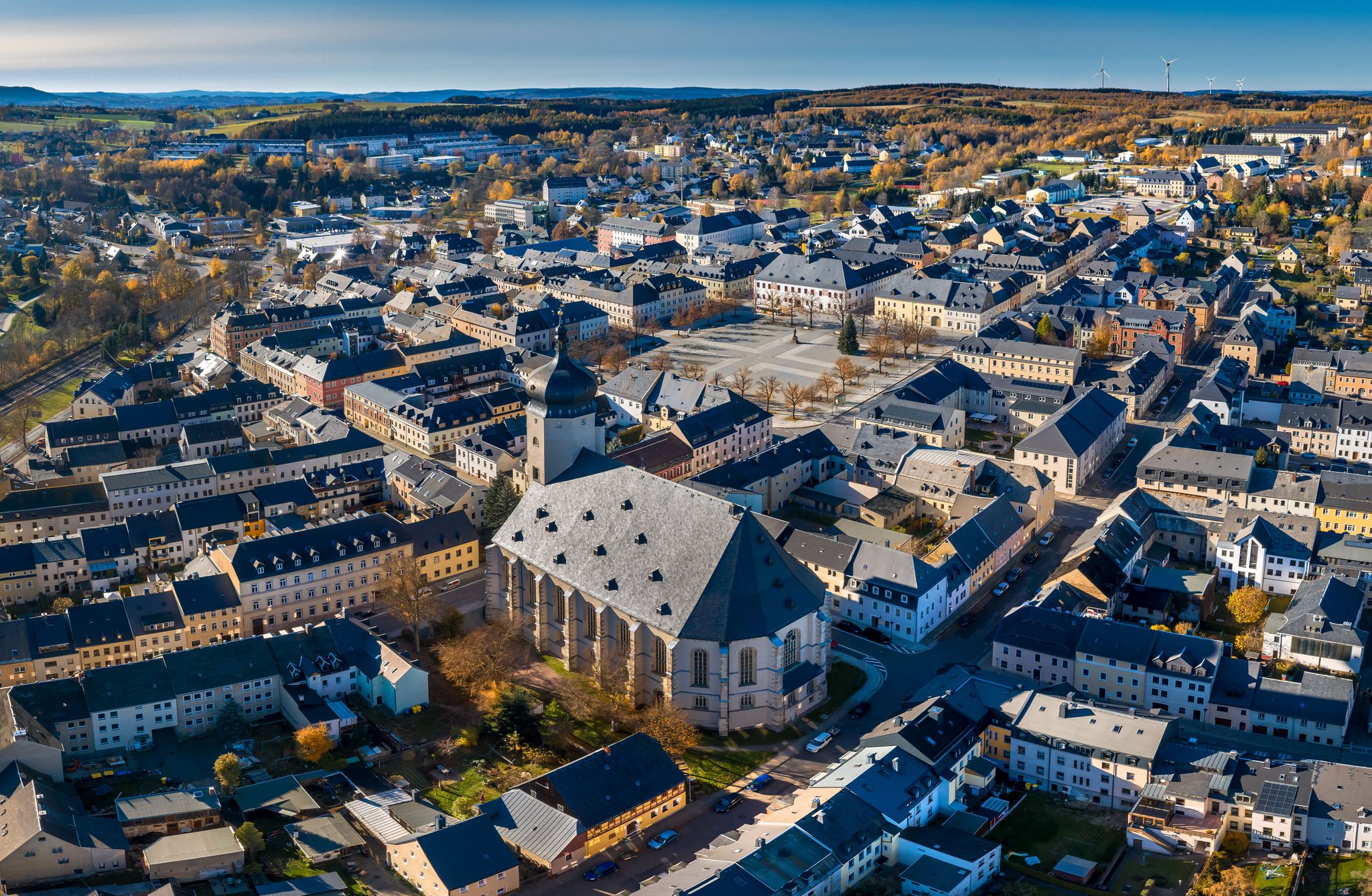
Best castles around Schwarzenberg/Erzgebirge are situated in a region known for its historical significance and natural landscape. The town of Schwarzenberg, located in the Erzgebirge, is defined by its prominent castle and St. George's Church. This area has a rich history rooted in mining and craftsmanship, with the castle serving as a starting point for regional settlement. The surrounding landscape features the Schwarzwasser river and offers various scenic spots.
Best castles around Schwarzenberg/Erzgebirge
- The most popular castles is Schwarzenberg Castle…
Last updated: August 30, 2026
Schwarzenberg Castle
Highlight • Castle
Translated by Google •
Tip by

Schlettau Castle
Highlight • Castle
Translated by Google •
Tip by

Sign up now to discover places like this
Get recommendations on the best single tracks, peaks, & plenty of other exciting outdoor places.
Sign up for free
St. George's Church (Schwarzenberg)
Highlight • Religious Site
The church history in Schwarzenberg is probably almost as old as the castle, which was built around …
Translated by Google •
Tip by

Balcony of the Ore Mountains (Frankonia Cable Car Mountain Station Viewpoint)
Highlight • Viewpoint
Translated by Google •
Tip by

View of Schwarzenberg, the castle and St. George's Church from Galgenberg
Highlight • Viewpoint
Translated by Google •
Tip by

Sign up for free to discover even more castles around Schwarzenberg/Erzgebirge.
Sign up for free
Already have an account?
Start today with a free account
Your next adventure awaits.
Login or Signup
Popular around Schwarzenberg/Erzgebirge
Triathlon around Germany
Hiking with heart in the Ore Mountains
Wonderful Silberberg – Day Tours to the Digital Hiking Badge with SummitLynx
Weekend tours in the Ore Mountains
Digitale Wandernadel
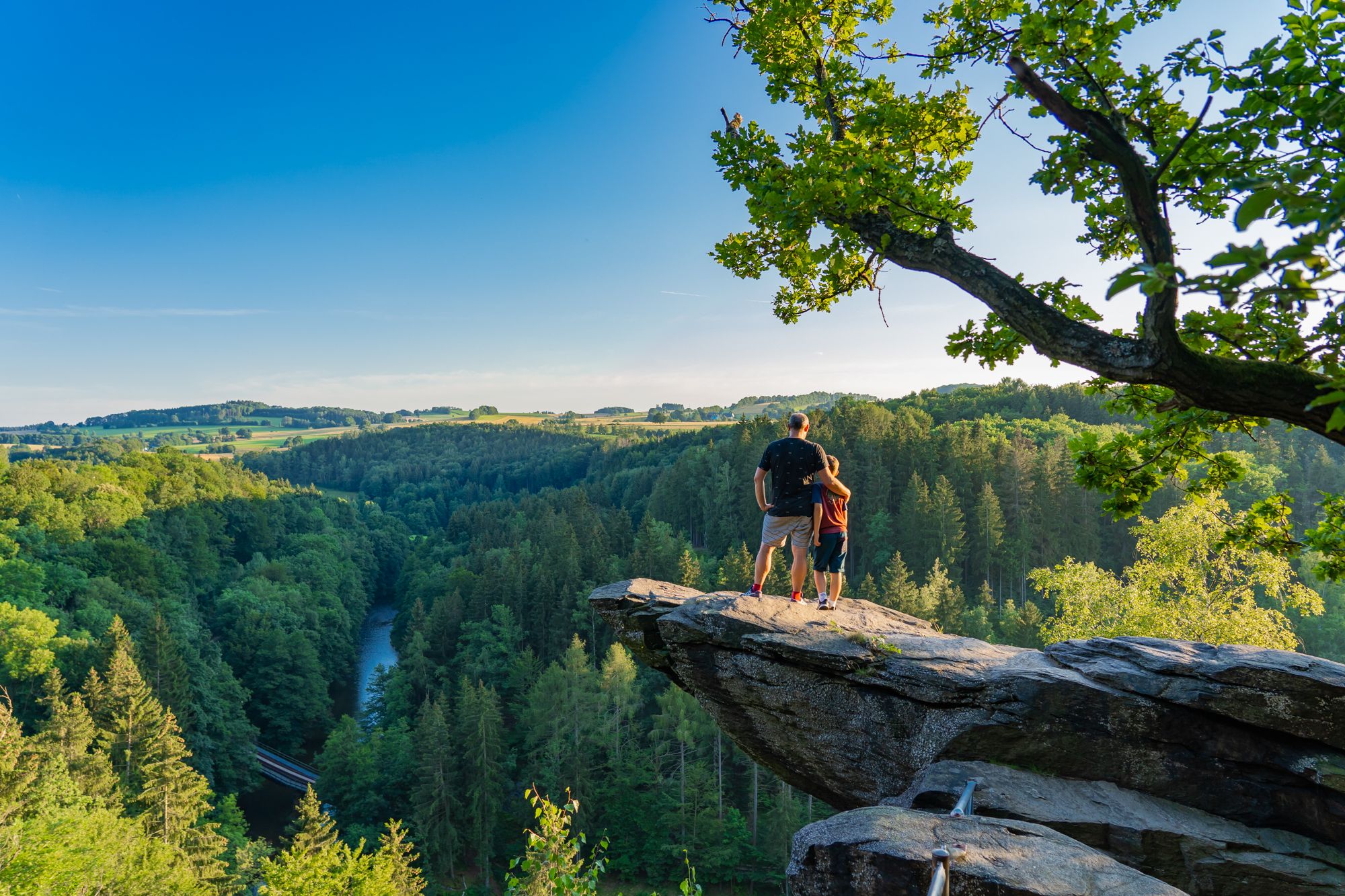
Wandertouren - "Glück Auf" im Welterbe
Wandertouren - Gipfelglück
Hiking around Schwarzenberg/Erzgebirge
Cycling around Schwarzenberg/Erzgebirge
MTB Trails around Schwarzenberg/Erzgebirge
Other adventures around Schwarzenberg/Erzgebirge


Tips from the Community

Gallows Hill is a hill in the west of Schwarzenberg's old town. One of the five court sites of the Schwarzenberg dominion/district, complete with a court chair, gallows, and wheel, was located on the hilltop, giving the hill its name. A television transmitter was erected there in 1964.
1
0
A beautiful spot to enjoy the view of the city with its castle visible from afar.
0
1

Nice spot on the tour
0
1

The Evangelical Lutheran St. George's Church in Schwarzenberg/Erzgebirge is an outstanding example of Baroque sacred architecture and, together with the neighboring castle, dominates the cityscape of the old town. **History and Construction** The origins of the parish date back to the 12th century. The present church was built between 1690 and 1699 according to plans by the Lößnitz master builder Johann Georg Roth, as the previous church on the lower market square had become too small and dilapidated. Half of the building site was donated by the Saxon Elector Johann Georg III and the other half by Balthasar Lehmann, the Schwarzenberg Oberzehnder. Construction was carried out by master mason Johann Georg Pauli and master carpenter Samuel Georg. The church, designed as a transverse church, was consecrated on October 22, 1699. **Architecture and Furnishings** The interior of the church impresses with its cantilevered wooden ceiling, added in 1728 and considered a technical masterpiece with a clear width of 34 × 18 meters. The Baroque furnishings include a magnificently carved altar, an artfully wrought choir screen from 1721, crafted by the Schwarzenberg master blacksmith Zacharias Georgi, as well as a Baroque pulpit and a surrounding gallery with numerous boxes. **Music and Organ** St. George's Church is an important center of sacred music. In 1993, a new organ by the Hermann Eule company from Bautzen was installed. It has 39 stops on slider chests and is based on historical models. Concerts are held here regularly, including the "Music Summer in St. Georgen" concert series and the internationally renowned Erzgebirge Music Festival. **Current Condition** Despite its structural integrity, the church is showing signs of age-related damage. Cracks in the masonry and leaky windows are endangering the building's structure. Parts of the gallery had to be closed off in 2018 due to the risk of falling. A comprehensive renovation is necessary to preserve the church as a spiritual and cultural center.
3
0

very nice corner for a trip
1
2
The Frankonia cable car was an aerial cable car in Beierfeld that was only used for freight transport. It connected the Zwönitz–Scheibenberg railway line with Frankonia AG, by far the largest industrial company in Beierfeld at the time. The location of Beierfeld train station on the Zwönitz–Scheibenberg line, which opened in 1900, was extremely unfavorable for Beierfeld. Due to the steep slope of the access road to the town, shipping goods was particularly difficult. That's why, among other things, the construction of a trackless railway or a pure freight railway to Schwarzenberg train station was considered, but these options failed in the planning phase. Due to the First World War, there was a shortage of horses for shipping purposes. The situation became increasingly worse, especially for Frankonia AG, which produced military items, as urgently needed deliveries of goods accumulated at the Beierfeld train station. (https://www.wikiwand.com/de/Frankonia-Seilbahn)
2
0

A landmark of the city of Schwarzenberg, visible from afar.
7
0

This castle, which dates back to the 14th century, is located directly at the confluence of the Zschopau and Roter Pfütze rivers. Today, a support association takes care of the administration of the buildings and the attached museum. In the idyllic castle park you can discover over 30 different tree species.
2
0
Frequently Asked Questions
Which castles offer the best historical insights into the Schwarzenberg/Erzgebirge region?
For a deep dive into local history, Schwarzenberg Castle is highly recommended. It houses the municipal museum "PERLA CASTRUM – Ein Schloss voller Geschichte," which covers over 850 years of the town's past, including its mining heritage and Erzgebirge craftsmanship. The castle itself was founded as a medieval fortification and later transformed into a Saxon electoral hunting lodge.
Are there any castles in the area that are particularly family-friendly?
Yes, Schwarzenberg Castle is considered family-friendly, offering a museum experience that can engage various ages. Additionally, Schlettau Castle, with its idyllic castle park featuring over 30 different tree species, provides a pleasant environment for families to explore.
Where can I find panoramic views of Schwarzenberg and its surroundings?
The 36-meter-high keep (Bergfried) at Schwarzenberg Castle offers breathtaking panoramic views of Schwarzenberg and the picturesque Erzgebirge landscape. Another excellent spot is the View of Schwarzenberg, the castle and St. George's Church from Galgenberg, which provides a classic vista of the town and its prominent landmarks.
What outdoor activities can I do near these castles?
The region around Schwarzenberg/Erzgebirge offers various outdoor activities. You can find numerous hiking routes, such as the 'Wanderbarer Silberberg – Erla, Pöhla, Grünstädtel and Schwarzenberg' or the 'Schwarzenberg Old Town – Artists' Alley, Schwarzenberg loop'. For cycling enthusiasts, there are road cycling and touring bicycle routes available. Explore more options on the Hiking around Schwarzenberg/Erzgebirge, Road Cycling Routes around Schwarzenberg/Erzgebirge, and Cycling around Schwarzenberg/Erzgebirge guide pages.
Is Schwarzenberg Castle accessible for visitors with mobility considerations?
Yes, Schwarzenberg Castle has an inclined lift that provides easy access from a large visitor car park to the old town, which is approximately 30 meters higher than the parking area. This helps in reaching the castle and its surrounding park.
Are there any lesser-known or 'hidden gem' castles to visit?
While Schwarzenberg Castle is the main attraction, Rittergut Schloss Sachsenfeld is a historic manor first mentioned in the 13th century. This privately owned estate, located within Schwarzenberg, has been extensively renovated and offers a glimpse into the region's aristocratic past.
What is the best time of year to visit the castles in Schwarzenberg/Erzgebirge?
The castles in Schwarzenberg/Erzgebirge can be visited year-round. Spring and summer offer pleasant weather for exploring the castle parks and surrounding hiking trails. Autumn provides beautiful foliage, while winter visits can be charming, especially if you enjoy a snowy, festive atmosphere, though some outdoor activities might be limited by weather conditions.
Where can I find parking when visiting Schwarzenberg Castle?
There is a large visitor car park available in Schwarzenberg. An inclined lift connects this car park directly to the old town, making it convenient to reach Schwarzenberg Castle and its attractions.
What kind of cultural events or activities are hosted at Schwarzenberg Castle?
Schwarzenberg Castle serves as a cultural center for the Erzgebirge district. It hosts a music school, parts of the adult education center, and regularly features concerts in its acoustically designed vaulted cellars. Visitors might also find special exhibitions alongside the permanent museum display.
What makes Schlettau Castle unique?
Schlettau Castle, dating back to the 14th century, is notable for its location at the confluence of the Zschopau and Roter Pfütze rivers. Its idyllic castle park is a highlight, featuring over 30 different tree species, making it a pleasant spot for nature lovers.
How long should I plan for a visit to Schwarzenberg Castle?
To fully experience Schwarzenberg Castle, including its museum "PERLA CASTRUM" and the ascent to the keep for panoramic views, you should plan for at least 2-3 hours. This allows ample time to explore the exhibits and enjoy the surroundings.
Are there any cafes or restaurants near the castles?
Yes, Schlettau Castle has a cafe on-site, offering refreshments. In Schwarzenberg, the town surrounding Schwarzenberg Castle, you will find various cafes and restaurants within easy walking distance in the old town.
Most popular routes around Schwarzenberg/Erzgebirge
Most popular attractions around Schwarzenberg/Erzgebirge

Get inspired with the komoot mobile app


Explore more
Looking for the best castles somewhere else? Discover other guides around Schwarzenberg/Erzgebirge:
