Attractions and Places To See around gmina gmina Wąsosz - Top 20
Attractions and places to see around gmina gmina Wąsosz, located in Poland's Lower Silesian Voivodeship, offers a diverse landscape characterized by extensive forest complexes and wetlands, situated at the confluence of the Orla and Barycz rivers. The region features historical landmarks, cultural sites, and natural areas. Visitors can explore medieval roots, Baroque architecture, and protected natural environments like the Barycz Valley Protected Landscape Area. The gmina provides opportunities for exploring both its cultural heritage and natural beauty.
Best attractions and…
Last updated: August 25, 2026
Żmigród Tower
Highlight • Monument
Translated by Google •
Tip by

Castle ruins in Zmigrod
Highlight • Castle
Translated by Google •
Tip by

Sign up now to discover places like this
Get recommendations on the best single tracks, peaks, & plenty of other exciting outdoor places.
Sign up for free
St. Catherine of Alexandria Church, Góra
Highlight • Religious Site
Translated by Google •
Tip by

Barycz Valley Cycle Path
Highlight (Segment) • Cycleway
Translated by Google •
Tip by

Głogowska Tower in Góra
Highlight • Monument
Translated by Google •
Tip by

Sign up for free to discover even more attractions around gmina gmina Wąsosz.
Sign up for free
Already have an account?
Start today with a free account
Your next adventure awaits.
Login or Signup

Tips from the Community

After the great city fire of 1457, construction began on a brick, three-nave church in the Gothic style. This construction, interrupted by subsequent fires (including one in 1478), lasted until the first half of the 16th century (around 1552). The church was built on a hill, integrated into the city's defensive walls. Reconstructions after the fires (18th century): The church was repeatedly destroyed. A fire in 1759 (started by Russian troops) caused significant damage. The reconstruction, during which the church gained Baroque domes on the towers and Baroque interior furnishings (which survive to this day), was completed in 1763.
2
0

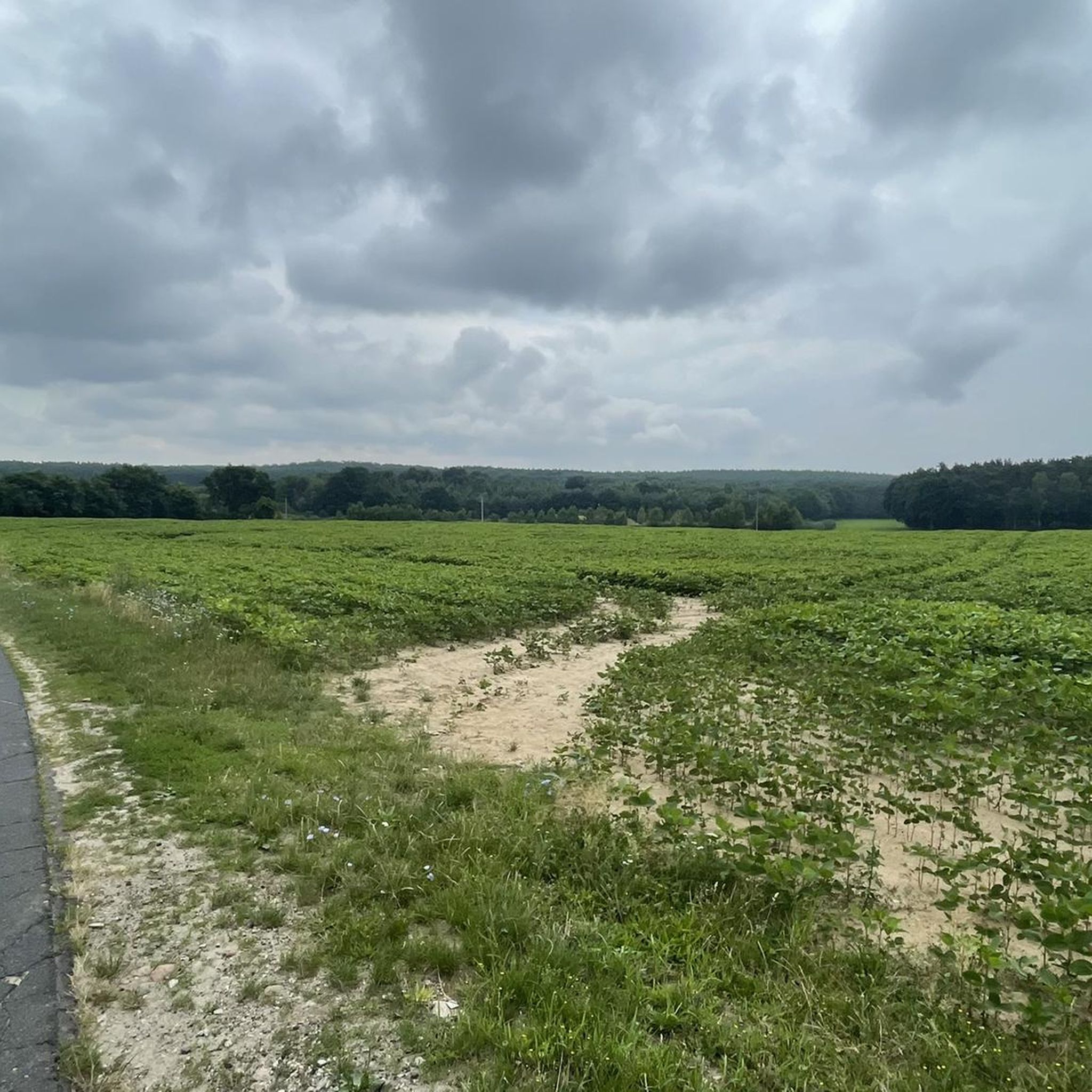
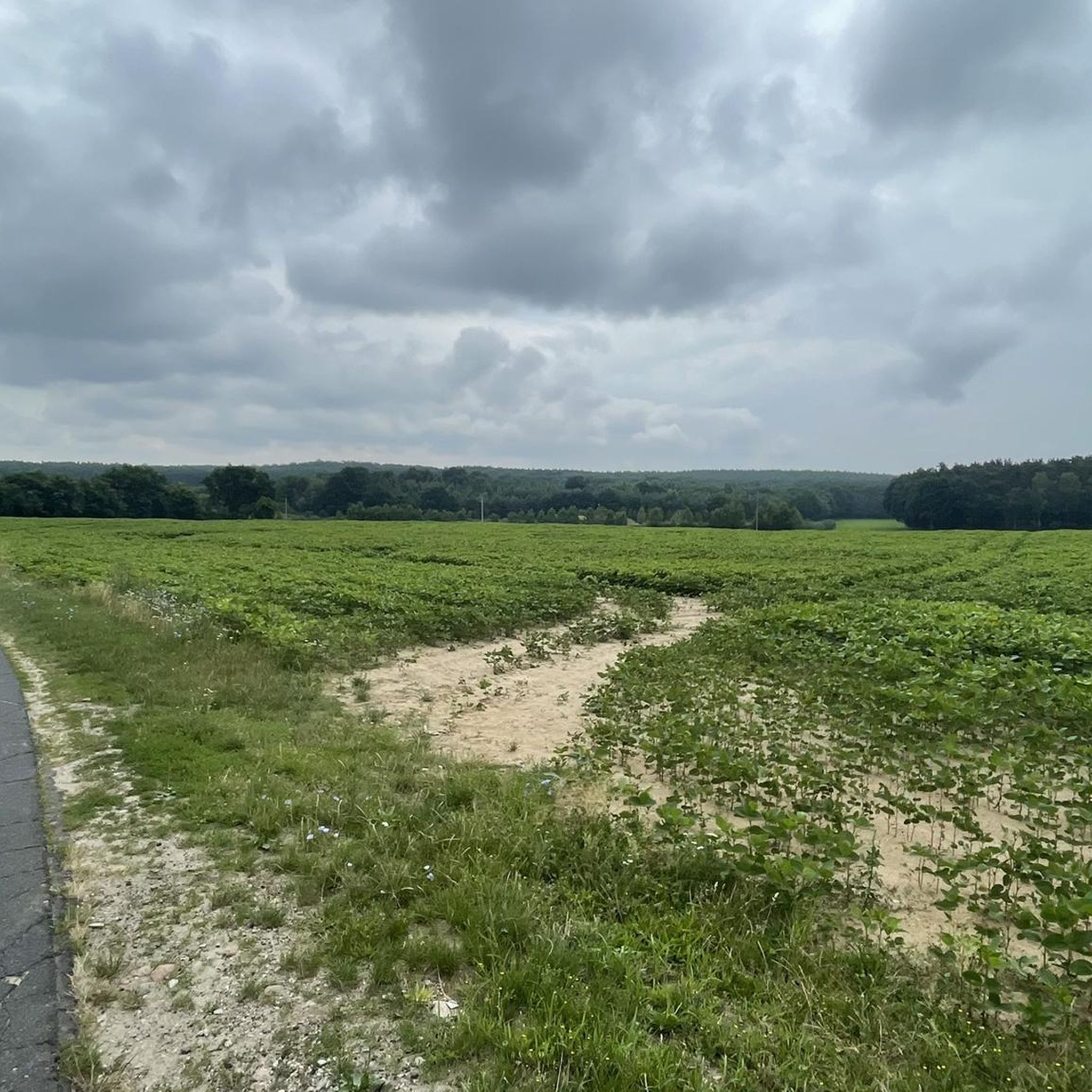
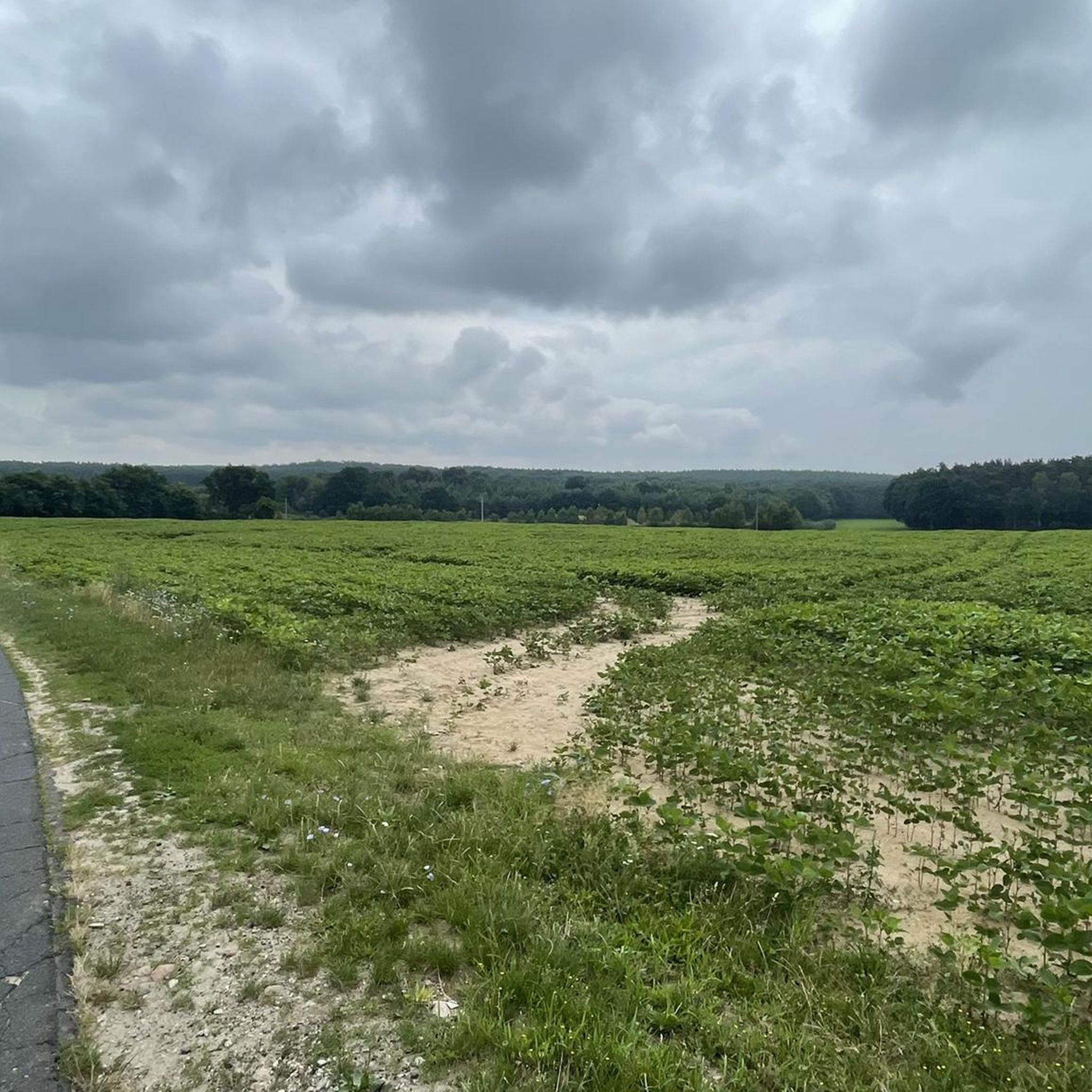
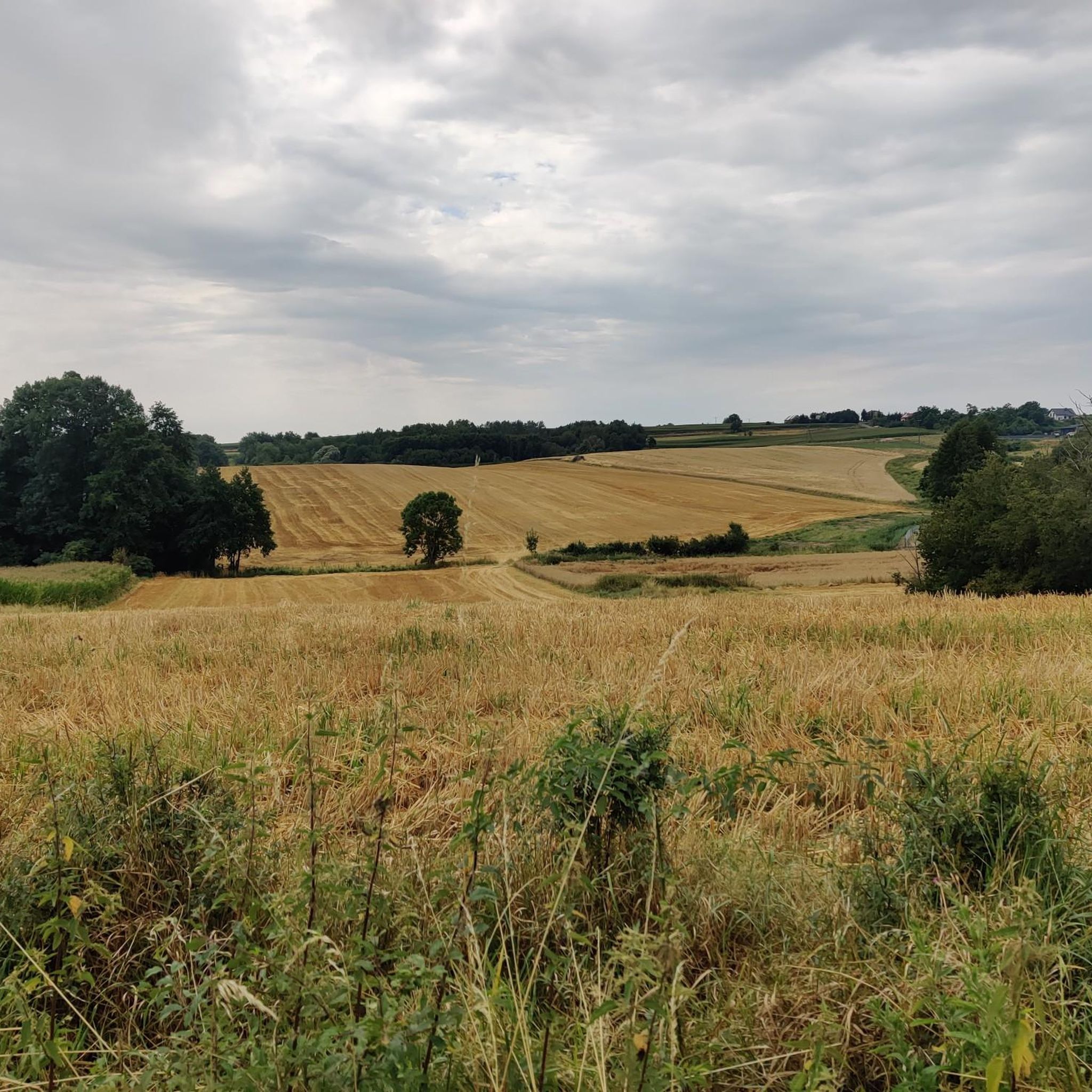
This beautiful place is worth visiting with the family. The views are stunning, as are the entire Barycz Valley.
1
0

You can even eat something here.
0
0

The defensive residential tower, known as the bastion, is the oldest surviving complete structure of the palace-park complex, built in 1560 by the Kurzbach family as commemorated by their coat of arms carved in sandstone above the entrance. The tower was raised by one floor by Swedish forces in 1642 during the Thirty Years' War and was named Sankt Maria Trauburg in 1668, with a steel signature featuring St. Mary and the Christ child symbolizing protection against Turkish invasion threats. After renovations in 2008, the tower now serves multiple purposes including a tourist information center, conference hall, exhibition space, hotel apartment, and viewing terrace, while historically it housed one of Silesia's largest private document archives until 1945.
1
0
The Żmigród Palace was built by the von Hatzfeld family in 1655 on the site of a former castle, and later redesigned around 1755 by Carl Gothard Langhans, the renowned Prussian architect who also designed Berlin's Brandenburg Gate. In 1813, the palace's White Hall hosted the signing of the Żmigród Protocol, a crucial agreement for Napoleon's final defeat, attended by Russian Tsar Alexander I, Prussian King Frederick William III, and British and Austrian envoys. The Red Army set fire to the palace in January 1945, destroying the beautiful southern wing completely, and the remaining ruins have stood abandoned ever since.
2
0
The Żmigród Tower is one of the most intriguing and poorly understood defensive architecture monuments in Lower Silesia, located in the village of Żmigródek, in the Żmigród commune, Trzebnica district. Its history is shrouded in legends and ambiguities, and its original function still arouses debate among researchers.
2
0


The ruins of a palace that some call the pearl of Silesian Baroque. The Hatzfeldt family built it in 1655. A hundred years later it was rebuilt in a beautiful Baroque style. Also history: it was here in 1813 that the Żmigród Protocol was signed, i.e. the plan for the final defeat of Napoleon. Unfortunately, the Red Army set everything on fire in 1945 and the palace fell into ruin for many years.
0
0
Frequently Asked Questions
What historical landmarks can I explore in and around Gmina Wąsosz?
The region is rich in history. You can visit the historic Castle ruins in Zmigrod, a site of significant historical events like the Żmigród Protocol. The original Wąsosz Castle, though now housing offices, is a 14th-century structure rebuilt in Baroque style. Additionally, several historic churches like the St. Joseph the Betrothed Church in Wąsosz and the St. Catherine of Alexandria Church, Góra, offer glimpses into the area's past. The historic town center of Wąsosz itself features tenements dating back to the 18th century.
Are there any notable natural attractions or protected areas in Gmina Wąsosz?
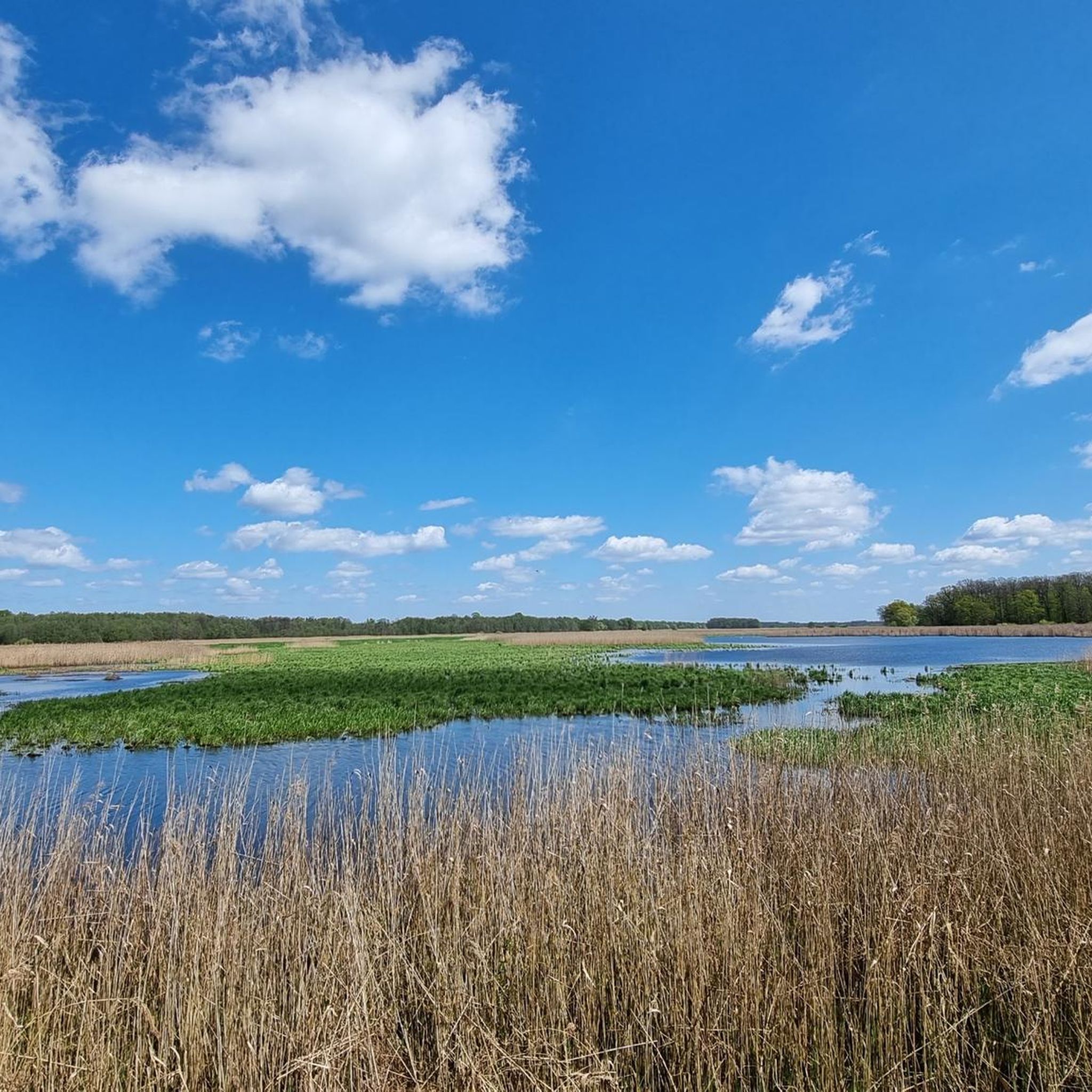
Yes, a significant portion of Gmina Wąsosz lies within the Barycz Valley Protected Landscape Area. This region is characterized by its diverse landscapes, including extensive forest complexes and wetlands, particularly along the Barycz, Orla, and Łacha rivers. These areas are ideal for observing varied flora and fauna, including many bird species.
What kind of cycling opportunities are available near the attractions?
Gmina Wąsosz offers excellent cycling opportunities, especially along the Barycz Valley Cycle Path, known for its wide, smooth asphalt and picturesque views. Another highly-rated option is the Fantastic trail!!! which offers a comfortable ride with varied scenery, including shaded sections perfect for hot days. For more detailed routes, you can explore options for gravel biking around Gmina Wąsosz.
Are there family-friendly activities or attractions in the area?
Many of the outdoor attractions are suitable for families. The Barycz Valley Cycle Path and the Fantastic trail!!! are both categorized as family-friendly, offering pleasant and safe environments for cycling. Exploring the castle ruins or walking through the various manor and palace parks can also be enjoyable for families.
What are the best places for hiking or walking in Gmina Wąsosz?
The extensive forest complexes and scenic avenues provide numerous opportunities for hiking and walking. The interfluve of the Barycz and Orla rivers, with its predominance of deciduous trees, is particularly beautiful. You can find various hiking routes around Gmina Wąsosz, including easy hikes, that allow you to explore the natural beauty of the region.
Can I visit the historic Wąsosz Castle?
The Wąsosz Castle, originally from the 14th century and later transformed into a Baroque palace, currently houses offices. While parts remain unused, its exterior and the surrounding scenic park, created after the castle moat was filled, are accessible for viewing and walks.
What are some lesser-known historical sites worth visiting?
Beyond the main castle, Gmina Wąsosz is home to several historically significant churches. These include the Filial Church of the Immaculate Heart of Mary (formerly Evangelical) in Wąsosz, St. Stanislaus Bishop Church in Czeladź Wielka, and the Church of the Assumption of the Blessed Virgin Mary in Ługi. Additionally, the gmina features valuable manor and palace parks in locations like Cieszkowice, Czeladź Wielka, and Górka Wąsoska.
What do visitors particularly enjoy about the attractions in this region?
Visitors frequently praise the picturesque surroundings and the quality of the cycling paths, such as the Barycz Valley Cycle Path, noting its smooth surface and beautiful views. The historical significance of sites like the Castle ruins in Zmigrod also captivates visitors, who appreciate the rich history embedded in the architecture.
Are there any unique natural features to look out for?
Yes, the region is known for its diverse forest complexes, particularly the old growth areas. The eastern and western parts are dominated by pine, while the northern and southern areas feature oaks, birches, alders, ashes, and acacias. The interfluve of the Barycz and Orla rivers is especially rich in deciduous trees. Additionally, extensive meadows near Ługi and Gola Wąsoska host valuable and rare plant species.
Are there any scenic routes or avenues for a pleasant drive or walk?
Gmina Wąsosz features several historic tree-lined avenues that are perfect for a scenic drive or leisurely walk. Notable examples include an alley on Kolejowa Street in Wąsosz with lime, maple, and ash trees, and a road from Czeladź Wielka to Baranowice lined with 130-year-old black locusts and poplars.
What is the best time of year to visit Gmina Wąsosz for outdoor activities?
The region offers different appeals throughout the year. For cycling, the warmer months are ideal, with many trails offering shade from trees. The forests are popular for berry and mushroom picking, suggesting late summer and autumn as a good time for foraging and enjoying the changing foliage. Spring brings blooming meadows and active birdlife in the wetlands.
Most popular routes around gmina gmina Wąsosz
Most popular attractions around gmina gmina Wąsosz

Get inspired with the komoot mobile app


Explore more
Still not found the Highlight you’re looking for? See guides of the top attractions in other regions:
