Attractions and Places To See around Krotoszyce - Top 20
Attractions and places to see around Krotoszyce offer a blend of historical sites and natural landscapes in Poland's Lower Silesian Voivodeship. The area is characterized by the Kaczawa Valley, known as the "Land of Extinct Volcanoes," providing unique geological features. Visitors can explore historic palaces, extensive parks, and several nature reserves. The region also features cultural sites in nearby towns like Legnica and Złotoryja.
Best attractions and places to see around Krotoszyce
- The most popular attractions is New Town Hall in Legnica, a man-made monument built between 1902 and 1906. This impressive Neo-Renaissance building is a significant testament to the city's development.
- Another must-see spot is Cathedral of Saints Peter and Paul, Legnica, a religious building with a history dating back to 1208. It was rebuilt multiple times, notably after a fire in 1835 and further renovated between 1892 and 1894.
- Visitors also love Piast Castle (Zamek Piastowski), Legnica, one of Poland's oldest princely castles. It stands on the site of an 11th-century wood-earth fortification and features the tower of St. Peter with an observation deck.
- Krotoszyce is known for historical sites, religious buildings, and natural reserves. The region offers a variety of attractions to see and explore, from ancient castles to unique geological formations.
- The attractions around Krotoszyce are appreciated by the komoot community, with more than 30 upvotes and over 20 photos shared by visitors.
Last updated: October 18, 2026
Cathedral of Saints Peter and Paul, Legnica
Highlight • Religious Site
Between 1370 and 1378, the church was further expanded. The master builder Konrad from Krakow was in charge. The Gothic main portal on the northwest side of the church dates from this period. Between 1378 and 1390, the interior of the church was designed by Klaus Parlirer, with the window frames in the Gothic style. By the 15th century, 15 chapels had been built along the side aisle.
After Duke Friedrich II introduced the Reformation in his duchy of Liegnitz in 1522/23, the church served as a Protestant church.
After a fire in 1835, the church was rebuilt according to designs by Karl Friedrich Schinkel.[1] The restoration and reconstruction of the church from 1892 to 1894 according to a design by Johannes Otzen led to fundamental changes, especially to the exterior. The unfinished main façade was supplemented by a south tower with a neo-Gothic spire and the entire building was significantly changed in its historical substance by cladding with new bricks and new architectural sculptures. In contrast, the valuable interior of the three-aisled hall church was preserved.
Translated by Google •
Tip by

Cathedral of the Assumption of the Blessed Virgin Mary (Legnica)
Highlight • Religious Site
Der heutige Bau :
Beim großen Stadtbrand im Jahr 1338 wurde die Kirche vollständig zerstört. Zwischen 1362 und 1386 erfolgte ein Neubau, wobei die Grundmauern des Vorgängerbaus miteinbezogen wurde. Es entstand ein dreischiffiger Kirchenneubau. In den folgenden Jahrhunderten kamen zahlreiche Anbauten hinzu. Zwischen 1450 und 1468 wird der Chor erweitert. Im Jahr 1484 wurde der Südturm fertiggestellt.
1522 wurde in der Kirche die erste evangelische Predigt im Liegnitzer Stadtgebiet abgehalten.
Mitte des 17. Jahrhunderts wurde die Kirche renoviert und ausgebaut. Als Folge eines Blitzschlags brannte die Kirche am 11. März 1822 vollkommen aus. Zwischen 1824 und 1829 erfolgte der Wiederaufbau. Dabei wurde die Kirche zu einer Hallenkirche umgebaut und der Innenraum wurde im Stil der Neugotik wiederhergestellt. An der Westfassade wurde die beiden Türme hinzugefügt.
1903 entstand ein Bericht über Bauschäden an der Kirche. Diese lieferten den Anlass für eine großangelegte Renovierungs- und Umgestaltungsaktion. Ab 1905 wurde der Innenraum mit geometrischen mauretanischen Mustern nach einem Entwurf des Professor Detkana aus Berlin umgestaltet. Die Türme wurden saniert, die Kirche erhielt ein neues Dach und an der Südfassade wurde eine Kapelle angebaut. Am 31. Mai 1906 erfolgte die Einweihung der neugestalteten Kirche.
Nach dem Zweiten Weltkrieg verblieb eine deutsche evangelische Minderheit in der Stadt, die weiterhin die Liebfrauenkirche nutzen durfte. Sie ging von der Kirchenprovinz Schlesien der evangelischen Kirche der Altpreußischen Union zur Evangelisch-Augsburgischen Kirche in Polen über. Unter Pastor Wolfgang Meißler wurden hier auch deutsche Gottesdienste abgehalten. Ein Ende nahm dies im Jahr 1962, nachdem Pastor Meißler nach Westdeutschland ausgewiesen wurde. Durch die von ihm gegründete Stiftung „Schlesienhilfe PWM“ konnten Gelder zur renovieren und zum Unterhalt der Kirche gesammelt werden. Im Jahr 2009 wurde der Platz vor der Liebfrauenkirche nach Pastor Meißler benannt, Plac Pastora-Wolfganga-Maxa-Meißlera.
Die Kirche wurde vor einigen Jahren mit neuen Pfahlbohrungen gesichert, da die Türme auseinander zu brechen drohten.
Tip by
Sign up now to discover places like this
Get recommendations on the best single tracks, peaks, & plenty of other exciting outdoor places.
New Town Hall in Legnica
Highlight • Monument
Translated by Google •
Tip by

Piast Castle (Zamek Piastowski), Legnica
Highlight • Castle
Translated by Google •
Tip by

Głogów Gate Tower
Highlight • Monument
Translated by Google •
Tip by

Sign up for free to discover even more attractions around Krotoszyce.
Already have an account?
Start today with a free account
Your next adventure awaits.
Tips from the Community

Ascent to the St. Peter's Tower, Piast Castle in Legnica
0
0

The Piast Castle in Legnica is one of the oldest and most important buildings in Poland, built in the 12th and 13th centuries by Bolesław I the Tall and Henry the Bearded.
0
0

The Głogów Gate Tower (Wieża Bramy Głogowskiej) is a striking medieval structure that was once part of the city's fortifications and now serves as a historical landmark. Here are its key details: 🏰 Historical Background Built: In the 14th century as part of Głogów's city walls, protecting the Old Town. Function: Served as a defensive tower and city gate through which travelers and traders entered the city. Originally part of the Głogów Bridge, which crossed the Oder River and connected the city to the opposite bank. 🛠️ Architecture Style: Gothic, with later Baroque and Neo-Gothic additions. Material: Brick with decorative sandstone elements. Special features: Pointed arch passageway Battlements and loopholes Partially preserved battlements and tower tops 📍 Location & significance today Located on the edge of Głogów's old town, near the Oder River. Today, it is a listed building that serves as a tourist attraction and photo opportunity. Nearby: Ruins of the old town, St. Nicholas Church, Głogów City Museum. 🏛️ Use The tower is occasionally used for exhibitions, city tours, and cultural events. Part of the historic ensemble that survived the destruction of World War II and is currently being restored.
1
0
The Piast Castle in Legnica (Zamek Piastowski w Legnicy) is one of the oldest surviving princely castles in Poland and a significant witness to the history of the Silesian Piast dynasty. Here's a comprehensive overview: 🏰 Historical Origin Built: Originally in the 12th century as a fortified castle under Bolesław I the High. Reconstruction into a castle: Transformed into a representative residence of the Piast dynasty in the 13th century under Henry the Bearded and his wife Hedwig of Silesia. Significance: Served for centuries as the seat of the Dukes of Legnica – a center of political power and cultural development. 🛕 Architecture & Features Style: A blend of Romanesque, Gothic, and Renaissance styles, with Baroque additions. Towers: St. Peter's Tower and St. Paul's Tower – named after the patron saints of the neighboring cathedral. Courtyard: With arcades and Renaissance galleries reminiscent of Italian palazzi. Chapel: The palace chapel was founded by Hedwig of Silesia and is a place of religious worship. 📜 Historical Events Battle of Legnica (1241): After the death of Henry II in battle against the Mongols, the palace became a symbol of resistance. Reformation: In the 16th century, the palace became a center of Protestant education and administration. Prussian Period: After the Piast dynasty died out in 1675, the palace became Prussian property and served as an administrative building. 🏛️ Current Use Home to various cultural institutions, including the State Archives, the Copper Museum, and event spaces. Venue for exhibitions, concerts, and historical tours. Parts of the palace are open to the public, others are used for administrative purposes. 📍 Location & Surroundings Centrally located in Legnica's Old Town, close to the Cathedral of St. Peter and Paul, the Neptune Fountain, and the Market Square. Surrounded by historic town houses, the Modrzejewska Theater, and the Old Town Hall.
0
0
Legnica's Old Town Hall (Stary Ratusz) is an architectural gem located on the central market square (Rynek) and one of the oldest surviving buildings in the city. Here are the key details: 🏛️ Historical Overview Built: Originally in the 14th century, rebuilt and expanded several times. Style: A blend of Gothic, Renaissance, and Baroque styles, with later Neoclassical elements. Function: Served for centuries as the seat of the city council, a court, and an administrative center. 🎨 Architecture & Features Facade: With arcades that formerly served as market halls. Tower: The distinctive clock tower was added in the 16th century. Interiors: Historic council chamber with vaulted ceiling and wall paintings. Former courtrooms and administrative offices. Restorations: Renovated several times, most recently extensively in the 1990s. 📍 Location & Current Use Directly on the Rynek, opposite the Neptune Fountain and close to the Galeria Sztuki (Sculpture Gallery). Today, the building houses cultural institutions, exhibitions, and occasional municipal events. A popular meeting place for city tours and history buffs. 🏙️ Cityscape Context Surrounded by restored town houses, cafés, and landmarks such as the Cathedral of St. Peter and Paul, the Church of Our Lady, and the Copper Museum. Together with the New Town Hall on Plac Słowiański, it forms an exciting architectural duo combining tradition and modernity.
0
0
The New Town Hall in Legnica (Nowy Ratusz) is an impressive Neo-Renaissance building and a significant testament to the city's development at the beginning of the 20th century. 🏛️ Architecture & Origin Built: Between 1902 and 1905 according to plans by Paul Öhlmann, originally designed by Lothar Schönfelder. Style: Neo-Renaissance with Baroque elements, richly decorated facades with sandstone cladding and granite bases. Planned concept: A four-wing complex with two courtyards and a monumental tower – however, only part of it was built. 📍 Location & Function Located at what is now Plac Słowiański (formerly Friedrichsplatz), south of the Cathedral of St. Peter and Paul. After World War II, the building became the seat of the Polish city administration in 1947. It has been a listed building since 1981. 🏢 Use & Interiors Ground floor: Police, fire department, detention cells. 1st floor: Tax office, tax offices, cash registers. 2nd floor: Mayor's office, municipal council meeting room, council library. 3rd floor: Building department. Attic: City archives. 🛠️ Technical equipment (at the time of construction) Two independent heating systems: hot water and low-pressure steam. Gas lighting in most rooms, electric lighting in representative areas such as the mayor's office and the meeting room.
0
0

The most striking and dominant elements of the castle are its two towers: the Hedwig's Tower to the west and the Peter's Tower to the east (at the Glogau Gate Tower). The Peter's Tower can also be climbed for a beautiful view of the city.
0
0
In the castle's inner courtyard, there's a massive linden tree that makes optimal use of the space. Furthermore, the remains of the very old St. Lawrence Chapel were discovered here during excavations. These can be viewed in a museum pavilion. Those who want to save the entrance fee can take a look through the glass panes.
0
0
Frequently Asked Questions
What historical sites can I visit near Krotoszyce?
The region around Krotoszyce is rich in history. You can explore the Palace in Krotoszyce, a 17th-century estate with Neo-Baroque architecture. In nearby Legnica, visit the Piast Castle (Zamek Piastowski), one of Poland's oldest princely castles, and the impressive New Town Hall in Legnica. Złotoryja, known as the 'Capital of Polish Gold,' also offers historical sites like the Kowalska Tower.
Are there any natural attractions or parks to explore?
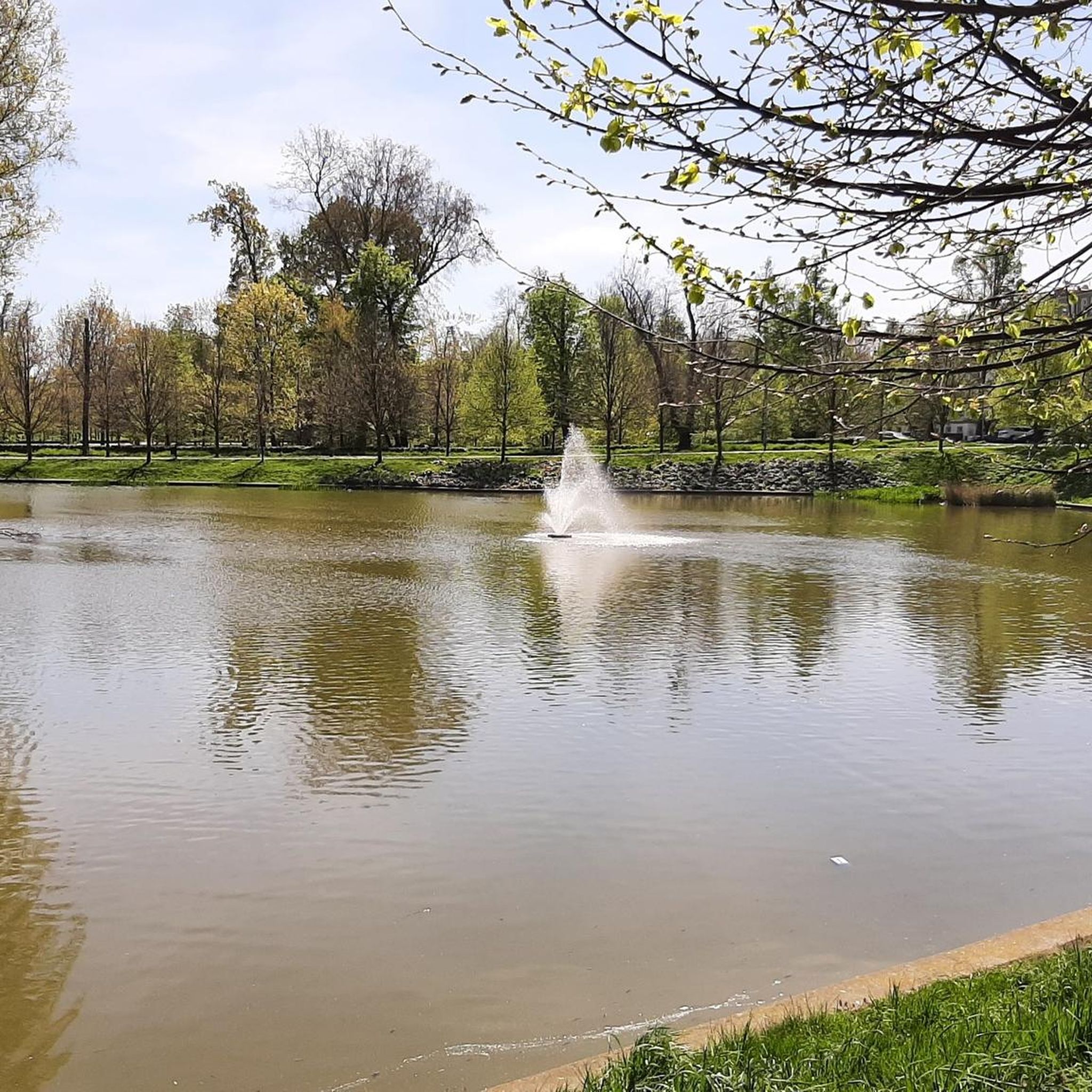
Absolutely. The Historic Park at Krotoszyce Palace spans over 6 hectares and features walking paths, a pond, and an over 350-year-old London plane tree, designated a nature monument. The broader region is known as the Kaczawa Foothills and Mountains (Land of Extinct Volcanoes), offering unique geological formations. Several nature reserves are also nearby, including "Wilcza Góra" with its basalt columns and "Wąwóz Myśliborski" protecting valuable fern species.
What outdoor activities are available around Krotoszyce?
The area provides ample opportunities for active leisure. You can find numerous cycling and hiking trails. The nearby Słup reservoir is popular for fishing. For specific routes, check out the cycling routes around Krotoszyce or the hiking trails around Krotoszyce.
Are there family-friendly attractions in the area?
Yes, several attractions are suitable for families. The Historic Park at Krotoszyce Palace offers pleasant walks and a pond for fishing. In Legnica, the Piast Castle (Zamek Piastowski) is family-friendly, offering a glimpse into history. The Głogów Gate Tower is another historical site that can be interesting for children.
Where can I go hiking near Krotoszyce?
There are several hiking opportunities. You can explore the trails within the Historic Park at Krotoszyce Palace. For more extensive options, the Kaczawa Foothills offer diverse landscapes. Komoot provides various hiking routes around Krotoszyce, including easy loops like the "Julek Statue – Filip Statue loop from Legnica" and moderate trails like the "Monastery Ruins loop from Legnica."
What cycling routes are available around Krotoszyce?
Cyclists can enjoy a variety of routes. Options range from easy rides like the "Bike Path in Legnica – Gazebo and Picnic Area loop from Legnica" to more challenging ones such as the "Bike loop from Słup." You can find detailed information and more routes in the Cycling around Krotoszyce guide and the Road Cycling Routes around Krotoszyce guide.
What makes the Kaczawa Valley unique?
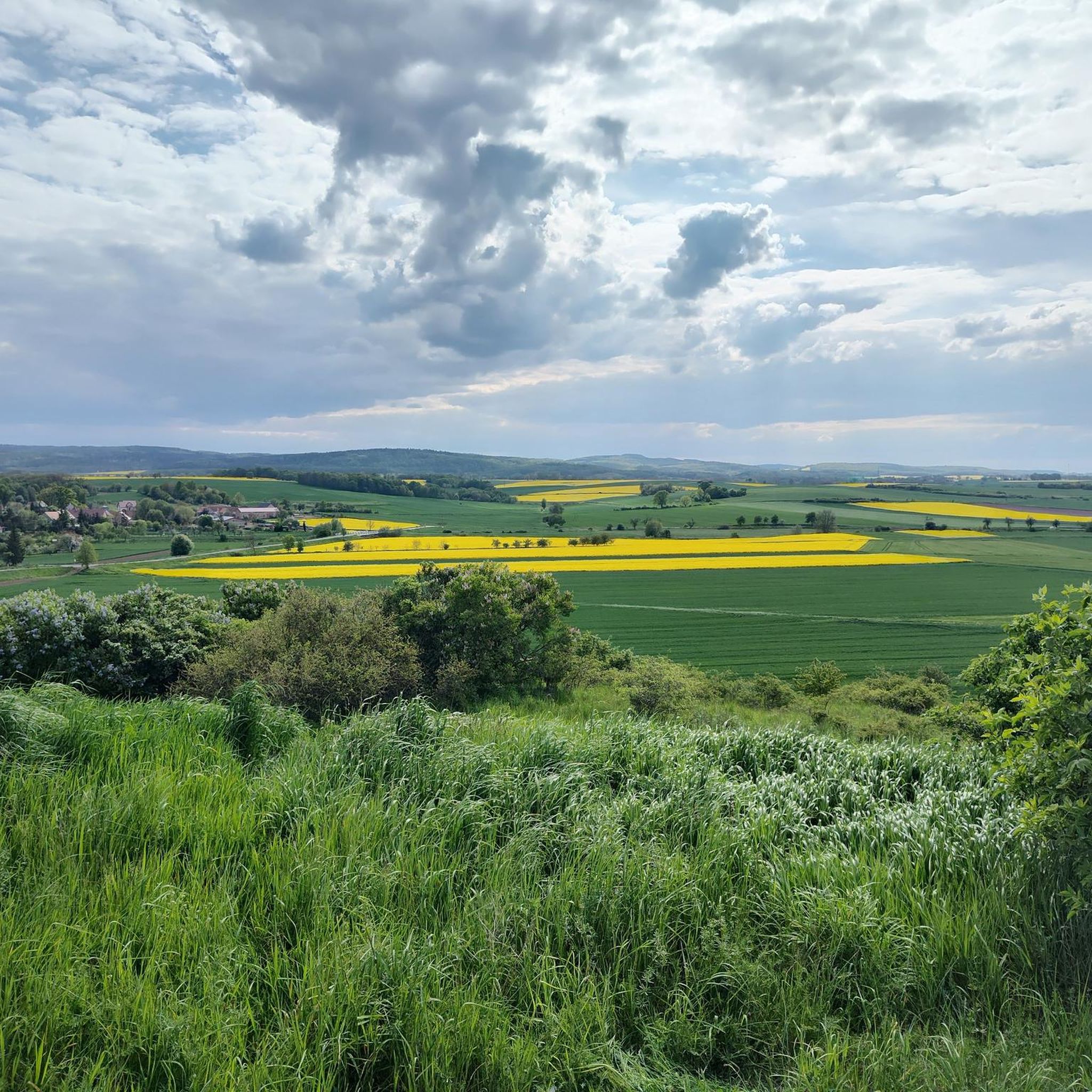
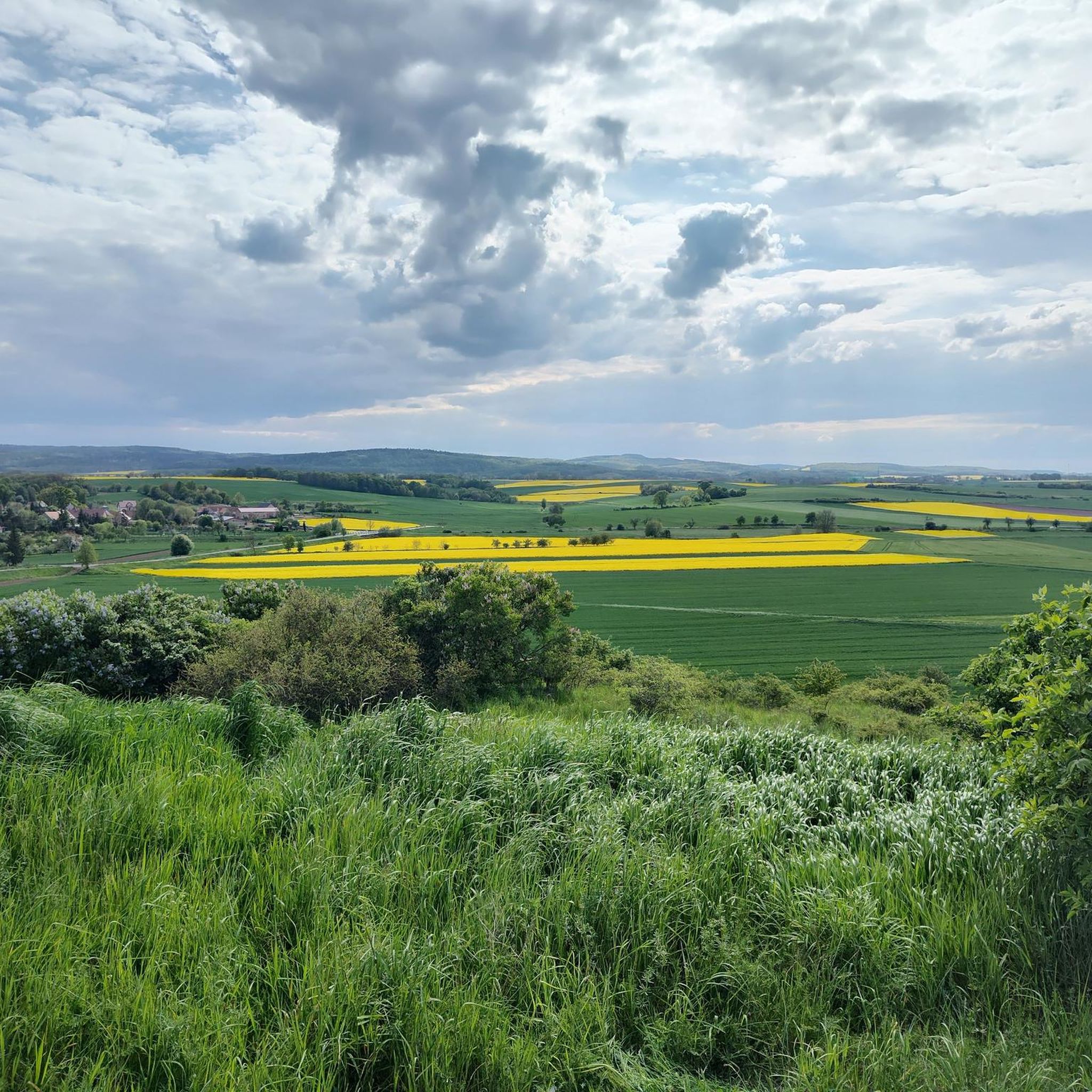
The Kaczawa Valley is uniquely known as the "Land of Extinct Volcanoes." This geological characteristic means the area is dotted with the remains of ancient volcanoes, offering interesting landscapes and rock formations for exploration, such as the basalt columns at "Wilcza Góra" Nature Reserve.
Are there any notable religious buildings to see?
Yes, the region features significant religious architecture. In Legnica, you can visit the Cathedral of Saints Peter and Paul, a religious building with a history dating back to 1208. Another notable site is the Cathedral of the Assumption of the Blessed Virgin Mary, with origins in the 12th century. The Peace Church in Jawor is also a unique historical and artistic site in the broader region.
What is the main historical landmark in Krotoszyce itself?
The primary historical landmark within Krotoszyce is the Palace in Krotoszyce. Originally a 17th-century defensive castle, it was transformed into a Neo-Baroque palace and has undergone extensive renovations. It features a well-preserved coat of arms of the von Thielau family from 1864 above its entrance.
What other towns near Krotoszyce offer interesting sights?
Beyond Krotoszyce, the nearby towns of Legnica and Złotoryja are worth visiting. Legnica boasts the Piast Castle, the New Town Hall, and the Cathedral of Saints Peter and Paul. Złotoryja, known as the 'Capital of Polish Gold,' offers the Museum of Gold and the Aurelia Gold Mine.
Are there opportunities for water-based activities like fishing?
Yes, the region provides opportunities for water-based activities. The Historic Park at Krotoszyce Palace features a pond where fishing is possible. Additionally, the nearby Słup reservoir is a popular spot for fishing enthusiasts.
What is the best time of year to visit Krotoszyce and its surroundings?
The best time to visit Krotoszyce and its surroundings for outdoor activities and exploring natural attractions is generally from spring to early autumn (April to October), when the weather is mild and conducive for hiking, cycling, and enjoying the parks. Historical sites and cultural attractions can be visited year-round.
Are there any unique geological features in the region?
The region is part of the Kaczawa Foothills and Mountains, often called the "Land of Extinct Volcanoes." This area is characterized by interesting geological formations resulting from ancient volcanic activity. Notable examples include the unique basalt columns resembling rose petals at the "Wilcza Góra" Nature Reserve and the basalt hill on which Grodziec Castle is built.
Most popular routes around Krotoszyce
Most popular attractions around Krotoszyce

Get inspired with the komoot mobile app


Explore more
Still not found the Highlight you’re looking for? See guides of the top attractions in other regions:
