The best cycling routes around gmina gmina Rudna
4.7
(210)
791
riders
53
rides
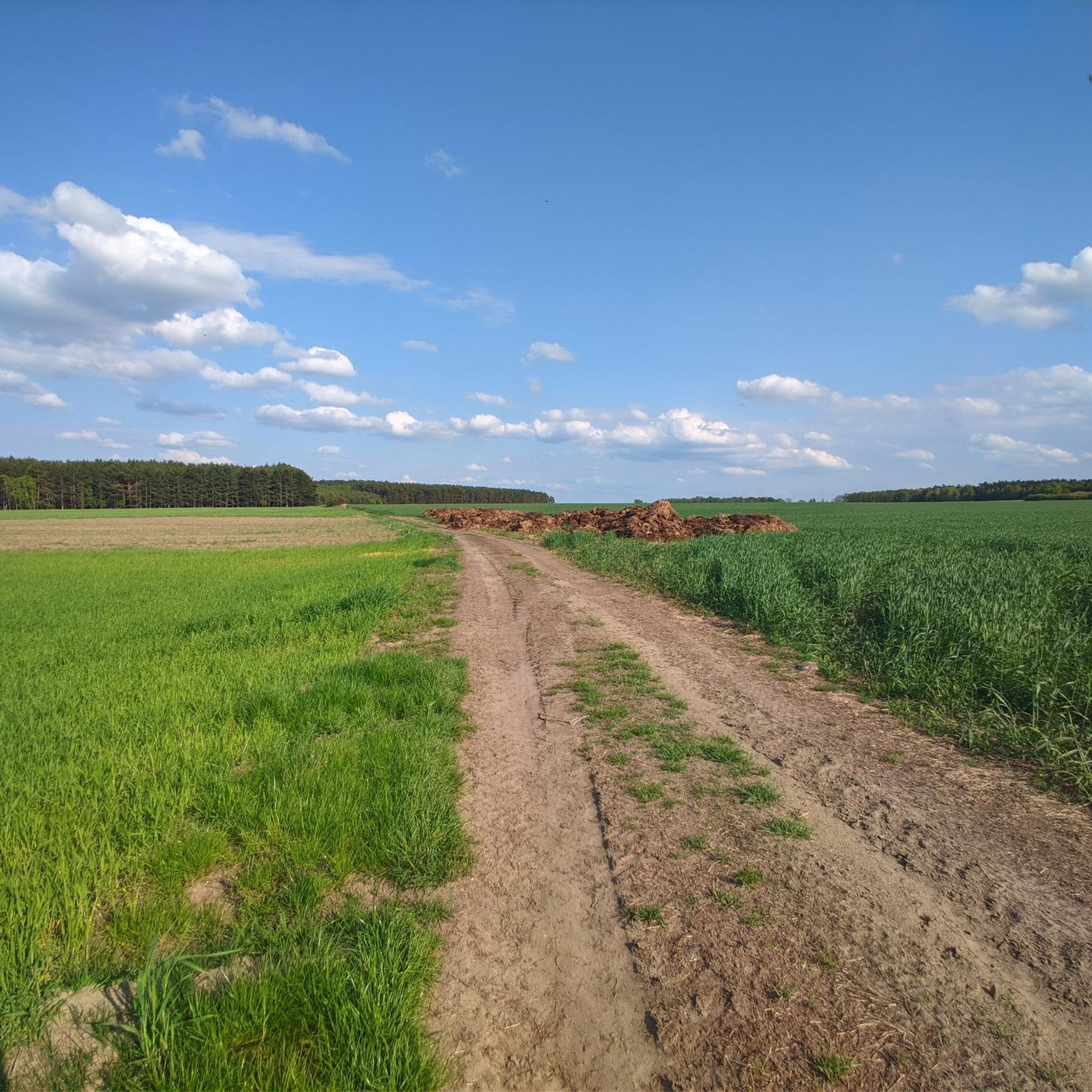
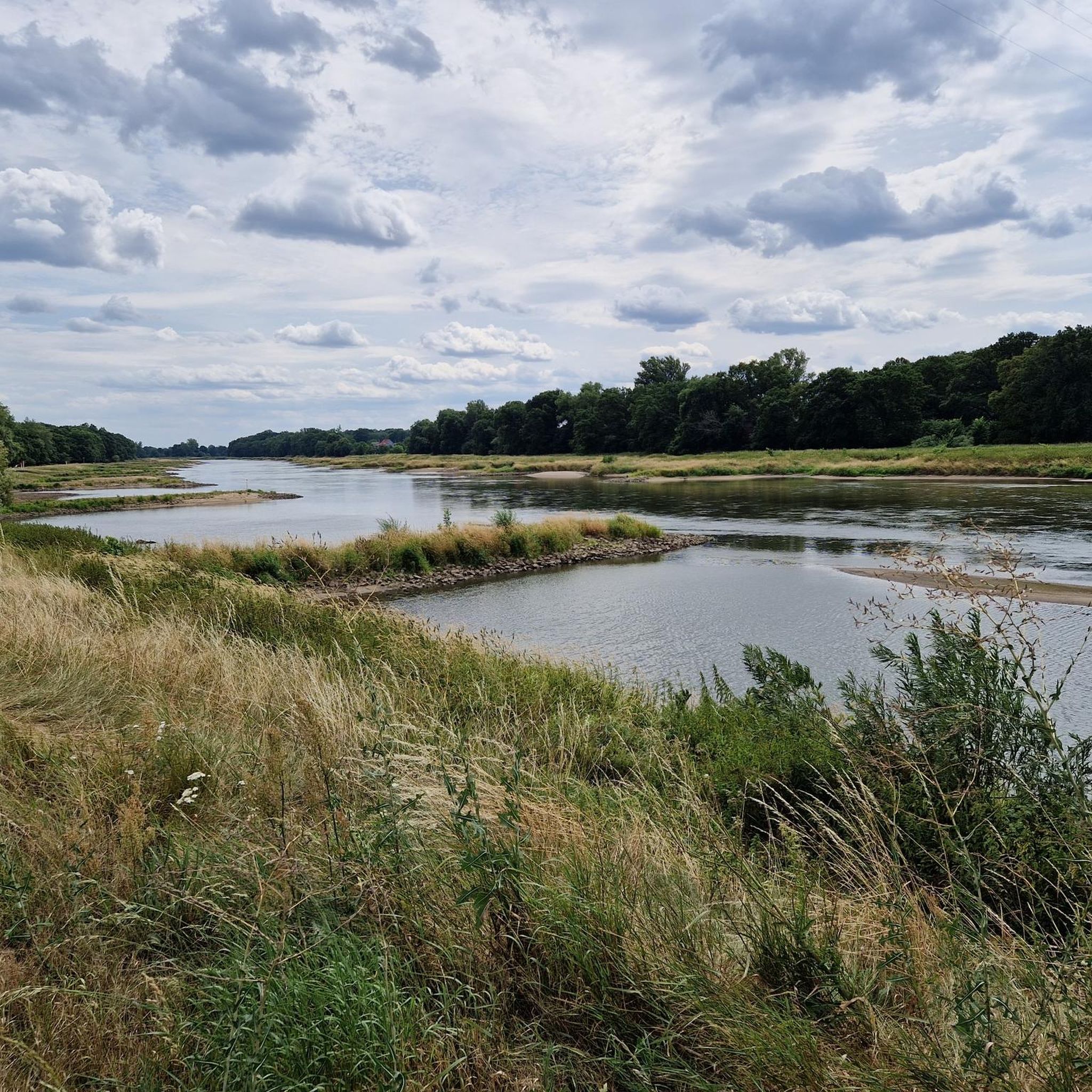
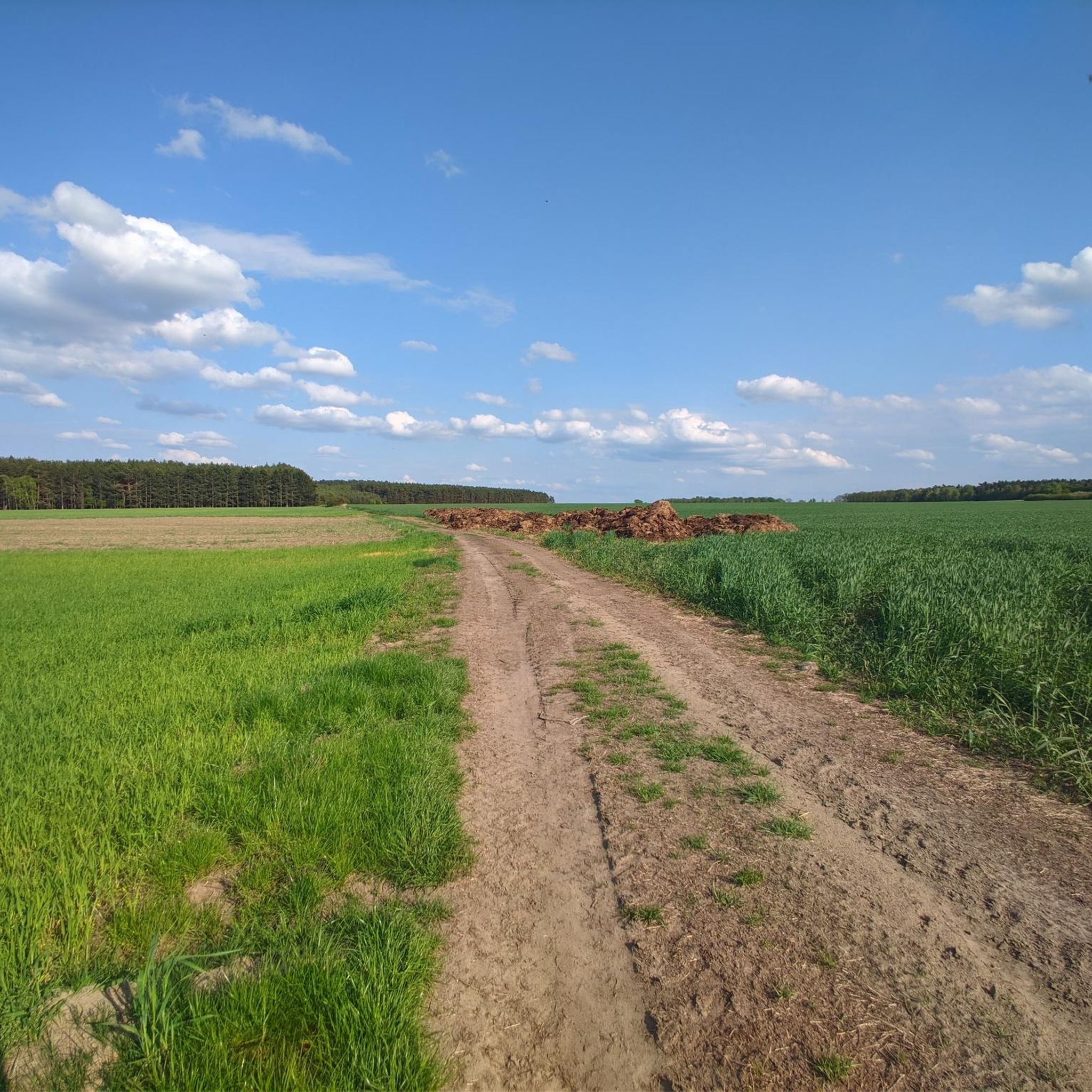
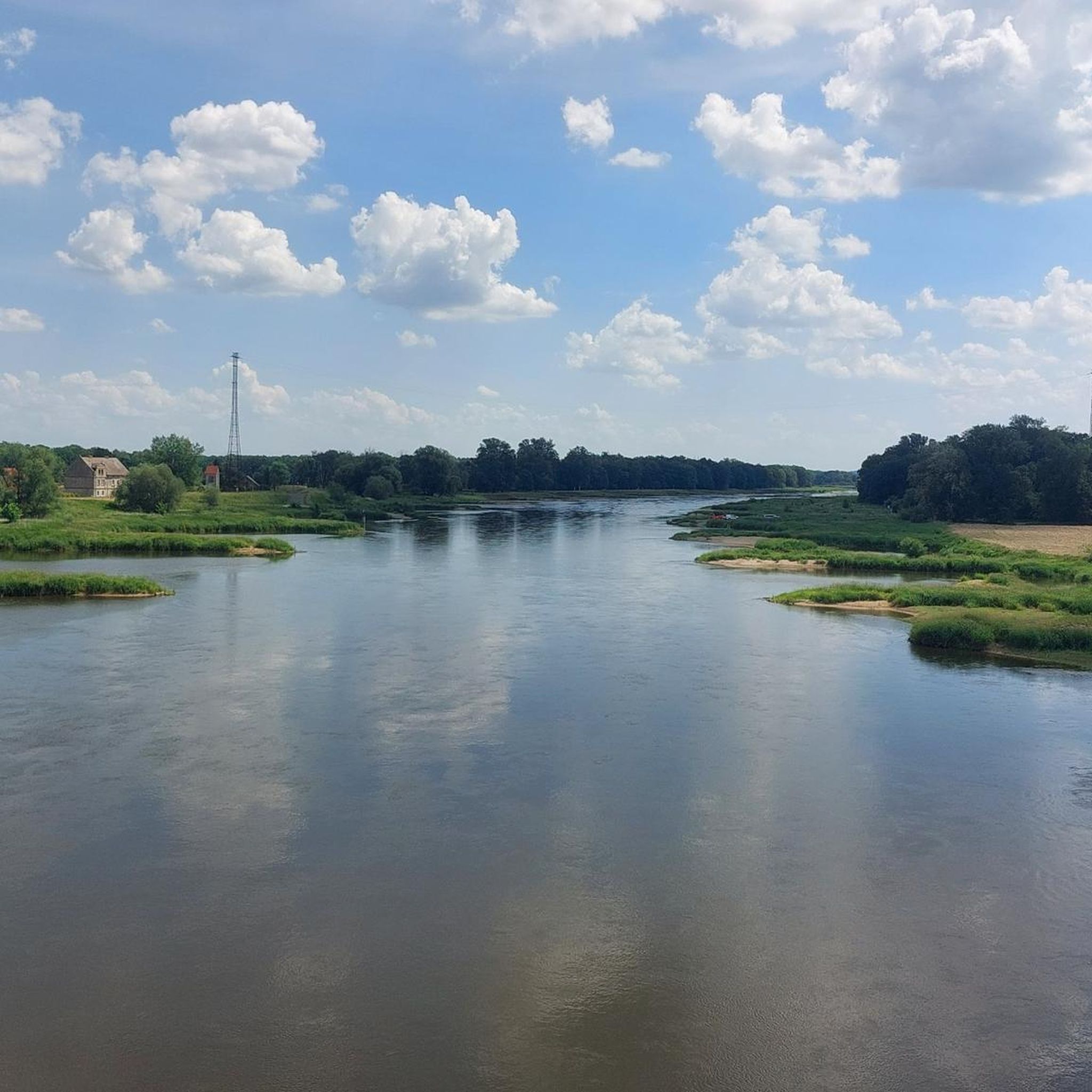
Touring cycling routes around gmina gmina Rudna traverse a landscape shaped by the Oder River, its floodplains, and extensive forests. The region includes parts of the Głogów Plain, the Ścinawa Depression, and the Dalkowskie Hills, offering varied terrain. Cyclists will find routes along riverbanks, through wetlands, and within wooded areas. The area is characterized by rural roads with low traffic volume, winding through fields and natural features.
Best touring cycling routes around gmina gmina Rudna
- The most popular touring cycling…
Last updated: July 7, 2026
5
riders
33.2km
02:07
170m
170m
Moderate bike ride. Good fitness required. Mostly paved surfaces. Suitable for all skill levels.
5.0
(2)
7
riders
34.1km
02:04
210m
210m
Moderate bike ride. Good fitness required. Mostly paved surfaces. Suitable for all skill levels.

Sign up for free
4.9
(11)
5
riders
24.7km
01:29
130m
130m
Hard bike ride. Great for any fitness level. You may need to push your bike for some segments of this route.
5.0
(3)
7
riders
Moderate bike ride. Good fitness required. Mostly paved surfaces. Suitable for all skill levels.
4.9
(10)
6
riders
21.6km
01:18
110m
110m
Easy bike ride. Great for any fitness level. Mostly paved surfaces. Suitable for all skill levels.
Get access to more routes and recommendations from other explorers.
Sign up for free
Already have an account?
Our route recommendations are based on thousands of hikes, rides, and runs completed by other people on komoot.
Start today with a free account
Your next adventure awaits.
Login or Signup
Tips from the Community

In the 15th century, the current, brick church was built from fieldstone and brick. However, there are assumptions that the church was built on a much older site – probably a former pagan cult center. Until the end of World War II, the church was fully functional and equipped. In January 1945, during the advance of the Red Army, the building was burned down.
1
0

Saint Michael the Archangel was erected in the market square on March 26, 2018. It is a bronze statue over 3 meters tall and weighs a proud 1 ton. Grzegorz Łagowski of Wrocław was the sculptor.
4
0
The old post office building in Lubin is an interesting historical building that reflects the city's development over time. It was once an important place for communication and the exchange of news. The building often has a distinctive architectural design that preserves the charm of bygone times.
5
0
The Głogów Defensive Tower in Lubin (Baszta Głogowska) has a square floor plan. It was built during the construction of the Lubin city walls in the mid-14th century and raised in the 16th century. Renovations took place in the 18th and 19th centuries. Its lower sections are made of natural stone and brick, while the upper sections are made of brick. The tarmac roof dates from the 19th century. The Głogów Gate consisted of a gatehouse, which adjoined the tower to the north, and a city gate in front of the city wall. The gatehouse contained a 6-meter-high arched passageway with a drawbridge, initially 10 meters high and later 20 meters high. The gate featured a double defensive wall and a triple moat with three bridges, one of which was a drawbridge. A three-story building from the 18th century adjoined the northeastern wall of the defensive tower.
1
0
The first town hall was built in the 14th and 15th centuries. The relic of the Merchants' Tower in the center of the Ring dates from this period. A new Renaissance-style building was begun in 1524 based on designs by Hans Lindner. The architectural style was influenced by the Görlitz master builder Wendel Roskopf. The building also housed the town scales. The 35 x 45 m Citizens' Hall, the assembly hall on the ground floor and upper floors, and a large hall with a music gallery met the representative needs of Lauban, a town rich in cloth-making and trade. The building was expanded between 1551 and 1581. The town hall was originally more richly decorated, but after city fires in 1554, 1659, 1670, and 1760, it was rebuilt in a simplified form. The interior retains its ornate vaulted ribs. The clock tower was begun in 1620 and completed in 1688 with a three-pierced Baroque-style spire. Renovations took place in the mid-19th century. The spire burned down in 1929 and was rebuilt in concrete according to a design by Berlin architect Hans Poelzig. After being destroyed at the end of World War II in 1945, the town hall was reconstructed in the 1950s and 1970/1971, and its interior was restored in keeping with its style, including vaulted ceilings. (Wikipedia)
7
0
Beginnings (14th century): The original castle in Chobień was built in the first half of the 14th century, probably by Duke Henry IV the Faithful or his son Henry V the Iron. It was a Gothic defensive structure, strategically located on the left bank of the Oder, controlling the crossing. The Thirty Years' War (1618-1648) brought about the castle's decline. It was repeatedly occupied and destroyed by imperial and Swedish troops. After the war, despite attempts to rebuild it, the castle never regained its former glory.
2
0
There are many benches on the premises and a place for a bonfire.
0
0
Frequently Asked Questions
How many touring cycling routes are available in Gmina Rudna?
Gmina Rudna offers a selection of over 45 touring cycling routes, catering to various preferences and skill levels. These routes traverse diverse landscapes, from riverbanks to forested areas and rolling hills.
What kind of terrain can I expect on touring cycling routes in Gmina Rudna?
You can expect a varied landscape, including picturesque routes along the Oder River and its floodplains, extensive forests, and the more challenging ascents and descents of the Dalkowskie Hills. Many routes utilize peaceful rural roads winding through fields.
Are there any easy touring cycling routes suitable for beginners or families?
Yes, Gmina Rudna has 22 easy touring cycling routes. An excellent option is the Zielona Intersection – Lubin City Hall loop from Koźlice, which is 22.6 km long with a gentle elevation gain, making it suitable for a relaxed ride.
What historical sites or landmarks can I visit along the cycling routes?
Cycling routes in Gmina Rudna often pass by interesting historical sites. You can explore places like Chobienia Castle, which has roots dating back to the 13th century, or the reconstructed Rudna Town Hall. The Chobienia Castle – Pond with a gazebo in Rudna loop from Rudna Miasto is a great route to see some of these historical points.
Are there any circular touring cycling routes in Gmina Rudna?
Yes, many routes in Gmina Rudna are designed as loops, allowing you to start and finish at the same point. For example, the Pond in Stara Rudna – Rest Area by the Water loop from Wądroże offers a pleasant circular ride through rural landscapes.
What natural features or viewpoints can be found on the touring cycling routes?
The region is rich in natural beauty. You can cycle along the Oder River, through extensive forests, and past wetlands and oxbow lakes. The "Skarpa Storczyków" nature reserve is home to rare plant species. You might also encounter scenic spots like the Pond in Stara Rudna or the Path Along the Ryczeń Reservoir Embankment.
What is the best time of year for touring cycling in Gmina Rudna?
The best time for touring cycling in Gmina Rudna is typically during spring and autumn when the weather is mild and the natural scenery is at its most vibrant. Summer also offers good conditions, especially for shaded routes through forests, though it can be warmer.
Are there any routes that pass by lakes or water bodies?
Absolutely. The region features several lakes and ponds. The Wądroże Pond – Pond in Stara Rudna loop from Rudna Miasto is a great example, taking you past the Pond in Stara Rudna. Other water bodies like Gilów Reservoir are also in the vicinity.
What do other touring cyclists enjoy most about Gmina Rudna?
The touring cycling routes in Gmina Rudna are highly rated by the komoot community, with an average score of 4.8 stars. Cyclists often praise the peaceful rural roads, the diverse natural landscapes including forests and river views, and the opportunity to discover historical sites along the way.
Are there any longer or more challenging touring cycling routes?
Yes, for those seeking a longer ride, the Pond in Stara Rudna – Koźlak Windmill in Buszkowice loop from Rudna Miasto is a moderate 43.8 km route. While most routes are easy to moderate, the Dalkowskie Hills offer more varied terrain for those looking for some ascents.
Is it possible to find routes that combine natural beauty with cultural stops?
Many routes in Gmina Rudna offer this combination. You can cycle through scenic forests and along riverbanks, then pause to visit historical churches or the ruins of palaces in villages like Naroczyce. The L-36 Cycling Route from Lubin to Górzyn, for instance, passes through varied landscapes and historical villages.
Most popular routes around gmina gmina Rudna
Most popular attractions around gmina gmina Rudna

Get inspired with the komoot mobile app


Explore more
Browse the best Cycling routes in other regions.
