Attractions and Places To See around Lubochnia - Top 20
Best attractions and places to see around Lubochnia include a mix of natural reserves, historical sites, and cultural landmarks. This rural gmina in central Poland, within the Łódź Voivodeship, is characterized by its natural beauty and historical significance. Visitors can explore protected natural areas and ancient ruins, offering insights into the region's ecology and past.
Best attractions and places to see around Lubochnia
- The most popular attractions is Niebieskie Źródła Nature Reserve, a natural monument established to protect picturesque…
Last updated: July 1, 2026
Niebieskie Źródła Nature Reserve
Highlight (Segment) • Natural Monument
Translated by Google •
Tip by

Inowłódz Castle Ruins
Highlight • Castle
Translated by Google •
Tip by

Sign up now to discover places like this
Get recommendations on the best single tracks, peaks, & plenty of other exciting outdoor places.
Sign up for free
President Ignacy Mościcki Bench
Highlight • Monument
Translated by Google •
Tip by

Nagórzyce Caves
Highlight • Cave
Translated by Google •
Tip by

Sanctuary of St. Anne in Smardzewice
Highlight • Religious Site
Translated by Google •
Tip by
Sign up for free to discover even more attractions around Lubochnia.
Sign up for free
Already have an account?
Start today with a free account
Your next adventure awaits.
Login or Signup

Tips from the Community

Groty w Nagórzycach The Nagórzyce Caves (municipality of Tomaszów Mazowiecki) and, on the other side of the Pilica river, the Biała Góra Cave (Smardzewice) are artificial underground excavations, formed in Cretaceous sandstones, where rocks were mined from the mid-19th century, initially probably for construction purposes, and later for the needs of the glass industry. Guaranteed coolness! source Łódź.pl
0
0
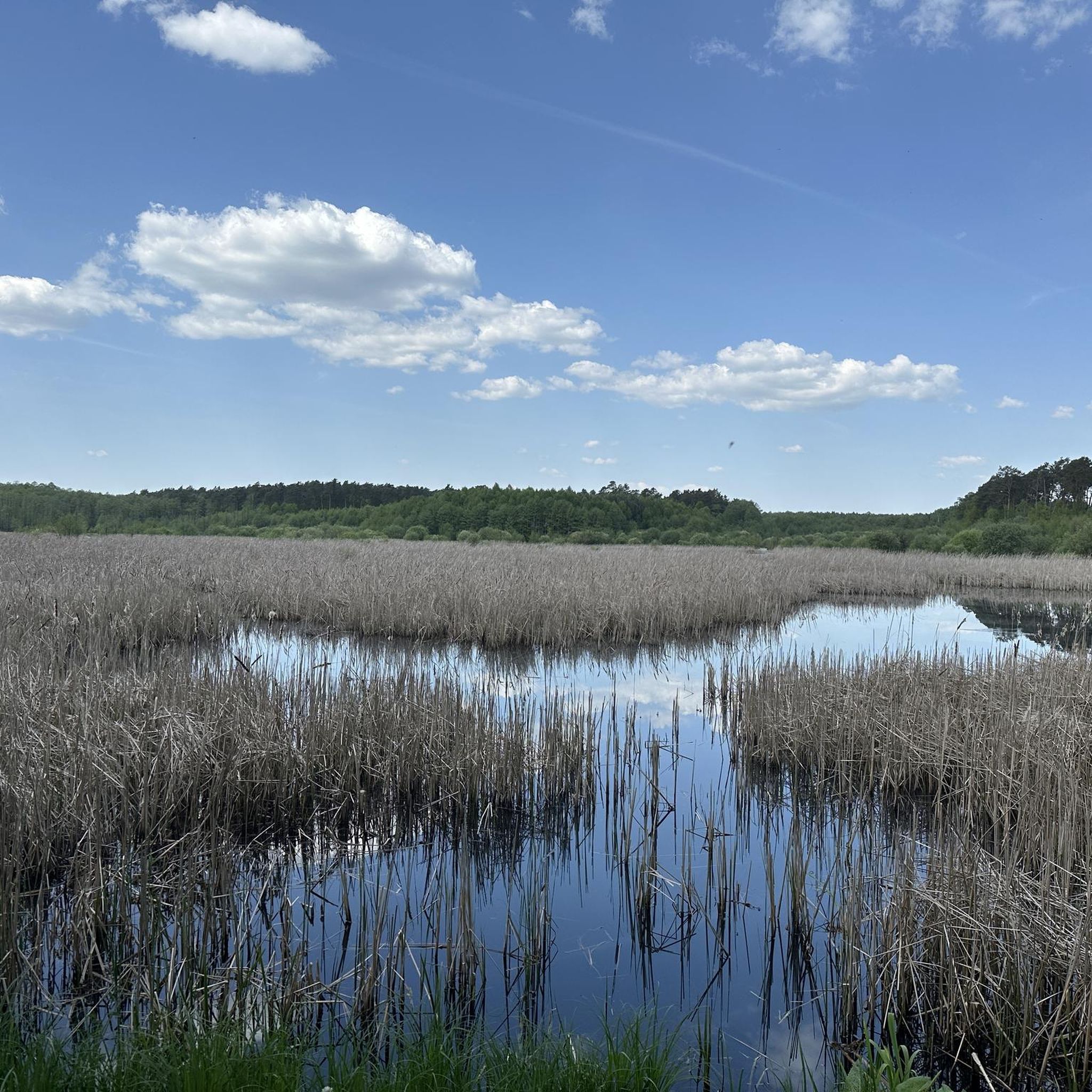
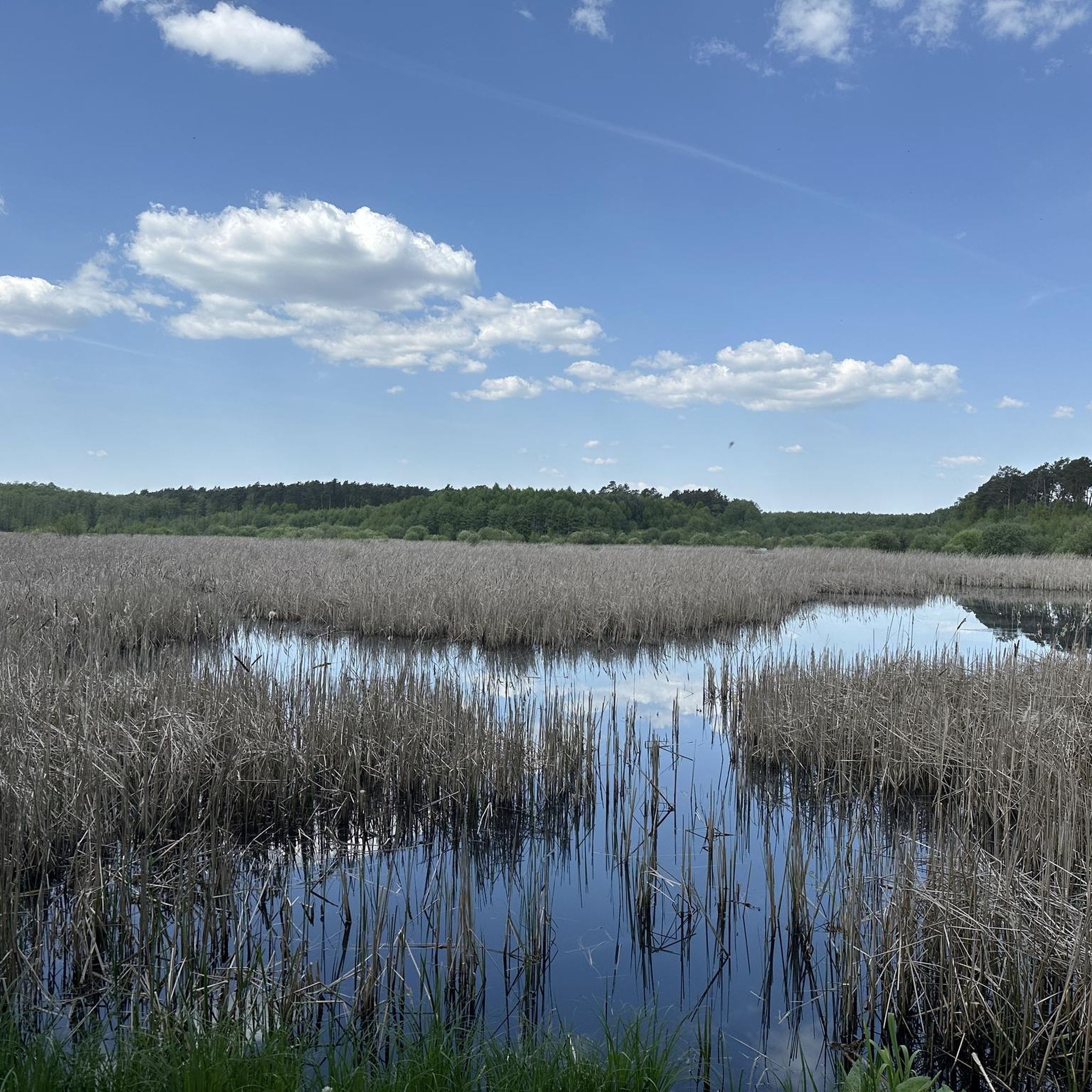
Niebieskie Źródła Forest and water in one place? We have something for you! Niebieskie Źródła are karst springs, which are among the most interesting phenomena of this type in Europe. The water emerging from underground deposits of Jurassic limestone takes on a characteristic blue-azure-green color. This color is the result of the scattering of sunlight by fine particles suspended in the water and the specific mineral composition of the springs. Around, you can walk through a dense forest, observe plants and interesting bird species. source Łódź.pl
0
0

I wasn't inside, but from the outside it looks nice.
0
0
What a vibe this place has.
0
0

At the site of the apparition of Saint Anne to a local villager, Wojciech Głowa, a wooden cross was first erected, followed by a small wooden chapel. The site of the apparition quickly became famous for miracles and graces received through the intercession of Saint Anne. Soon, news of the miracles reached the clerical authorities, who appointed a commission to investigate the events taking place at the cross. The Bishop of Kujawy, Paweł Wołudzki, having become convinced of the graces flowing to the villagers, decided to build a wooden church under the invocation of Saint Anne nearby, 300 steps to the north-west, where the current temple is located. He sent one of the priests to this place to take care of the pilgrims. However, he was unable to cope with the growing number of pilgrims. In 1639, Bishop Mateusz Łubiński entrusted this sanctuary to the Conventual Franciscans. They began to organize monastic life and serve the pilgrims. In 1657, during the Swedish Deluge, the monastery and church suffered significant damage. Work on the construction of a brick church began during the term of office of the guardian of Smardzewice, Fr. Hadrian Kozłowicz, in 1683. The construction was completed in 1699, it was a votive offering of the Bishop of Warmia, Stanisław Zbąski, to Saint Anne for graces received, especially for the gift of health. The church was consecrated on November 6, 1701, by Bishop Andrzej Albinowski, suffragan of Kujawy. The parish was canonically erected on July 26, 1775, by the Bishop of Włocławek, Antoni Kazimierz Ostrowski. The founder of the brick monastery, next to the church, was the Bishop of Kujawy, Krzysztof Antoni of Stupowo Szembek, later the Primate of Poland. Thanks to him, the monastery was built in the years 1722-1746 and the existing church was surrounded by a wall. Because of the Franciscans' support for the January Uprising, on November 21, 1864, the tsarist government dissolved the order in the Russian partition, including the Franciscan monastery in Smardzewice. The land of the Smardzewice monastery was parceled out, and the management of the parish was entrusted to diocesan priests. During World War I (1914-1918), the church was partially destroyed. After Poland regained independence in 1918, the church buildings and the monastery began to be restored.
0
0

Sanctuary of St. Anne and the novitiate of the Franciscan Fathers.
0
0
The monument was created as part of the project to revitalize the center of Spała. A small island was created near the pond on the Gać River, accessible by a wooden bridge. A monument to President Ignacy Mościcki was placed in its center. The president sits thoughtfully, ready to hunt, accompanied by his faithful dog Lord. Tourists can sit on a tree stump next to the president. The ceremonial unveiling of the monument, which was created thanks to the cooperation of the Inowłódz commune with the Local Tourist Organization in Spała, took place on August 16, 2020. Before the outbreak of World War II, Spała was the favorite vacation spot of President Ignacy Mościcki, who was the president of Poland in the years 1926-1939. He spent every free moment here, and he used the place not only for relaxation, but also for establishing political relations, because he received distinguished guests here. Over the years of his rule, he contributed to the development of this small town located in the Pilicka Forest. Mościcki not only beautified Spała, but also contributed to the flourishing of social and political life in this town. He was the organizer of the Spała harvest festival, hubertus, hunting, scout jamborees, car and motorcycle rallies, and numerous sports Spartakiads.
0
0
Niebieskie Źródła Nature Reserve is a landscape nature reserve located in the south-eastern part of Tomaszów Mazowiecki. The reserve is located in the buffer zone of the Sulejowski Landscape Park, which is part of the Nadpiliczne Landscape Parks complex. Niebieskie Źródła Nature Reserve is an object of great natural value and attractive to tourists. Educational trails with information boards run through the reserve. The Pilica River Open-Air Museum is located nearby.
0
0
Frequently Asked Questions
What kind of attractions can I expect to find around Lubochnia?
Lubochnia, located in central Poland's Łódź Voivodeship, offers a diverse range of attractions. You'll discover protected natural areas, significant historical sites, and cultural landmarks. The region is known for its natural beauty and rich historical past, providing opportunities to explore both ecological wonders and ancient ruins.
Are there any unique natural features to explore near Lubochnia?
Absolutely! A standout natural feature is the Niebieskie Źródła Nature Reserve, famous for its picturesque karst springs. The water here has a unique emerald color, especially on sunny days, caused by gushing spring water and sunlight. It's also a refuge for numerous bird species. Additionally, the Gmina Lubochnia encompasses a portion of the Spała Landscape Park, offering further opportunities to appreciate local flora and fauna.
What historical sites are a must-see in the Lubochnia area?
History enthusiasts should definitely visit the Inowłódz Castle Ruins. This 14th-century castle, built by King Casimir the Great, once protected the Łęczyca Land and Lesser Poland and defended the crossing over the Pilica River. Another intriguing historical site is the Nagórzyce Caves, which are 18th-century excavations of an underground quartz mine built from Cretaceous sandstone. These caves were restored and opened to tourists in 2012 and are associated with the legend of the robber Madej.
Are there any family-friendly attractions around Lubochnia?
Yes, many attractions in the Lubochnia area are suitable for families. The Niebieskie Źródła Nature Reserve offers educational trails and fascinating natural sights. The Inowłódz Castle Ruins and Nagórzyce Caves provide engaging historical experiences. Even the President Ignacy Mościcki Bench in Spała is designed for interaction, allowing visitors to sit next to the presidential statue.
What outdoor activities can I do near these attractions?
The area around Lubochnia is excellent for outdoor activities, especially cycling and hiking. You can find numerous routes suitable for various skill levels. For cycling, consider routes like the 'Spała Lock – Spała loop' or the 'St. Giles' Church in Inowłódz – Inowłódz Castle Ruins loop'. Hikers can enjoy trails such as the 'Spała Reserve Loop' or the 'Forester's Monument – Spała loop'. You can explore more options on the dedicated komoot guides for cycling and hiking around Lubochnia.
Are there easy hiking trails available for beginners or casual walkers?
Yes, there are several easy hiking trails perfect for beginners or those looking for a relaxed walk. Popular options include the 'Spała Reserve Loop', 'Forester's Monument – Spała loop', and the 'Spała – St. Hubert's Grotto loop'. These trails offer pleasant experiences through the natural surroundings. For more details, check the easy hikes around Lubochnia guide.
Can I visit any religious buildings or sanctuaries in the area?
Yes, the Sanctuary of St. Anne in Smardzewice is a significant religious and historical site. It features a Baroque brick church built between 1683–1699 and a Franciscan monastery. The sanctuary holds a miraculous painting of St. Anne and has a rich history, with its origins dating back to a reported apparition in 1620.
What do visitors enjoy most about the attractions around Lubochnia?
Visitors particularly appreciate the unique natural beauty of places like the Niebieskie Źródła Nature Reserve, especially the vibrant blue-green color of its springs. The historical depth of sites like the Inowłódz Castle Ruins and the intriguing Nagórzyce Caves also receive high praise for their cultural significance and restoration efforts. The blend of nature and history makes the area appealing.
Is the Inowłódz Castle Ruins accessible for visitors with mobility challenges?
The Inowłódz Castle Ruins are noted as being wheelchair accessible, making it possible for a wider range of visitors to explore this historical site. The castle was partially restored, allowing for better access to its grounds.
Are there any viewpoints or scenic spots in the Lubochnia region?
While not a natural viewpoint, the President Ignacy Mościcki Bench in Spała offers a pleasant spot to relax and enjoy the surroundings near a pond on the Gać River. The castle ruins in Inowłódz, built on an elevated hill, also offer a historical perspective of the landscape.
What is the historical significance of the Spała area near Lubochnia?
Spała holds significant historical importance, particularly as the favorite vacation spot of President Ignacy Mościcki, who served as Poland's president from 1926-1939. He not only used Spała for relaxation but also for political engagements, contributing significantly to the town's development and social life. The President Ignacy Mościcki Bench commemorates his connection to the area.
Most popular attractions around Lubochnia

Get inspired with the komoot mobile app


Explore more
Still not found the Highlight you’re looking for? See guides of the top attractions in other regions:
