The best cycling routes around gmina Stara Kornica
4.3
(73)
404
riders
21
rides
Touring cycling around gmina Stara Kornica, located in east-central Poland, offers routes through gentle landscapes characterized by the scenic Bug River valley. The region features diverse ecosystems, including forests, peat bogs, and floodplains, providing varied natural scenery. The terrain is predominantly gentle, with many routes described as easy and featuring mostly paved surfaces, making them accessible for any fitness level. This area provides a network of paths suitable for leisurely journeys, allowing cyclists to experience its natural and historical elements.
Best touring cycling routes around gmina Stara Kornica
- The most popular touring cycling route is Wooden church – Janów Podlaski Stud Farm loop from Nowy Pawłów, a 29.0 miles (46.6 km) trail that takes 2 hours 57 minutes to complete. This moderate route offers views of the local countryside and historical sites.
- Another top favourite among local touring cyclists is Wikarówka loop from gmina Leśna Podlaska, an easy 19.2 miles (30.9 km) path. This route traverses gentle terrain, suitable for a relaxed ride through the rural landscape.
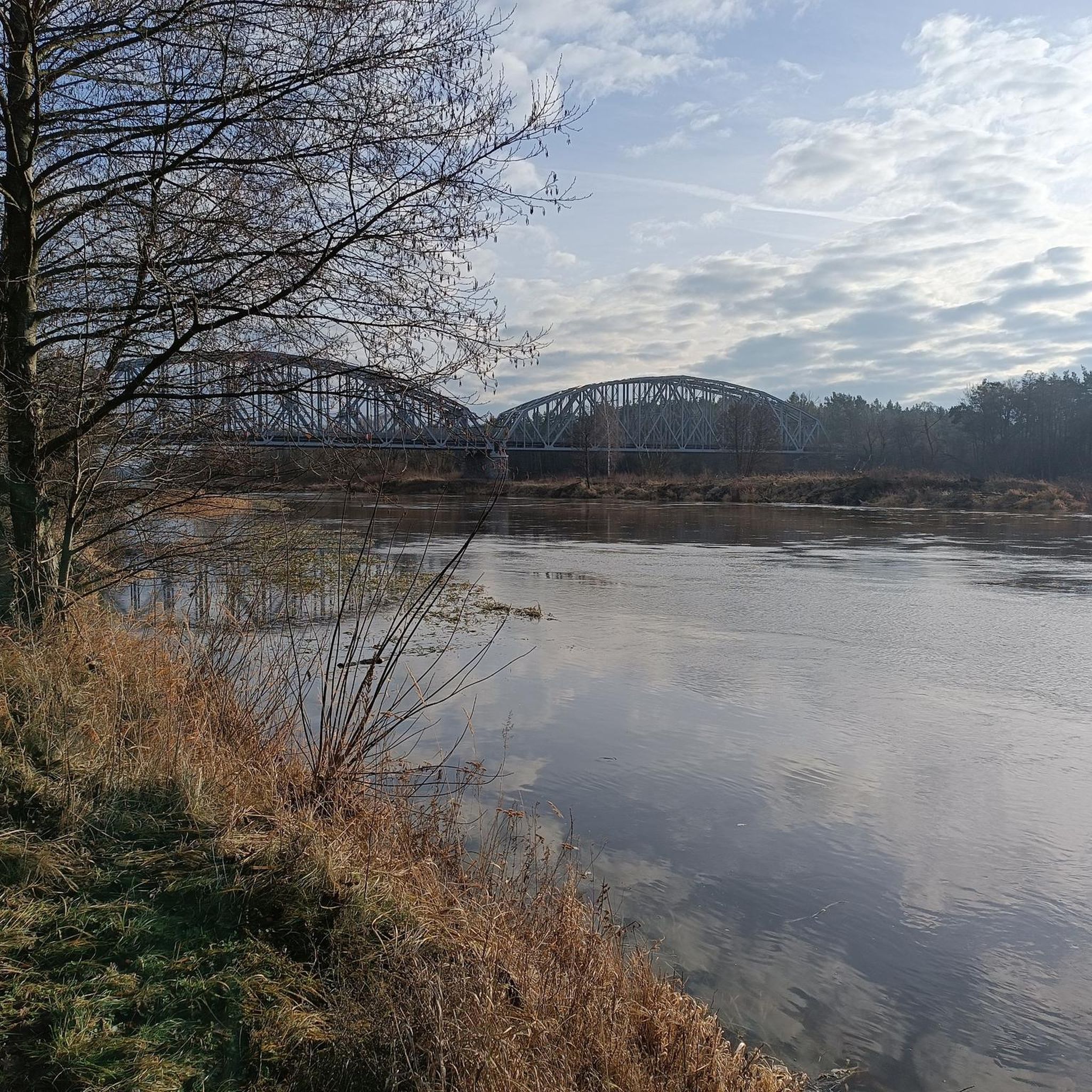
- Local touring cyclists also love the Bridge Over the Bug River – Molotov Line Bunkers loop from Serpelice, a 44.4 miles (71.4 km) trail leading through the Bug River valley, often completed in about 4 hours 31 minutes.
- Touring cycling around gmina Stara Kornica is defined by the meandering Bug River valley, diverse forest ecosystems, and gentle topography. The network offers options for various ability levels, from easy rides to more challenging routes.
- The routes in gmina Stara Kornica are highly rated by the komoot community with an average score of 4.2 stars from over 60 reviews. More than 350 touring cyclists have used komoot to explore gmina Stara Kornica's varied terrain.
Last updated: July 4, 2026
4.4
(8)
46
riders
42.6km
02:42
190m
190m
Moderate bike ride. Good fitness required. Mostly paved surfaces. Suitable for all skill levels.
4.5
(4)
28
riders
46.9km
03:02
190m
190m
Moderate bike ride. Good fitness required. Mostly paved surfaces. Suitable for all skill levels.

Sign up for free
16
riders
30.9km
01:50
70m
70m
Easy bike ride. Great for any fitness level. Mostly paved surfaces. Suitable for all skill levels.
4.0
(1)
10
riders
19.3km
01:09
70m
70m
Easy bike ride. Great for any fitness level. Mostly paved surfaces. Suitable for all skill levels.
5.0
(5)
9
riders
30.2km
01:44
130m
130m
Easy bike ride. Great for any fitness level. Mostly paved surfaces. Suitable for all skill levels.
Get access to more routes and recommendations from other explorers.
Sign up for free
Already have an account?
Our route recommendations are based on thousands of hikes, rides, and runs completed by other people on komoot.
Start today with a free account
Your next adventure awaits.
Login or Signup


Tips from the Community

The Orthodox Church of Saints Cyril and Methodius in Maćkowicze, built in the late 1990s.
1
0

Before organizing your route, be sure to check the ferry times and ticket prices: https://podlasie.siematycze.pl/83-siematycze-przeprawa-promowa-mielnik-zabuze It's worth having cash with you.
3
2
Most of the "Molotov Line" bunkers along the Bug River are in very poor condition.
0
0

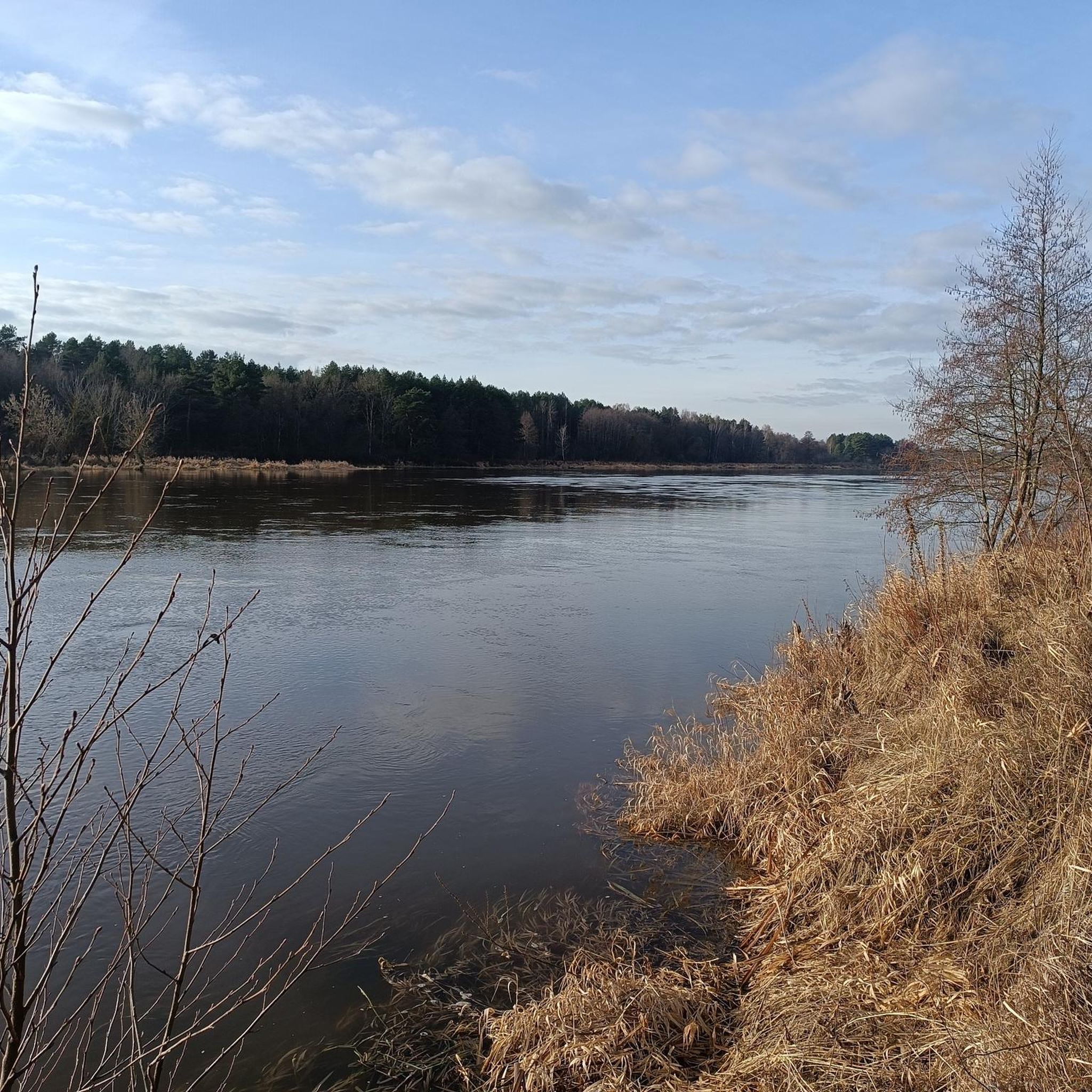
The Bug Valley tempts with picturesque views, but this is not the only attraction of this area. History enthusiasts flock here to discover the remains of one of the most famous fortifications of World War II. Around 1,900 structures of various purposes, over 150,000 soldiers and civilians working on their construction in 1940, over 1,000 km long – the scale of this undertaking is still admirable today. And all this in order to separate themselves from the German ally, with whom Minister Molotov had signed a friendship treaty just a few months earlier. However, Stalin knew that an alliance with Germany was as fleeting as the smoke from his favorite pipe. Hence the construction of large-scale fortifications, which were to stop the aggressor, enable mobilization in the event of war and support offensive operations. The Molotov Line, like its French “cousin” – the Maginot Line, did not live up to the hopes placed in it. The German attack surprised the Russians, some of the bunkers were not even occupied, others did not resist for long. Abandoned almost without a fight, some turned into a pile of rubble, after the war they became a treasure trove of engines and generators for the local population.
0
0
Large reinforced concrete shells of combat bunkers hide from the view of outsiders in the forest shade or grow from the tops of the Bug River hills. Overgrown with grass and bushes, covered with thick moss, they are beginning to resemble more and more the creations of nature, not human hands. The memory of them is slowly fading away along with their outlines. And yet eighty years ago, Soviet staff officers proudly referred to them as... Stalin's fangs. They were supposed to bite all those who dared to raise their hands against the Soviet Union. The belt of famous Soviet fortifications stretches across a significant part of the southern and western edges of the Podlaskie Voivodeship. The Molotov Line, because that is the name under which they are currently best known, is a real treat for lovers of military equipment and military architecture.
0
0
Wooden Orthodox chapel, next to it there is a cross
0
0

As late as 1820, the streets of Janów were completely devoid of cobblestones (Historical and topographical-statistical description of the town of Janów from 1820 "). In 1837, a new road was built connecting the stud farm in Wygoda with the town, in 1850 Brzeska and Siedlecka streets were paved, in which on its section from the Market Square to the current Sienkiewicza Street not only the course of the street was corrected, but also the terrain was leveled in order to eliminate the ravine separating the town buildings from the seminary garden. The general development plan of Janów from the years 1807-1866 confirms the information about minor changes in the development and spatial structure of the town.
2
0
An important element of the historic spatial layout of the stud farm is the composed greenery: park, alleys, rows, naturalistic tufted greenery accompanying the paddocks and the old flood embankments (including mature oaks - natural monuments). The attribute of the monument is also the preserved original view relations with the panorama of Janów Podlaski and the excellent exposure of the stud farm silhouette in the Bug riverine landscape. https://zabytek.pl/pl/obiekty/janow-podlaski-janow-podlaski-stadnina-koni
3
0
Frequently Asked Questions
How many touring cycling routes are available in gmina Stara Kornica?
There are 19 touring cycling routes available in gmina Stara Kornica. These routes cater to various skill levels, with 13 easy, 5 moderate, and 1 difficult option.
What is the general terrain like for touring cyclists in gmina Stara Kornica?
The terrain in gmina Stara Kornica is characterized as a "slightly undulating plain," making it suitable for touring cyclists seeking enjoyable rides without extreme climbs. It features moraine uplands, river valleys, and outwash plains, offering varied scenery. Many routes are predominantly gentle and feature mostly paved surfaces.
Are there easy touring cycling routes suitable for beginners or families?
Yes, gmina Stara Kornica offers 13 easy touring cycling routes. An excellent option for a relaxed ride is the Wikarówka loop from gmina Leśna Podlaska, which is 19.2 miles (30.9 km) long and traverses gentle terrain.
Are there more challenging routes for experienced touring cyclists?
Yes, for experienced touring cyclists, there is one difficult route available. The Bridge Over the Bug River – Molotov Line Bunkers loop from Serpelice is a 44.4 miles (71.4 km) trail that leads through the Bug River valley, offering a more demanding ride.
What historical or cultural sites can I visit along the touring cycling routes?
Cyclists can incorporate several historical and cultural sites into their routes. Notable attractions include the Church of St. John the Evangelist in Stara Kornica, and the Palace in Konstantynów. You can also find the Basilica of Saints Peter and Paul in Leśna Podlaska, and the V-2 Rocket Monument in Sarnaki.
Are there any natural attractions or scenic viewpoints to see?
Yes, the region offers diverse natural features. You can explore the "Ptasi kącik przyrodniczy" (Bird corner nature reserve) for wildlife observation. The Terebela Reservoir in Witulin provides a natural spot for a rest. An observation tower in Gnojno and the nearby "Skarpa w Gnojnie" (Cliff in Gnojno) offer panoramic views of the surrounding area.
Are there circular touring cycling routes in gmina Stara Kornica?
Yes, many routes in gmina Stara Kornica are designed as loops, offering circular journeys. Examples include the Wooden church – Janów Podlaski Stud Farm loop from Nowy Pawłów and the Zakalinki Post Mill – Dwór Zaścianek loop from gmina Konstantynów.
What do other touring cyclists say about the routes in gmina Stara Kornica?
The touring cycling routes in gmina Stara Kornica are highly rated by the komoot community, with an average score of 4.2 stars from over 60 reviews. Cyclists often praise the gentle topography, diverse natural scenery, and the network of paths suitable for leisurely journeys.
What is the best time for touring cycling in gmina Stara Kornica?
The region's climate, typical of east-central Poland, generally offers pleasant conditions for touring cycling from late spring through early autumn. The "slightly undulating plain" terrain makes it enjoyable during these months without extreme weather challenges.
Are there any routes that follow the Bug River?
Yes, the Bug River valley is a defining feature of the region. The Bridge Over the Bug River – Molotov Line Bunkers loop from Serpelice is a notable route that leads directly through the Bug River valley, offering scenic views along the water.
Are there places to eat or stay near the cycling routes?
While specific establishments are not detailed in the route information, the village of Serpelice, which is a starting point for some routes, offers a beach and boat cruises, suggesting amenities for visitors. Konstantynów also has an agricultural distillery that might be of interest. For broader options, nearby towns and villages along the main Voivodeship road No. 698 would likely provide accommodation and dining choices.
Most popular attractions around gmina Stara Kornica

Get inspired with the komoot mobile app


Explore more
Browse the best Cycling routes in other regions.
