Attractions and Places To See around Choroszcz - Top 20
Best attractions and places to see around Choroszcz include a blend of historical significance and natural beauty in northeastern Poland. The region features the unique anastomosing Narew River system, often called the "Polish Amazon," alongside historical landmarks. Visitors can explore Baroque palaces, ancient churches, and natural reserves. Choroszcz offers a variety of sites for those interested in history, nature, and outdoor activities.
Best attractions and places to see around Choroszcz
- The most popular attractions is Zwierzyniecki Forest, a forest…
Last updated: October 18, 2026
Public beach on the Supraśl river in Wasilków
Highlight • Beach
Translated by Google •
Tip by

Tykocin Castle and Castle Restaurant
Highlight • Castle
Translated by Google •
Tip by

Sign up now to discover places like this
Get recommendations on the best single tracks, peaks, & plenty of other exciting outdoor places.
Church of St. John the Baptist and St. Stephen in Choroszcz
Highlight • Religious Site
In 1756, Jan Klemens Branicki, the Grand Crown Hetman, Castellan of Kraków, at …
Translated by Google •
Tip by

Śliwno–Waniewo Floating Footbridge
Highlight • Bridge
Translated by Google •
Tip by

Fountains at Planty Park
Highlight • Monument
The (urban) park …
Translated by Google •
Tip by
Sign up for free to discover even more attractions around Choroszcz.
Already have an account?
Start today with a free account
Your next adventure awaits.
Tips from the Community

Tykocin Castle is one of the greatest attractions in Podlasie, picturesquely situated on the Narew River. Originally a 15th-century stronghold of the Gasztołd family, it was rebuilt in the 16th century into a Renaissance royal castle of Sigismund Augustus, which housed, among other things, the royal treasury and arsenal. Later, the castle belonged to Stefan Czarniecki and then the Branicki family, but after numerous wars and fires, it fell into ruin. Modern reconstruction restored it to its former glory and allowed the creation of a museum, restaurant, and observation tower with a panoramic view of the Narew Valley.
1
0

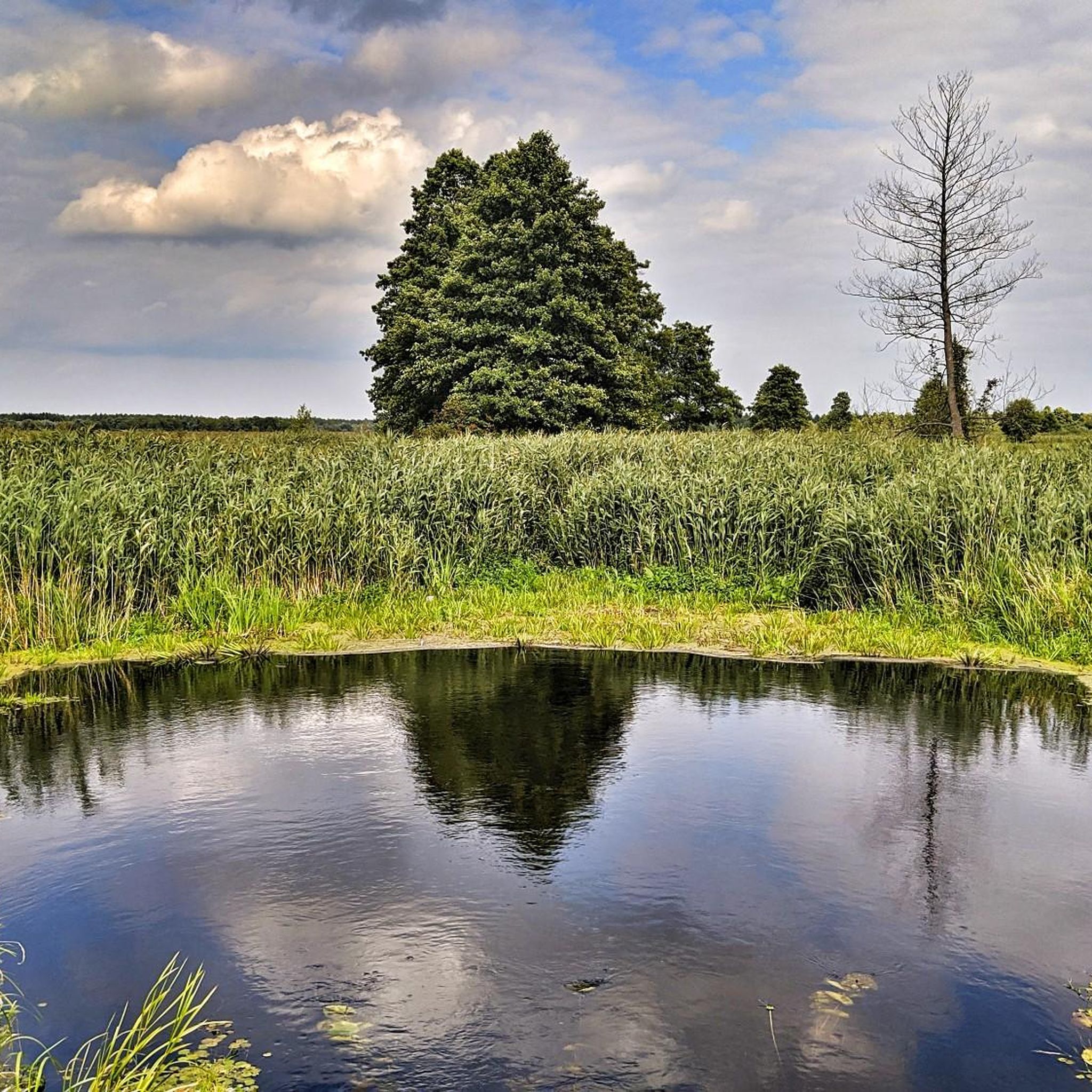
Crossing closed due to low water levels.
0
0

Roman Catholic Church of St. John the Baptist and St. Stephen the Martyr
0
0

One of several "ferry" crossings of this type on the Waniewo-Śliwno footbridge. Exciting! Self-service. Look for a chain attached to the footbridge on one side and to the jetty on the other. Pull the jetty towards you and get on. Then use the second chain from the water side to pull the jetty to the other side. Definitely the biggest attraction of this place!
0
0
The church in Choroszcz is an impressive Baroque temple, whose history dates back to the 15th century. Its current appearance is the result of an 18th-century reconstruction, and the facade impresses with its rich decorations and sculptures. The interior of the church is equally impressive, with numerous monuments of sacral art. For road cyclists, Choroszcz lies on the route of many interesting trails, and the church itself can be an interesting stop during a trip. It is worth taking a moment to admire the architecture and history of this place.
1
1

The fountain dates back to the interwar period. At first, it was a kind of pond with a fountain. In the 1960s, it was modernized for the first time. Later, it was renovated several times. Currently, the fountain shines with different colors and shoots water in different shapes. In the evening, it shimmers beautifully with colors and during the day, you can clearly see different ways of pouring water. A beautiful place.
0
0
The historic Planty Park has been developed since the end of the 18th century. And something is still being done there. Initially, there were moats, fortifications and city walls. The name comes from planting, i.e. leveling the aforementioned unevenness, i.e. moats, ditches, etc. A beautiful place in Białystok. Worth visiting.
0
0

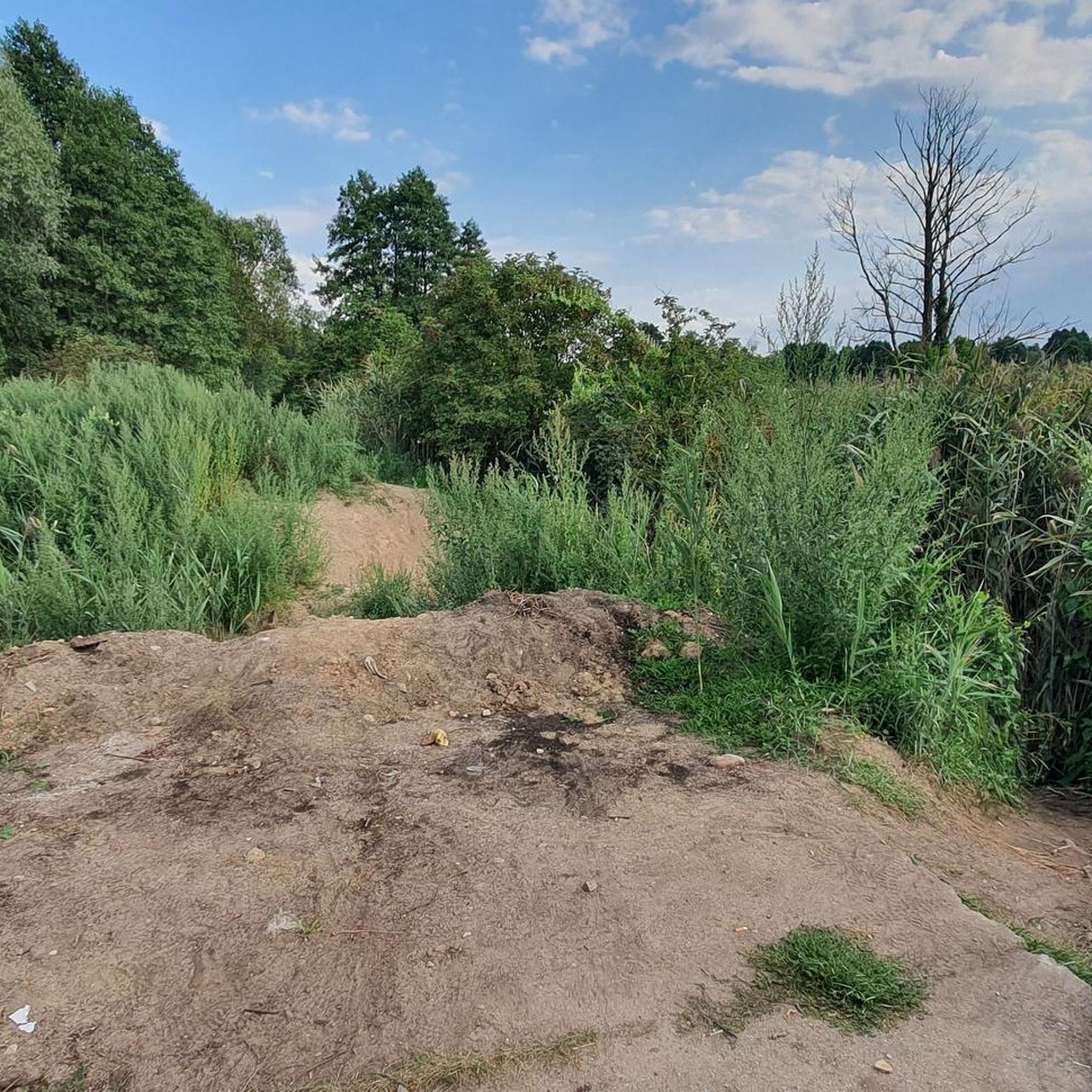
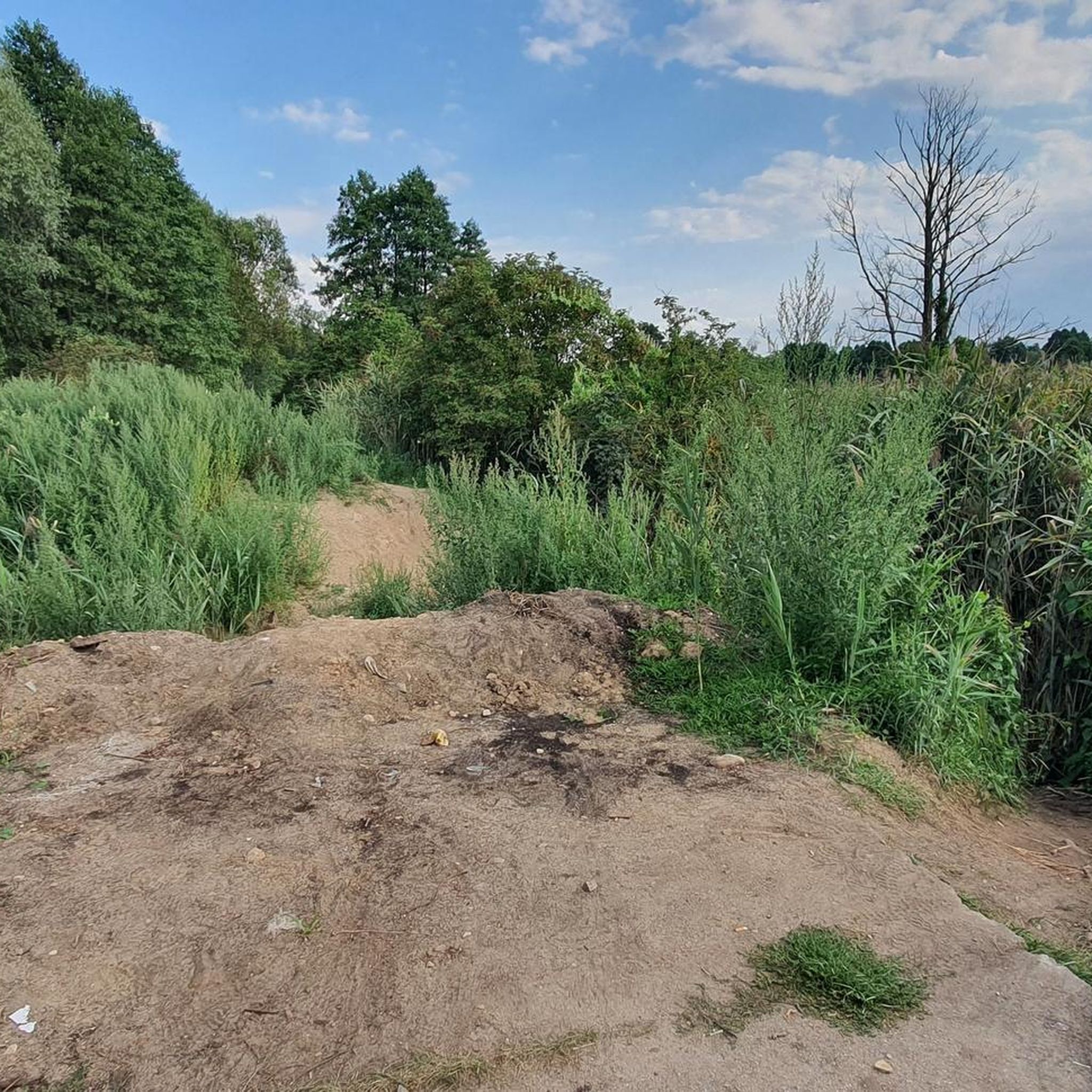
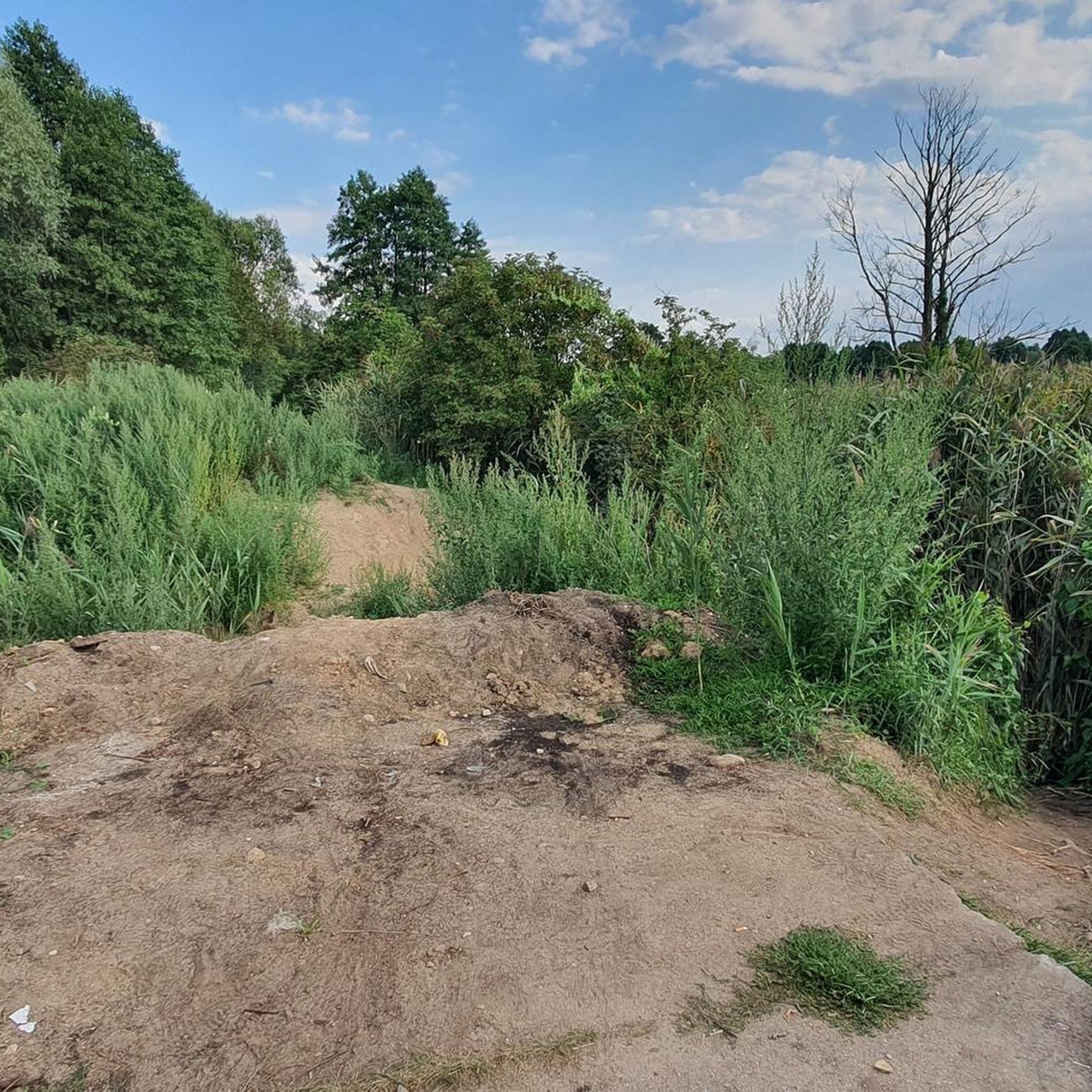
On one side, there are two prepared beaches and recreation areas. On the other side, the actual reservoir with a water ski lift. You can cycle around the entire reservoir, only at the lock will you have to carry your bike up a few stairs. There is a cycle path over the bridge.
0
0
Frequently Asked Questions
What unique natural features can I explore around Choroszcz?
The region is home to the Narew National Park, known for its unique anastomosing (braided) river system, often called the “Polish Amazon.” You can experience this up close by crossing the Śliwno–Waniewo Floating Footbridge, a kilometer-long wooden path over the Narew River's backwaters, connecting the villages of Śliwno and Waniewo.
Are there any historical palaces or manors to visit in the area?
Yes, you can visit the Branicki Palace, which served as the summer residence of the noble Branicki family and now houses the Museum of Polish Interiors. Another notable historical site is Tykocin Castle, a royal residence with a rich history, where Polish kings like Stefan Batory and August II the Strong once stayed.
Where can I find family-friendly outdoor activities involving water?
The Wasilków Reservoir is a revitalized lake that offers a pleasant spot for family time. It's easily accessible from Białystok by public transport and provides various water-based activities, though it can get crowded in summer.
Are there opportunities for hiking near Choroszcz?
Absolutely. For easy hikes, consider the Waniewo-Śliwno Educational Trail, which is part of the Narew National Park experience. There are also several other easy hiking routes available around Choroszcz, perfect for exploring the local landscape.
What about cycling or running routes in the Choroszcz area?
The region offers various routes for outdoor enthusiasts. You can find several gravel biking routes, such as the moderate 'Bridge Over the Supraśl River – Mostek loop'. For runners, there are also dedicated running trails, including the 'Running loop from gmina Choroszcz'.
Are there any natural reserves or forests for walking?
Yes, the Zwierzyniecki Forest is a nature reserve covering over 33 hectares, owned by the city. It's an ideal spot for walking, established to preserve a wet-hornbeam stand for scientific and didactic reasons.
Can I learn about the region's past through historical monuments?
Yes, you can visit the "Gallows" National Remembrance Site, which commemorates the execution of January Uprising insurgents in May 1863. It stands as a significant monument to the 1863 uprising in the Białystok region.
Are there significant religious sites to see?
Choroszcz features the impressive Baroque Church of St. John the Baptist and St. Stephen, with a history dating back to the 15th century and rich 18th-century ornamentation. Additionally, the Orthodox Church of the Protection of the Mother of God, built in 1878, showcases a Neo-Byzantine style.
What do visitors particularly enjoy about the attractions in Choroszcz?
Visitors appreciate the blend of historical significance and natural beauty. Highlights like the Śliwno–Waniewo Floating Footbridge are loved for their unique, interactive experience and beautiful views, while the Wasilków Reservoir is popular for family leisure.
Are there any unique historical industrial sites or lesser-known historical places?
You can discover the Izbiszcze Icehouse, a stone structure built in 1927 by the Dairy Cooperative to store butter, located by the Narew River. Another unique site is the Kruszewo Dutch Windmill, dating back to 1936, near the village of Kruszewo.
Is public transport available to reach some of the outdoor attractions?
Yes, for example, the Wasilków Reservoir is easily accessible from Białystok. Buses from Białystok Public Transport, specifically line number 100, run directly to a stop near the reservoir.
Most popular routes around Choroszcz
Most popular attractions around Choroszcz

Get inspired with the komoot mobile app


Explore more
Still not found the Highlight you’re looking for? See guides of the top attractions in other regions:
