The best walks and hikes around Perelhal
4.3
(161)
1,095
hikers
54
hikes
Hiking around Perelhal offers diverse natural landscapes, centered around the tranquil Perelhal Lagoon. The region is characterized by forests primarily composed of cork oaks and oaks, leading towards the Cávado River. The terrain features gentle elevations and includes historical elements such as ancient aqueducts, mills, and old agricultural houses. These natural and historical features provide varied scenery for outdoor exploration.
Best hiking trails around Perelhal
- The most popular hiking route is Pequeno Porto – Mouth of the Cávado River loop…
Last updated: October 12, 2026
4.6
(28)
85
hikers
6.43km
01:38
10m
10m
Easy hike. Great for any fitness level. Easily-accessible paths. Suitable for all skill levels.
4.4
(15)
87
hikers
15.0km
03:48
40m
40m
Moderate hike. Good fitness required. Easily-accessible paths. Suitable for all skill levels.

5.0
(5)
78
hikers
8.58km
02:10
20m
20m
Moderate hike. Good fitness required. Easily-accessible paths. Suitable for all skill levels.
5.0
(3)
36
hikers
13.2km
03:21
30m
30m
Moderate hike. Good fitness required. Easily-accessible paths. Suitable for all skill levels.
2.5
(2)
28
hikers
9.47km
02:29
80m
80m
Moderate hike. Good fitness required. Easily-accessible paths. Suitable for all skill levels.
Get access to more routes and recommendations from other explorers.
Already have an account?
Our route recommendations are based on thousands of hikes, rides, and runs completed by other people on komoot.
Start today with a free account
Your next adventure awaits.

Tips from the Community

The Metal Bridge of Fão (Esposende) Location: It crosses the Cávado River, on National Road 13 (EN13), in the parish of Fão, in Esposende. Alternative Name: It is frequently referred to as the D. Luís Filipe Bridge. History: It is a significant example of iron architecture in Portugal, inaugurated on August 7, 1892. Characteristics: The bridge, which is a Property of Public Interest, has an extensive metal structure and has recently been rehabilitated.
2
0
In Esposende, the main historical bridge that crosses the Cávado River is the Ponte Metálica de Fão, also known locally as Ponte D. Luís Filipe.
2
0
What to do and Nearby Points of Interest North Coast Ecovia: The estuary is a key point on the North Coast Ecovia, a pedestrian and cycle path that follows the coast and riverbanks. Bridge over the Neiva River: A pedestrian and cycle bridge with remarkable architecture was inaugurated in 2019 over the river, allowing crossing and continuity of the ecovia route. Hiking and Cycling: The area is ideal for leisurely walks, allowing visitors to enjoy the natural and bucolic landscape of the banks. Antas Hunting and Fishing Club: The local club manages fishing activity in the area and organizes initiatives for the protection of wildlife. The Neiva Estuary is a place of great serenity and beauty, ideal for those seeking direct contact with nature and outdoor activities.
1
0
Characteristics and Ecological Importance Biodiversity: The estuary is a crucial habitat for local fauna and flora. The presence of fresh and salt water creates a unique ecosystem that attracts a variety of aquatic birds and fish species, making it a place of interest for birdwatching. Protected Area: The area is part of the Esposende Coastal Protected Landscape, which attests to its relevance in terms of nature conservation.
1
0
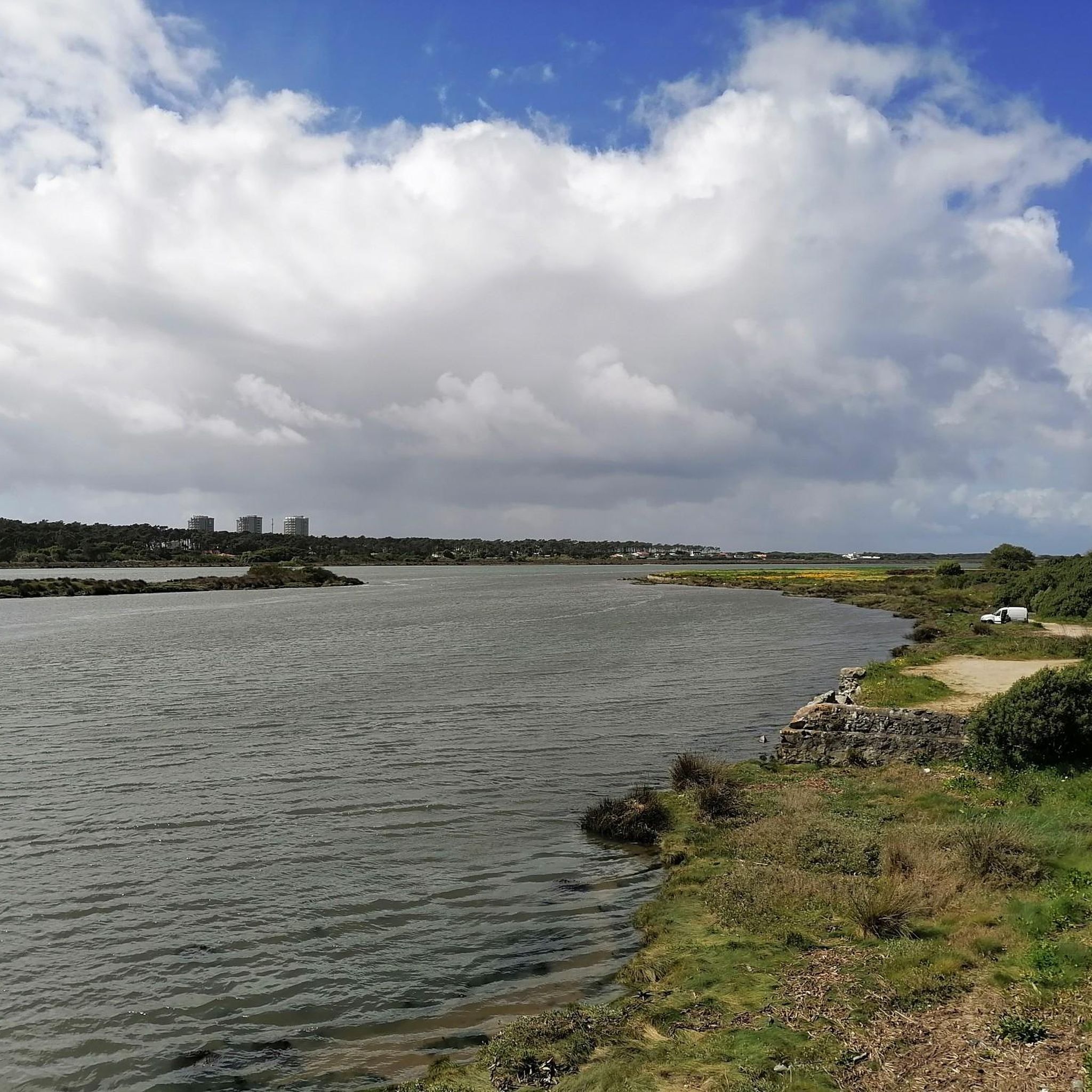
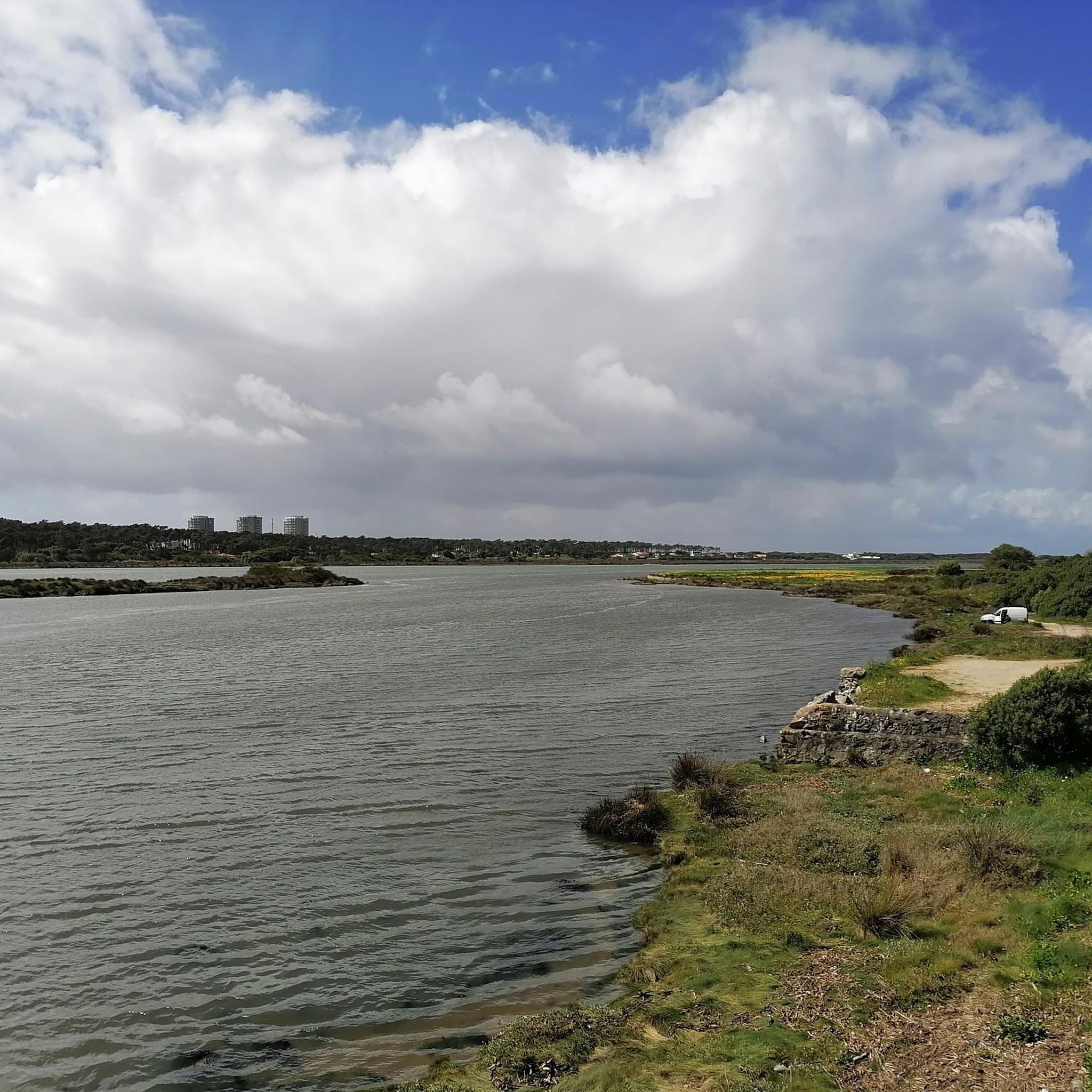
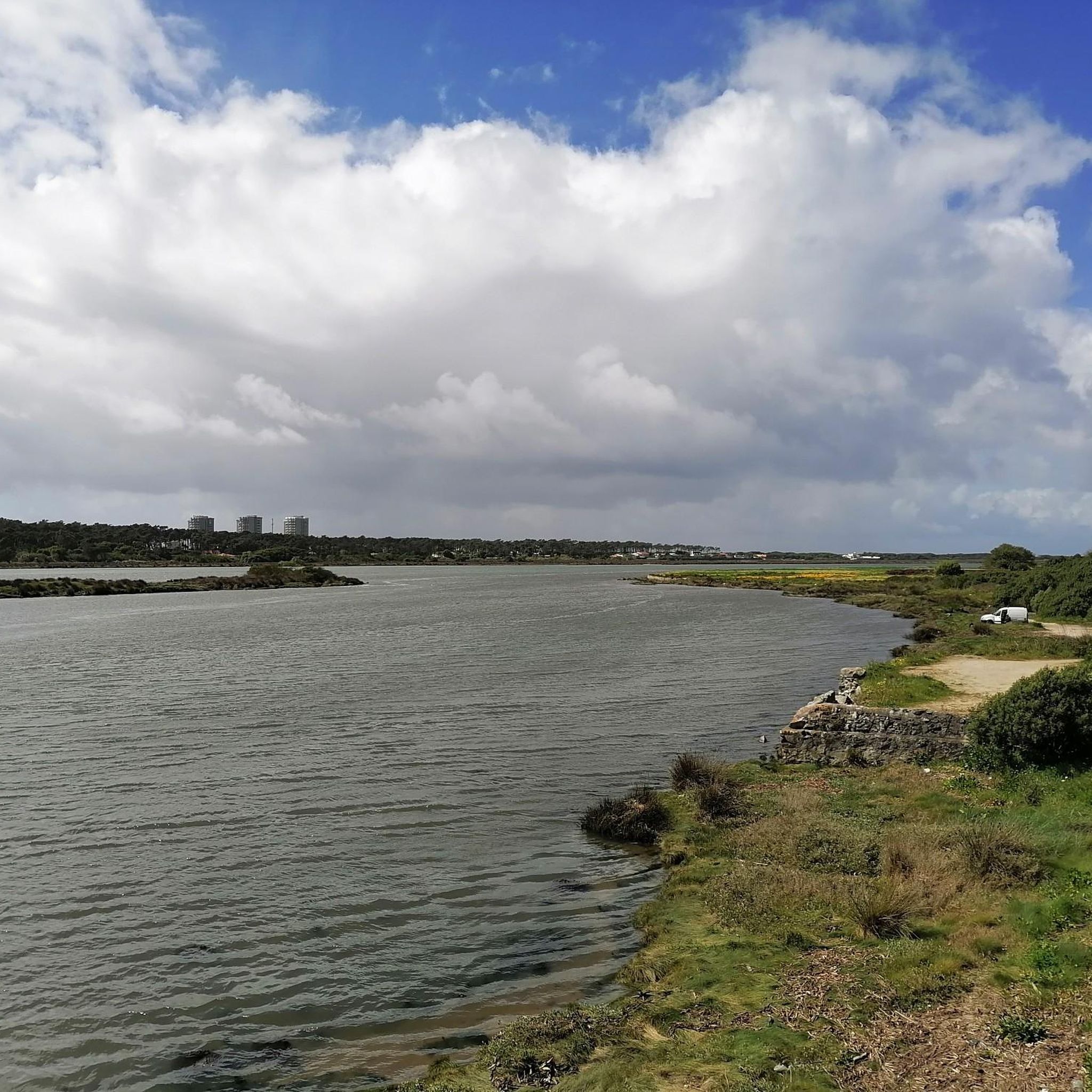
The Neiva River Estuary is located in northern Portugal, in the municipality of Esposende, in the parish of Antas. This estuary is a place of great ecological and scenic importance, marked by the meeting of the Neiva River with the Atlantic Ocean.
1
0

The name Ophir appears several times in the Old Testament, including to designate a land distant from Israel where gold was collected. The gold of Ophir is often referred to as a separate gold, which may be due to the joint expedition of King Solomon and King Hiram (Tyre, Phoenicia) that set sail from the Red Sea and brought back 14 or 15 tons of gold from Ophir (1 Kings 9:26-28; 2 Chronicles 8:17-18). Thus, the Portuguese beach may be related to a new Ophir discovered by the Phoenicians. A famous local legend, the "legend of the horses of Phanus," even claims that "the biblical Ophir" was located in the place of modern Ophir. Source: Wikipedia
0
0

Old windmills on a dike. A beach on the ocean side. Nice area, even though today wasn't beach weather.
0
1

always walk along the sea well on the wooden floor
0
2
Frequently Asked Questions
How many hiking trails are available in Perelhal?
Perelhal offers a good selection of hiking routes, with over 50 trails recorded on komoot. These range from easy strolls to more moderate excursions, ensuring options for various fitness levels.
What kind of landscapes can I expect to see while hiking in Perelhal?
Hiking in Perelhal immerses you in a unique blend of natural beauty and historical elements. You'll find tranquil areas around the Perelhal Lagoon, lush forests dominated by cork oaks and oaks, and paths leading towards the Cávado River. The landscape also features historical structures like ancient aqueducts, mills, and old agricultural houses, many reclaimed by nature, adding a sense of discovery to your walk.
Are there easy hiking options suitable for beginners or casual walkers?
Yes, Perelhal has plenty of easy hiking options. Approximately half of the routes are classified as easy. An example is the Pequeno Porto – Mouth of the Cávado River loop from Esposende, which is an easy 6.2 km (3.8 miles) trail offering views of the Cávado River mouth.
What are some notable landmarks or points of interest along the trails?
Hikers can discover several interesting landmarks. The historic Fão Bridge is a prominent feature on some routes. You might also encounter the Apúlia Church or the São João Baptista Fort and Lighthouse in Esposende. For natural beauty, the Ofir Beach and the Rapids of the Cávado River are also nearby.
Are there any circular hiking routes in Perelhal?
Yes, many of the trails in Perelhal are designed as loops, offering convenient circular routes. For example, the Apúlia Windmills – Fão Bridge loop from Esposende is a moderate 14.9 km (9.3 miles) circular path that features coastal scenery and the historic Fão Bridge.
What do other hikers say about the trails in Perelhal?
The trails in Perelhal are highly regarded by the komoot community, with an average rating of 4.2 stars from over 100 reviews. Hikers often praise the tranquil lagoon areas, the lush cork oak forests, and the varied scenery that blends nature with historical elements.
Can I find trails that follow the Cávado River?
Yes, the region's forests lead towards the Cávado River, providing opportunities for riverside walks. The Pequeno Porto – Mouth of the Cávado River loop from Esposende is one such trail that offers views of the river mouth.
Are there any hikes that include coastal views or beaches?
Absolutely. Several routes offer coastal experiences. The Apúlia Windmills – Apúlia Beach 🏖️ loop from Esposende is a moderate 10.1 km (6.3 miles) trail that takes you past coastal features and to the beach. Another option is the Praia de Ofir – Fão Bridge loop from Esposende, which also includes coastal sections.
What is the typical terrain like on Perelhal's hiking trails?
The terrain in Perelhal generally features gentle elevations. You'll mostly encounter paths through forests of cork oaks and oaks, alongside the tranquil lagoon, and along riverside sections of the Cávado River. Some routes may also include coastal paths.
Are there any longer, more challenging hikes available?
While Perelhal doesn't feature 'difficult' graded trails, there are several moderate routes that offer longer distances. For instance, the Apúlia Windmills – Fão Bridge loop from Esposende is a moderate 14.9 km (9.3 miles) path, providing a more extended hiking experience.
What makes Perelhal a unique hiking destination?
Perelhal stands out due to its 'secret' natural wealth centered around the Perelhal Lagoon, combined with a rich historical tapestry. The blend of serene cork oak forests, the Cávado River, and ancient aqueducts, mills, and agricultural houses reclaimed by nature creates a distinctive environment that offers both natural beauty and a sense of historical discovery.
Most popular attractions around Perelhal

Get inspired with the komoot mobile app


Explore more
Browse the best Hikes in other regions.
