Attractions and Places To See around Quintiães - Top 20
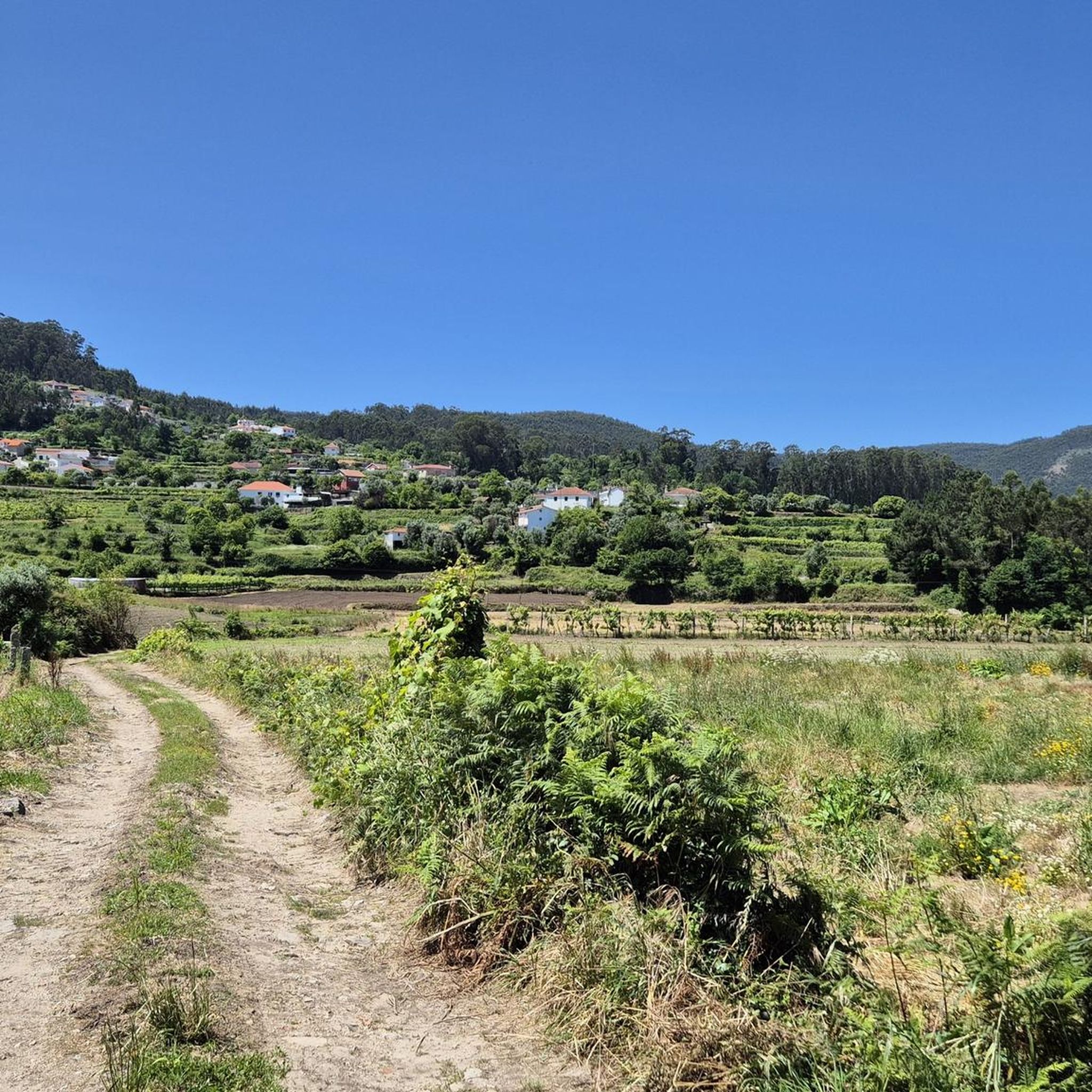
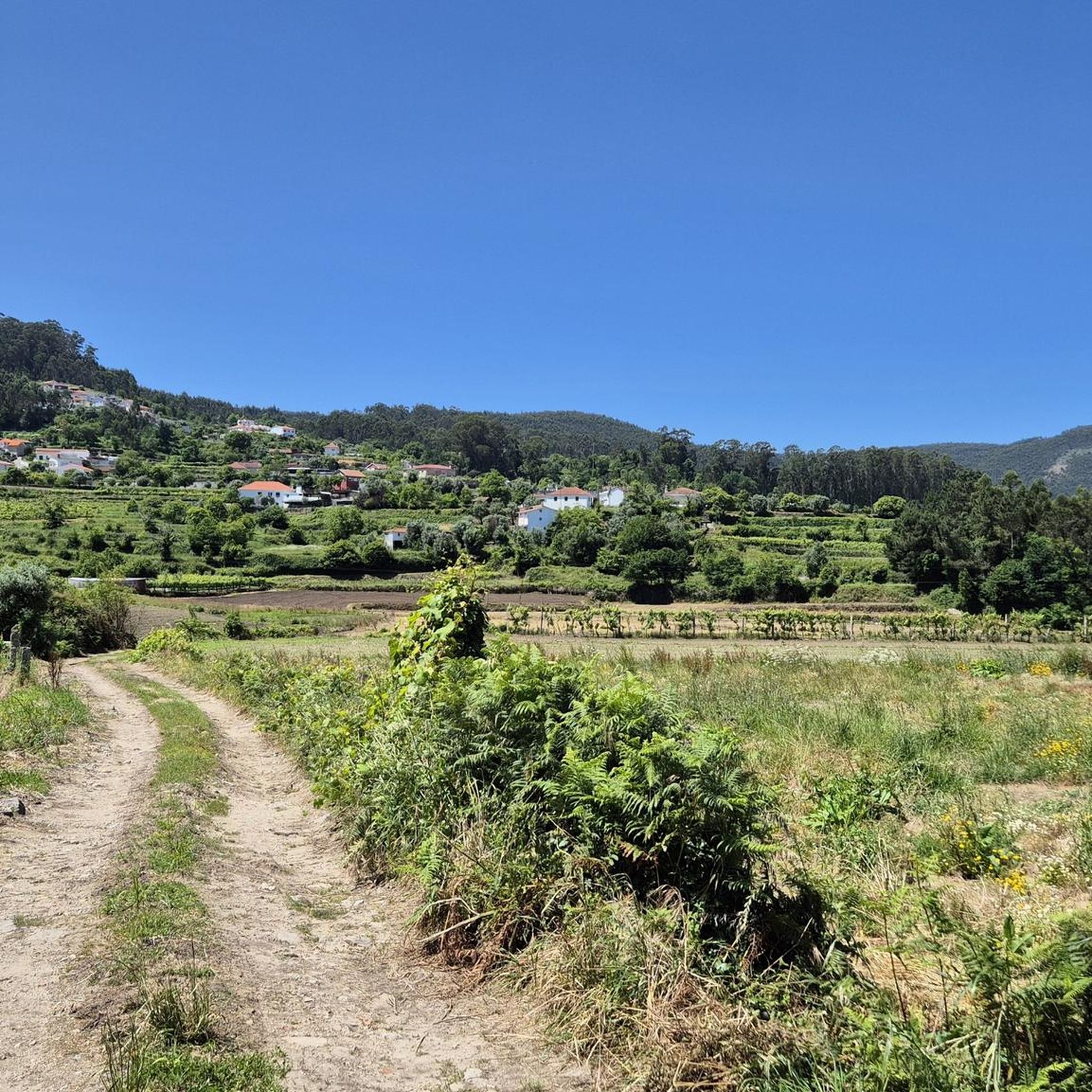
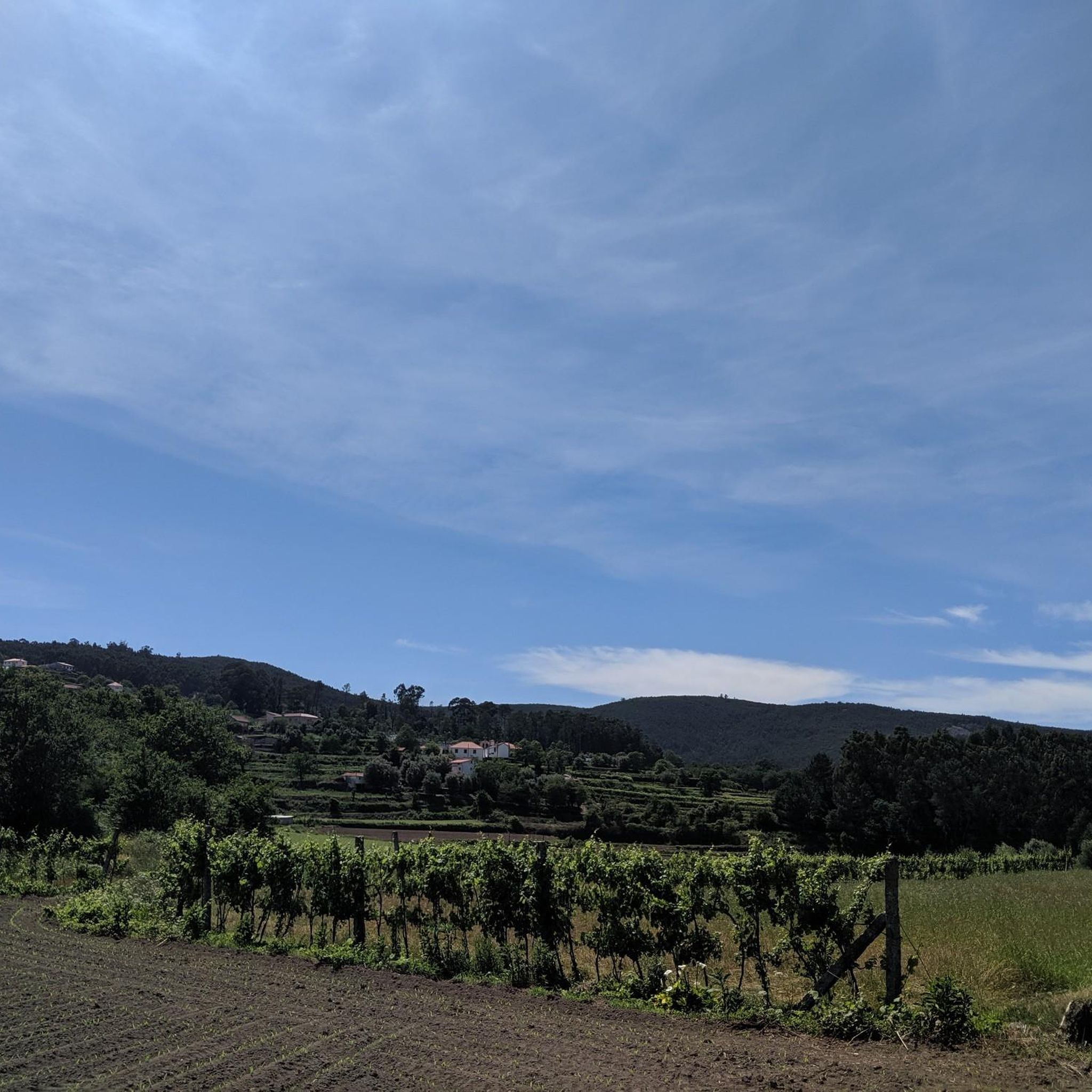
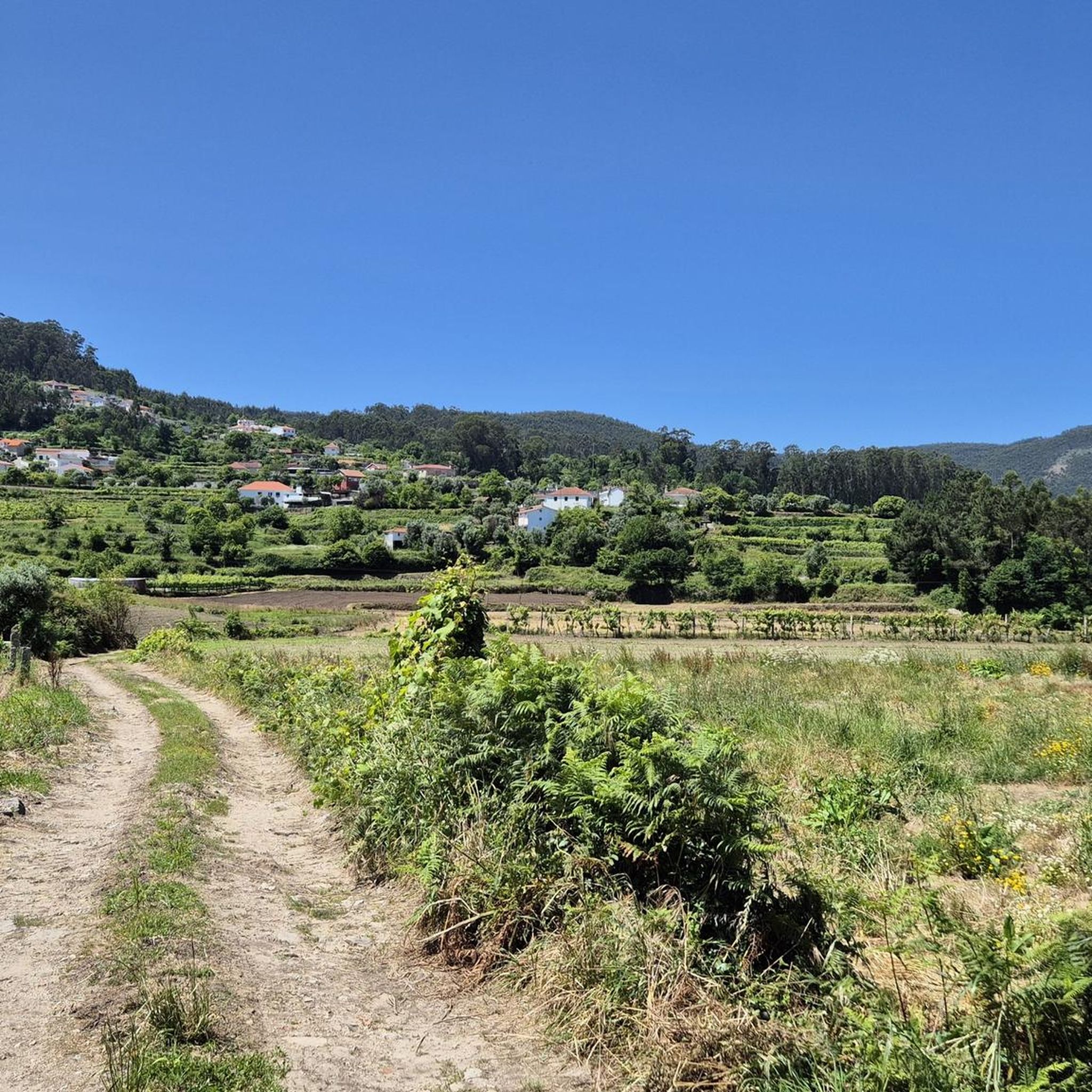
Attractions around Quintiães, located within the municipality of Barcelos, Portugal, present a blend of historical landmarks, cultural sites, and natural features. Situated on the northeastern slope of the Serra de São Claudio, the area offers a tranquil setting for exploration. Visitors can discover ancient chapels, traditional stone crosses, and historic agricultural estates, alongside archaeological vestiges. The region also includes sections of the Portuguese Camino de Santiago and scenic viewpoints.
Best attractions and places to see around Quintiães
- The most popular…
Last updated: July 2, 2026
Stone Bridge over the Neiva River
Highlight • Bridge
Translated by Google •
Tip by

Barcelos Medieval Bridge
Highlight • Viewpoint
Translated by Google •
Tip by

Sign up now to discover places like this
Get recommendations on the best single tracks, peaks, & plenty of other exciting outdoor places.
Sign up for free
Barcelos city centre
Highlight • Settlement
Translated by Google •
Tip by

Barcelos Rooster statue
Highlight • Monument
Translated by Google •
Tip by

Neiva River Trail
Highlight (Segment) • Trail
Translated by Google •
Tip by
Sign up for free to discover even more attractions around Quintiães.
Sign up for free
Already have an account?
Start today with a free account
Your next adventure awaits.
Login or Signup

Tips from the Community

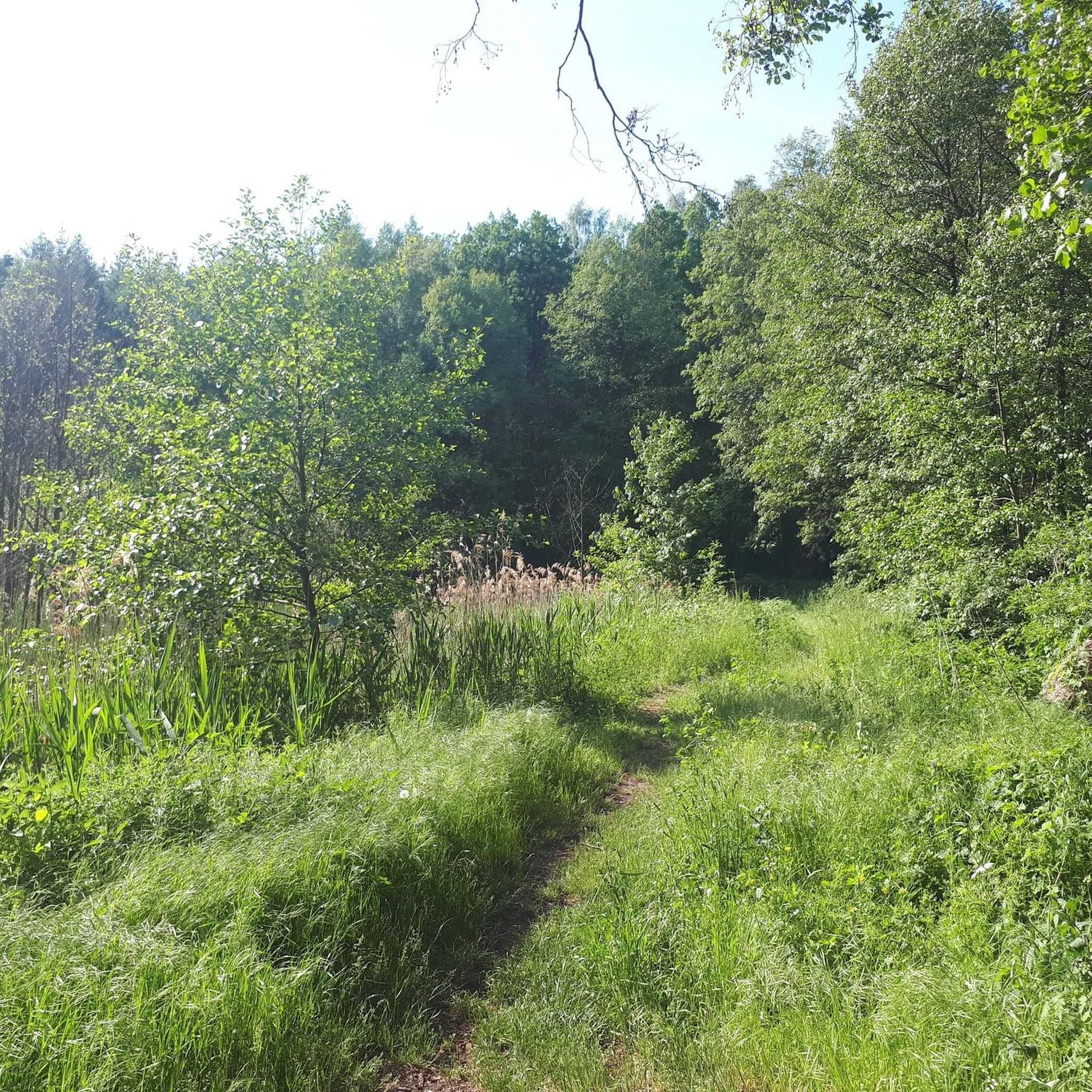
A wonderfull nature walk reminding me of walks in Newcastle, NSW Australia
0
0

Key Information Location: Neiva River, on the border of the municipalities of Esposende and Viana do Castelo, Portugal. History: The original bridge was built in 1930 at the behest of the owner of a watermill and a fishing lodge that existed on the site at that time. Renovation: Over time, the bridge suffered damage due to the impact of fallen trees during storms. In 2020, the reconstruction of the bridge was announced, in a project financed in equal parts by the two neighboring municipalities. North Coast Ecovia: The stone bridge (reconstructed or restored) is part of a set of green infrastructures that make up the North Coast Ecovia, a pedestrian and cycle path that enhances the Neiva River estuary and connects the two municipalities, offering a bucolic and tranquil environment for walks. The bridge is a picturesque spot, frequently visited by those traveling along the ecovia, inviting a peaceful stroll and observation of the surrounding nature.
2
0
The Stone Bridge over the Neiva River, also known as Sebastião's Bridge, is a historic bridge that connects the banks of the Neiva River, serving as a border between the municipalities of Esposende (Antas parish) and Viana do Castelo (Castelo do Neiva parish), in Portugal.
2
0

The Barcelos Bridge is more than just an entrance to the city. It's a gateway to its legends, like that of the rooster. Over the Cávado River, this Gothic stone bridge, commissioned by Count Pedro between 1325 and 1330, connects Barcelos to Barcelinhos and has been classified as a National Monument since 1910. And if the heat gets too much, right next door awaits a river beach perfect for a refreshing dip.
3
0

The forests are not as beautiful as the Black Forest, but the peace and the scent are very calming.
0
1

Great photo opportunity in the middle of the eucalyptus forests
8
1
Take in the typical scent of the eucalyptus trees and compensate for it until you reach Santiago. That is the Caminho
6
1

Beautiful view from the ruins of the castle
9
2
Frequently Asked Questions
What historical landmarks can I explore in and around Quintiães?
Quintiães is rich in history, featuring the prominent Quintiães Church and several chapels like São Frutuoso and Santa Marinha. You can also find five traditional stone crosses, known as 'cruzeiros,' throughout the area. Historic houses and agricultural estates, such as Casa dos Assentos and Quinta de Faria, showcase traditional stone construction. Additionally, archaeological vestiges, including the fortified settlement of Santa Marinha, point to ancient habitation. Nearby, don't miss the Barcelos Medieval Bridge, a National Monument, and the Main Church of Santa Maria de Barcelos.
Are there any natural features or scenic viewpoints worth visiting near Quintiães?
Yes, Quintiães is situated on the northeastern slope of the Serra de São Claudio, with Monte São Gonçalo offering the highest point at 470 meters, providing potential scenic views. You can also find beautiful viewpoints (miradouros) at Cachada and near the Chapel of Santa Marinha, which on clear days offer panoramic vistas of Barcelos, Ponte de Lima, and Viana do Castelo. The Stone Bridge over the Neiva River is set in an idyllic spot amidst eucalyptus forests and small waterfalls, offering a tranquil natural experience.
What outdoor activities can I do near these attractions?
The area around Quintiães offers various outdoor activities, particularly hiking and running. You can find easy hikes like the 'Barcelos Medieval Bridge – Barcelos Rooster statue loop' or the 'Idyllic Small Waterfalls – Stone Benches Rest Area loop.' For runners, there are moderate to difficult routes such as the 'Neiva River Trail loop.' Cyclists can explore road cycling routes like the 'Eiffel Bridge – Eiffel Bridge (Ponte Eiffel) loop.' For more details on these and other routes, check out the guides for easy hikes, running trails, and road cycling routes around Quintiães.
Is Quintiães part of the Camino de Santiago route?
Yes, the Portuguese Camino de Santiago route passes through the area. Specifically, the section between Barcelos and Quintiães is noted for its scenic beauty, including a 'pretty spot full of noisy frogs,' offering a unique experience for pilgrims and walkers.
Are there any family-friendly attractions around Quintiães?
While Quintiães itself offers historical sites, the nearby Barcelos Medieval Bridge is considered family-friendly, offering a historical site and viewpoint over the Cávado River. The nearby Barcelos city centre also provides a vibrant atmosphere with its famous rooster symbol and cultural sites, suitable for families to explore.
What is the significance of the Barcelos Rooster statue?
The Barcelos Rooster statue represents the Galo de Barcelos, a colorful rooster that is an unofficial national symbol of Portugal and is widely considered a symbol of good luck. It's a prominent man-made monument in the nearby city of Barcelos, rooted in a local legend.
What do visitors enjoy most about the attractions near Quintiães?
Visitors particularly appreciate the idyllic setting of the Stone Bridge over the Neiva River, noting the scent of eucalyptus and the sound of small waterfalls. The Barcelos Medieval Bridge is loved for its historical significance and the legends it evokes, with some visitors enjoying the nearby river beach for a refreshing dip. The vibrant atmosphere and cultural significance of the Barcelos Rooster statue and the Barcelos city centre are also highly rated.
Are there any archaeological sites in Quintiães?
Yes, Quintiães has archaeological vestiges that indicate habitation since the Iron Age and even prehistory. A notable example is the fortified settlement of Santa Marinha, where its ancient wall (muralha) is believed to have been used in the construction of the chapel bearing the same saint's name.
What is the best time of year to visit Quintiães for outdoor activities?
While specific seasonal weather data isn't provided, the presence of hiking and running routes suggests that spring and autumn would likely offer the most pleasant temperatures for outdoor activities. Summers in Portugal can be hot, which might be less ideal for strenuous hikes, though the river areas could offer some respite. Winter might be cooler and wetter.
Are there any places to eat or stay in Quintiães?
Quintiães is home to several historic houses and 'quintas' (agricultural estates), some of which, like Casa dos Assentos, serve as tourist accommodation. While specific cafes or pubs within Quintiães are not detailed, the nearby municipality of Barcelos offers a wider range of dining and accommodation options.
Are there any wheelchair accessible attractions?
The Barcelos Rooster statue is noted as being wheelchair accessible, making it an inclusive option for visitors.
What kind of architecture can I expect to see in Quintiães?
Quintiães features traditional stone construction, particularly evident in its historic houses and agricultural estates such as Casa dos Assentos, Casa das Cabanas, and Quinta de Faria. The Quintiães Church and various chapels also showcase local religious architectural styles. The Barcelos Medieval Bridge is a fine example of Gothic stone architecture.

Get inspired with the komoot mobile app


Explore more
Still not found the Highlight you’re looking for? See guides of the top attractions in other regions:
