Attractions and Places To See around Fão - Top 20
Best attractions and places to see around Fão, located in the Braga district of Portugal, offer a blend of natural coastal beauty and cultural heritage. The region features extensive sandy dunes, golden beaches, and the Cávado River. Visitors can explore historical sites, tranquil natural spaces, and significant religious buildings.
Best attractions and places to see around Fão
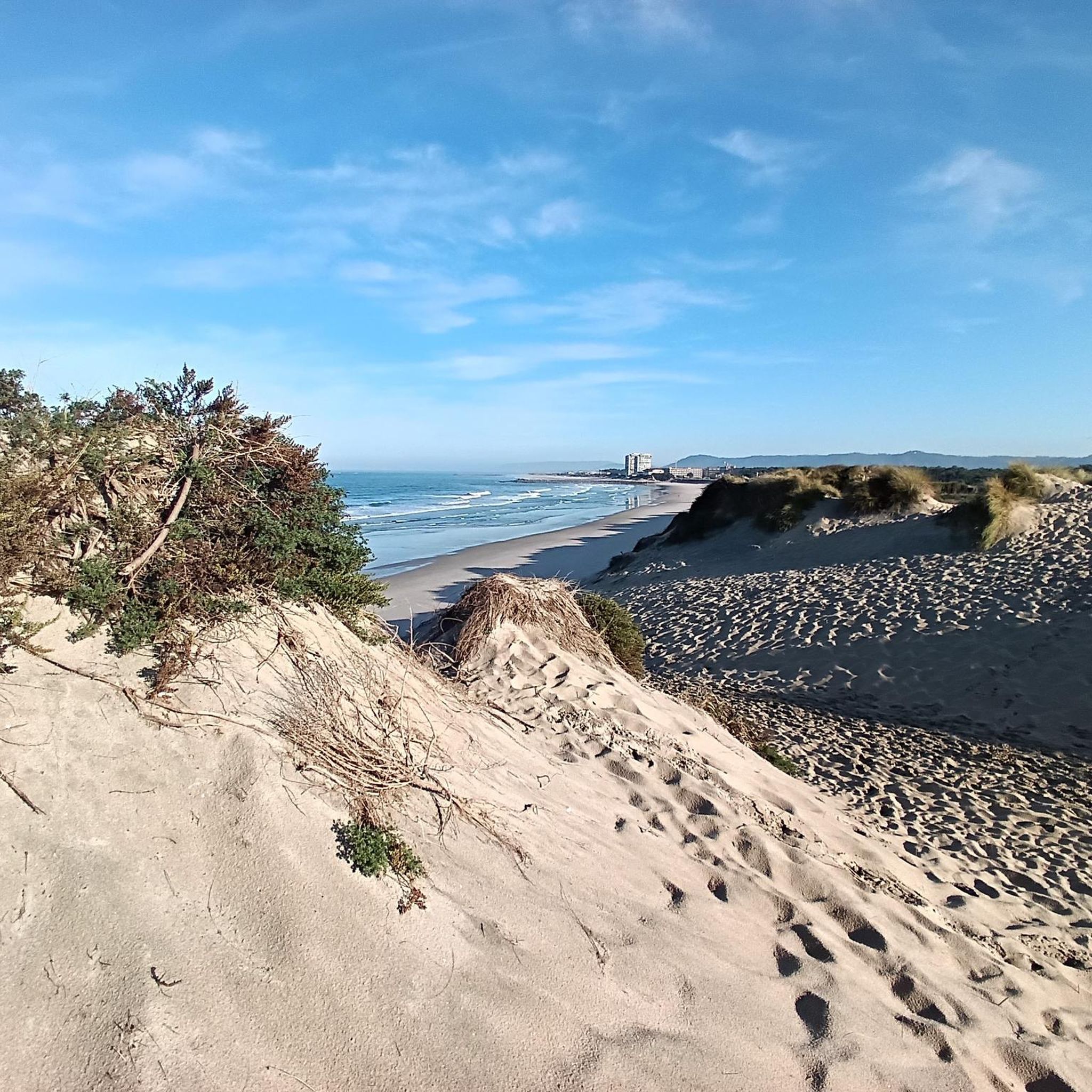
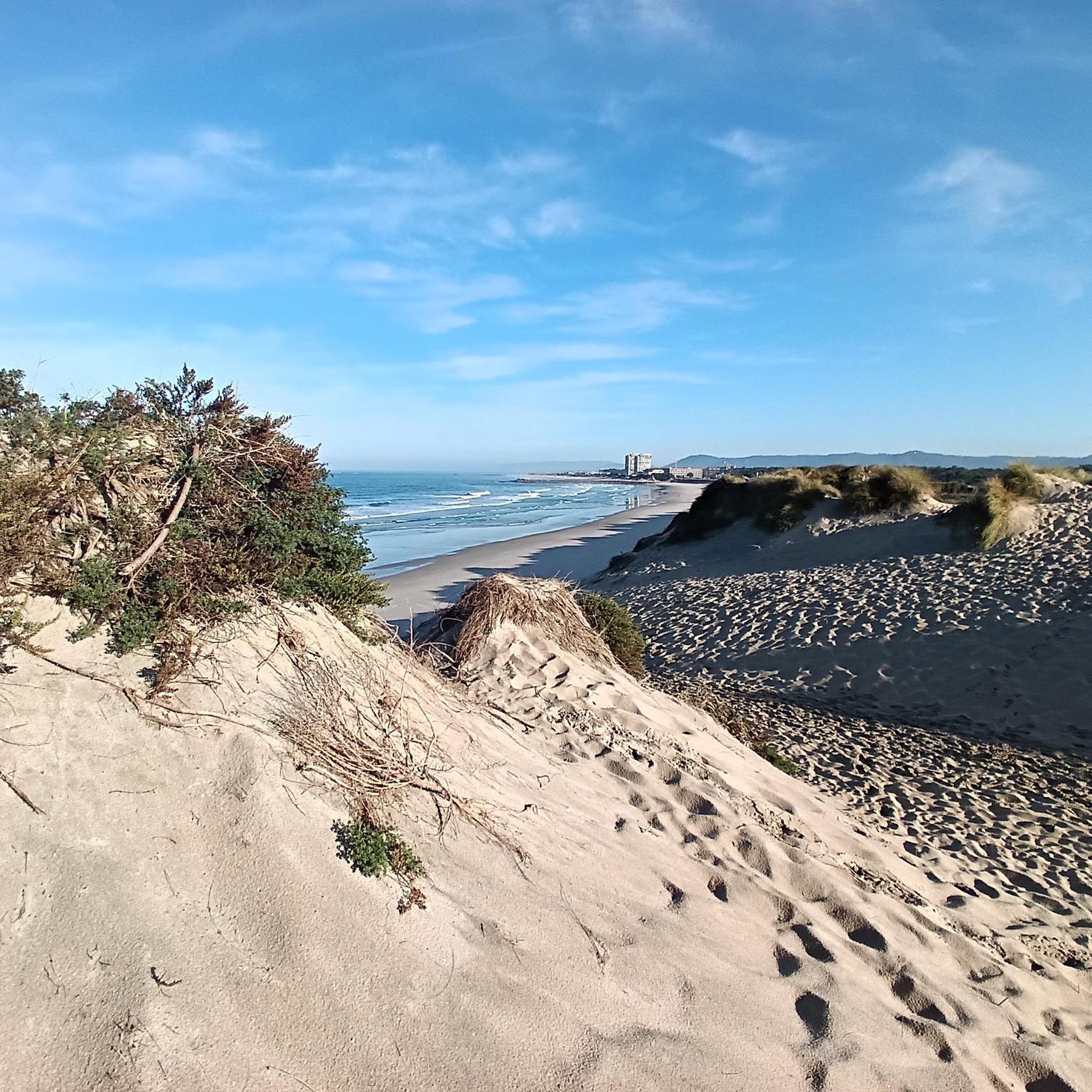
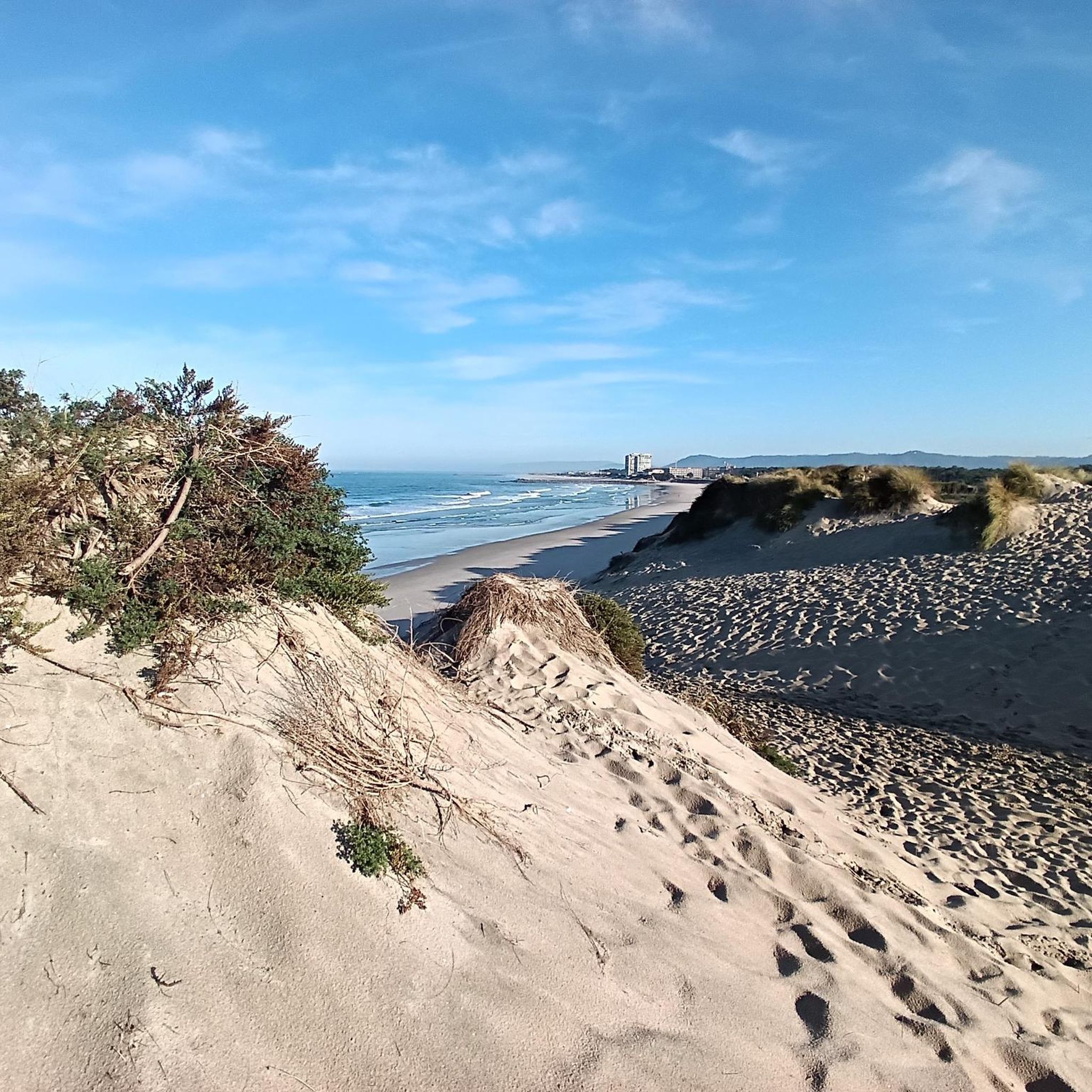
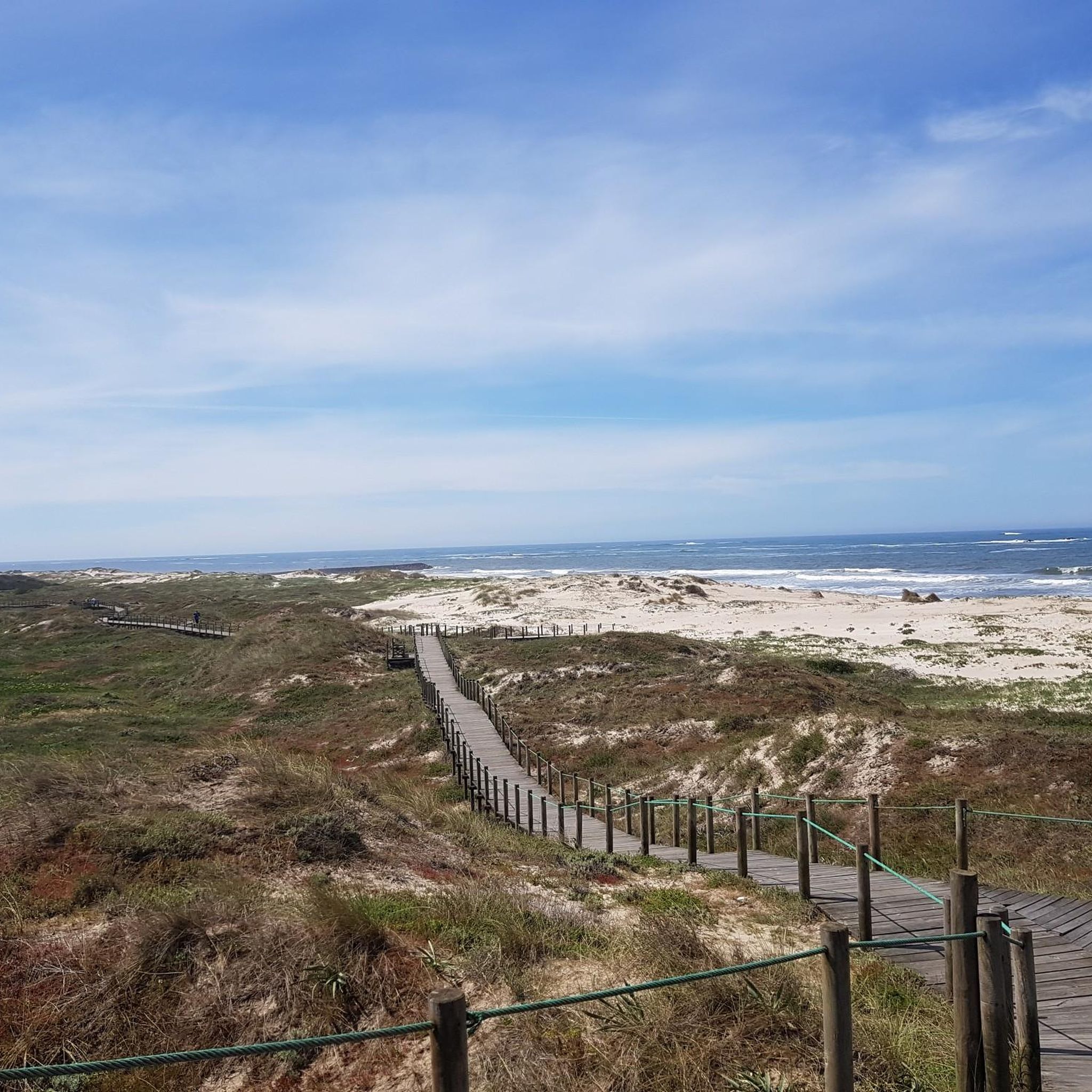
- The most popular attractions is Wooden Boardwalk Along the Atlantic Coast, a trail that was created for coastal protection. It offers extensive walks along the Atlantic coast and features signposts for pilgrims on the Way of St. James.
- Another must-see spot is Stone Bridge over the Neiva River, a bridge located in an idyllic setting where the river widens as it leaves a eucalyptus forest. Visitors can experience the scent of eucalyptus and the sound of small waterfalls, with a Camino de Santiago arrow made of stones.
- Visitors also love Aguçadoura Beach Mill, a man-made monument that is a structurally intact windmill with its equipment still in place. It serves as a notable landmark for pilgrims on the Way of St. James and offers photo opportunities.
- Fão is known for its coastal trails, historical bridges, and religious buildings. The area offers a variety of attractions to see and explore, from natural landscapes to cultural landmarks.
- The attractions around Fão are appreciated by the komoot community, with 7 highlights featuring more than 115 photos and receiving over 562 upvotes.
Last updated: October 5, 2026
Wooden Boardwalk Along the Atlantic Coast
Highlight • Trail
Translated by Google •
Tip by

Stone Bridge over the Neiva River
Highlight • Bridge
Translated by Google •
Tip by

Sign up now to discover places like this
Get recommendations on the best single tracks, peaks, & plenty of other exciting outdoor places.
Aguçadoura Beach Mill
Highlight • Monument
Translated by Google •
Tip by
Fão Bridge
Highlight • Bridge
Translated by Google •
Tip by

São João Baptista Fort and Lighthouse, Esposende
Highlight • Historical Site
Translated by Google •
Tip by
Sign up for free to discover even more attractions around Fão.
Already have an account?
Start today with a free account
Your next adventure awaits.
Tips from the Community

Attention: You need to concentrate while walking here, as some planks are loose and can move upwards.
0
0

The Metal Bridge of Fão (Esposende) Location: It crosses the Cávado River, on National Road 13 (EN13), in the parish of Fão, in Esposende. Alternative Name: It is frequently referred to as the D. Luís Filipe Bridge. History: It is a significant example of iron architecture in Portugal, inaugurated on August 7, 1892. Characteristics: The bridge, which is a Property of Public Interest, has an extensive metal structure and has recently been rehabilitated.
2
0
In Esposende, the main historical bridge that crosses the Cávado River is the Ponte Metálica de Fão, also known locally as Ponte D. Luís Filipe.
2
0
Visiting: The site has free entry and is accessible at any time, being a frequent landmark on cycling and hiking routes that connect Vila do Conde to Aguçadoura.
1
0
Status: The mill was recently recovered and restored, maintaining its traditional appearance. However, visitors note that the structure is currently surrounded by modern residential buildings.
1
0
The Aguçadoura Beach Windmill is a traditional windmill located in the parish of Aguçadoura, municipality of Póvoa de Varzim. It is considered a symbol of local history and identity, situated near the dune area and the beach boardwalks.
1
0
Key Information Location: Neiva River, on the border of the municipalities of Esposende and Viana do Castelo, Portugal. History: The original bridge was built in 1930 at the behest of the owner of a watermill and a fishing lodge that existed on the site at that time. Renovation: Over time, the bridge suffered damage due to the impact of fallen trees during storms. In 2020, the reconstruction of the bridge was announced, in a project financed in equal parts by the two neighboring municipalities. North Coast Ecovia: The stone bridge (reconstructed or restored) is part of a set of green infrastructures that make up the North Coast Ecovia, a pedestrian and cycle path that enhances the Neiva River estuary and connects the two municipalities, offering a bucolic and tranquil environment for walks. The bridge is a picturesque spot, frequently visited by those traveling along the ecovia, inviting a peaceful stroll and observation of the surrounding nature.
2
0
The Stone Bridge over the Neiva River, also known as Sebastião's Bridge, is a historic bridge that connects the banks of the Neiva River, serving as a border between the municipalities of Esposende (Antas parish) and Viana do Castelo (Castelo do Neiva parish), in Portugal.
2
0
Frequently Asked Questions
What natural attractions can I explore in Fão?
Fão offers a rich blend of natural coastal beauty. You can visit the extensive sandy Dunas de Fão and Praia de Ofir for golden beaches and gentle waves. The Stone Bridge over the Neiva River is set in an idyllic spot where the river widens from a eucalyptus forest, offering a picturesque crossing point. Additionally, the Parque Natural do Litoral Norte provides well-maintained paths to explore rich biodiversity.
Are there good hiking or walking paths near Fão?
Yes, Fão is excellent for walking. The Wooden Boardwalk Along the Atlantic Coast offers extensive walks and is popular with pilgrims. The Parque Natural do Litoral Norte features well-maintained paths, including the PR2 Trail, "Between Cávado River and the Atlantic Ocean," which is about 6km long and includes birdwatching posts. For more options, you can explore various routes in the Easy hikes around Fão guide.
What historical landmarks can I visit in Fão?
Fão boasts several historical sites. The Fão Bridge (Ponte Metálica de Fão) is a 19th-century cast-iron bridge connecting Fão with Esposende. The Aguçadoura Beach Mill is a structurally intact windmill that serves as a notable landmark. The Historic Centre of Fão itself showcases early 20th-century Brazilian-influenced architecture from wealthy 'travellers'.
Are there any significant religious sites in Fão?
Yes, Fão has several notable religious buildings. The Church of Bom Jesus de Fão, an early 18th-century building, is known for its annual pilgrimage. The Church of Misericórdia is a Renaissance temple from the late 16th century, accompanied by a Museum of Sacred Art. The Apúlia Church, originally medieval, is also a stamping point for those on the Camino de Santiago. Additionally, the 16th-century Chapel of Senhora da Bonança was historically visited by seamen seeking protection.
Are there family-friendly attractions or activities in Fão?
Fão offers several options for families. The Aguçadoura Beach Mill is a unique landmark that children might find interesting. The Marina de Fão provides safe play areas for children and opportunities for boat trips. The gentle waves and golden sands of Praia de Ofir are ideal for swimming and picnics, and the Parque Natural do Litoral Norte has well-maintained paths suitable for all ages.
What water activities are available in Fão?
The Marina de Fão, located on the Cávado River, offers opportunities for boat trips. Water sports such as canoeing and paddleboarding are also available there. The coastal areas, including Praia de Ofir, are suitable for swimming and other aquatic pursuits due to their gentle waves.
When is the best time to visit Fão for outdoor activities?
The coastal climate of Fão makes it pleasant for outdoor activities for much of the year. Spring and early autumn generally offer comfortable temperatures for hiking, walking, and exploring the beaches without the peak summer crowds. Summer is ideal for beach activities and water sports.
What cycling routes are available near Fão?
There are various cycling routes around Fão, catering to different difficulties. For touring bicycles, you can find routes like the "Fão Bridge – Esposende Maritime Museum ⛵ loop" or the "Apúlia Beach 🏖️ – Apúlia Windmills loop." Road cycling options include the "View of Esposende – São Romão de Neiva Monastery loop." You can find more details and specific routes in the Cycling around Fão and Road Cycling Routes around Fão guides.
Where can I find dining options in Fão?
Fão offers a range of dining experiences, with family-friendly restaurants serving traditional Portuguese dishes. You can find options within the town's historic center and near the coastal areas.
What is the significance of the Wooden Boardwalk Along the Atlantic Coast?
The Wooden Boardwalk Along the Atlantic Coast was created not only for extensive walks but also for coastal protection. It's a popular feature for both locals and pilgrims on the Way of St. James, offering scenic views and often featuring signposts for the Camino.
Can I spot wildlife in the Fão region?
Yes, the Fão region, particularly the Dunas de Fão and the Parque Natural do Litoral Norte, is ecologically significant. The dunes serve as a habitat for unique wildlife, including migratory birds and rare dune plants. The PR2 Trail in the natural park also features birdwatching posts.
What is unique about the Historic Centre of Fão?
The Historic Centre of Fão, an ancient salt-producing center, is notable for its significant influence of early 20th-century Brazilian culture. This is evident in the grand residences built by wealthy 'travellers' returning from Brazil, such as the imposing residence of Pinto de Campos and the 'palace' established by Francisco de Campos Morais.
Most popular attractions around Fão

Get inspired with the komoot mobile app


Explore more
Still not found the Highlight you’re looking for? See guides of the top attractions in other regions:
