The best walks and hikes around Rio Tinto
4.4
(158)
1,114
hikers
47
hikes
Hiking around Rio Tinto offers a distinctive experience through landscapes shaped by millennia of mining. The region is characterized by the intensely reddish-orange Rio Tinto river, deeply carved valleys, and eroded terrain. This unique environment, often compared to Martian landscapes, features exposed geological layers and a rich mining history. The area includes a Protected Landscape and holds UNESCO Biosphere Reserve status.
Best hiking trails around Rio Tinto
- The most popular hiking route is Pequeno Porto – Mouth of the Cávado…
Last updated: October 13, 2026
4.6
(28)
85
hikers
6.43km
01:38
10m
10m
Easy hike. Great for any fitness level. Easily-accessible paths. Suitable for all skill levels.
3.7
(3)
18
hikers
11.8km
03:00
30m
30m
Moderate hike. Good fitness required. Easily-accessible paths. Suitable for all skill levels.

4.7
(3)
31
hikers
10.3km
02:38
40m
40m
Moderate hike. Good fitness required. Easily-accessible paths. Suitable for all skill levels.
5.0
(4)
41
hikers
9.02km
02:18
30m
30m
Moderate hike. Good fitness required. Easily-accessible paths. Suitable for all skill levels.
4.8
(4)
34
hikers
9.72km
02:28
20m
20m
Moderate hike. Good fitness required. Easily-accessible paths. Suitable for all skill levels.
Get access to more routes and recommendations from other explorers.
Already have an account?
Our route recommendations are based on thousands of hikes, rides, and runs completed by other people on komoot.
Start today with a free account
Your next adventure awaits.

Tips from the Community

The Metal Bridge of Fão (Esposende) Location: It crosses the Cávado River, on National Road 13 (EN13), in the parish of Fão, in Esposende. Alternative Name: It is frequently referred to as the D. Luís Filipe Bridge. History: It is a significant example of iron architecture in Portugal, inaugurated on August 7, 1892. Characteristics: The bridge, which is a Property of Public Interest, has an extensive metal structure and has recently been rehabilitated.
2
0
In Esposende, the main historical bridge that crosses the Cávado River is the Ponte Metálica de Fão, also known locally as Ponte D. Luís Filipe.
2
0
Infrastructure and Accessibility Apúlia Beach has good support infrastructure, which earned it the Blue Flag and the Five Star Regions award, recognizing its quality and safety. Access: It has parking (accessible for wheelchairs), public restrooms (WC) and showers. Services: It offers tent rentals, surveillance with first aid during the bathing season and family restaurants nearby with fair prices.
1
0
Atmosphere: The beach maintains a wild and tranquil atmosphere, even during the summer, making it a popular spot for walks, swimming (although the water is cold, typical of northern Portugal), and enjoying spectacular sunsets. Water Sports: Due to the constant winds, especially between May and September, it is an ideal location for windsurfing, kitesurfing, and paragliding. Local Tradition: In the past, the beach was a traditional fishing area where seaweed (sargassum) was collected to fertilize agricultural fields. This heritage is still visible in the local community and gastronomy.
1
0
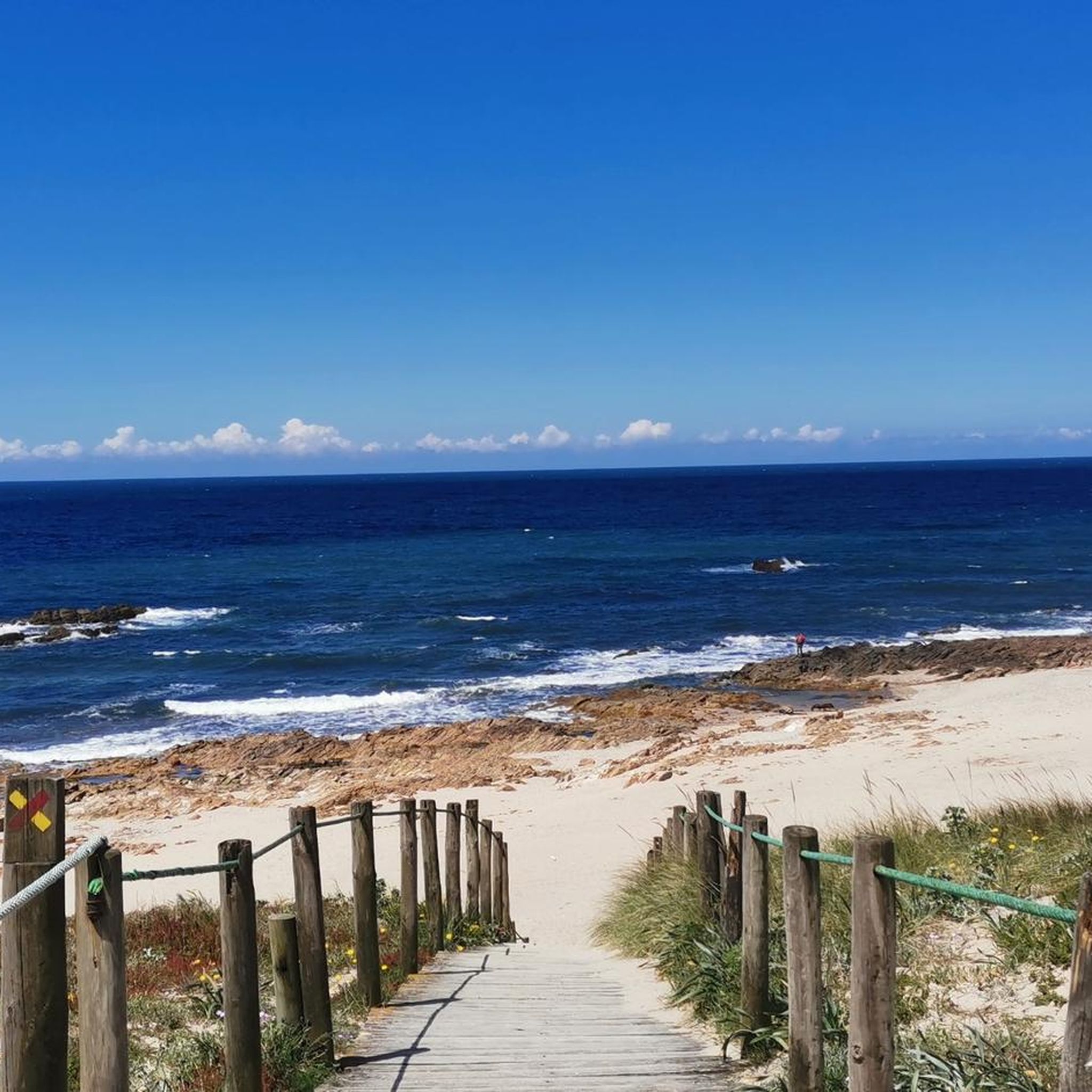
Windmills: The most iconic feature of the beach is the approximately ten traditional windmills scattered along the coastline, once used to grind corn and now converted into private holiday homes. Natural Beauty: Integrated into the North Coast Natural Park, the beach has an extensive sandy area, well-preserved dunes and native vegetation, accessible by wooden walkways that protect the ecosystem.
1
0
Apúlia Beach is one of the most picturesque and distinctive beaches in northern Portugal, located in the municipality of Esposende, district of Braga. It is a destination that combines natural beauty with a rustic touch, and is famous for its old windmills and preserved dunes.
1
0

The name Ophir appears several times in the Old Testament, including to designate a land distant from Israel where gold was collected. The gold of Ophir is often referred to as a separate gold, which may be due to the joint expedition of King Solomon and King Hiram (Tyre, Phoenicia) that set sail from the Red Sea and brought back 14 or 15 tons of gold from Ophir (1 Kings 9:26-28; 2 Chronicles 8:17-18). Thus, the Portuguese beach may be related to a new Ophir discovered by the Phoenicians. A famous local legend, the "legend of the horses of Phanus," even claims that "the biblical Ophir" was located in the place of modern Ophir. Source: Wikipedia
0
0

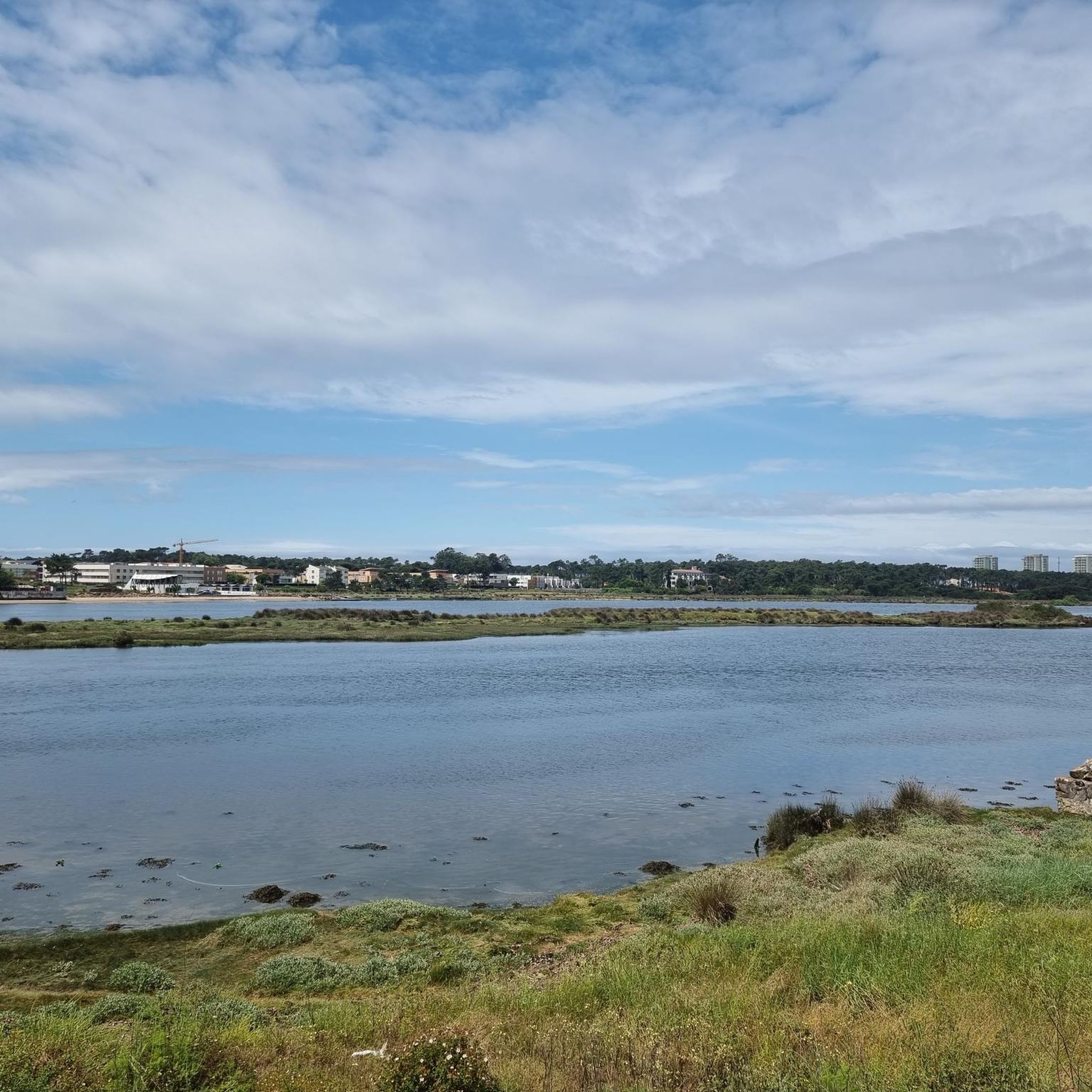
Old windmills on a dike. A beach on the ocean side. Nice area, even though today wasn't beach weather.
0
1
Frequently Asked Questions
How many hiking trails are available in the Rio Tinto area?
There are over 50 hiking routes available around Rio Tinto, catering to various skill levels. You'll find a diverse selection of paths to explore the region's unique landscapes.
What makes the landscape around Rio Tinto unique for hiking?
The Rio Tinto region offers a truly unique hiking experience due to its 'Martian' landscapes. The river itself is intensely reddish-orange from high concentrations of iron, creating a surreal environment. You'll hike through deeply carved valleys, past exposed geological layers, and witness the dramatic impact of millennia of mining history.
Are there hiking trails suitable for beginners or those looking for an easy walk in Rio Tinto?
Yes, nearly half of the trails in Rio Tinto are rated as easy. For example, the Pequeno Porto – Mouth of the Cávado River loop from Esposende is an easy 3.8-mile (6.2 km) trail that offers pleasant views along the Cávado River.
Are there any circular hiking routes in Rio Tinto?
Yes, many of the routes in the Rio Tinto area are circular. For instance, the Fão Bridge – Apúlia Windmills loop from Apúlia is a moderate 7.3-mile (11.8 km) circular path exploring coastal areas, and the Apúlia Windmills – Beach walk from Ofir to Apulia loop from Esposende is another popular circular option.
What can I see along the hiking trails in Rio Tinto?
Hikers in Rio Tinto can discover a wealth of natural and historical sights. You might encounter the historic Fão Bridge, the impressive São João Baptista Fort and Lighthouse, or the picturesque Ofir Beach. The region is rich with remnants of its mining past and unique natural features.
What do other hikers enjoy the most about hiking in Rio Tinto?
The area is highly rated by the komoot community, with an average score of 4.2 stars from over 120 reviews. Hikers frequently praise the unique 'Martian' landscapes, the distinctively colored Red River, and the historical mining features that make the trails so distinctive and immersive.
Are the hiking trails around Rio Tinto suitable for families with children?
Many trails in Rio Tinto are accessible and suitable for various skill levels, including families. The unique landscape and historical attractions like the Tourist Mining Train or the Ernest Lluch Mining Museum can make for an engaging family outing, especially on the easier routes.
What is the best time of year to go hiking in Rio Tinto?
The Rio Tinto region can be explored year-round, but spring and autumn generally offer the most comfortable temperatures for hiking. These seasons provide pleasant weather to fully appreciate the vivid colors of the landscape without the intense heat of summer.
Are there any significant historical sites or viewpoints to visit while hiking?
Absolutely. The region is steeped in mining history. You can visit the impressive Corta Atalaya, one of Europe's largest open-pit mines, or Peña de Hierro, which features a restored old tunnel and an opencast mine viewing point with a 'rainbow' effect on the land. The Ernest Lluch Mining Museum also provides historical context.
Can I bring my dog on the hiking trails in Rio Tinto?
While many outdoor areas in Spain are dog-friendly, it's always recommended to check specific trail regulations or local signage regarding dogs, especially in protected areas or near historical sites. Generally, dogs on a leash are welcome on most natural trails.
Are there any coastal hiking options near Rio Tinto?
Yes, some routes in the broader Rio Tinto area offer coastal experiences. For example, the Fão Bridge – Apúlia Windmills loop from Apúlia and the Apúlia Windmills – Beach walk from Ofir to Apulia loop from Esposende both explore coastal areas and beaches, providing a different perspective from the inland mining landscapes.
Most popular attractions around Rio Tinto

Get inspired with the komoot mobile app


Explore more
Browse the best Hikes in other regions.
