The best road cycling routes around Ciladas
4.4
(12)
210
riders
19
rides
Road cycling routes around Ciladas are characterized by significant elevation changes and diverse terrains, ranging from paved roads to more challenging dirt tracks. The region features mountainous areas with considerable altimetry, providing demanding climbs for cyclists. Routes often traverse through lush natural areas, including forests and rural settings, offering varied landscapes for exploration.
Best road cycling routes around Ciladas
- The most popular road cycling route is Spain Border Crossing – Amoreira Aqueduct loop from Bairro da Abóboda, a 32.0…
Last updated: July 10, 2026
28
riders
55.6km
02:33
470m
470m
Moderate road ride. Good fitness required. Mostly well-paved surfaces and easy to ride.
4.0
(3)
18
riders
39.6km
01:39
290m
290m
Easy road ride. Great for any fitness level. Mostly well-paved surfaces and easy to ride.

Sign up for free
17
riders
62.4km
02:58
750m
750m
Moderate road ride. Good fitness required. Mostly well-paved surfaces and easy to ride.
6
riders
64.4km
02:59
770m
770m
Moderate road ride. Good fitness required. Mostly well-paved surfaces and easy to ride.
8
riders
22.7km
01:01
160m
160m
Easy road ride. Great for any fitness level. Mostly well-paved surfaces and easy to ride.
Get access to more routes and recommendations from other explorers.
Sign up for free
Already have an account?
Our route recommendations are based on thousands of hikes, rides, and runs completed by other people on komoot.
Start today with a free account
Your next adventure awaits.
Login or Signup
Popular around Ciladas

Tips from the Community


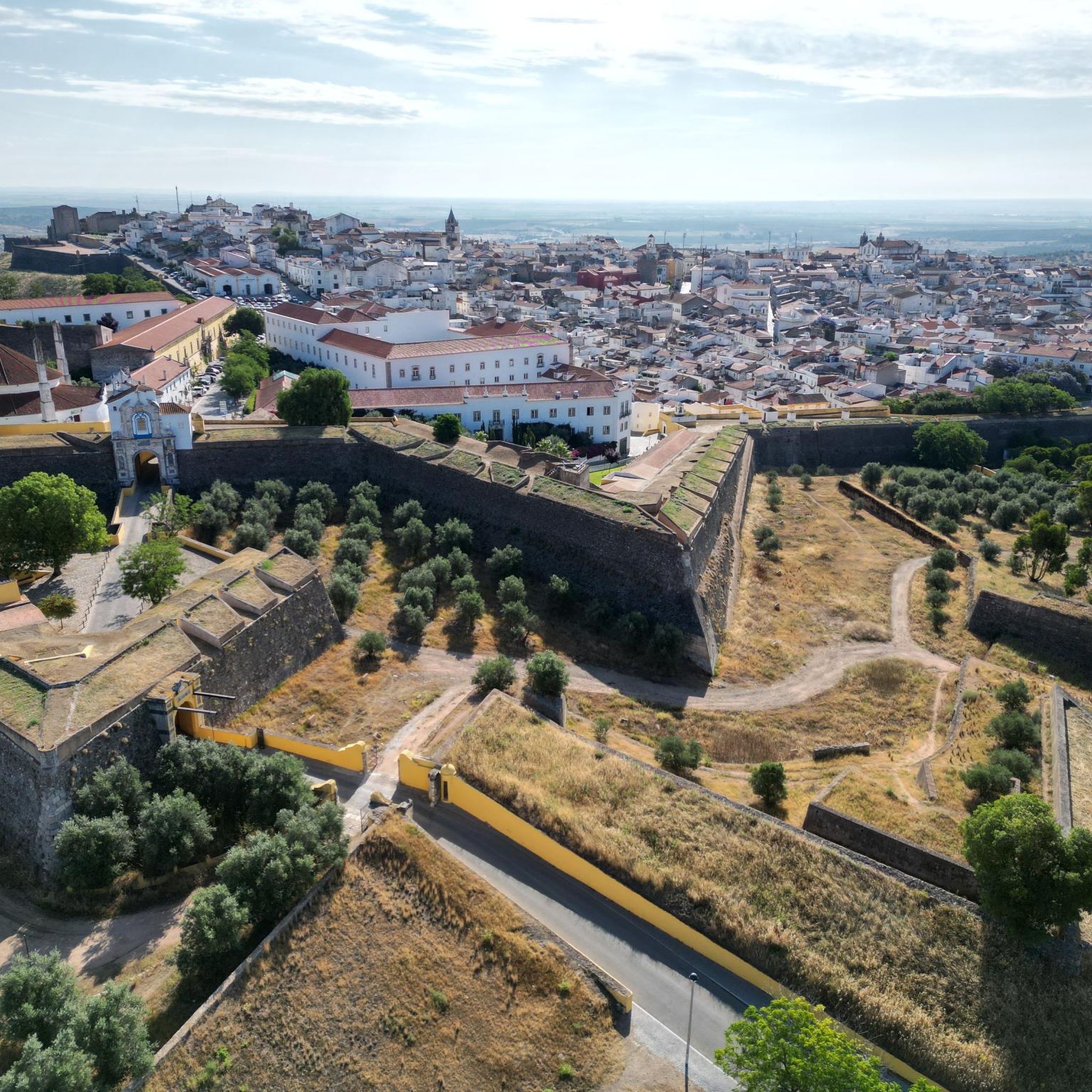
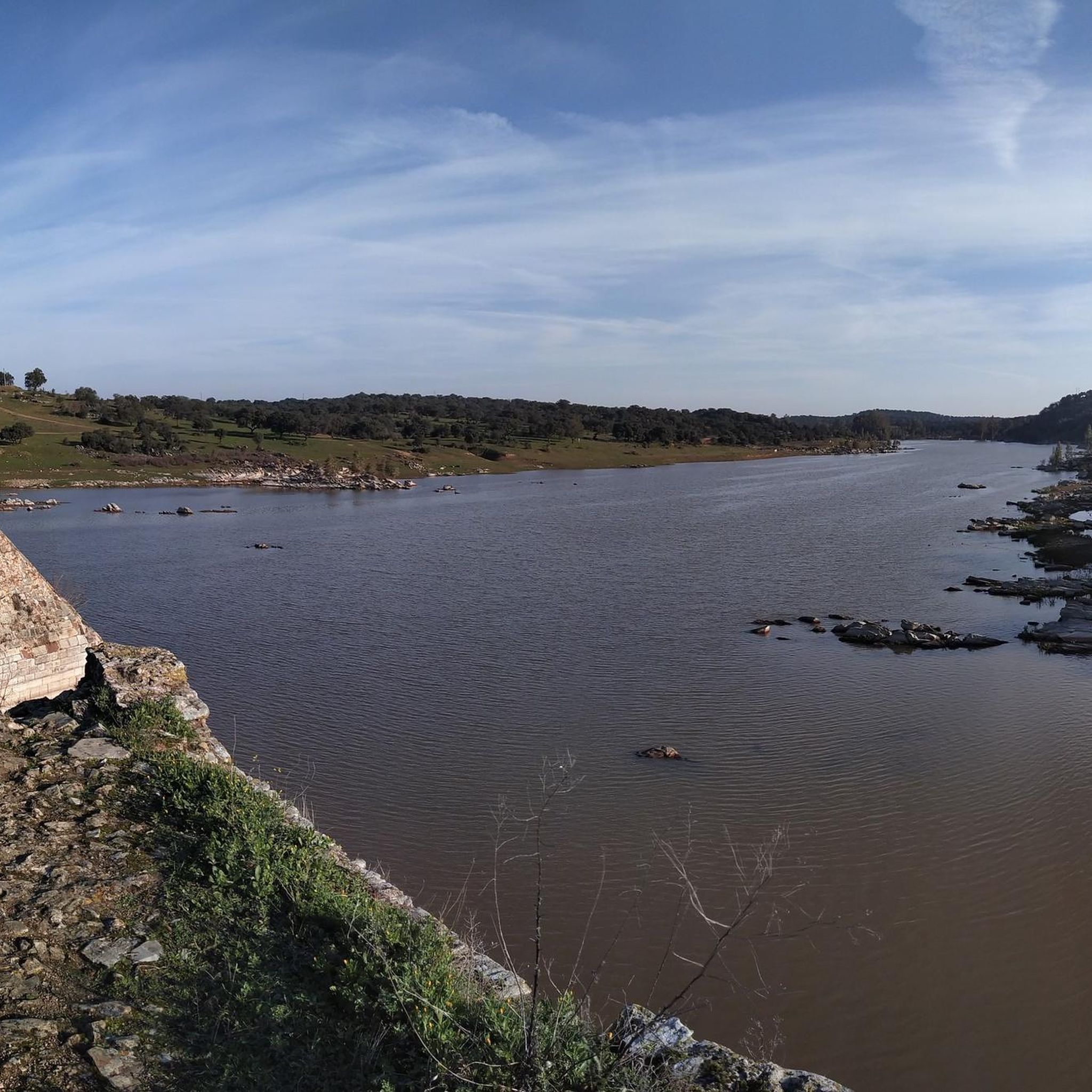
Juromenha, defended to the north by the Mures stream and to the east by the Guadiana River, is situated in a fertile area rich in minerals and is a suitable location for crossing the Guadiana. Occupation in the region has been constant since prehistory and was not interrupted by the process of Arabization and Islamization. From this period, the castle is preserved, partially covered by fortified military constructions. Source: [https://islamicart.museumwnf.org/database_item.php?id=monument;ISL;pt;Mon01;23;pt&cp]
1
0

Right next to the town hall, but outside the city walls, is Borba's mother church, dedicated to Nossa Senhora das Neves. According to the memorial stone inside the church, it was founded in 1420.
3
0
In the 50 rooms open to the public, paintings, furniture, tapestries, ceramics and goldsmith's work can be admired.
1
0
The Museu de Arte Sacra in Vila Viçosa, Portugal, is known for its extensive collection of religious art and artifacts. Housed in a historic building, the museum displays a variety of sacred objects, including paintings, sculptures, and liturgical items that reflect the region's rich religious heritage.
3
0

It connects the town of Amoreira to the city of Elvas. With a length of 8.5 kilometres, 843 arches with more than five arcades and towers that rise to 31 metres in height, it is considered the largest aqueduct in the Iberian Peninsula. It has been classified as a National Monument since 1910 and is part of the site called the Border and Garrison Town of Elvas and its Fortifications, classified by UNESCO as a World Heritage Site since 2012. (Source: Wikipedia)
14
1

Estremoz is a Portuguese city located in the district of Évora, in Alto Alentejo, known as the "marble capital" of Portugal. It is divided into two parts: a medieval upper town, enclosed by walls, with old white houses and an imposing castle (the Castle of Queen Santa Isabel, which houses a Pousada), and a lower town with eighteenth-century fortifications. Estremoz is famous for its white marble quarries, which have made Portugal a major world exporter, and for its traditional terracotta crafts, especially the "puppets" (Bonecos de Estremoz), a UNESCO Intangible Heritage. The city hosts a lively weekly farmers' market.
0
0
In 1461, the region came under the rule of the Bragança family. Starting in 1501, the family built a new palace outside the old castle and city walls. Two monasteries were established nearby, and a new fortress was built on the site of the old castle on the hill. When Duke João of Bragança was proclaimed King John IV of Portugal in 1640, the Bragança family moved to Lisbon, but continued to use the enormous palace in Vila Viçosa as a summer residence.
4
0
Frequently Asked Questions
What kind of terrain can I expect on road cycling routes in Ciladas?
Ciladas is known for its diverse and challenging terrain. You'll encounter significant elevation changes, with routes transitioning from paved roads to dirt tracks and even technical trails. Mountainous areas with considerable altimetry are common, providing demanding climbs and breathtaking panoramic views.
How many road cycling routes are available around Ciladas?
There are over 20 road cycling routes around Ciladas listed on komoot, offering a variety of challenges and scenic experiences for different skill levels.
Are there any easy road cycling routes for beginners in Ciladas?
While Ciladas is known for its challenging routes, there are options for those seeking a less strenuous ride. Komoot lists 6 easy road cycling routes, which typically feature less elevation gain and smoother surfaces. These routes are a great way to experience the region's beauty without extreme difficulty.
What are some notable natural features I might encounter on a road cycling route in Ciladas?
Road cycling routes in Ciladas often traverse through lush natural areas, including extensive forests and rural settings. Some routes may feature water features like waterfalls, such as Cachoeira Siderúrgica in the Serra do Mar, offering scenic spots and refreshing breaks amidst the ride.
What do other road cyclists enjoy most about road cycling in Ciladas?
The road cycling routes in Ciladas are highly rated by the komoot community, with an average score of 4.2 stars from over 17 reviews. Cyclists often praise the challenging nature of the routes, the diverse landscapes, and the sense of accomplishment gained from tackling the significant elevation changes and varied terrains.
Are there any historical landmarks or points of interest along the road cycling routes in Ciladas?
Yes, several routes pass by historical landmarks. For instance, the Estremoz Castle – Statue of Queen Saint Isabel loop from Vila Viçosa offers views of historical sites. You can also find attractions like the Amoreira Aqueduct or the Castle of Elvas on other routes, providing interesting stops during your ride.
Can I find loop routes for road cycling in Ciladas?
Yes, many of the road cycling routes in Ciladas are designed as loops, allowing you to start and finish at the same point. Examples include the Spain Border Crossing – Amoreira Aqueduct loop from Bairro da Abóboda and the Pelourinho Bistrô – Outeiro da Cardiga loop from Vila Viçosa, which are popular choices among local cyclists.
What is the typical duration for a road cycling route in Ciladas?
The duration of road cycling routes in Ciladas varies significantly based on distance and elevation. For example, the Alandroal town centre – Castle of Alandroal loop from Vila Viçosa typically takes around 2 hours, while longer routes like the Castelo de Juromenha – Juromenha Fortress loop from Vila Viçosa can take over 3 hours due to its greater distance and elevation gain.
Are there any routes that offer views of castles or fortresses?
Absolutely. The region around Ciladas is rich in historical fortifications. The Castelo de Juromenha – Juromenha Fortress loop from Vila Viçosa is a prime example, offering views of impressive historical structures. Other routes might pass by highlights such as the Vila Viçosa Castle or the Fort of Graça.
What is the best time of year for road cycling in Ciladas?
While specific seasonal data isn't provided, the challenging nature of Ciladas routes, with significant elevation and diverse terrains, suggests that spring and autumn would likely offer the most comfortable temperatures for tackling these demanding rides. Summers might be very hot, and winters could bring unpredictable conditions on dirt and technical sections.
Are there any advanced road cycling routes for experienced cyclists in Ciladas?
Ciladas is renowned for its demanding routes that test physical and mental limits, making it ideal for advanced cyclists. While komoot categorizes many routes as 'moderate' due to their technical aspects and elevation, the region's characteristic 'ciladas' (traps) imply unexpected obstacles and extreme difficulty, with routes spanning over 200 km and thousands of meters of accumulated elevation in the broader context of this type of cycling.
Most popular routes around Ciladas
Most popular attractions around Ciladas

Get inspired with the komoot mobile app


Explore more
Browse the best Road cycling routes in other regions.
