Attractions and Places To See around Manteigas (São Pedro) - Top 20
Best attractions and places to see around Manteigas (São Pedro) are found within Portugal's Serra da Estrela Natural Park, a region characterized by its significant glacial landscapes. The area is notable for the U-shaped Zêzere Glacial Valley, a prime example of glacial erosion. Visitors can explore diverse natural features, alongside sites reflecting the region's cultural heritage, such as traditional wool production. This setting offers a range of outdoor activities and points of interest.
Best attractions and places to see around…
Last updated: October 18, 2026
Covão dos Conchos Trail
Highlight (Segment) • Natural Monument
Translated by Google •
Tip by

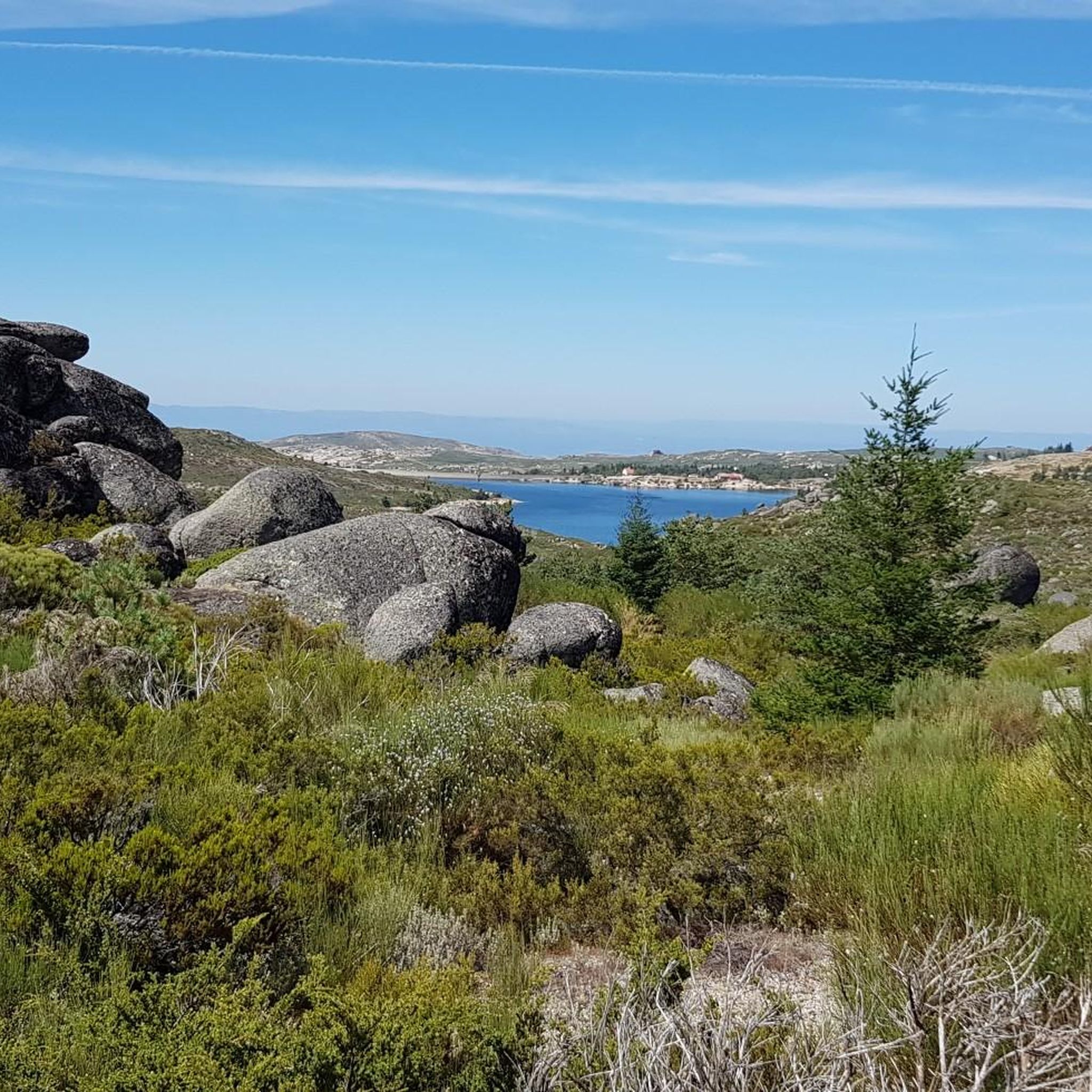
Long Lake
Highlight • Lake
Translated by Google •
Tip by

Sign up now to discover places like this
Get recommendations on the best single tracks, peaks, & plenty of other exciting outdoor places.
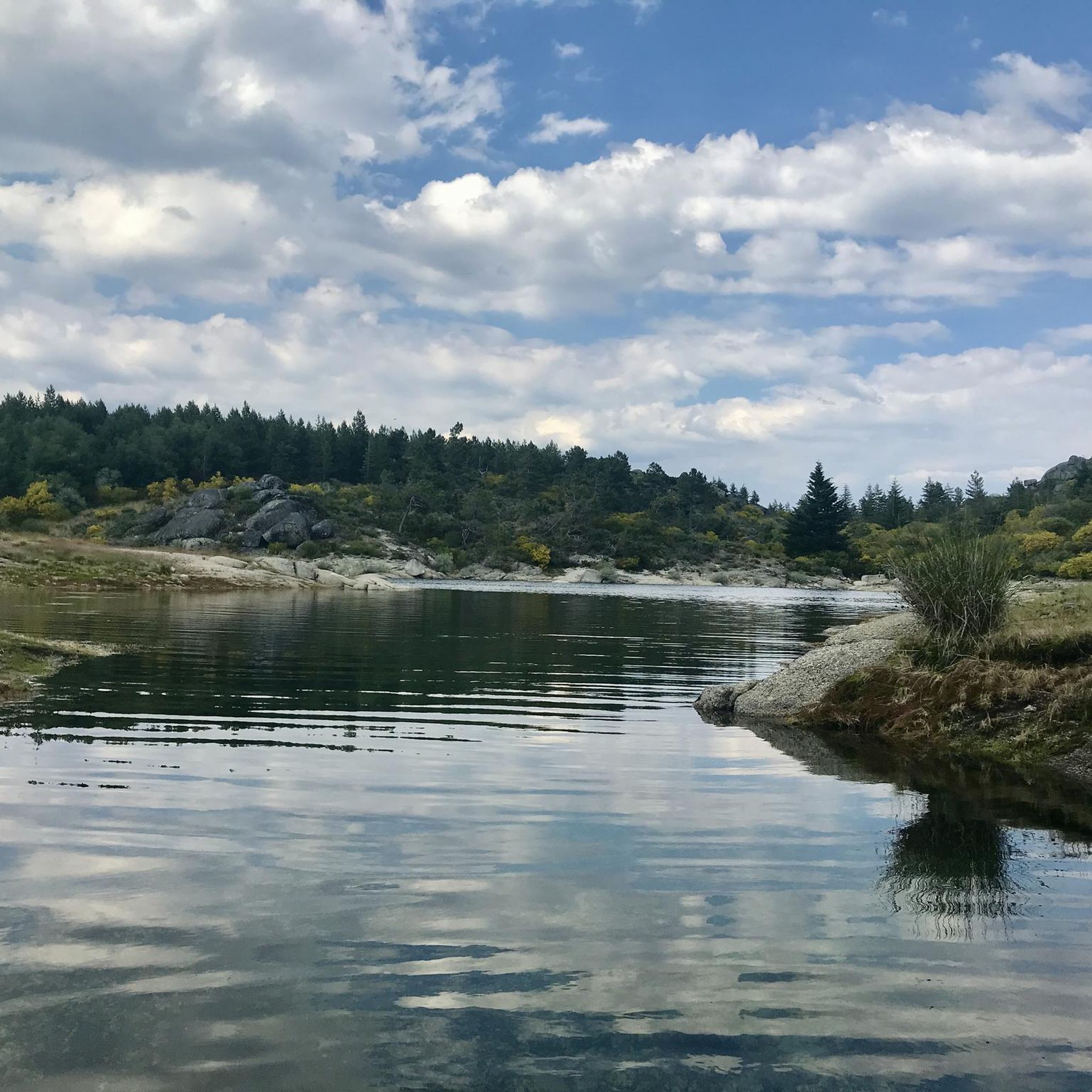
Lapa dos Dinheiros River Beach
Highlight • Beach
Translated by Google •
Tip by

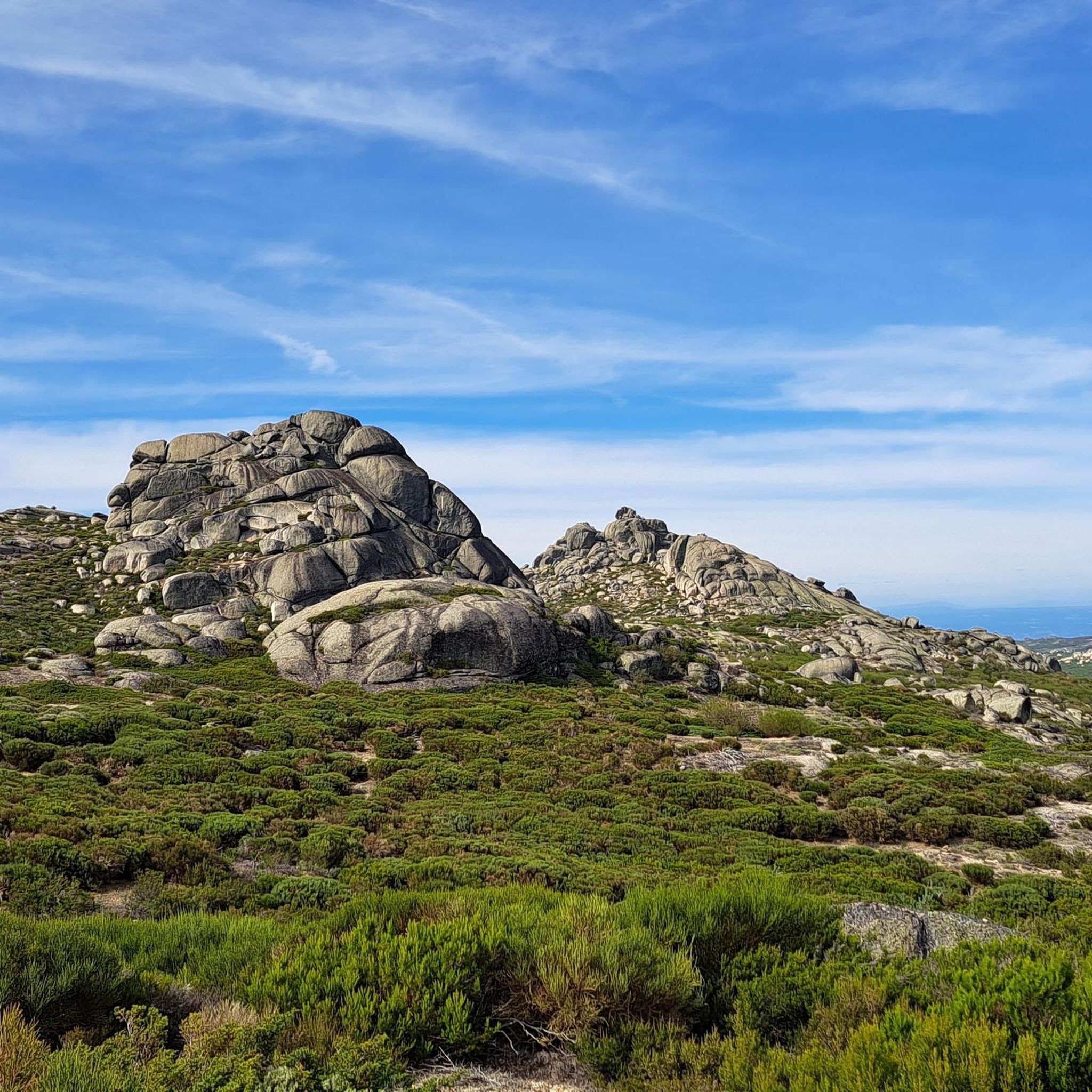
Torre (Serra da Estrela Summit)
Highlight • Summit
Tip by

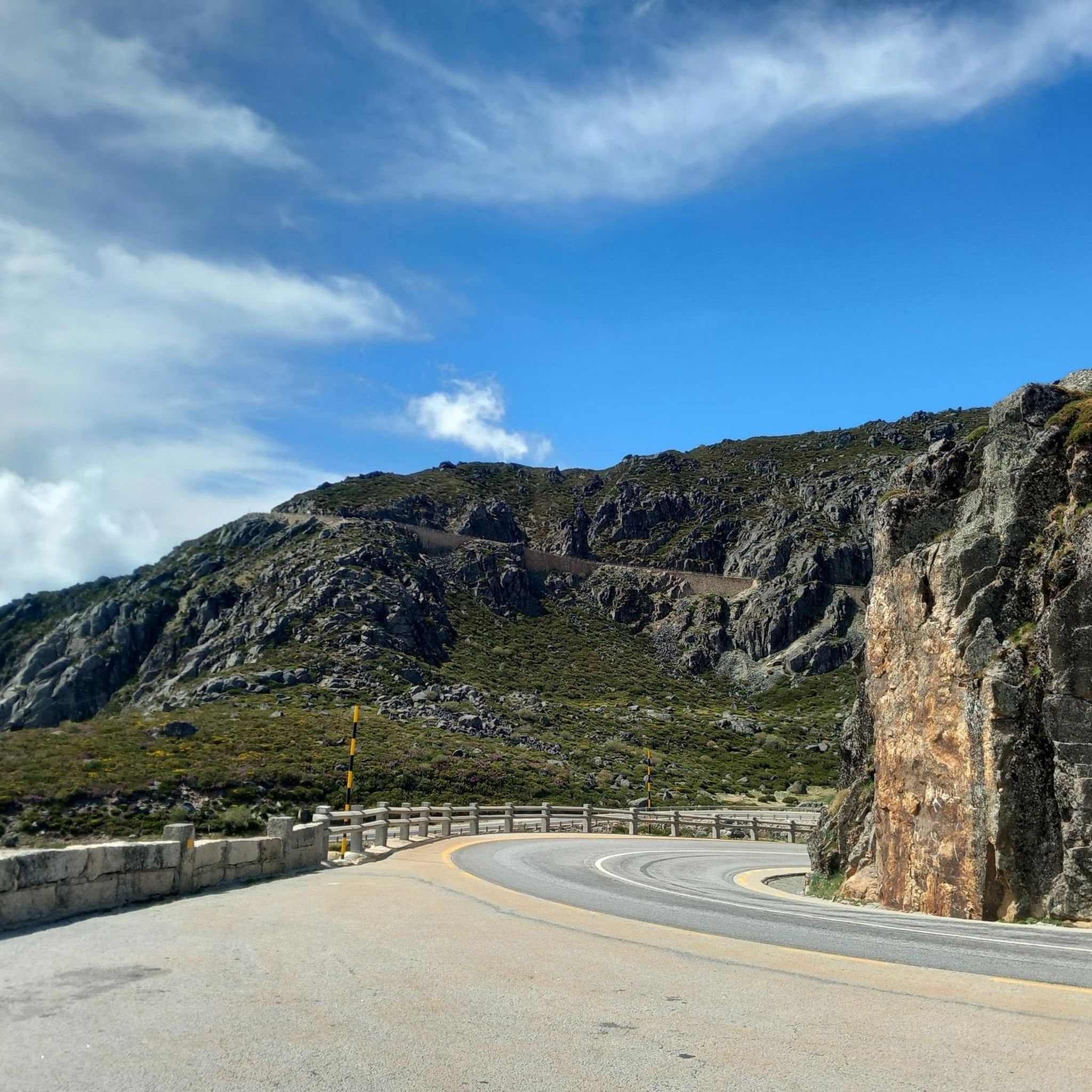
Aqueduct of the Caniça Route
Highlight (Segment) • Monument
Translated by Google •
Tip by

Sign up for free to discover even more attractions around Manteigas (São Pedro).
Already have an account?
Start today with a free account
Your next adventure awaits.

Tips from the Community

Did this route in June 2026. It is a very beautiful one, but cannot be fully walked as the path along the levada is closed further on and you therefore have to turn back. Despite this information, it was still a beautiful, challenging hike that I found worthwhile.
0
0
The route is still closed. We walked it anyway and it's really not easy. You practically have to climb up a mountainside. 😅 And we were glad it hadn't rained too much beforehand, otherwise the river crossings would not have been passable. Otherwise, in terms of landscape, it's one of the most beautiful hikes of my life. 😍 Sure-footedness, a bit of a sense of adventure, and good hiking boots are recommended.
0
0

Covão dos Conchos is an artificial lagoon located in the Serra da Estrela Natural Park, Portugal, near the mountain village of Sabugueiro. Covão dos Conchos became famous for its bell-mouth spillway[1]. The spillway was built in 1955 to allow water to be transferred from the Ribeira das Naves River to Lagoa Comprida. It is part of the Serra da Estrela Hydroelectric System. This science fiction-style spillway became famous when photographs of the hole went viral on social media in 2016. Over the past 60 years, the growth of vegetation at the funnel's mouth has created extraordinary biodiversity and increased its ethereal allure. It is 4.6 meters high and 48 meters in circumference. The tunnel that collects the water is 1,519 meters long.
1
0
The Lapa dos Dinheiros river beach is in perfect harmony with nature. Located in the parish of Lapa dos Dinheiros, on the Caniça River, a right-bank tributary of the Alva River, this bathing area is nestled in a mountainous landscape dominated by the Lapa Souto (south of Lapa) and imposing granite outcrops. With clear water, very appealing for swimming, the beach boasts the award for accessible beach and has lifeguards and a bar available to visitors. The rugged terrain of the valley causes the river to form a succession of small waterfalls nearby. The Lapa Souto, in addition to its valuable collection of centuries-old chestnut trees, is also home to a high level of biodiversity. From the bridge, a pedestrian path leads to the Moura Hole and a viewpoint over the Caniça Waterfalls. The Buraco da Moura is a natural cave system created by the sliding and accumulation of large granite blocks, which formed a complex system of rooms and galleries. How to get there? Once in Seia, follow the EN231 to S. Romão. From there, continue uphill for about 5 km, toward Loriga/Lapa, until you find the sign for Lapa dos Dinheiros on the left. Once inside the town, simply follow the beach signs. Coordinates: 40º 23′ 07.0″ N / 7º 41′ 50.1″ W
1
0

A beautiful nature trail, about 9 km round trip to Covão dos Conchos. Unfortunately, on August 15th, the water couldn't reach the hole and thus reveal the waterfalls. It's a reservoir, part of the Serra da Estrela hydroelectric system. A funnel-shaped drainage structure that allows water to flow from this body of water to Lagoa Comprida. The spillway was built in 1955 to divert water from Ribeira das Naves to Lagoa Comprida. Over the past 60 years, moss and foliage have grown over the mouth of the funnel, creating a captivating spectacle. It is 4.6 meters high and 4.8 meters in circumference. The tunnel that collects the water is 1,519 meters long. It's a stunning place to visit, not only for the combination of human intervention and nature, but also for the surrounding landscape.
2
1
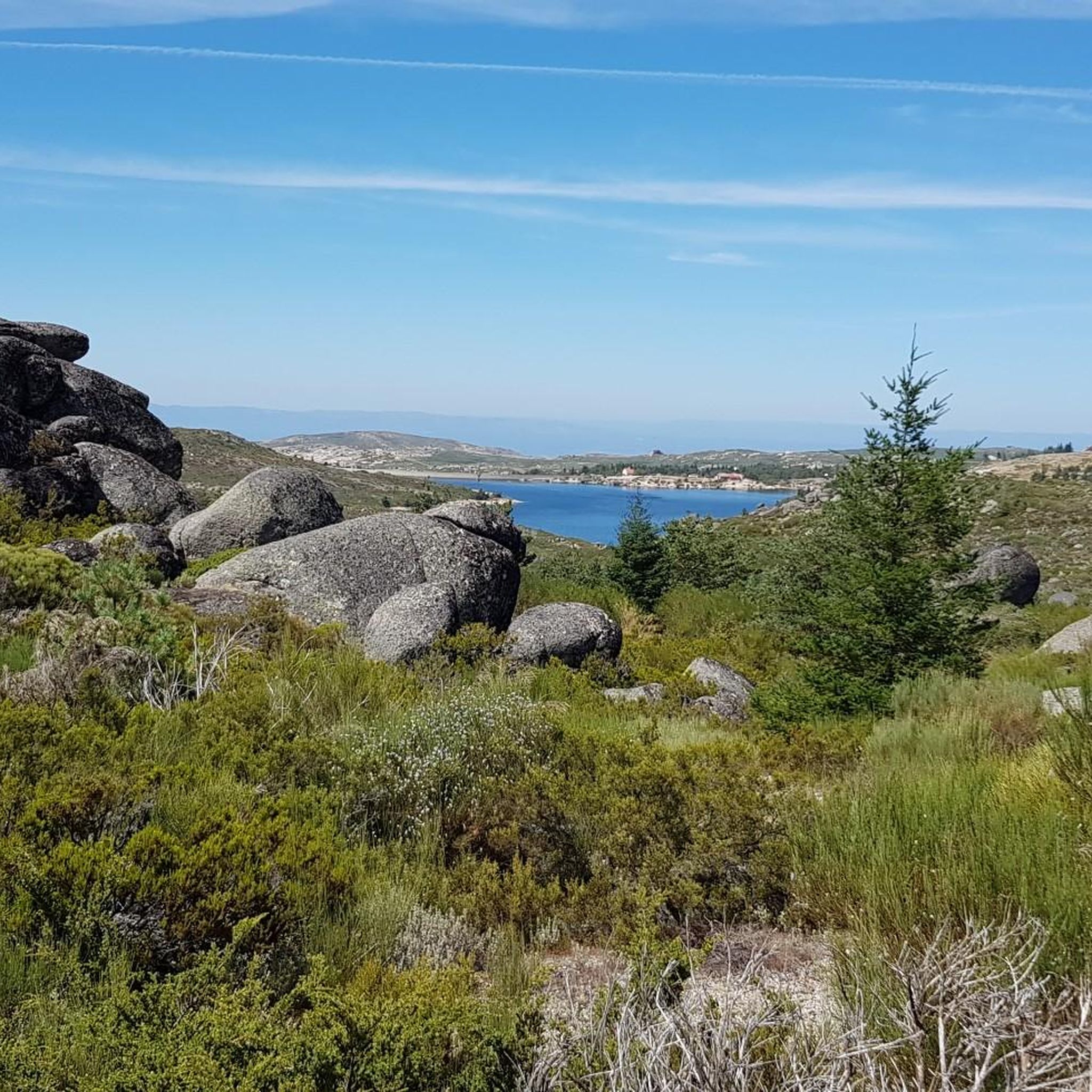
Located at an altitude of approximately 1,600 meters, Lagoa Comprida is the largest water reservoir in the Serra da Estrela, intended for hydroelectric generation. This natural lake lies in a wide depression of glacial origin, approximately one kilometer long, which fed the Covão Grande glacier. Numerous glacial scars are visible along its banks, making this lake one of the most interesting geomorphological sites in the Serra da Estrela. Construction on this lake began in 1911, and by 1914, it was already six meters high. Later, in 1965, it underwent heightening work that increased its height to 28 meters, currently boasting a storage capacity of approximately 14 cubic hectometers, flooding an area of approximately 80 hectares. Small streams of water flow into this lagoon, as well as water retained in the Covões dos Conchos and Covões do Meio and carried to this lagoon through underground tunnels.
7
1

The Serra da Estrela Natural Park is something truly special. This 1,000-square-kilometer park, spread across six municipalities, was the first and currently the largest protected natural park in Portugal. It is home to the highest point on the Portuguese mainland, the country's only ski slope, the source of two important rivers, and a fascinating, alpine-like landscape formed by glaciers.
5
1

At exactly 1993 meters above sea level, Torre is the highest point in mainland Portugal, where the only ski resort is located. The landscape on the upper plateau of the Serra da Estrela is like a sprinkling of granite rocks over low scrub and patches of snow and ice, which the sun threatens to melt soon in the summer and which always returns the following winter. In winter, it sometimes becomes inaccessible.
6
0
Frequently Asked Questions
What are the most prominent natural landscapes to explore around Manteigas (São Pedro)?
The region is characterized by the magnificent U-shaped Zêzere Glacial Valley, a significant geological feature. You can also explore the highest point in mainland Portugal, Torre (Serra da Estrela Summit), offering panoramic views. Other notable natural sites include Long Lake, the largest water reservoir in the Serra da Estrela, and the picturesque Poço do Inferno waterfall.
Where can I find unique geological formations or natural wonders in the area?
The Zêzere Glacial Valley itself is a natural wonder, carved by glaciers. You can also visit Covão dos Conchos Trail, famous for its unique bell-mouth spillway that creates an illusion of a drain in the lake. Another iconic formation is Cântaro Magro, a spectacular granite rock resulting from glacial erosion.
Are there any river beaches or swimming spots near Manteigas (São Pedro)?
Yes, Lapa dos Dinheiros River Beach is a peaceful spot on the banks of the Caniça River, surrounded by ancient chestnut trees and granite, offering clear, inviting water for swimming. Vale do Rossim also features crystal-clear waters ideal for summer swims.
What historical or cultural sites can I visit in Manteigas (São Pedro)?
You can explore the Casa do Juiz (Nave da Mestra), a unique house built into granite rocks at 1,700 meters altitude. The village also has the Igreja Matriz de Manteigas, an Ethnographical Museum, and historical water mills. For a deeper dive into the region's formation, visit the CIVGLAZ - Zêzere Glacier Valley Interpretation Centre.
Can I learn about local traditions and crafts in Manteigas (São Pedro)?
Absolutely! The Burel Factory and Ecolã showcase the historical significance of wool production in the region. You can tour these traditional factories to observe the process of carding, spinning, and weaving Burel, a durable, water-resistant fabric, and purchase local products. The Ethnographical Museum also offers insights into local culture.
What outdoor activities are available near these attractions?
The area offers a variety of outdoor activities. You can find numerous routes for gravel biking, road cycling, and hiking. For example, there are challenging road cycling loops like the 'Loop tour from Manteigas in the Serra da Estrela' and easy hikes such as the 'Covão do Curral Dam – Covão do Ferro Lake loop'. You can explore more options on the Gravel biking around Manteigas (São Pedro), Road Cycling Routes around Manteigas (São Pedro), and Easy hikes around Manteigas (São Pedro) guide pages.
Are there specific hiking trails suitable for different skill levels?
Yes, the region caters to various hiking abilities. The Covão dos Conchos Trail is generally considered easy but requires good shoes due to scree. The Rota das Faias (Beech Route) offers stunning views, especially in autumn. For easy hikes, consider routes like the 'Vale do Rossim Reservoir loop'. More challenging trails can be found around the higher altitudes of Serra da Estrela.
Are there family-friendly attractions in Manteigas (São Pedro)?
Several attractions are suitable for families. Lapa dos Dinheiros River Beach is family-friendly and even accessible. The Torre (Serra da Estrela Summit) is easily accessible by car, offering shops and views. The Covão dos Conchos Trail is also marked as family-friendly, providing an engaging natural experience.
When is the best time to visit Manteigas (São Pedro) for outdoor activities?
Spring and autumn are particularly beautiful. In spring, Poço do Inferno is especially picturesque. Autumn transforms the Rota das Faias into an orange carpet of fallen leaves. Summer is ideal for swimming at river beaches like Lapa dos Dinheiros or Vale do Rossim. Winter offers opportunities for snow activities at SkiParque and Torre, though some areas may become inaccessible due to snow.
What local products or gastronomy should I experience?
Manteigas is renowned for its traditional gastronomy. You must taste the iconic Estrela cheese, produced using a 2000-year-old recipe, often found at Queijaria Manteigas. Other local delicacies include caldudo (dried chestnut broth), Zêzere trout, and Feijoca (a hearty red bean stew).
Are there any attractions that are wheelchair accessible?
Yes, Lapa dos Dinheiros River Beach has been awarded the title of accessible, making it suitable for wheelchair users to enjoy the natural beauty and facilities.
What makes Covão d'Ametade a special place to visit?
Covão d'Ametade is a serene, bowl-shaped depression where the Zêzere River flows amidst birch trees. It offers a tranquil natural setting, perfect for those seeking peace and quiet away from more crowded spots, and is particularly beautiful for its reflective waters and surrounding greenery.
Most popular routes around Manteigas (São Pedro)
Most popular attractions around Manteigas (São Pedro)

Get inspired with the komoot mobile app


Explore more
Still not found the Highlight you’re looking for? See guides of the top attractions in other regions:
