Attractions and Places To See around Carvalhal Benfeito - Top 20
Attractions and places to see around Carvalhal Benfeito include a selection of cultural sites and natural features. This civil parish, located within the municipality of Caldas da Rainha, Portugal, offers diverse exploration opportunities. Visitors can discover historical religious buildings, unique natural monuments, and significant man-made landmarks. The area provides a blend of historical context and natural beauty.
Best attractions and places to see around Carvalhal Benfeito
- The most popular attractions is Chapel of Santa Ana (Capela de Sant'Ana), a religious building that was built in the 12th century. It is considered the oldest religious building in the municipality of Caldas da Rainha and offers views over the sea and the bay.
- Another must-see spot is Salir do Porto Dune, a natural monument known for its dune, approximately 50 meters high, which is the highest in Portugal. Visitors can enjoy views from the top and engage in activities like sliding down.
- Visitors also love Rio Maior Salt Pans, a man-made monument that represents the only inland salt pans in Portugal. Salt is extracted from a well fed by an underground current, which is seven times saltier than sea water.
- Carvalhal Benfeito is known for its religious buildings, natural monuments, and historical sites. The region offers a variety of attractions to see and explore, from ancient chapels to unique geological formations.
- The attractions around Carvalhal Benfeito are appreciated by the komoot community, with more than 40 photos and 46 upvotes highlighting their appeal.
Last updated: July 1, 2026
Chapel of Santa Ana (Capela de Sant'Ana)
Highlight • Religious Site
Located on the promontory of the bar of São Martinho do Porto, a remote and difficult to access place, but with a unique location and views over the sea and the bay, the chapel was built in the 12th century and is considered the oldest religious building in the municipality of Caldas da Rainha.
It is also considered a place of great sentimental and heritage value for the people of Salir. The project provides for the restoration of the chapel, which is in a considerable state of disrepair, but also for the revitalization of the environment and the possibility of reusing the space for religious events, namely pilgrimages, reviving ancient traditions.
Translated by Google •
Tip by

Salir do Porto Dune
Highlight • Natural Monument
This beach is known for its huge dune about 50 meters high, the highest in Portugal.
Translated by Google •
Tip by

Sign up now to discover places like this
Get recommendations on the best single tracks, peaks, & plenty of other exciting outdoor places.
Sign up for free
Rio Maior Salt Pans
Highlight • Monument
Translated by Google •
Tip by

Fonte Pena da Colvina
Highlight • Natural Monument
Today it serves as a stopping point to cool off during the walk and, if you wish, you can take advantage of the place to eat whatever you have prepared at home. There is a picnic area next to the fountain.
The place name Pena da Gouvinha suggests that barbarians passed through here. Gouvinha is a personal name of Germanic origin, still documented in the 12th century as Gaudina.
Translated by Google •
Tip by
Dinosaur Footprints
Highlight • Natural Monument
Translated by Google •
Tip by

Sign up for free to discover even more attractions around Carvalhal Benfeito.
Sign up for free
Already have an account?
Start today with a free account
Your next adventure awaits.
Login or Signup

Tips from the Community

Salt is extracted from compartments – pits – made of cement or stone, of varying sizes and shallow depths, to which salt water is taken from a well through irrigation channels. Currently, the water is raised by means of a motor and distributed according to a system that is jointly accepted and respected (not always) by all the owners. The sewers, threshing floors and wooden houses for storing salt complete the set of what is called the Salt Mines of Rio Maior. According to technicians, a large and deep rock salt mine, crossed by an underground current that feeds a well, makes the water extracted from it salty, seven times saltier than that of the sea. The salt is obtained from its exposure to the sun and wind and the consequent evaporation of the water, deposited at the bottom of the pits, which is then placed in pyramid-shaped piles to dry until it is collected. The process is rudimentary and similar to that used in the salt mines on the seashore. The only difference is the picturesque valley that surrounds them, the well, the unique style of the sailors (as the men who work in the salt mines are known), the wooden houses and the country air that can be breathed.
3
0

At this exact spot there is only a turning circle for cars - and Google Maps also shows the spot a few 100m further to the southwest: so there is nothing right here!
0
0
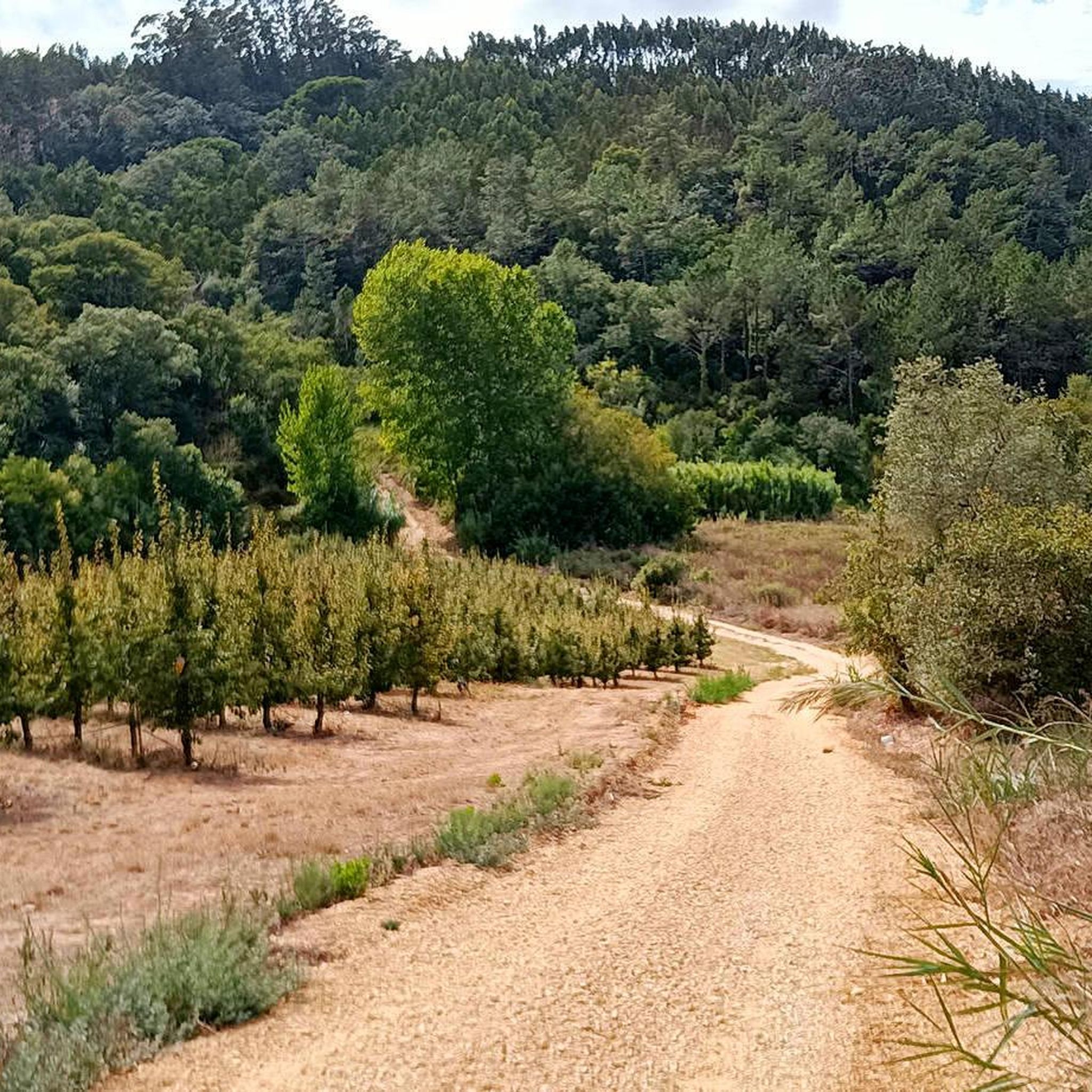
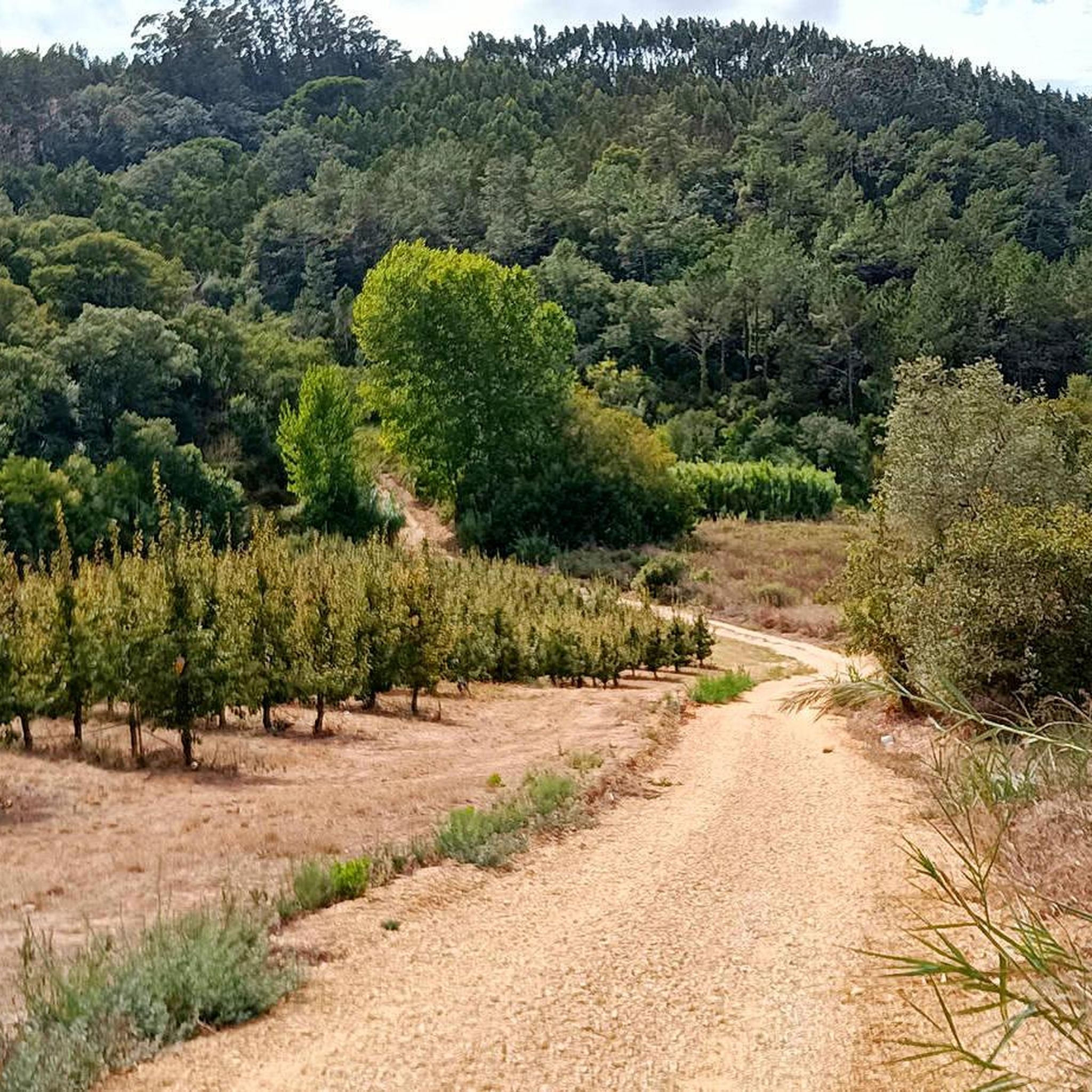
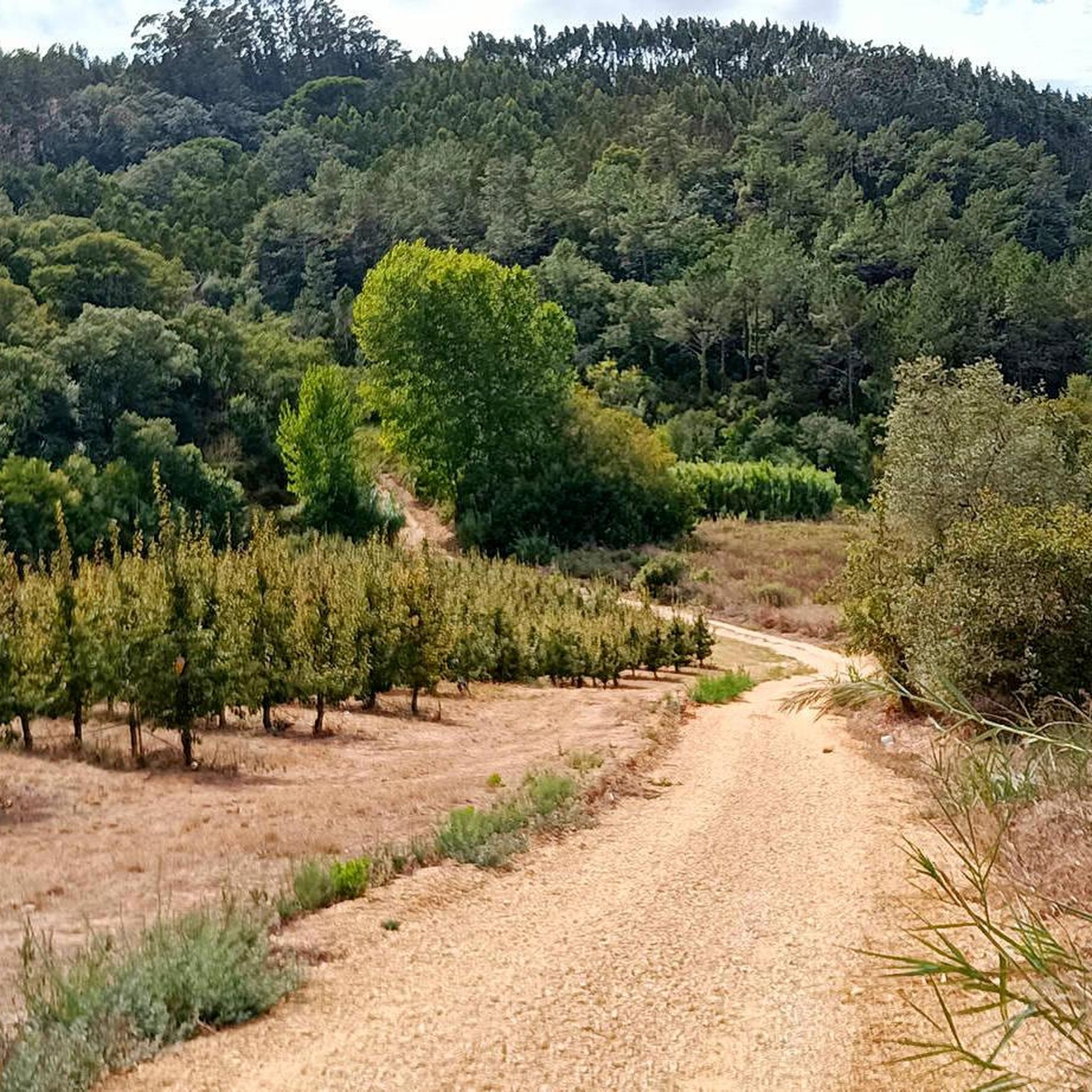
The Pena da Gouvinha fountain used to serve the locals. There was a queue to fill the bottles, so much so that it was decided that each resident could only take eight bottles of water and would have to “give others a chance”. Today it serves as a stopping point to cool off during the walk and, if you wish, you can take advantage of the place to eat whatever you have prepared at home. There is a picnic area next to the fountain. The place name Pena da Gouvinha suggests that barbarians passed through here. Gouvinha is a personal name of Germanic origin, still documented in the 12th century as Gaudina.
3
0

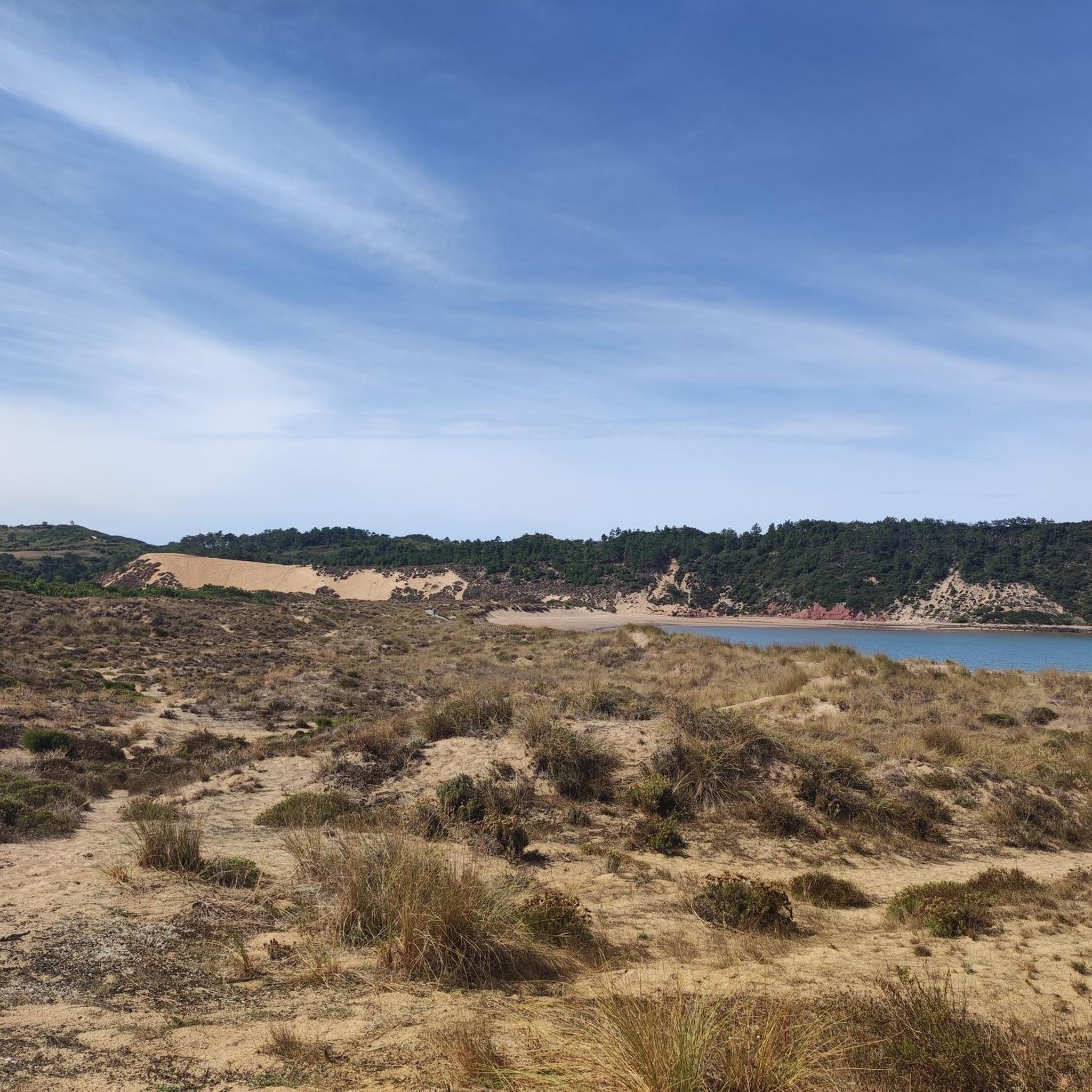
Salir do Porto has a river beach, on the bank of the Tornada River, which flows into the bay of São Martinho do Porto. Salir beach is famous for its sand dune about 50 meters high. Once the largest in Europe, the Salir Dune stands out in the dune landscape of São Martinho Bay. The core of the Dune is partly made up of red sandstone, a vestige of an older dune – a fossil dune. There are other rock beaches in the coastal area that are locally called Quebradas. It was in the Ruins of the artisanal Customs House of Salir that the caravels that participated in the discoveries and conquests were built during the reigns of D. Afonso V and D. João II. The extinct parish was made up of the towns of Salir do Porto, Casais de Salir do Porto and Bouro.
0
0
I recommend the route here... It has a superb landscape
0
0
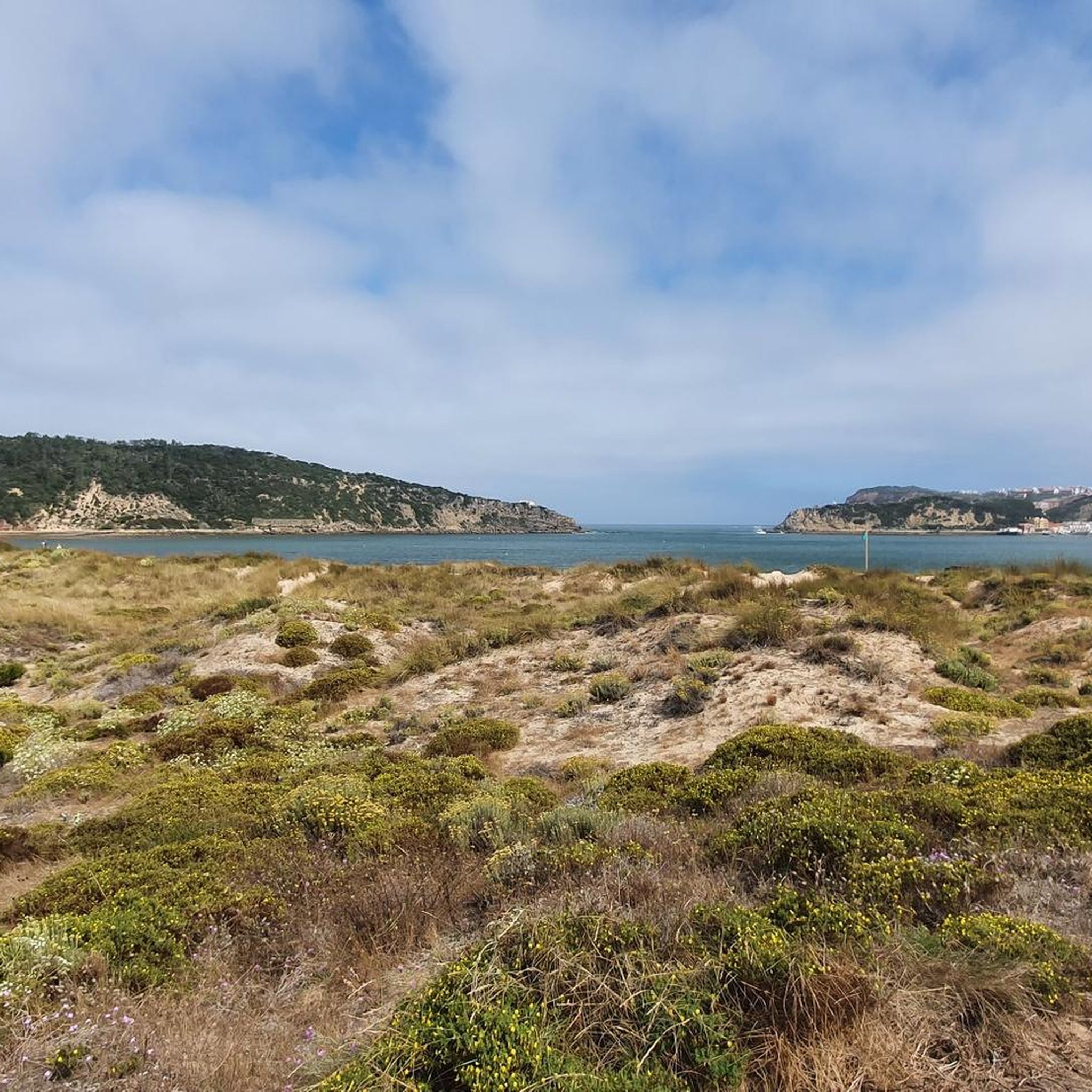
Located on the promontory of Barra de São Martinho do Porto, a remote and difficult to access place, but with a unique location and view over the sea and the bay, the chapel was built during the 12th century and is considered the oldest religious building from the municipality of Caldas da Rainha. It is also seen as a place of great sentimental and heritage value for the population of Salir.
1
0

Climbing up the sand dune and sliding down from the top is the highlight for everyone
3
0
Be sure to go up there from the top, great view and slide down on your bum. Large dune that clings to the rocks there, perfect for hiking. At the foot of the dune, the Tornada river flows into the sea.
3
0
Frequently Asked Questions
What historical and religious sites can I visit around Carvalhal Benfeito?
The region is rich in historical and religious sites. You can explore the ancient Chapel of Santa Ana (Capela de Sant'Ana), built in the 12th century and considered the oldest religious building in the municipality of Caldas da Rainha. Other notable sites include the pre-Middle Ages Capela das Antas, the Igreja Paroquial de Carvalhal Benfeito, and the traditional religious niches like Nicho do Casal Novo and Nicho da Osseira.
Are there any unique natural features to explore near Carvalhal Benfeito?
Yes, the area boasts unique natural features. The most prominent is the Salir do Porto Dune, which at approximately 50 meters, is the highest dune in Portugal. Visitors often enjoy the views from the top and even slide down. You can also find the idyllic Mata das Mestras woodland, perfect for leisurely strolls.
What are the best options for family-friendly activities around Carvalhal Benfeito?
Families will enjoy several attractions. The Salir do Porto Dune is a hit with children who love to climb and slide. Another great option is the Rio Maior Salt Pans, a fascinating man-made monument where you can learn about salt extraction. The Fonte Pena da Colvina also offers a picnic area, making it suitable for a family outing.
Where can I find hiking trails near Carvalhal Benfeito?
There are several hiking opportunities around Carvalhal Benfeito. You can find easy trails like the "Shallow Stream loop from São Martinho do Porto" or the "Fonte Pena da Colvina – Abandoned Guard House loop from Associação do Gaio." For more options and detailed routes, explore the easy hikes around Carvalhal Benfeito guide.
Are there cycling routes available in the Carvalhal Benfeito area?
Yes, the region offers various cycling routes for different skill levels. You can find moderate routes like the "Óbidos Lagoon – Lagoa de Óbidos Gravel Trail loop from Caldas da Rainha" or more challenging ones such as the "Atlantic Coast Cycle Path loop from Caldas da Rainha." Discover more routes in the cycling around Carvalhal Benfeito guide.
What kind of terrain can I expect on hiking trails near Carvalhal Benfeito?
The terrain around Carvalhal Benfeito varies. You can expect coastal paths near the Salir do Porto Dune, woodland trails in areas like Mata das Mestras, and paths leading to historical sites. Some trails might involve slight elevations, offering views over the sea and bay, particularly near the Chapel of Santa Ana.
What is the best time to visit Carvalhal Benfeito for outdoor activities?
While specific seasonal tips for Carvalhal Benfeito are not detailed, generally, the milder seasons of spring (April-May) and autumn (September-October) are ideal for outdoor activities in Portugal, offering pleasant temperatures for hiking and cycling without the intense summer heat.
Are there any viewpoints offering scenic vistas in the area?
Absolutely. The Chapel of Santa Ana, situated on Monte Santana, provides unique views over the sea and the bay. The top of the Salir do Porto Dune also offers a great vantage point for panoramic views of the surrounding landscape.
What are the Rio Maior Salt Pans and why are they significant?
The Rio Maior Salt Pans are a unique man-made monument, representing the only inland salt pans in Portugal and the only ones fully operational in Europe. Salt is extracted from a well fed by an underground current, which is seven times saltier than seawater. It's a fascinating historical site, with references dating back to 1177.
Can I find places to relax and have a picnic near the attractions?
Yes, the Fonte Pena da Colvina is an excellent spot for relaxation and picnics. It features a dedicated picnic area and even a BBQ spot, making it a convenient stop during your walks.
What do visitors enjoy most about the attractions around Carvalhal Benfeito?
Visitors particularly enjoy the unique blend of historical significance and natural beauty. The stunning views from the Chapel of Santa Ana and the fun experience of climbing and sliding down the Salir do Porto Dune are frequently highlighted. The historical context of sites like the Rio Maior Salt Pans also captivates many.
Are there any challenging hikes or activities for experienced adventurers?
While many trails are easy to moderate, the region offers opportunities for more challenging activities. For instance, some cycling routes, like the "Atlantic Coast Cycle Path loop from Caldas da Rainha," are rated as difficult. The Chapel of Santa Ana is also categorized as 'challenging' due to its remote and difficult-to-access location, despite its historical significance.
Most popular routes around Carvalhal Benfeito
Most popular attractions around Carvalhal Benfeito

Get inspired with the komoot mobile app


Explore more
Still not found the Highlight you’re looking for? See guides of the top attractions in other regions:
