Attractions and Places To See around Carvoeira e Carmões e Carmões e Carmões - Top 20
Best attractions and places to see around Carvoeira e Carmões e Carmões e Carmões include historical sites, natural landscapes, and cultural points of interest. This region, part of the Torres Vedras municipality, features a blend of historical patrimony and diverse natural features. The landscape is marked by vineyards and the presence of the Serra do Montejunto, known for its windmills. Visitors can explore various historical landmarks and natural areas.
Best attractions and places to see around Carvoeira e Carmões e…
Last updated: July 2, 2026
Castelo de Torres Vedras
Highlight • Castle
Translated by Google •
Tip by

Moinho de Avis
Highlight • Monument
Translated by Google •
Tip by

Sign up now to discover places like this
Get recommendations on the best single tracks, peaks, & plenty of other exciting outdoor places.
Sign up for free
Termas dos Cucos
Highlight • Structure
Tip by

Surkapas Swing with a View of the Montejunto Mountains
Highlight • Viewpoint
There are some MTB trails close by that look interesting, they will stay for the next visit...
Translated by Google •
Tip by
Forte da Archeira
Highlight • Historical Site
Translated by Google •
Tip by

Sign up for free to discover even more attractions around Carvoeira e Carmões e Carmões e Carmões.
Sign up for free
Already have an account?
Start today with a free account
Your next adventure awaits.
Login or Signup
Popular around Carvoeira e Carmões e Carmões e Carmões
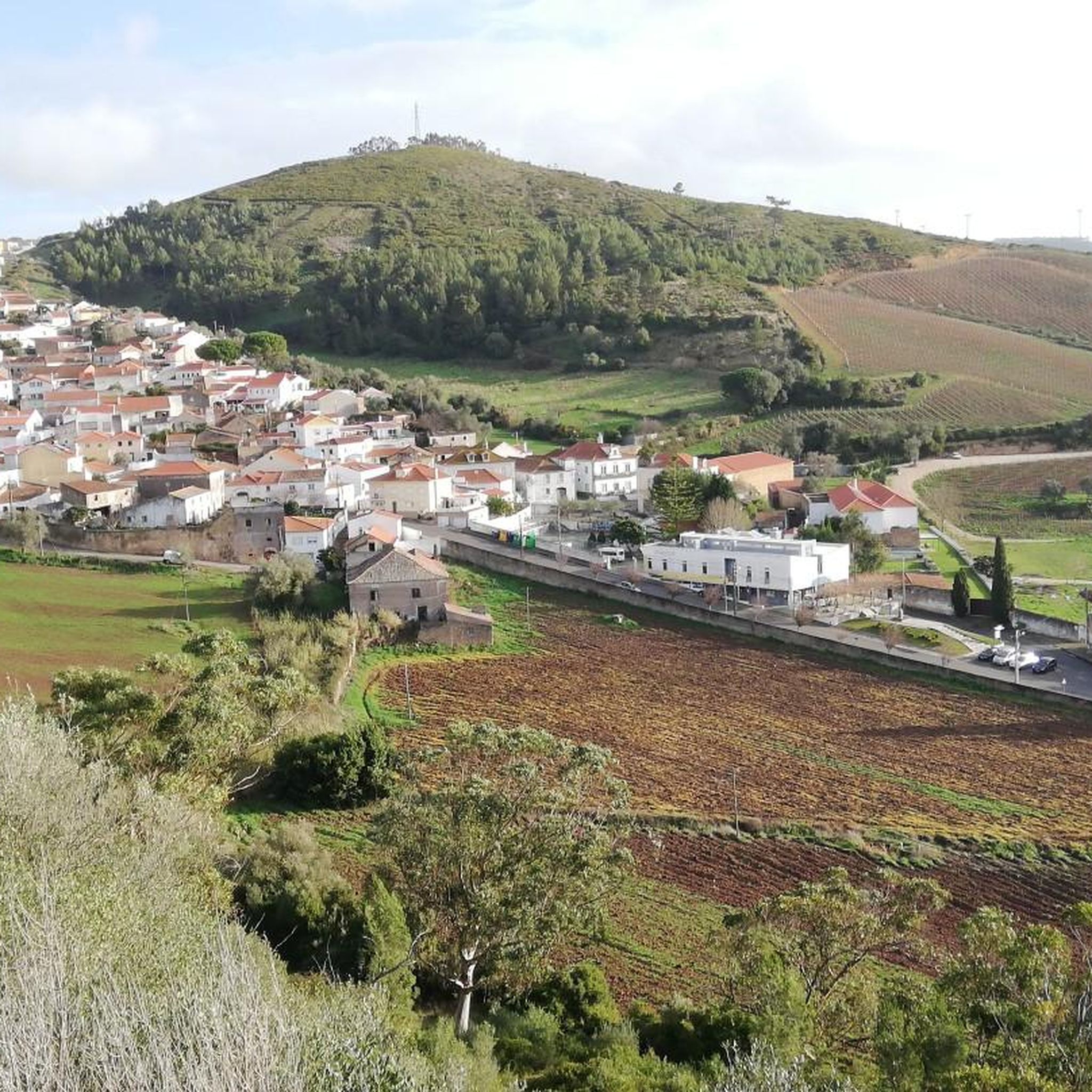
Hiking around Carvoeira e Carmões e Carmões e Carmões
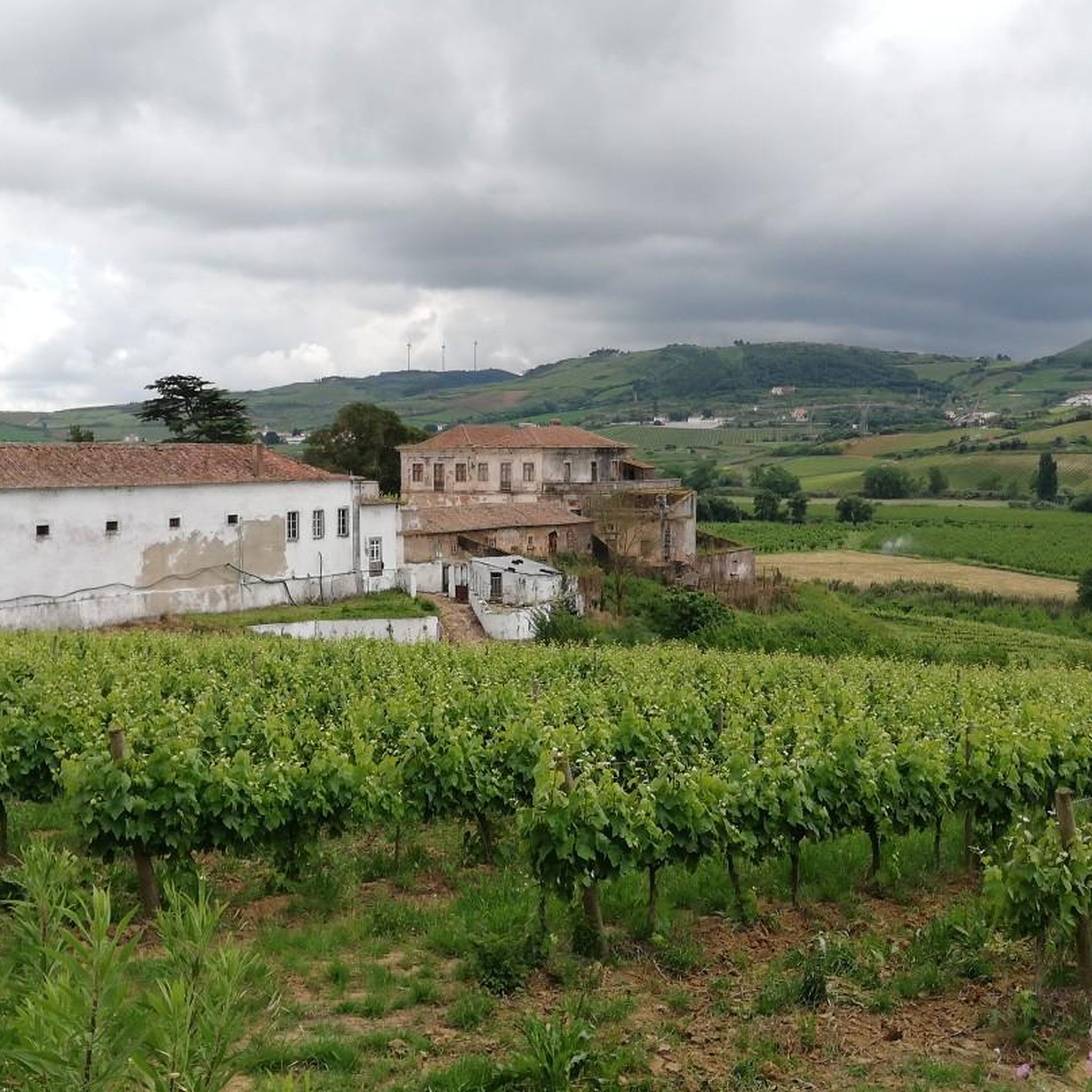
MTB Trails around Carvoeira e Carmões e Carmões e Carmões
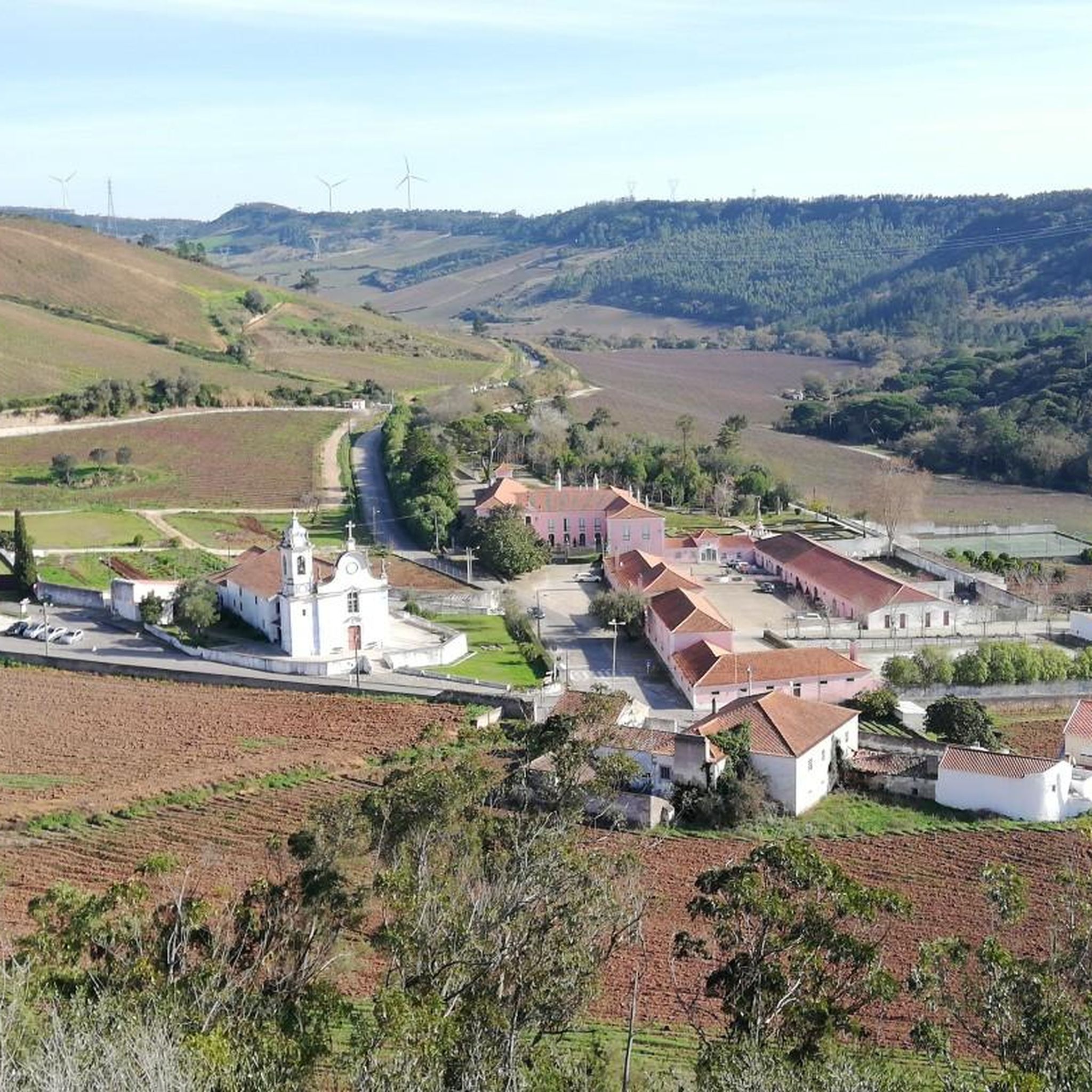
Cycling around Carvoeira e Carmões e Carmões e Carmões

Running Trails around Carvoeira e Carmões e Carmões e Carmões
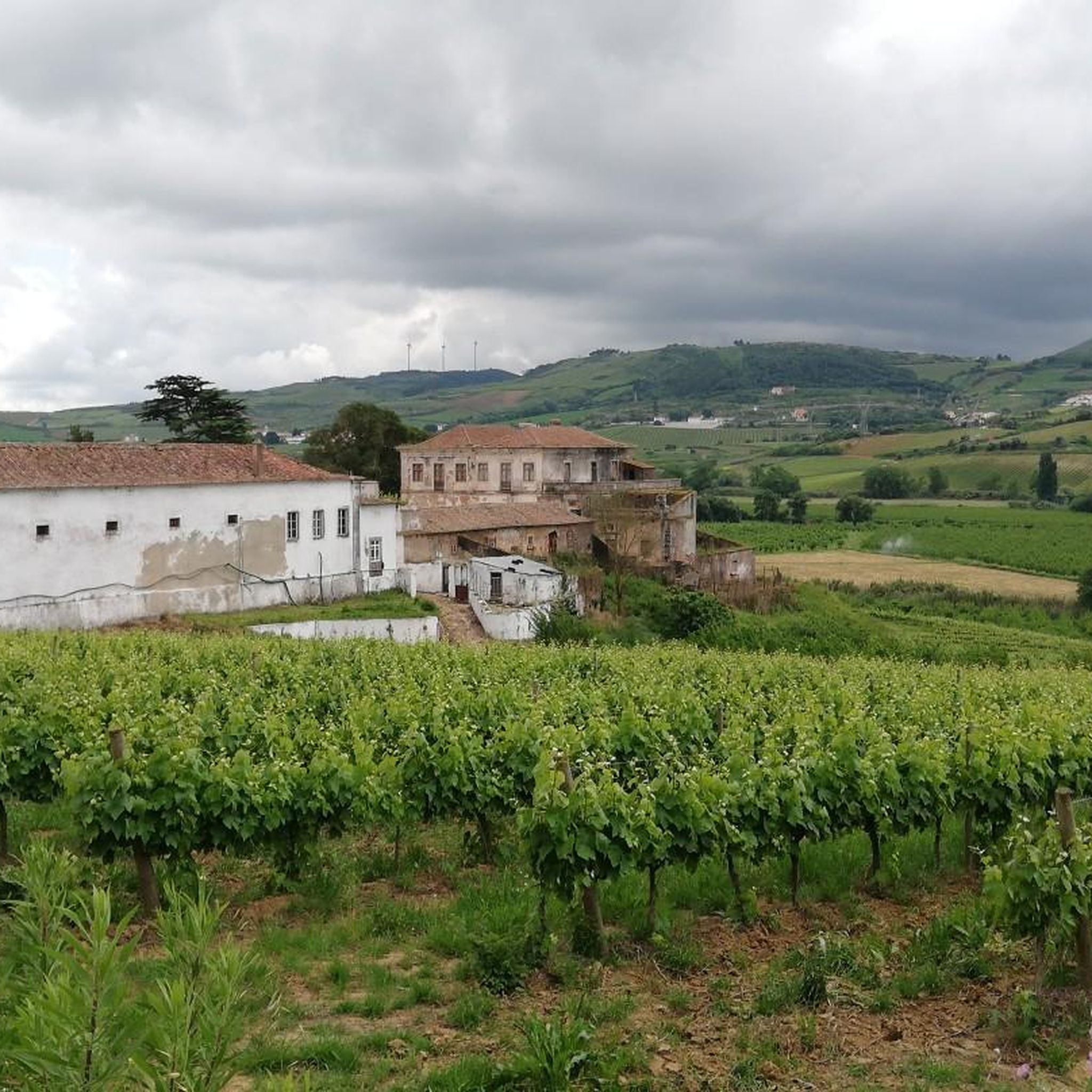
Road Cycling Routes around Carvoeira e Carmões e Carmões e Carmões

Gravel biking around Carvoeira e Carmões e Carmões e Carmões
Tips from the Community

The castle of Torres Vedras is an important part of Portuguese history. It was a strategic point in the fight against the Moors and later against Napoleon. The castle was conquered in 1147 by Afonso Henriques, the first king of Portugal.
2
0
Today I was lucky and was able to visit the ruins as well.
2
0

Using only the natural power of the wind as the driving force, the heavy millstones are moved, and for example, grain kernels are ground into flour (grain mills) or olives are pressed into oil (oil mills). Miguel de Cervantes (1547 to 1616) also created a literary monument to the ancient tradition of windmills: the most famous character of the author, considered Spain's national poet, whose work can certainly be appreciated as world literature: "Don Quixote," also known as the "Knight of the Sorrowful Countenance." He is always accompanied by his loyal squire Sancho Panza, and in one of the highly imaginatively narrated episodes, he engages in a – naturally hopeless – battle against windmills, in which he believes he recognizes four-armed giants.
0
0

Castelo de Torres Vedras is an imposing medieval fortress, with a history that dates back to Roman times and a significant role in the Napoleonic Wars (as part of the Lines of Torres Vedras). The castle represents an important historical heritage. If you want to stop here for a break you can explore its ancient walls and enjoy panoramic views of the city and the surrounding landscape.
0
0
The castle is not that great
4
0
Castle complex was closed, I would have liked to have seen it
4
0


The "Moinho de Avis" is not only a beautiful sight, the miller, Senhor Miguel Nobre, is using the mill for what it was built for: milling flour! Miguel Nobre was originally a cabinet maker, then specialized in restoring windmills all over Portugal. When he came into possession of the Moinho de Avis (and the one next to it) he was determined to bring it back to life and use it. The milling stones never came in contact with pesticides as the mill had fallen into disrepair before these chemicals were used. He was determined to keep it like this. He is growing and milling mainly ancient Portuguese grains (Preto-Amarello, Barbela and Aveia Selvagem). Following a recipe from his Grandfather he is mixing these grains for his "Mistura de Avó" (Grandfather Mixture). When I visited the last time (May 2024) he was super happy because his "Mistura de Avó" had just been declared national heritage by the United Nations. The mill is usually open for visitors on the weekends.
0
0
Frequently Asked Questions
What historical sites can I explore in Carvoeira e Carmões?
The region is rich in historical heritage. You can visit the impressive Castelo de Torres Vedras, which offers great views of the valley. Another significant historical landmark is the Moinho de Avis, the largest windmill in Portugal, dating back to 1810 and located in the Serra do Montejunto. Additionally, the Forte da Archeira, part of the historic Lines of Torres, provides insight into the area's military past.
Where can I find the best panoramic views of the region?
For breathtaking views, head to the Castelo de Torres Vedras, which offers expansive vistas of the surrounding valley. Another popular spot is the Surkapas Swing with a View of the Montejunto Mountains, providing a unique perspective of the mountain range. The Moinho de Avis also offers a magnificent setting in the Serra do Montejunto.
Are there family-friendly attractions suitable for children?
Yes, several attractions are suitable for families. The Moinho de Avis, a historic windmill, is considered family-friendly. Termas dos Cucos offers nice paths for walking or cycling, making it a good spot for a family outing. The Surkapas Swing with a View of the Montejunto Mountains is also a fun and scenic stop for all ages.
What natural features or landscapes can I explore?
The region is characterized by its diverse natural landscapes. The Serra do Montejunto is a prominent feature, known for its numerous windmills and offering scenic beauty. The landscape is also predominantly marked by vineyards, reflecting a strong viticultural tradition. You can also explore approximately 60km of EcoCaminhos (Eco-paths) that wind through changing landscapes, passing traditional wash houses and natural springs.
What hiking opportunities are available near these attractions?
There are several easy hiking trails available. For example, you can find easy hiking loops from Almeirinhos, Forte da Archeira, and Arruda dos Vinhos, typically around 6 km in length. Another easy option is the Fort of São Vicente – Castelo de Torres Vedras loop. You can find more details and routes on the Easy hikes around Carvoeira e Carmões guide.
Can I go cycling or gravel biking in the area?
Yes, the area offers various routes for cycling and gravel biking. For cycling, you can explore routes like the Ecopista do Sizandro loop or the Rio Alcabrichel loop. For gravel biking, options include the Alto da Vela Viewpoint loop or the Castelo de Torres Vedras – Roads and Vineyards of Freiria loop. Discover more routes on the Cycling around Carvoeira e Carmões guide and the Gravel biking around Carvoeira e Carmões guide.
What is the Moinho de Avis?
The Moinho de Avis is the largest windmill in Portugal, dating back to 1810. It is magnificently situated in the Serra do Montejunto, an area famous for having the largest concentration of windmills on the Iberian Peninsula. Restored in 2008, it's an unmissable historical and cultural landmark.
What is the significance of the Serra do Montejunto?
The Serra do Montejunto is a significant mountain range in the region, notable for hosting the largest concentration of windmills on the Iberian Peninsula, including the impressive Moinho de Avis. It offers diverse flora and fauna, making it a great place to experience nature and enjoy panoramic views, such as those from the Surkapas Swing.
Are there any places for rest and relaxation near the attractions?
Yes, Termas dos Cucos is a pleasant rest area located in the valley where the Sizandro river flows. It features paths suitable for walking or cycling and provides a tranquil spot to relax amidst nature.
What cultural experiences can I find in Carvoeira e Carmões?
The region has a vibrant cultural heritage, highlighted by various local associations, popular festivals, and traditional events. As a strongly wine-producing area, you can also experience and acquire locally produced wines from cooperative wineries or private estates, reflecting its rich viticultural tradition.
What do visitors enjoy most about the attractions in Carvoeira e Carmões?
Visitors particularly enjoy the stunning views from historical sites like the Castelo de Torres Vedras and the unique experience of the Surkapas Swing with a View of the Montejunto Mountains. The historical significance and impressive restoration of the Moinho de Avis are also highly appreciated, along with the pleasant paths for walking and cycling at Termas dos Cucos.
Most popular routes around Carvoeira e Carmões e Carmões e Carmões
Most popular attractions around Carvoeira e Carmões e Carmões e Carmões

Get inspired with the komoot mobile app


Explore more
Still not found the Highlight you’re looking for? See guides of the top attractions in other regions:
