The best running trails around Santa Maria Da Devesa
4.8
(4)
65
runners
20
runs
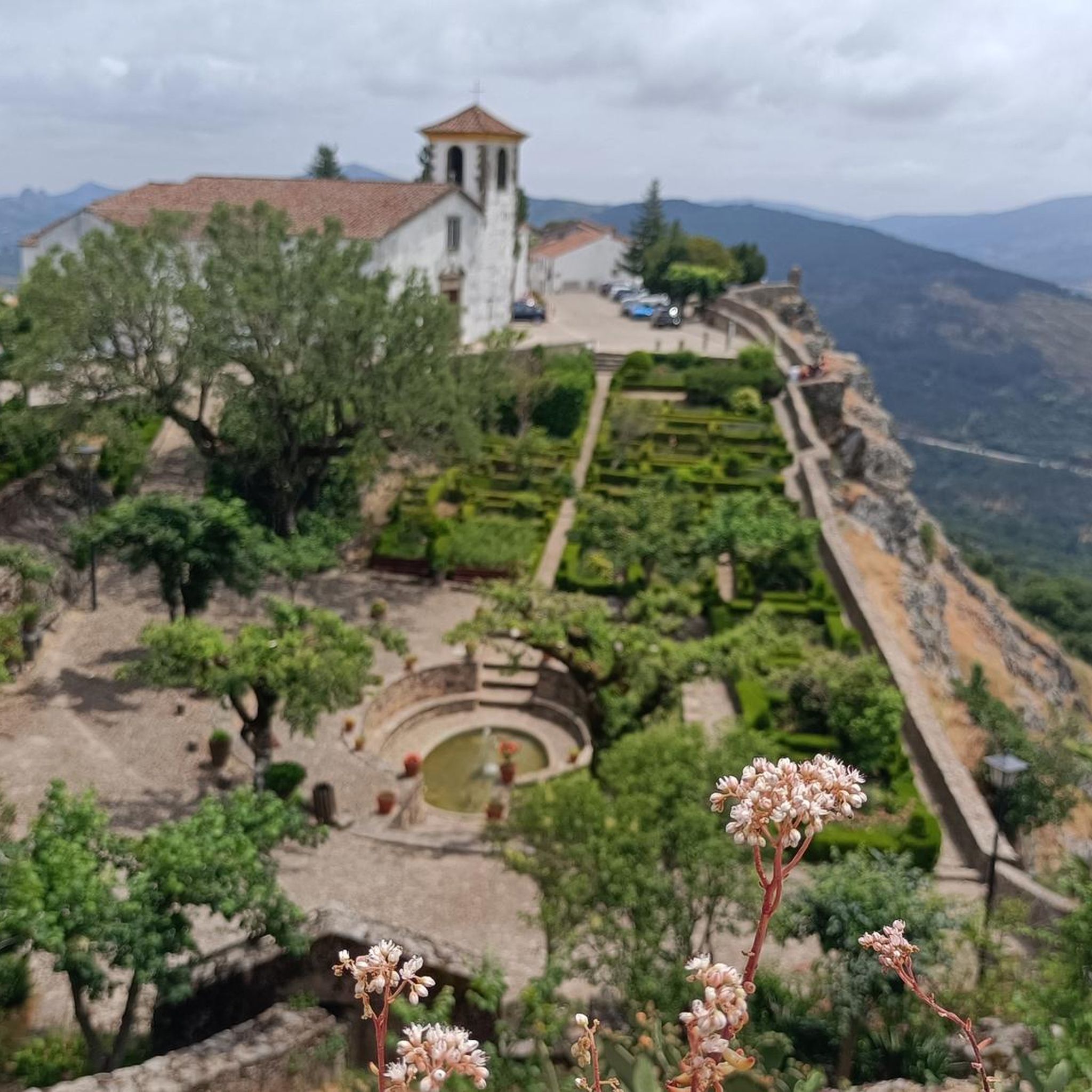
Jogging around Santa Maria Da Devesa offers diverse landscapes within the Alentejo region of Portugal. The area features varied terrain, including paths within the Parque Natural da Serra de São Mamede, which provides natural scenery for outdoor pursuits. Elevated positions, such as those near Marvão, offer panoramic views of the surrounding countryside. River areas and leisure spots, like those near the 16th-century bridge of Portagem, can also be integrated into running routes.
Best jogging routes around Santa Maria Da Devesa
…Last updated: June 27, 2026
15
runners
Hard run. Very good fitness required. Mostly paved surfaces. Suitable for all skill levels.
6
runners
8.88km
00:56
80m
80m
Moderate run. Good fitness required. Mostly paved surfaces. Suitable for all skill levels.

Sign up for free
10
runners
58.7km
07:29
1,870m
1,870m
Hard run. Very good fitness required. Mostly paved surfaces. Suitable for all skill levels.
4.7
(3)
5
runners
7.27km
00:46
80m
80m
Moderate run. Good fitness required. Mostly paved surfaces. Suitable for all skill levels.
5
runners
8.46km
00:59
200m
200m
Moderate run. Good fitness required. Mostly accessible paths. Some sure footedness required.
Get access to more routes and recommendations from other explorers.
Sign up for free
Already have an account?
Our route recommendations are based on thousands of hikes, rides, and runs completed by other people on komoot.
Start today with a free account
Your next adventure awaits.
Login or Signup
Tips from the Community

The castle was founded by King D. Dinis in 1290, with the aim of defending the Alentejo border. Originally, it had an imposing structure with a double ring of walls, twelve towers and eight gates. Over the centuries, it lost part of its structure to the growth of the city, but it remains a National Monument. The Keep is the best-preserved part of the original complex. Inside, there is a museum that you can visit.
1
0

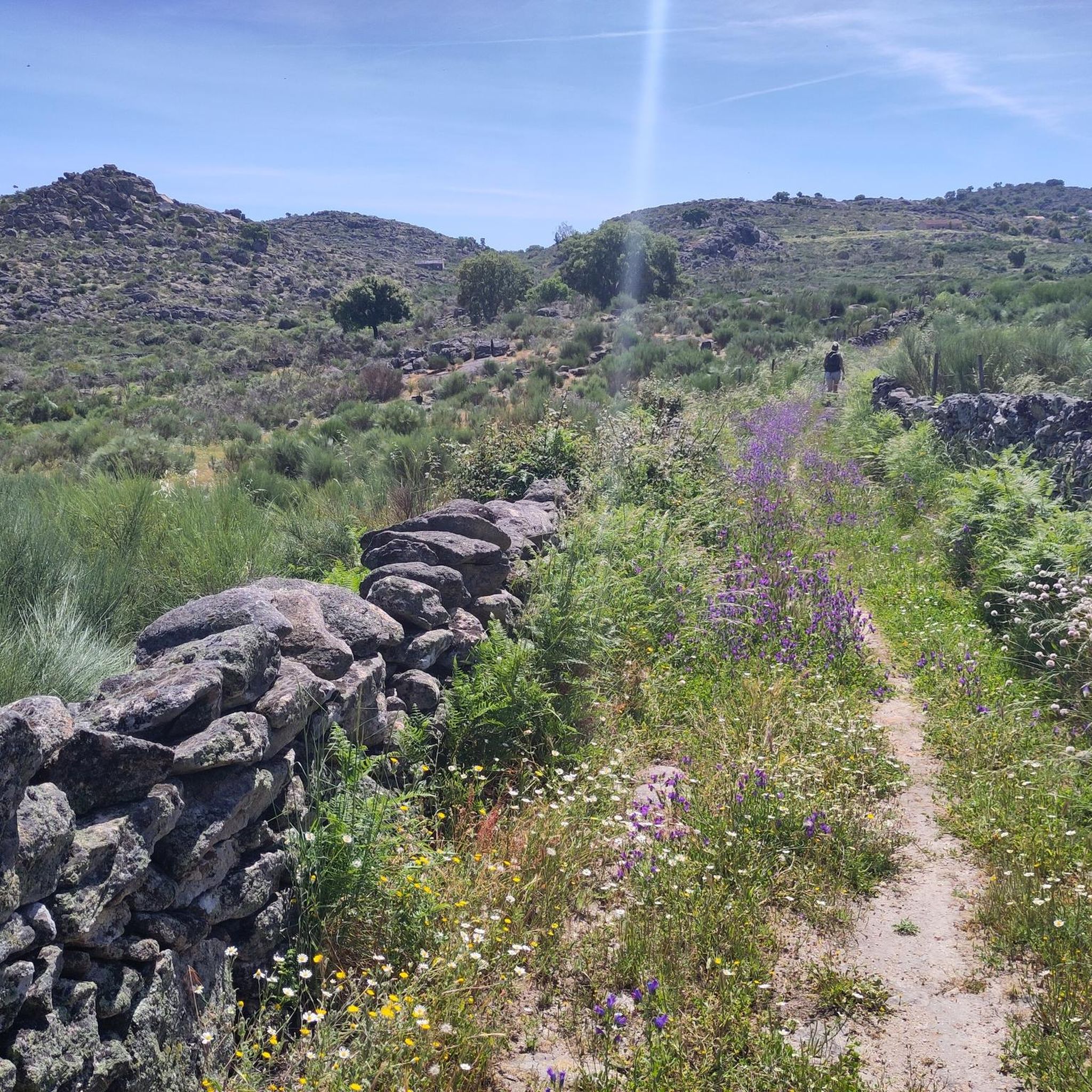
An old, stone-paved road leads from Portagem through cork oak forests up to Marvão. A strenuous journey in summer. The scenery is breathtaking.
1
0

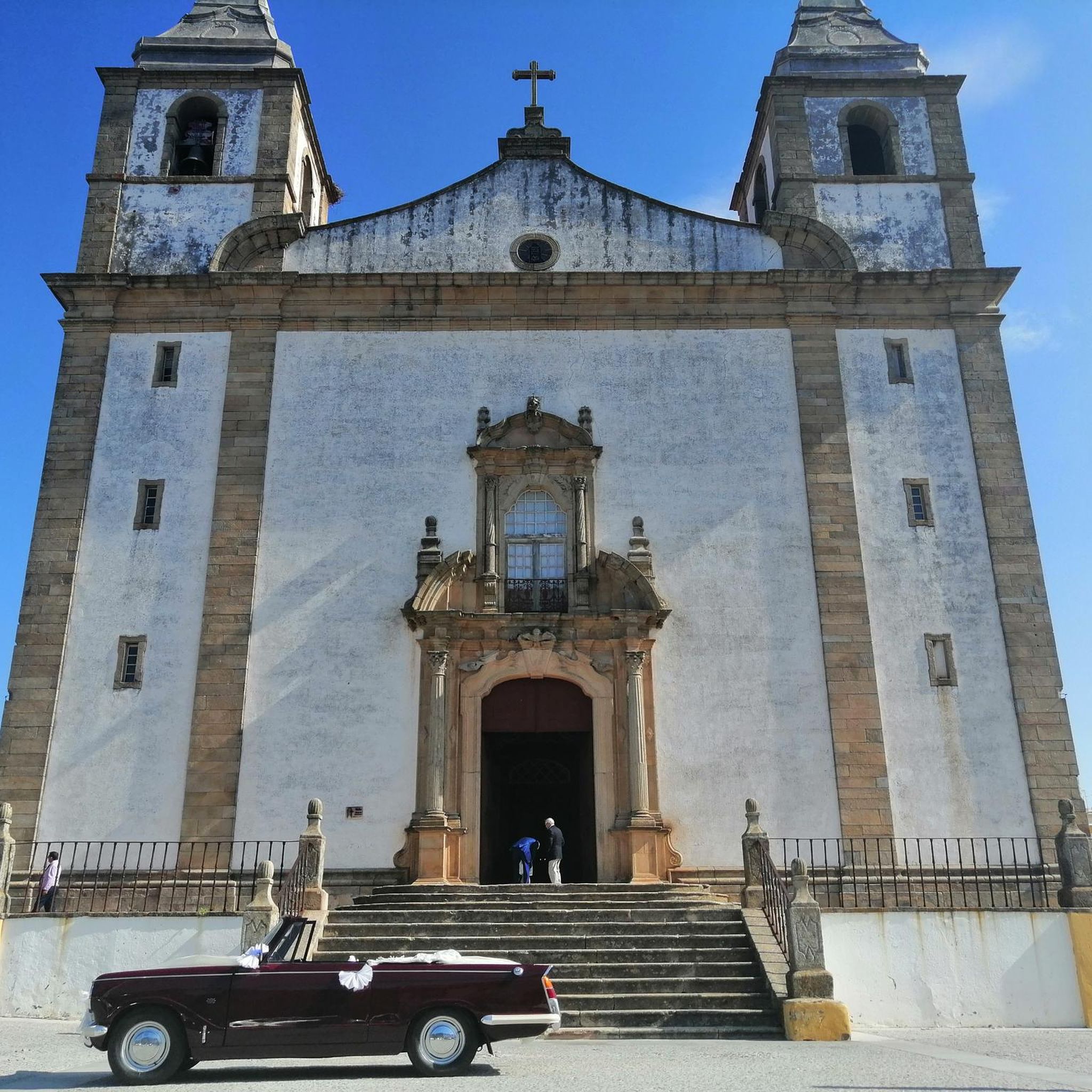
Portalegre is a historic town in the Serra de São Mamede near the Spanish border, known for its medieval strategic role and rich religious and architectural heritage. It became a city in the 16th century under King João III. Today, it blends baroque charm with cultural landmarks like the Tapestry Museum and José Régio’s House-Museum.
0
0
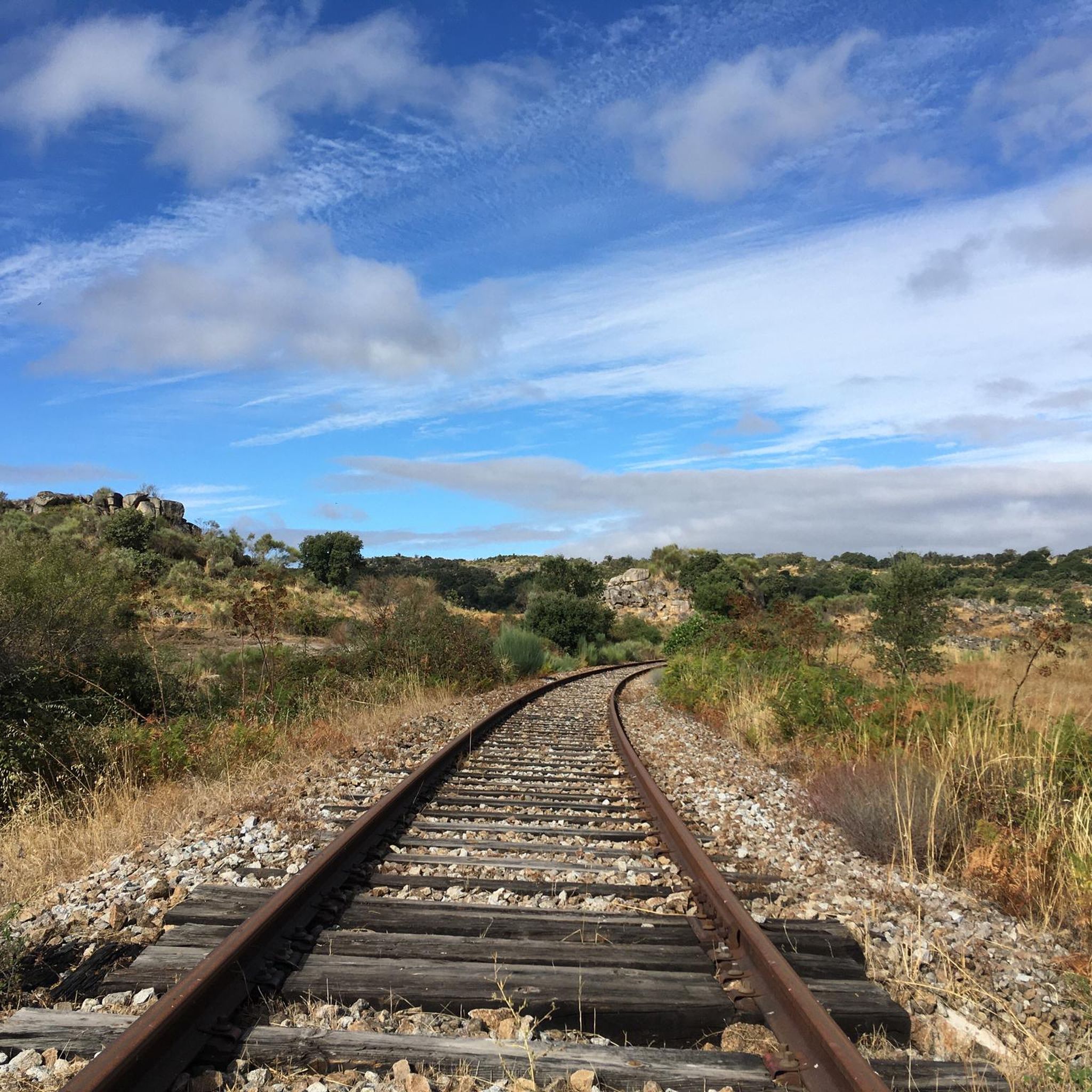
In Beirã you can find an old train station and railway and can experience the Rail Bike Marvão: info on https://www.railbikemarvao.com
0
0
Another century-old sidewalk around Marvão.
0
0

It's a hard climb up to Marvao and our route took us us v steep cobbles. Fine on mountain bike but hard on fully laden tandem. The main road will also get you there. Either way views from Marvao and the town itself are fabulous!
2
0
Steep climb with access to the mountains.
0
1
Fantastic view over the towering Marvão castle. River pool, outdoor pool, magnificent leisure area and excellent restaurants in the area. A privileged starting point for walks, runs and bike rides. "A 16th century bridge reusing materials from a primitive Roman bridge, with a ramped deck, resting on round arches, covered by a medium to large facing and with well-squared stones in the voussoirs. It stands out for its excellent state of conservation, having not undergone any notable alterations in at least the last three centuries. The issue of the bridge's dating is controversial; certain authors such as Keil, Laranjo Coelho, Alarcão, Jorge de Almeida, Josefa Neves and Afonso do Paço consider it to be from the period of Roman occupation, from the early years of the Christian era, forming part of the Roman road that linked Lisbon to Mérida; other authors such as Jorge de Oliveira, based on information from the Treaty of the city of Portalegre de Sotto Maior, a priest in the municipality of Marvão and born in the parish of Alegrete in the mid-16th century, place its construction in the 16th or 17th century, assuming that stonework from the old Roman bridge was reused. which, together with the bridges of Madalena (see IPA.00020704) and Ribeira das Trutas (see IPA.00020703) served the inhabitants of the Roman city of Ammaia (see IPA.00001844) and travelers traveling to Mérida, thus having a prominent importance from a geopolitical point of view at the time." in http://www.monumentos.gov.pt/Site/APP_PagesUser/SIPA.aspx?id=20702
4
0
Frequently Asked Questions
How many running routes are available around Santa Maria Da Devesa?
There are 18 dedicated running routes around Santa Maria Da Devesa. These routes offer a mix of moderate and difficult options, catering to various fitness levels.
What do other runners say about the trails in Santa Maria Da Devesa?
The running trails in Santa Maria Da Devesa are highly regarded by the komoot community, boasting an average rating of 4.8 out of 5 stars from 4 reviews. Over 60 runners have already explored the diverse terrain using komoot, often praising the scenic views and varied landscapes.
What kind of terrain can I expect on the jogging trails around Santa Maria Da Devesa?
You can expect diverse terrain, ranging from paths within the Parque Natural da Serra de São Mamede to elevated positions offering panoramic views. Some routes also integrate river areas and leisure spots, such as those near the 16th-century bridge of Portagem, providing a varied and engaging running experience.
Are there routes suitable for beginners or those looking for an easier run?
While there are no routes specifically classified as 'easy', there are 14 moderate-difficulty routes available. These paths offer a good balance for those seeking a less strenuous run while still enjoying the region's natural beauty. An example is the Running loop from Ribeira de Nisa, which is 5.5 miles (8.9 km) long.
Are there any circular running routes in the area?
Yes, many of the routes around Santa Maria Da Devesa are circular, allowing you to start and finish at the same point. A popular option is the 16th century bridge of Portagem – Marvão Walled Town and Castle loop from Santo António das Areias, which offers stunning views and a challenging run.
Can I find routes with scenic viewpoints?
Absolutely. The region is known for its elevated positions, particularly around Marvão, which provide wonderful all-round views of the surrounding countryside. The 16th century bridge of Portagem – Marvão Walled Town and Castle loop from Santo António das Areias is an excellent choice for panoramic vistas of the historic Historic Village of Marvão and Marvão Castle.
Are there places to explore or historical landmarks along the running paths?
Yes, several routes pass by significant historical sites and attractions. You can run past the 16th century bridge of Portagem, or explore the area around the Historic Village of Marvão and its castle. The Menir de Água de Cuba loop from Santo António das Areias also offers a chance to see ancient megalithic structures.
How long are the running trails typically?
The running trails vary in length. For example, the Beirã loop from Bica is a moderate 4.5 miles (7.3 km) route, while the 16th century bridge of Portagem – Marvão Walled Town and Castle loop from Santo António das Areias is a more challenging 13.3 miles (21.4 km) long.
Are there any routes that pass by water features or rivers?
Yes, the region includes river areas and leisure spots, such as those near the 16th-century bridge of Portagem. The Rio Sever loop from Santa Maria de Marvão is a great option if you're looking for a route that follows a river, offering pleasant views along the water.
What is the best time of year for jogging in Santa Maria Da Devesa?
The Alentejo region generally offers pleasant conditions for outdoor activities during spring and autumn, with milder temperatures. Summer can be quite hot, so early mornings or late evenings would be preferable for jogging. Winter offers cooler temperatures, which can be ideal for longer runs, though some paths might be muddier after rain.
Are the jogging trails around Santa Maria Da Devesa family-friendly?
While specific 'family-friendly' classifications are not provided, the 14 moderate routes, such as the Running loop from Ribeira de Nisa, could be suitable for families with older children or those accustomed to regular physical activity. It's always recommended to check the route details for distance and elevation before heading out with family.
Are the jogging trails dog-friendly?
The natural parks and outdoor areas in Portugal are generally welcoming to dogs, especially if kept on a leash. While specific dog-friendly designations for each route are not available, the varied terrain and natural settings of Santa Maria Da Devesa make it a good area for running with your canine companion. Always ensure your dog is well-behaved and that you clean up after them.
Most popular routes around Santa Maria Da Devesa
Most popular attractions around Santa Maria Da Devesa

Get inspired with the komoot mobile app


Explore more
Browse the best Running Trails & Routes in other regions.
