The best cycling routes around Santa Maria Da Devesa
4.7
(41)
203
riders
14
rides
Touring cycling routes around Santa Maria Da Devesa traverse the diverse landscapes of Portugal's Alto Alentejo region, bordering the Serra de São Mamede Natural Park. The area features undulating hills, valleys, and a mix of oak and chestnut forests in the north, transitioning to cork and holm oak groves further south. The terrain includes quartzite ridges and various outcrops of rock, granite, shale, and limestone, particularly near the Spanish border. Crystal-clear watercourses and historical landmarks are also present throughout the…
Last updated: July 8, 2026
4.5
(2)
17
riders
Moderate bike ride. Good fitness required. Mostly paved surfaces. Suitable for all skill levels.
5.0
(2)
9
riders
Moderate bike ride. Good fitness required. Mostly paved surfaces. Suitable for all skill levels.

Sign up for free
5.0
(1)
10
riders
Hard bike ride. Very good fitness required. Mostly paved surfaces. Suitable for all skill levels.
5.0
(1)
2
riders
27.3km
02:14
450m
450m
Moderate bike ride. Good fitness required. Mostly paved surfaces. Suitable for all skill levels.
4
riders
32.2km
02:11
490m
490m
Hard bike ride. Very good fitness required. Mostly paved surfaces. Suitable for all skill levels.
Get access to more routes and recommendations from other explorers.
Sign up for free
Already have an account?
Our route recommendations are based on thousands of hikes, rides, and runs completed by other people on komoot.
Start today with a free account
Your next adventure awaits.
Login or Signup

Tips from the Community

Castelo de Vide is a charming Portuguese medieval village located in the district of Portalegre, in the Alentejo region, perched on the hills of the Serra de São Mamede Natural Park. Nicknamed the "Sintra of Alentejo" for its flowery alleys and lush landscapes, this town is famous for its healing thermal waters, its intact Gothic architecture, and one of the most important historical Jewish communities in the country.
0
0

Far in the northeast of Alentejo lies Castelo de Vide, just a few kilometers from the border with Spain. The town is often called Cidade branca (white city), which is primarily due to the pretty whitewashed houses of the town. The highlight of the town (besides its great location in the Parque Natural da Serra de São Mamede) is the 14th-century Castelo de São Roque. From the castle, you have a fantastic view of the old town. Other sights in Castelo de Vide include the old Jewish quarter with the oldest synagogue in Portugal and the numerous churches and chapels of the town.
1
0

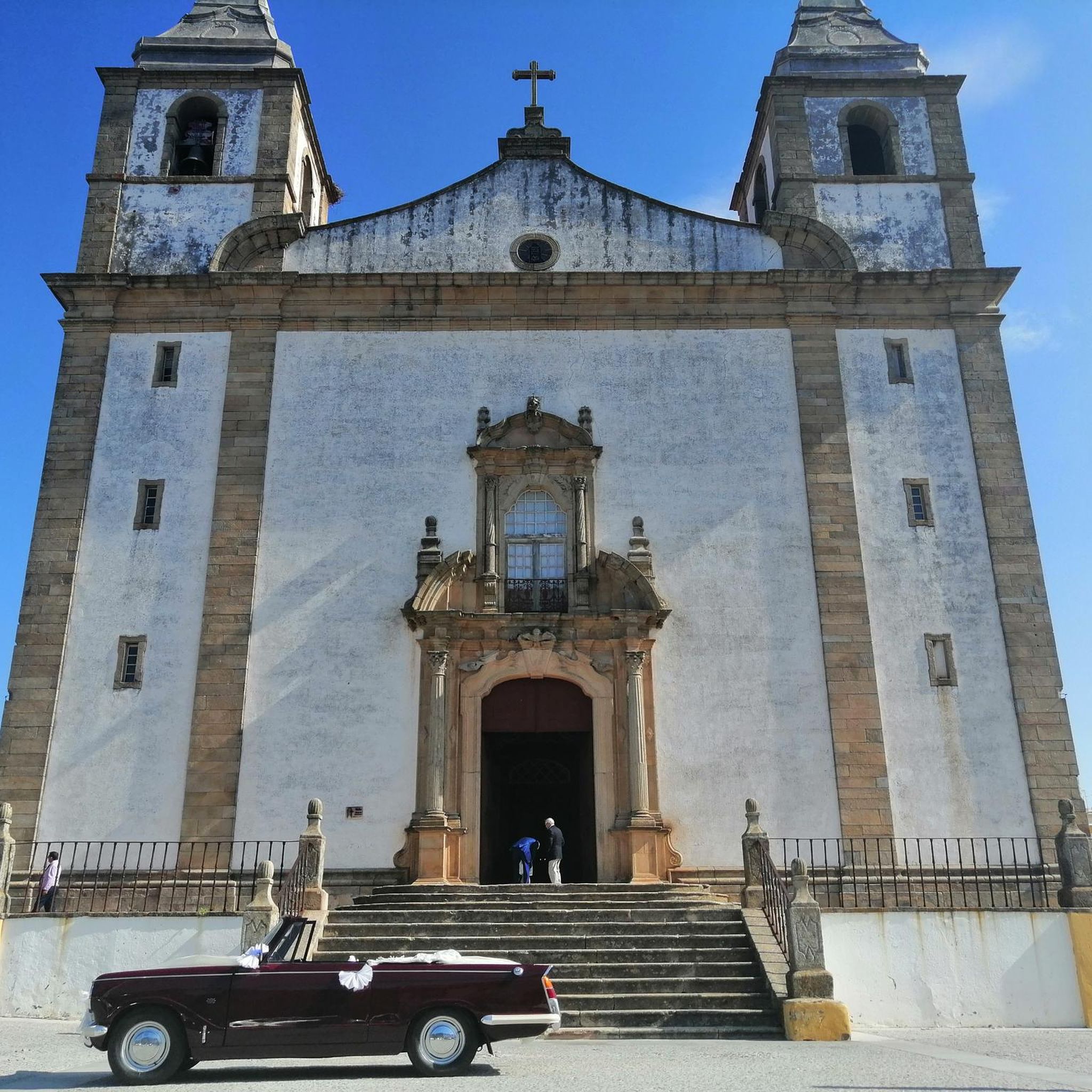
Imposing building in which the Centro de Dia senior center is located
2
0
The (former) river beach of Portagem is a charming spot at the foot of the Marvao mountain. In summer, when temperatures in Alentejo can rise above 40°C, it offered a refreshing escape into the cool, dammed waters of the Rio Sever. There's now a modern outdoor swimming pool across the street. A real shame, really.
2
0

You can cycle on the dam and watch the reservoir from this viewpoint.
0
0
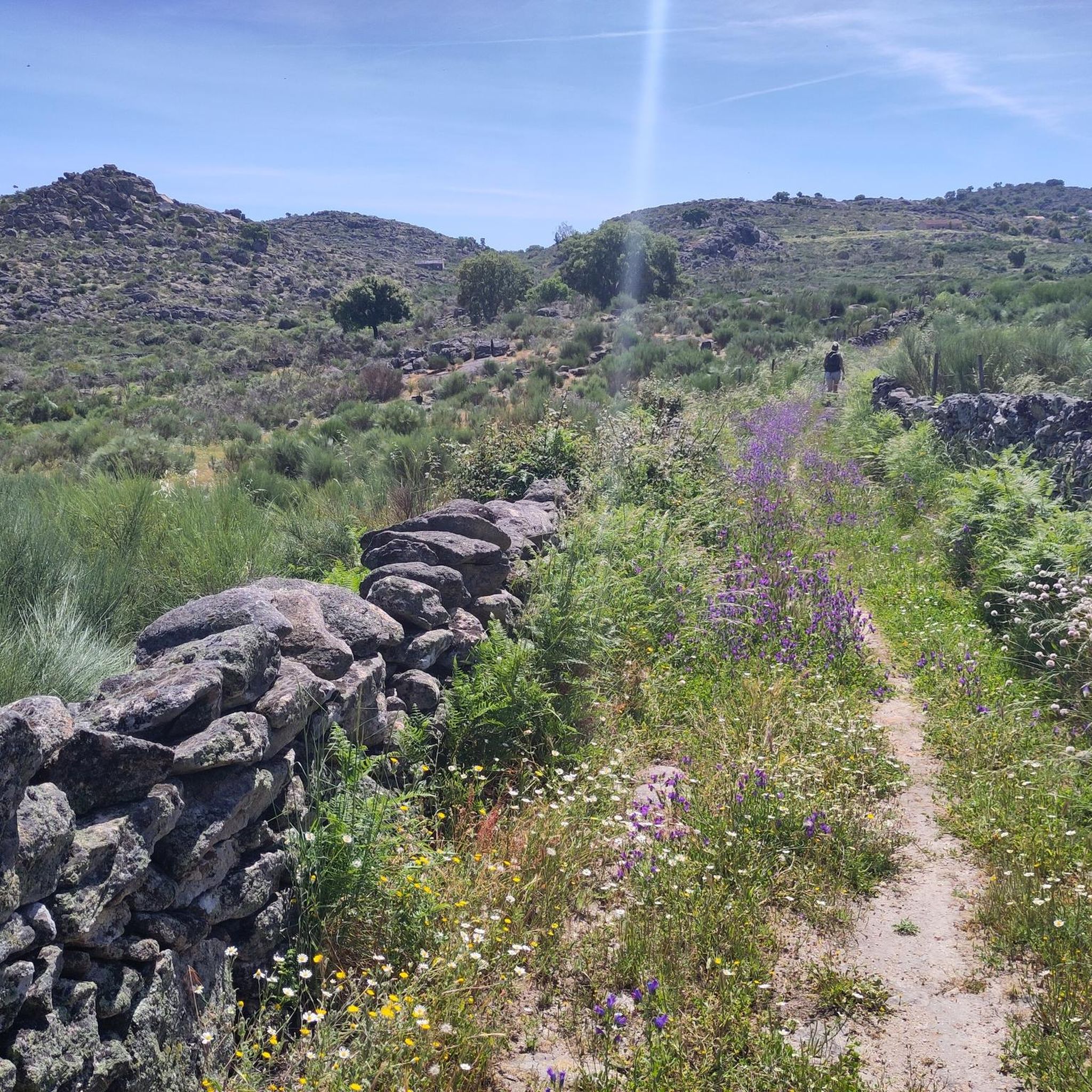
The chafurdão is a traditional dry-stone shelter with a false dome, typical of the region’s vernacular heritage. Though most surviving examples are recent (the oldest dated to 1733), they follow ancient construction techniques. Oriented toward sunrise, these structures include ventilation and lighting through wall openings. Built for temporary use by farmers and shepherds, they often have walled pens and a compact earth-covered roof stabilized by stone capping.
0
0
Urban centre and municipal headquarters. Town situated on a hill on the border of Alentejo. Medieval town under the jurisdiction of a religious-military order (Order of Christ) with castle and urban enclosure. 17th-century war square integrated into the defence line of the Alentejo border.
1
0
Frequently Asked Questions
What kind of terrain can I expect on touring cycling routes around Santa Maria da Devesa?
The touring cycling routes in this region traverse diverse landscapes. You'll encounter undulating hills and valleys, scenic oak and chestnut forests in the north, and traditional cork oak and holm oak groves further south. The terrain also features quartzite ridges and various outcrops of rock, granite, shale, and limestone, particularly near the Spanish border. Crystal-clear watercourses are also a common sight.
How challenging are the touring cycling routes in Santa Maria da Devesa?
The routes offer a range of difficulties. While there are no routes classified as 'easy' in our selection, you'll find 8 moderate routes and 6 more challenging ones. For example, the Portagem Roman Bridge – Fountain in Barretos loop from Castelo de Vide is a moderate 28.2 km path with 349 meters of elevation gain, while the São Mamede River Beach – Ruins loop from Castelo de Vide is a difficult 39.9 km trail with over 500 meters of elevation.
What historical landmarks and natural features can I see along the touring cycling routes?
The region is rich in both natural beauty and historical sites. You can cycle past the impressive Menir da Meada, the largest standing stone in the Iberian Peninsula, or explore the medieval Marvão Castle. Other notable attractions include the 16th century bridge of Portagem and various dolmens like Dolmen Tapada de Anta. The Serra de São Mamede Natural Park also features crystal-clear watercourses and waterfalls, such as the Cascata de São Julião.
Are there any circular touring cycling routes available?
Yes, many of the touring cycling routes in the area are designed as loops, allowing you to start and end in the same location. An example is the Castelo de Vide – Menhir of Meada loop from Castelo de Vide, a 31.9 km route that takes you past the impressive megalithic monument.
What is the best time of year for touring cycling in Santa Maria da Devesa?
The region benefits from a microclimate due to its mountainous terrain. Generally, spring and autumn offer pleasant temperatures for cycling. The higher precipitation in the Serra de São Mamede Natural Park keeps the landscape lush, making these seasons particularly scenic. Summer can be hot, especially in the Alentejo, so early mornings or late afternoons are preferable if cycling during this period.
Is it possible to find family-friendly touring cycling routes?
While our guide lists routes primarily as moderate or difficult, the Castelo de Vide / Marvão Cycling Center, located within the Serra de São Mamede Natural Park, offers routes designed for different skill levels, including easier options. For a moderate route that might be suitable for families with some cycling experience, consider the Castelo de Vide – Ruins loop from Castelo de Vide, a 33.8 km trail exploring historical ruins and countryside.
Can I bring my dog on the touring cycling trails?
The Serra de São Mamede Natural Park is a refuge for diverse wildlife. While specific regulations for dogs on cycling trails are not detailed, it's always advisable to keep dogs on a leash to protect local fauna and ensure their safety, especially in areas with wild boars and deer. Please check local park guidelines for any specific restrictions before your visit.
What do other touring cyclists enjoy most about cycling in Santa Maria da Devesa?
The area is highly rated by the komoot community, with an average score of 4.7 stars from over 30 reviews. Reviewers often praise the varied terrain, from oak forests to undulating hills, and the presence of historical sites like medieval castles and megalithic monuments that enrich the cycling experience. The network offers options for different ability levels, making it appealing to a wide range of cyclists.
Are there options for parking or public transport for cyclists?
Many cycling routes, including the Bike loop from Castelo de Vide, begin and end directly in Castelo de Vide, making them easily accessible. Castelo de Vide often serves as a trailhead, and you can typically find parking facilities there. For public transport, it's best to check local bus or train services for their bicycle carriage policies, as these can vary.
Where can I find places to eat or stay overnight near the cycling routes?
The charming towns and villages in the region, such as Castelo de Vide and Marvão, offer various cafes, restaurants, and accommodation options. Many establishments cater to visitors exploring the natural park. The Castelo de Vide / Marvão Cycling Center also provides facilities like bike stations, washing areas, and changing rooms, indicating a cyclist-friendly environment.
Are there any specific permits required for cycling in the Serra de São Mamede Natural Park?
The Castelo de Vide / Marvão Cycling Center operates within the Serra de São Mamede Natural Park, providing access to an extensive network of cycling trails. While general access for cycling is usually permitted, it's always a good practice to check with the local park authority or the cycling center directly for any specific permit requirements or regulations, especially for larger groups or organized events.
Most popular routes around Santa Maria Da Devesa
Most popular attractions around Santa Maria Da Devesa

Get inspired with the komoot mobile app


Explore more
Browse the best Cycling routes in other regions.
