The best walks and hikes around Beirã
4.6
(365)
1,181
hikers
75
hikes
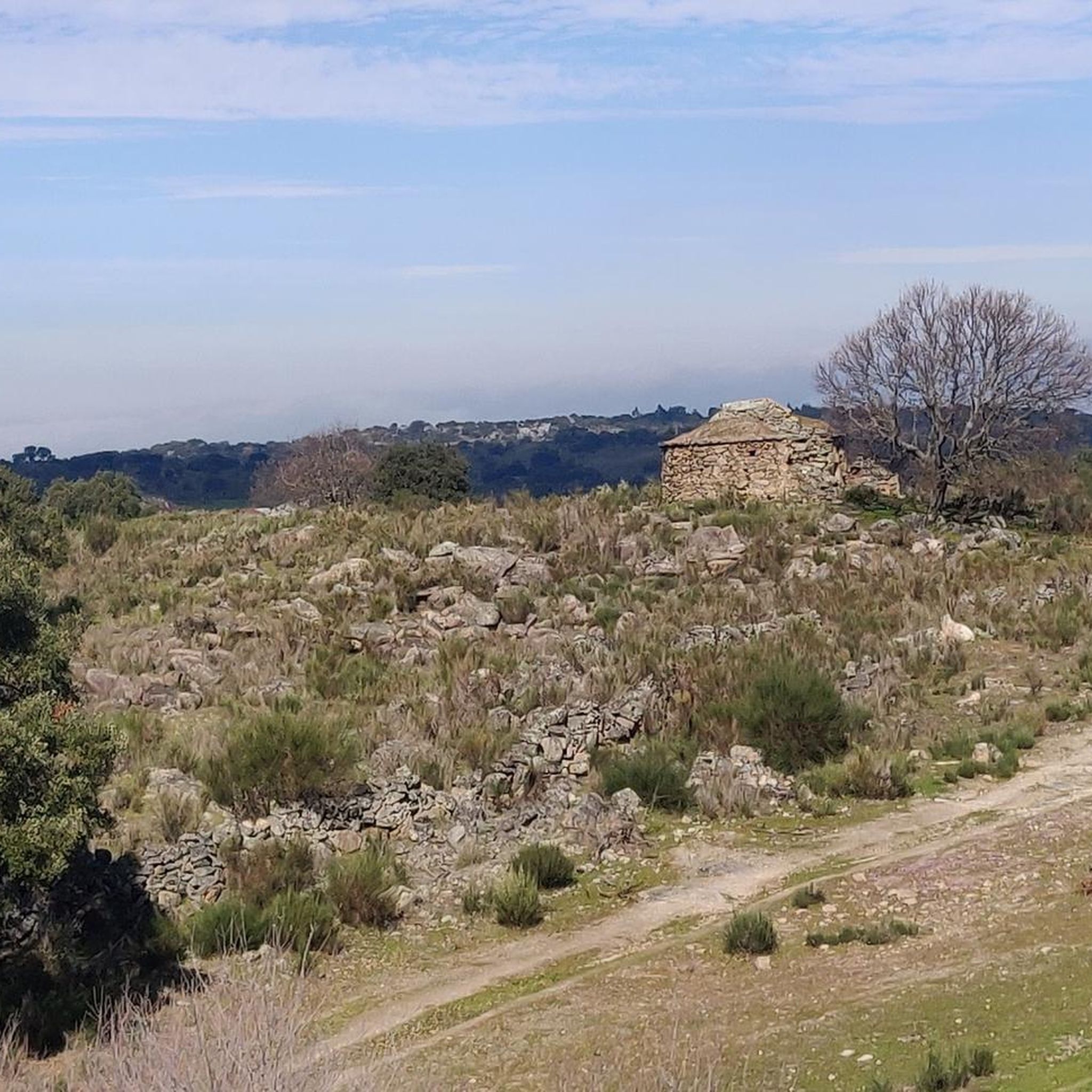
Hiking around Beirã offers access to the diverse landscapes of the Serra de São Mamede Natural Park. The region features varied topography, including rugged mountains, rolling hills, and rocky ridges, alongside extensive cork oak and holm oak woods. Rivers and granite formations crisscross the area, providing a mix of natural environments for outdoor activities. This setting allows for a range of hiking experiences across different terrains.
Best hiking trails around Beirã
- The most popular hiking route is Beirã – Gravel…
Last updated: October 5, 2026
4.6
(20)
63
hikers
6.95km
01:51
70m
70m
Easy hike. Great for any fitness level. Easily-accessible paths. Suitable for all skill levels.
4.6
(20)
62
hikers
7.27km
01:56
80m
80m
Easy hike. Great for any fitness level. Easily-accessible paths. Suitable for all skill levels.

5.0
(5)
17
hikers
5.80km
01:38
100m
100m
Moderate hike. Great for any fitness level. Mostly accessible paths. Sure-footedness required.
4.9
(9)
18
hikers
14.3km
04:17
440m
440m
Moderate hike. Good fitness required. Easily-accessible paths. Suitable for all skill levels.
4.9
(7)
25
hikers
Moderate hike. Good fitness required. Easily-accessible paths. Suitable for all skill levels.
Get access to more routes and recommendations from other explorers.
Already have an account?
Our route recommendations are based on thousands of hikes, rides, and runs completed by other people on komoot.
Start today with a free account
Your next adventure awaits.

Tips from the Community

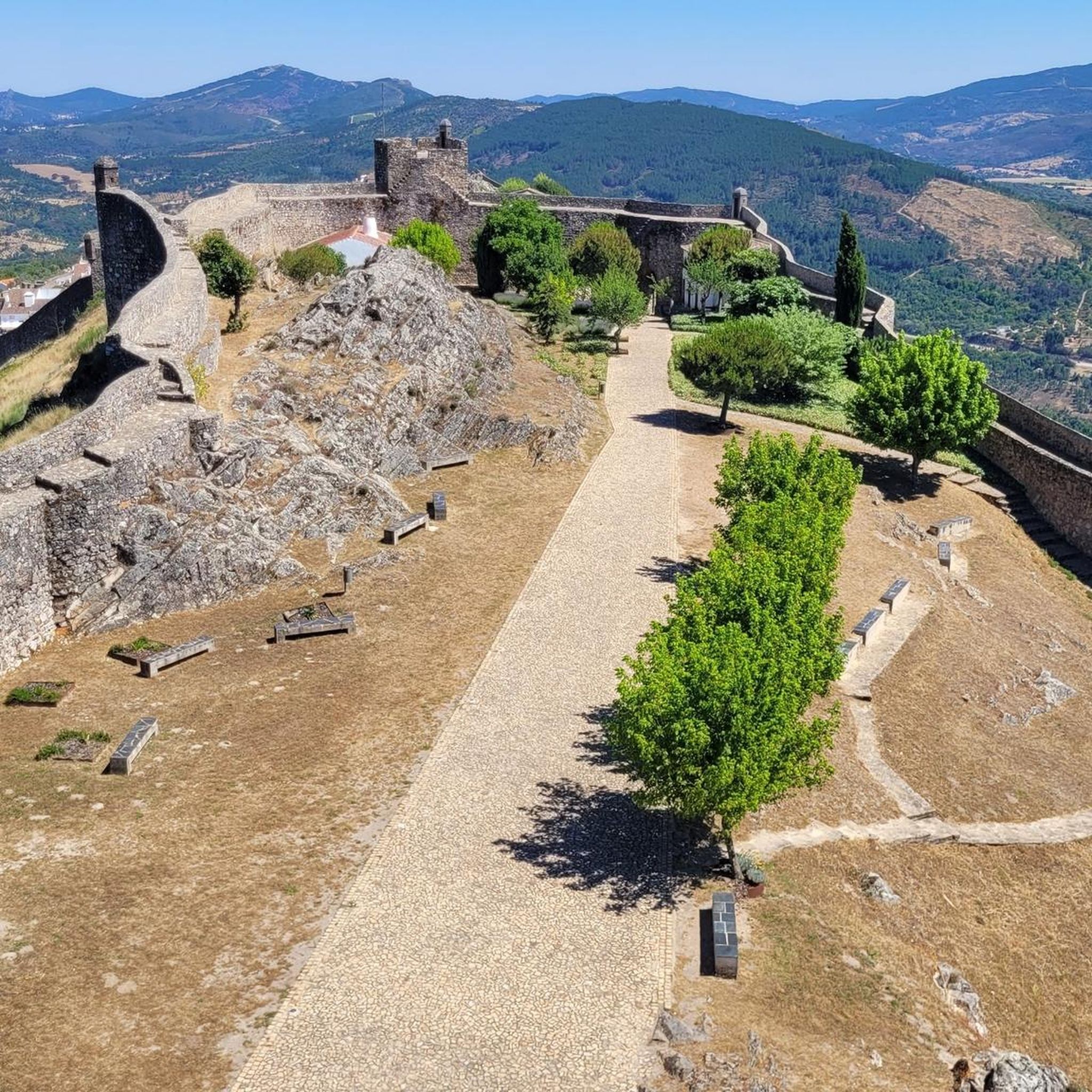
What a nice place, enormous castle with fantastic view, amazing. Definitely worth looking at
10
0

This was the main square of the village, where a weekly market once took place. This 16th-century pillory dates back to a charter granted by King Manuel I to Marvão. It was initially demolished in the 1940s after long discussions, but then rebuilt. It still has its original shaft, which was reconstructed in the second half of the century. It corresponds to the type of a cylindrical block and features a hemisphere ornamentation on four of its eight sides. At the top, there are four stone arms, designated in Luís Chaves' typology as the Bragança type.
1
0

A place to visit every month. It's wonderful.
2
0
This is a section of the Calçada Romana with great vegetation
1
0
The current pillory dates from the years immediately following the granting of the New Charter by King Manuel in 1512 and reflects his Manueline, albeit very rustic, style. The monument stands in front of the 16th-century district jail building and next to the clock tower, also from the 16th century, in the square that bears his name. It stands on a base with four octagonal steps and consists of an octagonal shaft set directly into the upper step, formed by five drums with mortar joints.
4
0
The Convent of Our Lady of the Star is a 15th-century Franciscan monastery. Founded in 1448 by Pope Nicholas V, the monastery was built on the site of a chapel dedicated to Nossa Senhora da Estrela. It is located on the periphery of Marvão's city walls. A late 15th-century Manueline cross stands in the churchyard, with a spiral column containing figures of Christ and Nossa Senhora da Piedade. https://pt.wikipedia.org/wiki/Convento_de_Nossa_Senhora_da_Estrela The complex now functions as a nursing home, run by Santa Casa da Misericirdia, which provides care for elderly residents of the region.
2
0
The fortified town of Marvão, 12 kilometers from Quinta do Pomarinho, is also known as the "Eagle's Nest." It boasts a spectacular location on a granite cliff, atop one of the peaks of the Serra de São de Mamede mountain range. Completely walled, Marvão is situated in the Alto Alentejo region, near the Spanish border, which was once controlled from the village. The town of Marvão owes its name to Ibn Maruane, an Arab military leader who sought refuge here in the 11th century. He hid on Mount Ammaia and built a castle there, in the most remote and inaccessible spot he could find. Years later, the castle was transformed into a medieval fortress. Its location made it a strategic defensive position, nestled among hills with slopes to the north, south, and west, accessible only on foot from the village. For many years, Marvão was a municipality heavily and significantly involved in numerous military conflicts in the region. Today, Marvão is a rather sleepy town, but one where you can enjoy wonderful walks. More information can be found here: https://www.feriasemportugal.com/marvao
4
0
The parish church of Santa Maria was first documented in 1321. At that time, it was handed over to the Order of Malta, which was governed by the Priory of Crato in this region of the Alentejo. In 1987, the church was converted into a municipal museum. However, its religious function can still be seen in the structure and an 18th-century chapel, decorated with figurative tile paintings and a Baroque carved altar. The museum displays archaeological finds from the surrounding area and ethnographic exhibits that tell the history of Marvão. A truly beautiful museum. The entrance fee is €1.90 and is absolutely worth it. It displays many pieces from the region in clean glass display cases.
1
0
Frequently Asked Questions
How many hiking trails are available around Beirã?
There are over 70 hiking routes available in the Beirã area, catering to various skill levels. This includes 20 easy routes, 48 moderate routes, and a few more challenging options for experienced hikers.
What kind of terrain can I expect on hikes near Beirã?
Hikes around Beirã offer diverse terrain, ranging from easy gravel roads to more rugged paths with varied elevation. You'll encounter extensive cork oak and holm oak woods, rolling hills, and notable granite formations, all within or adjacent to the Serra de São Mamede Natural Park.
Are there easy hiking routes suitable for beginners or casual walkers?
Yes, Beirã offers several easy routes perfect for beginners or those seeking a relaxed walk. For example, the Beirã – Gravel road loop from Beirã is a 6.9 km (4.3 miles) trail that follows a gravel road, providing an accessible walking experience. Another easy option is the Gravel road – Beirã loop from Bica, which is 7.3 km (4.5 miles) long.
Are there any circular hiking routes in the Beirã area?
Many of the trails around Beirã are designed as loops, offering convenient circular walks. Popular options include the easy Beirã – Gravel road loop from Beirã and the moderate Hiking loop from Santo António das Areias, which takes you through rolling hills and oak woods.
What natural features or landmarks can I see while hiking around Beirã?
The region is rich in natural beauty and historical landmarks. You can explore the diverse landscapes of the Serra de São Mamede Natural Park, characterized by cork oak forests, granite formations, and rivers. Notable historical sites include the dramatic Historic Village of Marvão and its impressive Marvão Castle, perched atop a quartzite monolith, offering breathtaking panoramic views.
Are there historical sites or villages accessible via hiking trails?
Absolutely. Several hiking routes connect Beirã to charming historical villages. The area is known for its medieval heritage, with trails leading to places like Marvão and Castelo de Vide. You can also find megalithic monuments and Roman ruins in the wider region, offering a glimpse into the past.
Is Beirã a good place for family-friendly hikes?
Yes, Beirã is suitable for family-friendly hikes, especially with its abundance of easy and moderate routes. The gravel road loops are particularly good for families, offering straightforward paths through pleasant scenery. The diverse flora and fauna of the Serra de São Mamede Natural Park also provide engaging points of interest for children.
Can I bring my dog on the hiking trails around Beirã?
Many trails in the Beirã area and within the Serra de São Mamede Natural Park are dog-friendly. However, it's always recommended to keep your dog on a leash, especially in natural park areas where wildlife is abundant, and to respect local regulations regarding protected areas and livestock.
What is the best time of year to go hiking in Beirã?
The best time to hike in Beirã is generally during the spring (March to May) and autumn (September to November) months. During these periods, the weather is milder, and the landscape is vibrant with blooming flowers or rich autumnal colors. Summers can be very hot, while winters are cooler and can bring more rainfall.
What do other hikers enjoy the most about hiking in Beirã?
The hiking routes in Beirã are highly rated by the komoot community, with an average score of 4.7 stars from over 300 reviews. Hikers often praise the region's diverse landscapes, from extensive oak woods to dramatic granite formations, and the opportunity to explore historical villages and castles like Marvão.
Are there any longer, more challenging hikes available near Beirã?
For those seeking more challenging routes, the region offers longer trails with greater elevation changes. For instance, the Historic Village of Marvão – Marvão Castle loop from Bica is a moderate 14.3 km (8.9 miles) hike with significant ascents, providing a more strenuous experience and rewarding views of the historic village and castle.
Are there options for parking near the trailheads in Beirã?
Yes, many trailheads in and around Beirã, especially those starting from the village itself or nearby points like Bica and Santo António das Areias, typically have accessible parking options. It's advisable to check specific route details for precise parking information.
Most popular attractions around Beirã

Get inspired with the komoot mobile app


Explore more
Browse the best Hikes in other regions.
